REVIEW · MARRAKESH
Marrakech: 3-Hour Open-Air Moroccan Cooking Course
Book on GetYourGuide →Operated by Riyad El Cadi · Bookable on GetYourGuide
Spice lessons, but hands-on. In Marrakech, this cooking course pairs a riad courtyard kitchen with a guided meal-making flow that turns unfamiliar ingredients into dishes you can actually repeat at home.
I especially like the small-group feel, with room to ask questions while you cook. I also love the focus on key Moroccan flavors—preserved lemon, rose water, and ras el hanout—and how they balance sweet, salty, and aromatic notes.
One drawback: the class is not suitable for wheelchair users, since it takes place in a riad setting with steps and an open-air kitchen setup.
In This Review
- Key things that make this cooking course worth your time
- From Jemaa el-Fnaa pick-up to a riad courtyard kitchen
- What you’ll cook: tagine-style slow cooking plus Moroccan salad sides
- The “preparation before the fire” advantage
- The chef-led lesson: how Moroccan flavors fit together
- Ras el hanout, preserved lemon, and rose water (what they do)
- Lunch in the riad: eating where the lesson becomes real
- Why this shared meal matters
- Dietary options and real flexibility
- Group size, timing, and what the schedule feels like
- Price and value: what you’re really paying for
- Who should book this cooking course
- Practical tips before you go
- Names you might hear during your session
- Should you book it?
- FAQ
- FAQ
- How long is the Moroccan cooking course in Marrakech?
- Where is the pick-up point and when does pick-up happen?
- What time does the cooking class start?
- How many people are in the group?
- What do I cook during the class?
- Can the menu be adapted for dietary restrictions?
- Where will I eat the lunch?
- Are tea, coffee, and water included?
- Is alcohol included?
- Is the cooking course wheelchair accessible?
Key things that make this cooking course worth your time
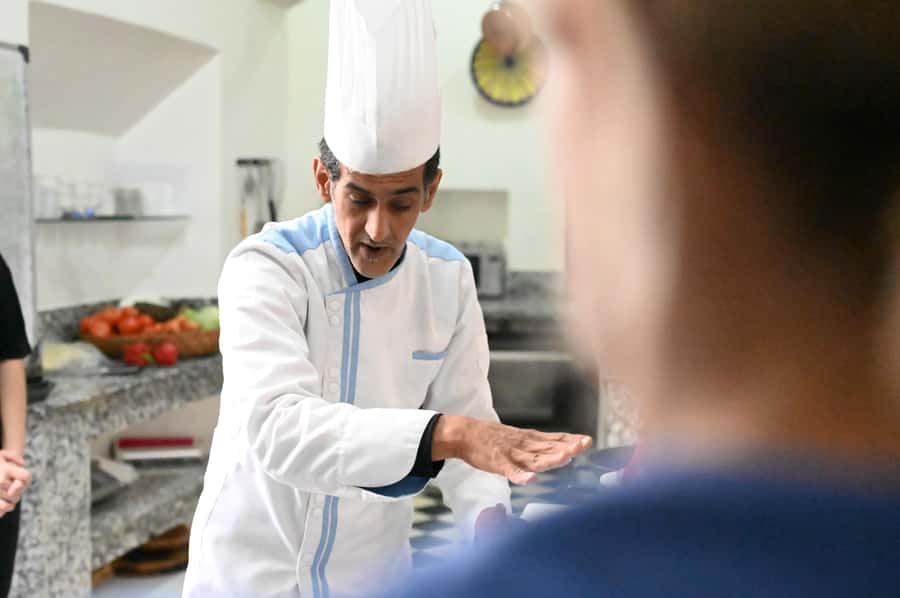
- 14th-century riad setting: you cook in a stylish traditional courtyard kitchen, not a chain-class studio
- Tagine plus salads: you’re not just watching—fire cooking and salad prep happen while you learn
- Spice and ingredient education: preserved lemon, rose water, and ras el hanout get explained in practical terms
- Pick-up in Jemaa el-Fna area: you get help getting out of the maze and into the riad calmly
- Small group (up to 8): better attention from the chef when things get hands-on
- Eat your meal where you like: courtyard peace or rooftop views, depending on the moment
From Jemaa el-Fnaa pick-up to a riad courtyard kitchen
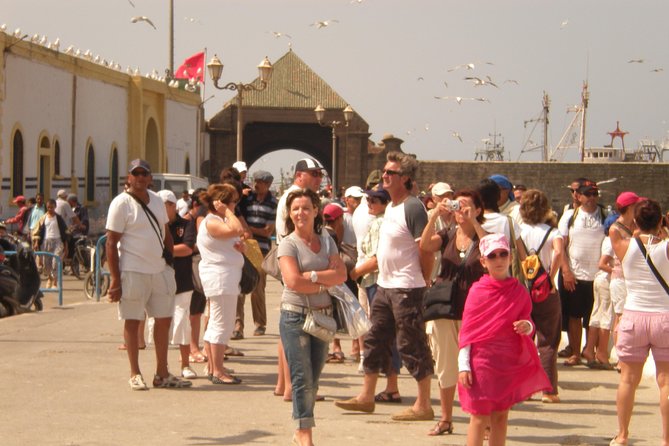
You start near Jemaa el-Fna—the meeting point is Café de France, with pick-up typically between 10:45 and 11:00. The class starts at 11:00, and during summer there’s also a 16:30 start time. You’ll be guided from the busy square area to the riad by a staff member, so you’re not trying to solve Marrakech street logic with a backpack, a head full of spices, and zero map confidence.
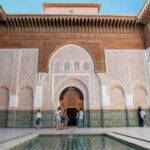
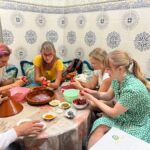
Once you arrive, the vibe changes fast. Instead of outer-city noise, you’re in a traditional riad atmosphere—courtyards, low walls, and that slightly cool hush you only get when you step past the street. Before you cook, you unwind with mint tea. It’s not just a nice touch; it’s the right reset. Cooking classes in Morocco work best when you slow down enough to pay attention to what’s happening.
And yes, the setting is a big part of the experience: it’s described as a stylish place with 14th-century riad ambience, which makes the whole session feel like you’re learning in someone’s home, not ticking a tour-box.
You can also read our reviews of more cooking classes in Marrakesh
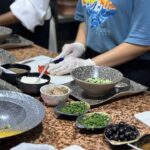
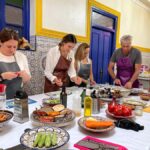
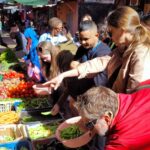
What you’ll cook: tagine-style slow cooking plus Moroccan salad sides
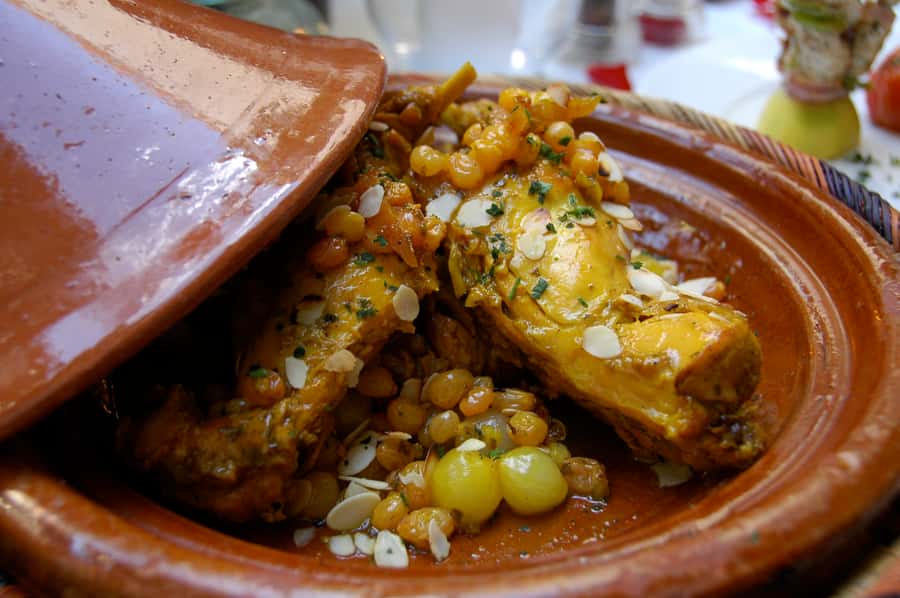
The heart of the lesson is Moroccan “slow food” technique—making a meal that tastes layered, not rushed.
Expect a cooking plan that centers on:
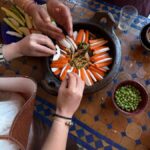
- A tagine you cook while it simmers over the fire
- A set of Moroccan salads that work like a prelude to most Moroccan meals
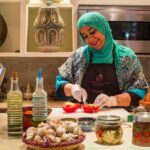
Even if the exact combo shifts based on the menu and your dietary choices, the structure stays consistent: you learn ingredients, then you apply technique in real time. You’ll be actively chopping, seasoning, and cooking under the chef’s direction, so the class doesn’t turn into a show.
From the cooking-style descriptions and the most detailed meal examples, you can anticipate flavors built around:
- preserved lemon
- rose water
- ras el hanout (that signature spice blend)
If you’ve ever bought a spice mix in the market and wondered what to do with it besides sprinkle it on fries, this part helps. You’ll learn not just which spices appear, but how they work with other ingredients and when they go in.
The “preparation before the fire” advantage
One detail that matters: ingredients are prepared for your cooking experience. That means you’re not spending half the session running around the kitchen gathering mystery items. You get to focus on learning how to combine and cook, which is the point.
The chef-led lesson: how Moroccan flavors fit together
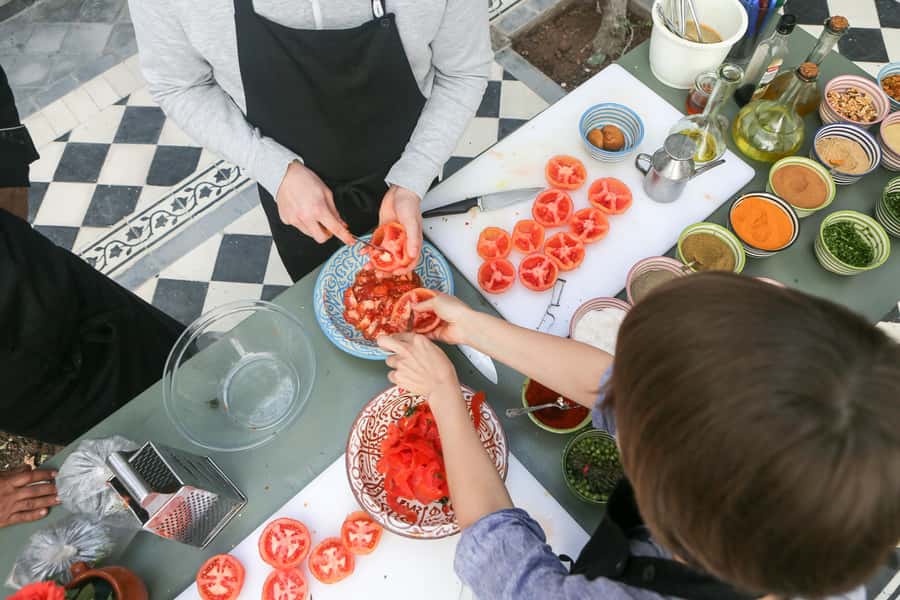
This class doesn’t treat spices like magic dust. It explains them in a way you can use.
You’ll learn how Moroccan cuisine often plays with balance:
- sweet and savory in the same meal
- salty depth with aromatic lift
- fruit-and-spice style notes alongside savory foundations
That balance is one of the reasons Moroccan food feels memorable. It’s also why it’s worth paying attention in class. If you understand the logic, you can recreate it later—at least the spirit of it.
Ras el hanout, preserved lemon, and rose water (what they do)
Here’s what these ingredients are doing in plain terms:
- preserved lemon brings salty tang and mellow acidity, not sharp lemon bite
- rose water adds perfume-like floral notes so the dish tastes scented, not sugary
- ras el hanout acts like a blend of warm spices that rounds out other flavors
You might see these in the tagine flavors and in your salad components, and the chef’s explanations help you understand why the combinations matter.
A few more Marrakesh tours and experiences worth a look



Lunch in the riad: eating where the lesson becomes real
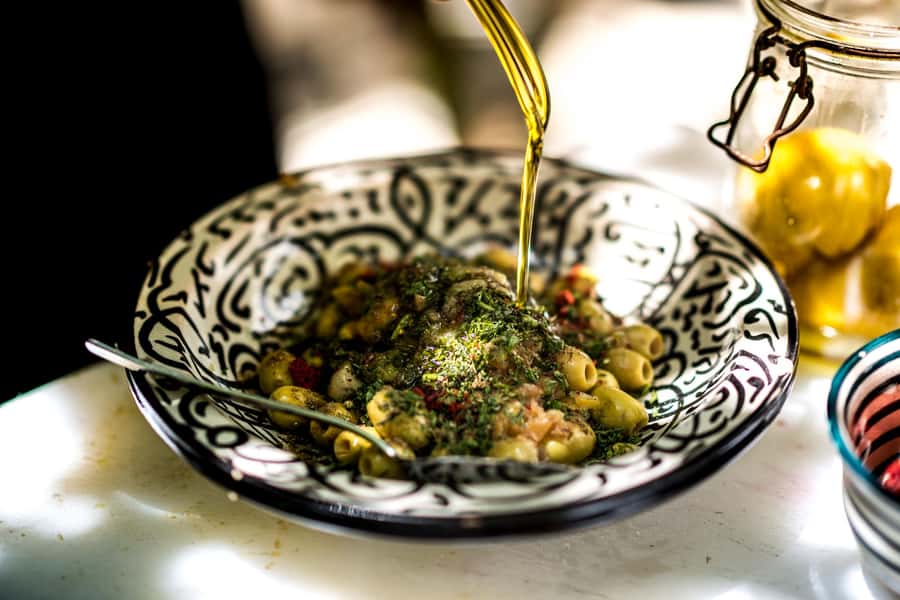
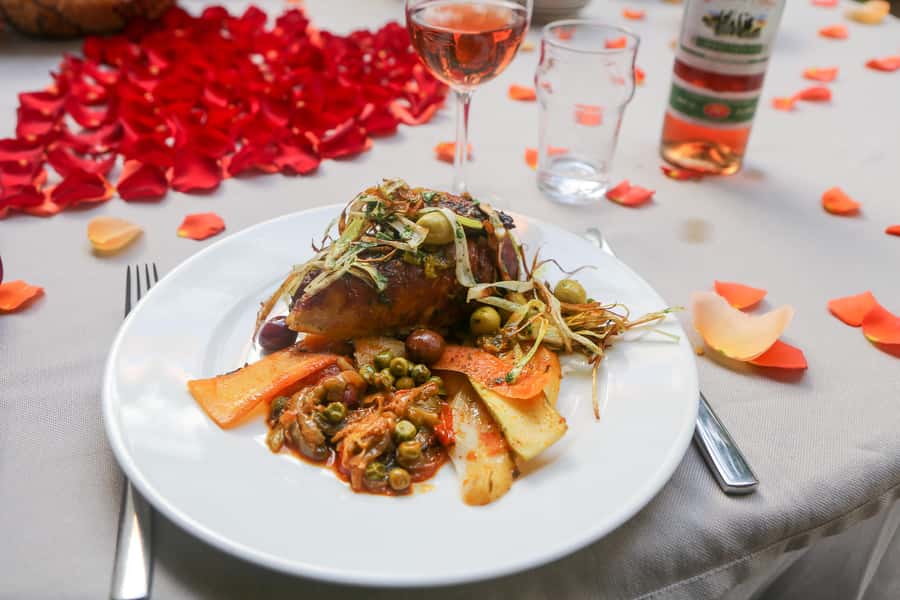
After cooking, you sit down to the meal you made.
The class ends with a shared lunch, and you get a choice of mood:
- dine in the peace of the courtyard, or
- enjoy a rooftop view
That choice sounds small, but it changes your whole experience. Courtyard dining feels calmer and more intimate, while rooftop dining gives you Marrakech light and air—especially nice if the morning class ends before the heat peaks.
You’ll also enjoy tea or coffee at the end of the session, plus mineral water. If you want wine, the option is there—Moroccan wine is mentioned as part of the meal experience, and additional drinks aren’t included—so plan on wine being something you add if you’d like it.
Why this shared meal matters
Plenty of cooking classes teach you technique but don’t give you the satisfaction of eating what you made in the place that shaped it. Here, the setting stays Moroccan all the way through. You get the full arc: hands-on cooking, then actual tasting in a traditional space.
Dietary options and real flexibility
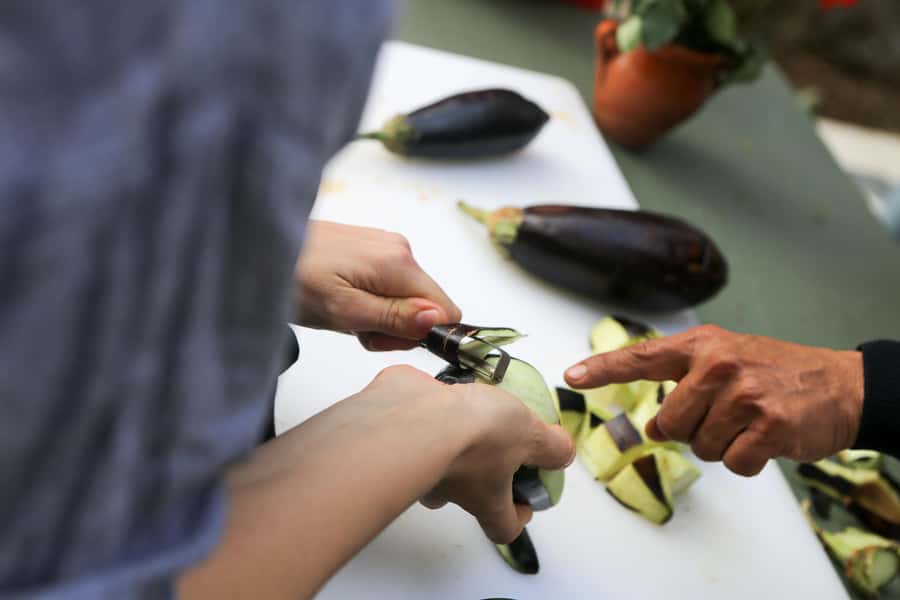
If you need adjustments, you’re covered. The course can be tailored to:
- vegetarian
- vegan
- gluten free
That’s huge for value. A lot of classes claim they can adapt, but in practice you end up with a sad substitute dish. Here, tailoring is explicitly part of the offering, so you should expect your menu to still follow the Moroccan logic of tagine flavors and salad prelude.
Kids up to 13 years can join at a reduced price, for families who want a hands-on food experience rather than another museum stop. (The minimum age requirement mentioned is 14+ for the standard pricing group.)
Group size, timing, and what the schedule feels like
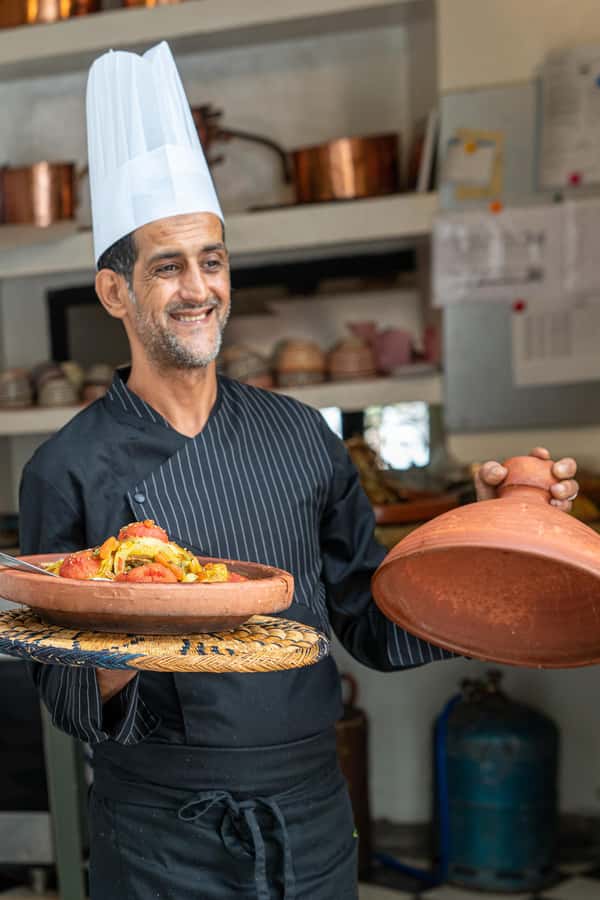
This is a small group course—limited to 8 participants. Minimum participants are 2 adults over age 14. A small group changes the whole feel of cooking. You get more direct attention from the chef when you’re working with spices, adjusting seasoning, or waiting for the tagine to reach that simmer point.
Timing is also worth planning around:
- Pick-up is in the late morning window (or early afternoon in summer when the later start happens)
- You cook, then lunch happens before the class ends
- Tea/coffee follows the meal
So this works well as a daytime anchor in Marrakech. It’s also a smart choice if you want something cultural that doesn’t require a long walking schedule between sites.
Price and value: what you’re really paying for
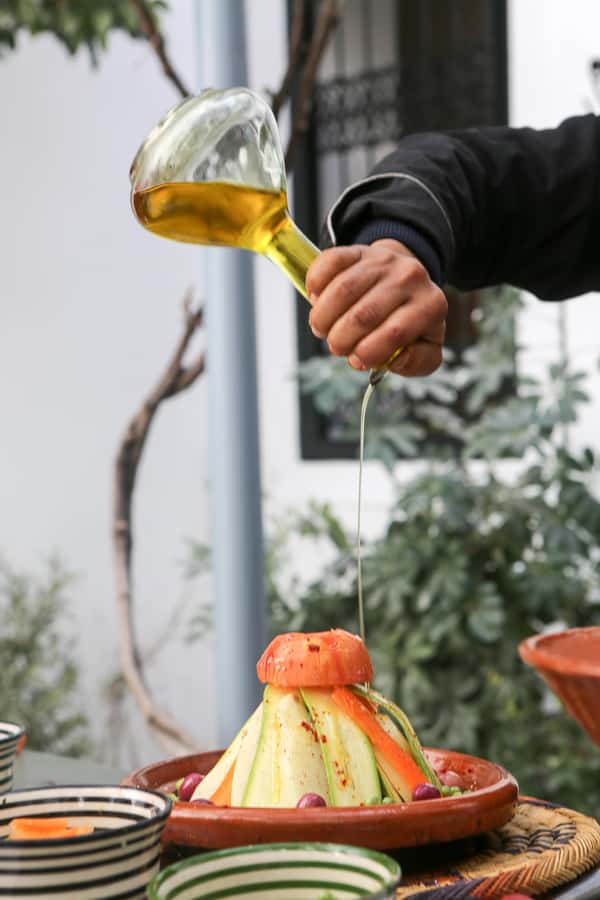
At $88 per person for a ~4-hour experience, you’re not just buying a plate of food—you’re paying for:
- pickup help from Jemaa el-Fna area
- guided cooking instruction with a chef
- lunch (the meal you helped make)
- mint tea and/or coffee at the end
- mineral water
- recipes in English or German
- a small-group format
When you break it down that way, the value comes from the full package: you’re learning technique, eating immediately, and leaving with recipes you can use again. The ingredient education—preserved lemon, rose water, and ras el hanout—matters too. If you’ve ever felt overwhelmed by Moroccan spices, this class helps turn the guessing into method.
Wine is optional and sits in the “additional” category, so if you plan to drink, expect that to affect your final spend.
Who should book this cooking course
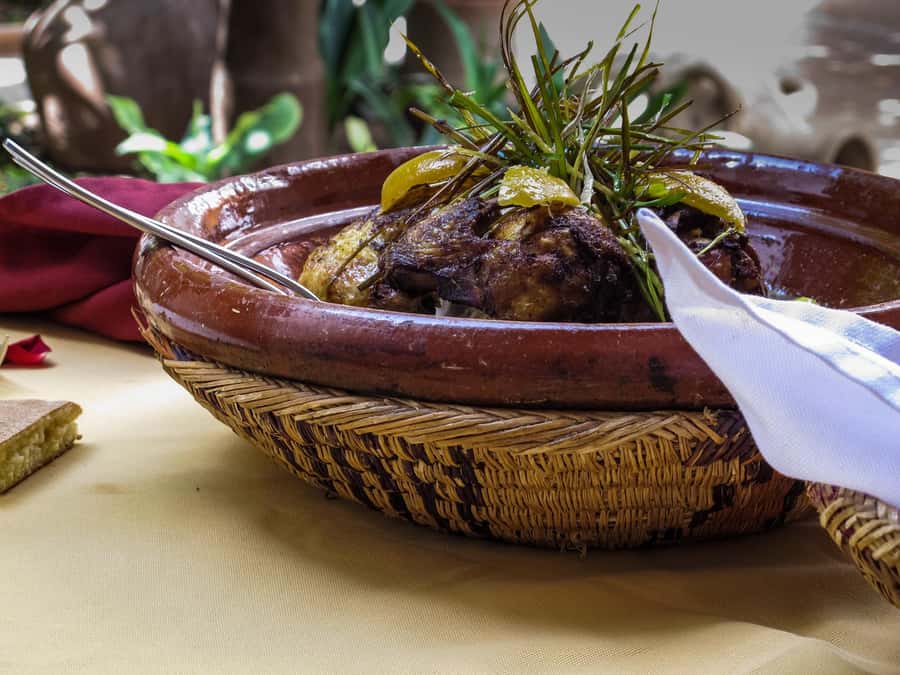
I’d point you toward this if you want:
- a hands-on Marrakech activity (not just a viewing tour)
- a guided introduction to Moroccan flavors beyond “spice smells good”
- a small-group experience with time for questions
- a meal you can share and eat in a calm riad setting
You’ll likely love it if you’re the type who buys ingredients at the market but wants to understand what they do. You don’t need to be a cooking expert. The structure is built for real participation.
It’s also a good choice if you prefer authentic atmosphere over heavy sightseeing. You get local food culture in a format you can feel.
Practical tips before you go
A few smart things to do that will make the day easier:
- Wear comfortable clothes you don’t mind getting a little spice dust on (this is cooking, not a gala).
- Plan to be present. This class runs best when you keep questions coming and follow the chef’s timing while the tagine cooks.
- If you drink wine, decide ahead of time. Additional drinks aren’t included, so you’ll control your budget better.
- Ask about your dietary needs clearly when booking. Tailoring is available, but you’ll get the smoothest outcome when staff know what to adjust from the start.
Names you might hear during your session
Some classes are led by chef Hassan, and you may also meet hosts such as Khatija as part of the welcome and support. Even when the exact team varies, you can expect the same kind of friendly, practical instruction tone.
Should you book it?
If you want a Marrakech experience that combines food learning, cultural context, and a real meal in a classic riad setting, book it. The small group size, hands-on tagine cooking, salad prep, and the ingredient lessons around preserved lemon, rose water, and ras el hanout are the core reasons this works.
Skip it only if you strongly need wheelchair accessibility or if you’re looking for a short, low-effort activity. This is meant for people who are happy to chop, season, and wait for the tagine to simmer—then enjoy the results.
FAQ
FAQ
How long is the Moroccan cooking course in Marrakech?
The course lasts about 4 hours.
Where is the pick-up point and when does pick-up happen?
Pick-up is from the Café de France area near Jemaa el-Fna. Pick-up is typically between 10:45 and 11:00, and you should call beforehand to confirm the exact time.
What time does the cooking class start?
The cooking class starts at 11:00. During summer, there’s also a 16:30 start time.
How many people are in the group?
It’s a small group limited to 8 participants.
What do I cook during the class?
You’ll learn to prepare a Moroccan meal centered around a tagine, plus a selection of Moroccan salads.
Can the menu be adapted for dietary restrictions?
Yes. Vegetarian, vegan, and gluten-free options are available, and the course can be tailored to your wishes.
Where will I eat the lunch?
You’ll eat the meal at the end of the session in the riad courtyard or on the rooftop terrace, depending on the plan.
Are tea, coffee, and water included?
Yes. Tea or coffee is included at the end, and mineral water is included.
Is alcohol included?
Wine is mentioned as an option with your meal, but alcoholic drinks are listed as not included in the package.
Is the cooking course wheelchair accessible?
No, it’s not suitable for wheelchair users.