REVIEW · MARRAKESH
Marrakech: 3-day Exclusive Desert Luxury Tour; Quad & Camels
Book on GetYourGuide →Operated by Morocco traditional Travels · Bookable on GetYourGuide
The Sahara comes fast on this tight trip. What makes this 3-day route fun is the mix of UNESCO Ait Ben Haddou and Erg Chebbi camel time sandwiched into long-drive comfort with an English/French-speaking driver. I also like the Bedouin camp touches like Tam Tam drumming and the chance to try henna and Berber clothing, which makes the night feel more than just sleeping outside. One thing to watch: lunch and drinks are not included, and some roadside stops can be aimed at tourists.
This is a solid value if you want the big desert highlights without planning logistics across multiple transfers. You’ll move through the High Atlas toward Ouarzazate (Gate of the Sahara), roll past the Dades Valley, then reach Merzouga for the dunes and camp. It’s not the best fit if you need wheelchair-friendly access, since the route and camp setup aren’t designed for mobility needs.
In This Review
- Key highlights worth centering in your decision
- Why this Marrakech–Merzouga tour feels like a smart deal
- Day 1: Marrakech → High Atlas crossing → Ait Ben Haddou → Dades Valley
- Ouarzazate and the Dades Valley: where the drive becomes part of the show
- Day 2: Todra Gorges canyon time and the run to Merzouga
- Erg Chebbi camel trekking: sunset, sunrise, and why the timing matters
- Bedouin camp night: dinner, Tam Tam drums, henna, and the “real” part
- Day 3: early sunrise (optional) and the long road back to Marrakech
- Hotel vs desert comfort: what to expect without surprises
- Quad bikes and sandboarding: fun add-ons with a budget check
- Food and drink: where your money will quietly go up
- Who this tour suits best (and who should skip it)
- Should you book this Marrakech to Merzouga desert luxury-style tour?
- FAQ
- How long is the tour?
- What’s included in the price?
- Are lunch and drinks included?
- Do I need to pay extra for the quad bike or deluxe camp?
- What language options do you get with the guide?
- Is the tour suitable for people with mobility impairments?
Key highlights worth centering in your decision
- A/C minibus comfort for the long roads between Marrakech, the Atlas, and the desert
- Ait Ben Haddou UNESCO kasbah stops, famous for film sets and dramatic fortified views
- Todga/Todra Gorges with a local guide to make the canyon time more meaningful
- Sunset and sunrise camel trekking on Erg Chebbi, with one camel each
- Bedouin camp night with dinner under the stars, Tam Tam drumming, plus henna and Berber clothing
- Luxury upgrades and quad bike add-ons depending on the package you choose
Why this Marrakech–Merzouga tour feels like a smart deal
At about $79 per person for 3 days, the value here is mainly what it bundles together. You get round-trip pickup and drop-off from Marrakech, an A/C vehicle, an overnight in a kasbah-style hotel, another overnight at a private-tent desert camp, plus meals: 2 continental breakfasts and 2 dinners (vegetarian option available). Add camel trekking, sandboarding, and cultural camp entertainment, and you’re buying convenience as much as you’re buying scenery.
The itinerary is also paced with breaks that matter. Long drives across southern Morocco can feel like a test if you’re doing it DIY. Here, your driver-guide is tasked with keeping the day moving while still giving you frequent stop opportunities for coffee, photos, and bathroom breaks.
There’s one tradeoff with this kind of tight, high-coverage trip: you’ll spend less time lingering in places that are calm and slow. If your travel style is “one village, one café, all day,” you might feel rushed. If your style is “see the big stuff efficiently,” this tour hits the target.
A few more Marrakesh tours and experiences worth a look
Day 1: Marrakech → High Atlas crossing → Ait Ben Haddou → Dades Valley
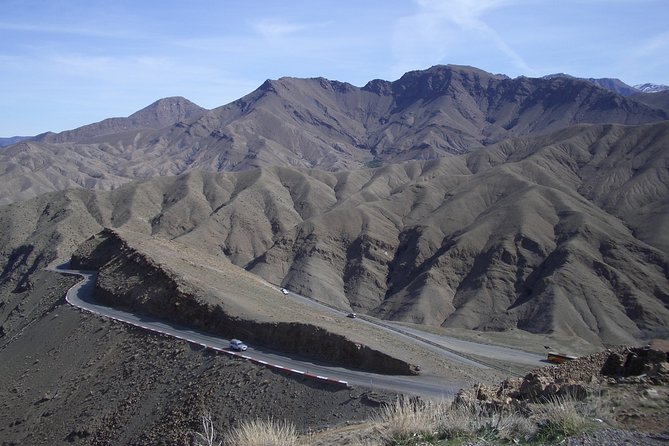
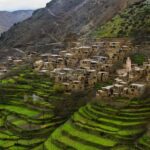
Day 1 is all about the transition: city energy out, mountain roads in. You’ll cross the High Atlas Mountains past Berber villages along the way, and that’s where the trip starts to feel real instead of just scheduled. The views tend to change quickly up there, and the stops help you stretch without turning the drive into a 6-hour detour.
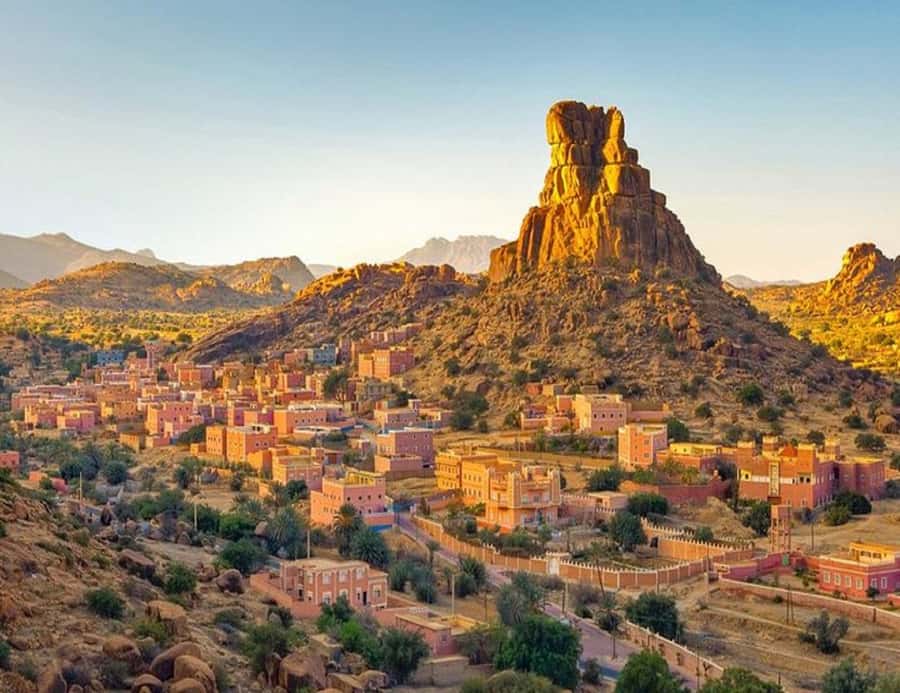
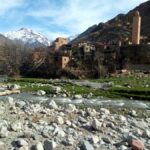
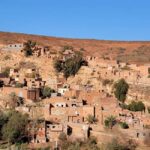
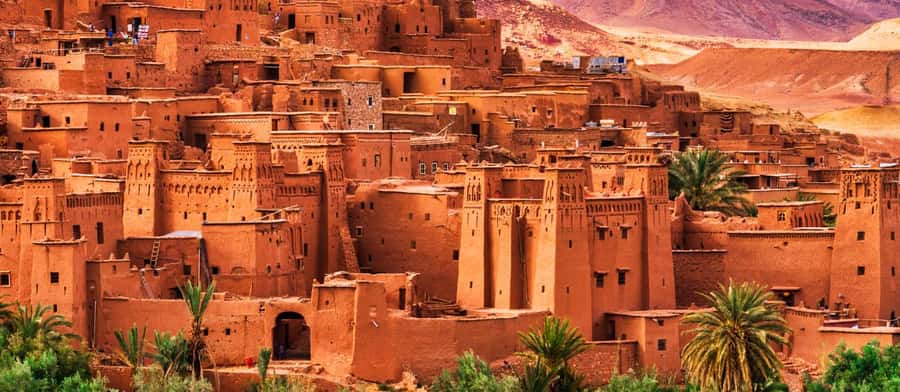
Then you reach Ait Ben Haddou, a UNESCO World Heritage site known for its fortified kasbah village look. This place shows up in movies because the architecture feels instantly cinematic: earth-toned walls, stacked houses, and tight geometry that looks dramatic even in the simplest photos. Your tour includes leisure time there, plus an optional local guide at extra cost if you want deeper context on the kasbah.
Lunch is in a restaurant stop along the route. This is the first hint that lunches are where your budget can grow, since lunch and drinks are not included. After Ait Ben Haddou, you head toward Ouarzazate, often called the Gate of the Sahara, then continue to Boumalne Dades along the Dades Valley.
By the evening you’ll sleep at a kasbah-style property such as Kasbah Amazigh or Hotel Chems (both listed as similar options). I like that this part of the tour gives you proper shower-and-rest time in rooms with toilets and showers inside, which makes the next day feel more manageable.
Ouarzazate and the Dades Valley: where the drive becomes part of the show
Ouarzazate sits in that stretch of southern Morocco where the road starts to feel like a movie set. Even if you don’t get out every minute, the area’s “desert edge” vibe is creeping closer. The tour also builds in photo stops, so you can capture the turns, viewpoints, and village textures without feeling like you’re always climbing out of the van.
When you reach the Dades Valley area, the main payoff is how the scenery shifts from mountain villages to canyon-adjacent terrain. It’s also a morale booster. After a day that’s mostly driving and one major stop, the evening downtime at Kasbah Amazigh/Hotel Chems helps you reset for the next long push toward Merzouga.
One practical note: this day can be physically busy even with breaks. If you’re prone to getting sore on road trips, bring water, a light layer for temperature swings, and something for photos that won’t punish your hands after constant stops.
Day 2: Todra Gorges canyon time and the run to Merzouga
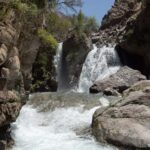
Breakfast starts your second day, then it’s off to Tinghir and Todga/Todra Gorges. The canyon stop is paired with a local guide, which is a smart move for this kind of place. Without that, you can still enjoy the cliffs, but with guidance you get more sense of why the gorge looks the way it does and what to pay attention to.
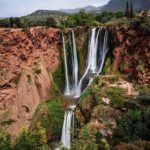
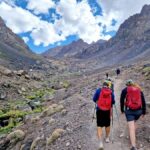
Todda/Todra Gorges is where you’ll have free time to explore the canyons. It’s the kind of stop that rewards a slower walk, but you don’t have to be an expert hiker. Just wear shoes you trust and give yourself a little time to stand in the canyon and feel how narrow it gets.
After lunch at a local café, you continue toward Merzouga to meet your camel caravan. Once you arrive, you trade wheels for sand. That shift is usually the moment people start to grin for real, because Erg Chebbi is one of Morocco’s most famous dune areas for a reason: the sand looks wide and gold, and the horizon feels bigger than you expected.
Erg Chebbi camel trekking: sunset, sunrise, and why the timing matters
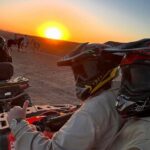
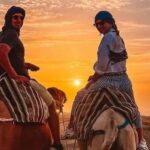
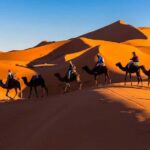
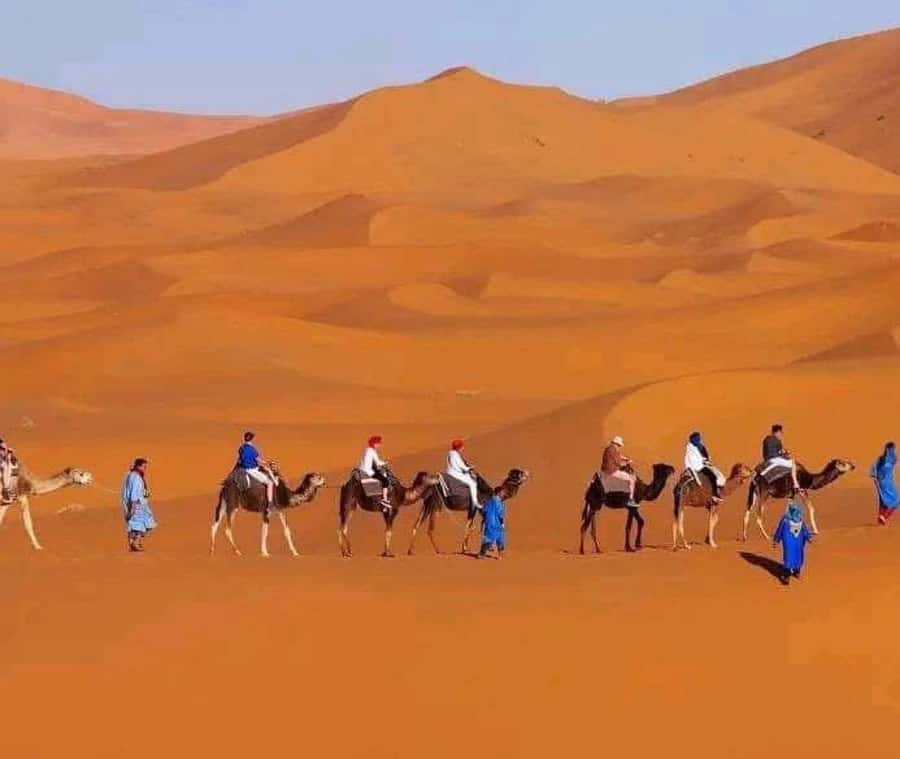
Your camel trekking is built around the two best times to be on the dunes: sunset and sunrise. You’ll ride at sunset into camp, then (optionally early) you can do another ride for sunrise the next morning. The tour lists this as one camel each, which helps prevent the usual “shared animal” compromises.
Camel time also changes your pace. On a camel, you move slower than on foot, and that forces you to actually watch light shift across the dunes. Sunset tends to look dramatic, but sunrise can be even better because it’s calmer and cooler, and the desert glow feels more intimate.
One thing I recommend: dress for temperature swings. Even when the day feels warm, the desert can cool off fast after dark. You’ll want a light jacket and something for your head.
By the time you reach camp, you’re aiming to settle before nightfall. That’s important because once you’re in the dune area, you’re done with logistics and focused on being present.
A few more Marrakesh tours and experiences worth a look
Bedouin camp night: dinner, Tam Tam drums, henna, and the “real” part
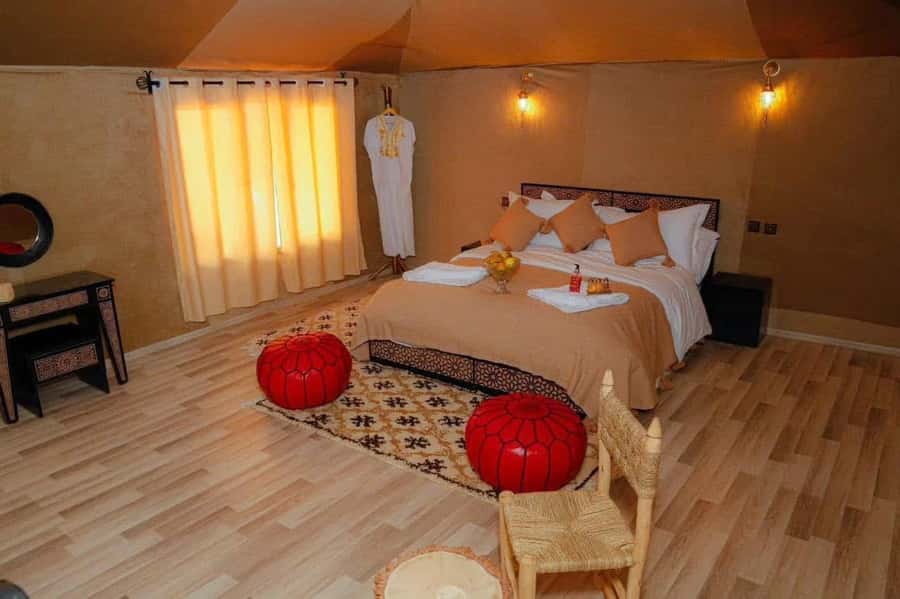
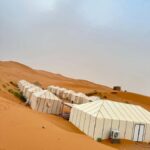
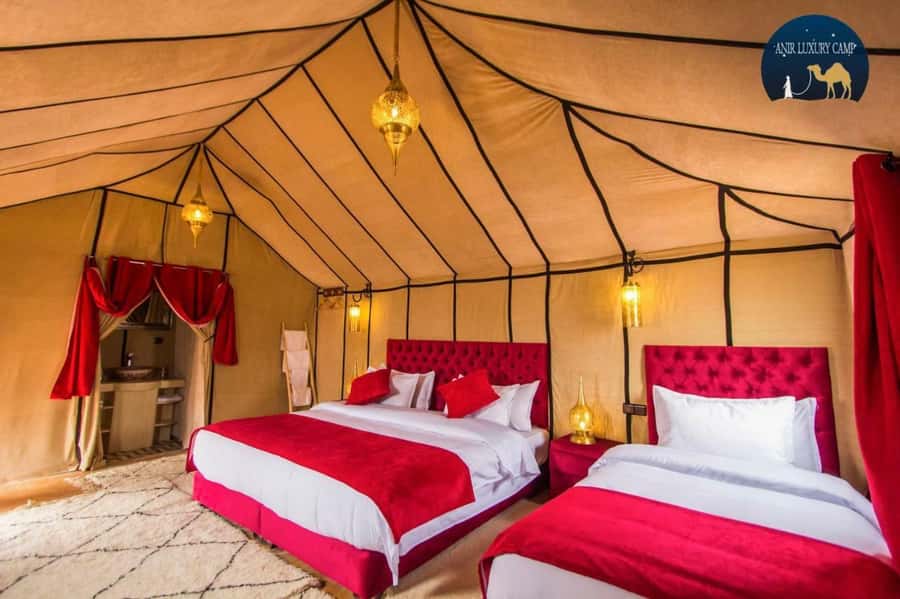
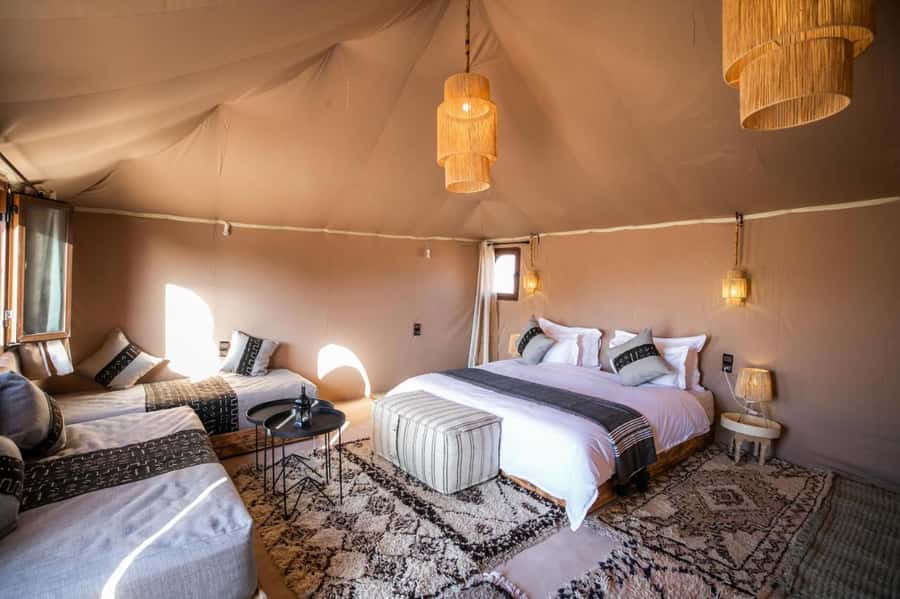
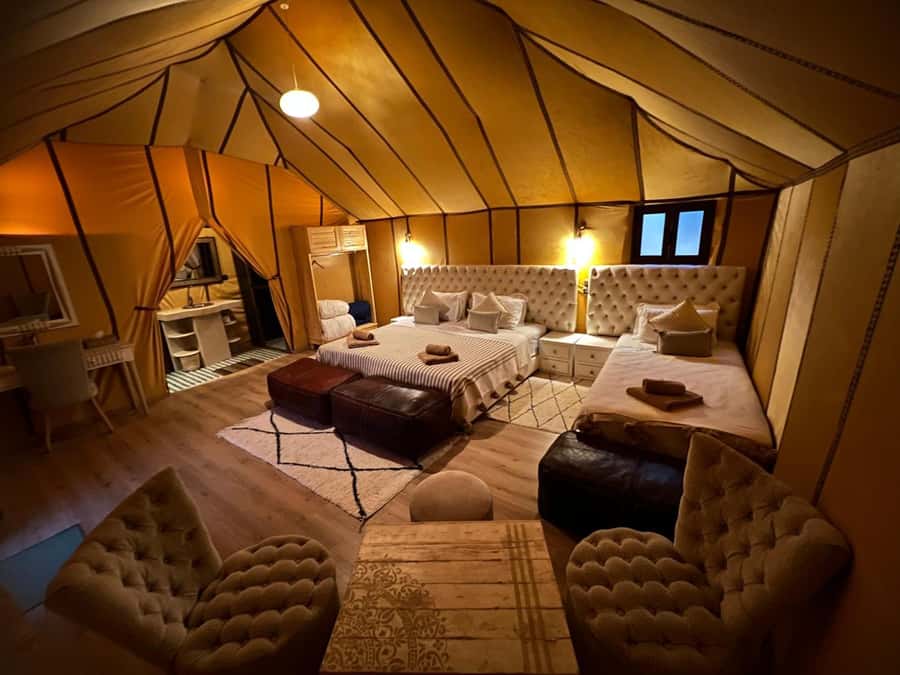
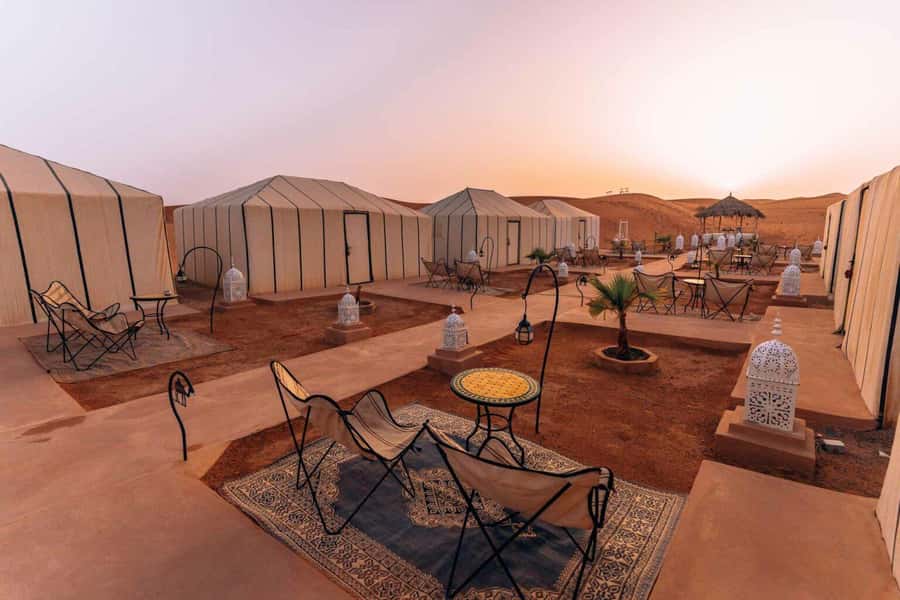
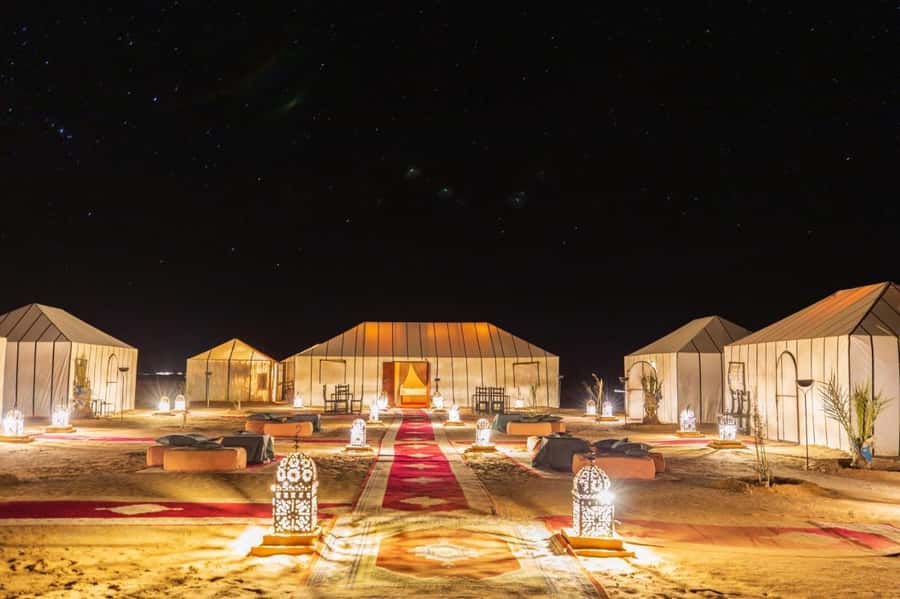
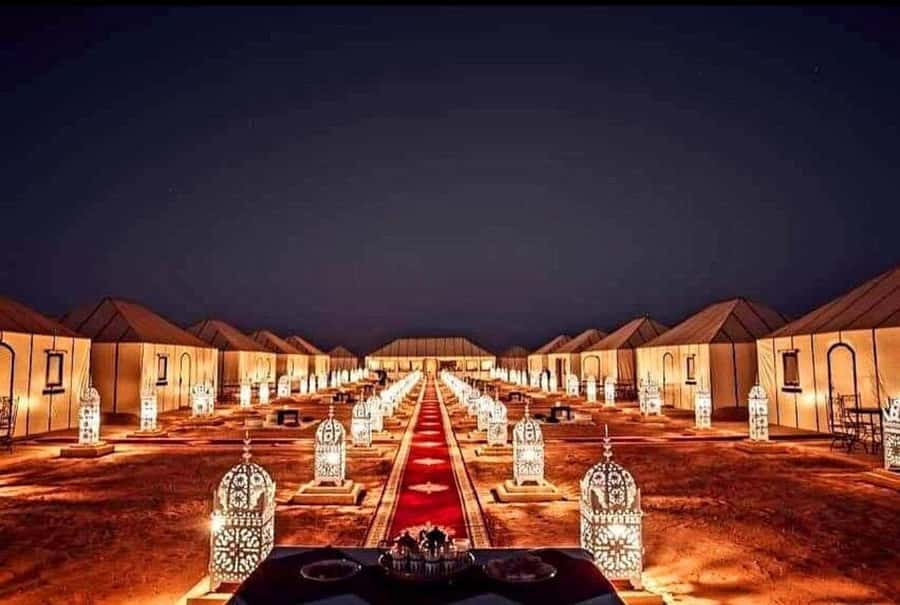
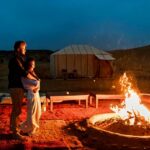
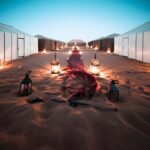
The camp setup is a core reason this tour works for many people. You sleep in a private tent at an Auberge Sahara Desert camp (listed as a second overnight camping option). Toilets are outside and showers are in the lodge, so this is not hotel luxury. Still, the camp experience is designed to feel special: dinner under the stars, entertainment, and cultural moments you can participate in.
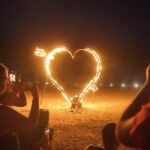
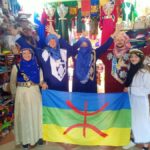
A key highlight is the Tam Tam drums performance by local nomads. It’s not just background music; it gives you a shared “camp vibe” so the night feels social and alive. There’s also a chance to try on traditional Berber clothing and henna, which is fun even if you keep it simple and only do a small amount.
Entertainment and participation do have a small downside: some cultural activities in high-tourism areas can feel staged. The good news here is that the camp night doesn’t replace the desert. It’s the dessert after you’ve earned the view.
If you upgrade to a deluxe desert camp, you’re paying for a different comfort level—your own private tent with an ensuite shower and bathroom facilities, plus 5-star amenities are listed. That upgrade can be worth it if you know you’ll struggle with basic showers or prefer more privacy. Just be aware you’ll still be in the desert environment, so don’t expect everything to feel like a city hotel.
Day 3: early sunrise (optional) and the long road back to Marrakech
Day 3 starts with an early wake-up for sunrise camel trekking if you choose the sunrise option. If you’re on the fence, I’d lean yes—sunrise tends to be quieter and less crowded than sunset, and the dunes look completely different when the light is low.
After sunrise, you’ll have breakfast, then your driver picks you up for the return toward Ouarzazate and Marrakech. The tour includes a halfway lunch stop at a local restaurant and then a drop-off back around 8 PM at your original departure point or Djemaa El Fna.
This return day can feel like a “reset day,” but it’s also where you get back some real comfort. You’ve already done the big physical experience of dunes and camel trekking, so now it’s just getting home without stress.
Hotel vs desert comfort: what to expect without surprises
This is one of those tours where your comfort level depends on what you compare. The first overnight is in a hotel such as Kasbah Amazigh/Hotel Chems, and rooms are listed as private with A/C and ensuite bathrooms (toilets and showers inside rooms). That helps you recharge after Day 1 driving.
The camp is more rustic. Toilets are outside and showers are in the lodge. Many people do fine with this once they’re set up for the night, but if you’re picky about bathroom routines, plan to upgrade if that matters to you.
Also keep your expectations realistic around water and supplies. One practical tip that fits this route: if you care about snacks, personal items, or drinks (including alcohol), buy what you need in Marrakech because supply in the camp can be limited and prices can be worse on the road.
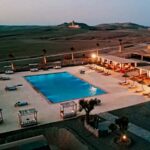
And yes, it’s nice that swimming pools are listed as available at the first and second day stops. After hours in a vehicle, even a quick pool moment can make you feel human again.
Quad bikes and sandboarding: fun add-ons with a budget check
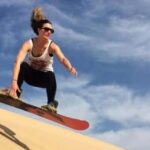
This tour includes sand-boarding, which is one of the best “I’m really here” activities. It’s also relatively easy to fit into a short desert schedule compared to longer desert hikes.
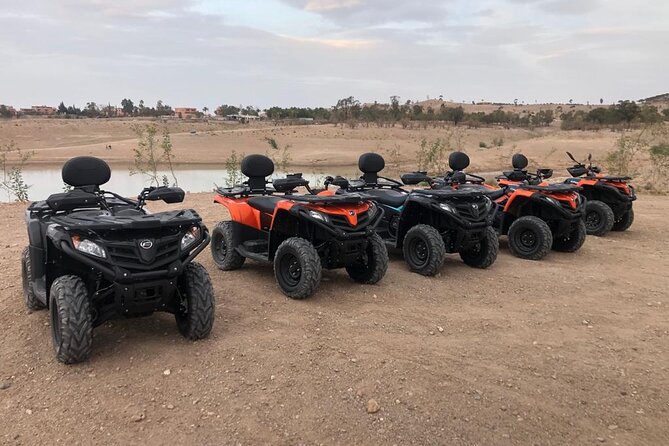
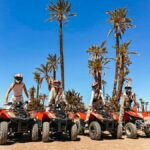
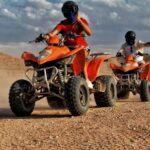
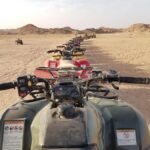
Quad biking is the area where you need to read the package you’re choosing. The info says Quad Bike riding is included in the Luxury option, but it also lists quad riding details as not included with fees (with prices for single and double). Translation: quad time may cost extra depending on the specific upgrade you book. Before you go, confirm how many minutes you get and what’s actually included in your exact option.
If you’re deciding between spending on comfort (like the deluxe private tent) versus spending on activity (like quad biking), think about what will bother you more at night: basic showers or missing the adrenaline. The good thing is the core desert experience—camels, dunes, sunset and sunrise—stays in place either way.
Food and drink: where your money will quietly go up
Food on this route is partly included and partly not. You’ll have two continental breakfasts and two dinners, and vegetarian options are available for dinners. That covers the important desert meals, so you’re not stuck hunting food after camel trekking.
Lunches and drinks are not included, and that’s where the “tourist price” feeling can appear. Some restaurant stops can be geared toward visitors, which can make lunch feel expensive compared with local standards. If you’re traveling on a tight budget, pack a few snacks and water for the drive days and use lunches strategically.
If you want a simple plan: treat included meals as your anchor, and plan to spend a little on lunch each day. That way you don’t get surprised when you’re hungry at a roadside stop.
Who this tour suits best (and who should skip it)
This is a great fit if you:
- Want Marrakech to Merzouga in 3 days without arranging separate transport
- Like a packed schedule with major highlights: Ait Ben Haddou, Todra Gorges, Erg Chebbi dunes
- Enjoy cultural extras like henna, Berber clothing, and camp music
- Prefer small-group handling with an English/French-speaking driver-guide
It’s a weaker fit if you:
- Need mobility-friendly access (the tour lists it as not suitable for people with mobility impairments)
- Hate long driving days or want ultra-slow travel
- Are very sensitive to basic camp comfort unless you pick the deluxe tent upgrade
Also, if you’re traveling as a couple or friends, the pricing and shared experience can be excellent. The group vibe is usually part of the point—waiting for sunset together turns into the best kind of “we’re all in this” moment.
Should you book this Marrakech to Merzouga desert luxury-style tour?
I’d book it if you want the classic Morocco desert circuit with real structure and no planning headaches. The bundle is strong: A/C transport, hotel comfort on the first night, a private desert tent on the second night, camel trekking at both sunset and sunrise, plus sandboarding and camp entertainment. At $79, you’re not paying for each small service separately, and the route is set up to get you to the dunes fast from Marrakech.
I wouldn’t book it if budget anxiety around lunches and optional quad time will stress you out. Also skip the base comfort level if you know basic showers will ruin the vibe for you—then consider the deluxe heated/ensuite-style tent upgrade.
If you’re the type who likes big sights, memorable nights, and a tour that manages the pace for you, this one is a practical win.
FAQ
How long is the tour?
It’s a 3-day tour from Marrakech to Merzouga and back.
What’s included in the price?
Pickup and drop-off, an A/C modern minibus/mini-van, a driver/guide (English/French-speaking), 1 hotel overnight with A/C ensuite room, 1 private-tent desert camp overnight, 2 continental breakfasts, 2 dinners (vegetarian option available), swimming pool access on the first and second day, camel trekking for sunset and sunrise, sandboarding, a local guide at Todra Gorges, Berber music show, chance to try Berber clothing and henna, and photo stops. Quad riding is listed as included in the luxury option, depending on what you choose.
Are lunch and drinks included?
No. Lunches and drinks are not included.
Do I need to pay extra for the quad bike or deluxe camp?
Deluxe desert camp upgrades are available for extra fees that you pay directly at the camp, and quad biking also has extra pricing listed in the provided details. It depends on the exact option you book, so confirm what’s included for your package.
What language options do you get with the guide?
Languages listed are English, Spanish, French, and Arabic.
Is the tour suitable for people with mobility impairments?
No. The tour is not suitable for people with mobility impairments.