REVIEW · MARRAKESH
Marrakech: 3-Day Desert Trip to Merzouga with Luxury Camp
Book on GetYourGuide →Operated by Sahara Desert Trip · Bookable on GetYourGuide
Camels, dunes, and mountain roads in three days. This Marrakech to Merzouga trip mixes Erg Chebbi sunrise and sunset camel rides with High Atlas mountain viewpoints for a route that feels like three different Morocco moods. You also hit big-ticket sights like Ksar Aït Benhaddou and the Todra Gorges with local guidance where it counts.
What I really like: the camel timing. You get the desert both at night and again at first light, which is when Erg Chebbi turns quiet and unreal. I also like that the itinerary spends real time on standout places such as Tinghir Oasis and Todra Gorges, instead of racing past them like a drive-by.
One thing to keep in mind: the days are long and the road is part of the deal. If you go in hot months, plan for heat and bring patience, and check how comfortable your ride and camp setups are.
In This Review
- Quick take: what makes this trip work
- Marrakech to Merzouga: the 3-day rhythm you’re signing up for
- Day 1: Tizi n Tichka viewpoints and Aït Benhaddou to Boumalne Dades
- Ouarzazate stop: Kasbah Taourirt is optional
- Day 2: Tinghir Oasis and Todra Gorges with local guidance
- Erg Chebbi desert night: sunset camel ride and camp atmosphere
- Day 3: sunrise camel trek, sandboarding, and Kelâat M’Gouna lunch stop
- Luxury camp and overnight hotel reality check
- What’s included versus what you should budget
- Who this trip suits best (and who should skip it)
- Tips to make the ride easier and the desert night better
- FAQ
- How many days is the Marrakech to Merzouga desert trip?
- What’s included for meals?
- Are camel rides included?
- Is sandboarding included?
- Where do you stay overnight?
- What sights are included?
- Do you get a guide at Ksar Aït Benhaddou?
- Are entry tickets included?
- What documents and items should I bring?
- Is this trip suitable for wheelchair users or pregnant travelers?
- Should you book this Marrakech to Merzouga desert trip?
Quick take: what makes this trip work
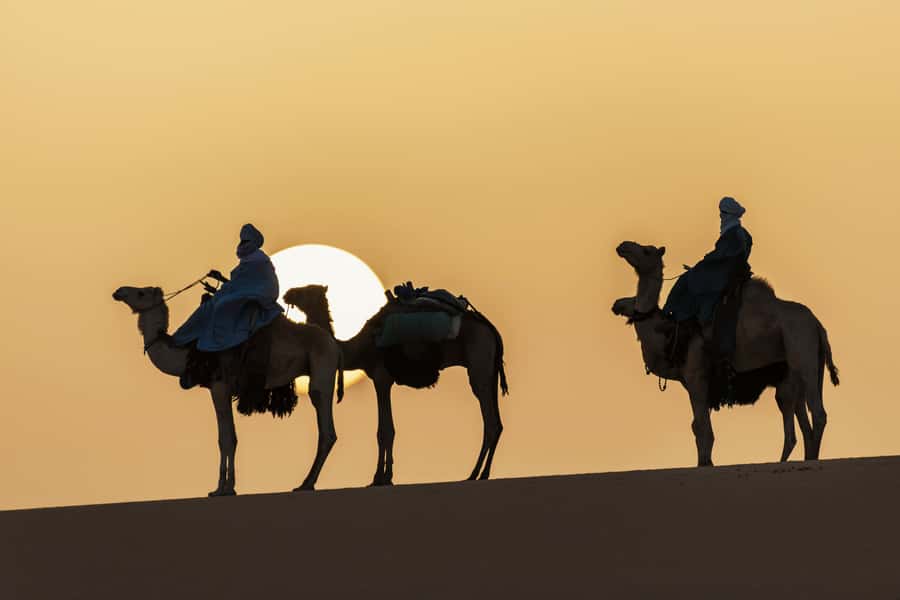
- Sunrise plus sunset camels in Erg Chebbi, not just one quick ride
- Tinghir Oasis and Todra Gorges with a local guide to explain what you’re seeing
- Ksar Aït Benhaddou with a focused 2-hour visit (entry included)
- Luxury desert camp night in Merzouga plus included dinners and breakfasts
- Sandboarding included for some classic desert fun
Marrakech to Merzouga: the 3-day rhythm you’re signing up for
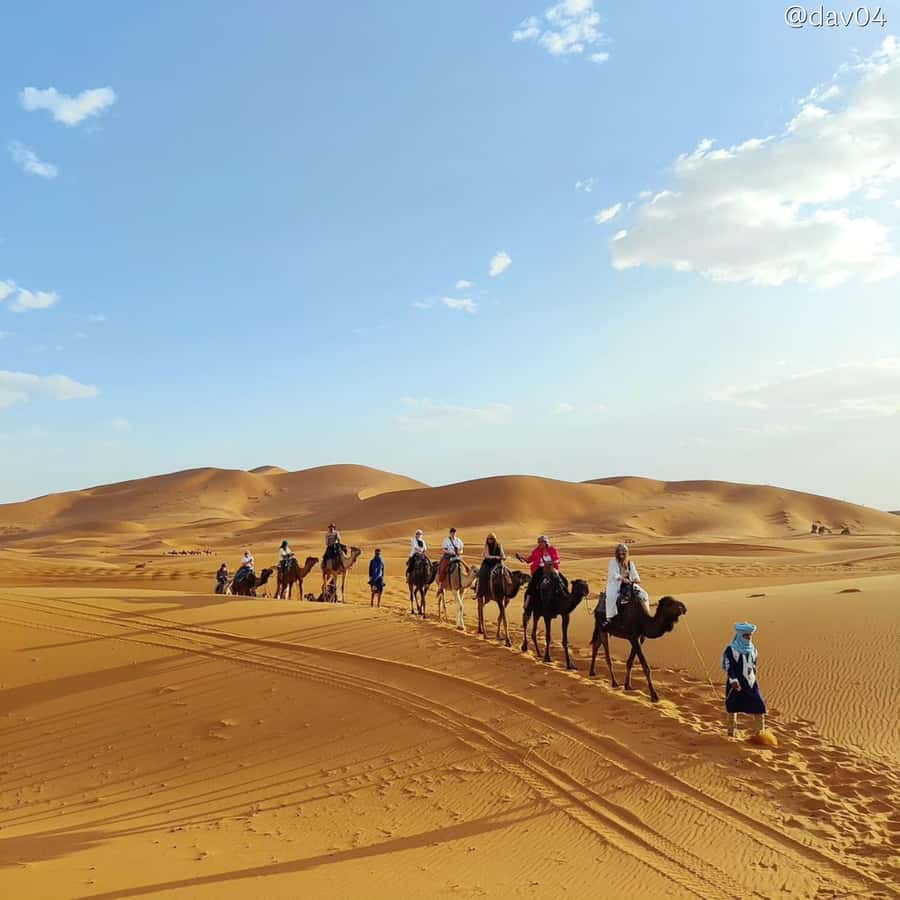
This is a true “from the city to the desert” trip. In three days, you’ll swap pavements for mountain passes, then for palm-edged valleys, then for sand and star-filled nights. It’s not a slow, lingering style tour. It’s a route built for first-time visitors who want the big sights without planning every connection.
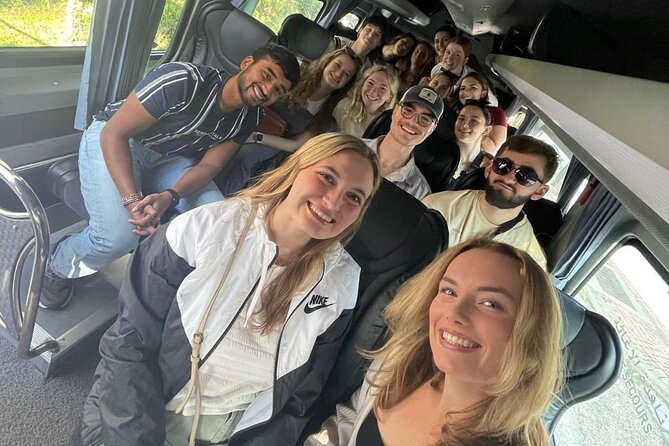
The included transportation is a big part of the value. You’re on a roundtrip minibus (8 or 17 seats), and pickup/drop-off is handled. That means you can focus on the road experience, the stops, and your two desert moments.
A few more Marrakesh tours and experiences worth a look
Day 1: Tizi n Tichka viewpoints and Aït Benhaddou to Boumalne Dades
Day 1 is your High Atlas intro, and it starts with a memorable photo stop: Tizi n Tichka. You’ll have about 10 minutes at the viewpoint to take in the views and grab pictures. It’s short by design, but it’s enough time to appreciate why this pass matters and why people talk about it.
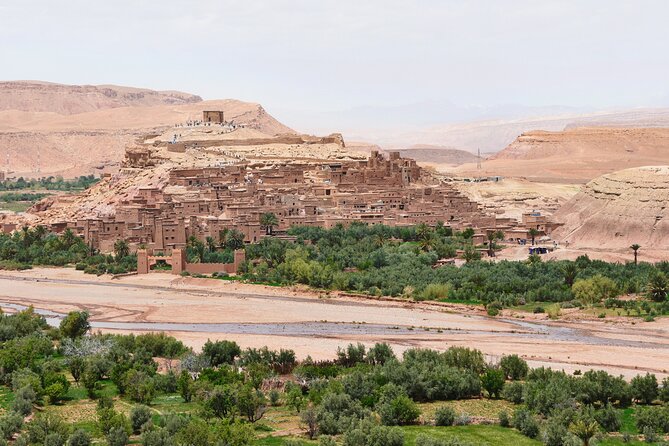
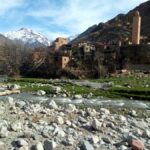
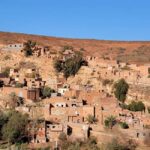
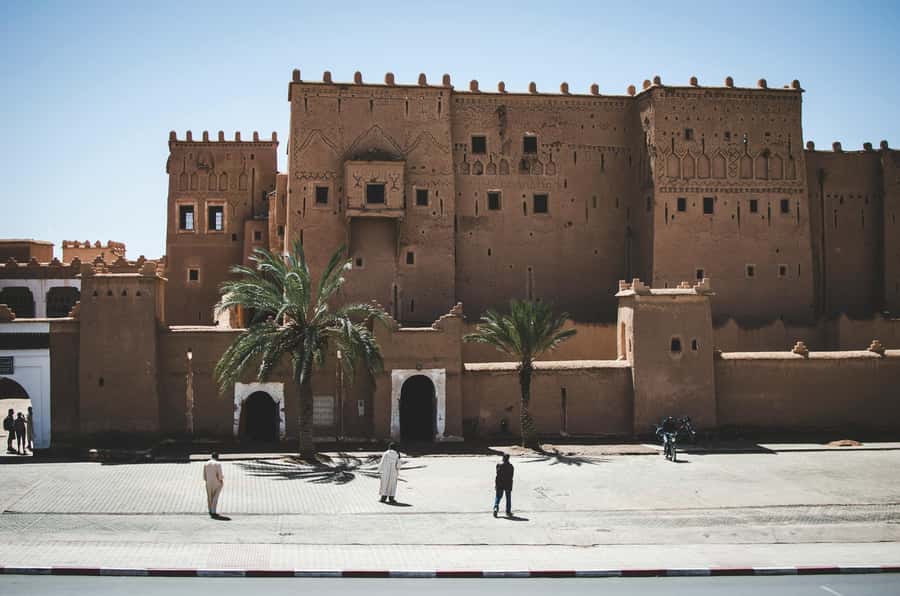
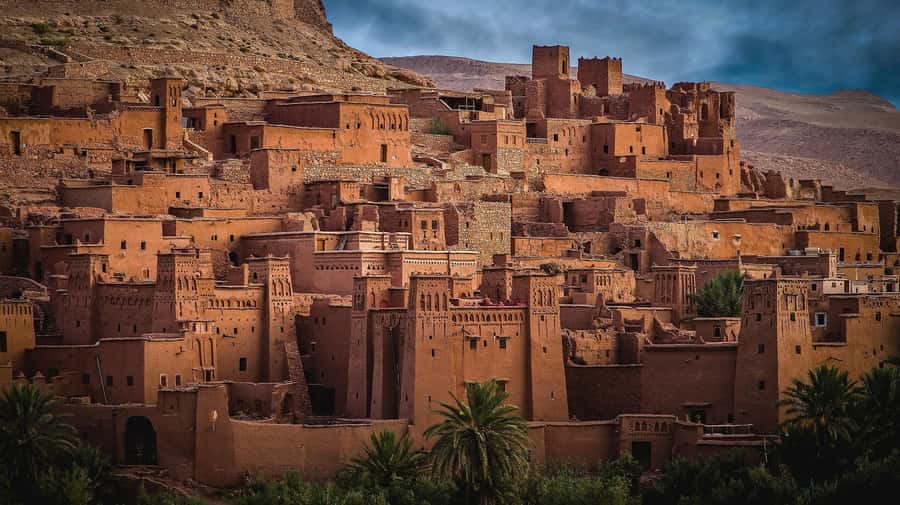
Next up is the headline historical stop: Ksar Aït Benhaddou. You’ll get around two hours to explore the ksar, and entry tickets are included. The ksar is famous for a reason: it’s a fortified village built with earthen architecture, and it helps you understand how people lived in this region long before modern infrastructure.
A key practical note: the Ksar visit here does not include a guide. If you want interpretation, you’ll be reading the mood and architecture yourself, which can still be great, but it changes how much context you get.
After Ouarzazate, you roll on to Boumalne Dades for dinner and an overnight hotel stay. This is the “reset night” between the big sightseeing day and the desert push. You’ll want a shower, a calm meal, and sleep that can survive early mornings.
Ouarzazate stop: Kasbah Taourirt is optional
In Ouarzazate, you may see the Kasbah Taourirt, but it’s listed as optional. Think of it as a flexible add-on if your group and schedule allow it.
This is a good moment to ask your driver what’s planned before you get moving. Optional stops can feel like a bonus when you’re in the mood, and like a time squeeze when you’re not.
Day 2: Tinghir Oasis and Todra Gorges with local guidance
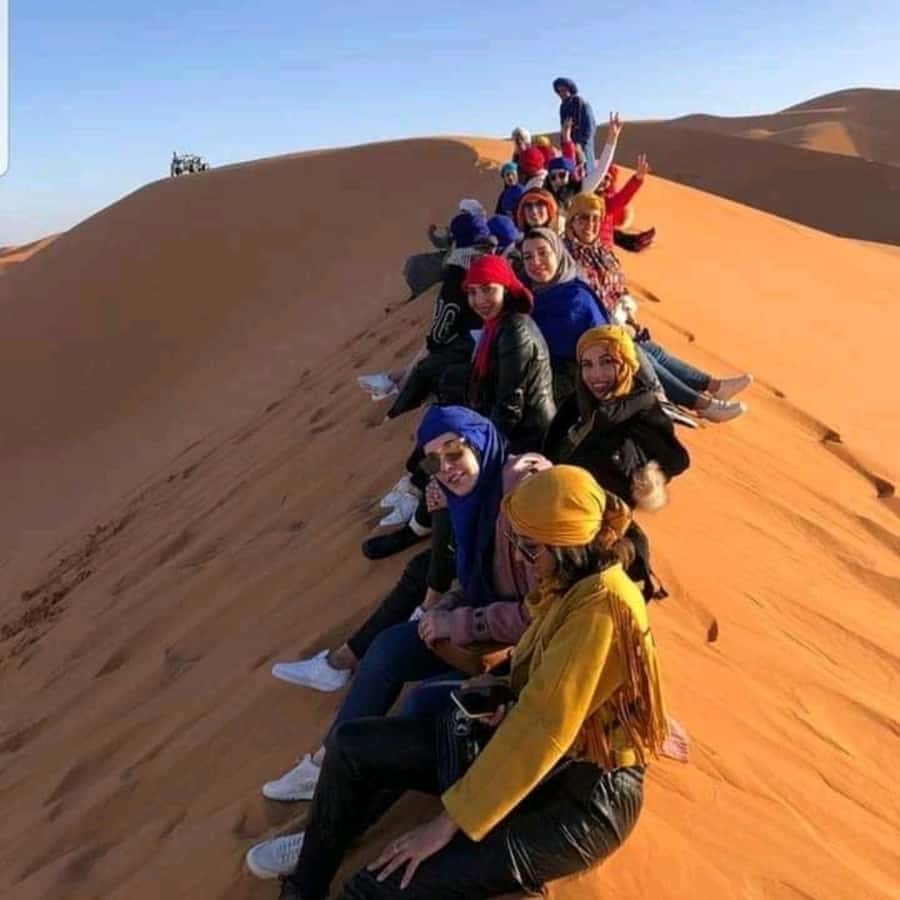
Day 2 is about the contrast between water and stone. After breakfast, you head to Tinghir Oasis for about one hour with a local guide, with entry included. Even if you’re not the type who loves stopping in every small town, the oasis break helps your brain reset from mountains and prepares you for the gorge later.
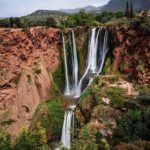
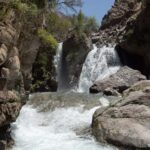
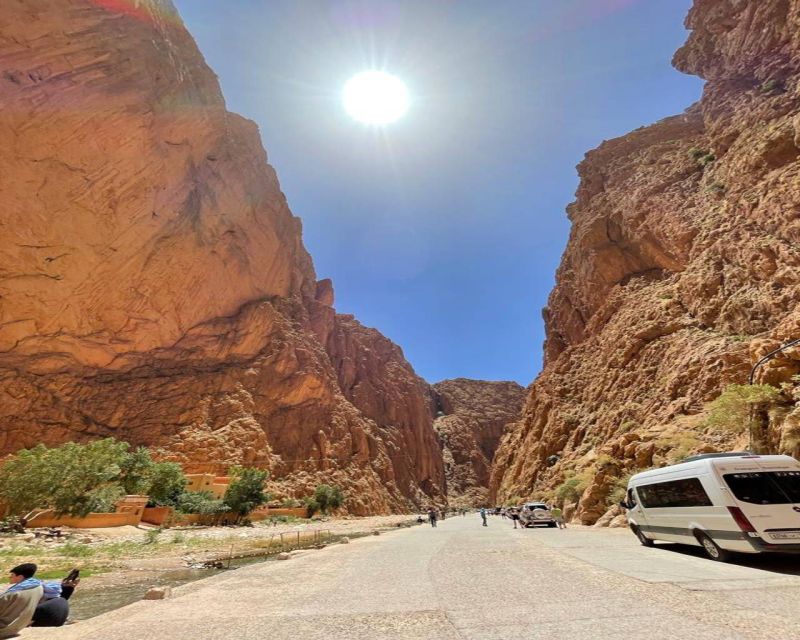
Then comes the gorge day highlight: Todra Gorges. You’ll spend time there with a local guide for about 15 minutes, and entry is included. Fifteen minutes can sound short, but Todra is dramatic. The canyon walls are the point, and a good guide helps you understand what you’re looking at quickly.
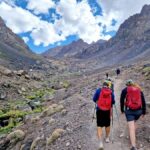
This is also the day when schedules can include extra pauses for food and rest. One of the best ways to use this day is to treat the gorge area as your “camera and legs” window. Wear shoes you trust, because rock surfaces and uneven ground can make it harder than it looks from a bus window.
Erg Chebbi desert night: sunset camel ride and camp atmosphere
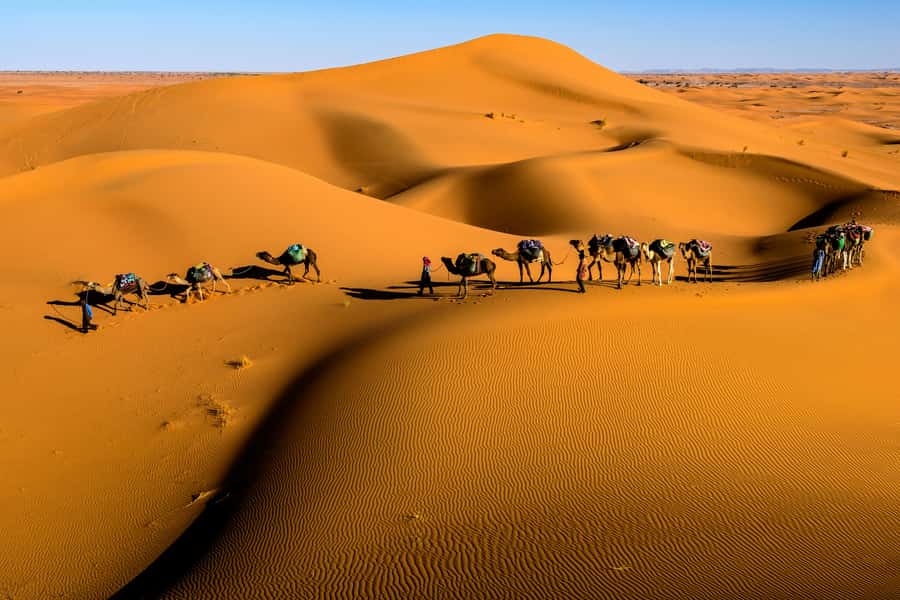
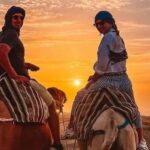
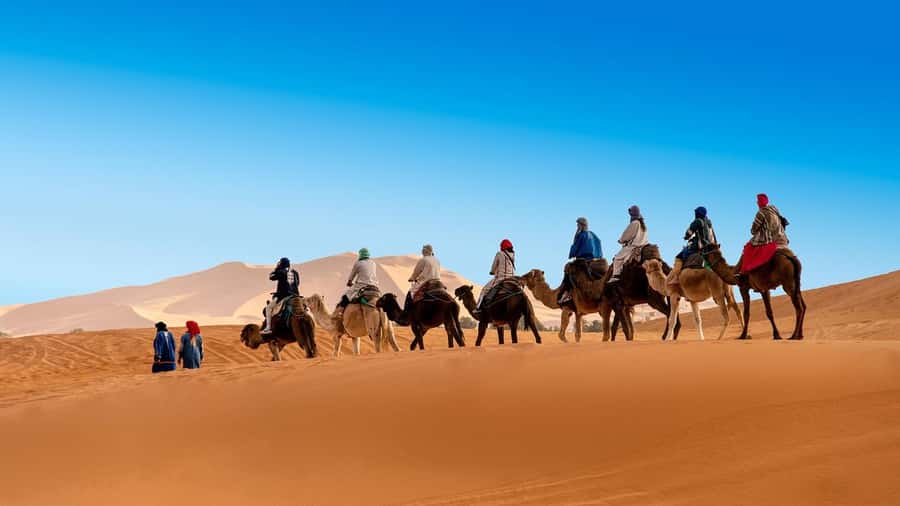
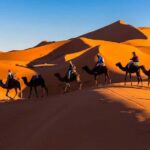
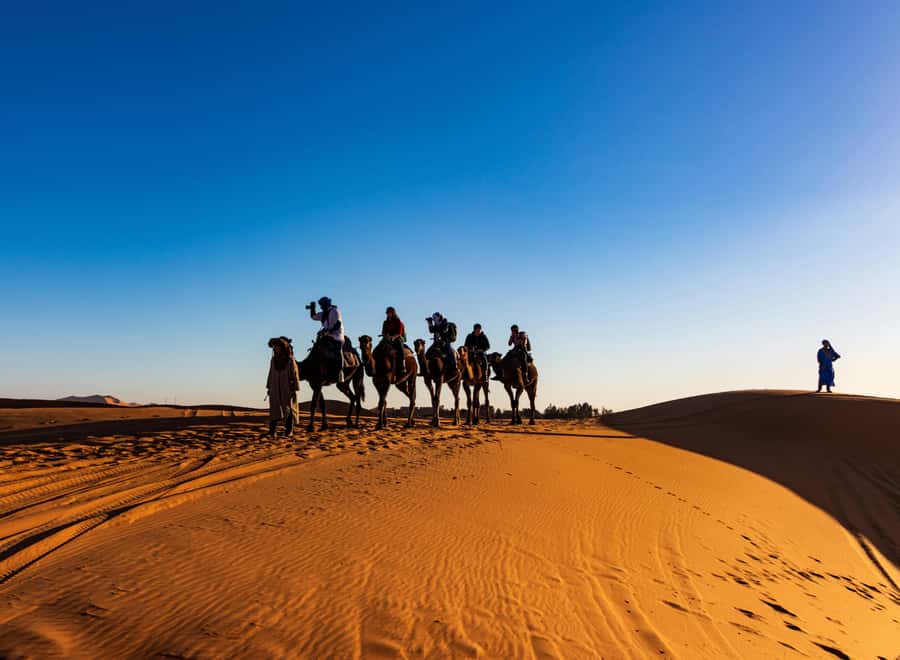
By the time you reach Merzouga and Erg Chebbi, the day shifts gears. Your sunset camel trek is included, and this is where the trip becomes genuinely emotional in a quiet way. Camel rides aren’t just transportation here. They’re the transition from daytime Morocco into nighttime Morocco.
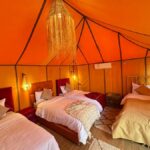
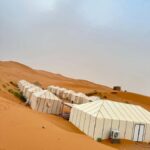
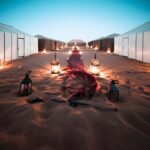
At camp, you’ll spend the night in a “luxury camp” setup. The word luxury can mean different things depending on season and which camp version you get, but the experience is built around included dinners and breakfasts and a night in the dunes.
From the comfort perspective, I recommend you don’t assume every tent will feel the same. If you’re going in summer, plan for heat and keep your expectations realistic about airflow. A few people noted issues like lack of AC or fans in certain tents, while others described camps as clean and well kept. So do what works: ask the operator what your exact tent setup includes when you arrive or before you go.
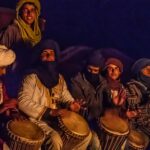
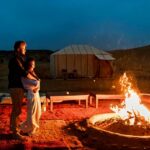
What you can count on is the “desert night vibe.” Bonfires, music, and that communal gather-at-the-fire feeling are a regular part of this style of camp evening, and that’s often where the group energy turns from sightseeing to storytelling.
A few more Marrakesh tours and experiences worth a look
Day 3: sunrise camel trek, sandboarding, and Kelâat M’Gouna lunch stop
Morning starts early, because sunrise camel trekking is included and takes about two hours at Erg Chebbi. Sunrise in the Sahara is the kind of scene that makes your phone feel too small for a second. The dunes look softer, the air feels calmer, and the whole place goes quiet in a way you don’t get in the city.
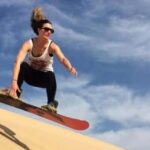
After that, you’ll have another included activity: sandboarding. It’s listed as included, which is a plus because sandboarding is one of the easiest ways to turn desert views into movement and fun. Still, if you care deeply about equipment or timing, check on the ground that you’re actually getting the sandboarding session you expect.
Before heading back to Marrakech, there’s a stop in Kelâat M’Gouna for about one hour to have lunch. This is one of your practical breaks on the return day, and it’s also where you can top up on water and snacks. Lunch isn’t included, so budget for it on the spot.
Then you’ll wrap up with drop-off back in Marrakech. The return day can feel tiring. Not because anything is wrong, but because you’ve already spent two big days on the road and in open-air conditions.
Luxury camp and overnight hotel reality check
Let’s talk about where the comfort decisions hide. Your trip includes:
- 1 night hotel accommodation in Boumalne Dades
- 1 night luxury camp accommodation in Merzouga
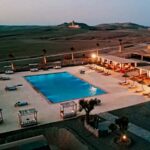
In an ideal world, both nights are smooth, clean, and comfortable. In reality, camps and hotels can vary based on occupancy, tent placement, and what season you travel. Some people praised the cleanliness and neatness of the camp setup, while others flagged issues like tent ventilation and small cleanliness annoyances. For the hotel night, there were also mixed comments about room condition and basic comfort.
So here’s my no-nonsense advice: before you commit, ask what the exact hotel name is for your departure and whether they can confirm the camp tent setup (especially for hot weather). If you’re sensitive to bedding comfort, air flow, or hot water availability, say so early.
Also bring a sun hat. It’s listed as what to bring, and you’ll understand why quickly out in open-air stops.
What’s included versus what you should budget
This tour is built as an “all the big stuff is handled” package. Included items are:
- pickup and drop-off
- roundtrip minibus transportation
- 2 nights total lodging (hotel + desert camp)
- sunset and sunrise camel treks
- sandboarding
- 2 dinners and 2 breakfasts
- entry tickets
- local guide at Tinghir Oasis and Todra Gorges
- guides for the main desert experience timing
Not included:
- drinks
- lunch (you buy during stops)
- guide at Ksar Aït Benhaddou
Value-wise, the big win is that you’re paying for the route plus the “desert moment” logistics: transport, timing, camel trekking, and your night in the dunes. Your main extra spending will be lunch and drinks, plus any optional add-ons you choose along the way.
A smart approach: set aside cash for lunch, and keep some flexibility for optional activities like extra desert rides if you want them. If you’re traveling with a group, splitting expenses can make these extras feel easier to say yes to.
Who this trip suits best (and who should skip it)
This one fits best if you want a structured 3-day arc from Marrakech into the High Atlas and down to the Sahara. It’s also a solid pick if you enjoy a mix of history stops (Aït Benhaddou), nature drama (Todra Gorges), and the standout desert experiences (Erg Chebbi camels and camp night).
It is not suitable for:
- wheelchair users
- pregnant women
- people over 70
If you’re traveling with limited stamina, consider that the days include long driving hours and short sightseeing windows. You’ll be hopping between locations on road time, not leisurely moving at your own pace.
Tips to make the ride easier and the desert night better
A few practical moves make this trip smoother:
- Bring a sun hat, and protect your skin in open-air stops
- Pack a refillable water bottle for the long road days
- Wear shoes with grip for gorge areas and uneven paths
- Expect long sitting time in the minibus; plan for comfort snacks and distractions
- If you care about camp comfort, ask about ventilation and tent features before you get settled
Small prep steps like these turn “this is a long tour” into “this tour ran exactly how I expected.”
FAQ
How many days is the Marrakech to Merzouga desert trip?
It runs for 3 days.
What’s included for meals?
You get 2 dinners and 2 breakfasts included. Lunch is not included.
Are camel rides included?
Yes. You get a sunset camel ride and a sunrise camel ride in Erg Chebbi.
Is sandboarding included?
Yes, sandboarding is included.
Where do you stay overnight?
You stay 1 night in Boumalne Dades (hotel) and 1 night in a luxury camp in Merzouga.
What sights are included?
You’ll visit Tizi n Tichka (viewpoint stop), Ksar Aït Benhaddou, Tinghir Oasis, Todra Gorges, and you’ll spend time in the Merzouga desert area (Erg Chebbi).
Do you get a guide at Ksar Aït Benhaddou?
No. A guide at the Ksar Aït Benhaddou is not included, but local guides are included at Tinghir Oasis and Todra Gorges.
Are entry tickets included?
Yes, entry tickets are included.
What documents and items should I bring?
Bring a passport or ID card, and a sun hat.
Is this trip suitable for wheelchair users or pregnant travelers?
No. It is not suitable for wheelchair users or pregnant women.
Should you book this Marrakech to Merzouga desert trip?
If you want a straightforward way to go from Marrakech into the High Atlas and down to the Sahara with the key sights and your camel moments already arranged, this is a strong book. It’s best for travelers who don’t mind long road days and who want a packed-but-organized 3-day arc.
I’d book it with one mindset: ask about the exact accommodation details for your hotel and camp, especially in hot months, so there are no surprises. If you do that, you’re set up for one of Morocco’s most memorable experiences: sunrise over Erg Chebbi, with your feet in sand and your brain finally catching up to what you’re seeing.