REVIEW · MARRAKESH
From Marrakech: 3-Day Sahara Desert Adventure to Fes
Book on GetYourGuide →Operated by Ando Travel Ltd · Bookable on GetYourGuide
A long drive, then the Sahara shows up and changes everything. This 3-day route strings together UNESCO kasbahs, giant canyon walls, and two camel rides over the Erg Chebbi dunes. I like how it balances big sights with small moments, like the slow camel walk at sunrise and the Berber music around the fire.
Two things I really like: the double camel trek (sunset and sunrise) and the mix of scenes, from High Atlas mountain roads to cedar forests where you might spot monkeys. One possible drawback: you’re trading comfort for distance—expect long driving days and cold nights in winter if you choose standard tents.
In This Review
- Key Things That Make This Tour Work
- Marrakech to Fes in 3 Days: What You’re Really Signing Up For
- Day 1: High Atlas Crossing and the First Taste of Southern Morocco
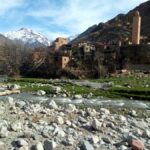
- Ait Ben Haddou Kasbah: UNESCO Walls and Real-World Movie Vibes
- Dades River Sunset and Your First Overnight (Kasbah Town, Real Morocco)
- Day 2 Morning Drive: Road of 1001 Kasbahs to Tinghir Oasis
- Todgha Gorges Walk: Tall Walls, Cool Air, and Water Carving Stone
- Erg Chebbi Day: Sunset Camel Ride, Sandboarding, and Merzouga Magic
- Sahara Camp Night: Berber Music, Dinner, Stars, and Real Temperature
- Sunrise Camel Ride: The Quiet Part of the Desert
- Day 3: Ziz Valley Palms, Midelt Fossils, and Cedar Forest Monkeys
- Price and Logistics: Is $138 Actually Good Value?
- Camps, Comfort, and the Realities of Cold Nights
- Optional Extras That Can Make the Desert Feel Even More Yours
- Who Should Book (and Who Might Skip It)
- Should You Book This Marrakech-to-Fes Desert Adventure?
- FAQ
- What time does the tour start in Marrakech?
- When does the tour end in Fes?
- Is pickup included from my riad or hotel?
- Is a camel ride included both at sunset and sunrise?
- Is sandboarding included?
- What’s included for meals during the trip?
- What is the difference between standard and luxury desert tents?
- Can I avoid the camel-camp walking?
- Is quad biking available?
- What if weather closes the road in winter?
Key Things That Make This Tour Work
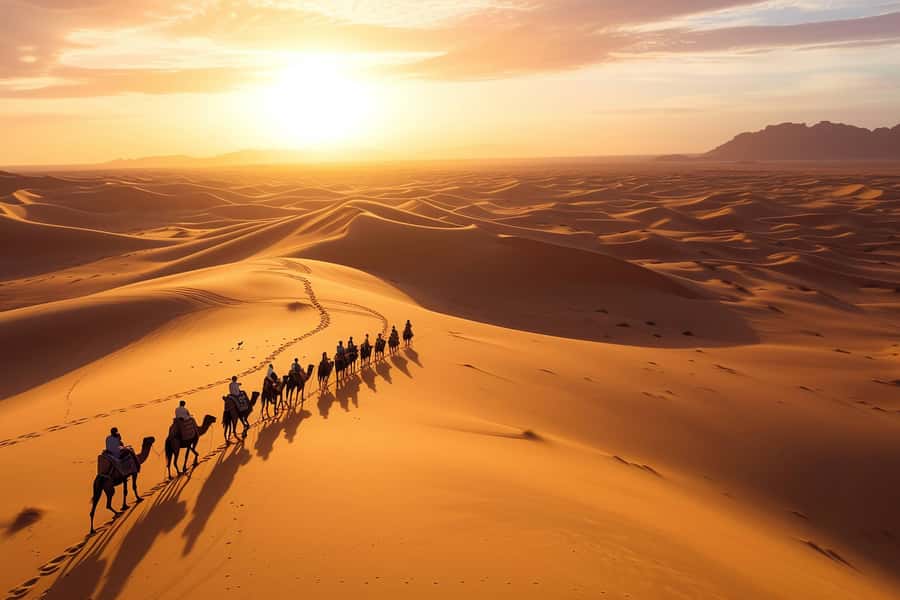
- Sunset + sunrise camel rides on Erg Chebbi dunes (twice the desert magic)
- Ait Ben Haddou guided walk with a local guide through the kasbah alleys
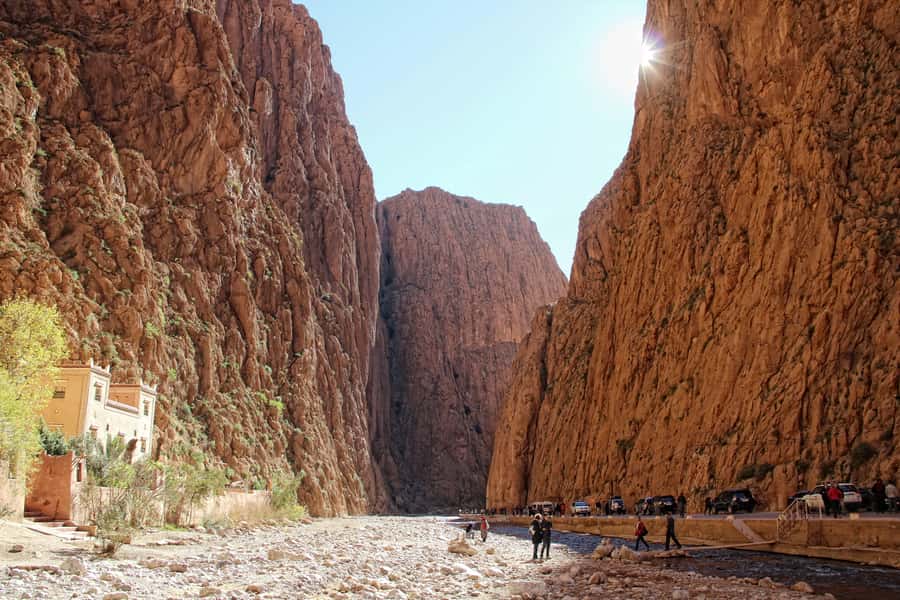
- Todgha Gorges hike with palm-lined canyons and towering limestone cliffs
- Sahara camp night with dinner, drumming, and time to stare at the stars
- Sandboarding included so you’re not just watching the dunes
- Middle Atlas stop where you may see wild monkeys in cedar forests
Marrakech to Fes in 3 Days: What You’re Really Signing Up For
This tour is built for people who want the southern highlights of Morocco fast, without adding extra hotel stops every night. You start in Marrakech around 7:00 AM and end in Fes about 7:00 PM on day 3, so the rhythm is: ride, stop, walk, eat, sleep. Then repeat.
The value is in the “all-in” pieces. You get round-trip transport via an air-conditioned minibus/van, a multilingual driver-guide, meals (dinner + breakfast on the desert nights), and activities like camel rides and sandboarding. That’s why it’s popular as a one-shot adventure between two major cities.
The tradeoff is time. Even with stops built in, you should plan for a lot of hours on the road. If you hate long rides, pack yourself a small snack stash and water, and treat the bus time as part of the experience.
A few more Marrakesh tours and experiences worth a look
Day 1: High Atlas Crossing and the First Taste of Southern Morocco
Day 1 begins with pickup from your accommodation in Marrakech, then a drive through the High Atlas Mountains. This is the moment the scenery starts changing quickly—curving roads, mountain air, and that slow feeling that you’re leaving the city behind.
After the morning drive, the day’s big work is setting you up for the first major stop: Ait Ben Haddou. You’ll likely feel the schedule here: you can take photos at viewpoints, but you’ll keep moving.
One practical note: keep your day bag light. You’ll only need essentials for the day. Your main luggage stays with the vehicle, and you’ll use a small overnight bag for the night in the desert area later.
Ait Ben Haddou Kasbah: UNESCO Walls and Real-World Movie Vibes
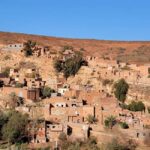
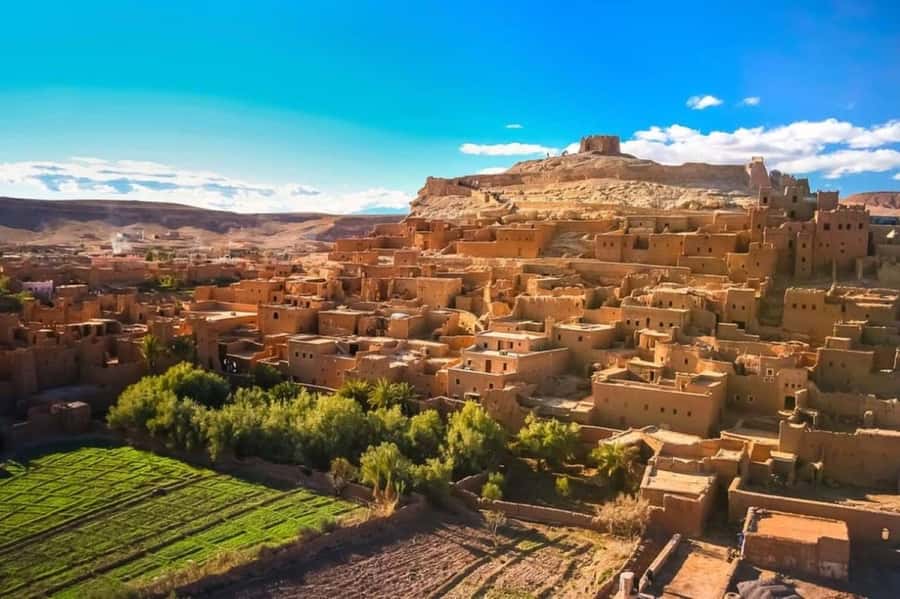
Ait Ben Haddou isn’t just “a cool place to see.” It’s a living ksar—thick walls, tight alleys, and buildings that were designed for heat, dust, and time. A guided walking tour helps you read the place instead of just passing through.
This is also the site that shows up in major films and TV, so you’ll feel that familiar cinematic energy. But the best part isn’t the famous names—it’s the way the kasbah stretches across the hill, with narrow streets that force you to slow down and look closely.
Lunch happens after the visit, and it’s not included. I suggest carrying some cash (dirhams), because some stops along the way can be card-unfriendly. One practical target from the field: have roughly 300–400 dirhams ready for lunches so you don’t end up negotiating your way through lunch math.
Dades River Sunset and Your First Overnight (Kasbah Town, Real Morocco)
After Ait Ben Haddou, you head toward Boumalne Dades, often via Ouarzazate. This is a long day segment, but it’s broken up by scenic stops and viewpoint breaks so you’re not just trapped watching a road.
When you arrive in the Dades area, you catch sunset along the Dades River. This kind of sunset is practical: you don’t need a hike to earn it. You get color in the canyon/valley scene, then you settle into your overnight.
Your first night is an AC private hotel room or suite with a bathroom. That AC matters if you’re traveling in shoulder seasons. Still, don’t assume “spa shower.” Some guests reported basic shower setups in the first-night stay, so keep expectations realistic.
Dinner is Moroccan, and breakfast is next morning—simple, hearty, and designed for the next long travel day.
Day 2 Morning Drive: Road of 1001 Kasbahs to Tinghir Oasis
Day 2 starts with breakfast and then continues along the Road of 1001 Kasbahs, passing old villages and desert fortifications. This road works well on a group tour because you get the context from your driver-guide without needing to do research at every stop.
Then you reach Tinghir Oasis. The oasis adds calm after the road: palm-lined quiet space and a slower pace than the big landmark stops. You’ll feel the contrast immediately, especially if you’ve been looking at stone and dry hills all morning.
Then comes the most physical stop of the day: Todgha Gorges.
Todgha Gorges Walk: Tall Walls, Cool Air, and Water Carving Stone
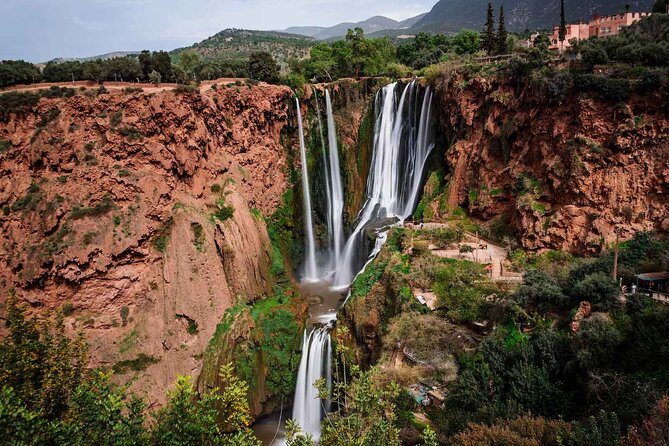
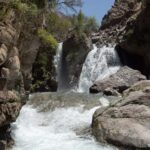
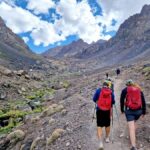
Todgha Gorges is one of those places where you understand why people build close to water. The hike through the canyon gives you that “I’m standing inside a stone sculpture” effect—palm-lined canyons and towering limestone cliffs shaped by centuries of flowing water.
A guided hike is useful here because the route is made for walking, not wandering. Expect to look up a lot. Expect photos that don’t need filters.
The practical drawback: shoes matter. You’ll be walking in uneven canyon terrain. Bring something with grip, especially in cooler months when paths can feel slick.
Erg Chebbi Day: Sunset Camel Ride, Sandboarding, and Merzouga Magic
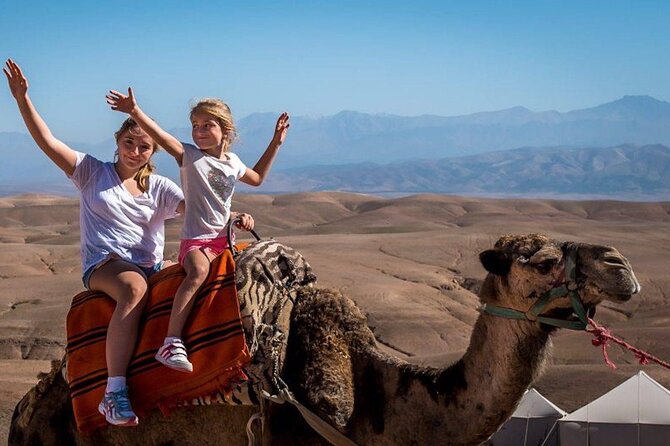
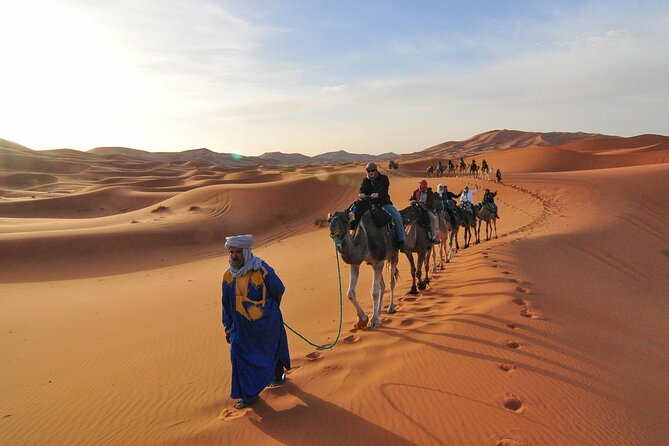
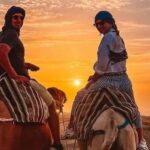
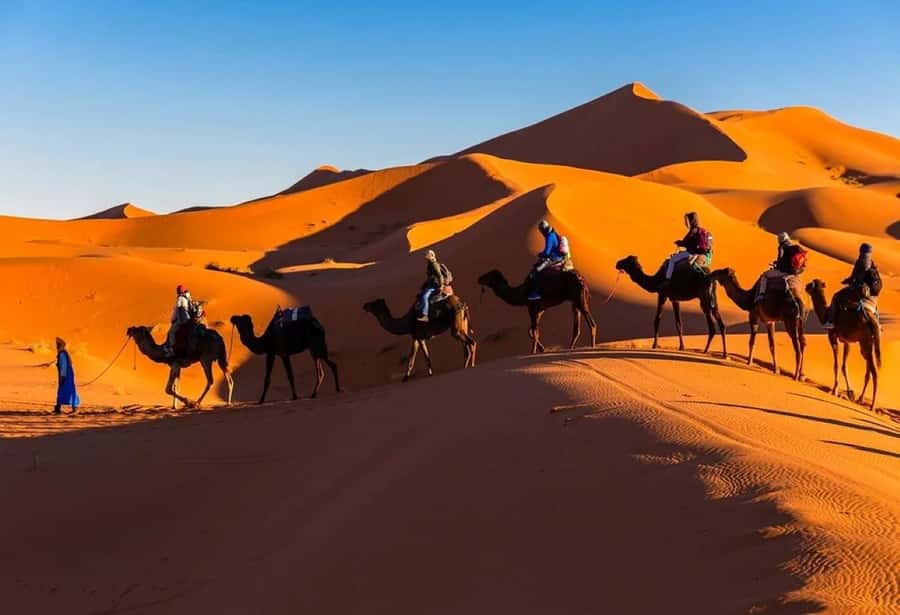
The tour pushes toward Merzouga so you can get the real Sahara payoff. When you arrive, it’s camel time: a sunset camel ride across Erg Chebbi dunes.
This is the classic desert story done right because the timing matters. Sunset light turns the sand from flat yellow into something you can’t describe properly. And since you’re riding at the edge of day turning into night, the mood changes fast.
You’ll also get sandboarding. That’s the fun, slightly chaotic counterbalance to all the quiet moments. It’s included, so you don’t need to shop around for another activity.
One more practical detail: weather. In winter, it can feel cold even before the night. In summer, you’ll feel heat early. Bring layers you can peel on and off without drama.
Sahara Camp Night: Berber Music, Dinner, Stars, and Real Temperature
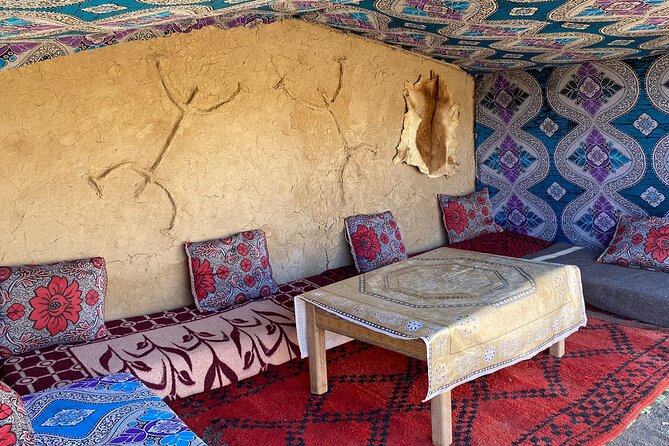
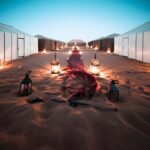
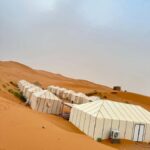
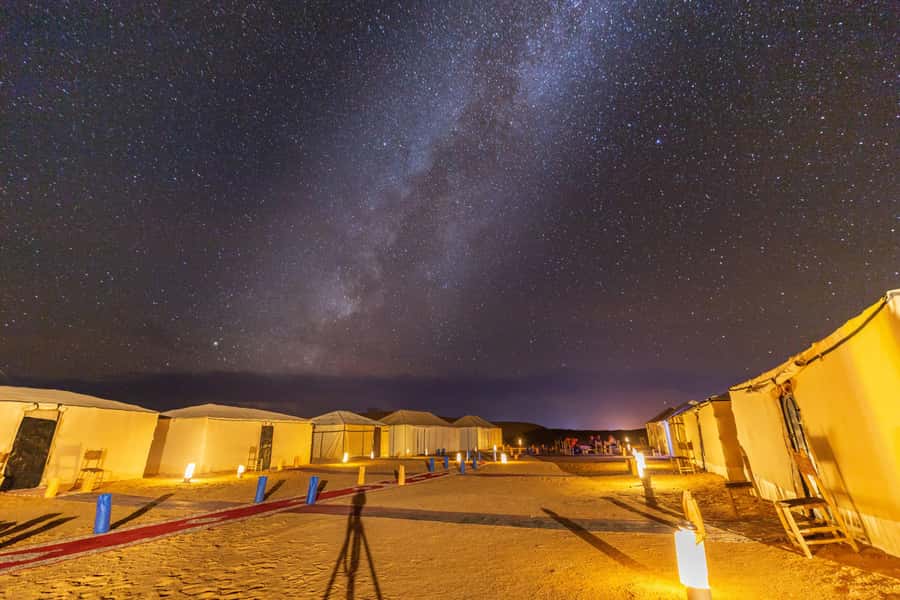
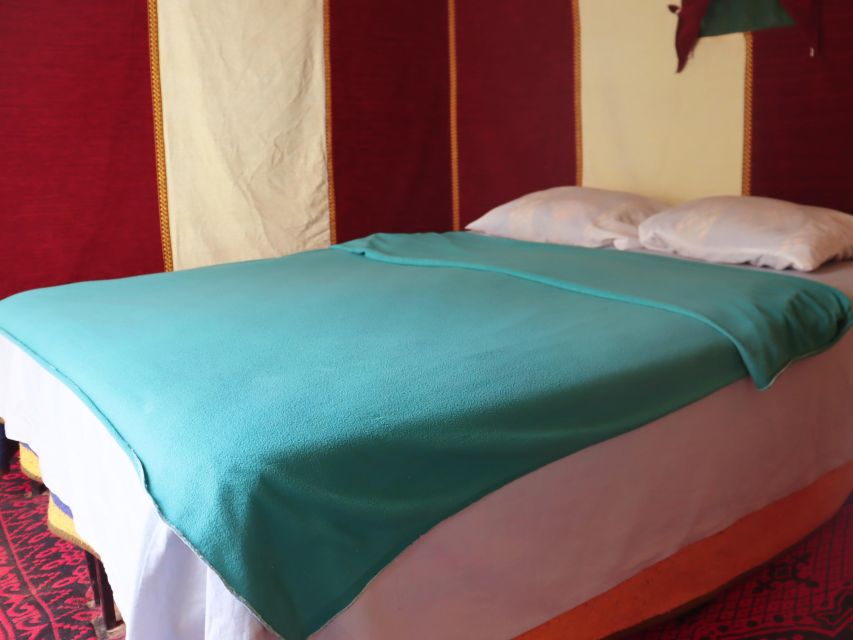
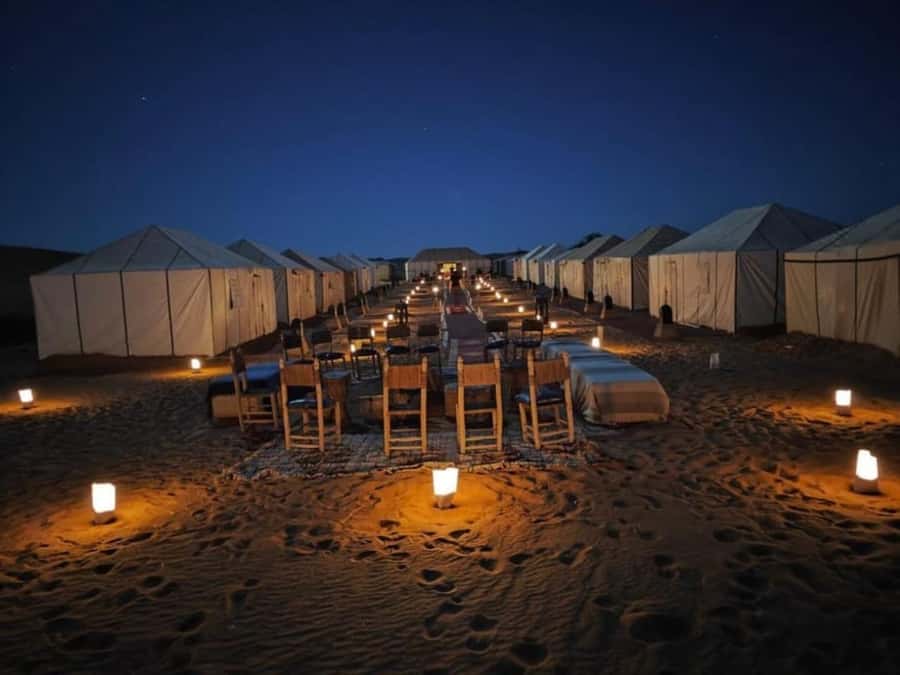
Once dark comes, you reach the camp and settle into your tent. You’ll have a choice between standard and luxury desert camp options.
- Standard tent: private tent, but shared facilities nearby (this is common in desert setups).
- Luxury tent: still a private tent, with private in-tent bathrooms.
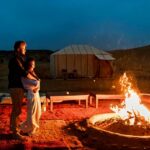
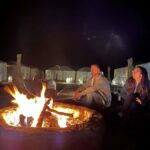
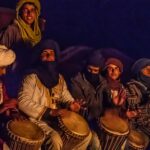
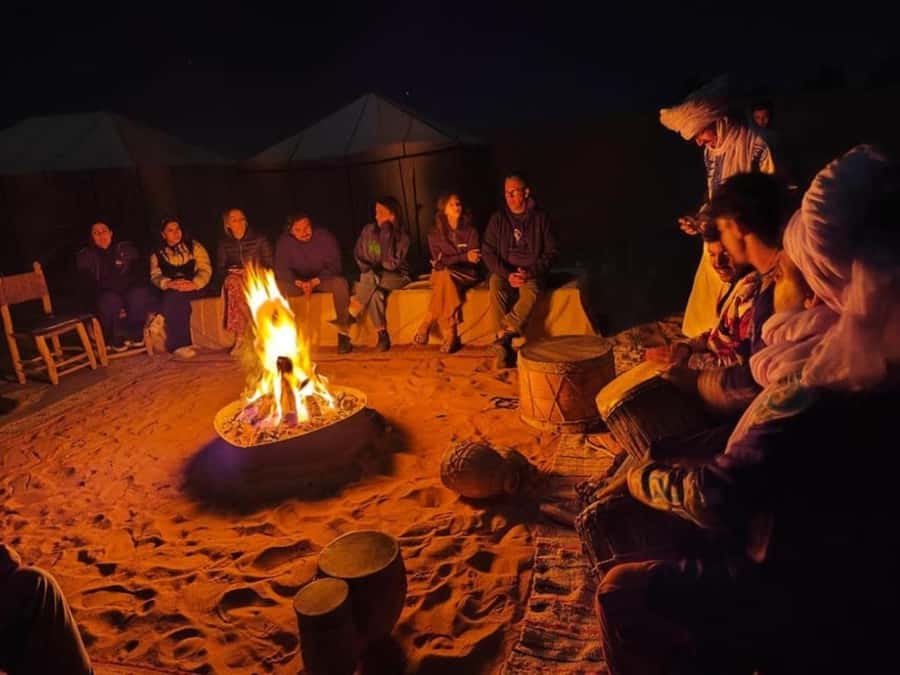
Either way, you get a traditional Moroccan dinner, then a camp setup with Berber drumming and campfire music. This is where the tour goes from “photos and walking” to “I get what people mean by Sahara.”
The stars are a big part of it. The clearer the night, the better the sky. One cold-season reality check: the camp may not have strong heating. Several guests noted freezing nights in winter and limited shower warmth. So don’t pack just for daytime. Pack for night temperatures.
Entertainment is included, and there’s time to relax by the fire before sleep.
Sunrise Camel Ride: The Quiet Part of the Desert
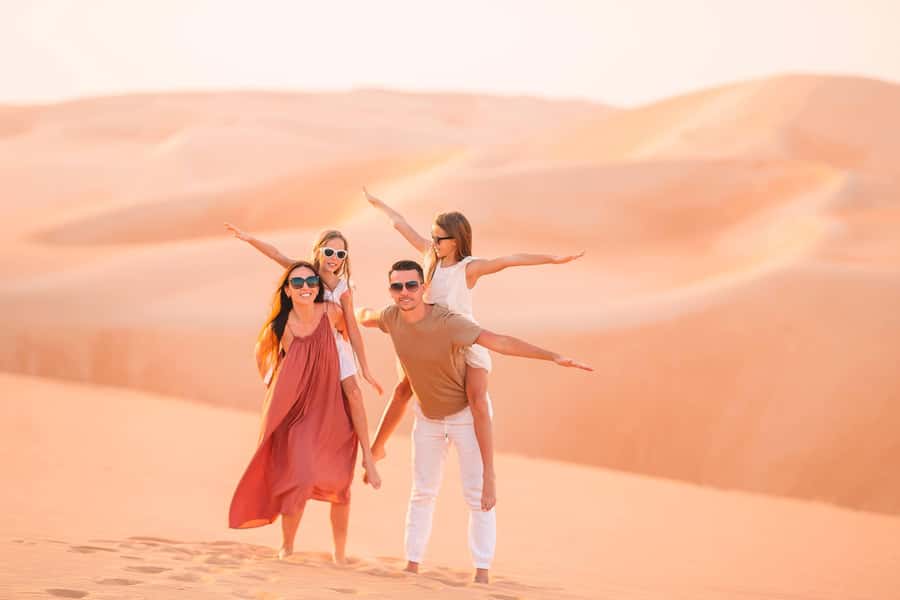
Next morning, you’re up for the sunrise camel ride. This is often the favorite moment because it’s so slow and quiet. You’re not chasing light for a quick photo—you’re watching the dunes turn color while the camp wakes up.
After the ride, you’ll have breakfast at the camp, then start the next travel leg toward the north.
If you picked a camel ride option that includes alternatives, you might walk to the camp in some versions, or arrange a 4×4 transfer if needed. The 4×4 option is €50 per vehicle, and it’s available for both camp versions.
Day 3: Ziz Valley Palms, Midelt Fossils, and Cedar Forest Monkeys
Day 3 is the “landscape switch” day—exactly what you want after two days of sand and stone. You’ll travel through palm valleys, including the Ziz Valley lined with palm groves and old villages. Then you head through the mountain town of Midelt for lunch (not included).
From there, you pass through Erfoud, known for fossils. It’s a quick stop, but it adds a different kind of Morocco: not just human history, but deep time.
Then you enter the Middle Atlas region. This is where the tour leans into nature. The plan includes a chance to see wild monkeys in cedar forests. You might get lucky, and when you do, it’s one of the more memorable “wait, that’s real” moments on the trip.
The day ends with arrival in Fes by early evening, then drop-off at your hotel or riad.
Price and Logistics: Is $138 Actually Good Value?
At $138 per person for 3 days, the value is mostly about what’s included. You’re paying for:
- Pickup and drop-off between Marrakech and Fes
- An AC vehicle and onboard Wi‑Fi
- A driver-guide in multiple languages (English, French, Spanish)
- A guided walk at Ait Ben Haddou
- Lodging: 1 night in an AC private room plus 1 night in a private desert tent
- Two camel rides (sunset + sunrise)
- Sandboarding
- Moroccan dinners and breakfasts (including vegetarian options)
- Camp entertainment (drumming and fire music)
- Secure luggage handling
So the cost isn’t just “transport to the desert.” You’re also buying time saved (it’s all scheduled), and you’re buying access (camel trekking and camp rhythm aren’t something you improvise safely on the fly).
Where value can slip: meals outside the included ones. Lunches and beverages aren’t included, and some guests recommend budgeting cash. Also, the overnight hotel and camp quality can vary by season and setup, with winter cold being the main universal issue.
If you choose the luxury tent, it’s often worth it for people who care about bathroom privacy—still, even standard tents come with private tent space and included camel rides and camp activities.
Camps, Comfort, and the Realities of Cold Nights
This tour is an adventure, not a hotel tour. The vehicle is air-conditioned, which helps for long driving stretches. But once you reach the desert camp, comfort is about preparation.
Bring:
- Warm layers for cold nights (especially Nov–Feb)
- Something for hands/ears if you get cold easily
- A small overnight bag you can manage easily
If you’re sensitive to cold, luxury tent bathrooms may not solve the bigger problem—temperature in the desert does what temperature does. Plan like you’re camping, because you are.
Also remember the drive days are long. Snacks and water help more than you’d expect.
Optional Extras That Can Make the Desert Feel Even More Yours
Two optional add-ons show up often:
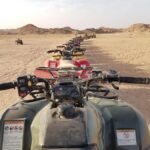
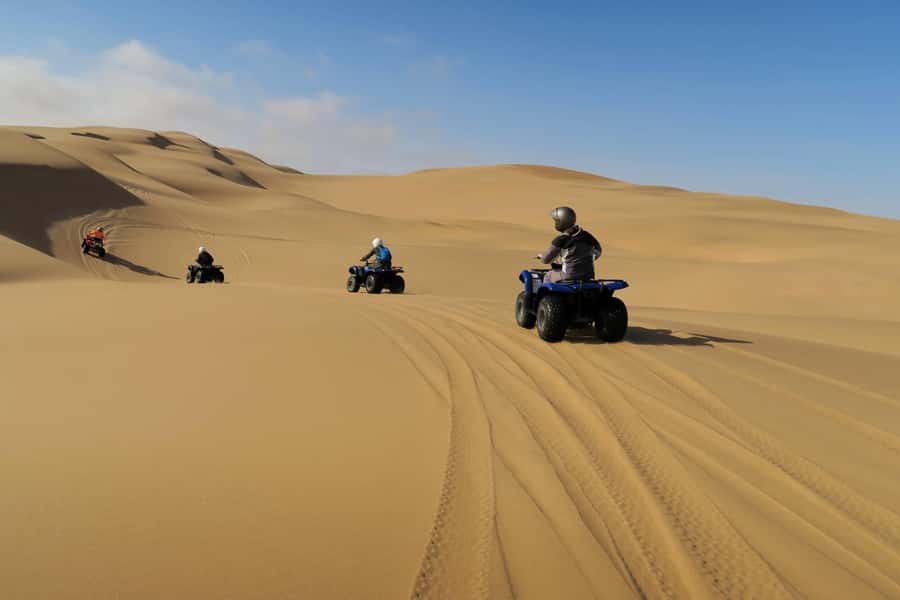
- Quad biking: €50 per person for a 1-hour session (minimum 2 people). Many people treat this as the adrenaline layer next to the slow camel experience.
- 4×4 transfer to/from camel-camp area: €50 per vehicle, if you’d rather not walk as part of the camel-camp approach.
If you’re the type who likes one “big wow” activity besides the camel trek, the quad option is a straightforward match. If you prefer quiet and photos, skip it and keep your energy for the sunrise ride.
Who Should Book (and Who Might Skip It)
This tour fits best if you:
- Want a 3-day desert + kasbah + canyon sampler without extra city changes
- Like walking tours with local guides
- Can handle long driving hours and basic desert sleeping conditions
It’s not suitable for pregnant women, based on the tour’s stated limitations.
If you hate cold nights, you’ll need to pack carefully and accept that desert camps may not be warm in the way a hotel is warm.
Should You Book This Marrakech-to-Fes Desert Adventure?
Book it if you want a Morocco trip that feels like chapters: mountains, kasbahs, canyon walks, dunes at two different times of day, then a shift into cedar forests and monkeys. The price makes sense because you’re getting both logistics and activities bundled.
Think twice if:
- You’re very comfort-focused and dislike long road days
- You travel in winter and don’t pack warm layers
- You need reliable hot showers in every stop (some accommodations are more basic than others)
If you book, do one thing that really helps: ask your driver-guide what to expect for your night setup and how cold it might feel when you arrive. Then pack like you’re actually going to sleep under stars, because that’s the whole point.
FAQ
What time does the tour start in Marrakech?
It starts at 7:00 AM on Day 1 in Marrakech.
When does the tour end in Fes?
It ends around 7:00 PM on Day 3.
Is pickup included from my riad or hotel?
Yes. Pickup is included from your hotel or riad in Marrakech, or a nearby meeting point if your accommodation is not accessible by car.
Is a camel ride included both at sunset and sunrise?
Yes. Sunset and sunrise camel trekking in Merzouga are included.
Is sandboarding included?
Yes. Sandboarding in the Sahara Desert is included.
What’s included for meals during the trip?
You get Moroccan dinners and breakfasts, and vegetarian options are available. Lunches and beverages are not included.
What is the difference between standard and luxury desert tents?
Luxury tents have private in-tent bathrooms. Standard tents have shared facilities nearby.
Can I avoid the camel-camp walking?
Yes. You can walk to the standard camp, or request a 4×4 transfer for €50 per vehicle.
Is quad biking available?
Yes. Quad biking is optional at €50 per person for a 1-hour session, with a minimum of 2 people.
What if weather closes the road in winter?
The tour may take an alternative route via Taroudant if the road is closed due to snow, and in rare cases the tour duration may extend.