REVIEW · MARRAKECH
Cooking Class with Lacals in Marrakech .
Book on Viator →Operated by Around Marrakech · Bookable on Viator
Tagines start with a market stop. This 4-hour Marrakech cooking class pairs a warm mint tea welcome with a souk walk to pick ingredients, then a guided, hands-on session where you build your own tagine with hosts like Sara and Hajar. I like that the group stays small (max 15), and you get real direction while you shop and cook, not just a demo.
One possible drawback: it is hands-on from start to finish, so if you want a sit-down lesson only, this is more kitchen work than classroom time. Expect to move, chop, and get food on your hands.
You’ll meet at the Moulay al-Yazid Mosque (Kasbah Mosque) area and return there after lunch-sized plates, with a final sweet stop that includes seasonal fruit salad. Along the way, you’ll also visit a historic community oven to see how communal bread baking fits into everyday life in Marrakech.
In This Review
- Key things to know before you go
- Meeting at Kasbah Mosque: the start that keeps things easy
- Mint tea welcome and the souk run for real ingredients
- Hands-on tagine: choosing your meat and mastering the slow-cook rhythm
- The community oven stop: bread baking as shared daily life
- Side dishes, a shared table, and the fun of learning together
- Sweet finish: seasonal fruit salad to end the meal clean
- Price and value: is $52.59 a good deal for 4 hours?
- Who should book this class, and who might prefer another option
- Should you book this Marrakech cooking class?
- FAQ
- How long is the cooking class in Marrakech?
- Where do I meet for the tour?
- Is there a return to the starting point?
- What do we do during the class?
- Can I choose the meat for the tagine?
- What is the group size?
- Is the ticket mobile?
- Can I cancel for a full refund?
Key things to know before you go
- Mint tea welcome and cookies set the tone right at the start
- Souk ingredient shopping with local hosts who guide you on what to choose
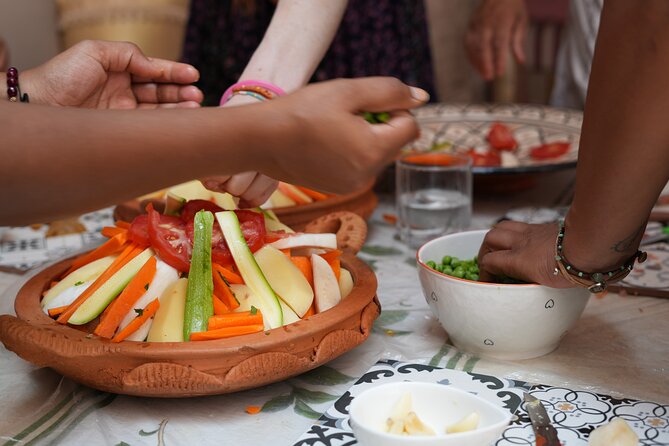
- Personalized tagine where you select your meat and learn the slow-cook method
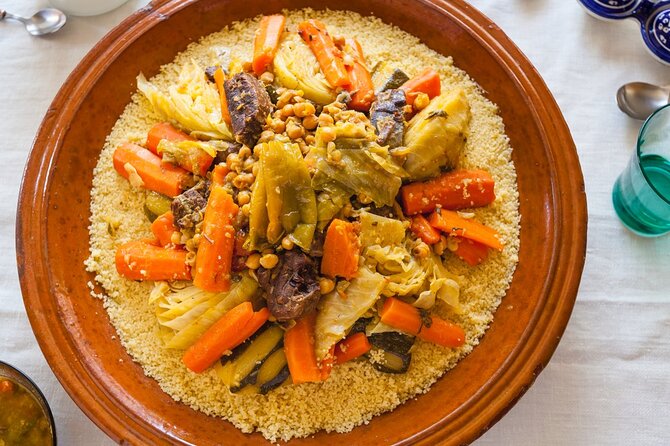
- Side dishes and couscous-style elements depending on the menu that day
- Historic community oven bread baking and a taste of that shared tradition
- Seasonal fruit salad finish to close the meal with something fresh
Meeting at Kasbah Mosque: the start that keeps things easy
Your experience begins at Moulay al-Yazid Mosque (Kasbah Mosque), at 23 Rue de La Kasbah in Marrakech. It’s a smart meeting choice because it’s in the middle of where you’ll likely already be exploring. You’ll also get a mobile ticket, and the tour notes that it’s near public transportation, which matters in Marrakech where getting around can mean a lot of shortcuts and a little walking.
This is also a small-group setup, capped at 15 people. That size is one reason this kind of class works. You’re not shouting across a huge room for a question, and you’re more likely to actually get coaching at your station when you’re working on the tagine.
One more detail that helps: service animals are allowed. If you travel with a companion animal, it’s good to know you won’t be dealing with surprise restrictions.
You can also read our reviews of more cooking classes in Marrakech
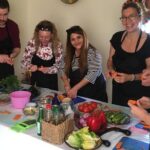
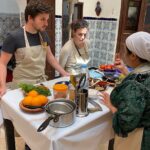
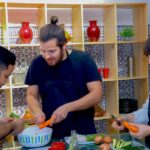
Mint tea welcome and the souk run for real ingredients
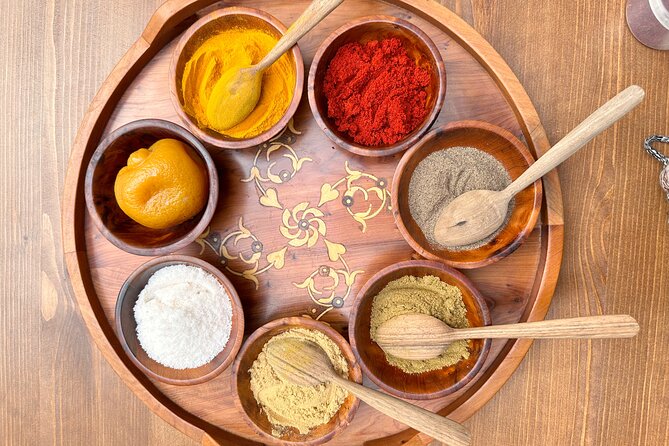
Before the cutting board comes out, you’ll be welcomed with Moroccan mint tea and traditional cookies. This is more than a nice intro. In Morocco, tea is a social ritual, and that opening moment helps you shift from tourist mode into kitchen mode. It also gives you a quick sense of how the hosts like to slow things down just enough to feel human, not rushed.
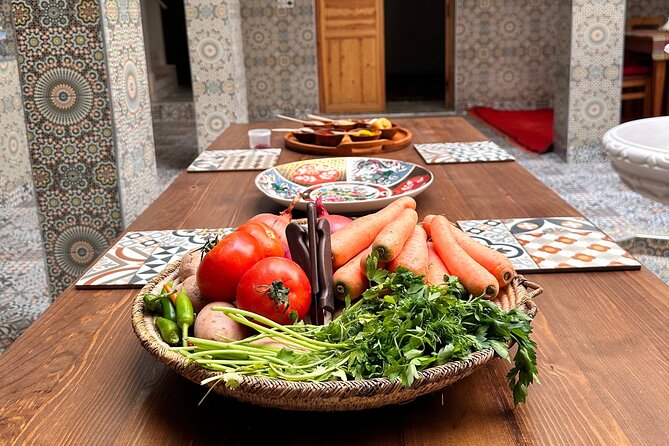
Then comes the souk exploration. You’ll walk through a local market with your hosts and choose fresh vegetables and ingredients for your meal. This is one of the best parts of the day because it teaches you what to look for beyond what a menu says. You learn how people pick produce locally, and you also get a clearer idea of what flavors are built into tagine cooking.
What I like here: you’re not just observing. You’re selecting ingredients with guidance, which makes everything you cook later feel connected to the place. Also, the souk section is practical. It trains your eye for produce quality and spice choices, which you can carry into your own cooking at home.
Possible snag to keep in mind: markets can be warm and crowded, and you’ll be moving around before you cook. If you have mobility limits, you might want to plan for some standing and walking.
Hands-on tagine: choosing your meat and mastering the slow-cook rhythm
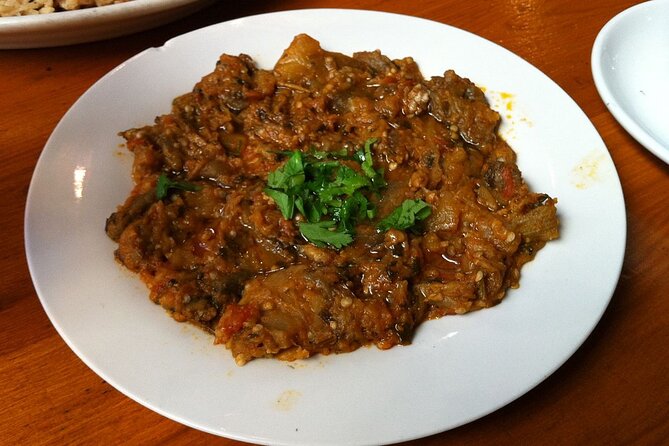
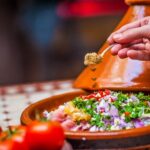
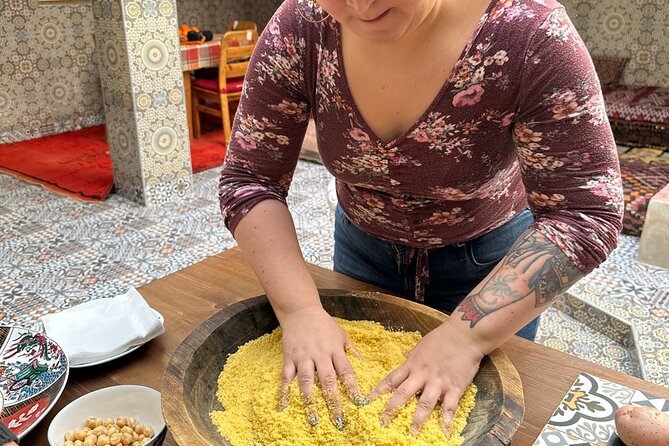
Back at the hosts’ home kitchen, you’ll roll up your sleeves for the main event: hands-on Moroccan cooking. The class focuses on building a personalized tagine, and the key decision you make is your meat choice. One review specifically notes a chicken tajine, but the tour format supports picking what you prefer as your main dish.
Here’s what you should expect in real terms:
- You’ll work alongside the hosts as you prep ingredients.
- You’ll learn how sides fit with the tagine, not as an afterthought.
- You’ll get guidance on slow-cooking, which is the whole point of the dish.
This is where the class feels most valuable. Tagine can sound simple until you’re staring at the pot and trying to figure out timing and balance. The hosts’ job is to help you avoid the common beginner mistakes, like under-seasoning, rushing the cook, or treating the tagine as just a stew. The slow-cook rhythm matters because flavors build as the dish cooks gently.
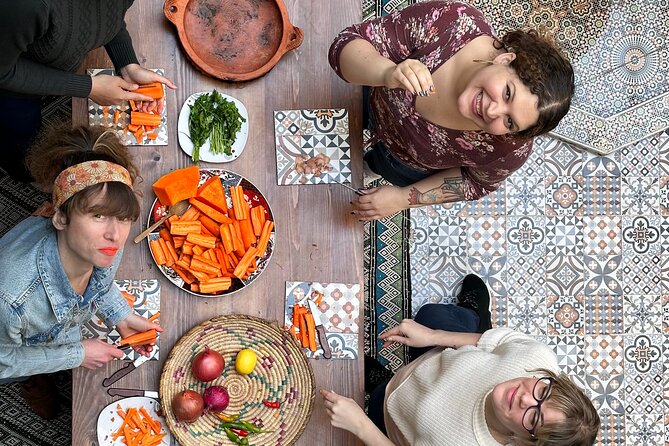
You’ll also eat what you make with the hosts and other participants. That communal table vibe is a big part of Moroccan hospitality. It turns your work into a shared meal instead of a private cooking assignment you never talk about.
Small bonus detail from reviews: the format can include couscous elements alongside the tagine experience. If you’re hoping for more than one comfort-food style dish, this is the right kind of class.
The community oven stop: bread baking as shared daily life
One of the most distinctive inclusions is a visit to a historic community oven. You’ll learn about the heritage of communal bread baking there, and you’ll see how bread fits into shared routines.
I love this part because it changes the focus. Many cooking classes stop at recipes and pots. This one adds a cultural anchor. Bread baking in a community oven is about more than technique. It’s a way of organizing life together, and it explains why food in Morocco often has a social backbone.
You might not leave knowing every detail of the oven’s history, but you should come away with the bigger idea: some cooking traditions are designed to be shared, not optimized for one person. In a country where meals are social, that matters.
And yes, you’ll likely connect it immediately to what you’re eating during the meal. Even if your tagine is the star, bread is often the tool that makes the whole plate feel complete.
Side dishes, a shared table, and the fun of learning together
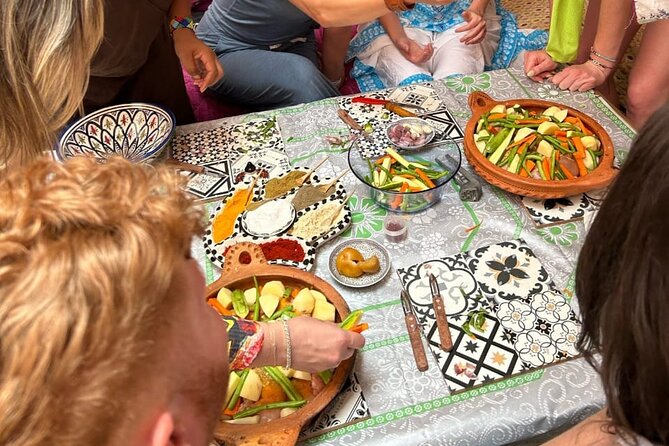
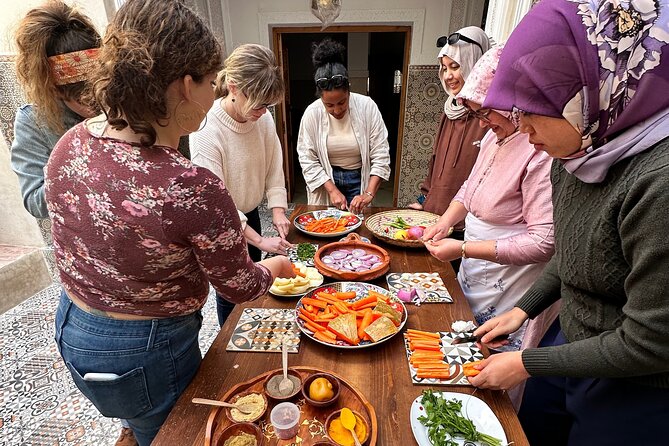
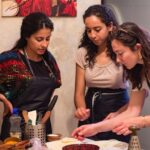
After shopping and cooking, you’ll enjoy your tagine and side dishes in company. This is where the small-group setup really pays off. You’ll have time to ask questions and see what other people are doing, and you’ll likely compare spice preferences based on the meat you chose.
Reviews highlight how patient and welcoming hosts like Sara and Hajar are, especially for first-timers. That matters. If you’ve never cooked Moroccan food before, the class doesn’t assume you already know the rhythm of spices or how tagine ingredients behave.
Also, the group energy can be a nice social layer. One review notes bonding on a women’s trip, and the overall setup encourages conversation. You’re not stuck sitting in silence waiting for your food.
There’s one more practical takeaway here: you’ll learn enough structure to cook this style of meal again later, even if you never copy the exact recipe at home. What you’re really buying is technique and judgment.
A few more Marrakech tours and experiences worth a look


Sweet finish: seasonal fruit salad to end the meal clean
After the savory part, you finish with a sweet note: a fruit salad made with seasonal flavors. This closing course is a good choice for a 4-hour experience because it resets your palate without adding heavy extra cooking.
It’s also a reminder that Moroccan meals often shift textures and tastes. You get spice and slow-cooked warmth first, then something light and fresh to close.
If you’re sensitive to fruit choices or have dietary needs, the tour details here don’t specify options, so I suggest telling your host in advance when you book.
Price and value: is $52.59 a good deal for 4 hours?
At $52.59 per person for about 4 hours, the value depends on what you want out of Morocco. If you just want to eat a tagine, you can usually find plenty of options for less. But if you want the full chain—souks → ingredient selection → guided cooking → community bread tradition → shared meal—that’s where the price starts making sense.
You’re paying for:
- Expert guidance during shopping and cooking (not just a recipe handout)
- A small group format (max 15)
- Multiple parts of the food experience, not a single dish
- Access to a historic oven visit that most restaurants won’t offer
For many people, the real bargain isn’t cost per dish. It’s the cost per skill and understanding. You’ll leave with a clearer idea of what makes a tagine work, plus market instincts you can use later.
Who should book this class, and who might prefer another option
This cooking class fits best if you:
- Want an authentic, hands-on food experience rather than a staged show
- Enjoy markets and want guidance picking vegetables and ingredients
- Are traveling solo or with friends and like social table time
- Want to learn basics you can repeat at home, especially tagine technique
You might consider a different option if you:
- Want a calm, mostly seated experience with minimal kitchen work
- Have limited comfort with standing and chopping during a 4-hour block
- Need a very specific dietary menu not mentioned in the provided details
One more note from the way the day is described: confirmation happens at booking, and the experience can cancel for free up to 24 hours before start time. That flexibility can help if your schedule in Marrakech is still changing.
Should you book this Marrakech cooking class?
If you’re in Marrakech and you like the idea of learning food from the inside, book it. The combination of mint tea welcome, souk shopping, personalized tagine cooking, community oven bread baking, and a fruit salad finish is exactly the kind of “more than dinner” experience that makes your trip feel real.
I’d especially recommend it if you’re a first-timer with Moroccan cooking. The hosts are described as warm, patient, and supportive, and the small group size makes it easier to get help when you need it.
If you’re on a tight schedule and can only spare a quick meal, you might skip it. But for the people who can give it four hours, this class is a solid value: you get food, technique, and a stronger sense of how everyday Moroccan eating is built.
FAQ
How long is the cooking class in Marrakech?
The experience runs about 4 hours.
Where do I meet for the tour?
You start at Moulay al-Yazid Mosque (Kasbah Mosque), 23 Rue de La Kasbah, Marrakesh 40000, Morocco.
Is there a return to the starting point?
Yes, the activity ends back at the meeting point.
What do we do during the class?
You’ll begin with mint tea and cookies, explore the local souk to choose ingredients, cook a personalized tagine with side dishes, visit a historic community oven related to bread baking, and finish with seasonal fruit salad.
Can I choose the meat for the tagine?
Yes. The class includes choosing your preferred meat for the main tagine.
What is the group size?
The tour has a maximum of 15 travelers.
Is the ticket mobile?
Yes, the tour uses a mobile ticket.
Can I cancel for a full refund?
Yes. You can cancel up to 24 hours in advance for a full refund. If you cancel less than 24 hours before the start time, the amount paid is not refunded.