REVIEW · MARRAKECH
cooking class in medina with chef tittif
Book on Viator →Operated by Amazouz Morocco Tours · Bookable on Viator
Moroccan cooking starts with bread. This class in Marrakech’s Medina pairs Chef Tittif with a rare look at how locals bake daily bread at a communal bakery, then turns that culture into dishes you’ll cook yourself. Two great things here are the hands-on teaching and the chance to see the bread process up close, not just at a restaurant. The one drawback to plan for: some bookings have reported missed or late pickup and slow replies, so you’ll want to confirm close to 10:00am.
You’ll meet in a traditional riad setting and cook with a small group (up to 15 people). The structure is simple: a short introduction, optional market time around Jemaa el-Fnaa for ingredients and spices, then a long cooking-and-meal stretch where you learn classic dishes like tajine, couscous, and pastilla. It’s a good fit if you want real technique, not just watching someone else cook.
In This Review
- Key Highlights You’ll Actually Care About
- Starting in the Medina: Meeting at a Riаd at 10:00am
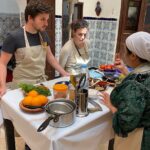
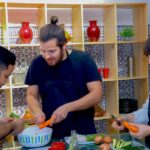
- Chef Tittif’s Teaching Style: How a Small Group Helps
- The Communal Bakery Stop: Why Daily Bread Changes How You Cook
- The Jemaa el-Fnaa Market Visit: Picking Spices and Produce (Optional)
- The Cooking Session: Tajine, Couscous, Pastilla, and Real Steps
- Enjoying Your Meal: Mint Tea, Sharing, and the Take-Home Factor
- Price and Logistics: What $40 Really Covers
- Who This Tour Suits Best
- Practical Tips So Your Day Runs Smooth
- Should You Book Chef Tittif’s Medina Cooking Class?
- FAQ
- What time does the cooking class start?
- How long is the experience?
- Is pickup included?
- Is the market visit included?
- What dishes will I cook?
- What is the cancellation policy?
Key Highlights You’ll Actually Care About
- Chef Tittif’s hands-on format: you cook, ask questions, and learn by doing.
- Communal bakery visit: you get to see daily bread baking, not just eat bread.
- Optional spice and produce time near Jemaa el-Fnaa: you can choose what goes into your meal.
- Classic Moroccan dishes on the menu: tajine, couscous, and pastilla are part of the learning.
- Mint tea with your meal: the food is paired with traditional tea as you sit down together.
- Watch for add-ons or shopping pressure: some past bookings reported extra requests and product sales at a cooperative stop.
Starting in the Medina: Meeting at a Riаd at 10:00am

This experience is built around meeting in the Medina at a traditional riad, with Chef Tittif leading the session. You start at 10:00am, and pickup is offered, which matters because the Medina streets can be confusing on your own. A riad is also the right mood for a cooking class: you get away from the chaos for a bit, then step back into the streets for the market portion if you choose it.
Expect a short intro before anything hits the stove. That early time is useful. It helps you understand the flow of Moroccan cooking before you start chopping or mixing, and it keeps the rest of the class from feeling like a rushed demo.
If you’re arriving on your own, build in extra time to find the riad entrance. Even when you have a meeting point, the Medina has those small turns that can slow you down fast—especially if you’re also carrying a camera, water bottle, and shopping bags.
You can also read our reviews of more cooking classes in Marrakech
Chef Tittif’s Teaching Style: How a Small Group Helps
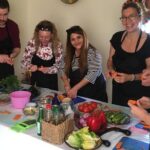
The class is limited to 15 people, and that’s the difference between a lecture and actual learning. When the group is small, you’re more likely to get direct attention—especially if your knife skills are rusty or your spices are new to you.
Chef Tittif’s role is hands-on guidance through the cooking. That matters because Moroccan food isn’t just about ingredients; it’s about timing and technique: how you build flavor, when to let spices bloom, and how to balance savory and sweet elements in dishes like pastilla.
You can also treat this as a confidence booster. If you’ve eaten Moroccan food before, you’ll recognize the dishes, but now you’ll understand how they come together. If you haven’t, you’ll still leave with a clear sense of the steps instead of a vague idea of what went into the meal.
The Communal Bakery Stop: Why Daily Bread Changes How You Cook
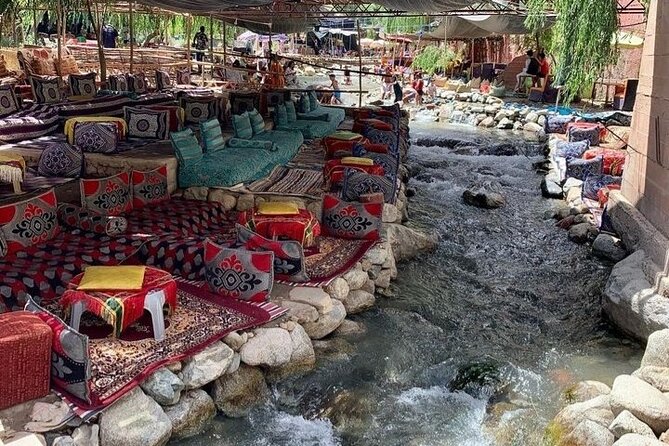
One of the most interesting parts is the visit to a traditional communal bakery, where locals bake daily bread. This is the kind of stop that pays off later, because bread in Morocco isn’t just a side item—it’s part of the rhythm of meals and the culture of feeding a household and a community.
Even if you’re not there to learn bread-making technique, you’ll pick up practical context. You’ll see what daily baking looks like and how bread fits into the larger food system. That background makes your later cooking feel more grounded. When you’re cooking dishes like tajine or couscous, the bread stop helps you understand why certain meals are built around dipping, scooping, and sharing.
Timing note: this is part of the overall experience, so don’t plan a heavy side adventure immediately before or after. You want enough breathing room to arrive on time and stay present without feeling like you’re sprinting between stops.
The Jemaa el-Fnaa Market Visit: Picking Spices and Produce (Optional)
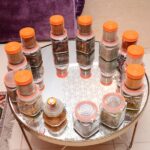
Next comes the market portion near Jemaa el-Fnaa, listed as optional, with about 30 minutes for the stroll and ingredient picking. If you like food shopping and spice smells, this is your chance to translate the abstract idea of Moroccan flavor into something concrete.
Here’s how to use the market time well:
- Focus on a few key spices you’ll actually want to buy or use at home.
- Choose produce based on what the class will cook, rather than everything that looks good.
- Ask the chef or guide how each ingredient affects the final dish, not just what it is called.
If you’d rather keep the schedule light, skipping this segment can be smart. The class already includes the most important learning: cooking and eating together. Also, Marrakech’s Medina can be tiring. Thirty minutes in the market is manageable, but only if you’re ready for sights, sounds, and frequent sales chatter.
The Cooking Session: Tajine, Couscous, Pastilla, and Real Steps
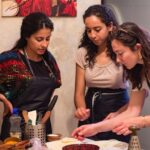
The heart of the day is the cooking session, roughly 3 hours of working together under Chef Tittif’s direction. This is where the value really shows. You’re not just tasting; you’re making Moroccan dishes that you can recreate later.
You can expect to prepare classics such as:
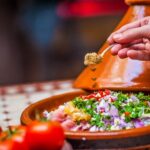
- Tajine (slow-cooked flavors, usually built around spicing and careful heat control)
- Couscous (technique matters for texture and seasoning)
- Pastilla (a dish that often blends sweet and savory elements in a way that’s hard to copy without guidance)
Because the class includes a market-based ingredient component and then a long cooking block, you should think of this as learning the logic of Moroccan cooking. The goal isn’t perfection on the first try—it’s understanding the method so your home version improves over time.
Two practical tips for your own success:
- Don’t be shy about asking why a step happens. Moroccan cooking can look intuitive, but technique is the secret sauce.
- If you’re worried about spice level, mention it. You can usually adjust and still learn the structure of the dish.
A few more Marrakech tours and experiences worth a look

Enjoying Your Meal: Mint Tea, Sharing, and the Take-Home Factor
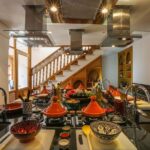
After cooking, you sit down to enjoy the food you made, paired with traditional mint tea. This part matters because it turns the class into a full sensory experience—taste the result of your choices, then connect it to what you did during prep.
Once you’ve eaten, you also get printed or digital recipes to recreate Moroccan flavors at home. That’s the difference between a great meal and a useful cooking lesson. At home, spices and method are what make or break the dish, so recipes give you a roadmap when your memory fades.
I like that this isn’t just a “here’s what we cooked” handoff. You’re learning techniques inside a structured session, then leaving with a reference you can use when you cook again—so the class keeps paying off after you fly home.
Price and Logistics: What $40 Really Covers

At $40 per person for about 4 hours, this is priced like a true small-group activity, not a cheap mass-market stop. The main value comes from three things you actually get: hands-on cooking, the communal bakery insight, and the market ingredient component (even if optional).
Also, admissions are included for the early parts of the experience, and pickup is offered. That reduces the friction of Medina navigation. If you’ve ever tried to coordinate Medina sightseeing without local help, you already know why that saves time and stress.
Now the practical reality. Some past bookings reported issues with communication and pickup reliability, including missed arrivals and slow replies when trying to sort out timing. That doesn’t mean it will happen to you, but it does mean you should take 2 minutes to verify details. Confirm close to departure and keep a screenshot of your mobile ticket.
Finally, one more logistics note from past experiences: there can be a cooperative stop that may come with requests to buy products, and some people reported being asked for extra dinar for a guide. You don’t have enough information here to predict exactly what you’ll face, so go in with a simple mindset: you’re here to cook. If extra requests show up, decide on the spot based on your comfort level and budget.
Who This Tour Suits Best
This cooking class is a strong match if you want:
- A hands-on Moroccan cooking lesson with a real teacher
- A food-focused day that includes bread culture, not just a restaurant meal
- A small group setting where you can ask questions and move at a human pace
It also can work well for families, since the group size stays limited and the pace is structured. Still, remember it’s a cooking activity in a Medina environment. If you’re traveling with very young kids, you’ll want to judge how comfortable your group is with walking and kitchen prep activity.
If you’re short on time and only want a quick taste, this might feel like more commitment than you need. But if you love food enough to learn steps, it’s a solid way to spend a morning.
Practical Tips So Your Day Runs Smooth
Here are the things I’d do before you head out:
- Confirm your pickup and meeting point close to 10:00am. Medina timing can be fragile, and communication issues have been reported.
- Wear comfortable shoes. Even if the class happens mostly in a riad, you’ll still spend time moving through the area.
- Bring a small amount of cash just in case you decide to buy something during the optional market time. What you buy is up to you, but having cash helps.
- If you’re sensitive to sales pressure, prepare yourself. One past experience mentioned product selling at an additional stop, so keep your budget and boundaries in mind.
Also, give yourself breathing room with plans the rest of the day. You’ll likely leave pleasantly full and a bit sleepy, and that’s not a bad outcome after cooking and eating in the Medina.
Should You Book Chef Tittif’s Medina Cooking Class?
I’d book it if your top priority is learning Moroccan cooking in a small-group setting with Chef Tittif, plus getting the memorable bread-baking context from the communal bakery. The $40 price makes sense for a 4-hour, taught experience that includes mint tea and recipes you can use later.
I’d hesitate or at least go in carefully if you’ve had trouble with tour communication before, because some bookings reported missed pickup and slow responses. If you’re the type who likes certainty, confirm details ahead of time and don’t wait until the last minute.
FAQ
What time does the cooking class start?
It starts at 10:00am.
How long is the experience?
It’s about 4 hours (approx.).
Is pickup included?
Yes, pickup is offered.
Is the market visit included?
The market visit is listed as optional, around Jemaa el-Fnaa for about 30 minutes.
What dishes will I cook?
The cooking session includes Moroccan dishes such as tajine, couscous, or pastilla.
What is the cancellation policy?
You can cancel for a full refund if you cancel at least 24 hours before the experience’s start time. If it’s canceled due to poor weather, you’ll be offered a different date or a full refund.
If you want, tell me your travel dates and whether you prefer a guided market walk or to skip it, and I’ll help you decide how to plan the morning around this class.