REVIEW · MARRAKECH
4 Day Desert tour from Marrakech to Fez
Book on Viator →Operated by Top Sahara Trips · Bookable on Viator
Sahara stars start before sunrise. This 4-day drive links two imperial cities with big scenic days: the High Atlas, UNESCO ksar sights, and a real night out by the dunes. I especially like that you get a door-to-riad pickup style start and a driver-guide who handles the long stretches for you.
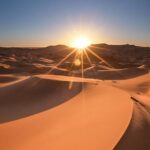
What I like even more is the Erg Chebbi camel + desert camp night, followed by sunrise and a 4×4 outing in the dunes area. The main thing to plan for is time on the road: this is a road trip first, with photos and short walks rather than hours of hanging around one place.
In This Review
- Key highlights you’ll feel fast
- Why Marrakech-to-Fez Works Better Than Picking Just One City
- Day 1: Marrakech → Tizi n’Tichka → Ait Ben Haddou → Ouarzazate → Dades Gorges
- Day 2: Dades Valley and Todra Gorges Morning, Then Merzouga Camels
- Day 3: Erg Chebbi Sunrise, Then 4×4 to Oasis, Irrigation, and Khamlia
- Day 4: Return Drive to Fez via Rissani, Ziz Valley, Azrou Cedar Forest, and Ifran
- Hotels, Meals, and What the Included Stuff Really Means
- Transport Comfort: A/C Car, Private Group Pace, and the Camel/4×4 Switch
- Price and Value: What You’re Paying For at About $116.62
- Who Should Book This (and Who Might Want a Different Fit)
- Should You Book This 4-Day Desert Tour from Marrakech to Fez?
- FAQ
- What cities does the tour start and end in?
- What time does the tour begin?
- Are pickup services included?
- What meals are included and are lunches covered?
- What desert activities happen in Merzouga?
- Is this tour private for my group?
Key highlights you’ll feel fast
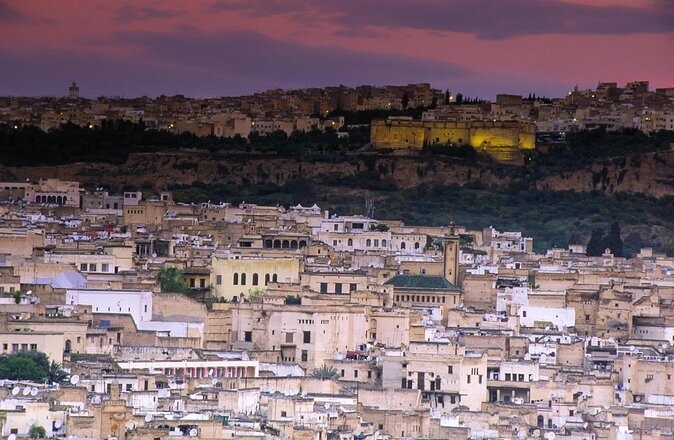
- Ait Ben Haddou (UNESCO ksar), a “movie set” village on the old caravan route
- High Atlas passes like Tizi n’Tichka at 2260 meters, with epic turning-road views
- Dades Gorges + Todra Gorges for dramatic canyon scenery and easy morning stretching
- Erg Chebbi camel ride and nomad-style bivouac under clear night skies
- Sunrise behind the dunes plus a 4×4 loop to the Merzouga oasis and irrigation system
- Cedar forest of Azrou with Barbary macaques, then a scenic arrival into Fez
Why Marrakech-to-Fez Works Better Than Picking Just One City
This tour gives you the best kind of Morocco in a tight time frame: you trade city museum time for road-time and scenery time. You start in Marrakech and gradually shift the scenery south—past Berber villages, into the Atlas Mountains, down toward the first signs of desert, and finally into Erg Chebbi dunes.
You also get the classic “imperial cities” bookends. Fez at the end feels like a cool-down after the desert, especially if you like seeing how different regions of Morocco live. And because it’s a private tour for your group, you’re not stuck counting heads or waiting on strangers to buy one more bottle of water.
The trade-off is that you won’t slow down enough to linger like you might on a city-only trip. If you hate early mornings and prefer one place per day, you may feel rushed. But if you want a complete Morocco sampler, this route makes a lot of sense.
A few more Marrakech tours and experiences worth a look
Day 1: Marrakech → Tizi n’Tichka → Ait Ben Haddou → Ouarzazate → Dades Gorges
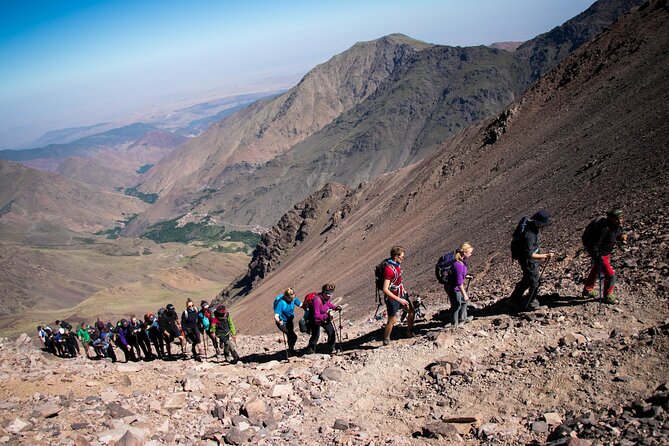
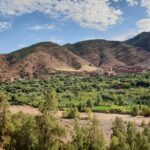
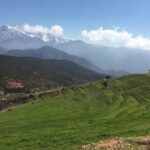
Day 1 is all about big “first wow” moments. You leave Marrakech before 8:00 am, and you start climbing early. The drive includes Taddert-type Berber towns and then the dramatic Tizi n’Tichka Pass (2260 meters). Even if you’re not a mountain person, the views and road curves are the kind of scenery you remember.
Then comes Aït Ben Haddou, about 30 km from Ouarzazate. This UNESCO-listed ksar sits like a fortress made for red-earth sunsets. You’ll stop here long enough to see the “castle” layout and have lunch around the kasbah area. It’s one of those places where you quickly understand why filmmakers keep returning—because the setting already looks staged.
After that, you roll onward through Ouarzazate, often called the Gateway to the Sahara. It’s not just a transit town; it’s a familiar “checkpoint” in the way the south opens up. Your day continues through the Thousand Kasbahs style route, with a stop at Kalaat M’gouna, the Rose City (famous for roses and a May rose festival).
By late day, you reach Boumalne Dades, and the goal is to end in the Dadés Gorges area at a traditional but comfy hotel. This is a smart pacing choice. Instead of pushing all the way to the desert on day one, you give yourself a canyon base, so the desert night on day two actually feels like a shift.
Practical note: lunches are marked as not included, even though lunch stops are built into the route. So plan on paying for your own meals once or twice during the day.
Day 2: Dades Valley and Todra Gorges Morning, Then Merzouga Camels
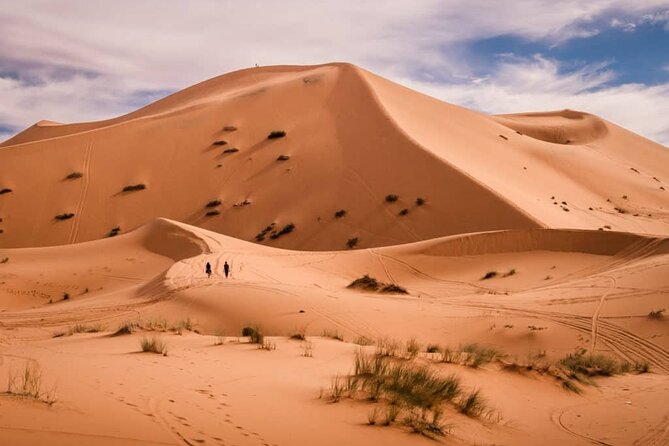
Morning starts with a lighter feel: breakfast, then exploring the Dades Valley and Todra Gorges area. Todra is known for its sheer canyon walls, and this tour keeps it practical with a short walk rather than a long hike. That matters on a road trip like this—your legs get a break and you still get the canyon drama.
Then you move toward the desert. As you travel, the scenery turns more arid, and you feel the shift before you even reach the dunes. The tour reaches Merzouga as your desert base.
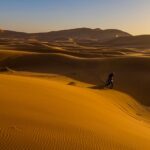
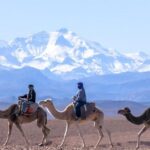
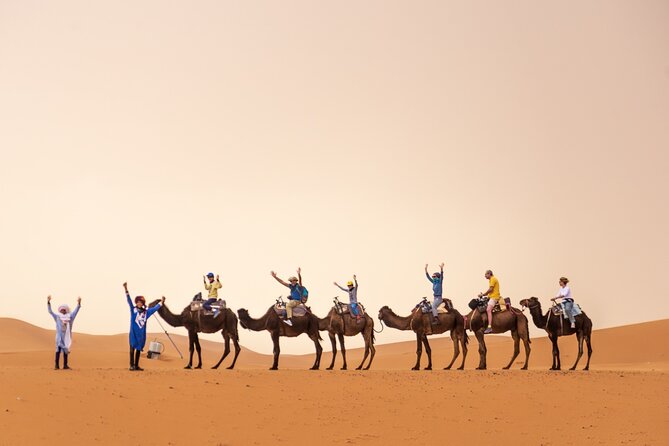
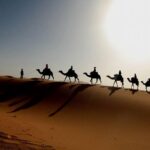
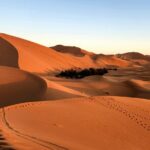
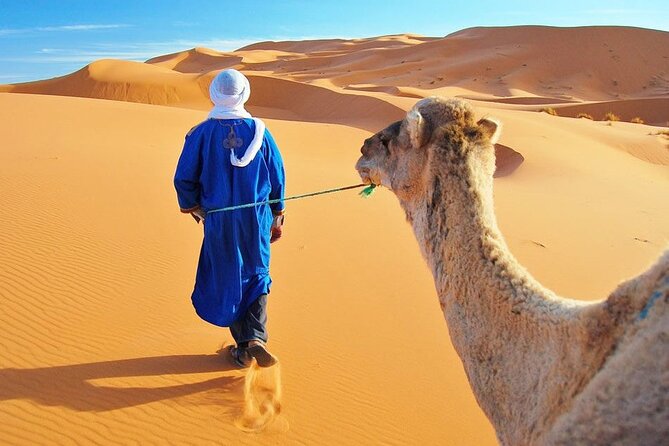
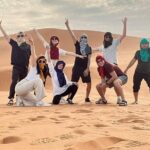
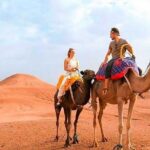
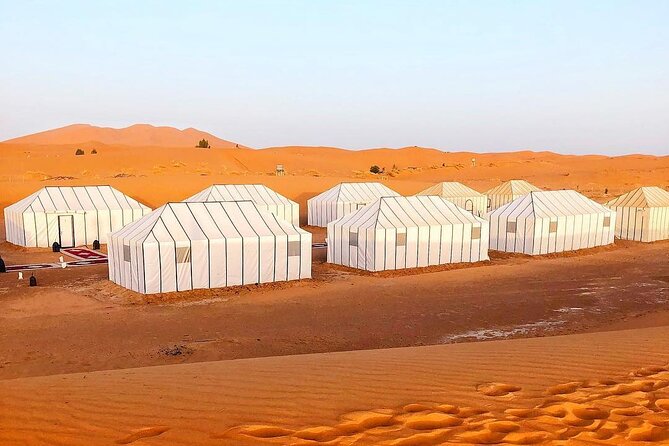
The key moment here is the camel ride. You go from Merzouga into the Erg Chebbi dunes, and you sleep in a traditional desert camp described as a nomad-style bivouac. The point isn’t luxury shopping. It’s a real change of pace: fewer screens, more sky, and that quiet that only happens out beyond the last road.
This is also when the group rhythm clicks. You’ll be switching from “driving day” to “slow night” mode. And if you’re like me, you’ll notice how quickly the dark takes over—especially with clear skies.
Day 3: Erg Chebbi Sunrise, Then 4×4 to Oasis, Irrigation, and Khamlia
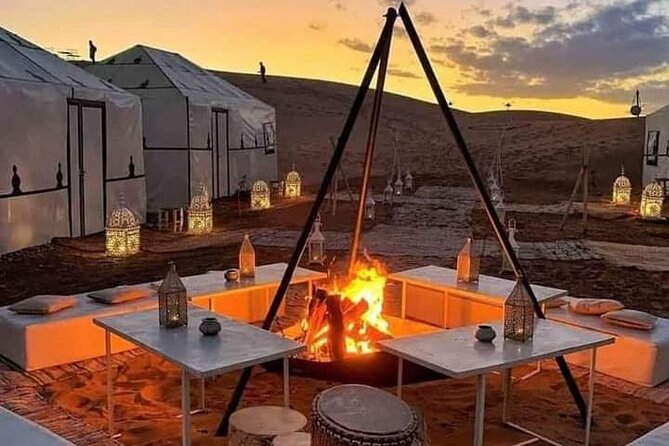
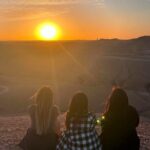
You start early for one of the most photogenic parts of the entire trip: sunrise behind the dunes. The tour is built around watching color shift as the sun rises. It’s short, but it’s the kind of moment that makes the whole journey feel worth it.
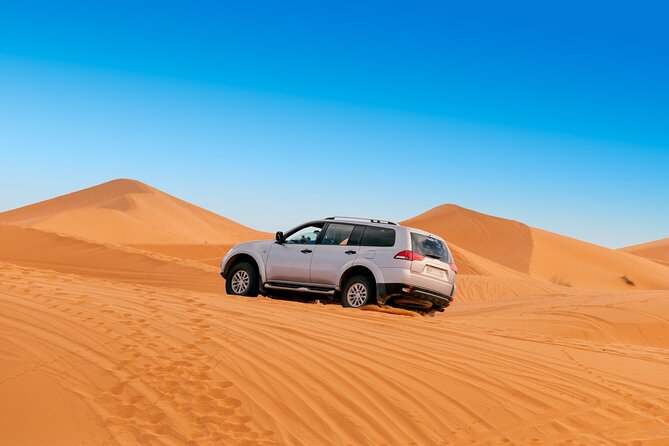
After sunrise and breakfast, you explore more of the dunes area in a 4×4 SUV. This isn’t just “drive around.” You’ll visit the Merzouga oasis and learn about the local traditional irrigation system. That irrigation detail is a big deal because it explains how people made life work in a place that looks, from the road, like it should be empty.
Next you’ll visit Khamlia village, sometimes called the Black Town. This stop includes cultural time with Gnawa music. It’s one of those experiences where you’re not chasing a theme; you’re seeing how a community expresses identity, music, and memory. (And yes, it can feel very different from the rest of the trip—in a good way.)
What I like about this day is the mix. You get the desert drama (sunrise + dunes), then you get the human side (oasis irrigation and Gnawa culture). It’s the best balance for people who fear desert camps can feel “one-note.”
Day 4: Return Drive to Fez via Rissani, Ziz Valley, Azrou Cedar Forest, and Ifran
Day 4 is mostly about the long scenic corridor back north. After breakfast, you leave the desert area and drive toward Fez, passing through Rissani, Arfoud, and the Ziz Valley. Expect curvy roads and repeated changing scenery as you cross back toward the Atlas side.
You’ll also cross Tizi n’Talghomt bends. These are the kind of roads where the scenery keeps shifting every few minutes, so even if you’ve already seen canyon views, you still get “new frame” moments.
There’s a lunch stop at Medilt that’s described as optional. Again, remember lunches aren’t included, so treat this as time to pay and reset, not as a guaranteed meal plan.
Then comes a favorite nature stop: the cedar forest of Azrou, where you can see Barbary macaques. If you like taking photos without a long trek, this short stop is worth it. The macaques are active and you’ll likely get a few good shots quickly.
After Azrou, you pass through Ifran, often called Moroccan Switzerland. It’s a quick feeling of a different climate and architecture style before you reach Fez.
Arrival in Fez ends the trip with your crew helping you reach your riad or hotel. That matters because Fez can feel complicated on your first day. Having the handoff planned saves you time and stress.
Hotels, Meals, and What the Included Stuff Really Means
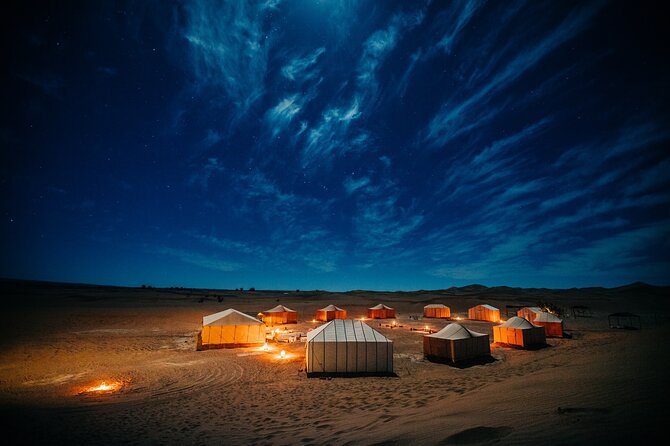
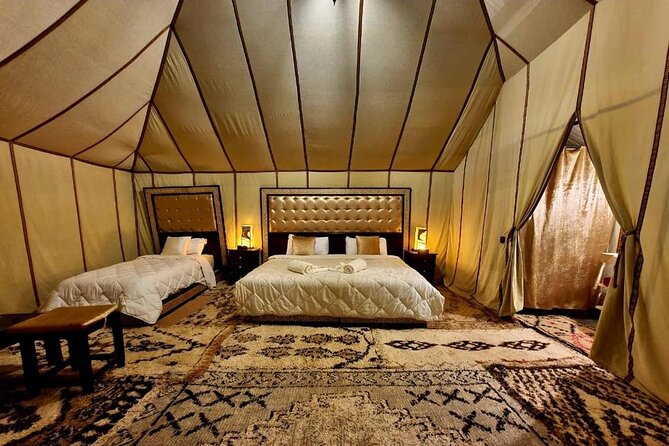
This tour includes car A/C, a driver-guide, and breakfasts and dinners (listed as 2 breakfasts and 2 dinners). The desert camp you sleep in is also described as including accommodation plus an evening meal and next-morning breakfast.
Lunches are not included, so you should expect to pay for meals during lunch stops. That’s normal for Morocco road tours, but it’s still a budget item you’ll want to plan for. If you’re the kind of person who needs a packed schedule, bring a little flexibility: lunch times can vary with the day’s driving and photo stops.
From the way people describe their experience, the lodging is generally seen as a strong point—“amazing” comes up alongside “clean and well-maintained car” in examples tied to specific guides. I wouldn’t assume every single property will match your exact taste, but the overall pattern suggests you’re not sleeping in something sketchy just to save money.
Transport Comfort: A/C Car, Private Group Pace, and the Camel/4×4 Switch
The vehicle setup is a big part of your comfort. You’re using an A/C car with a driver-guide. That helps a lot once you’re out in the longer driving hours, even when the weather changes.
Another comfort win is the private-group feel. Since it’s only your group, you can keep your day rhythm—use the bathroom when it’s your turn, take photos without someone impatiently tapping a watch, and ask your guide questions without feeling like you’re competing for attention.
You do get two “transport mode changes” that define the experience:
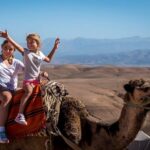
- Camel ride into the dunes at Merzouga (slower, quieter, and more traditional)
- 4×4 SUV in the Erg Chebbi area (faster access to key desert sites)
Those switches are exactly what keep the desert from feeling static.
One practical bonus: road conditions can change over mountain passes in winter. One guide example in past experiences included warning about the High Atlas road possibly being closed due to snow and arranging another route. You can’t control weather, but you can count on an experienced driver to manage it when needed.
Price and Value: What You’re Paying For at About $116.62
At $116.62 per person, you’re paying for more than transportation. You’re paying for:
- A full multi-day route across Morocco’s south and Atlas
- A driver-guide who knows where the stops make sense
- Included breakfasts and dinners, plus the desert camp setup
- The core “Sahara” components: camel time, a desert camp night, and a 4×4 desert outing
If you tried to recreate this on your own, you’d spend real time coordinating drivers, lodging, and desert logistics. Plus, you’d still face the timing challenge of linking Marrakech to Fez with the desert as the middle anchor. The cost here feels like it’s meant to buy you that friction-free middle.
The one budget caution is lunches. Since lunches aren’t included, you’ll want to carry some extra cash or card for that day-by-day need.
Who Should Book This (and Who Might Want a Different Fit)
This tour is a good fit if you:
- Want to see Marrakech and Fez without adding separate city transfers
- Like scenic road days with a clear structure
- Really want a Sahara night that goes beyond a quick photo stop
- Prefer having a guide handle the route and timing
It’s less ideal if you:
- Hate early starts (sunrise means early)
- Want long time in just one place
- Expect lunches to be covered like a full package meal plan
Also, note this is described as a private tour/activity where only your group participates, and service animals are allowed. Most people can participate, but if you’re sensitive to driving hours or early mornings, think carefully before you commit.
Should You Book This 4-Day Desert Tour from Marrakech to Fez?
I’d book it if you want a classic “see Morocco properly” sampler in four days—high mountain pass views, UNESCO ksar time, canyon mornings, and a true Erg Chebbi desert night. The included desert components are the heart of the value: camel ride, camp sleep, sunrise, and a 4×4 outing that includes oasis and irrigation plus Khamlia culture.
I’d hesitate only if you strongly prefer slower travel with more time in fewer places, or if you’re trying to keep meals strictly budgeted since lunches are on you.
If you do book, pick the option that matches your comfort level for early mornings and long car days. And when you get your guide, take advantage of it—names like Mohamed Ouhsain and Youssef have been highlighted for making people feel safe and informed, with Youssef noted for fluent English in one example. That kind of guidance is what turns a “route” into a real trip.
FAQ
What cities does the tour start and end in?
It starts in Marrakesh and ends in Fez.
What time does the tour begin?
The start time is 8:00 am in Marrakesh.
Are pickup services included?
Pickup is offered, and the tour starts from Marrakesh, Morocco.
What meals are included and are lunches covered?
The tour includes breakfasts and dinners (listed as 2 breakfasts and 2 dinners). Lunches are not included.
What desert activities happen in Merzouga?
In Merzouga, you take camels into the dunes for a night in a desert camp, and the next day includes sunrise plus a 4×4 SUV excursion to sites like the Merzouga oasis, its traditional irrigation system, and Khamlia village with Gnawa music.
Is this tour private for my group?
Yes. It’s described as a private tour/activity, meaning only your group participates.