REVIEW · MARRAKECH
4 Days Desert Tour From Marrakech to Fes via Merzouga Dunes
Book on Viator →Operated by Morocco Global Adventures · Bookable on Viator
A desert trip that finishes in Fez instead of backtracking. I like the way this route stays moving—you don’t just go out to the Sahara and return to Marrakech—and I also like the balance of big sights plus real desert time around Merzouga. One note: it’s not a slow, lazy tour. You’ll spend real hours on the road in exchange for a smooth “Marrakech to Fez” payoff.
Day 1 mixes mountain scenery with a true classic stop at Ait Benhaddou, and Day 2+3 put you in the sand with camel rides at sunrise and sunset plus time in a Berber camp. I also appreciate the group size cap (up to 15) and the fact that the tour includes both the camel moments and activities like sandboarding—so you’re not constantly hunting for add-ons.
The main drawback is simple: you’re on an air-conditioned vehicle a lot, and the optional 4×4 experience isn’t included. If you’re the type who gets cranky after long drives, plan to treat the bus time like the price of admission.
In This Review
- Key things I’d clock before you go
- Why this Marrakech to Fez desert loop works
- Day 1: Tizi n Tichka, Ait Benhaddou, then Tinghir comfort
- Day 2: Through gorges and oases to Merzouga
- Day 3: Khamlia Gnawa music, nomad paths, then more dunes
- Camel trek and camp life: what to expect on the sand
- Optional sandboarding and 4×4: fun, but spend time thinking
- Day 4: Ziz Valley views, Ifrane cedar forest, then Fez arrival
- Price and value: what $568.78 covers, and what it doesn’t
- The people part: guide support and real-world pacing
- Who should book this tour (and who should skip it)
- Practical tips so the days feel smoother
- Should you book this 4-day Marrakech to Fez Sahara tour?
- FAQ
- What is the duration of the tour from Marrakech to Fez via Merzouga?
- How much does the 4-day desert tour cost?
- Does the tour include pickup from Marrakech?
- What desert activities are included in Merzouga?
- Where do you sleep, and are bathrooms private?
- What meals are included, and are lunches covered?
- Is Ait Benhaddou guided or are entrance fees included?
Key things I’d clock before you go
- Marrakech to Fez route: You end in Fez, not back in Marrakech—more efficient.
- UNESCO stop at Ait Benhaddou: A major cultural anchor on Day 1.
- Merzouga dunes for two nights: You get more than a quick camp stop.
- Camel rides at both sunrise and sunset: Included, with one camel each.
- Sandboarding included: Optional desert fun is already built in.
- Small group size (max 15): Easier logistics than big buses.
Why this Marrakech to Fez desert loop works
Most Sahara tours are a “there and back” pattern. This one does the opposite. You start at 7:00 am in Marrakech at Hôtel Restaurant Café de France and you finish in Fez, so your trip keeps unfolding. That matters if you’re trying to connect Morocco’s highlights without losing days retracing roads.
The other smart choice here is timing. You don’t just arrive at Merzouga, do a short camel ride, and call it a night. The tour gives you two nights in the desert camp area, plus an early start on Day 3 for music and a second round of dune time. That usually leads to a more relaxed rhythm once you’re actually in the sand.
Price-wise, $568.78 per person is not cheap, but the package covers the big-ticket items: transport with fuel included, camel rides, sandboarding, and meals (dinner and breakfast for three days). The value improves when you compare this to booking desert camp logistics separately, especially with meals and the dune activities bundled in.
A few more Marrakech tours and experiences worth a look
Day 1: Tizi n Tichka, Ait Benhaddou, then Tinghir comfort
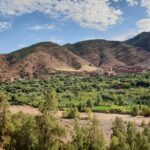
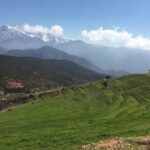
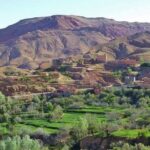
Day 1 sets the tone: you leave Marrakech around 7:00 am and drive across the High Atlas via the Tizi-n-Tichka pass. That stretch is famous for long views, switchbacks, and High Atlas Berber villages tucked into the slopes. Even if you’re not chasing photo spots, it’s a good warm-up for the scale of Morocco.
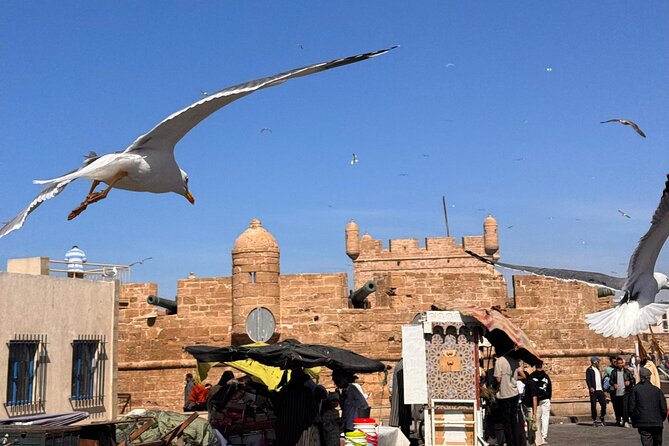
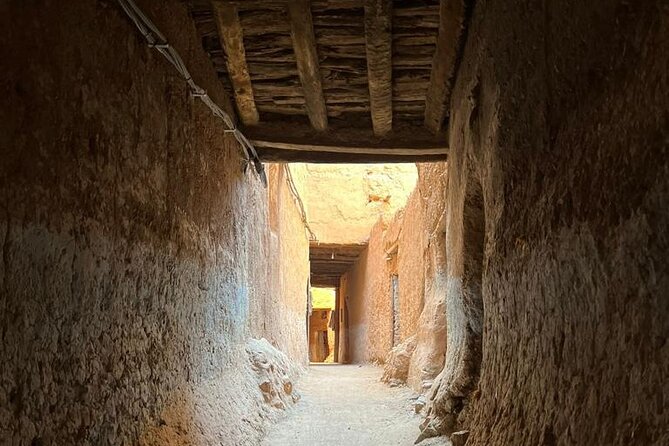
Then comes Ait Benhaddou, a UNESCO World Heritage site. This is the kind of place where the architecture does the storytelling for you: earthen buildings, dramatic contours, and a townscape that feels built for slow wandering. Your tour stops there for a visit and lunch in the area.
After Ait Benhaddou, you head toward Ouarzazate for a super market stop, then continue to Tinghir for overnight. The itinerary lists a hotel in Tinghir with dinner and breakfast included. Tinghir is a solid choice as a buffer night. Instead of jumping straight into the Sahara from a long day, you get a proper reset—especially useful before camel trekking the next day.
What to watch: you’re looking at a full driving day (around 9 hours listed on Day 1), so bring a book, download offline music, and plan to keep snacks handy if you want more than what’s included.
Day 2: Through gorges and oases to Merzouga
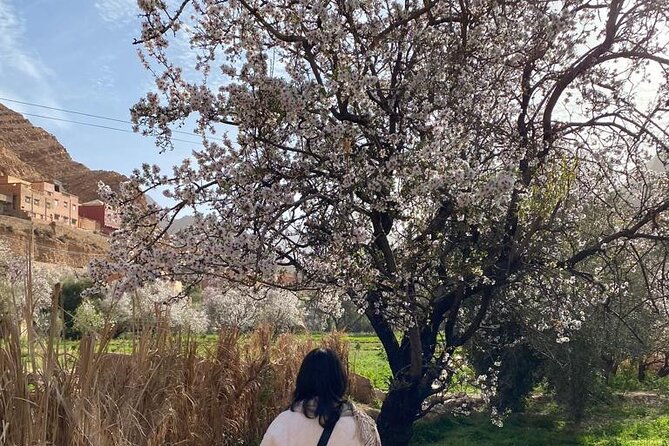
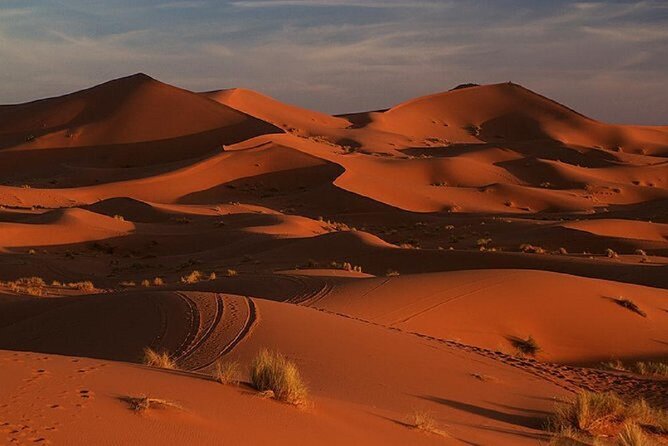
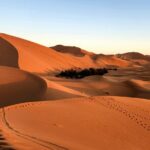
Day 2 is the “getting there” day, but it’s not boring if you enjoy route variety. After breakfast, you drive to Erg Chebbi in Merzouga. The tour passes through Berber villages scattered along the way, plus key points like Todra Gorges, oasis areas, and towns including Tingjdad, Jorf, and Erfoud.
This route matters because it teaches you what “desert fringe” feels like. You see oasis rhythms and Tafilalet region cues before you’re fully in the dunes. It’s an effective way to make the Sahara feel earned rather than dropped in your lap.
When you reach Merzouga, you check into a hotel and do a practical move: you take only the small bag you need for the night in the desert camp, then leave the rest at the hotel. That helps you travel lighter when you’re about to walk and trek.
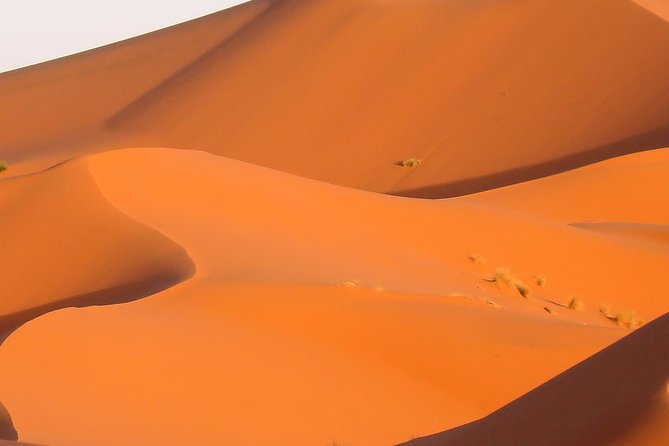
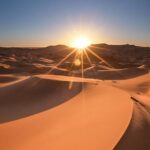
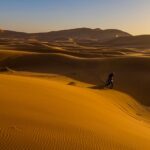
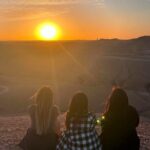
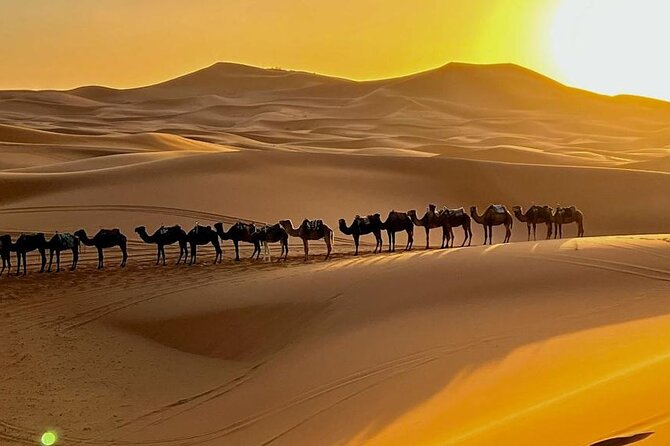
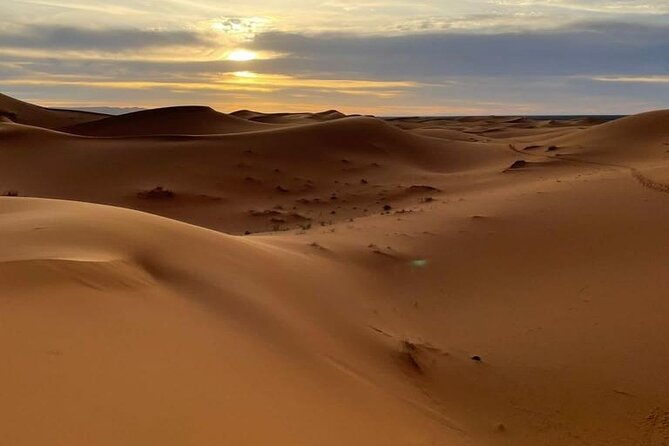
Then the highlight: a camel ride into the Erg Chebbi dunes, timed for sunset and geared toward great light for photos. The itinerary mentions that you’ll have the chance to capture sunset and sunrise views, and the inclusions confirm camel rides for both. You arrive at the camp, then shift into the overnight rhythm.
Practical note: the camp accommodations are shared bathrooms and listed as standard. That’s normal for shared desert camps, but it’s good to know up front so you don’t expect hotel-level private facilities.
Day 3: Khamlia Gnawa music, nomad paths, then more dunes
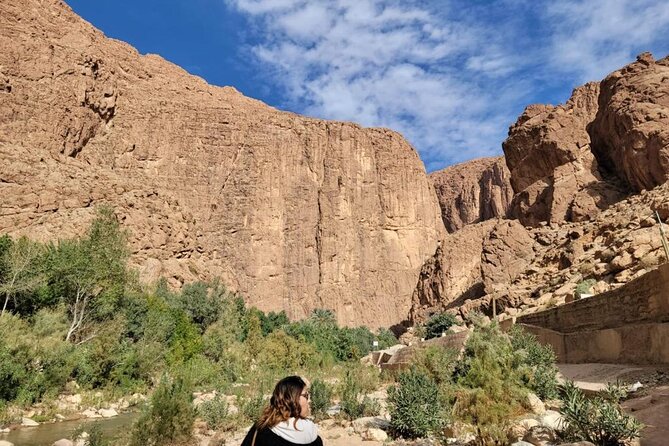
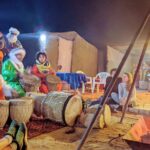
Morning on Day 3 starts early, because this is about the best desert energy and sound. The tour walks toward the village of Khamlia, known here for live Gnawa music. After that, you continue along a path connected with nomads, with the itinerary describing a break under Berber tents and a hot drink moment.
This is the day where you’ll likely feel the most “human scale.” The sand is big, but the experience is small and personal—music close by, tents nearby, and a sense of rhythm rather than a checklist.
Lunch is included as a picnic lunch (the itinerary spells it out as picnic rupa lunch). In the afternoon, you head back into the dunes again for more time in the sand, and you spend the second night at the camp.
One key detail from the tour info: the 4×4 vehicle is not included on Day 3. That means your dune movement on this day is primarily on foot, on camel, or via the route plan provided—so come with comfortable shoes and expect a bit of trekking.
Also, compared to Day 1 and Day 2 driving, Day 3 is less about long road hours. That tends to feel more relaxing, and the itinerary supports that with desert-based activities rather than just transit.
Camel trek and camp life: what to expect on the sand
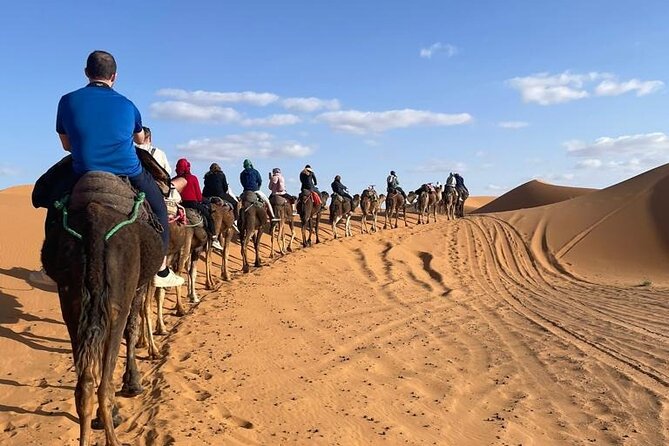
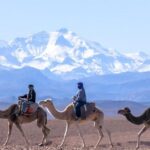
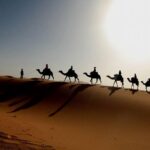
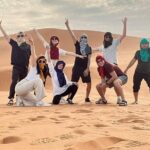
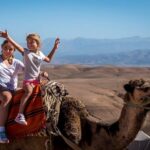
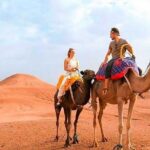
The camel rides are one of the strongest inclusions in this package. You’re getting a sunset camel ride and a sunrise camel ride, with one camel each. That means you don’t have to arrange separate timing or negotiate with a camp operator on the fly.
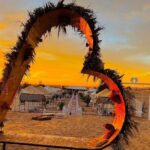
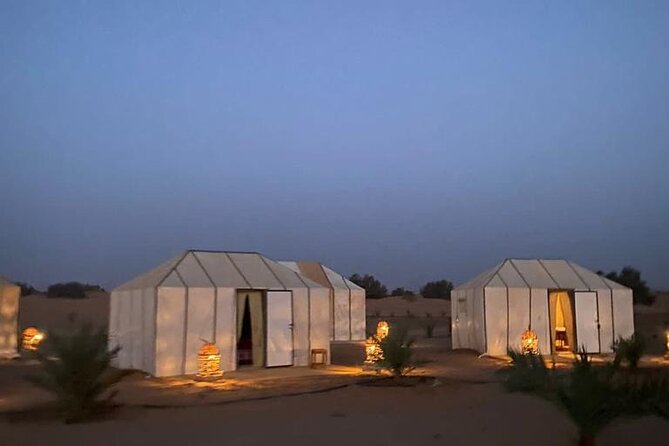
Your desert camp stay is described as standard accommodations with two nights and shared bathrooms. Expect basic comfort, not luxury. You’ll likely spend most of your time outside or in the communal camp areas, since the main event is the dunes and the evening light.
Here’s how to make camp feel easier:
- Pack for cold nights. Even when days are pleasant, desert nights can turn chilly.
- Bring layers you can manage quickly after a trek.
- Don’t overpack. The tour already nudges you to keep only a small bag for the desert night.
The optional activities are also worth understanding before you arrive. Your inclusions list sandboarding. The itinerary also references optional 4-wheel driving as part of the overall experience, but the inclusions clarify that the 4×4 tour is optional and not part of the core Day 3 vehicle time.
Optional sandboarding and 4×4: fun, but spend time thinking
Sandboarding is included, so you don’t have to gamble on whether it’s available when you arrive. It’s a good way to turn the “viewing” into “doing,” even if you’ve never tried it before.
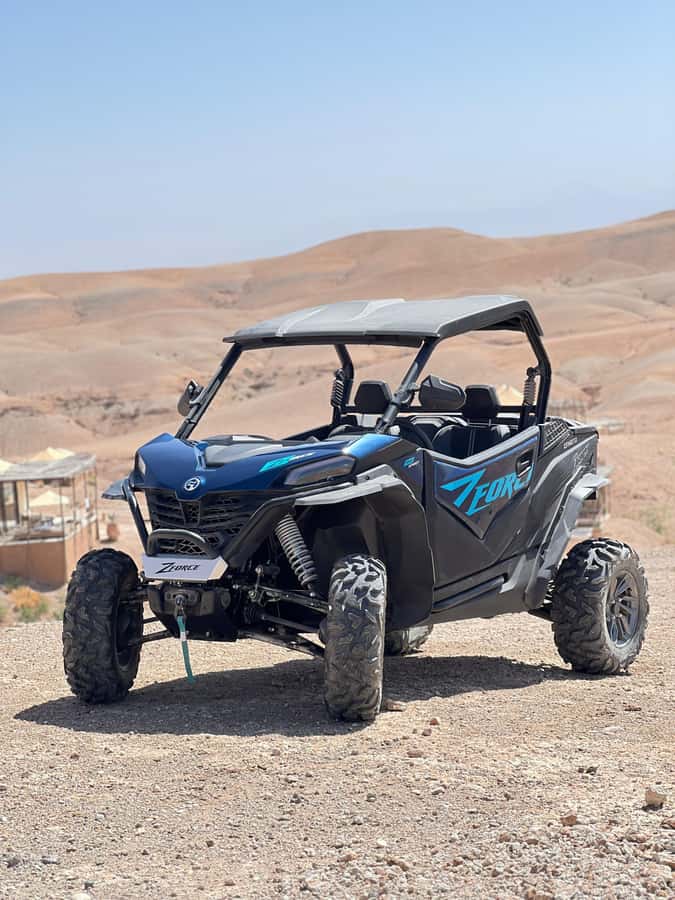
The 4×4 element is different. If you want to see more of the dunes without walking, a 4×4 can help. Just remember: optional doesn’t mean included. Your tour info lists that 4X4 is not included, and Day 3 specifically notes the 4×4 vehicle isn’t included there.
So if you’re deciding whether to add the 4×4, ask yourself:
- Do I want more dune exploration, or am I happy with walking and camel time?
- Do I get motion-sick easily?
- Do I want to save money and keep the package as-is?
If you like active travel and you’re comfortable walking in sand, sandboarding plus the included camel rides may already give you enough “sahara thrills.” If you’re less steady on your feet, the optional 4×4 could be a nice add.
Day 4: Ziz Valley views, Ifrane cedar forest, then Fez arrival
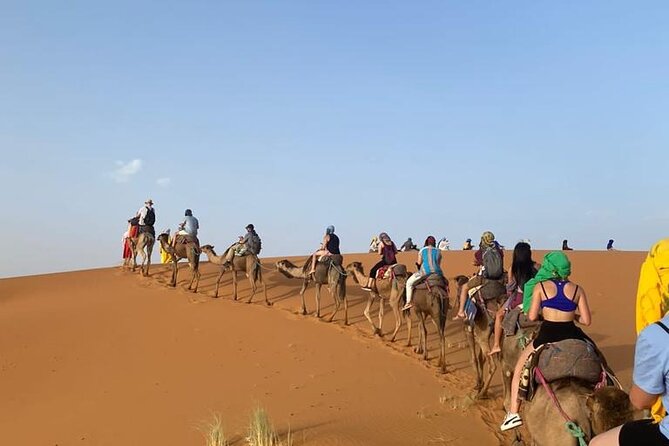
On Day 4, you start with breakfast and a camel trek back to the hotel along the dune line, then quick shower time (the itinerary calls it a quick shower). From there, you drive toward Fez, crossing the High Atlas again.
You stop along the road for panoramic views over the Ziz Valley. That’s one of those “right, this is why we did the drive” moments—big views, long stretches, and a different look than the morning desert dunes.
Then you head through Midelt for lunch, then continue via Azrou and Ifrane. In Ifrane, you have a cedar forest stop where you may see monkeys. The tour itinerary specifically mentions a huge cedar wood forest and the chance to see monkeys.
Finally, you arrive in Fez. That’s a strong ending, because Fez is where Morocco’s old-city energy turns into an actual plan for your remaining days.
Day 4 is listed at around 10 hours, so you’ll likely arrive ready to eat well and sleep deeply. Bring a plan for your first evening in Fez: something simple and close by your accommodation.
Price and value: what $568.78 covers, and what it doesn’t
At $568.78 per person, you’re paying for a whole chain of logistics, not just a desert night. Here’s the value picture based on what’s included:
- Air-conditioned vehicle plus fuel surcharge
- Pickup offered
- Camel rides for both sunset and sunrise (one camel each)
- Sandboarding
- 3 nights standard accommodations
- 2 nights in the desert camp with shared bathrooms (standard)
- Dinner (3) and breakfast (3)
What’s not included is also important:
- Lunches (listed as not included)
- Drinks
- Tips
- Film studio tickets (listed as 5 EUR per person)
- A guide in Ait Ben Haddou Village and entrance fees for Kasbah (not included)
So if you’re the kind of traveler who already pays for meals and snacks on your own, your true cost may drift a bit upward. Still, the package removes the hassle of coordinating camel timing, camp nights, and desert activities.
Also, this tour is booked on average 42 days in advance. That’s a sign it sells regularly. If you’re traveling in popular seasons, booking earlier is smart so you’re not shopping blind near your dates.
The people part: guide support and real-world pacing
A trip like this lives or dies by how it’s run. One detail that comes through clearly: the guide named Aziz was helpful and friendly, and he explained things in a way that made the long days feel less like wasted time.
You can also take comfort in the way the tour is structured for multiple stops. The itinerary moves you through big sites (Ait Benhaddou), mid-way towns (Tinghir), and then desert timing. In practice, that kind of coordination reduces the “where do we go next” stress.
Still, be honest with yourself about pacing: this is a road-and-sand itinerary. Expect a lot of time on the bus. If you’re okay with that, you’ll enjoy the payoff: desert days that actually feel substantial rather than a quick detour.
Who should book this tour (and who should skip it)
This works best if you want:
- A classic Sahara experience with two desert nights
- Camel rides at both sunset and sunrise
- A route that finishes in Fez so you don’t lose time backtracking
- Included desert fun like sandboarding
- A group that stays relatively small (max 15)
You might reconsider if:
- You hate long driving days (Day 1 is listed around 9 hours; Day 4 around 10)
- You really care about private bathrooms in the desert camp (the camp uses shared bathrooms)
- You only want minimal tour structure and maximum free time (this is guided and timed)
If you’re planning Morocco like a sampler platter—Marrakech, Atlas stops, Sahara, Fez—this itinerary fits well. If your style is slow and local-only, you might prefer a longer, less “route-heavy” option.
Practical tips so the days feel smoother
- Plan for early starts. Day 2 and Day 3 are morning-driven, and the tour starts at 7:00 am on Day 1.
- Expect to pay for some extras: lunch, drinks, tips, and some optional sights/fees (like film studio tickets and certain Kasbah/guide costs).
- Pack a small desert bag. The tour explicitly has you bring a smaller bag for the night and leave the rest behind.
- Wear shoes that work on uneven ground and sand.
- Keep water and basic snacks in your day bag. Lunch isn’t included, and desert days can make you hungrier than you expect.
- If you’re prone to motion sickness, sit toward the front when possible. Long drives are part of the plan.
Should you book this 4-day Marrakech to Fez Sahara tour?
I’d book it if you want the full Merzouga experience without turning your trip into a maze of separate bookings. The biggest win is the Marrakech-to-Fez routing plus the two desert nights with included camel rides and sandboarding. It’s a lot of moving parts, but it’s also a lot of included value.
I’d think twice if you’re sensitive to long bus hours or if you’re expecting private, hotel-style comfort in the desert camp. For most people, though, the blend of Atlas highlights, Ait Benhaddou, and real time in Erg Chebbi makes the trade feel fair.
If your schedule allows, try to lock it in early since this one averages about 42 days booked in advance.
FAQ
What is the duration of the tour from Marrakech to Fez via Merzouga?
It’s listed as approximately 4 days.
How much does the 4-day desert tour cost?
The price is $568.78 per person.
Does the tour include pickup from Marrakech?
Yes, pickup is offered, and the tour starts at Hôtel Restaurant Café de France in Marrakech at 7:00 am.
What desert activities are included in Merzouga?
The package includes camel rides at sunset and sunrise and sandboarding. Optional 4-wheel driving is mentioned, but it’s not included as part of the core day activities.
Where do you sleep, and are bathrooms private?
You get 3 nights standard accommodations total. The tour specifies 2 nights in the desert camp with shared bathrooms (standard accommodations). The rest are standard accommodations as part of the package.
What meals are included, and are lunches covered?
Dinner (3) and breakfast (3) are included. Lunches are not included.
Is Ait Benhaddou guided or are entrance fees included?
A guide in Ait Ben Haddou Village is not included, and entrance fee Kasbah is listed as not included. Film studio tickets are listed as 5 EUR per person.