REVIEW · MARRAKECH
Mount Toubkal Trek: 2-Day Adventure
Book on Viator →Operated by Toubkal Hiking Team · Bookable on Viator
Sunrise on Toubkal is pure willpower. This 2-day, supported hike from Imlil is a real, high-altitude challenge, with a local English-speaking guide, mule-carried luggage, and Berber hospitality at the refuge. I love how the team keeps things organized, even when the weather turns moody.
Two things I really liked: you get expert-guided pacing (so the climb stays doable), and you arrive at the summit in time for a calm, jaw-dropping sunrise. The only real drawback is that conditions can require extra security gear in colder months.
The food side is also better than you might expect. Your local cook and helpers handle the meals after trekking days, and you’ll have hot drinks along the way. That means you’re not thinking about logistics when your legs are already thinking enough for both of you.
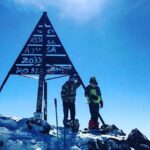
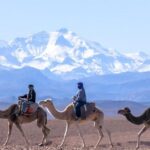
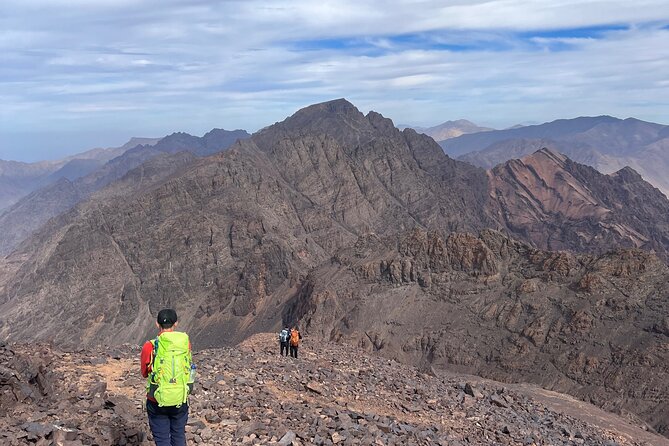
The other “win” is the view timing. From the top of Mount Toubkal (4167m), you can see across the Atlas Mountains toward Marrakech to the north, and toward the start of the Sahara to the south.
Consider this a challenging walk, not a technical climb. In November to April, you may need crampons and sometimes an ice axe for security, especially with snow or icy sections. If you hate cold, steep footing, or last-minute weather reality, plan to bring the right layers and be flexible.
In This Review
- Key things that make this trek worth your time
- Imlil to Toubkal: Why This Trek Feels Grounded, Not Intimidating
- Day 1: Getting Started at 8:30 and Settling Into the Group Rhythm
- Day 1 to the Refuge: Mule-Carried Luggage and Berber Hospitality
- Day 2: Early Breakfast and the Sunrise Summit Push
- The Reality Check: Scrambling, Snow Slopes, and Winter Gear
- Meals, Water, and What’s Included (So You Can Pack Smart)
- The Guides: Yassine, Hussein, and the Value of Real Mountain People
- Price and Value: What $232.29 Buys You on Toubkal
- Who Should Book This Trek—and Who Should Rethink It
- Should You Book This 2-Day Mount Toubkal Trek?
- FAQ
- Where does the trek start?
- How long is the Mount Toubkal trek?
- Is this a technical climb?
- Who will guide me on the hike?
- Is accommodation included?
- What meals are included?
- Is pickup and drop-off included?
- What should I bring?
- How big is the group?
- What’s the cancellation policy?
Key things that make this trek worth your time
- Local English-speaking guide who sets a workable pace and keeps you moving with confidence
- Mule support for luggage, so you focus on the hike, not carrying everything
- Refuge night with Berber hospitality, plus real meals handled by the cook
- Sunrise summit push, with big wide mountain views in every direction
- Winter-aware route options, sometimes using crampons/ice axe for safety
Imlil to Toubkal: Why This Trek Feels Grounded, Not Intimidating
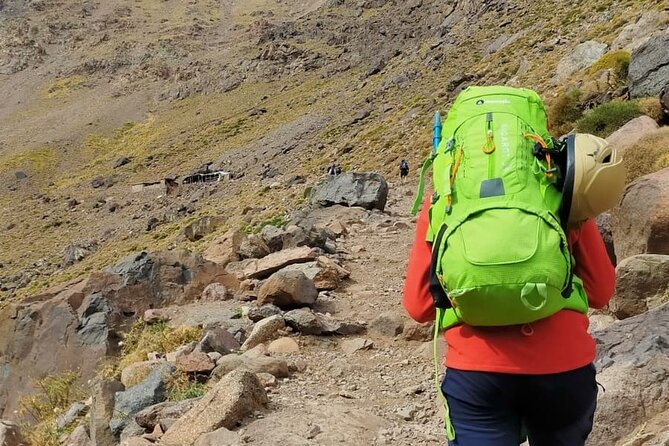
Mount Toubkal is the highest peak in North Africa at 4167m. That sounds like a mountain-climbing project. In practice, this trek is designed as a walk with guidance, not a vertical rock-fest. You’ll still earn it—there’s some easy scrambling and you may deal with snow slopes—but the route is set up so anyone in good physical condition can reach the top.
What makes it feel more approachable is the support system around you. You’re not solo with guesswork. You’re with a local English-speaking guide plus a local cook, and pack mules handle the luggage. Your job is simple: show up, walk smart, and follow the route your guide chooses based on conditions.
And here’s a small detail that matters: it’s easy to find your guide in Imlil. That first “where do I go?” moment can ruin the start of an adventure. This one is set up to get you moving fast.
You can also read our reviews of more hiking tours in Marrakech

Day 1: Getting Started at 8:30 and Settling Into the Group Rhythm
The day starts at 8:30am in Imlil. If you’re the type who likes a clear plan, this is helpful. You’ll be picked up and brought into the area, then you’ll meet your guide and get gear sorted for the trek.
From there, the rhythm is classic mountain trekking:
- you walk in stages with your guide
- you take rests when needed
- hot drinks and meals are handled for you at the end of trekking time
One of the biggest strengths of this trek is pacing. Guides on Toubkal are basically part instructor, part safety manager, and part motivator. I’ve seen guides like Hussein described as friendly and great company, and Yassine praised for staying close, checking in, and helping people who walk slower. In other words: the pace isn’t just for the fastest legs in the group.
Group size can vary. The experience caps out at a maximum of 50 travelers, but you may end up in a smaller group depending on bookings. Either way, the guide’s job stays the same—keep you together, manage the route, and stop problems before they grow.
Day 1 to the Refuge: Mule-Carried Luggage and Berber Hospitality
By the end of the first day, you’ll stay at the refuge. That’s not a hotel experience. Think of it as a mountain base where the goal is warmth, rest, and food that keeps you going.
Here’s what makes the refuge night genuinely enjoyable rather than just necessary:
- Your team prepares your meals and hot drinks so you’re not scrambling for supplies
- You get a taste of Berber hospitality, which feels more personal than a tourist-style dinner
- You get the chance to decompress with your new hiking companions
Your cook and helpers also matter here. Meals are included, including dinner on the first day, and the trek team handles the food prep. After hours of walking, that sounds obvious—but it’s actually one of the main reasons this trek is less stressful than self-guided hikes. Your brain can stay on the mountain instead of on logistics.
Also, you’ll likely appreciate the mule support more than you expect. When you’re tired, every extra kilogram feels heavy in a new, annoying way. Having pack mules carry luggage means you’re hiking with a more reasonable load.
Day 2: Early Breakfast and the Sunrise Summit Push
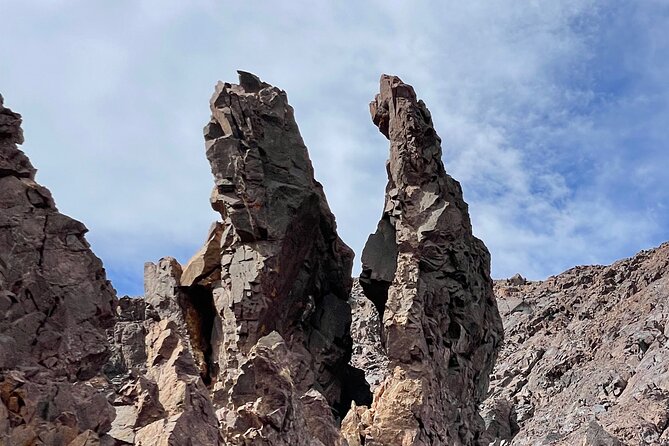
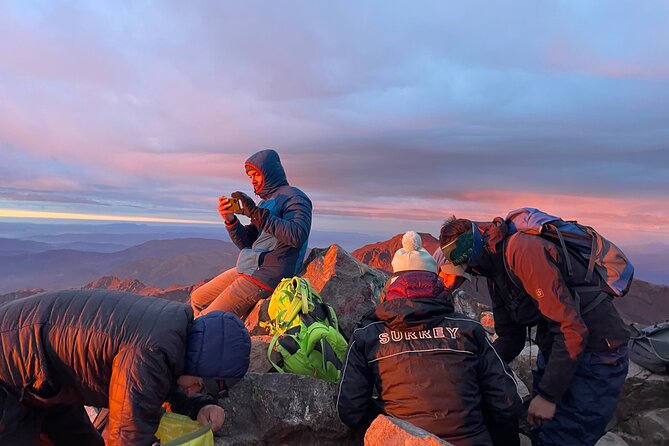
Day two starts with an early breakfast, then you set off for the summit as the sun rises. This is the signature moment of the whole itinerary, and it’s planned for a reason: early light tends to mean clearer visibility and calmer conditions on the approach.
What the sunrise summit gives you is more than a postcard.
- You’ll see the Atlas Mountains opening up in all directions
- You’ll get the wide view toward Marrakech to the north
- You’ll also look south toward the start of the Sahara
It’s a big “you actually did it” moment. Guides help here by keeping your timing steady so you reach the top in time to enjoy it, not just sprint past it.
The ascent isn’t portrayed as a technical climb. Still, it can feel tough because you’re going high, often walking over uneven ground, and sunrise pushes can mean cold air. The benefit is that it’s not random. Your guide follows the best route and views along the way, so you’re not just grinding uphill in the same boring direction the whole time.
The Reality Check: Scrambling, Snow Slopes, and Winter Gear
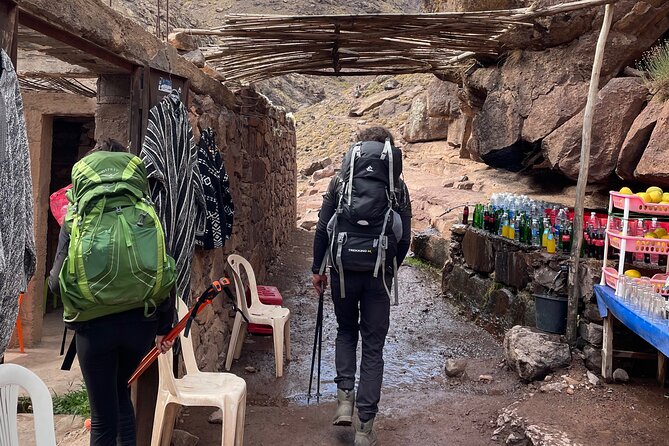
Even with guidance, this is still a high-mountain trek. The route is “walk rather than climb,” but you should be ready for:
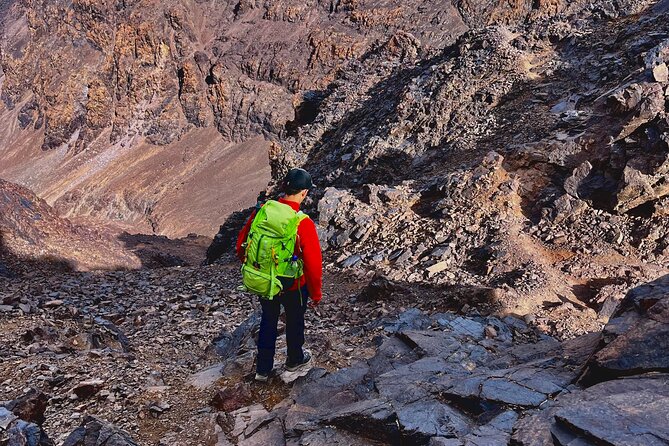
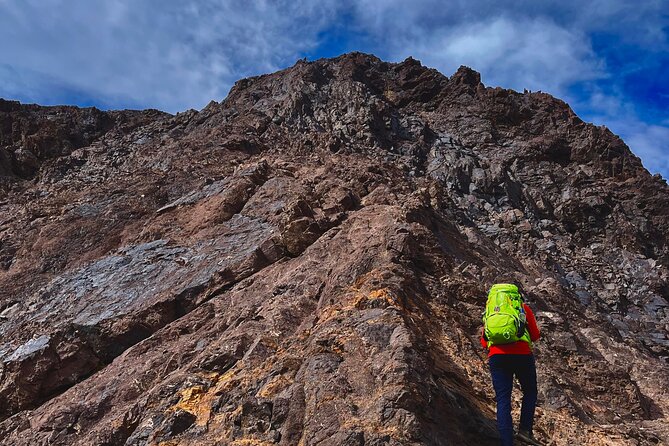
- some easy scrambling
- possible snow slopes depending on season and conditions
In November to April, the trek may involve walking with crampons or using an ice axe for security. That doesn’t mean you’ll be rock-climbing. It means safety gear may be part of the plan if the snow is firm or icy.
If you’re unsure what you’ll need, there’s a practical upside: you can often rent equipment in Imlil. Guides can help organize extra gear, which is useful if your home packing wasn’t mountain-focused. Just don’t assume every rental will match your exact shoe/boot setup—double-check once you’re there.
A few more Marrakech tours and experiences worth a look
Meals, Water, and What’s Included (So You Can Pack Smart)
This trek includes a solid set of basics:
- accommodation (refuge)
- 2 lunches
- dinner and breakfast
- pickup & drop off
- an air-conditioned vehicle
- a local guide
What’s not included:
- bottled water
- towels
- tips
- assurance travel
That last one matters in a boring-but-important way. If you don’t already have solid coverage, make sure you’re protected for trekking in Morocco. The altitude and cold can make minor issues more annoying.
For your day-to-day packing, the “don’t forget” list is simple:
- Bring your own towel (it’s not included)
- Plan for water purchases since bottled water isn’t included
- Bring a camera—this is one of the rare treks where the summit views are the headline
And yes, hot drinks are part of the trek rhythm. In chilly high-altitude conditions, that’s more valuable than it sounds when you’re still in warm clothes at the start.
The Guides: Yassine, Hussein, and the Value of Real Mountain People
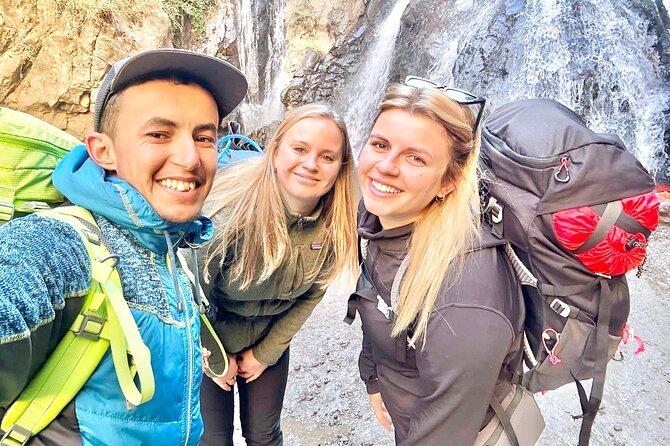
The guiding is repeatedly the main reason this trek gets strong praise. Names come up often: Yassine and Hussein are both described as friendly, attentive, and helpful when questions pop up—especially around equipment and what to expect.
There’s also a style difference you’ll feel on the hike:
- A guide who paces well helps you avoid burning out too early.
- A guide who stays close helps you feel safe when footing gets uneven.
- A guide who understands the mountain can adjust the route based on conditions.
One funny-but-true detail: at least one guide is described as being able to sing. That might sound irrelevant. On a cold morning with aching calves, small morale boosts count.
Price and Value: What $232.29 Buys You on Toubkal
At $232.29 per person, this trek isn’t a cheap day trip. But it also isn’t just a guide-led stroll. You’re paying for a whole support setup:
- transport from Marrakech area (pickup and drop off, plus air-conditioned vehicle)
- accommodation at the refuge
- multiple meals across two days
- mule-carried luggage
- local English-speaking guide and local cook
When you compare that to what it costs to arrange guide + food + refuge + transport separately, the pricing feels more like a package than a markup. The biggest “value” isn’t only the convenience. It’s the time and energy you save by not managing everything yourself at altitude.
One note: tips aren’t included. That’s common in Morocco. If service feels excellent (and based on consistent guide praise, it often does), budgeting for tips keeps things smooth.
Who Should Book This Trek—and Who Should Rethink It
This trek suits you if:
- you’re in good physical condition
- you want a true high-altitude summit goal in a short time
- you like the idea of guided route decisions instead of map-and-mistakes
- you don’t want to handle meals and mule logistics on your own
You might rethink it if:
- you hate cold mornings and high-elevation exertion
- you’re not comfortable with uneven footing or occasional scrambling
- you’re traveling at a time when winter gear (crampons/ice axe) might be required and you’d rather avoid that entirely
The good news: it’s framed as a trekking challenge, not a technical climbing expedition. So if your fitness is decent, you’re in the right zone. Many people succeed by doing exactly what the guide teaches: steady pace, smart rests, and not racing the mountain.
Should You Book This 2-Day Mount Toubkal Trek?
I’d book it if you want the real Toubkal experience without turning it into a logistics project. The mix of sunrise summit timing, refuge stay, mule support, and meal planning makes the hike feel doable, even when it’s challenging.
If your travel style is “I want authentic mountain life, not a bus tour,” this fits. You’ll spend time walking with local guides and spending the night with Berber hospitality, and you’ll return with a view memory that’s hard to beat.
On the flip side, don’t treat it like a casual hike. You’re going high. If you’re the type who needs perfect comfort, hot showers, or zero uncertainty about weather, you may feel tense here. For everyone else—especially walkers who want one serious summit in two days—this is a strong choice.
FAQ
Where does the trek start?
The trek starts in Imlil, with the start time listed as 8:30am.
How long is the Mount Toubkal trek?
The experience lasts about 2 days.
Is this a technical climb?
It’s described as a challenging walk rather than a climb. However, in November to April, you may need crampons or an ice axe for security, and there can be easy scrambling and snow slopes.
Who will guide me on the hike?
You’ll trek with a local English-speaking guide, plus a local cook and mule support to carry luggage.
Is accommodation included?
Yes. You’ll have accommodation at the refuge for the night during the trek.
What meals are included?
The package includes 2 lunches, dinner, and breakfast.
Is pickup and drop-off included?
Yes. Pick up & drop off is included, and there is also an air-conditioned vehicle.
What should I bring?
Bring a camera for the summit views, and plan for what’s not included like towels. Bottled water is not included.
How big is the group?
The experience has a maximum of 50 travelers.
What’s the cancellation policy?
You can cancel for a full refund if you cancel at least 24 hours before the experience start time. If it’s canceled due to poor weather, you’ll be offered a different date or a full refund.