REVIEW · MARRAKECH
From Marrakech 4 Days Tour To Morocco Sahara Desert
Book on Viator →Operated by Desert Family Tour · Bookable on Viator
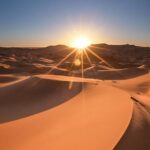
Sand meets starry night skies in 4 days. This Marrakech-to-Merzouga trip strings together the big sights: the Tizi n’Tichka mountain pass, UNESCO-tagged Aït Benhaddou, and the Erg Chebbi dunes with camel rides and a traditional camp.
I like the mix of must-see stops and hands-on moments. You’ll get a proper wander in Aït Benhaddou, plus canyon time at Todra Gorges, and you won’t just watch the desert—you’ll ride in it at sunset and sunrise.
One heads-up: it’s a lot of road time. The route can feel like many hours in a vehicle, so pack patience alongside your camera.
In This Review
- Key highlights you’ll feel on this trip
- Price and value: what $220.14 buys you
- Marrakech pickup and the start at 7:00 am
- Day 1: Over Tizi n’Tichka, then UNESCO Aït Benhaddou
- Crossing the Atlas Mountains the scenic way
- Aït Benhaddou: more than a photo stop
- First-night lodging: Dades or Tinghir
- Day 2: Todra Gorges, Tinghir oasis, then Merzouga dunes and sunset
- Morning start and the road through Berber villages
- Tinghir and Todgha (Todda) Gorges: where the canyon walls win
- Lunch and the next leap: Tinjdad, Jorf, Erfoud
- Merzouga relax time, then pack for the camel trek
- Sunset camel ride to the Bedouin camp
- Day 3: Sunrise on the dunes, then return via palm groves and Dades
- Sunrise first, then back on the camels
- Back toward Dades: palm grove stops and color changes
- Dades Gorges and the Khmis Dadès overnight
- Day 4: Dades Gorges timing, then back to Marrakech
- The driving, the group, and why the driver matters
- What’s included, what’s on you, and how to pack
- Included
- Not included
- Packing smart for the desert night
- Who this tour is best for
- Should you book this Marrakech to Merzouga 4-day tour?
- FAQ
- How long is the Marrakech to Merzouga 4 Days Tour?
- Where does the tour start in Marrakech?
- What time does the tour start?
- What languages are used during the tour?
- What does the tour include for meals?
- Do you do camel riding, and when?
- Is there a guide at Aït Benhaddou?
- How big is the group?
- What if weather is bad?
Key highlights you’ll feel on this trip
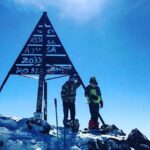
- Tizi n’Tichka Pass (2260m): long views on a real mountain road, not a quick stop.
- Aït Benhaddou with optional local guide: you’ll explore the UNESCO kasbah village, with an added context guide for €2.
- Todda Gorges + Tinghir oasis: dramatic canyon walls and palm-shaded walking breaks.
- Camel treks at Erg Chebbi: one camel each for both sunset and sunrise.
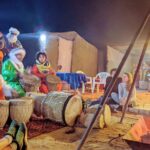
- Traditional Bedouin camp night: dinner and breakfast included, with night skies and camp sounds (including drums).
Price and value: what $220.14 buys you
At $220.14 per person for 4 days and 3 nights, the value comes from the number of “included” pieces that usually cost extra on DIY trips. You’re paying for round-trip transport, a driver in English or French, and half-board meals (dinner and breakfast are included for the hotels/riads/kasbahs, and dinner plus breakfast are also included in the desert camp).
You can think of this as paying for three things:
- Comfortable logistics: an air-conditioned vehicle and scheduled stops.
- Timing that’s hard to DIY: getting from Marrakech area to Merzouga and back without losing daylight.
- Two camel-ride windows: not just a sunset photo ride—this also includes a sunrise trek.
What’s not included is also clear: lunches and soft drinks. So if you budget meals on top, your real day-to-day cost may rise a bit, especially on longer driving days.
A few more Marrakech tours and experiences worth a look
Marrakech pickup and the start at 7:00 am
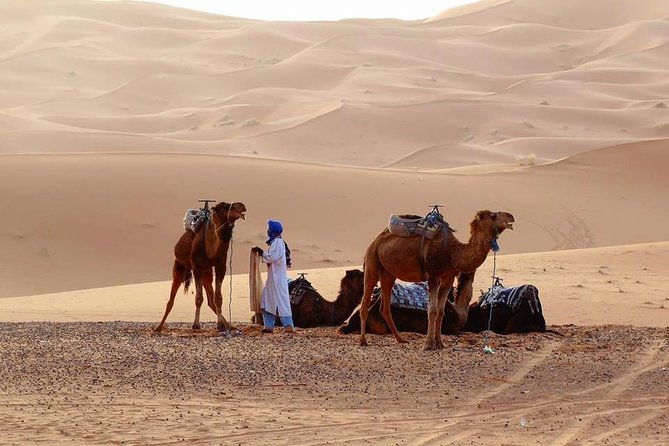
The tour starts from the Hôtel Restaurant Café de France in Marrakech, and pickup is offered from your accommodation or the closest accessible point by car. The listed start time is 7:00 am, so you’ll want a quick breakfast before you’re herded into the vehicle.
This early departure matters. It gives you daylight on the Atlas approach, and it reduces the chances you’ll arrive at sights after the best light. It also helps keep the schedule from sliding forward—on a trip this road-heavy, time discipline is everything.
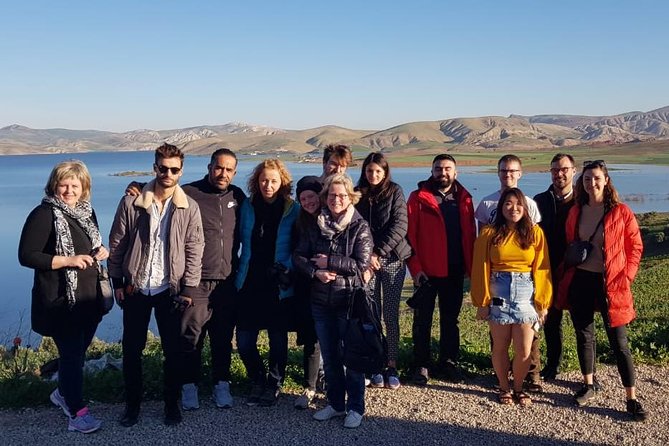
The group size is capped at 16 travelers, so you’re not stuck in a huge bus crowd. That’s a plus if you care about calmer stops and faster “photo line” moments.
Day 1: Over Tizi n’Tichka, then UNESCO Aït Benhaddou
Crossing the Atlas Mountains the scenic way
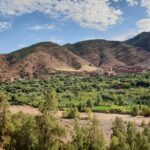
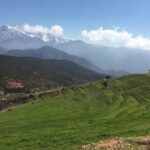
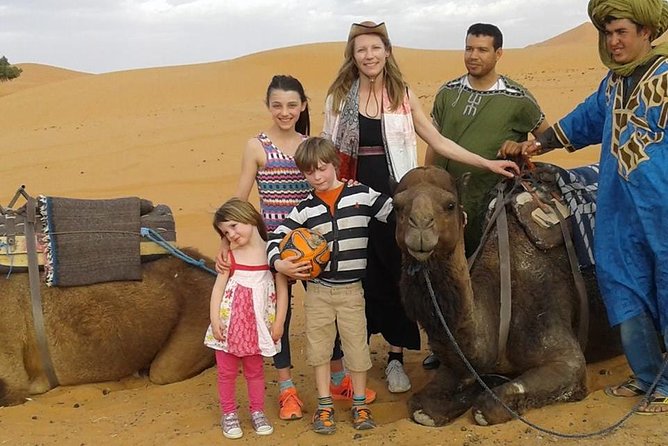
Day 1 is Marrakech → Atlas Mountains → Kasbah Aït Benhaddou → Dades or Tinghir. After pickup, you’ll cross the Tizi-n-Tichka, described as the highest road in North Africa. The pass rises to about 2260 meters above sea level, so even on a long day you get big view breaks.
You’ll also have a few photo stops and scenery pauses, plus time to drink coffee. The goal is to keep the day from feeling like endless windshield time.
Aït Benhaddou: more than a photo stop
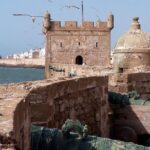
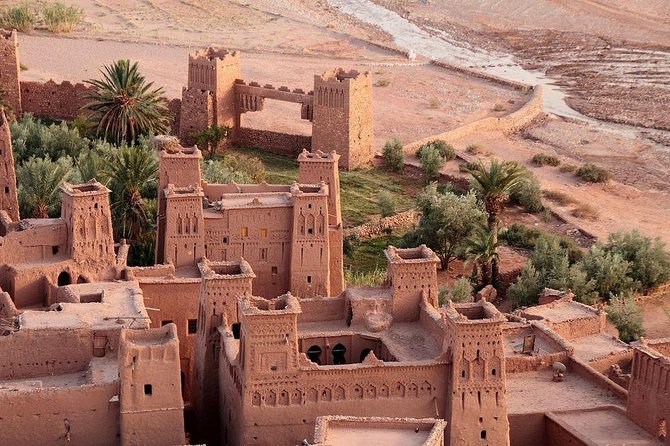
Aït Benhaddou is a UNESCO World Heritage Site, and the trip doesn’t treat it like a drive-by. You’ll explore the village with a guide option: a local guide at €2 per person.
That small detail can make a difference. On a place like this, walls and alleys can look “cool” but still feel confusing. A local guide helps you connect what you’re seeing—fortified kasbah logic, layout, and why the place became so cinematic-famous (the tour notes films like Lawrence of Arabia and Gladiator were shot here).
Practical tip: bring water. You’ll have a lunch break after exploring, and after that you’ll keep driving toward Dades Valley or Tinghir for the first overnight.
First-night lodging: Dades or Tinghir
The itinerary calls your Day 1 endpoint Dades or Tinghir. Your accommodation is part of the half-board package: dinner and breakfast are included for hotel/riad/kasbah stays.
So you don’t need to hunt for food after a long day. Still, expect this first night to be a “recover and recharge” situation rather than a slow-living evening.
Day 2: Todra Gorges, Tinghir oasis, then Merzouga dunes and sunset
Morning start and the road through Berber villages
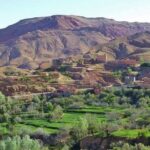
After breakfast, Day 2 heads toward the Sahara desert area around Erg Chebbi Merzouga. The route passes Berber villages and scattered settlements, plus stops tied to local life.
There’s also mention of a Jewish kasbah mellah along the way. Even if you only see it briefly, it’s a reminder this corridor isn’t a themed set—it’s lived-in geography.
Tinghir and Todgha (Todda) Gorges: where the canyon walls win
You’ll visit Tinghir and the canyon of Todra Gorges with a local guide. This is one of the trip’s “stretch your legs” days.
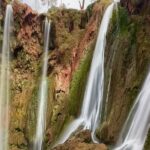
Todra is the kind of place where you feel the scale fast. The canyon walls are described as high, and that’s the point: it’s not just a pretty stop. It’s a strong visual reset after days of highways and mountain bends.
Lunch and the next leap: Tinjdad, Jorf, Erfoud
Later you’ll pass through Tinjdad for lunch, then Jorf and Erfoud. This is basically the logistical bridge from “mountains and valleys” into “desert edge.”
Then comes the big moment: Erg Chebbi dunes.
Merzouga relax time, then pack for the camel trek
Once you reach Merzouga, you’ll have time to relax. Then you’ll pack a small overnight bag for the camel trek.
That detail is important. Don’t take your whole daypack into the dunes. Keep essentials small and easy.
Sunset camel ride to the Bedouin camp
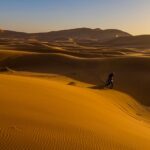
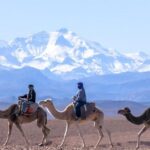
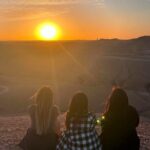
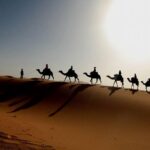
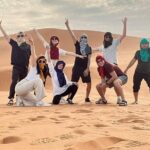
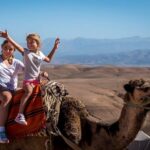
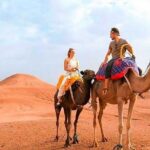
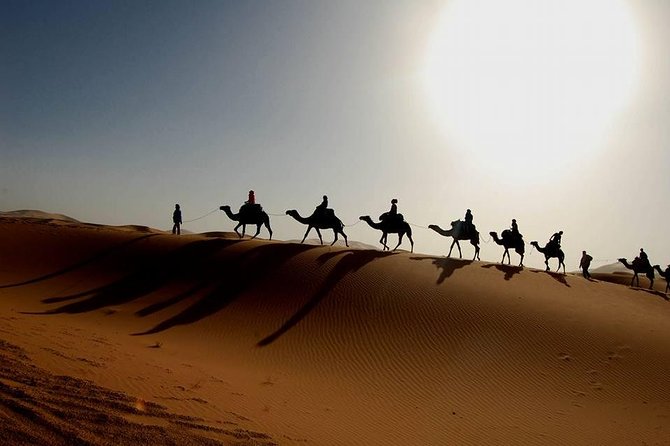
After relaxing in Merzouga, the day ends with camel trekking through the Erg Chebbi sand dunes for sunset.
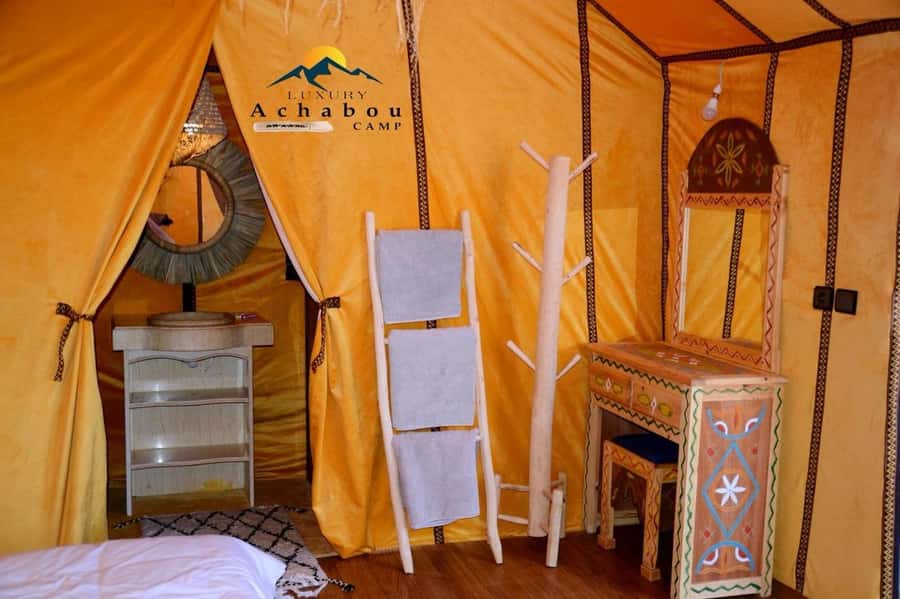
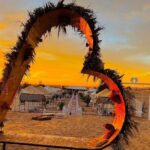
The itinerary is explicit: you’ll arrive at a traditional Berber camp, leave the camels, and trek up toward the higher dunes to watch sunset. Then you sleep in nomadic Berber tents under the stars, with dinner and breakfast included.
The tone here is simple and atmospheric. The trip info notes music of drums in the middle of the Sahara Desert. Even if you don’t care about drums, you’ll appreciate the way the camp creates a break from screens and traffic.
Day 3: Sunrise on the dunes, then return via palm groves and Dades
Sunrise first, then back on the camels
Day 3 starts with a sunrise watch over the Sahara. Then you return on camels. Depending on the camp type, the schedule notes it may be possible to take a shower and have breakfast before the camel trek.
So if you like having at least one clean ritual before the long ride, choose your planning mode based on what your camp provides that morning. You’ll still have breakfast and dinner included overall.
Back toward Dades: palm grove stops and color changes
The day shifts back toward the Dades area. You’ll pass through a palm grove and see dramatic changes in the mountain colors and shapes as you move.
Then you stop in Tinghir again for an amazing palm grove moment and lunch time in Kelaat M’Gouna to eat and rest. After that, the route continues toward the Dades Valley.
Dades Gorges and the Khmis Dadès overnight
In the afternoon, you cross back over the High Atlas Mountains toward Khmis Dadès for the night. Lodging is hotel or kasbah, and it’s part of the half-board structure.
This is also the day where you’ll feel the most “road fatigue” unless you’re good at turning travel into a slow sightseeing rhythm. If that’s you, Day 3 is still a highlight—because you’re going out and coming back with the desert experience already “locked in.”
Day 4: Dades Gorges timing, then back to Marrakech
Day 4 begins from your hotel/riad at 07h30 (so slightly later than the first morning’s 7:00 am start). You’ll travel through winding Atlas roads over the Tizi N’ Tichka Pass again, and you’ll get scenery and photography stops along the way.
There’s also time for a Dades Gorges stop on the way. The itinerary frames it as the last big “wow” before the return drive.
Then it’s back to Marrakech, reaching town by the end of the afternoon. Translation: you’ll have time for a real meal in Marrakech that night, and you won’t be stuck scrambling for dinner after a 4-day loop.
The driving, the group, and why the driver matters
This tour runs on vehicle time. One review notes there were many kilometers and lots of road. That’s not a complaint about effort—it’s a fair description of the experience design.
What can make that road time feel tolerable (even enjoyable) is the driver. In one standout review, Omar is described as attentive, available if issues came up, and funny—exactly the kind of person who can keep a long day smooth. So if you’re booking with a “comfort first” mindset, lean into that: you’re not just paying for movement, you’re paying for someone to manage it.
Also note the tour includes pickup and drop-off at locations accessible by vehicle and can drop you at accommodation in town or the closest accessible meeting point.
What’s included, what’s on you, and how to pack
Included
- Modern air-conditioned transport
- English or French speaking driver
- Half-board in hotels/riads/kasbahs (dinner + breakfast included)
- Dinner and breakfast in the desert camp
- Camel ride for sunset and sunrise (one camel each)
- Dinner (3) and Breakfast (3)
Not included
- Lunches and soft drinks
- Optional local guide at Aït Benhaddou (€2) (if you want that extra layer)
- Tips/gratuities
Packing smart for the desert night
The itinerary specifically tells you to pack a small overnight bag for the camel trek. That’s your main planning cue. Bring what you need for a night under tents, but don’t overload yourself.
Even though the details of camp facilities aren’t fully spelled out, the info does say showers and breakfast before the camel trek might be possible depending on camp type. So keep one small “hygiene kit” anyway; at worst it’s for personal comfort later.
Who this tour is best for
This route is a great fit if you want:
- A guided path through Marrakech → Atlas → Merzouga without arranging separate bookings
- UNESCO + canyon + desert in a single trip window
- Camel trekking with both sunset and sunrise, not just one quick ride
It may be less ideal if you:
- Hate long car days and want minimal road time
- Expect a lot of free time in each town
- Travel with a strong requirement for lots of included lunches (since lunches aren’t covered)
It’s also a good match for couples, friends, and small groups. The max 16 travelers helps keep things manageable.
Should you book this Marrakech to Merzouga 4-day tour?
If your dream is to see the Atlas passes, stand near the UNESCO kasbah, and then feel the Sahara in a real camp night, I’d say yes. The tour’s value sits in the full package: transport, meals, camel rides twice, and guided stops at key sights like Aït Benhaddou and Todra Gorges.
But don’t book if you’re aiming for a relaxed, slow schedule. This is a “do the big route” itinerary, with many hours of driving. If you can handle that, you’ll likely come away with the kind of trip memory you don’t just photograph—you remember because the timing (sunset + sunrise) is built into the experience.
FAQ
How long is the Marrakech to Merzouga 4 Days Tour?
The tour runs for 4 days and about 3 nights.
Where does the tour start in Marrakech?
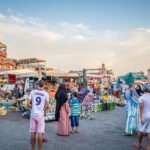
It starts at Hôtel Restaurant Café de France J2G7+G2G in Jemaa el-Fnaa area, with pickup offered from your accommodation or the closest accessible location by car.
What time does the tour start?
The listed start time is 7:00 am.
What languages are used during the tour?
You’ll have an English or French speaking driver.
What does the tour include for meals?
Dinner and breakfast are included for 3 nights (half-board in hotels/riads/kasbahs), and dinner plus breakfast are included in the desert camp as well. Lunches and soft drinks are not included.
Do you do camel riding, and when?
Yes. You do camel rides for sunset and sunrise, with one camel each. The sunset trek takes you into the dunes toward the camp, and the sunrise trek happens before returning.
Is there a guide at Aït Benhaddou?
You can explore Aït Benhaddou with a local guide, and the optional guide cost is listed as €2 per person.
How big is the group?
The tour has a maximum of 16 travelers.
What if weather is bad?
The experience requires good weather. If it’s canceled due to poor weather, you’ll be offered a different date or a full refund.