REVIEW · MARRAKECH
Moroccan cooking class with maket in the Medina of Marrakech
Book on Viator →Operated by Monriad · Bookable on Viator
Tagines taste better when you shop first. I love the market-to-kitchen flow—you pick ingredients in the old Medina, then cook them with Chef Aicha at MONRIAD. I also like that you get to bring the food home via recipes sent by mail after the class. The main downside to plan for: the Medina streets are a maze, so you’ll do some focused walking before you even start cooking.
This is a smart value for a half-day in Marrakech: about $53.50 per person for roughly 4 hours, plus mint tea, bottled water, and either a traditional lunch or dinner depending on your time slot. It’s held in a working riad, not a hotel, so expect real home energy—courtyard chats, terrace meals, and a genuinely local pace at the center of the old city.
In This Review
- Key highlights at a glance
- The Medina market part that actually changes your cooking
- MONRIAD: the riad setting you can feel while you cook
- Start with mint tea and a shopping list with Chef Aicha
- Hands-on cooking: tagine, couscous, and the flavor mechanics
- What you’ll eat at the riad (and why it matters)
- Diet needs: vegan and gluten-free without losing the Moroccan feel
- The recipes that show up by mail (and help you cook again)
- Price and value: is $53.50 worth it?
- Who should book this cooking class in Marrakech
- Book it or skip it: my decision guide
- FAQ
- What is included in the price?
- Can the menu be adjusted for gluten-free or vegan diets?
- Where does the class take place?
- Is this a private cooking class?
- What kinds of dishes might I cook?
- When will I receive the recipes?
Key highlights at a glance
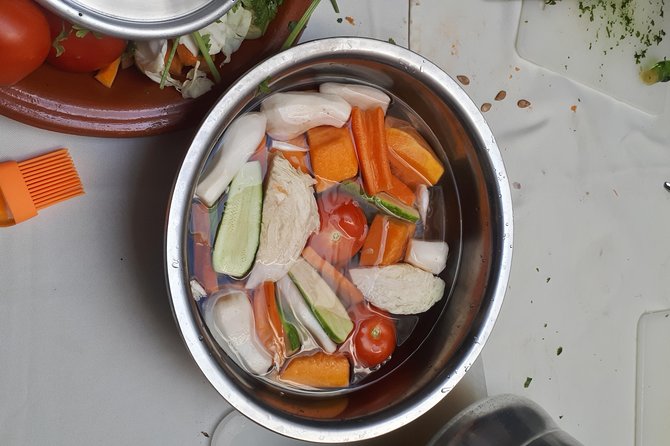
- Chef Aicha runs the menu: you start with a shopping list, then move into hands-on cooking.
- Medina souk shopping: you’ll walk through aromas of spices and local food culture while choosing ingredients.
- Meals at the riad: lunch or dinner served on a terrace with views or in the courtyard.
- Diet options on request: vegan, gluten-free, and vegetarian adjustments are available.
- Recipes follow you home: the chef sends recipes by mail within about a week.
- Small-group feel: it’s shared in the sense that the house may run more than one class, but your booking is for your group.
The Medina market part that actually changes your cooking
The best cooking classes aren’t just about following steps. This one begins in the Medina, where you learn how Moroccan meals start: with ingredients chosen in the right place, by people who know what’s fresh and what works together.
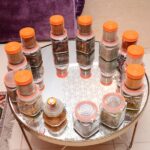
You’ll prepare a shopping list with Chef Aicha, then head into the traditional market area (the souk/Mellah market). This part sounds simple on paper, but in real life it helps you understand Moroccan flavor as a system. You’re not only buying onions, herbs, and spices—you’re learning the logic behind them. Spices aren’t treated like decoration. They’re part of how dishes taste right and how the kitchen builds depth.
A small “heads up” from a practical angle: markets move fast. If you get distracted taking photos, you’ll miss the useful tips about what to buy and how to spot quality. I’d plan to stay present. Let the guide show you what matters, then take your pictures once you’ve got the basics.
You can also read our reviews of more cooking classes in Marrakech
MONRIAD: the riad setting you can feel while you cook
The class happens at MONRIAD, at N. 4 Derb Lahbasse, Riad Zitoun Lakdim, Marrakech 40000. The location is in the heart of the old Medina, near the main square and close to Bahia Palace. That matters, because it keeps the experience grounded in where locals actually live and eat.
One of my favorite parts of riad-based cooking is the way the space “runs” the day. You arrive, get a welcome of Moroccan mint tea, then the staff helps you shift from street mode to kitchen mode. It’s not a showroom. It’s a working home with a courtyard and, often, a terrace for eating.
When the meal is served on the terrace, you get that classic old-city feeling—rooftops, old walls, and the sense you’re eating in the Medina rather than viewing it from outside. If you’re sensitive to heat or sun, note that terrace dining can feel intense depending on the time of day and season, so bring a light layer and aim for water.
Start with mint tea and a shopping list with Chef Aicha

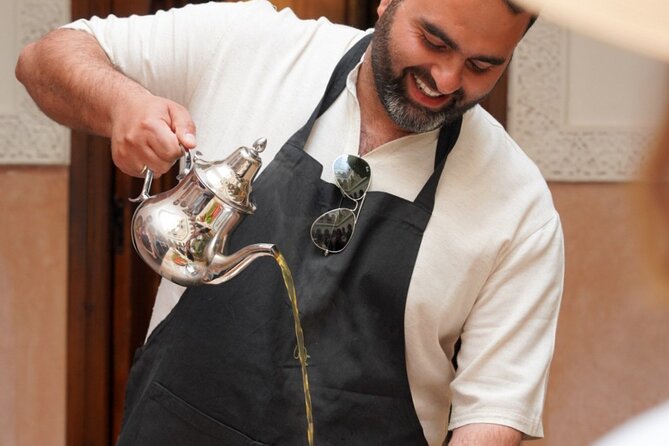
Before you shop, you’re welcomed with Moroccan mint tea. It’s a small moment, but it sets the tone. The pace slows down. You get oriented. Then Chef Aicha and the kitchen team put together the shopping list based on what you’ll cook.
This is also where diet needs can be handled. The class offers gluten-free and vegan options on request, plus vegetarian adjustments. Don’t wait until the day-of if you have a serious allergy. When you book, clearly tell them what you need. In a real kitchen, the earlier you communicate, the more likely the menu stays true to the dishes while still being safe for you.
I also like that this isn’t an impersonal “check a box” experience. You’re part of the process, so the cooking explanations make sense. When you understand why a dish works with certain ingredients, adapting it at home becomes easier.
Hands-on cooking: tagine, couscous, and the flavor mechanics
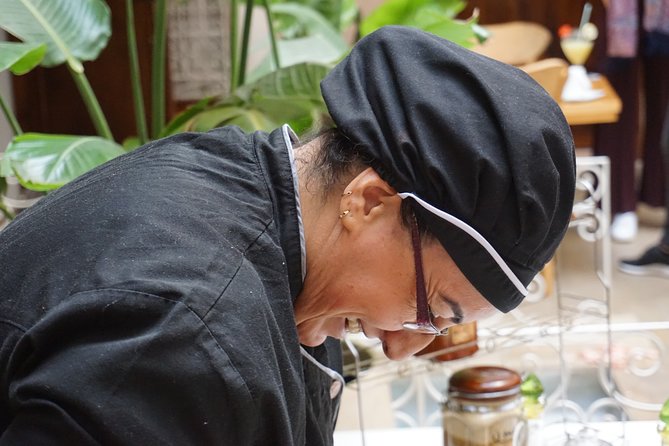
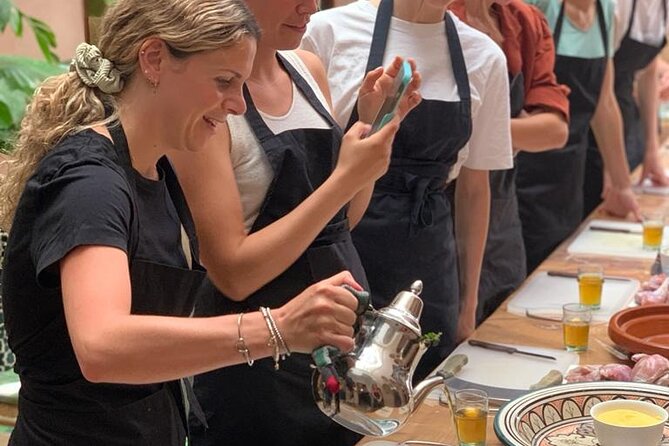
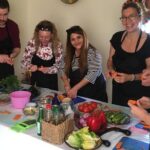
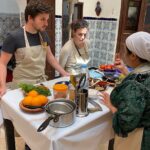
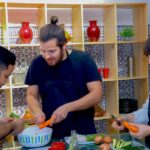
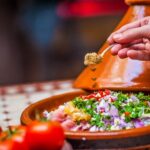
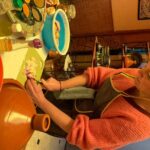
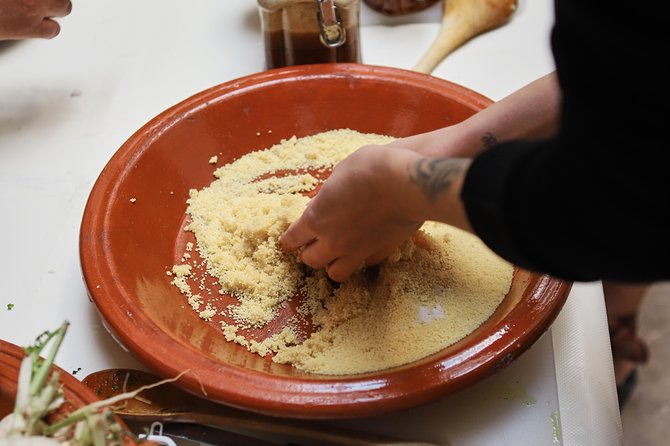
Back at the riad, cooking starts from scratch. You won’t just watch a chef do everything. You’ll do the work—cutting, mixing, assembling, and learning the order of steps that makes Moroccan home cooking taste like Moroccan home cooking.
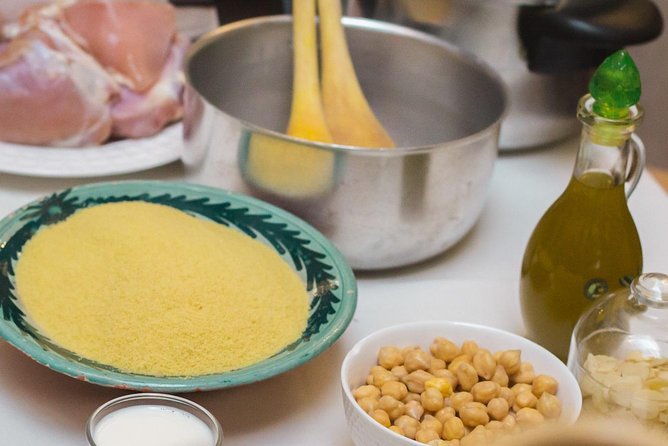
From the available menu details and dish examples you may cook, common picks include:
- Chicken tagine with lemon and olives
- Couscous
- Moroccan-style dessert such as panecotta (a number of past menus mention this)
Even when the exact menu shifts by class, you’ll learn the same key idea: Moroccan flavor comes from layering. Spices, aromatics, and preserved elements (like olives) don’t get tossed in at random. They’re used in a sequence that builds taste.
From the way the experience is described, Chef Aicha and the team guide you step-by-step, explaining what to do and why. The “practical magic” is in the small technique points—how to balance seasoning, how to manage timing, and what to watch for so a dish doesn’t end up bland or heavy.
One review detail stands out because it’s actually useful: sugar amounts can be adjusted to taste, even for dessert. If the panecotta is sweet for you, it’s easier to correct at home knowing you have permission to tune it. That’s the difference between eating a great meal and learning a repeatable recipe.
What you’ll eat at the riad (and why it matters)
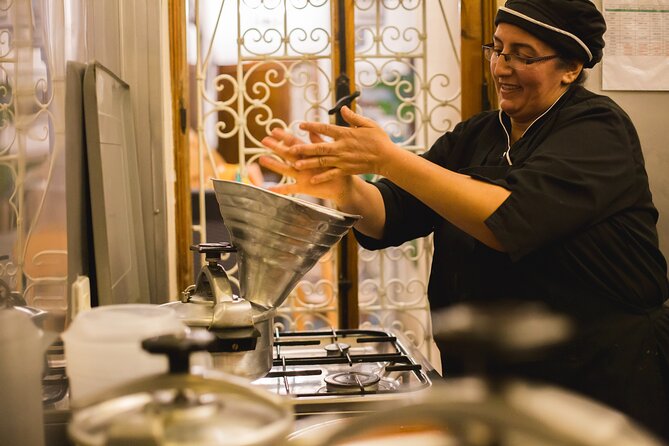
Your cooking class ends with eating what you made. For morning classes, a traditional Moroccan lunch is included. For afternoon classes, a traditional dinner is included. Either way, the meal is served either on the terrace with views of the old city or in the courtyard of the riad.
This is one of those experiences where the meal is not an afterthought. It’s part of the lesson. When you sit down after cooking, you can actually connect taste to technique:
- If your couscous feels right, you’ll remember the steps that got the texture right.
- If a tagine tastes balanced, you’ll identify what made the seasoning work.
- If the dessert is too sweet or not sweet enough, you’ll adjust the next time.
You’ll also eat “family style,” meaning it feels social and shared. Past classes mention sitting together and enjoying the finished dishes as a group, which makes the experience feel more like an evening in a Moroccan home than a stiff food demo.
A few more Marrakech tours and experiences worth a look

Diet needs: vegan and gluten-free without losing the Moroccan feel
This is one of the strongest selling points. The class states that gluten-free and vegetarian options are available on request, and vegan options too. That matters because a lot of cooking classes either refuse dietary restrictions or deliver something that’s clearly not the real deal.
Here, you’re not just eating a separate safe meal. You’re part of the cooking lesson and the menu can be modified. That’s the practical win: you’ll leave with a recipe you can actually recreate, rather than a “safe substitute” you can’t use again.
What you should do: tell them about allergies and diet needs clearly during reservation. If you’ve got gluten cross-contamination concerns, say so. This riad environment is a home setup, so communication is your best tool for avoiding surprises.
The recipes that show up by mail (and help you cook again)
One of the most motivating details is that the chef sends recipes by mail within less than a week after the cooking lesson. That means you’re not stuck scrambling for notes while cooking.
If you like to reproduce dishes at home, this is huge. Moroccan cooking depends on a few key techniques and ingredient choices. Without a clear recipe, you’ll remember the meal but struggle to repeat it. With the mailed recipes, you get the structure back.
And because past guests noted that sugar levels can be adjusted, I expect the recipes are flexible enough to match your taste. That’s important: good recipes don’t just tell you what the chef did. They help you understand how to adjust.
Price and value: is $53.50 worth it?
At $53.50 per person for about 4 hours, this class compares well with other Marrakech food experiences because you’re paying for more than the meal.
Here’s what’s included based on the details provided:
- Mint tea on arrival
- A big bottle of water per two people
- Cooking class with kitchen staff and materials provided
- Either lunch or dinner, depending on morning/afternoon slot
- Recipe mail after the lesson
You’re also getting the Medina market walk, which is part sightseeing and part technique. It’s not just “look at spices.” You build the shopping list, then you cook what you bought.
The one potential value squeeze is transportation. Private transport is not included, so you’ll rely on walking/taxis/public transportation to reach MONRIAD. If you’re staying far from the old Medina, you’ll want to plan travel time so you’re not rushed.
Still, if you want one solid, hands-on food experience in Marrakech—this is the kind that gives you something to recreate, not just a memory.
Who should book this cooking class in Marrakech
This fits best if you want:
- A hands-on Moroccan cooking session, not a sit-and-watch show
- A market walk where you learn what you’re buying (not just snapping photos)
- A riad setting with a terrace or courtyard meal
- Gluten-free, vegan, or vegetarian adaptations on request
It’s also a great choice for groups and families who want a shared activity. One class experience involved a teenager who said it was their favorite vacation day—so it can work when people are ready to get involved and try new textures and flavors.
I’d think twice if you:
- Hate walking through crowded narrow lanes before you eat
- Want a fully private, high-end restaurant-style cooking setup
- Prefer only one specific dish every time (the menu is Moroccan and may vary)
Book it or skip it: my decision guide
If you’re choosing between a Moroccan food tour and a Moroccan cooking class, I’d pick this kind of cooking class—because it teaches the steps behind the taste. The market plus cooking plus meal plus mailed recipes is the full package.
I’d book it if you want Chef Aicha’s guidance, a real Medina experience at MONRIAD, and a chance to handle diet needs without giving up the core dishes. Skip it only if you’re not comfortable with market walking and a shared-class atmosphere in a working riad.
FAQ
What is included in the price?
You get mint tea on arrival, bottled water (one big bottle per two people), kitchen staff and free cooking materials, and either lunch or dinner depending on the class time. A recipe set is sent by mail within about a week.
Can the menu be adjusted for gluten-free or vegan diets?
Yes. The class states that gluten-free and vegetarian options are available on request, and vegan options are also available on request. Let them know diet requirements and allergies during booking.
Where does the class take place?
The cooking class is held in the riad MONRIAD, located at N. 4 Derb Lahbasse, Riad Zitoun Lakdim, Marrakech 40000, Morocco. The activity ends back at the meeting point.
Is this a private cooking class?
It’s described as your group participating, but it also notes the experience is not private in the sense that you may cook with other chefs/within the house’s class setup. So it’s not strictly one-on-one.
What kinds of dishes might I cook?
The class focuses on Moroccan menu items. Examples mentioned include chicken lemon olive tagine, couscous, and Moroccan panecotta, though your specific menu can vary.
When will I receive the recipes?
The chef sends the recipes by mail less than 1 week after the cooking lesson.