REVIEW · FES
Fez: Souk Tour and Traditional Home Cooking Class
Book on GetYourGuide →Operated by Dar Sunrise Fes · Bookable on GetYourGuide
Fes food lessons start in your host’s home. This souktogether cooking class at Dar Sunrise pairs a quick market trip with hands-on cooking of classic Fessi dishes, from mint tea at the start to a shared meal at the end. I especially love the ingredient shopping in the medina with local guidance, and I also like that the menu is flexible so each person can pick what they want to cook. One consideration: hotel pickup and drop-off are not included, and the meeting point is in the old medina, so you’ll want to plan for a short walk through the lanes.
The pace is friendly and practical. You start by choosing dishes (including vegetarian options), then you walk a few minutes to the market to get what you need, and you cook step by step at the family home. The group stays small (10 or fewer), the class runs 210 minutes, and you get recipes after the session—though one past participant noted they didn’t receive the recipe copy they were promised, so it’s worth confirming you’ll get it.
In This Review
- Key moments that make this class worth it
- Entering Dar Sunrise: tea, choice, and a real kitchen vibe
- Finding the meeting point in the old medina (without losing your mind)
- The menu part: choosing your dish like a Fessi cook
- The souk ingredient run: what you’ll learn beyond the shopping
- Cooking in the family home: tagine, pastilla, and spice technique
- Tagines: the slow-build flavor lesson
- Pastilla: teamwork and patience
- Harira soup: spice and comfort
- Meatball tagine and preserved lemon chicken
- The shared meal: eating what you cooked, with company
- Price and value: where the $65 makes sense
- Who this is for (and who should skip it)
- Should you book Dar Sunrise’s Souk Tour and Home Cooking Class?
- FAQ
- What is the duration of the class?
- Where do I meet the group?
- Is hotel pickup included?
- Can I choose my own dishes, including vegetarian options?
- How many people are in the group?
- Will I receive recipes after the class?
Key moments that make this class worth it
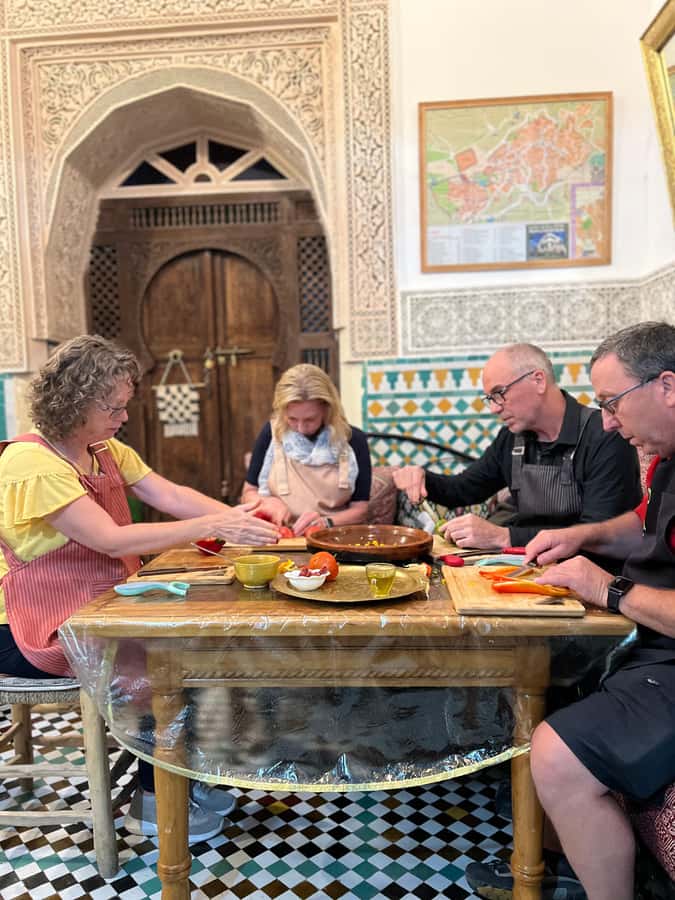
- Fessi-family recipes, not generic cooking: You cook traditional dishes based on what the hosts teach and what ingredients you select.
- Souk ingredient shopping at real speed: You learn what to look for and how to talk to vendors, not just browse.
- Small group energy: With up to 10 people, questions get answered and you actually stay involved.
- You choose your dish: Vegetarian? Easy. Want chicken pastilla or harira soup? You pick.
- Hands-on cooking plus tasting: You’re not stuck watching; you chop, season, and taste as you go.
- Recipes after class: You leave with a way to recreate the dishes back home.
Entering Dar Sunrise: tea, choice, and a real kitchen vibe
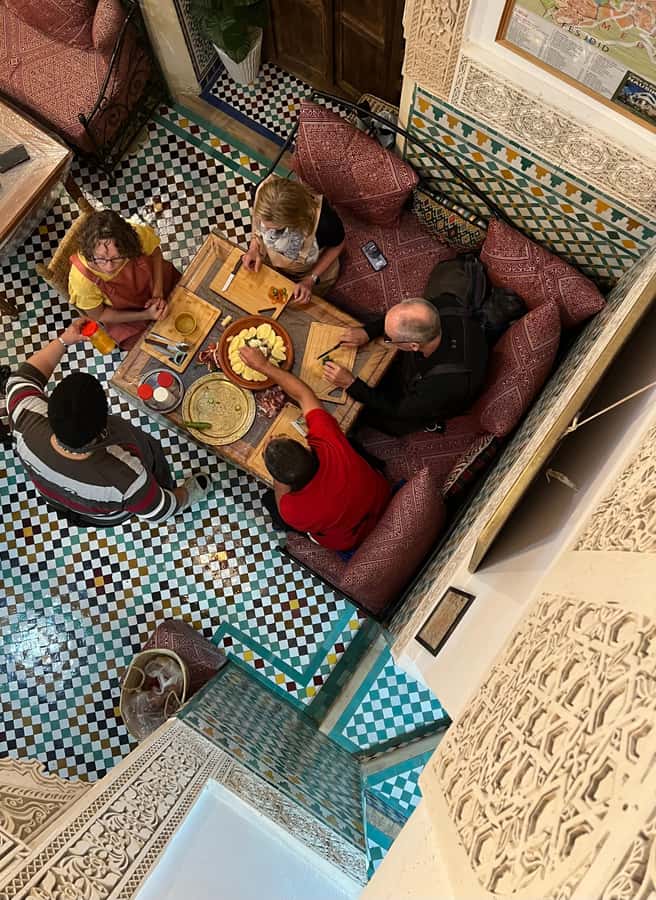
This experience begins where you’d least expect a “tour”: inside a traditional home at Dar Sunrise in the old medina. Before you touch a cutting board, you sit down for Moroccan mint tea. It’s a calm start that helps you settle into Fez’s rhythm, and it also sets expectations: you’re there to cook and eat together, not to race through a checklist.
After the tea, the hosts bring ideas for what you might cook. You’ll see a range of Moroccan classics—think tagines, salads, and appetizers—and you choose based on preference. Many people like this part because it turns the class into something personal. If you’re vegetarian, you can still build a satisfying menu. If you’re not, you can pick richer options like preserved lemon and olives with chicken, or lamb and beef dishes paired with prunes.
You might hear names like Yassine and Amal as your hosts. Across different sessions, the teaching team keeps the same tone: patient, friendly, and very willing to answer questions.
You can also read our reviews of more cooking classes in Fes
Finding the meeting point in the old medina (without losing your mind)
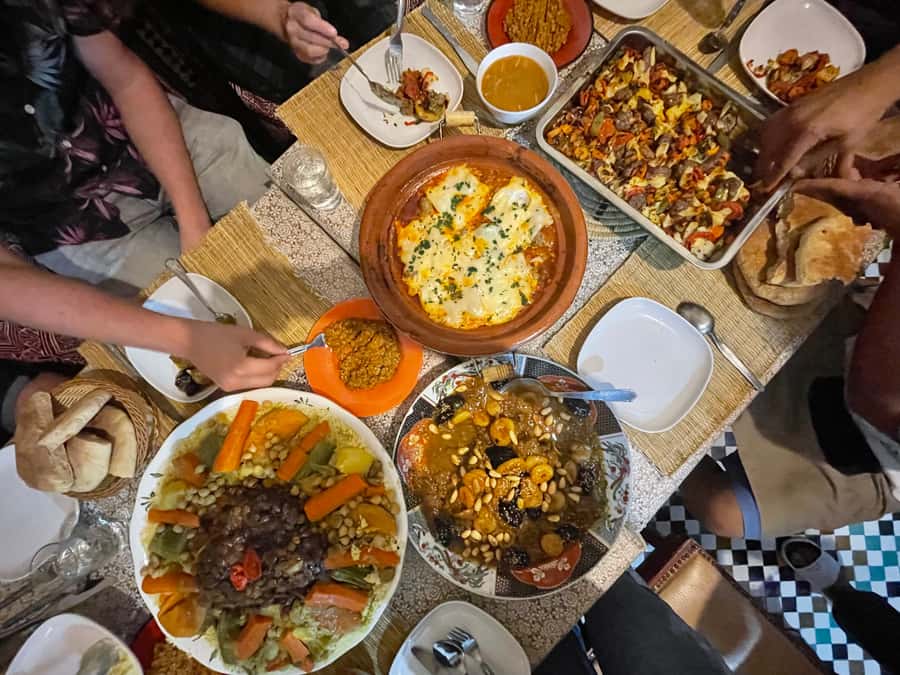
Dar Sunrise is tucked in the old medina area near the main street Talaa Kebira. The directions are straightforward, but in Fez you still want to give yourself margin.
From Bab Boujloud (the blue gate):
- Cross the gate, turn into the first street on the left.
- Walk toward Talaa Kebira for about 3 minutes.
- Look for Made in M cafe with blue paint on the right.
- You’ll be in the alley next to it, house number 10.
From Ain Zliten Parking:
- Enter the medina main street Talaa Kebira.
- Walk upward for about 1 minute.
- Look for Made in M cafe with blue paint on the left.
- Then go into the alley next to it, house number 10.
Practical tip: wear shoes you can handle on uneven stone. Also, if you’re arriving late, don’t assume signage will save you—go slow and keep your phone handy for the meetup location.
And yes, a key logistics note: hotel pickup and drop-off are not included. Plan to arrive on your own from your riad or hotel. Once you’re there, the rest of the day is well-paced.
The menu part: choosing your dish like a Fessi cook
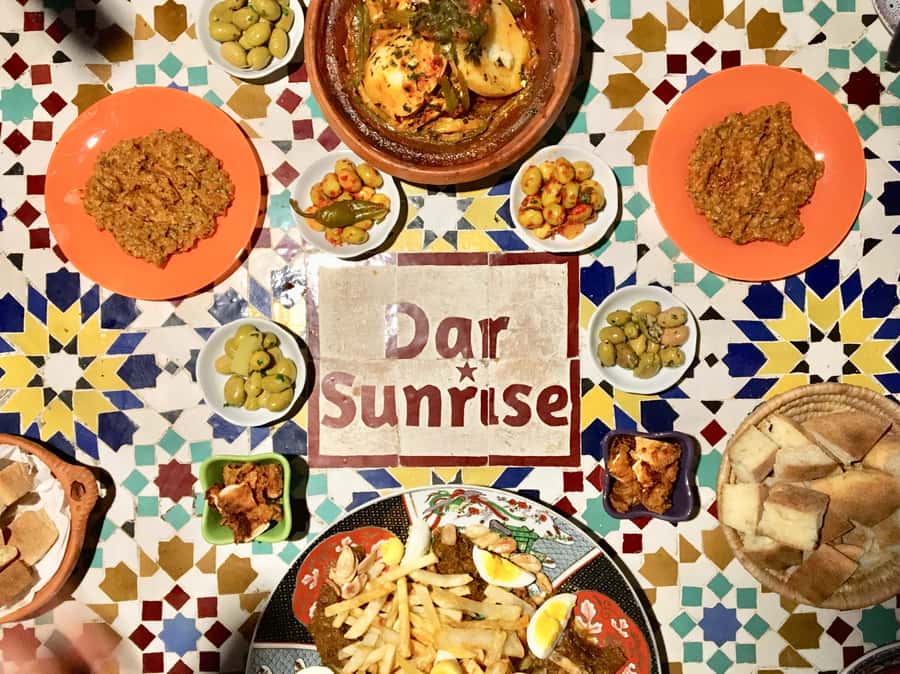
The best part of this class is that your cooking depends on your choices, not a fixed script. You’ll discuss what dishes to make, and then you’ll shop for ingredients to match those recipes.
You can choose from options such as:
- Chicken with preserved lemon and olives
- Lamb or beef with prunes
- Moroccan meatball tagine in tomato sauce
- Berber tagine with vegetables
- Pastilla (chicken pie with nuts)
- Harira soup
Each participant can pick their own dish, and the hosts encourage you to select what you actually want to eat. That matters because Moroccan cooking can feel very different depending on the dish: a pastilla takes time and technique, while harira is a soup-and-spice comfort meal. When you choose, you’re more likely to finish with a plate you’re proud of.
I also like that the hosts build in options even for different diets. One vegetarian cook said they had no problem doing this class vegetarian-style, which tells me the kitchen can adapt rather than forcing a compromise.
The souk ingredient run: what you’ll learn beyond the shopping
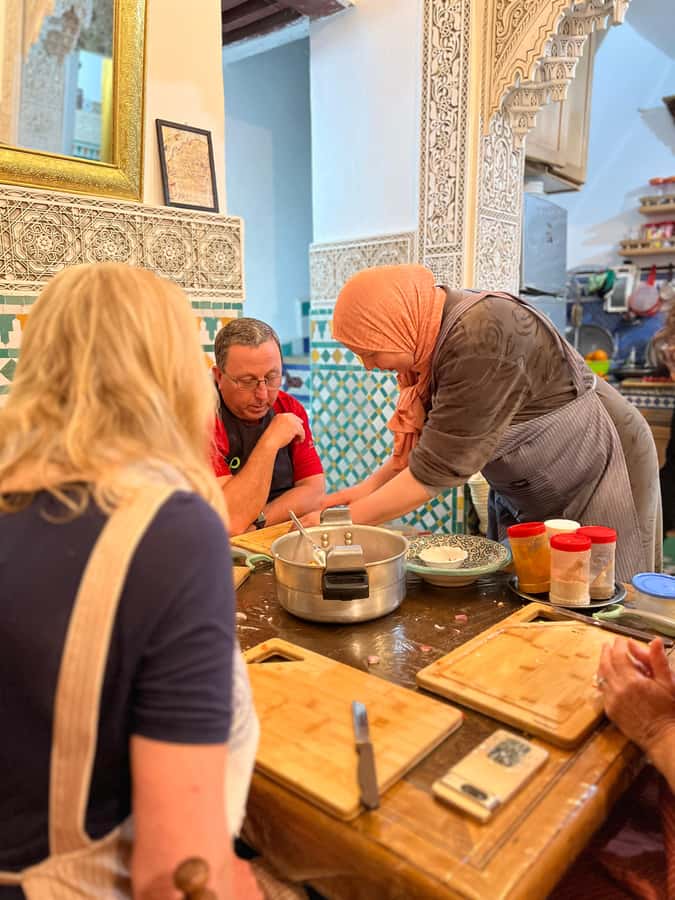
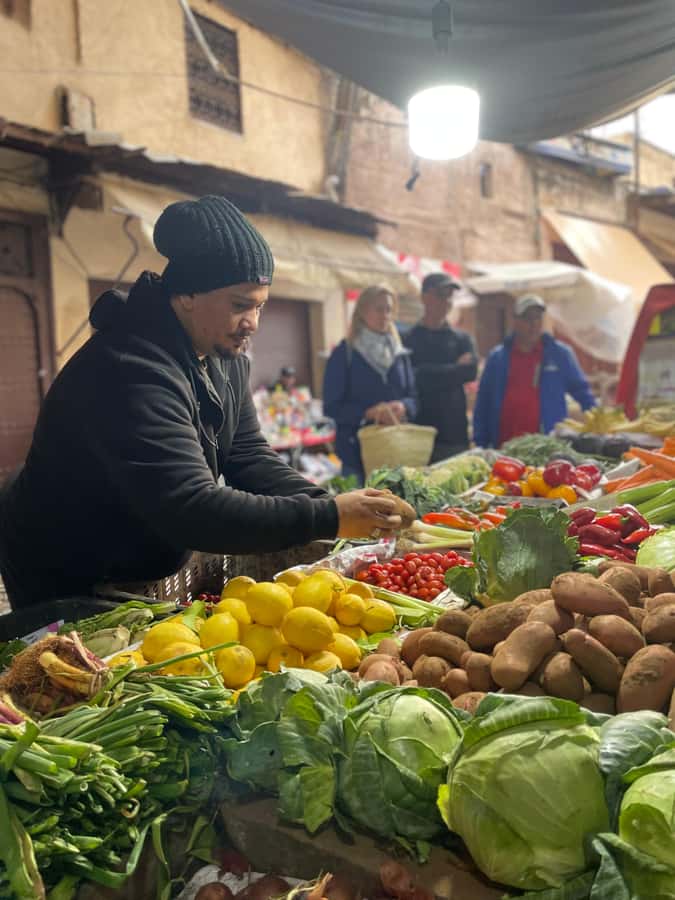
After you choose dishes, you head to the market for ingredients. The market is close—about a 3-minute walk from the house—so you’re not spending half the evening traveling. This keeps the focus where it should be: food.
What you’re doing is more than buying groceries. You’re learning how to select ingredients like a local:
- what fresh produce looks like
- what to ask for when you need specific spices or proteins
- how to build flavor starting from the raw ingredients
The hosts guide you through the souk with practical advice. One recurring theme in the feedback is that the shopping walk was fun and informative, and people left feeling like they understood how the vendors work and what to look for.
Another small but real win: you get tips you can use later if you ever cook Moroccan food at home. The goal isn’t to memorize recipes while you’re walking; it’s to understand ingredients and technique so the cooking makes sense.
Bring your appetite. Multiple people mention tasting along the way, and that’s part of why the class can feel like a full meal day even though it’s only 210 minutes.
Cooking in the family home: tagine, pastilla, and spice technique
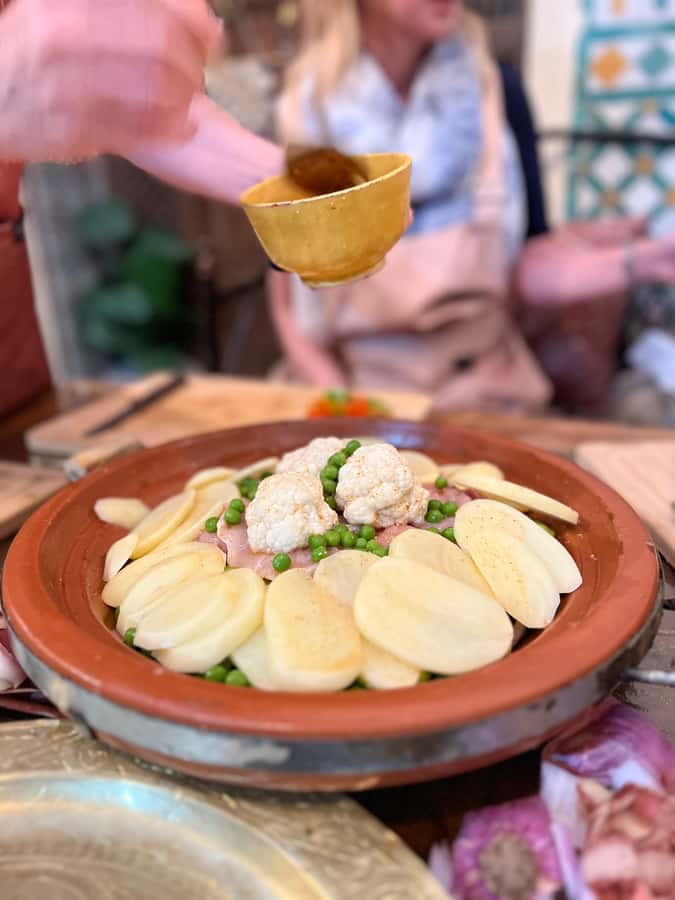
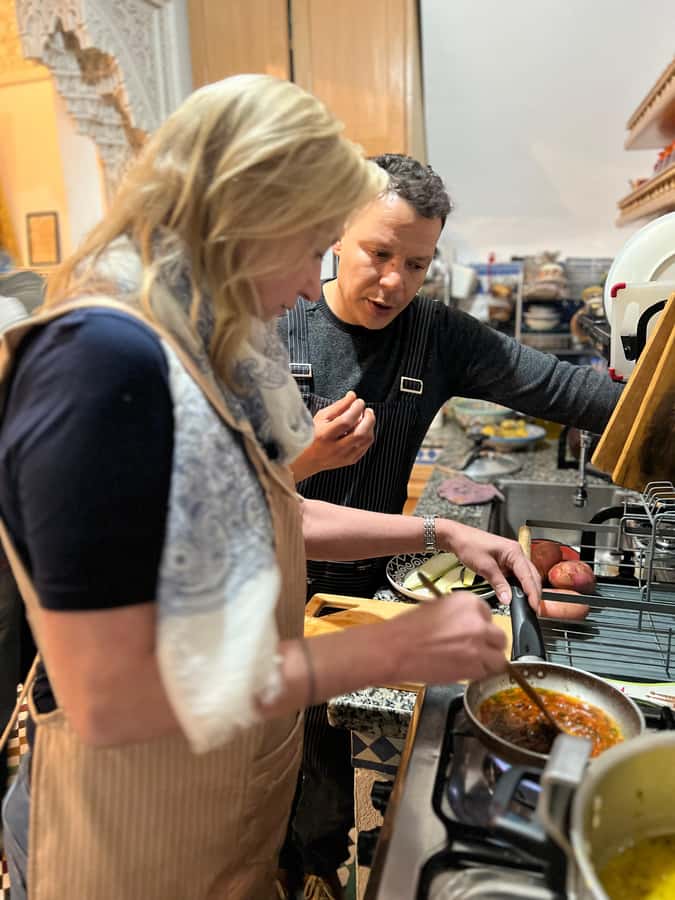
Back at Dar Sunrise, cooking takes over. This is where the experience becomes truly hands-on.
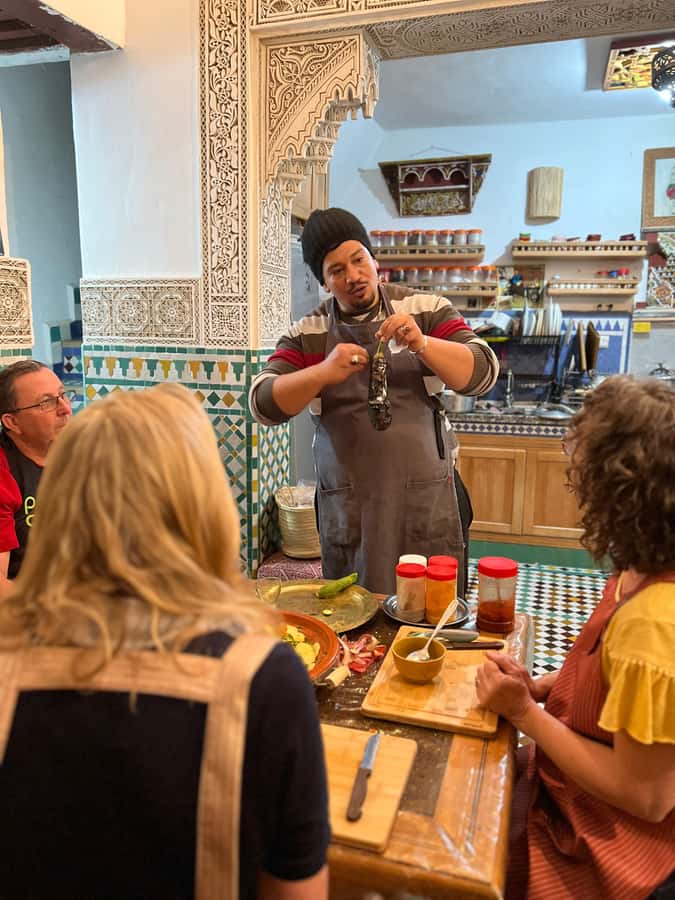
You’ll work step by step with guidance from the team, and you’ll be active—cutting, seasoning, assembling, and cooking at the stove. The instructors keep explanations clear enough that you can ask questions while you go, not after it’s too late.
A few more Fes tours and experiences worth a look
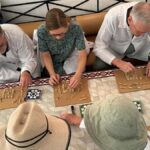
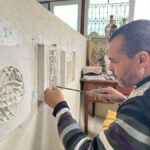
Tagines: the slow-build flavor lesson
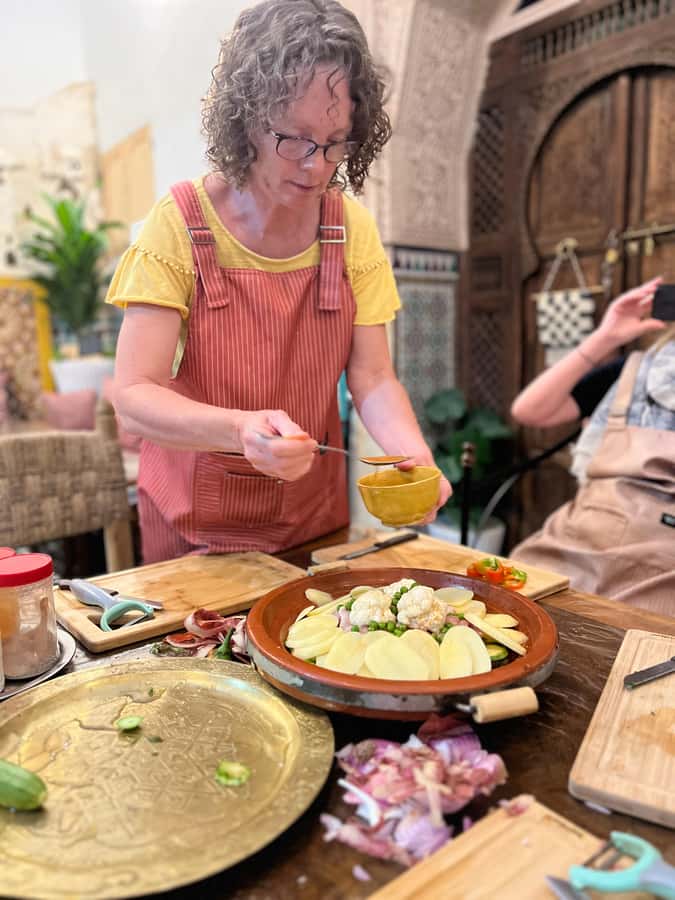
Tagine cooking teaches the Moroccan idea that flavor comes from layered choices: aromatics, spices, and then the gentle cooking that pulls everything together. If you choose something like lamb or beef with prunes, or a vegetable Berber tagine, you’ll get a feel for the balance between sweet, savory, and warm spices.
Pastilla: teamwork and patience
If you choose pastilla, be ready for technique and a bit of timing. The dish often involves assembling components and working dough or pastry in a careful way. One past participant described needing a team effort, with the hosts guiding the process while everyone laughed and stayed involved. It’s the kind of dish you remember because you made it, not because you watched it.
Harira soup: spice and comfort
Harira tends to be easier to approach, but still teaches a lot about how Moroccan seasoning works in a broth. It’s also a dish that feels like it belongs in a family setting, which matches the class vibe: you’re cooking for an actual meal, in an actual home kitchen.
Meatball tagine and preserved lemon chicken
If you love bold, punchy flavor, dishes like meatball tagine in tomato sauce or chicken with preserved lemon and olives are great choices. You’ll see how preserved lemon changes the whole flavor profile and how Moroccan spices work even when the ingredient list isn’t huge.
Across the board, the hosts emphasize that good cooking comes from attention and pacing—mix, taste, adjust, and keep going. The class isn’t rushed, which helps beginners succeed.
The shared meal: eating what you cooked, with company
Once the cooking is done, you sit down and eat. This isn’t a quick bite and run. It’s a shared meal that ends the experience and turns your work into something you can taste and feel.
You’ll likely eat several dishes depending on what the group chose. Some people in the feedback mention cooking multiple dishes across the table—vegetarian and meat options in the same session—which makes the meal more like a small feast than a single entree service.
There’s also a sense of music and home atmosphere reported by participants. One person mentioned local music playing in the background, and the whole session felt cozy and family-like. That tone matters. When the meal feels welcoming, it’s easier to relax, ask questions, and enjoy the food without overthinking.
If your dates overlap with Ramadan, you might find timing plays a role. One class participant picked dinner time so the meal lined up with sundown, which made it feel meaningful and communal.
Price and value: where the $65 makes sense
At $65 per person for 210 minutes, this class sits in a fair “experiential cooking” range. What makes it good value is what you get for that money:
- an instructor guide
- the local food market portion
- a shared meal at the end
- a bottle of water
- recipes provided after the class
The teaching time is long enough to be real work, and the market portion isn’t superficial. Also, because you choose dishes, you’re not paying to cook something you might not like. That’s a big deal in cooking classes where some people end up with ingredients they never would’ve picked.
One additional note from the feedback: at least one participant felt the ingredient cost was covered by the host. The official included items don’t spell it out clearly, so you should confirm what’s covered when you book. Even so, multiple people reported leaving satisfied that they didn’t feel nickel-and-dimed during the ingredient run.
Cancellation and booking flexibility are handled by the booking platform, but you can generally plan with confidence because the class has defined duration and a small group limit.
Who this is for (and who should skip it)
This is a great choice if you want:
- hands-on cooking, not a demo
- a close look at food shopping in the Fez medina
- guidance you can actually use later
- vegetarian-friendly options without stress
- a small group setting where questions get answered
It’s especially good for couples, solo travelers, and food-focused families. One family of four mentioned the class was a highlight, and a parent-and-teen pairing said both enjoyed it. With up to 10 participants, you’re unlikely to feel lost in a crowd.
It may not be ideal if what you want is a broader “medina tour.” One participant noted that the experience is more about picking up ingredients together than walking around doing a full sightseeing circuit. In other words: you’ll see the market and you’ll learn, but you’re not signing up for a major culture tour.
Also, you should be comfortable navigating the medina on foot. The meeting point is in the old lanes and there’s no pickup.
Should you book Dar Sunrise’s Souk Tour and Home Cooking Class?
Yes, if you want a serious food experience with a human scale. The combination of souk shopping, family-style teaching, and a shared meal is exactly what makes this kind of class memorable. I like that it’s structured enough to be easy, yet flexible enough that you can choose your own dishes and keep the meal aligned with your tastes.
Book it especially if:
- you’re curious about tagines, pastilla, and harira
- you learn better by doing, not watching
- you want vegetarian options that aren’t an afterthought
- you’d rather eat what you cooked than just sample at restaurants
Think twice if:
- you want hotel pickup, since this one expects you to get to Dar Sunrise yourself
- you’re looking for a full sightseeing tour of Fez beyond the market area
- you’re depending on guaranteed email delivery of recipes, because one review flagged a missing recipe copy (worth confirming ahead of time)
If you’re in Fez and you even slightly care about food, this is the kind of evening that tends to become the story you tell later. You leave with flavors in your head and recipes you can try again.
FAQ
What is the duration of the class?
The class runs 210 minutes.
Where do I meet the group?
You meet at Dar Sunrise in Fes old medina. From Bab Boujloud, cross the gate, turn first left onto Talaa Kebira, walk about 3 minutes, and look for Made in M cafe with blue paint; Dar Sunrise is in the alley next to it, house number 10. From Ain Zliten Parking, enter Talaa Kebira and walk upward about 1 minute to find Made in M cafe with blue paint on the left, then go into the alley next to it, house number 10.
Is hotel pickup included?
No. Hotel pickup and drop-off are not included.
Can I choose my own dishes, including vegetarian options?
Yes. Each participant can choose their own dish, and Moroccan cuisine dishes can be chosen, including options that work for vegetarians.
How many people are in the group?
The group is small, limited to 10 participants.
Will I receive recipes after the class?
Yes. Recipes are provided after the class.