REVIEW · MARRAKECH
3days/2Nights: Merzouga Sahara Desert Tour
Book on Viator →Operated by Great Travel Morocco · Bookable on Viator
A Sahara night beats any daydream. This 3-day route from Marrakech mixes High Atlas mountain drama, UNESCO kasbahs, and a real overnight camel safari into Merzouga. It’s a fast trip, but the variety hits hard in a good way: valleys, gorges, desert stars, then back through the mountains.
I especially like two parts: the long scenic drive days (Tizi-n-Tichka and the Ait Ben Haddou area are unforgettable), and the way the desert night is built in—not a quick photo stop. The one drawback to plan around is that this is a shared-group experience, so timing and logistics can feel a bit loose at points; you’ll want to double-check the right bus and meeting times before you move on.
Also note: accommodation quality depends on the option you choose. The standard category may be basic, while comfort and VIP tiers line up with 3-star and 5-star international-style expectations.
In This Review
- Key Points You’ll Care About
- Road Trip from Marrakech: Fast Changes, Big Payoff
- Tizi-n-Tichka Pass and Ait Ben Haddou: Atlas Views to UNESCO Kasbah
- Ouarzazate and the Taourirt Kasbah: Film Sets, Local Life, Rose Oil Stop
- Dades Gorges and the First Hotel Night: Cold Gorges and Monkey-Toes Rocks
- Tinghir Oasis, Todra Gorges, and the Drive Toward Merzouga
- Merzouga: Camel Ride In, Berber Camp Out
- Desert Morning Walk at 07:00 and the Return Through the High Atlas
- Price and Value at Around $40.71: What’s Really Included
- Transfers, Group Size, and Timing: How to Avoid Friction
- Accommodation Quality: Standard vs Comfort vs VIP
- Who This Tour Suits Best (and Who Should Consider Alternatives)
- Should You Book This Merzouga Sahara Desert Tour?
- FAQ
- How long is the Marrakech to Merzouga tour?
- What meals are included?
- Is the overnight camel safari included?
- Where are pickups and drop-offs?
- What kind of accommodation is provided for the two nights?
- Are tour guides included for all stops?
- How much walking or physical effort is involved?
- What happens if I cancel?
Key Points You’ll Care About
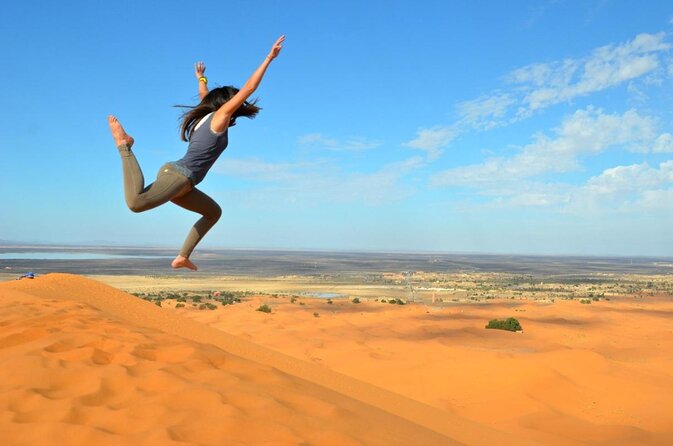
- Overnight camel safari with sunset ride in and sunrise ride out, plus dinner and sleeping in a Berber camp
- UNESCO stop at Ait Ben Haddou and a full day of Atlas-to-desert scenery
- Two included meals daily (breakfast and dinner), but lunch is not included
- Two nights accommodation included, with category that can range from basic to upscale
- Long driving days with cold mornings possible in the mountain regions in winter
Road Trip from Marrakech: Fast Changes, Big Payoff
This tour is built around one idea: you don’t spend your time sightseeing inside Marrakech. Instead, you’re out early and you let the road do the storytelling. About 45 minutes after leaving the city, the scenery shifts into rougher villages and markets, with development fading as the mountains start taking over.
If you like variety, you’ll feel it right away. You’ll get high-mountain views, desert-edge towns, and then the sand itself, all within three days. And because this is a group tour with an air-conditioned vehicle, you’re not stuck driving yourself for hours on unfamiliar roads.
The tradeoff is that you’ll spend a lot of time in transit. This isn’t a slow, wandering style trip—it’s a see-it-and-go-it route, so pack patience and plan for early mornings.
A few more Marrakech tours and experiences worth a look
Tizi-n-Tichka Pass and Ait Ben Haddou: Atlas Views to UNESCO Kasbah
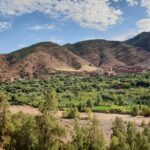
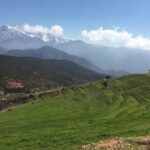
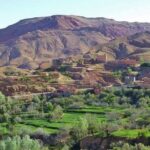
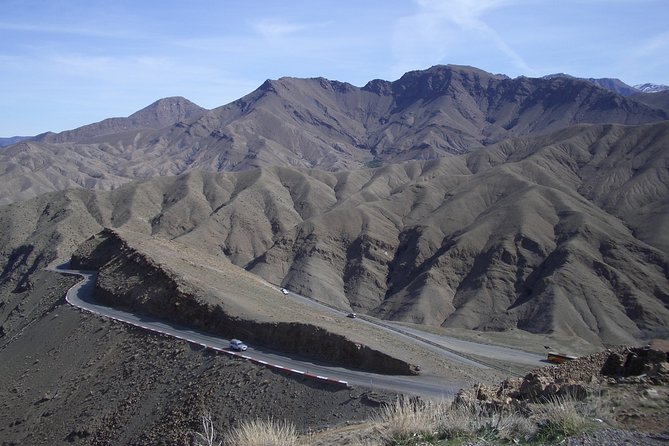
Day 1 is a classic “from city to mountains to kasbahs” day, and it starts with a real sense of leaving. You’ll head toward the High Atlas Mountains, including the Tizi-n-Tichka area. This pass sits at about 2,260 meters at the highest point mentioned, and it’s famous for the sweeping views over the Atlas.
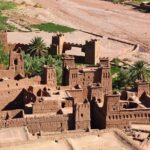
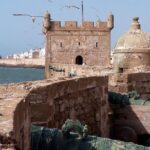
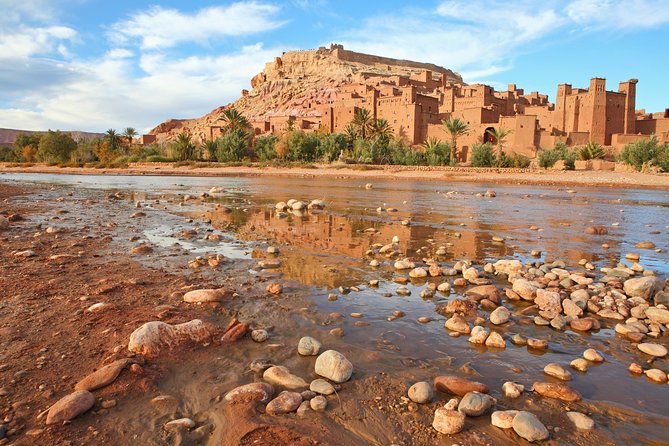
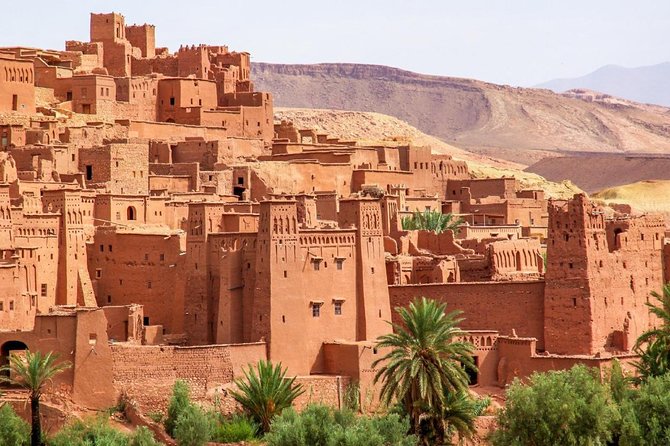
Then you’ll reach Ait Ben Haddou, a UNESCO World Heritage Site since 1987. This is one of Morocco’s best-known kasbah settings, and it’s been used as a film location for big productions like Gladiator, The Mummy, Prince of Persia, and Game of Thrones. You’ll have time to stop for lunch and explore popular locations inside the kasbah area.
What I like about this stop is how it works even if you’re not a hardcore architecture fan. The kasbah’s look is instantly cinematic, and you’ll understand why filmmakers keep coming back. The downside is that you’ll likely want a guide if you want deeper explanations—because the tour data says guides in Ait Ben Haddou are not included.
Practical tip: bring something for sun and shade. Kasbah exploration is easy to rush, and it helps to slow down just a bit so the details sink in.
Ouarzazate and the Taourirt Kasbah: Film Sets, Local Life, Rose Oil Stop
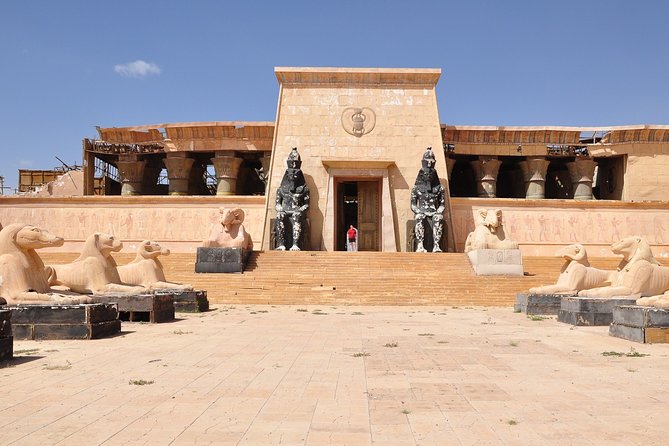
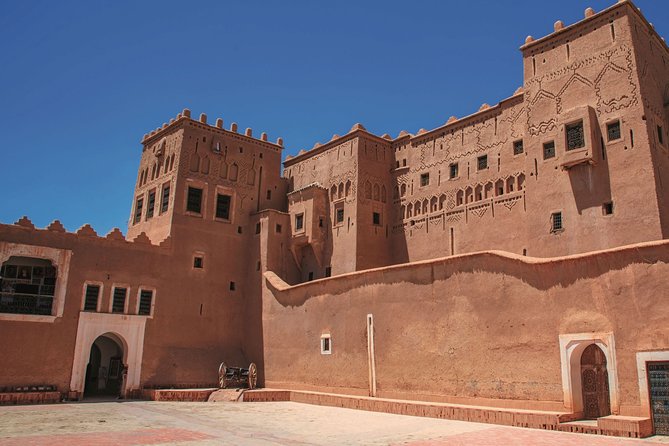
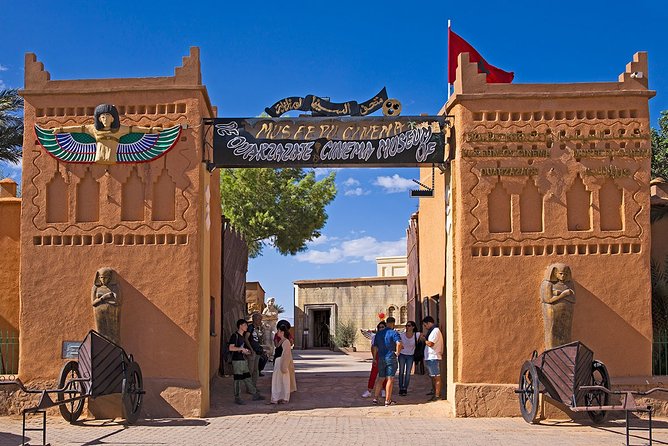
After the UNESCO kasbah, you continue toward Ouarzazate, sometimes called the door of the desert and also nicknamed Hollywood of Africa. The tour includes a short stop for the cinema museum and a visit to the Taourirt Kasbah. Even if you’re not chasing movie trivia, it’s a useful break in the middle of a long day—structured, easy to visit, and good for photos.
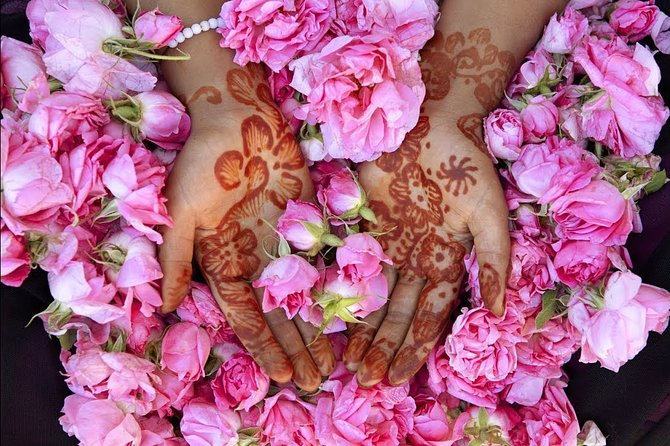
Then comes a surprisingly fun stop: the Valley of Roses. You’ll learn that this isn’t just a poetic name. People grow roses and extract oils, perfumes, and cosmetics using more traditional methods. The tour notes a focus on safety standards compared to manufactured alternatives, so it’s a reminder that this valley is working land, not a theme park.
This section matters because it breaks the trip’s pattern of stones and mountains. You get scent, craft, and a different kind of Moroccan rhythm—smaller-scale and practical.
Dades Gorges and the First Hotel Night: Cold Gorges and Monkey-Toes Rocks
By the time you reach Dades Gorges, the scenery changes again. The tour highlights the rock formations locals describe as the toes of monkeys. When you look closely, the shapes really do read like oversized fingers—whether or not you call them gorilla hands is up to your imagination.
You’ll reach Hotel Dades for dinner and the first night. This is also the part of the trip where season matters. The route notes that the area can be bitterly cold during winter, and your best plan is to bring warm layers even if you’re starting your day in milder air.
If you’re the type who likes landscapes in the literal sense—rocks, valleys, dramatic angles—this is where the trip starts getting your camera roll ready. The only consideration is that the day is long, so don’t expect a big, late-night exploration. This night is really for rest.
Tinghir Oasis, Todra Gorges, and the Drive Toward Merzouga
Day 2 starts with a mountain-morning feel in the Dades Gorges region. The tour description calls out a cold night and a morning wake-up in the valley area, with local hospitality hotels described as simple places focused on welcoming guests.
Then you move into Tinghir and the Tinghir Oasis, with a guided component in the plan. After that, you head to the Todra gorges and have lunch in the same village area. This day is about contrast: you go from mountain agriculture (oasis) to towering canyon walls (todra), then you work your way toward the desert towns.
As you travel toward Merzouga, the route passes through Tin-jdad, Erfoud, and Rissani. These aren’t described as long stops, but they matter as part of the “getting there” story. In three days, you don’t have time for deep exploration in every town, so these brief pass-throughs help you feel Morocco’s geography moving underneath you.
One important note for expectations: the tour data says guides in Todra Gorges are not included. If you want a more detailed explanation of what you’re seeing there, plan for that.
Merzouga: Camel Ride In, Berber Camp Out
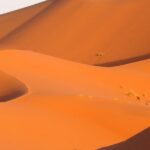
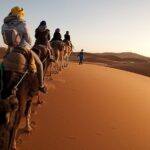
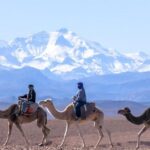
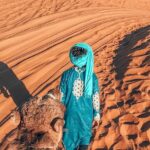
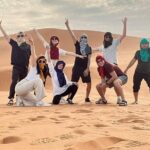
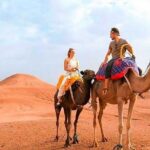
Merzouga is the main event. You’ll arrive after the long day of driving and valley stops, and then the desert experience starts immediately. The plan includes a 45-minute camel ride for sunset to get into the Sahara, and a 45-minute ride for sunrise to leave the sand the next morning.
That matters because it changes the desert from a destination into an event. You’re not just looking at sand—you’re moving through it slowly enough to feel the rhythm. And because the camel ride is split between sunset and sunrise, you get two different atmospheres for the same sand.
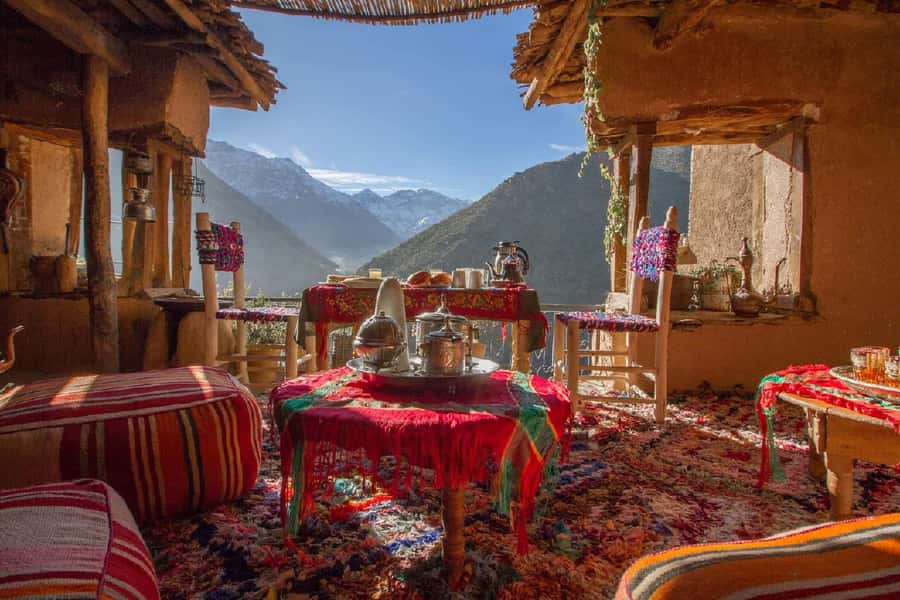
Your second night is under stars in traditional Berber tents, with dinner included and the description notes animation with fire and folkloric dances. You should come with the right mindset: it’s not a luxury hotel atmosphere, but it can be a memorable, story-like night.
Also, the tour data mentions that this is a good area for desert birds, listing species such as desert sparrows, Egyptian nightjars, desert warblers, fulvous babblers, and Blue-cheeked bee-eaters. In spring, a shallow lake can appear nearby that may attract flamingos and other water birds—so if you travel in that season, you might get bonus wildlife moments.
Desert Morning Walk at 07:00 and the Return Through the High Atlas
On day 3, you wake up early—around 07:00. After breakfast, you’ll take a walk in the sand. This is a smaller moment than the overnight camel ride, but it’s a great way to reset after sleeping in tents and to get a different feel for the desert in daylight.
Then the tour heads back toward Marrakech with the driver. You’ll make a few picture stops, including Alnif (about 5 minutes). These are short and practical rather than sightseeing-heavy.
Next you’ll reach the High Atlas Mountains foothills, where the plan includes a restaurant stop with a view over villages. You can enjoy a Berber meal here, but the tour data says meals at this stop are not included, so treat it as your chance to buy lunch rather than an included meal.
Finally, you’ll stop in Ait Barka village for rest and maybe tea. This is a gentle ending, a way to break up the long drive so you don’t arrive exhausted. You’re dropped back in the evening, with the plan stating around 19:30 arrival to your hotel or nearby riad.
One thing to remember: Marrakech itself is hectic by contrast. After sand and quiet, the city can feel loud fast, so build in time to decompress when you get back.
Price and Value at Around $40.71: What’s Really Included
The listed price is about $40.71 per person, and that’s the big headline. But the real question is what you’re getting for it, and the tour does include several high-value components:
- Round-trip transfers from your hotel or riad (within a defined pickup area)
- Two nights accommodation
- Breakfast and dinner daily for two days (so 2 breakfasts and 2 dinners)
- Air-conditioned vehicle
- Total 1 hour 30 minutes of camel ride for sunset and sunrise
- Overnight camel safari into the desert, including the Berber camp night
What’s not included is also clear and important:
- Lunch and meals/drinks not listed as included
- Guides in Ait Ben Haddou and Todra Gorges
- Accommodation quality depends on the option you pick, and the tour explicitly warns that standard non-classified accommodations may be basic.
So the value works best if you want a structured, transport-heavy desert experience with meals and lodging covered. If you already plan to hire separate guides, buy your own food, or upgrade your hotels, your costs may rise—but so will comfort.
Also, the tour notes a maximum group size of 40 travelers. That’s not tiny, but it’s not a massive cattle-car either. Still, it helps to understand this is a shared schedule.
Transfers, Group Size, and Timing: How to Avoid Friction
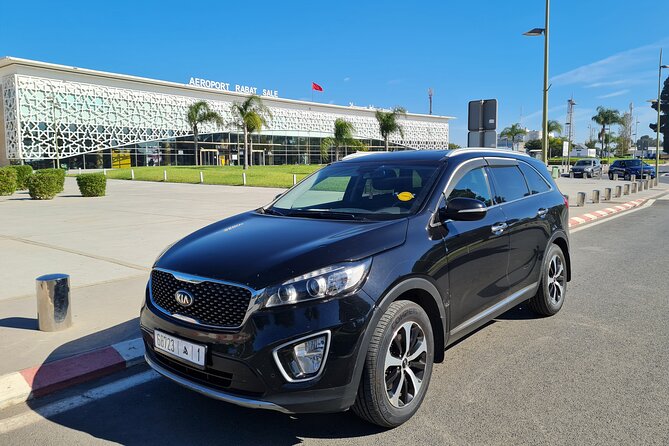
This is where many people feel pain on tours like this, and it’s worth addressing directly. The tour includes pick-up and drop-off only from a defined area. If your riad is in a narrow alley that vehicles can’t reach, you’ll likely need to meet at the Station Service Ola Energy (J2F5+8QF), Rue Moulay Ismail, Marrakech 40000 or coordinate by the tour’s WhatsApp number.
Because the plan is group-based, also expect some waiting at stops. The itinerary runs multiple sites in one day—High Atlas pass, kasbahs, city stops, then a gorge hotel—so small delays can ripple.
Here’s my practical advice:
- Confirm your pickup point the day before and again the morning of departure.
- Keep the tour contact details handy so you’re not guessing if the vehicle shifts.
- Bring snacks or plan for purchasing food at your lunch stops, since lunch isn’t included.
One review-style lesson you should take seriously: group logistics can go wrong. A wrong bus, a missing explanation, or unclear timing can turn a great day into stress. You can reduce that risk by verifying your bus assignment early and staying close to the meeting point when the group relocates.
Accommodation Quality: Standard vs Comfort vs VIP
Two nights of accommodation are included, but what those nights feel like depends on the option you choose. The tour data breaks it down like this:
- Standard: non-classified establishments, and the description warns they may have premature tools and poor facilities (wording isn’t elegant, but the meaning is clear: don’t assume modern comfort).
- Comfort: equal in evaluation to 3-star international hotel classification.
- VIP/Luxury: equal in evaluation to 5-star international hotel classification.
If you’re budget-first and you want the desert most, standard may be fine. But if you want sleep you can count on—especially after cold gorges and long driving—comfort is the safer bet. VIP is for travelers who want desert memories without feeling rough around the edges.
Who This Tour Suits Best (and Who Should Consider Alternatives)
This trip fits best if you want one of Morocco’s most famous circuits—Atlas passes plus Merzouga desert—in a tight timeline. You’ll enjoy it most if you’re comfortable with:
- Moderate physical fitness, including walking on sand and long sit-down travel
- early mornings and late-ish returns
- accepting that some stops are short, because the schedule is packed
It may not be ideal if you want lots of free time, slow pacing, or detailed guided explanations at every major site. Since guides aren’t included for Ait Ben Haddou and Todra Gorges, you may feel like you’re skimming unless you’re okay researching on the fly or paying extra.
If you’re traveling with kids or anyone who struggles with early starts and cold mountain mornings in winter, plan extra warmth and be realistic about long days.
Should You Book This Merzouga Sahara Desert Tour?
I think this is a strong booking if you want a ready-made desert experience with the essentials handled: transport, lodging, meals, and the overnight desert night with camel rides. The price looks unusually low for what’s included, and the itinerary hits the big visual anchors—Atlas views, UNESCO kasbahs, and Merzouga sand.
Book it if you can do two things well: stay flexible with group timing, and pick the right accommodation tier for your comfort level. If you choose standard lodging, go in expecting basic rooms and focus your energy on the desert night.
Skip or rethink it if you need tight logistics, private guiding at major sites, or a slower pace with more downtime. In that case, you might prefer a smaller-group or more customized version where timing and guide coverage are tighter.
FAQ
How long is the Marrakech to Merzouga tour?
It runs for 3 days (about 2 nights in total). The plan includes an overnight desert stay and the camel ride for both sunset and sunrise.
What meals are included?
Breakfast and dinner are provided daily for the two included nights (2 breakfasts and 2 dinners). Lunch and drinks are not included.
Is the overnight camel safari included?
Yes. The tour includes an overnight camel safari into the desert, with the ride for sunset and the ride for sunrise plus dinner and sleeping in a traditional Berber camp.
Where are pickups and drop-offs?
Pickup and drop-off are included from hotels or riads within a defined area. If your riad is outside that area or access is difficult, you may need to meet at the Station Service Ola Energy meeting point in Marrakech, and the tour ends back at that meeting point.
What kind of accommodation is provided for the two nights?
Two nights of accommodation are included, with option tiers. Standard is non-classified and may be basic; Comfort is equal to 3-star international hotel classification; VIP/Luxury is equal to 5-star international hotel classification.
Are tour guides included for all stops?
Guides are not included for Ait Ben Haddou and Todra Gorges. The plan describes guided elements for other parts of the route, but those two sites specifically note guides not included.
How much walking or physical effort is involved?
The tour asks for a moderate physical fitness level. You’ll have a walk in the sand in the morning and you’ll spend time moving through mountain and gorge areas, with winter cold mentioned as a factor.
What happens if I cancel?
Cancellation is free up to 24 hours before the experience start time for a full refund. If canceled within 24 hours, the amount paid isn’t refunded. If the tour is canceled due to poor weather, you’ll be offered a different date or a full refund.