REVIEW · MARRAKESH
Marrakech: Bahia Palace, Madrasa Ben Youssef and Medina Tour
Book on GetYourGuide →Operated by Moments in Morocco - Tour Agency · Bookable on GetYourGuide
Four hours, three landmarks, and a maze. This Marrakesh tour strings together Bahia Palace splendor, Ben Youssef artistry, and the Medina energy so you leave feeling oriented instead of overwhelmed. You also get the kind of local explanations that make famous places feel personal, not just postcard-perfect.
Two things I really like: the skip-the-line help at monuments, and the chance to slow down inside places like Ben Youssef Madrasa, where details matter. Guides such as Yassine, Mouhssine, and Ayoub seem to hit the sweet spot between history and practical street navigation.
One caution: expect serious walking across courtyards, alleys, and souks, with most of it on foot and at your own pace during free time.
In This Review
- Key takeaways before you go
- Meet Your Guide in Jemaa el-Fna, Then Get Your Bearings Fast
- Koutoubia Mosque Outside: Almohad Lines and That Minaret
- Bahia Palace: Morocco’s 19th-Century Power Through Craft and Courtyards
- Mellah: Walking Through Marrakesh’s Former Jewish Quarter
- Souks and Artisan Workshops: Smell, Sound, and Craft You Can Understand
- Ben Youssef Madrasa: The Islamic College That Still Feels Quiet
- Medina Alleys and Jemaa el-Fna: UNESCO Energy with a Human Pace
- Tickets, Timing, and What 4 Hours Really Covers
- How to Work With Your Guide for the Best Experience
- Who This Marrakech Tour Is Best For (and Who Should Rethink It)
- Should You Book This Bahia Palace and Medina Tour?
- FAQ
- Where do I meet the guide?
- Is transportation included?
- How long is the tour?
- What monuments require separate tickets?
- How much are the entrance tickets?
- Will I be able to enter Koutoubia Mosque?
- What language is the tour guide?
- What should I bring?
- Does the tour change during Ramadan?
Key takeaways before you go
- Skip-the-line entry support at Bahia Palace and Ben Youssef Madrasa, plus guidance into each site
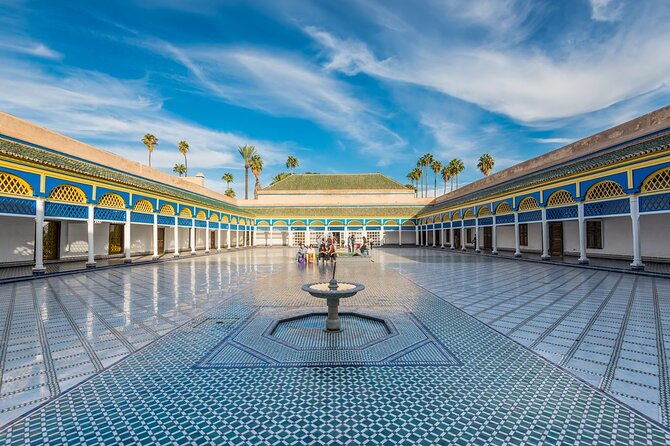
- Bahia Palace interiors + gardens with stucco, painted ceilings, cedar, and zellij tilework
- Ben Youssef’s quiet courtyard framed by Moroccan craft—stucco plaster, zellij, and carved cedar
- Souk-to-Medina navigation through spices, leather goods, fabrics, perfumes, and artisan workshops
- A smart start point in Jemaa el-Fna at Café de France, so you learn the area fast
- A 4-hour structure that balances guided storytelling with enough freedom to roam and take photos
Meet Your Guide in Jemaa el-Fna, Then Get Your Bearings Fast
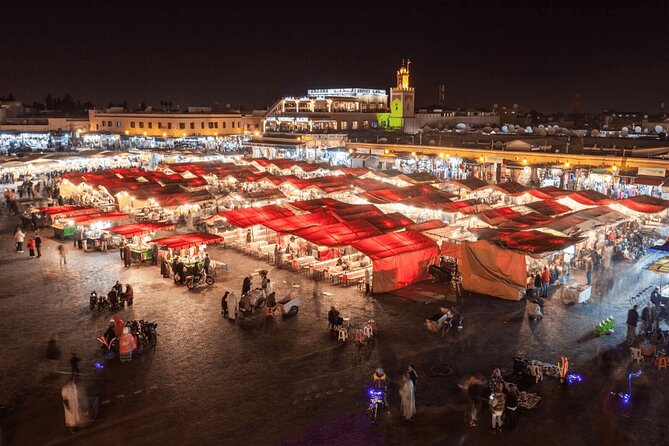
I like starting at Café de France in Djemaa el-Fna, because you’re in the heart of things right away. Your guide meets you there, and you get a WhatsApp reminder the day before (or so) with the guide’s name and the meeting point, plus helpful tips.
The language is French or English, and you can choose a private option (including pickup from your riad within the Medina). Either way, the goal is the same: you don’t just see Morocco’s highlights—you learn how to move through the city without getting turned around.
You can also read our reviews of more tours and experiences in Marrakesh.


Koutoubia Mosque Outside: Almohad Lines and That Minaret
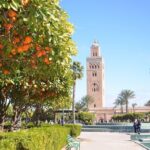
Koutoubia Mosque is one of Marrakesh’s most recognizable sights, and this stop works well even if you’re not going inside. You’ll get a short photo stop and a viewing moment of the Almohad architecture and the minaret topped with four copper globes, which are visible from many parts of the city.
A small but important detail: Koutoubia is outside only for this experience, and entry is restricted to Muslims during prayer times. That means you should focus on what you can see—scale, symmetry, and the overall silhouette—rather than expecting a full interior visit.
Bahia Palace: Morocco’s 19th-Century Power Through Craft and Courtyards
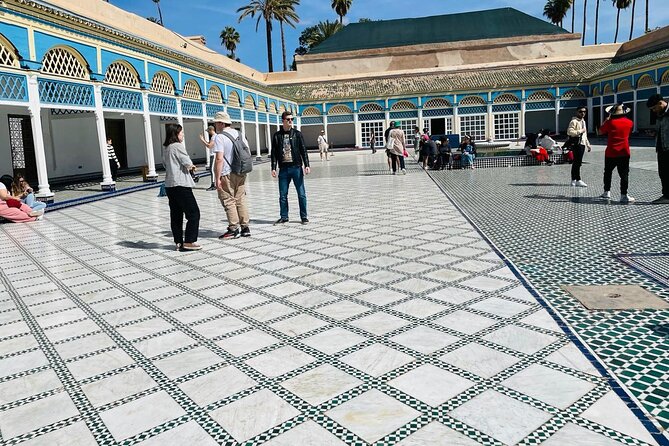
Bahia Palace is the stop that tends to make people sit up. It’s a 19th-century masterpiece built around tranquil courtyards, with 160 rooms that once supported Marrakesh’s elite. In the gardens (spread across eight hectares), you’ll see zellij tilework, carved cedar, and painted ceilings that turn even simple rooms into visual storytelling.
Your guide takes you through the palace rooms, and you get time inside to look slowly and take photos. This is where skip-the-line support earns its keep: you spend less time waiting and more time actually seeing the plasterwork and decorative geometry up close.
Two practical notes:
- Tickets are not included for Bahia Palace (100 MAD per adult), paid in cash on-site.
- Some sections may be under renovation, so your best strategy is to enjoy what’s open and ask your guide what to prioritize.
Mellah: Walking Through Marrakesh’s Former Jewish Quarter
After Bahia Palace, the tour moves toward the Mellah, the city’s former Jewish quarter. This isn’t about a single monument so much as a sense of place—an area shaped by a community that once flourished there, with architecture and atmosphere that hint at a longer, layered Marrakesh.
You’ll get a photo stop and a guided walk (about 20 minutes). I like this portion because it breaks the pattern of only visiting big-name sights. It helps you notice street texture: walls, doors, and the way life flows through older quarters.
If you’re a first-time visitor, Mellah is also a useful mental map builder. It teaches you that Marrakesh isn’t one story; it’s many neighborhoods stacked over time.
Souks and Artisan Workshops: Smell, Sound, and Craft You Can Understand
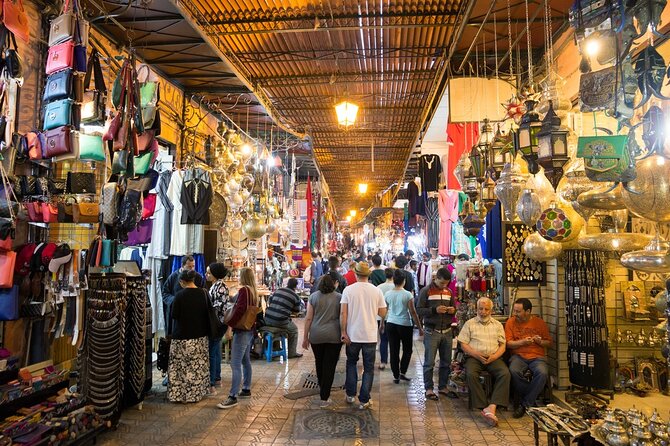
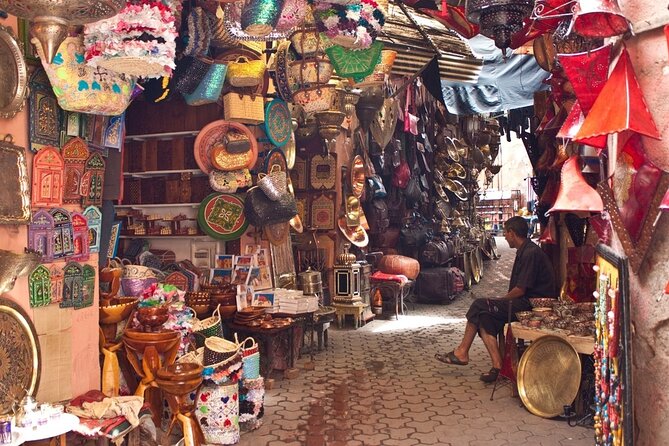
Next comes the part people either love or struggle with: the souks. This tour keeps it manageable by pairing the walking with guidance. You move through stalls filled with spices, leather goods, fabrics, and perfumes while your guide helps you understand what you’re seeing.
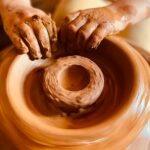
What I like most is the switch from shopping chaos to craft clarity. You’ll visit artisan workshops where traditional crafts—like pottery, metalwork, and woodcarving—are brought to life before your eyes. Even if you don’t buy anything, you’ll leave with a better sense of why these items look the way they do.
From guides like Yassine and Achraf (based on past experiences), the tone is usually relaxed. One reviewer even described the shopping portion as feeling organic and not pushy. Another said the guide helped them find a specific piece of jewelry they had in mind. That’s the kind of assistance that turns souks from stressful into fun.

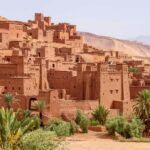
Ben Youssef Madrasa: The Islamic College That Still Feels Quiet
Ben Youssef Madrasa is where the tour gets calmer. It’s an Islamic school founded in the 14th century and rebuilt by the Saadians, and it shows in the artistry.
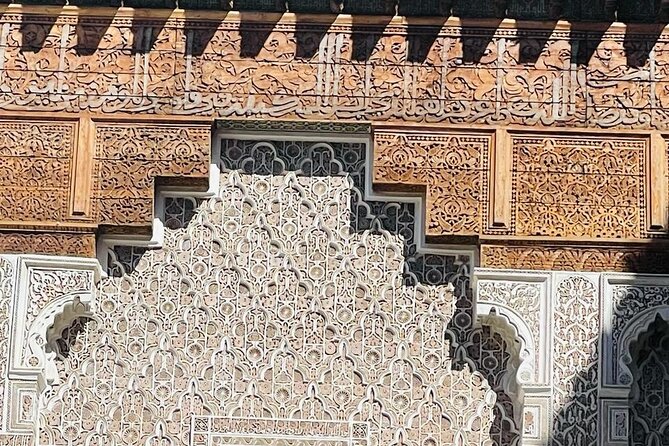
Inside, you’ll marvel at Moroccan craftwork: stucco plaster, intricate zellij tile, and finely carved cedar. Everything is organized around a peaceful courtyard that invites you to pause and look up—especially at the ornamentation that can easily get missed when you’re rushing.
Like Bahia Palace, your guide goes in with you and explains what you’re seeing, then you get free time to explore and take photos. Tickets for Ben Youssef are 50 MAD per adult, paid in cash on-site.
If you care about architecture, this is one of the best uses of your time in Marrakesh. Without a guide, it can be easy to see it as just a pretty building. With one, you start noticing patterns and purpose.
Medina Alleys and Jemaa el-Fna: UNESCO Energy with a Human Pace
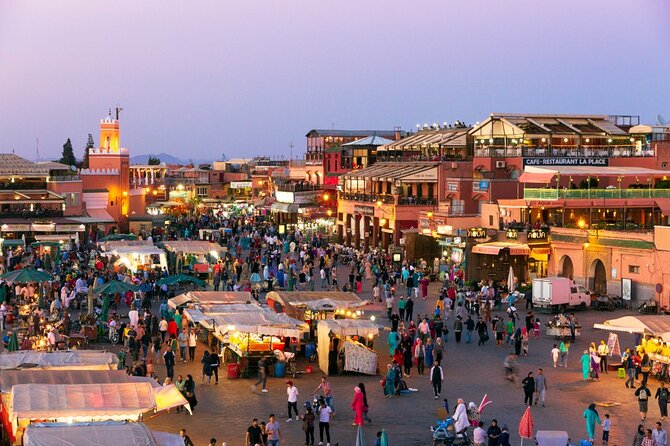
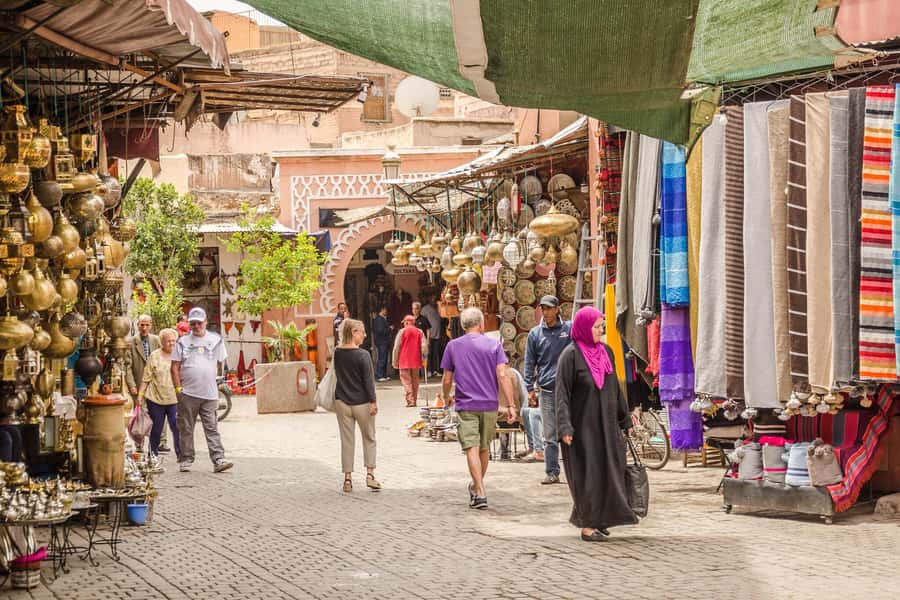
The Medina portion is about navigation as much as sightseeing. You’ll do a guided walk through UNESCO-listed lanes, where each turn brings something different: textiles, street life, and everyday traditions that still feel real.
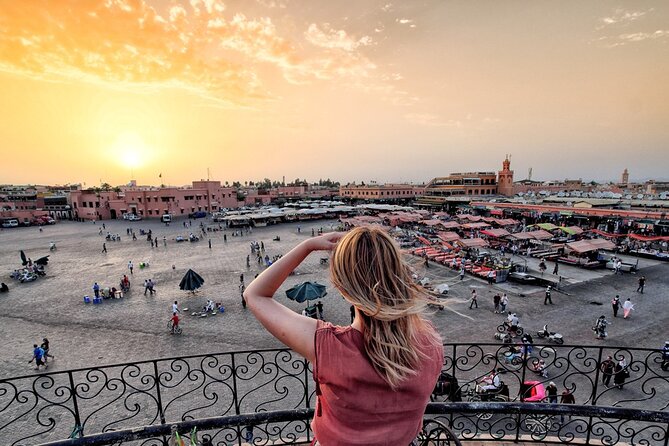
Then you finish with Jemaa el-Fna, including a short guided walk and sightseeing time. By the end, you’re back at the loud, colorful center where markets sell souvenirs and silver jewelry. This is also a helpful timing choice—ending here means you’re positioned to keep exploring on your own afterward.
Drop-off is flexible depending on your option—either back around the Medina area or at Café de France in the square.
Tickets, Timing, and What 4 Hours Really Covers
This is a 4-hour experience designed to hit major landmarks without turning into a full-day marathon. The pace is structured, but you’re not trapped in a marching line. You’ll typically get:
- About 10 minutes around Koutoubia (outside viewing)
- About 45 minutes at Bahia Palace (guided plus free time)
- About 20 minutes in the Mellah
- About 45 minutes at Ben Youssef Madrasa (guided plus free time)
- About 40 minutes exploring the Medina lanes
- About 15 minutes around Jemaa el-Fna markets
Price-wise, the listed cost is $19 per person, and that matters because your big-ticket value driver (the monuments) is mostly handled by the guide and skip-the-line process. The monument entries are extra:
- Bahia Palace: 100 MAD
- Ben Youssef Madrasa: 50 MAD
Paid in cash on-site.
In other words, you’re paying for a guide-led route that prevents wasted time and helps you understand what you’re paying to enter. Since transportation isn’t included, you’ll also want to be comfortable getting around on foot.
One more timing note for seasonal changes: during Ramadan (Feb 18 to Mar 20), monuments close earlier. Morning tours run starting around 09:30, and afternoon tours around 13:00. This is worth planning around so you don’t show up when places are already closing.
How to Work With Your Guide for the Best Experience
This tour really performs when you treat the guide like your built-in translator for Marrakesh. The best guides in this route—people like Mouhssine, Mustapha, Ahmad, Hassan, and Ayoub—tend to do three things well: explain clearly, adjust pace, and keep the group moving safely through busy areas.
Practical tips that make a difference:
- Ask questions early. A good guide will connect the dots between palace design, school architecture, and the way souks operate today.
- Use the free time. Bahia and Ben Youssef give you room to wander, look up, and take photos without feeling rushed.
- If you’re shopping, let the guide steer your first few minutes. One past guest specifically appreciated help finding a jewelry piece, which is exactly what you want when bargaining pressure is real.
If you’re traveling with kids, this tour can still work. One family said their 9- and 7-year-olds were engaged and asking questions—mostly because the guide made the stories understandable and interactive.
Who This Marrakech Tour Is Best For (and Who Should Rethink It)
This is a strong fit if you want an efficient introduction to Marrakesh’s top landmarks plus the Medina experience. It’s especially good for:
- Architecture and design lovers (Bahia Palace and Ben Youssef are the headline)
- First-time visitors who want a route that keeps you from getting lost
- People who prefer small-group or private guidance rather than solo wandering
Be aware of the walking. The experience is marked as wheelchair accessible, but it also says it’s not suitable for people with mobility impairments. Translation: assume you’ll be on foot through uneven ground and narrow lanes, so if mobility is a concern, you should check directly with the operator before committing.
Also note Koutoubia Mosque entry is not part of this stop—prayer times restrict access, and you’re viewing it from outside.
Should You Book This Bahia Palace and Medina Tour?
I’d book it if you want value that goes beyond ticking off sights. The combination of skip-the-line monument help, guided storytelling, and time to explore inside Bahia Palace and Ben Youssef Madrasa makes the short 4-hour window feel complete.
You should probably skip or reconsider if:
- You hate walking through crowded streets and prefer slow, car-based sightseeing
- You’re expecting inside access at Koutoubia Mosque (this is outside viewing only)
- You’re trying to avoid paying separate monument tickets in cash (since both Bahia and Ben Youssef entries are extra)
If you’re ready to see Marrakesh with structure and local context, this is a smart first-day move. It gives you the history, the craft, and the street sense you’ll keep using the rest of your trip.
FAQ
Where do I meet the guide?
You meet your guide in front of Café de France in Djemaa El Fna square.
Is transportation included?
No. Transportation is not included.
How long is the tour?
The duration is 4 hours.
What monuments require separate tickets?
Bahia Palace and Madrasa Ben Youssef require separate entry tickets, paid in cash on-site.
How much are the entrance tickets?
Bahia Palace costs 100 MAD per adult and Madrasa Ben Youssef costs 50 MAD per adult.
Will I be able to enter Koutoubia Mosque?
Koutoubia is outside viewing only. Entry is restricted to Muslims during prayer times.
What language is the tour guide?
The guide speaks French or English.
What should I bring?
Bring comfortable shoes, sunglasses, and water.
Does the tour change during Ramadan?
Yes. During Ramadan (Feb 18 to Mar 20), monuments close earlier, with morning tours starting at 09:30 and afternoon tours at 13:00.