Your nose leads the medina.
This shopping route turns Marrakesh into a sensory lesson, from spice-market aromas to the feel of Berber rugs and crafts as you move through the medina with local help (often guides like Ibrahim and Brahim). I like that the stops are structured but still give you free time to look, ask, and shop. The one real consideration: you’ll be walking a lot for 4 hours, and the Ben Youssef Madrasa entrance fee (50MAD) is not included.
If you’re here for authentic shopping (not just quick photo stops), this tour makes the souks less stressful. You’ll get practical advice for how to handle bargaining, what to look for in quality items, and how to move through areas most people miss on their own. I also like that purchases can be delivered back to your hotel, which helps if you end up buying anything chunky or fragile. Plan for cash, and expect occasional small delays (up to 5–10 minutes).
In This Review
- Key things I’d zero in on
- Why This Souk Shopping Tour Works (Even If You Don’t Plan to Buy Much)
- Meeting at Café Argana: The Fastest Way to Start Feeling Confident
- Jemaa el-Fnaa Photo Stop: See the Big Square, Then Move On
- Hey-Zefriti and the Early Souk Walk: Learning How to Shop Without Panic
- Souk Semmarine and Rahba Kedima: Crafts With Clear Identity
- Ben Youssef Madrasa: A Calm Cultural Break From Shopping
- Souk Haddadine (Lampshades and Lanterns): When Craft Becomes Lighting
- How the “Free Time” Portions Help You Shop Like a Local
- Price and Value: Why $22 for 4 Hours Can Be a Smart Deal
- What to Bring (and What to Do Before You Wander)
- Who This Tour Suits Best (and Who Should Rethink It)
- Should You Book the Marrakesh Medina Souks Shopping Tour?
- FAQ
- How long is the Marrakech Medina Souks, Hidden Markets and Shopping Tour?
- What does the $22 per person price include?
- Where do we meet for the tour?
- Is the entrance fee to Ben Youssef Madrasa included?
- Do I need to bring cash?
- What languages are available for the guide?
- Is the tour suitable for wheelchair users?
- Is hotel pickup included?
- Are meals and drinks included?
- What is the cancellation policy?
Key things I’d zero in on
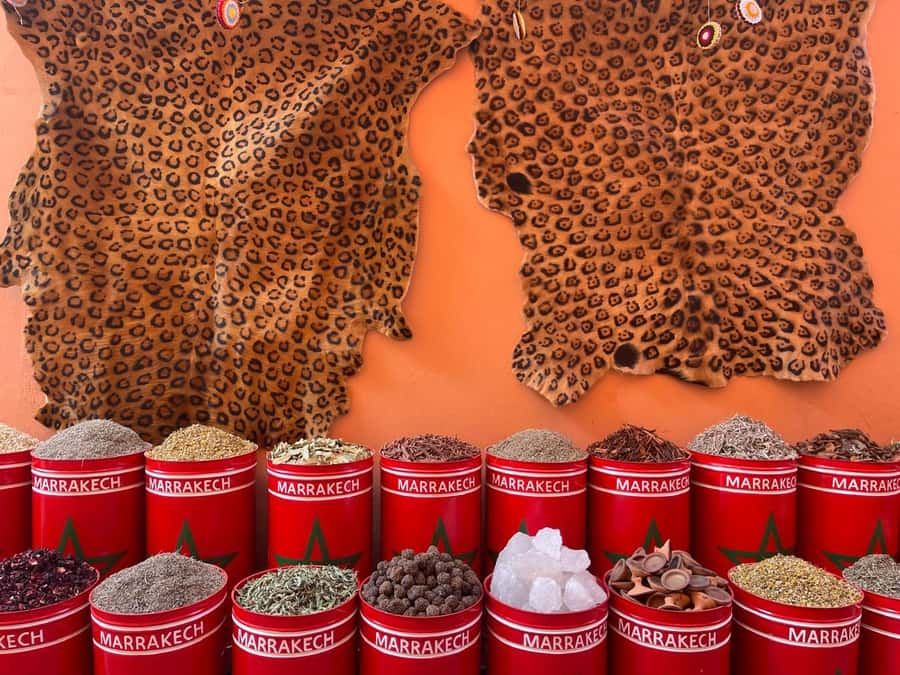
- Spice Square and oil, spice, herbs stops where smell is part of the point, not an accessory
- Berber rugs and carpets heritage you can actually understand while you’re shopping
- Leather and wood crafts you can compare shop to shop in a single morning
- Jewelries and lanterns/lamp work that range from everyday to special-occasion pieces
- Free time at several moments so you can slow down without feeling rushed
Why This Souk Shopping Tour Works (Even If You Don’t Plan to Buy Much)
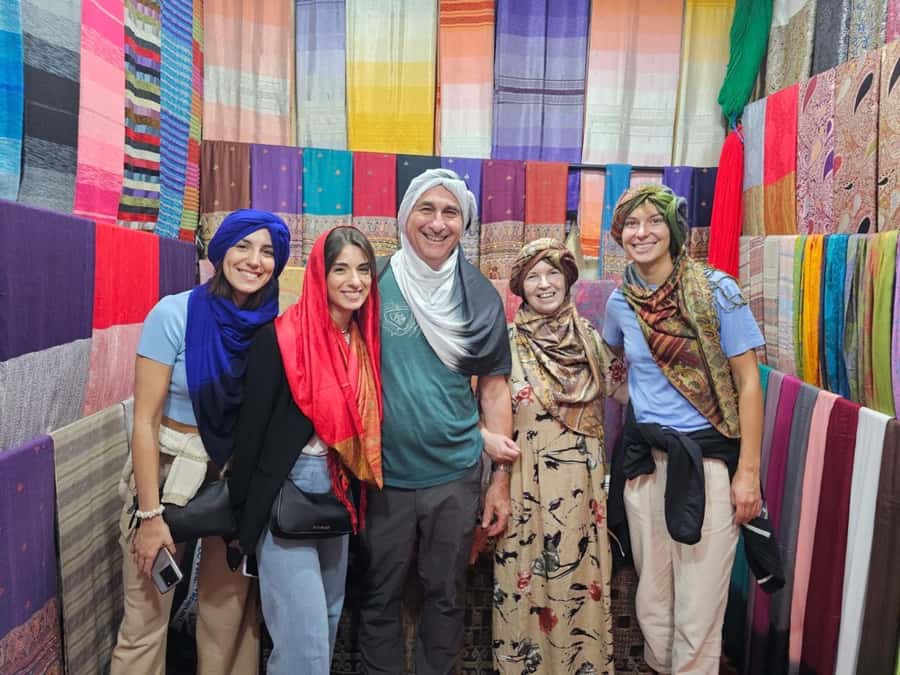
The best part of a Marrakech shopping day isn’t the shopping itself. It’s getting oriented inside the medina—learning how the spaces connect, when a market changes character, and how to talk to shopkeepers without feeling like you’re guessing.
This tour is built around that practical reality. You start near major landmarks, then head into more specific artisan areas where the products are tied to the craft tradition of that neighborhood. That matters, because a lot of the medina shopping challenge is not knowing what you’re looking at. With the guide leading the way, you spend less time wandering and more time asking the right questions.
I also like the tone of the experience. You’ll explore local artisan shops with the stress removed. The day is framed as no-obligation browsing, and that’s important in Morocco, where the medina can feel intense if you’re not prepared. With a guide beside you, the conversation becomes easier—especially when you want to learn the basic rhythm of bargaining.
You can also read our reviews of more shopping tours in Marrakesh
Meeting at Café Argana: The Fastest Way to Start Feeling Confident
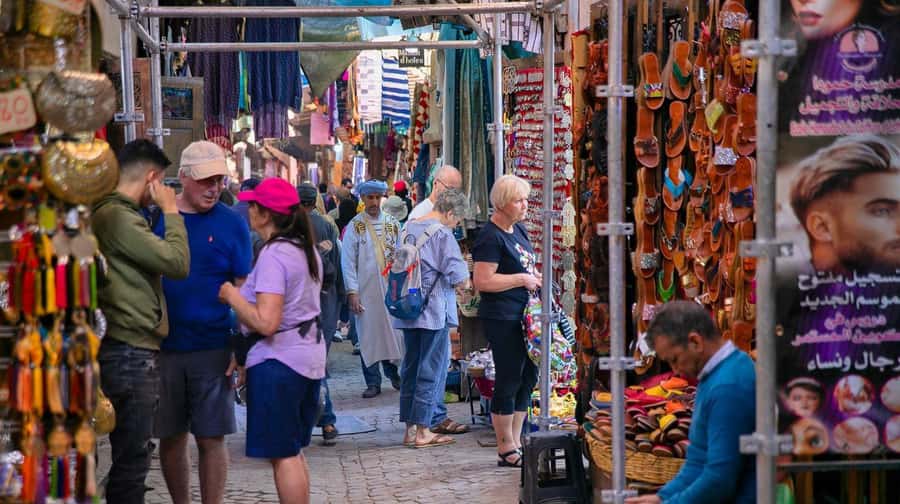
You meet outside Café Argana, and the guide gives you a quick overview and tips before you even step deeper into the maze. That first step is underrated. If you’ve ever arrived in a medina and tried to figure out directions while people are calling out to you, you know how quickly it drains your energy.
One helpful detail from real experiences: if you get a bit turned around on your way to the meeting point, you can use the guide’s WhatsApp number to find them. That’s a big deal on the ground, because Marrakech street corners can look identical when you’re first learning them.
Bring cash from the start. Even if you’re only planning to look, you’ll often want to ask about pricing, sizes, or materials on the spot. Sunglasses also help—medina light shifts quickly, and you’ll be outside moving from shade to bright openings.
Jemaa el-Fnaa Photo Stop: See the Big Square, Then Move On
Jemaa el-Fnaa is the famous starting point for a reason: it’s where the energy of Marrakesh shows up in one place. On this tour, you get a photo stop, plus guided context and a short window of free time.
Here’s what I find useful about doing Jemaa el-Fnaa early. If you later return to the square on your own, you’ll recognize it as a real place—not just a postcard. You’ll understand why the medina funnel flows the way it does, and you’ll spot how the streets branch off toward different crafts.
One drawback to keep in mind: because this area is well-known, it can feel crowded and attention-grabbing. If you’re sensitive to street noise or constant calling, go in with the mindset that you’re just using it as a launching pad. The tour naturally carries you away from the most chaotic pockets.
Hey-Zefriti and the Early Souk Walk: Learning How to Shop Without Panic
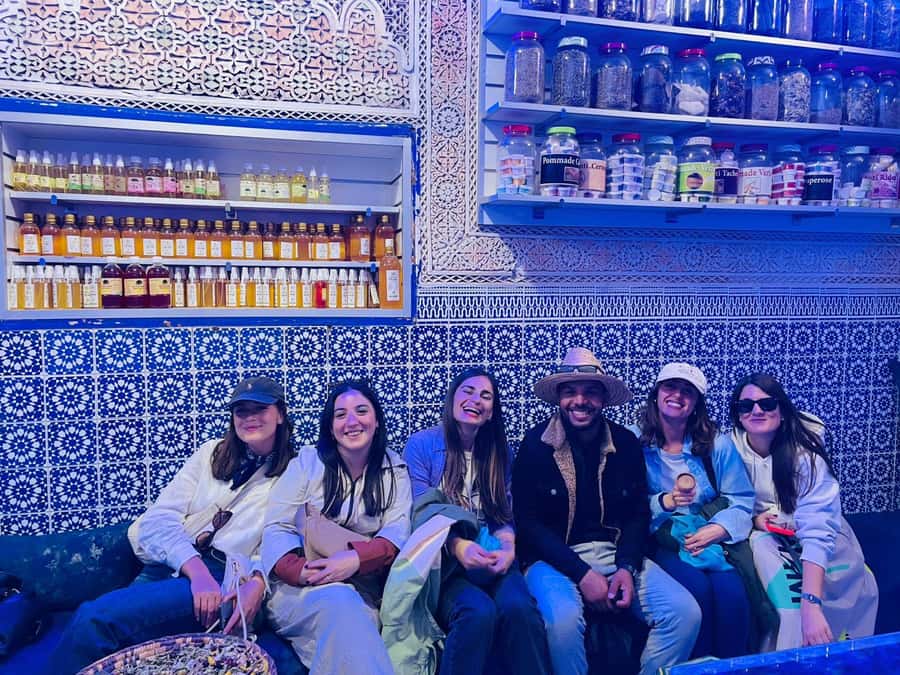
After Jemaa el-Fnaa, you move into the medina with a longer guided stretch at Hey-Zefriti. This is where you get the early rules of the game: how shopkeepers typically communicate, what to ask about quality, and how to approach bargaining so it feels like a conversation, not a battle.
A few guides mentioned in experiences (including Ibrahim and Elhoussine) are especially good at making bargaining feel friendly. You’re not just learning what to say—you’re learning when to ask, how to compare similar items, and how to avoid getting pulled into the wrong category of goods.
What to do while you’re there:
- Slow down enough to touch materials—leather texture, rug thickness, wood finishing
- Ask about what something is made of and where it fits in the craft tradition
- If you’re unsure, tell the guide your budget range early so your time stays efficient
This part is most valuable if you’re shopping for gifts. You’ll see variety quickly, which helps you avoid returning later for the “same but pricier” item.
Souk Semmarine and Rahba Kedima: Crafts With Clear Identity
Two stops help you see Marrakech shopping at two different “speeds.”
Souk Semmarine is a guided walk through an artisan zone where browsing feels purposeful. You’re not just shopping because it’s there—you’re shopping because the craft identity is stronger in these lanes, which makes comparison easier.
Then you reach Rahba Kedima. This is the kind of place where you can step back from constant selling pressure and look at what people are actually producing and displaying. You’ll get guided context, plus guided time for you to focus on what interests you most.
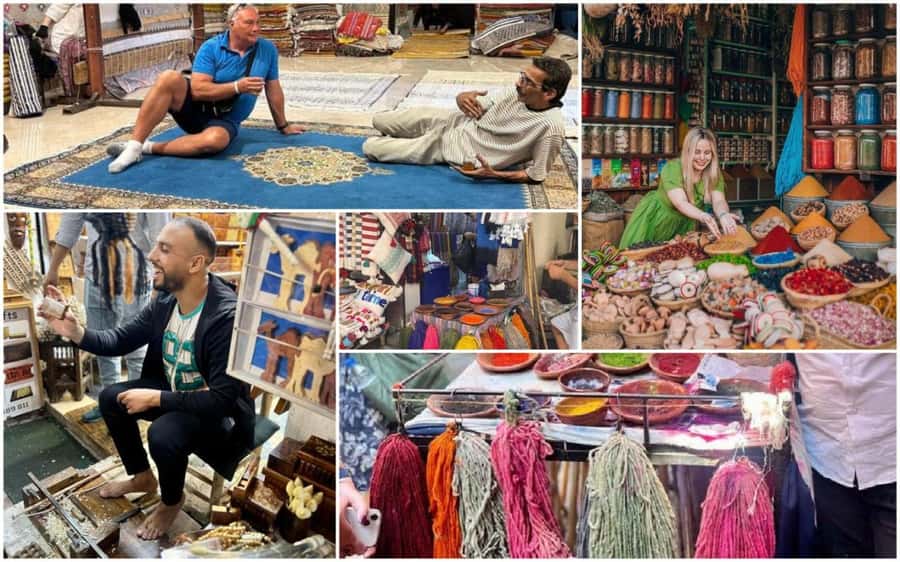
In terms of what you’ll encounter, the tour’s theme is Morocco’s craft heritage:
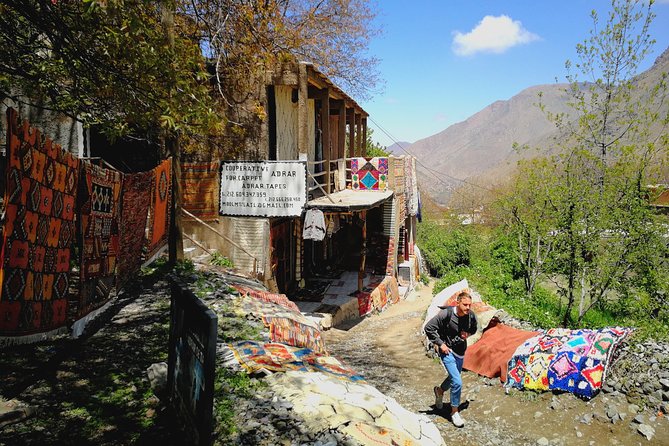
- Berber rugs and carpets, with an eye toward what makes a rug feel “right” (weave, weight, pattern style)
- Leather and wood crafts—where quality often shows up in finishing details
- Jewelry—pieces that range from everyday style to more statement work
Rahba Kedima is a good place to figure out your preferences. If you decide you love lamps more than textiles, you can pivot your day without losing the chance to compare.




Ben Youssef Madrasa: A Calm Cultural Break From Shopping
Ben Youssef Madrasa is a well-known historical stop, and it’s a smart pause in the buying-heavy flow. You’ll have time for visits and photos, plus guided explanation.
The entrance ticket is not included, and it’s listed as 50MAD for adults. That means you should keep a bit of cash aside specifically for monuments. Also, plan for the fact that this stop changes your pace. You’ll get a quieter environment compared to the souks, which helps you reset.
Why include it at all? Because Marrakech isn’t only a place to buy. It’s a place that built craft skills into its culture over centuries. Seeing a historical site in the middle of a shopping tour helps the day feel grounded, not random.
One more practical note: this part can mean a short stretch where you’re not actively searching for items. That’s not a wasted moment. If you’re going to shop in the medina, you’ll make better choices after a pause.
Souk Haddadine (Lampshades and Lanterns): When Craft Becomes Lighting
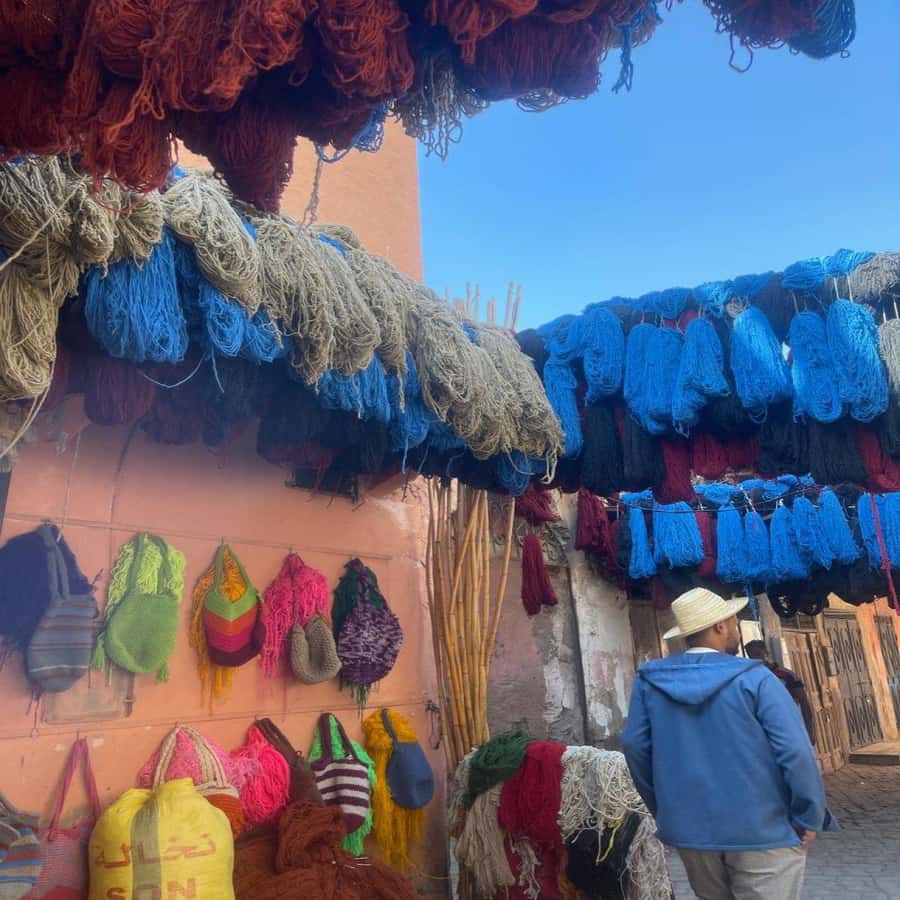
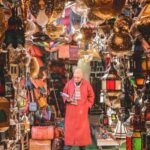
The final major craft stop is Souk Haddadine, focused on lampshades, lanterns, and related metalwork traditions. This is where the tour theme shifts from materials you wear or carry to items you live with.
If you’re thinking about buying lighting, this is the stop where you can really compare styles. Look for:
- How the pattern is cut or made (for how light will spread at home)
- The finishing and coating (so it looks good from every angle, not just the front)
- Whether it feels like a decorative piece or a working lamp
You’ll get guided time here, plus a longer walking window. It’s also a good place to decide if you’re buying something that needs care. Lanterns and lamp-related items are often delicate, so delivery to your hotel becomes a big convenience. The tour includes free delivery of products to your hotel, which can save you from carrying breakables through narrow streets.
Real-world experience also suggests some guides help with packages. If you end up buying several items, that support can make the day much easier. Even if you don’t buy, this is a great craft stop for photos and understanding Moroccan design.
How the “Free Time” Portions Help You Shop Like a Local
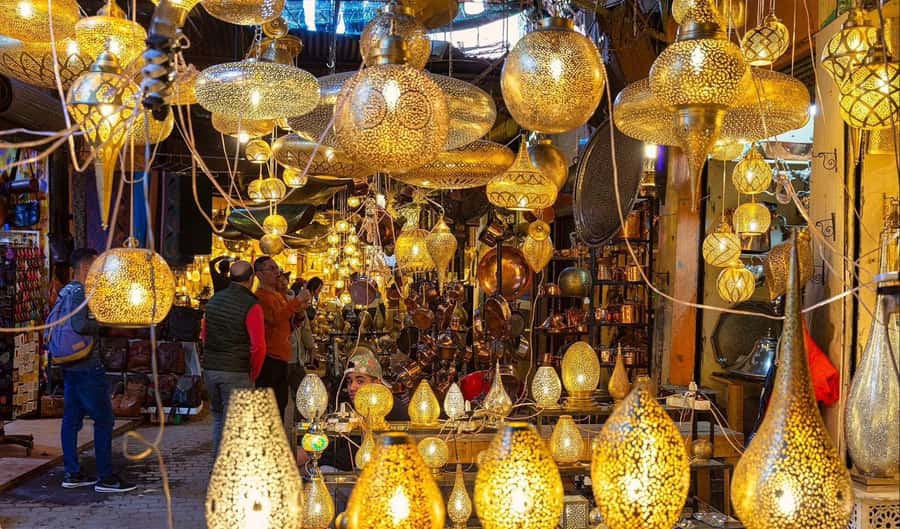
A common problem on souk tours is that everything feels scheduled. You glance, you move, you buy or you get pressured to buy. This tour avoids that by giving free time inside key moments—at Jemaa el-Fnaa and again during other stops like near the madrasa and along the route.
Use that free time for two things:
- Compare items without rushing the guide
- Sit with what you like long enough to evaluate quality
If you’re buying textiles, don’t judge too fast from a single sample. Rugs and carpets can look similar at first glance but feel different. Spending a little time on the spot lets you notice weight, texture, and consistency.
If you’re buying jewelry, free time helps you check sizing and how pieces sit on you or how they match gifts. Jewelry is also where “style” can matter as much as material, so you want that personal decision window.
Price and Value: Why $22 for 4 Hours Can Be a Smart Deal
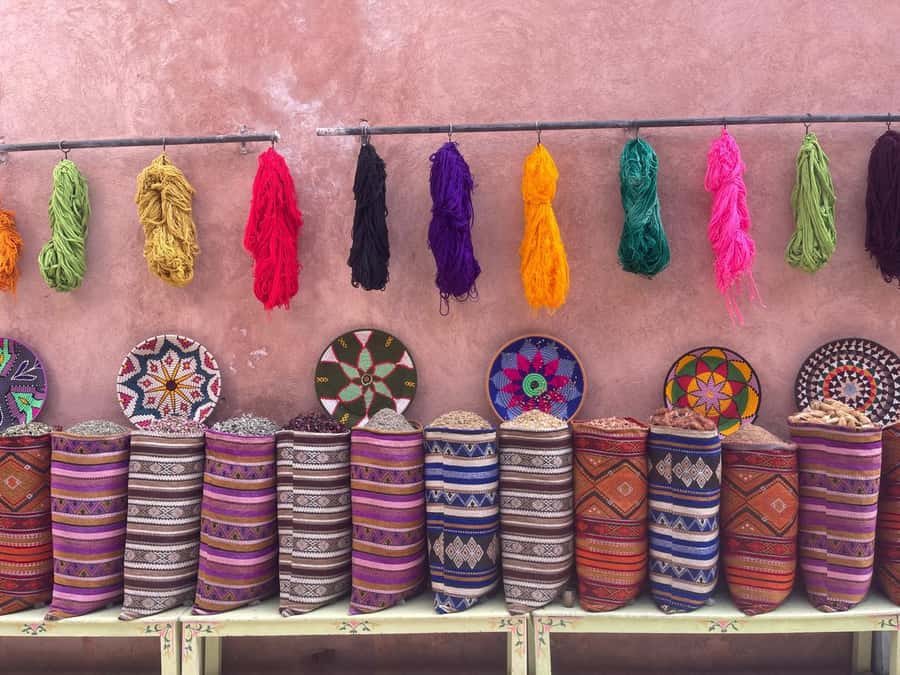
At $22 per person for about 4 hours, the value comes from what you actually get: an expert local guide, structured time in multiple artisan areas, and practical shopping support.
Here’s the breakdown of where your money goes:
- Time-saving navigation inside the medina (a guide reduces wandering)
- Craft context—you learn what you’re looking at before you compare prices
- Bargaining help so you don’t lose money to confusion
- Hotel delivery for products, which can save stress and carrying costs
- Coverage of several craft categories in one route: spices, rugs, leather/wood, jewelry, lamps
What’s not included: meals and drinks, personal expenses, and the Ben Youssef entrance fee. So if you’re planning to snack, budget for it separately.
Overall, if you’re in Marrakech for a short stay and want shopping confidence fast, $22 is a reasonable price for a guided medina day. If you’re the kind of shopper who already knows the medina well and hates being guided, you might find it less useful. But for most first-timers, the guide payoff is real.
What to Bring (and What to Do Before You Wander)
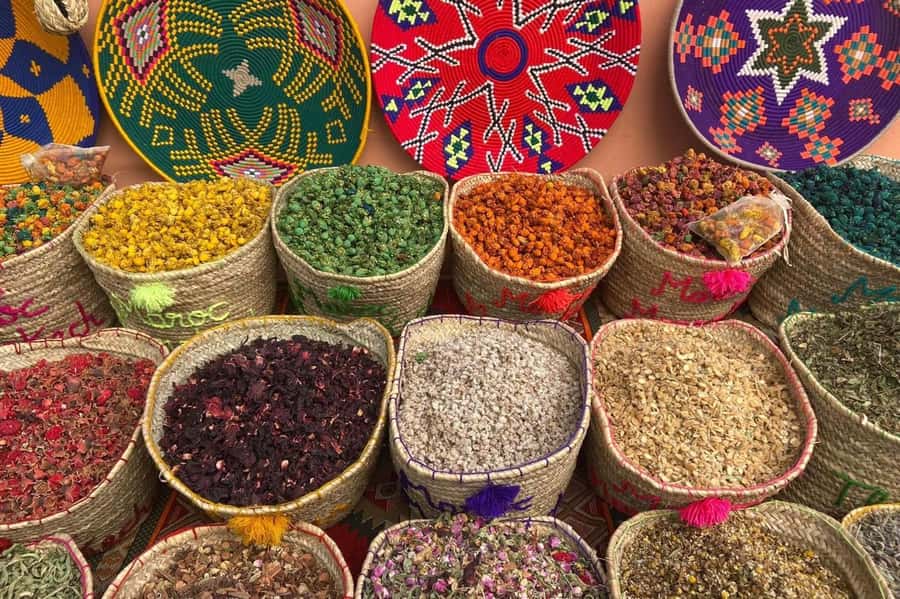
From the provided info, you’ll want:
- Cash for purchases and the Ben Youssef entrance fee
- Sunglasses for sun glare and street walking comfort
Then add your own best-practice move:
- Think about what you want before you arrive. Textiles? Leather? Lamps? Jewelry? If you only decide once you’re surrounded by options, it can get expensive fast.
- Wear shoes that handle uneven pavement. You’ll be on foot for most of the route.
Also, keep your expectations clear. You’re going to see a lot of items, but this isn’t a “buy everything” day. It’s a guided introduction to what the medina is famous for, with room for browsing and decisions.
Who This Tour Suits Best (and Who Should Rethink It)
This tour fits you if:
- You want a guided introduction to Marrakesh medina souks without getting lost
- You like hands-on shopping—touching leather, checking rug feel, inspecting lamp details
- You want a structured route that covers spices, textiles, crafts, jewelry, and lanterns
You might skip it if:
- You dislike marketplaces and would rather do Morocco at a slower pace
- You’re not interested in shopping at all, since multiple stops are designed around crafts and buying decisions
- You’re not able to do lots of walking for around 4 hours
Should You Book the Marrakesh Medina Souks Shopping Tour?
I’d book it if you’re trying to get the medina right on your first visit. The combination of a real guide, craft-focused stops, bargaining support, and free delivery to your hotel makes the day feel efficient and practical—not just scenic.
If you do book, set yourself up for success: bring cash, choose one or two categories you truly want (instead of chasing everything), and take advantage of free time to compare. Ben Youssef has an extra fee, so plan for that too.
If your goal is to leave Marrakech feeling confident about what you bought—and why—you’ll likely love this kind of guided souk day.
FAQ
How long is the Marrakech Medina Souks, Hidden Markets and Shopping Tour?
The tour lasts 4 hours.
What does the $22 per person price include?
It includes an expert local tour guide, guided exploration of artisan shops, free time to explore sites of interest, and free delivery of products to your hotel. It also offers either a shared group or private walking tour.
Where do we meet for the tour?
You meet outside Café Argana. The exact meeting point may vary depending on the option you book.
Is the entrance fee to Ben Youssef Madrasa included?
No. The Ben Youssef Madrasa entrance fee for adults is listed as 50MAD and is not included.
Do I need to bring cash?
Yes. Cash is recommended for purchases and to cover any entrance fees like Ben Youssef Madrasa.
What languages are available for the guide?
The live tour guide is available in English, French, and Arabic.
Is the tour suitable for wheelchair users?
Yes, the activity is listed as wheelchair accessible.
Is hotel pickup included?
Hotel pickup is optional and included if you book the Private Shopping Tour with hotel pickup.
Are meals and drinks included?
No. Meals and drinks are not included.
What is the cancellation policy?
Free cancellation is available up to 24 hours in advance for a full refund.