REVIEW · MARRAKESH
Ourika Valley ,Berber villages ,Atlas Mountains + Lunch
Book on GetYourGuide →Operated by Desert Family Tour · Bookable on GetYourGuide
Ourika pulls you out of Marrakech fast. This day trip stacks Atlas Mountains scenery with Berber village life and a waterfall walk in Setti Fadma, plus a women-run argan oil cooperative stop that adds real context to what you’re seeing.
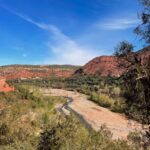
I really like the pacing: you get enough driving time to breathe, then solid chunks of time where you can look, ask questions, and move at your own speed. The route also makes smart use of the valley—river views early, then waterfalls later—so the day feels varied instead of repetitive.
One consideration: parts of the trip are time-boxed (photo stops, tea stops, and some shopping time), and there’s also a local guide cost in the waterfall area. If you prefer total independence, you’ll want to set expectations with your driver/guide before you start.
In This Review
- What makes this tour worth your day
- Key points to know before you go
- Leaving Marrakech: the drive that sets the mood
- Argan oil at a women’s cooperative: practical and worth it
- Ourika Valley time: tea breaks, market browsing, and Berber village life
- Setti Fadma waterfalls: the highlight walk and how to handle it
- Lunch by the Ourika River: great when planned, optional for control
- Price and value: why $11 can still make sense
- Driver and guide quality: how to read the human factor
- Who should book this day trip (and who should skip it)
- Should you book the Ourika Valley, Berber villages, Atlas Mountains + Lunch trip?
- FAQ
- How long is the Ourika Valley day trip?
- Where does pickup happen in Marrakech?
- What transport is included?
- What does the tour include besides transport?
- Is lunch always included?
- Are drinks included with lunch?
- How much walking is involved at Setti Fadma?
- Is a local guide fee required at the waterfall area?
- What should I bring for the day?
- Who should avoid this tour?
What makes this tour worth your day
Morning pickup from the Medina helps you escape without wasting time organizing transport. Once you’re in the mountains, the day becomes a mix of easy sightseeing stops and one real highlight walk, usually around 80 minutes toward the waterfalls area.
The best moments tend to be the human-scale ones: conversations at the argan cooperative, tea breaks, and the feel of mountain villages along the way. Even the driver quality can matter a lot—some guides like Hassan and Omar are praised for clear English and a professional, low-pressure approach, while others are remembered for safe, attentive driving (names that came up include Jawad, Oussama, Hamza, and Youssef Izm).
Just know the day is built for a full circuit, so it’s not a slow “stay and linger” plan.
Key points to know before you go
- Women-run argan oil cooperative: you’ll see how argan products are made and packaged, not just buy a souvenir.
- Setti Fadma waterfalls walk: the schedule includes a guided component and about 80 minutes of walking.
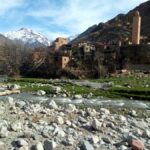
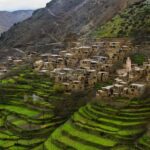
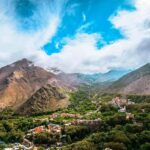
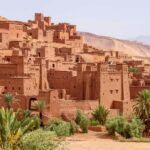
- Berber village scenery all day: valleys, mountain views, and village stops break up the drive.
- Riverside lunch is optional: choose the lunch option if you want it planned; otherwise you can eat elsewhere.
- Bring walking shoes: the waterfall route is moderate and you’ll walk more than you think.
A few more Marrakesh tours and experiences worth a look
Leaving Marrakech: the drive that sets the mood
This trip runs about 7–8 hours, and it starts with pickup from your Marrakech riad or the closest car-accessible point. From there, you’re in a modern air-conditioned van heading toward the Atlas Mountains—early enough that you get a calmer start than you’d usually manage on your own.
The first big stop happens around the mountains, roughly after a short stretch of driving. You’ll get a break with some photo stops and a little free time (about 15 minutes). This is where I like to get my bearings: the scenery starts changing quickly, and it helps to take a few minutes so the later valley and waterfall views feel earned rather than rushed.
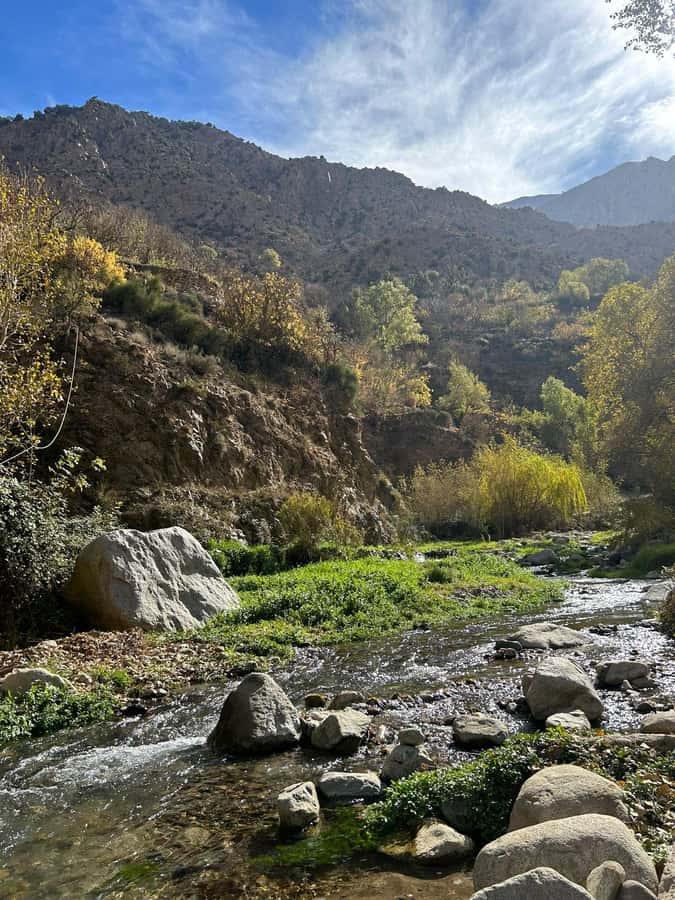
Then the van keeps moving into the Ourika side of the Atlas. Expect more photo opportunities and short breaks. This isn’t a straight-through bus ride; it’s designed like a scenic route with stops, which is a big reason it works as a day trip.
Argan oil at a women’s cooperative: practical and worth it
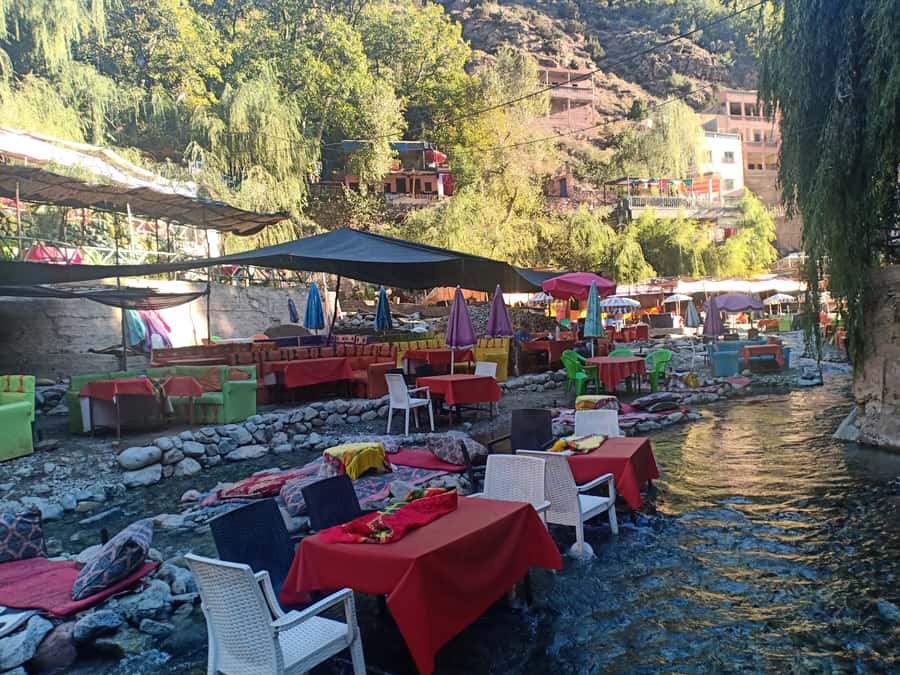
One of the most meaningful stops on this tour is the women’s argan oil cooperative. The point isn’t only shopping. You’re there to see how argan oil production works through traditional methods, and it’s framed as a women-led workplace in the valley region.
Here’s what I’d watch for: if you’re hoping for a relaxed, cultural stop, give yourself permission to move slowly and ask simple questions—How do they process the nuts? What tools do they use? What’s the typical product line? When you do that, the stop becomes more than a quick photo moment.
There’s also a downside to know about: at least one review mentioned that argan products were promoted in a way that felt pushy. That doesn’t mean it will happen every time, but it’s a fair reminder that cooperative visits often mix learning with sales. If you don’t want to buy, be polite and clear, then focus on the explanation.
Ourika Valley time: tea breaks, market browsing, and Berber village life
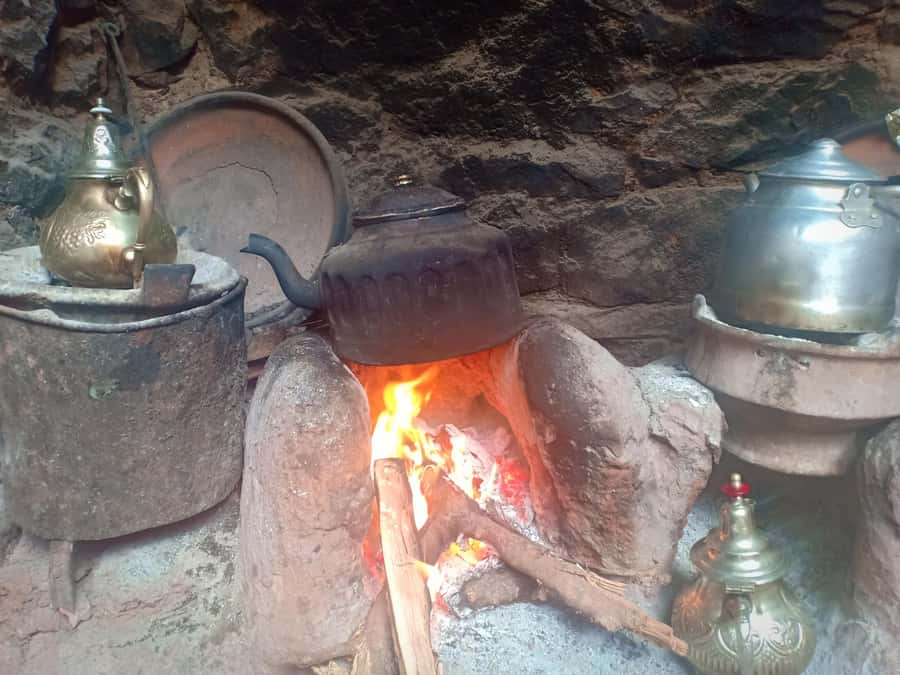
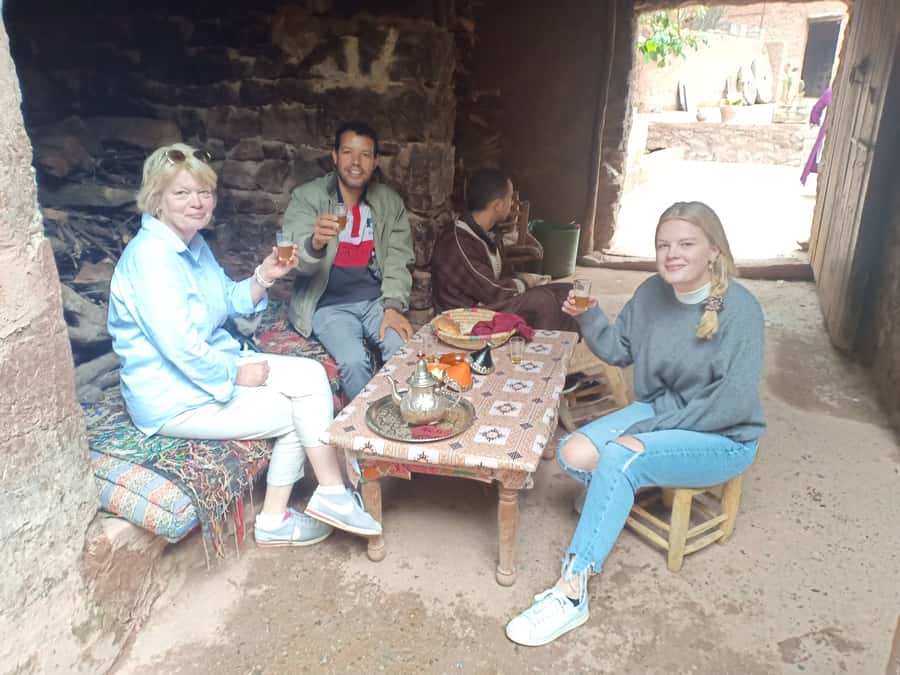
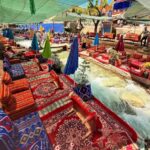
Once you enter the Ourika Valley area, the day shifts into valley rhythm. You’ll have another break with photo opportunities and then a tea moment. There’s also time for shopping (about 30 minutes). This part is useful even if you don’t plan to buy anything, because it’s where you can compare what you’re seeing to what you might already know about Moroccan crafts and valley life.
In practical terms, this is also when you’ll start building a mental map:
- the valley shape (how water and homes relate)
- the road bends (why you keep seeing different angles from the van)
- the mix of small village stops and wider river views
A common reason people rate this tour highly is the combination of scenery and everyday life. You’re not just passing through postcard views—you’re seeing mountain communities as communities, not museum props.
One more practical point: you’ll likely feel some pressure to keep up, because the schedule keeps flowing. If you like wandering, tell your driver you want extra minutes at specific spots, especially during tea or shopping time.
Setti Fadma waterfalls: the highlight walk and how to handle it
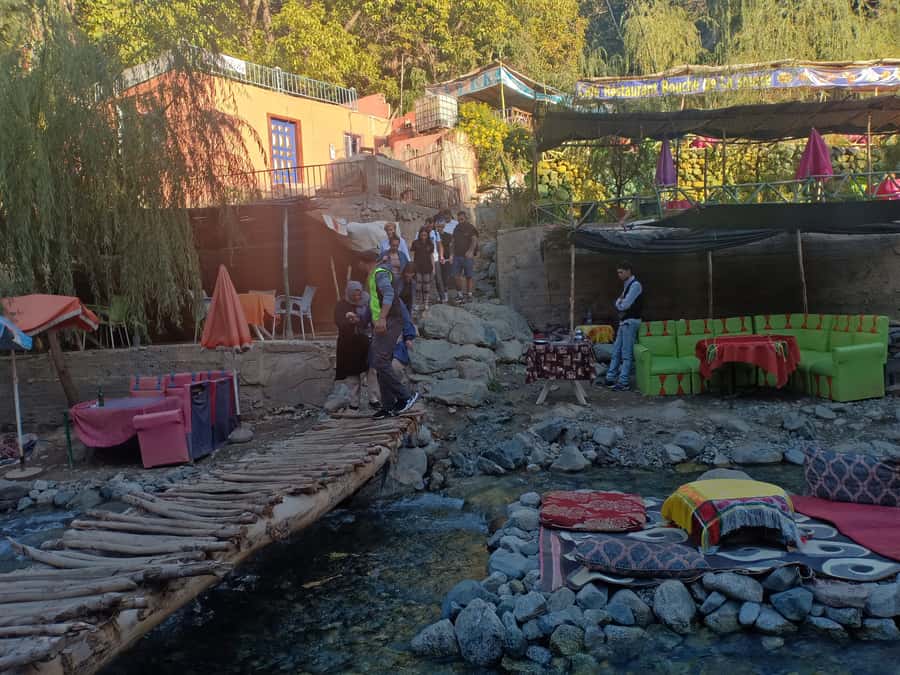
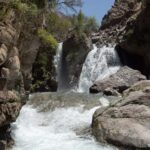
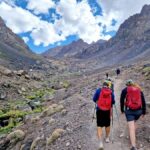
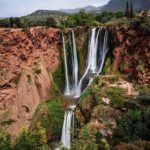
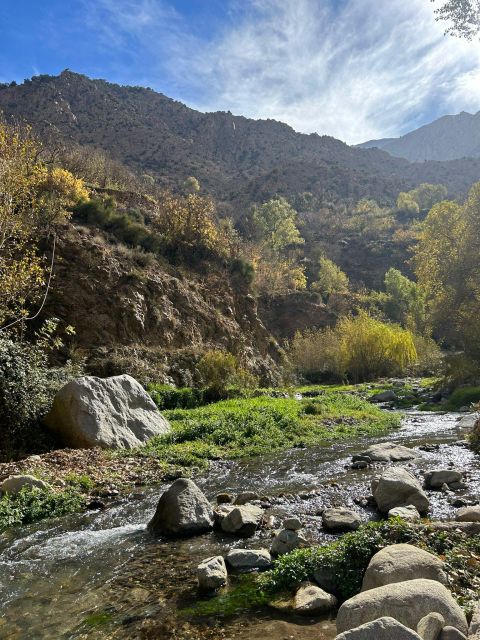
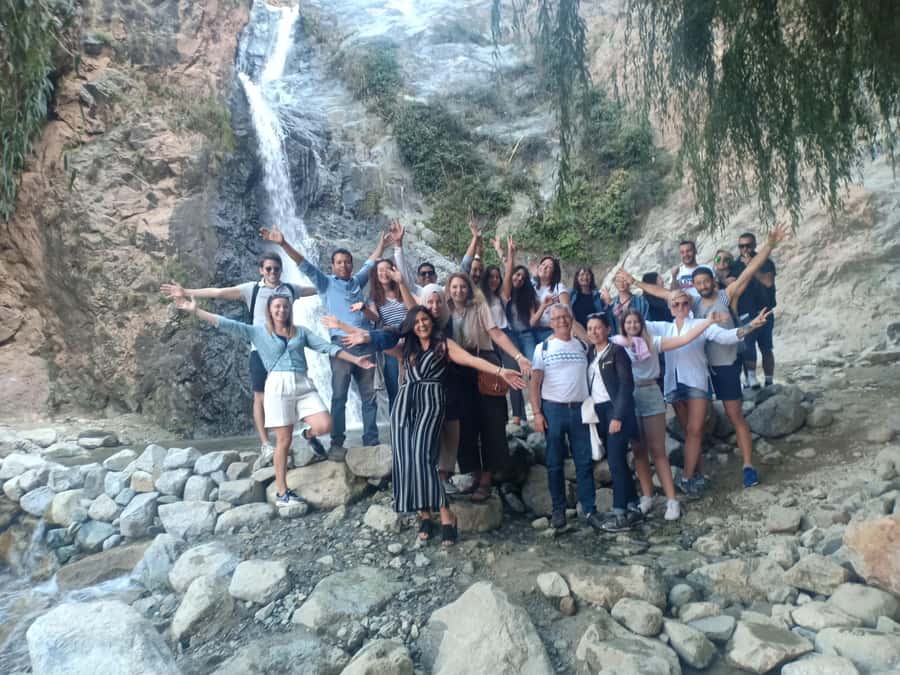
The heart of the day arrives near Setti Fadma, where you’ll get a photo stop and a guided component, plus free time and a walk (about 80 minutes). This is the point where the Atlas Mountains go from impressive scenery to a physical experience.
The walk is described as moderate, and the tour specifically warns it isn’t suitable for limited mobility, wheelchair users, or pregnant travelers. That’s not just “for safety”—it’s because you’ll be on a trail where your footing matters and where the route involves enough climbing/uneven ground to feel real.
What I’d do to make this part enjoyable:
- Wear comfortable shoes with grip (not just clean sneakers).
- Bring sunscreen and a hat. The valley can still feel strong under sun.
- Start the walk with a steady pace. Most stress comes from trying to rush to beat other groups.
If the weather in Marrakech is hot, the mountains may still feel cooler, but you’ll still work up a sweat on the move. I’d treat water like a must-have even if you’re getting breaks—this tour advises you to bring drinking water, especially in warmer months.
As for the “guided” part: there’s a local guide fee (2 EUR per person) listed as not included. That’s your cue that the waterfall walk may include an optional or semi-required guide structure. If you want guidance, the paid local guide makes sense for finding the best route. If you want independence, ask what’s included in the guide moment and how closely you need to follow.
In reviews, the waterfall area gets called out as a true highlight, and drivers/locals described as careful and attentive—especially when children or older visitors were in the group.

Lunch by the Ourika River: great when planned, optional for control
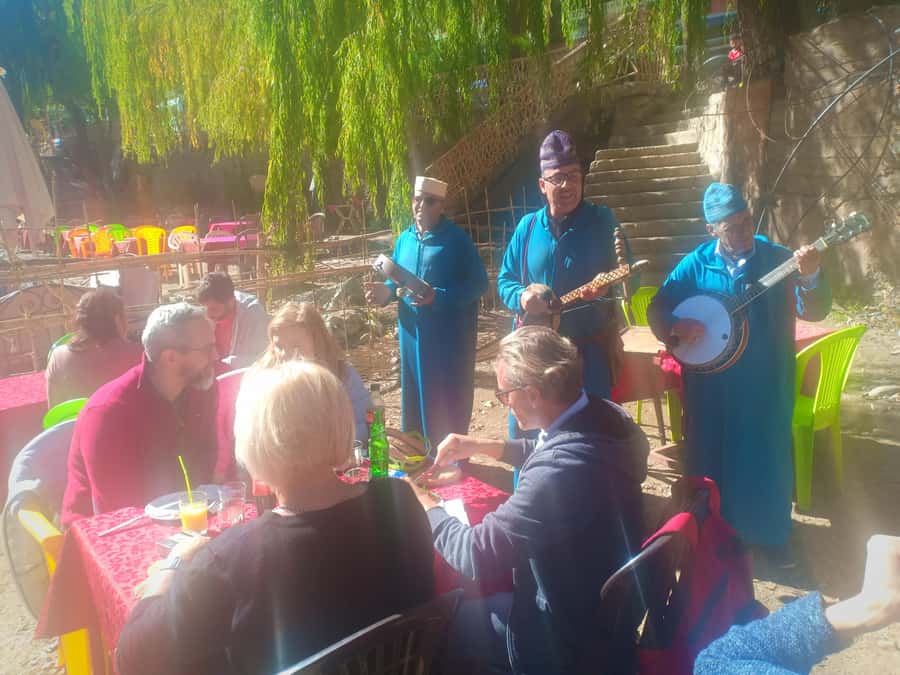
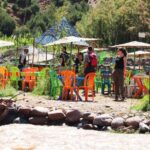
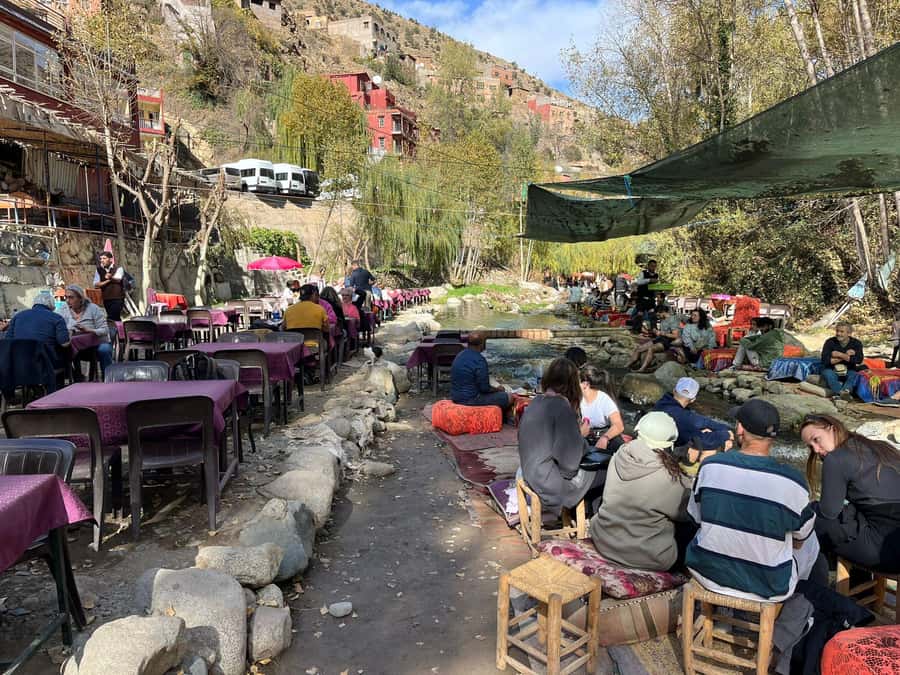
If you selected the lunch option, you’ll eat at a riverside restaurant during the Ourika River portion of the day. The setting is part of the appeal: you’re eating outdoors with the valley atmosphere around you instead of a hurried meal somewhere generic.
The example menu gives you a good idea of what to expect:
- Moroccan salad (tomato, cucumber, onion)
- Tagine (chicken or beef with vegetables), with a vegetarian option on request
- Moroccan bread
- Seasonal fruit dessert
- Drinks typically not included (and water/soft drinks are paid separately)
One review praised the lunch as tasty and enjoyable in a beautiful setting. At the same time, another review suggested skipping the restaurant option because the group felt routed into a place that didn’t feel ideal, and the meal experience may limit your choice.
So here’s my practical take: if you want zero decisions and a known stop built into the schedule, choose the lunch option. If you like flexibility and have a strong preference for a specific kind of food or pricing, you might be happier skipping the included lunch and eating on your own during free time.
Either way, plan for it being a valley day, not a refined dining night.
Price and value: why $11 can still make sense
At about $11 per person, this is priced like a serious bargain for a full day with pickup, air-conditioned transport, multiple stops, and a cooperative visit. The value comes from the “logistics solved” part: getting from Marrakech into the Atlas and back the same day is the hard part for most people traveling solo.
But the price is also a clue to what you should double-check:
- Drinks are not included, and water/soft drinks are paid separately.
- If you want a local guide during the waterfall portion, there’s a 2 EUR per person local guide cost noted as not included.
- Lunch is only included if you select that option.
Add those up and the total experience cost still stays reasonable for most budgets, but you won’t pay only the headline $11.
Group size and comfort aren’t spelled out in the details here, but the trip is built around a van format and timed stops, so it will feel like a guided day rather than a fully private car with total freedom.
Driver and guide quality: how to read the human factor
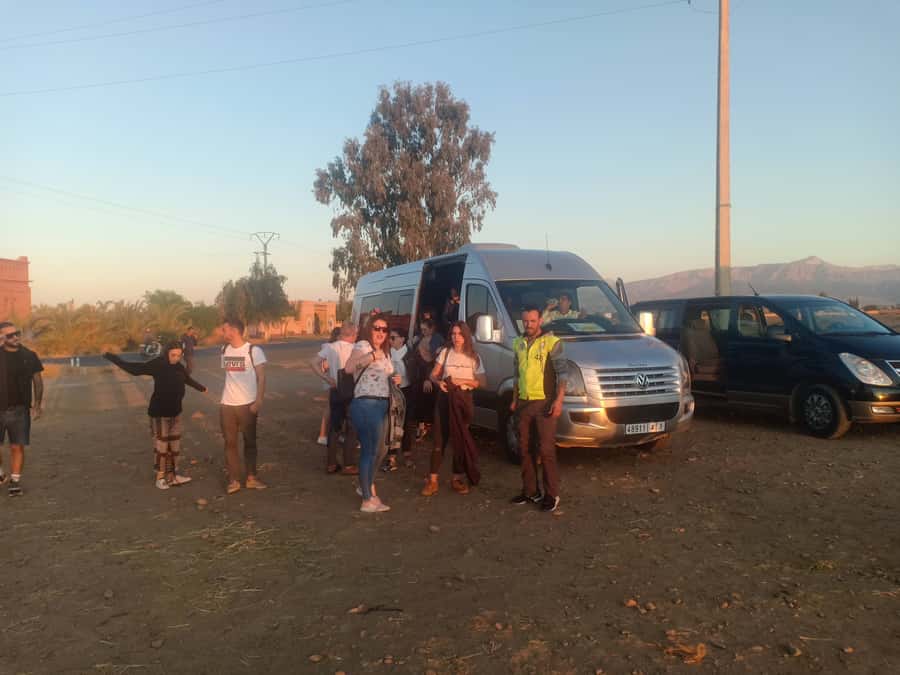
This is one of those tours where the driver matters more than you’d expect. The best experiences in the reviews share themes: safe driving, flexibility with start times, and a guide/driver who keeps things smooth without feeling pushy.
Names that came up with very positive impressions include:
- Youssef Izm (flexible start time, careful trekking with children)
- Omar (energetic, helpful, keeps everyone happy)
- Hassan (kind, English described as perfect, professional but unobtrusive)
- Jawad (kind, funny, thoughtful)
- Oussama (attentive, punctual, and praised for giving time without rushing)
- Hamza (safe and friendly)
- Abdul (careful pace and support for an older mom)
There’s also a caution from one review: a mention of driver distraction while driving. You can’t control who you get, but you can protect yourself by paying attention to how your driver behaves during the trip. If something feels off, you can ask your local contact how things are handled—but don’t assume every day is the same.
Who should book this day trip (and who should skip it)
This tour fits best if you want:
- a classic Atlas Mountains day trip from Marrakech
- a mix of scenic stops and a real walk at the waterfalls
- Berber village viewpoints without planning every detail yourself
- a structured cooperative stop to learn about argan oil production
You should also know who it’s not for. The tour notes it isn’t suitable for pregnant women, wheelchair users, or people with mobility impairments because of moderate walking and trail conditions.
If you’re traveling with older parents or kids, you’ll want to assess the group’s comfort with walking and elevation. Reviews include stories of drivers taking extra care during trekking, which is a good sign, but the day is still built around movement.
Should you book the Ourika Valley, Berber villages, Atlas Mountains + Lunch trip?
If you want an easy win—transport, the big sights, and a waterfall walk included in one day—this is an excellent choice. The combination of Ourika Valley views, Setti Fadma waterfalls area, and the women’s argan cooperative makes the day feel grounded in place, not just a checklist.
I’d book it especially if:
- you’re short on time in Marrakech and want a full change of scenery
- you like guided structure but still want moments of free time
- you’re okay paying small extras locally (like the guide fee) and for drinks
I’d think twice if:
- you hate shopping stops or dislike cooperative sales pressure
- you want full independence (the schedule and guided waterfall component can feel limiting)
- your group needs a very low-walking day
Bottom line: for most people, this is a strong value day trip with a clear highlight. Go in with good shoes, a bit of patience for time-boxed stops, and you’ll come back with Atlas Mountains memories that are more than just photos.
FAQ
How long is the Ourika Valley day trip?
It lasts about 7–8 hours.
Where does pickup happen in Marrakech?
Pickup is from your riad or from the closest accessible spot by car.
What transport is included?
You travel by a modern, air-conditioned vehicle, with an English or French speaking driver (also listed: Arabic).
What does the tour include besides transport?
It includes a visit to a women’s argan oil cooperative. If you choose the lunch option, lunch at a riverside restaurant is included.
Is lunch always included?
No. Lunch is included only if you select the lunch option.
Are drinks included with lunch?
No. Drinks and beverages are usually not included and are paid separately (water and soft drinks are mentioned as paid separately).
How much walking is involved at Setti Fadma?
You’ll have a walk of about 80 minutes as part of the Setti Fadma segment.
Is a local guide fee required at the waterfall area?
A local guide is listed as not included with a cost of 2 EUR per person.
What should I bring for the day?
Bring comfortable shoes, sunglasses, a sun hat, sunscreen, and drinking water.
Who should avoid this tour?
It isn’t suitable for wheelchair users, pregnant women, or people with mobility impairments. Smoking is also not allowed in the vehicle.