REVIEW · MARRAKESH
Ourika Valley Waterfalls Day Trip From Marrakech
Book on GetYourGuide →Operated by Moroccouniquetours · Bookable on GetYourGuide
One road, seven waterfalls, and cool river air. This Ourika Valley day trip is a solid escape from Marrakech heat, trading souks for mountain views and a real hike. You get big scenery, plus people and crafts you can actually talk to, not just point at.
I especially love the Berber/Amazigh village stop in Setti Fatma. It’s where the day turns from pretty photos into everyday life—home visits, friendly conversation, and clear explanations of local living.
The other highlight for me is the argan oil cooperative visit. You learn how the oil is made and what goes into the products, and you’re not forced into shopping. The main drawback to plan around is that lunch and drinks aren’t included, and the day includes walking on a trail to reach the falls.
In This Review
- Key Highlights at a Glance
- The Atlas Mountains Drive: Faster Than You Think, Pretty the Whole Way
- Ourika Valley and the River Mood Shift: From City Noise to Water Sound
- The Waterfall Hike to Setti Fatma: Seven Falls, With Routes That Match Your Pace
- Setti Fatma Village and the Amazigh Home Visit: Where Culture Feels Real
- Argan Oil Cooperative Visit: Learn the Process Before You Shop
- Timing, Group Size, and Comfort: Why the $21 Price Usually Works
- Who This Tour Fits Best (and Who Might Want a Different Plan)
- Practical Tips So You Don’t Waste the Day
- Should You Book This Ourika Valley Waterfalls Day Trip?
- FAQ
- What is the price of the Ourika Valley waterfalls day trip from Marrakech?
- What’s included in the trip?
- Are lunch and drinks included?
- How do I prepare if I’m staying in the old city of Marrakech?
- What should I bring with me?
- Is this trip suitable for hearing-impaired travelers?
Key Highlights at a Glance
- Atlas Mountains drive with real photo stops that break up the ride
- Setti Fatma village + local home visit for an on-the-ground Amazigh look
- Waterfall hiking with a manageable pace (about 30 minutes up and 30 minutes down for one common route)
- Guided visits to multiple viewing points where you may see several falls from the main trail and summit
- Women’s argan oil cooperative tour plus time to ask questions before buying
- Comfortable, AC van transport with pickup and drop-off
The Atlas Mountains Drive: Faster Than You Think, Pretty the Whole Way
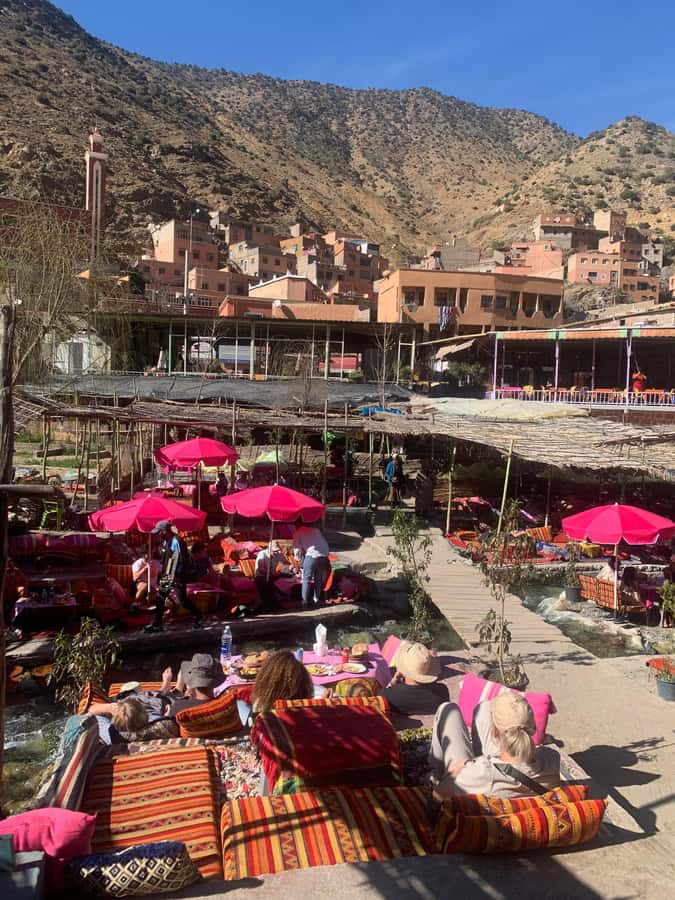
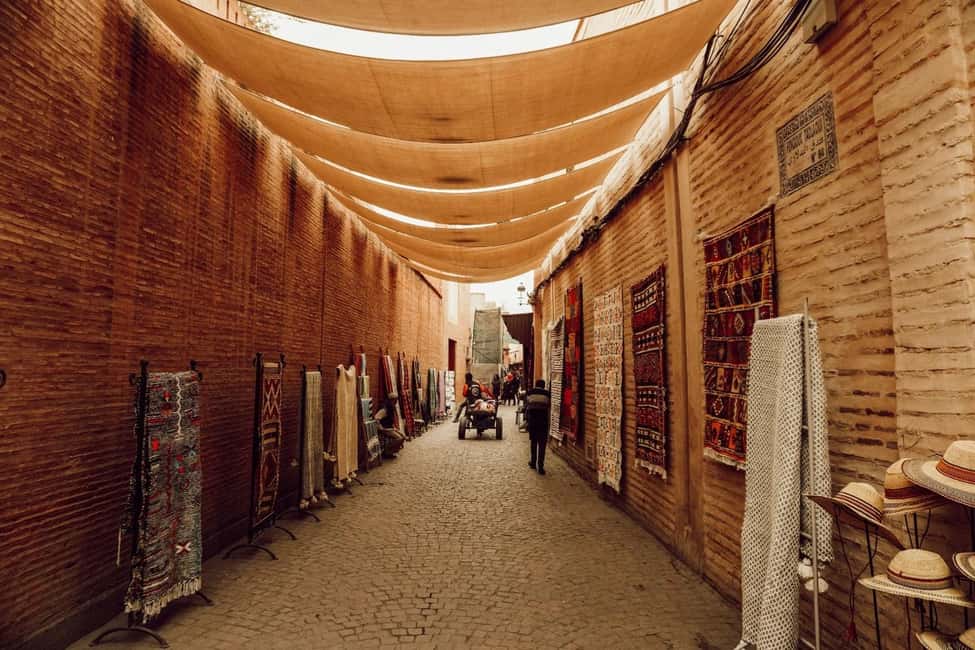
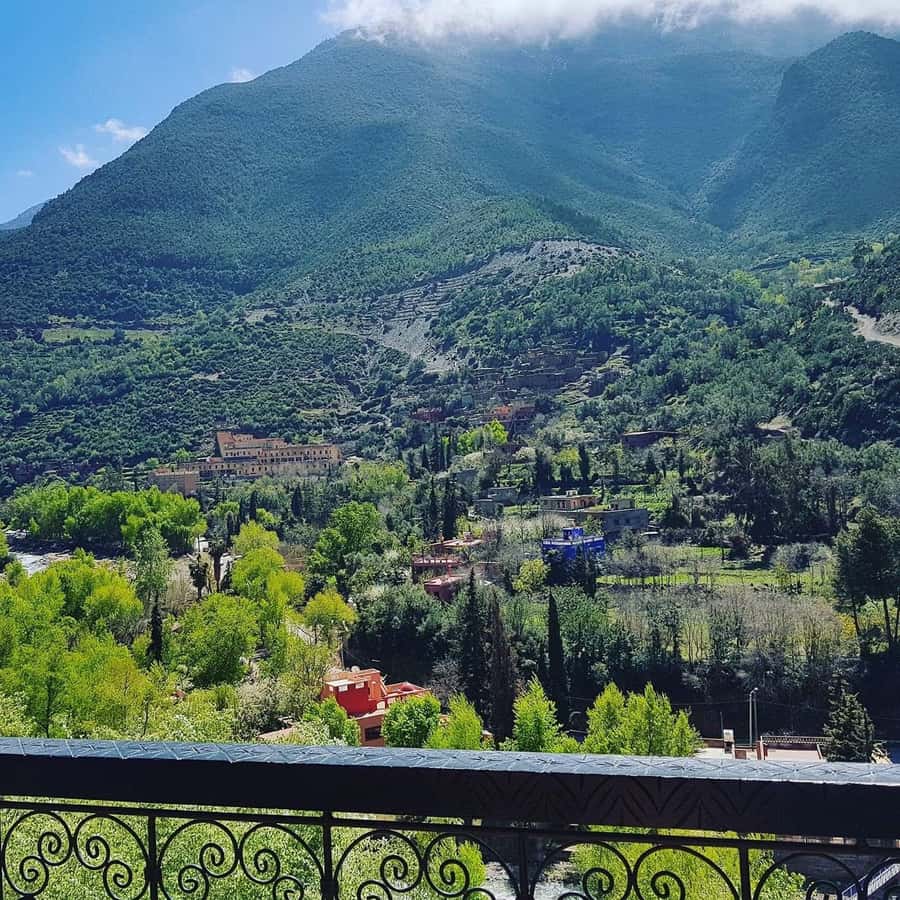
This day trip starts with an air-conditioned van ride out of Marrakech, heading toward the Atlas Mountains. The drive is part of the experience, not just a transfer. You’re typically picked up and dropped back off, which matters in Morocco when city navigation can turn into a slow puzzle.
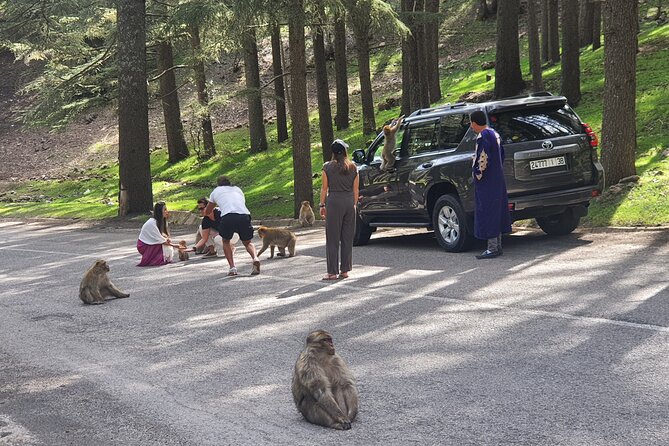
Along the way, the schedule usually includes a quick break for photos at a mountain viewpoint. In at least a few runs, guides/driver teams like Hicham were prompt and made that stop feel painless rather than rushed. The roads are winding, so if you’re prone to motion sickness, consider taking it easy and bringing what you need—this route climbs and curves.
Also, plan your expectations for the valley timing. If you head out early, you’re more likely to enjoy the trail with less crowd pressure when you start walking. If you start later, you may find the popular stretches get busier while you’re returning down.
A few more Marrakesh tours and experiences worth a look

Ourika Valley and the River Mood Shift: From City Noise to Water Sound
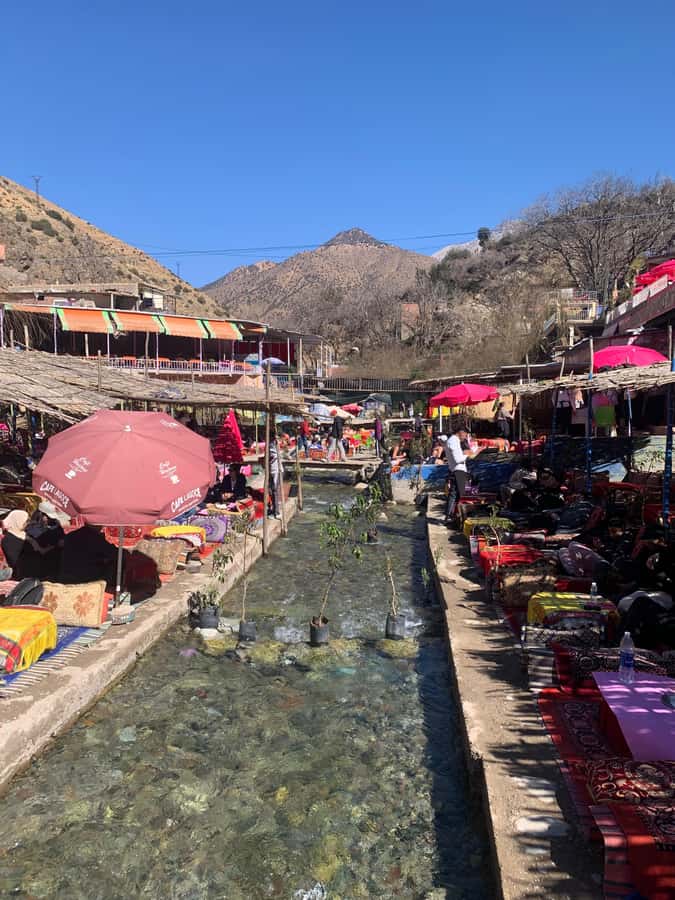
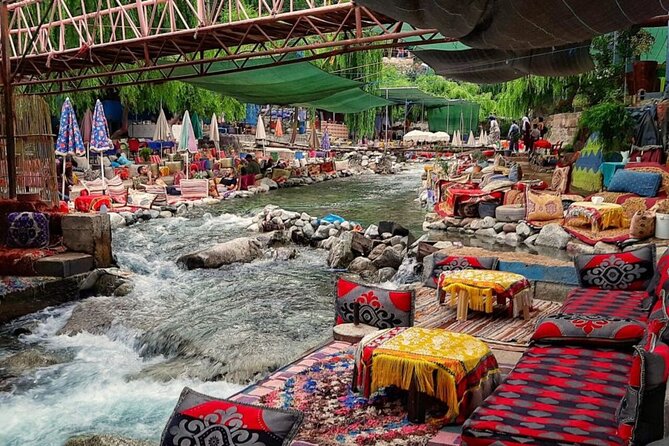
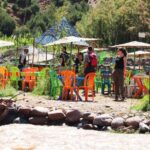
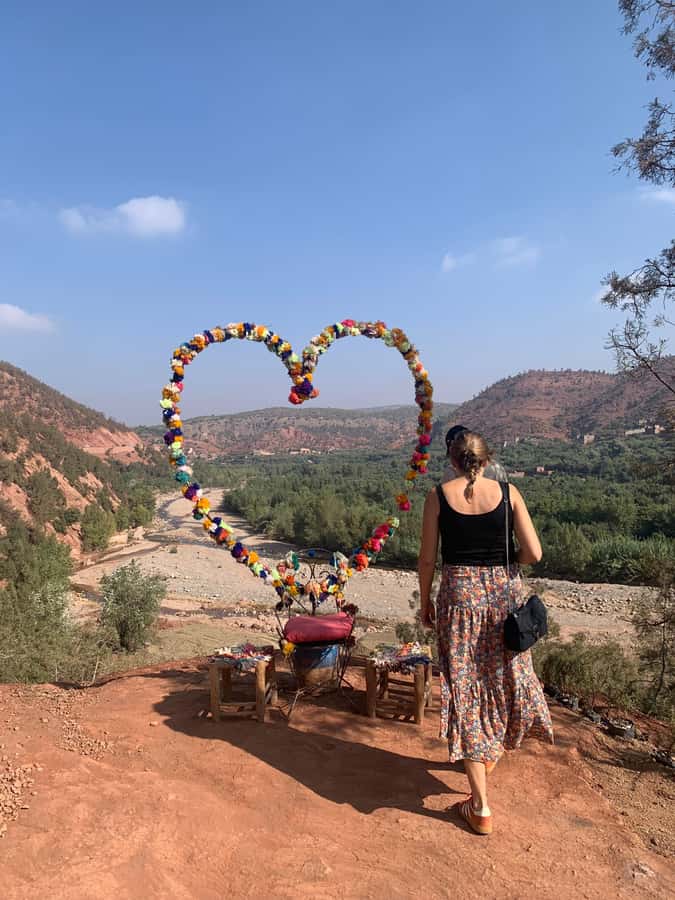
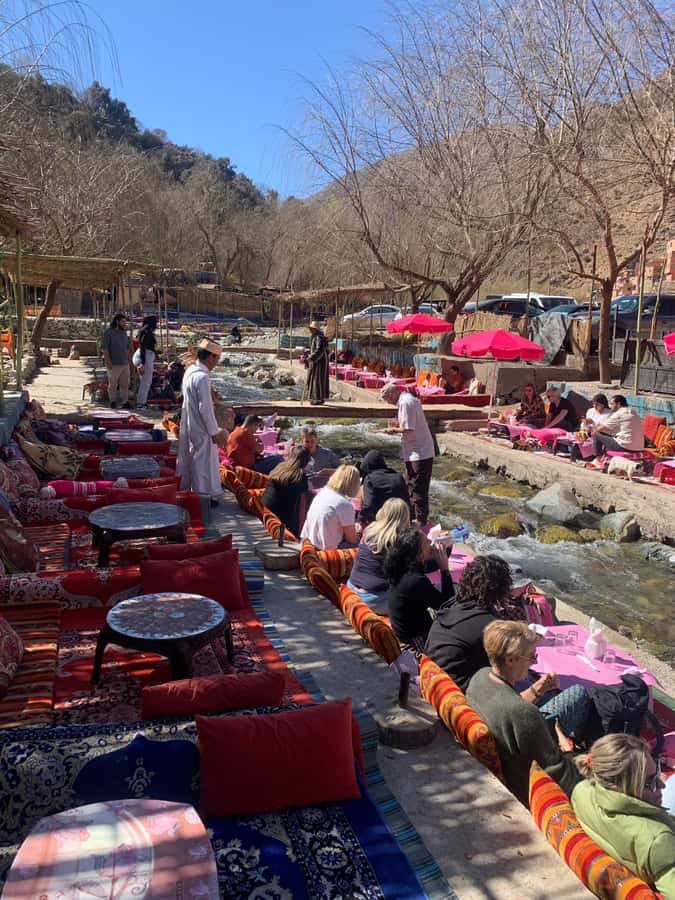
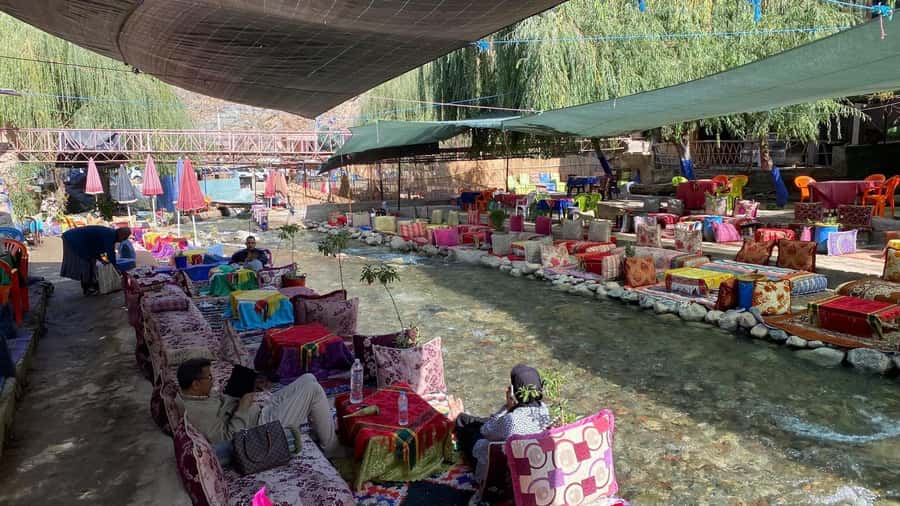
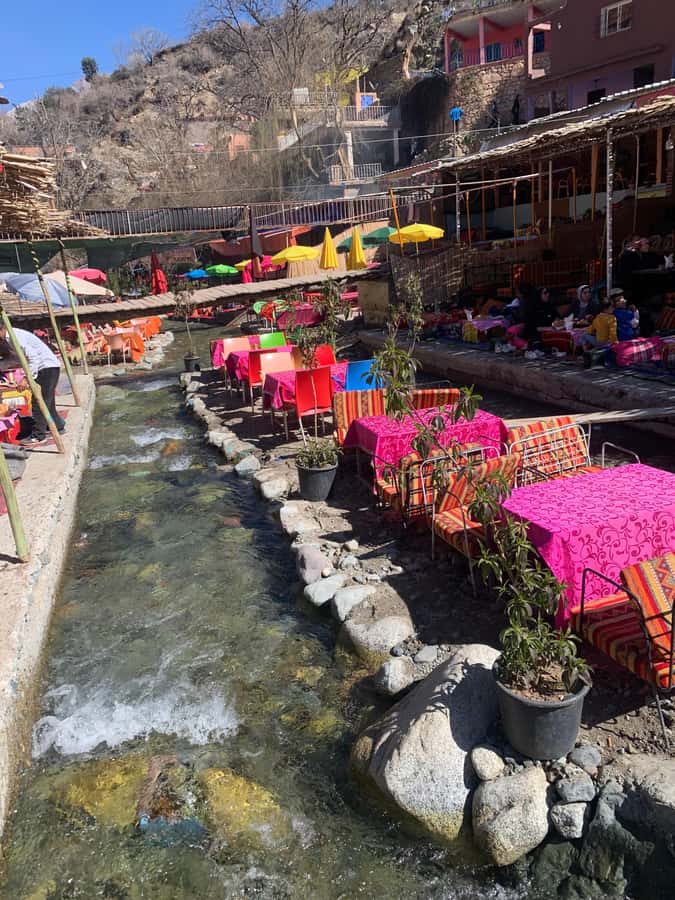
Once you reach the Ourika Valley area near Setti Fatma, the whole vibe changes fast. The Ourika River cuts through the valley, and even a short look at the water does a lot for your mood. In summer, that cool river pull is real—people often end up lingering near the water, and it’s easy to see why.
The riverbanks are a good place to slow down, take photos, and catch your breath before the hike. This is also where your guide’s role matters: you’ll get guidance on where to go, what to expect, and how to keep the day comfortable for different ages and walking levels. That flexibility is one reason families rate this trip highly.
If you’re a photographer, bring a camera that handles changing light well. The valley has bright highlights and shaded spots under the rocks and trees. And since the day is outdoors, keep an eye on your water and hat—shade can be limited along some trail sections.
The Waterfall Hike to Setti Fatma: Seven Falls, With Routes That Match Your Pace
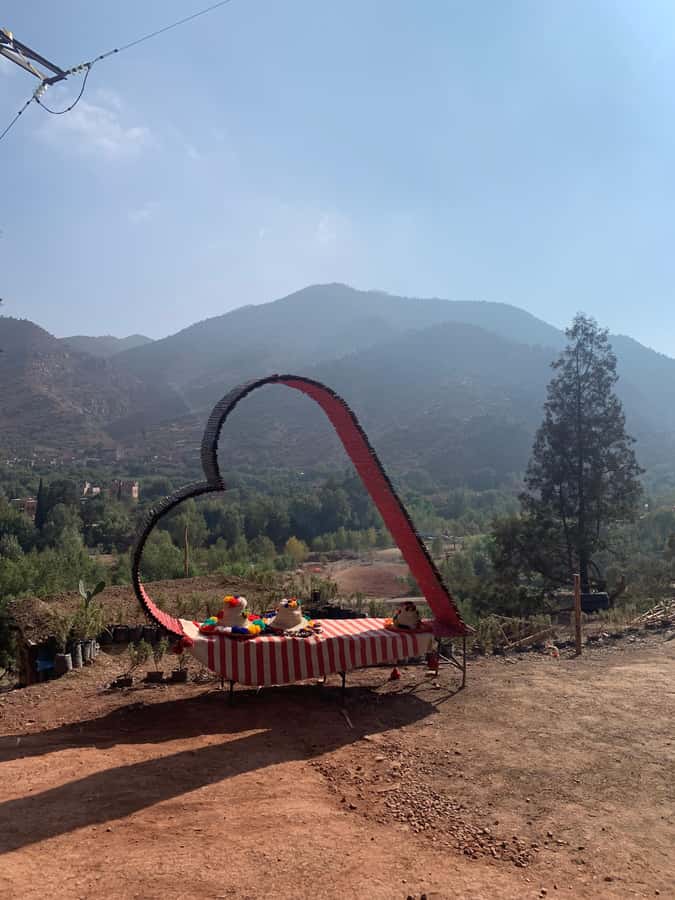
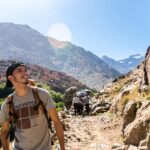
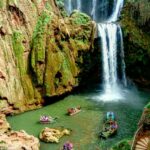
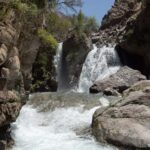
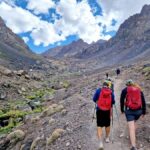
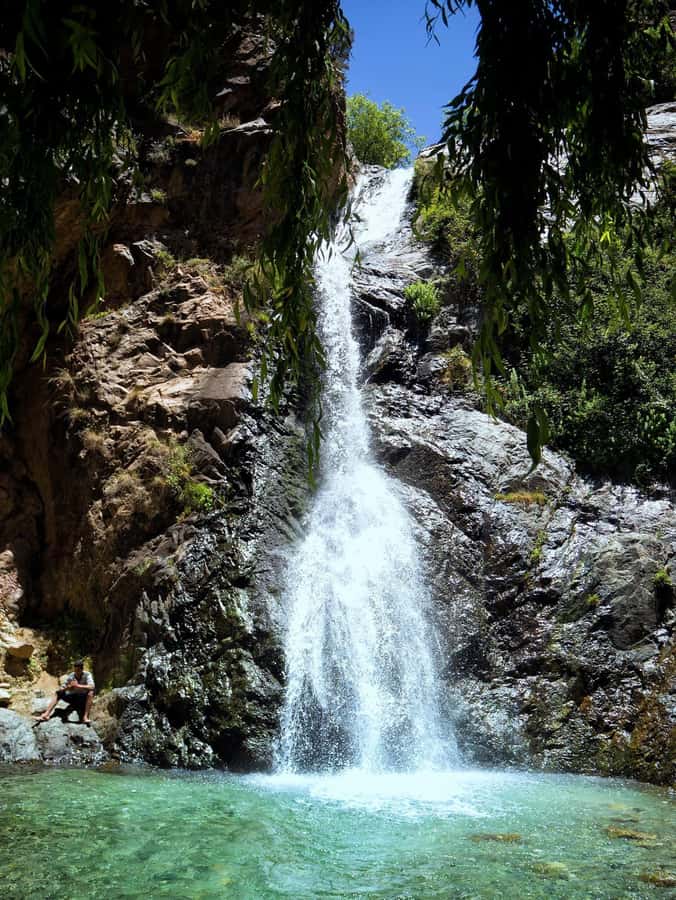
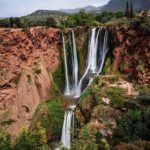
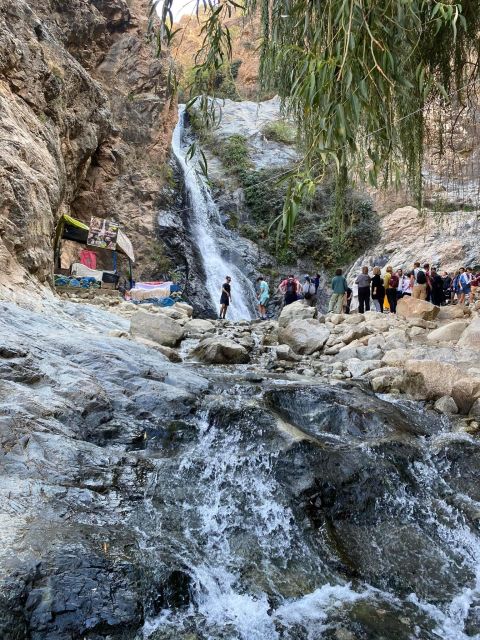
The headline is hiking to a series of seven waterfalls. In practical terms, the valley trail can be done at different levels depending on how long you want to walk and what your group can manage. One commonly described pacing is roughly 30 minutes up and 30 minutes down, which makes the hike feel doable for many people—especially with a guide setting expectations.
A typical flow goes like this:
- You walk from the village area toward the main waterfall.
- Then you continue to additional viewpoints, with options to reach a summit-style perspective where you can see several falls.
In one example, the route focused on seeing multiple falls as you moved from the main waterfall to higher points, with guides helping the group keep moving without turning it into a suffer-fest. You’ll also likely get a few breaks along the way for photos and regrouping.
What to consider:
- This is still a trail. It can be uneven and slippery in spots, especially near the water.
- If you’re traveling with kids or anyone who prefers shorter efforts, you may want to focus on a smaller portion of the route rather than trying to “race” to every possible viewpoint.
If you’re worried about stamina, you’ll likely appreciate that guides can adjust the pace. People have shared stories about guides helping with kids during the hike, which tells you the trip isn’t only for fit hikers.
Setti Fatma Village and the Amazigh Home Visit: Where Culture Feels Real
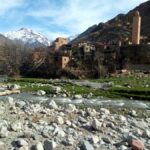
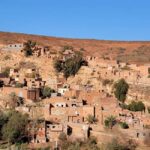
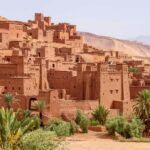
The cultural part here isn’t a staged stop where you stand, clap, and move on. You visit a traditional Berber/Amazigh village area in the valley and get time to walk around and interact with locals.
In a few outings, guides such as Syed and Said were praised for being patient and attentive, especially with small groups. That patience matters because village visits aren’t just sightseeing. They’re conversations—questions, greetings, and learning how people structure daily life in a mountain setting.
You may also see a traditional Amazigh home during the visit. That’s a meaningful addition because it connects the story to a place you can visually understand. Some groups also include a women’s-focused angle during the argan visit later, so the day hits both the home-and-craft side of Amazigh life.
A helpful note: your guide should make clear where it’s okay to take photos and how to behave respectfully. If you want to connect with locals, it helps to keep your questions simple: family life, work in the valley, and what locals do with seasonal changes.
Argan Oil Cooperative Visit: Learn the Process Before You Shop
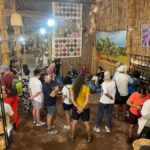
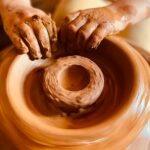
The argan oil cooperative stop is one of the smartest parts of the itinerary because it’s educational. You don’t just see products on a shelf—you learn how argan oil is produced and why it’s valued.
This is where you’ll likely notice a difference between “tourist shopping” and learning-based buying. In the better experiences, guides point out what’s happening at each stage and explain how the cooperative operates. People have specifically mentioned visits to a women’s argan oil cooperative, plus time to tour the workspace and ask questions.
You might also hear practical details about products and uses. One traveler shared that they bought an all-natural cream for psoriasis, which gives you an idea of the types of items people associate with argan-based products. Still, keep expectations realistic: the cooperative is educational, not a medical clinic.
What I like here is that there’s often no pressure to buy from the stalls along the way. That makes the visit feel less transactional, and it keeps you in control.
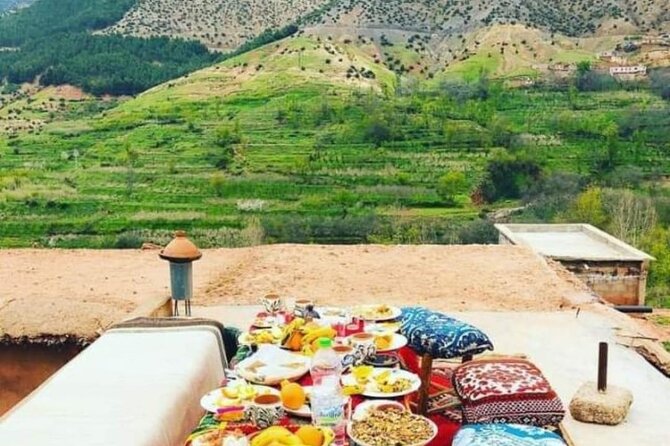
Bring cash if you want to buy anything. It’s also wise to set a rough budget before you arrive—many meals and small purchases run in local currency, and you’ll want an easy way to pay without scrambling.


Timing, Group Size, and Comfort: Why the $21 Price Usually Works
This trip runs as a full-day outing and is priced around $21 per person. For that money, you’re getting a full set of basics:
- AC van transport
- Pickup and drop-off
- An English and French speaking guide
- Transport assurance
The value comes from what’s included. Transportation is often the biggest cost on day trips from Marrakech, and it’s handled for you here. You also get guided interpretation, which makes the village and cooperative stops far more useful than wandering on your own.
One detail to plan around: lunch and drinks aren’t included. You’ll need to handle that yourself. Some meals along the way are described around 100–130 dh, so you can estimate a budget without guessing too much. If you don’t want to think about it all day, bring a snack earlier or be ready to pick up lunch once you’re in the valley.
Comfort-wise, the AC van helps, but the hiking part is outdoors. Dress in layers if you’re doing this in shoulder season, and wear shoes with traction. In summer, expect sun and heat in the lower valley and at trail sections with little shade.
Who This Tour Fits Best (and Who Might Want a Different Plan)
This is a good fit if you want a structured day that balances:
- waterfall hiking
- village life
- a hands-on craft stop
It also tends to work well for families, with examples of guides helping kids during the walk. If you’re traveling with kids (or you just don’t want to walk for hours), the trail pacing and regrouping time make it easier.
It’s not suitable for hearing-impaired people, based on what’s provided. If that applies to you, it’s worth looking for a tour that specifically notes accessibility accommodations.
If you’re the type who hates group pacing, you might find the schedule a bit tight. The upside is that the guide tends to help you manage time so you still get the main viewpoints.
Practical Tips So You Don’t Waste the Day
A few small choices can make a big difference on this kind of outing.
- Bring passport or ID, a camera, and cash. Cash matters for meals and any cooperative products you decide to buy.
- If you’re staying in the old city, don’t assume pickup happens right at your door. You’ll meet at the closest famous point. Save yourself stress and confirm where to meet.
- For summer timing, plan for sun exposure. One trip note pointed out that Marrakech evenings can be hot, so if you’re doing this day trip in warmer months, hydrate and pack light protection for the day.
- Expect walking on uneven terrain. Even if the hike feels short for you, the path can still be tiring.
Also, keep your expectations flexible. If the group moves slower or faster than planned, the experience still works because the day includes multiple “value stops” beyond only the hike.
Should You Book This Ourika Valley Waterfalls Day Trip?
I’d book it if you want one organized day that gives you three real parts: mountains + waterfalls, Amazigh village life, and an argan oil cooperative with explanations you can understand. At $21, the deal is strong because transport, guide support, and pickup/drop-off remove the hassle that often ruins self-planned day trips.
Skip it or reconsider if you need lunch and drinks included, if your mobility is limited for trail walking, or if you require hearing accommodations. And if you hate guided group schedules, you might prefer a private plan where you can set your own pace.
If you’re on the fence, here’s my simple rule: if you’re excited by water sound, river air, and a real village visit, this is the kind of day trip that feels worth it once you’re there.
FAQ
What is the price of the Ourika Valley waterfalls day trip from Marrakech?
The price is listed as $21 per person.
What’s included in the trip?
The trip includes an air-conditioned van, an English and French speaking tour guide, pickup and drop-off, and transport assurance.
Are lunch and drinks included?
No. Lunch and drinks are not included, so you’ll need to budget for them during the day.
How do I prepare if I’m staying in the old city of Marrakech?
If your hotel is in the old city, you need to meet the group at the closest famous point to your accommodation.
What should I bring with me?
Bring passport or ID card, a camera, and cash.
Is this trip suitable for hearing-impaired travelers?
No. It is stated as not suitable for hearing-impaired people.