REVIEW · MARRAKESH
Marrakech: Pottery Workshop
Book on GetYourGuide →Operated by Ateliers d'Ailleurs · Bookable on GetYourGuide
Clay and craft in Marrakech.
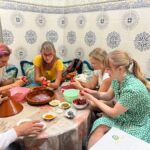
This traditional pottery workshop near Marrakech gives you real hands-on time, not just a look-and-photos stop. You’ll learn the two main shaping methods used in Morocco, including the potter’s wheel, and you’ll also get molding technique practice so you understand how forms change with the method.
I also really like the way the session is paced and explained, from first clay prep to seeing how pieces move through firing and glazing. You’ll get a calming mid-course herbal tea break with Moroccan pastries, and the class is led with a patient, helpful vibe I saw in guide names like Tariq and Wiam. One drawback to note: at $93 for about 4 hours, it can feel a bit pricey if you only want a quick souvenir with minimal instruction.
In This Review
- Key things I’d plan for
- From Jemaa el-Fnaa to the kiln: how the 4-hour session works
- Two ways to shape clay: wheel turning and molding
- What happens inside the workshop: from clay prep to glazing
- The tea break and Moroccan pastries: when you catch your breath
- Your instructor and the private group advantage
- Price and value: is $93 fair for a 4-hour class?
- What to wear and bring so the experience stays fun
- Who this pottery workshop suits best
- Should you book the Marrakech pottery workshop?
- FAQ
- FAQ
- What is the duration of the Marrakech pottery workshop?
- Where do I meet for the workshop?
- What techniques will I learn?
- Is there a break during the class?
- What’s included in the price?
- What languages is the instruction available in?
- Is the group private?
- Can I cancel and can I reserve without paying right away?
Key things I’d plan for
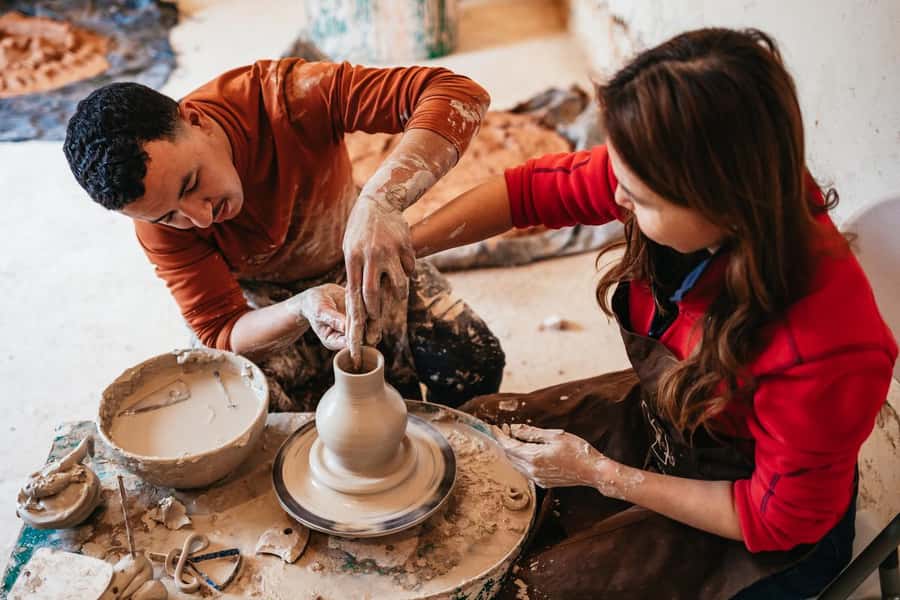
- Two shaping techniques, taught side by side: wheel turning plus molding, so you can compare results.
- You see the full workflow: from clay preparation through firing and glazing.
- Tea break with Moroccan pastries: a real break, not a rushed snack.
- Private group feel with an instructor: English, French, or Arabic support for the craftsman’s guidance.
- You craft your own pottery piece: with plenty of help, plus a surprise at the end.
From Jemaa el-Fnaa to the kiln: how the 4-hour session works
You start in the Medina, meeting at the front of the post office in Jamaa el Fna Square. From there, the workshop runs like a focused mini-class. Expect a total duration of 4 hours, which is long enough to feel your progress without dragging into an all-day excursion.
This is also one of those experiences where location matters. You’re in Marrakech’s real area energy at the start, then you shift to a calmer workshop setting near the city. That change of rhythm helps you pay attention during the hands-on parts, especially when you’re learning how clay behaves.
Timing-wise, check available starting times before you lock in your day. Because it’s a short total window, this pottery workshop is best when it’s the main event on your schedule rather than something you tack onto a packed itinerary.
A few more Marrakesh tours and experiences worth a look

Two ways to shape clay: wheel turning and molding
The heart of this course is learning two shaping techniques. Morocco’s pottery traditions use both wheel turning and molding in common ways, and this class is built around giving you time at each method.
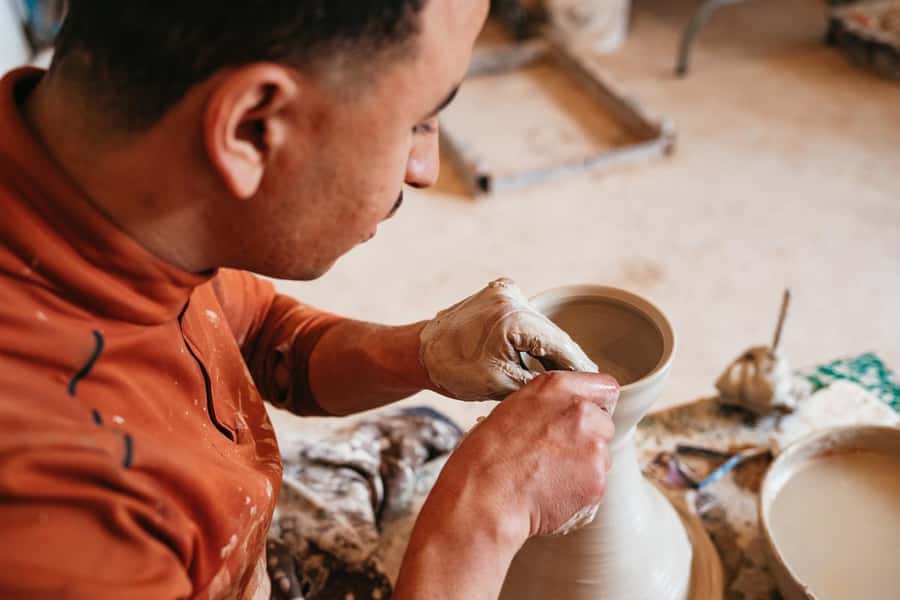
On the wheel, you’ll work with the turning technique to form your piece. The challenge here is control: hand position, pressure, and how your timing matches the wheel’s rotation. When it clicks, it’s genuinely satisfying because you can see your shape come together fast.
Then you switch to molding. Molding is a different kind of problem-solving. Instead of working with continuous rotation, you’re shaping clay more by form and structure, which can help you understand the difference between “freehand shaping” and “constrained shaping.” It also tends to feel more forgiving when you’re new, because the clay is guided toward the end shape.
What I like about this two-method setup is that you stop thinking of pottery as one skill. You start thinking of it as a system of choices: material consistency, tool use, and the shaping method that best fits the item you’re trying to make.
What happens inside the workshop: from clay prep to glazing
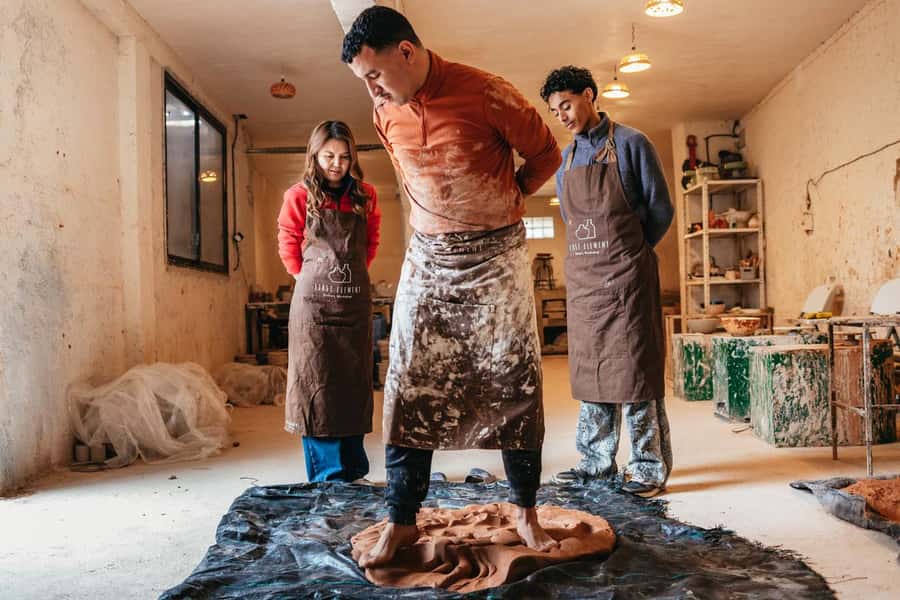
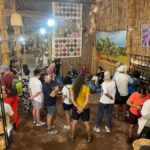
Even if you’re not a clay expert, you’ll get a clear view of how pottery actually gets made. The course is designed to show you workshop organization across the key stages: first clay preparation, shaping, then moving through firing and glazing.
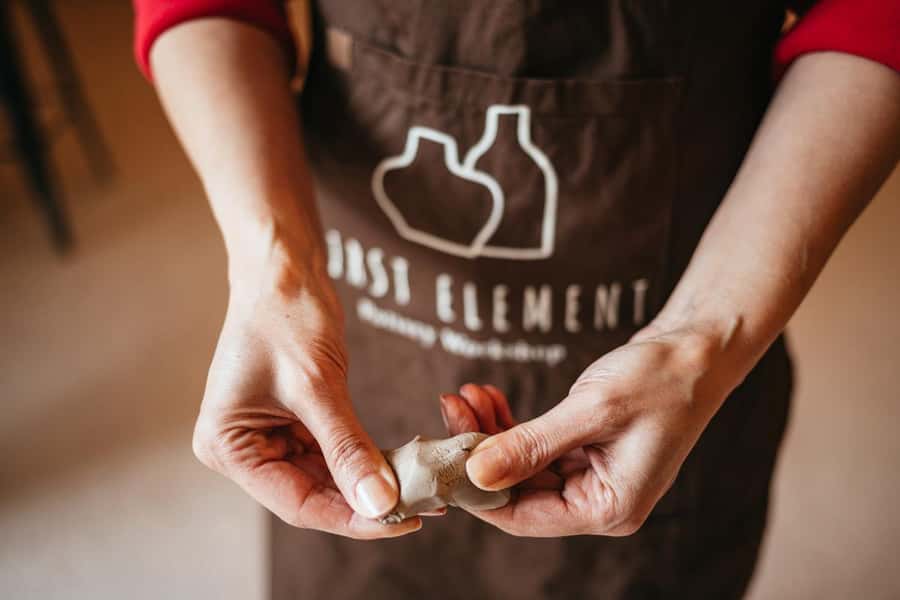
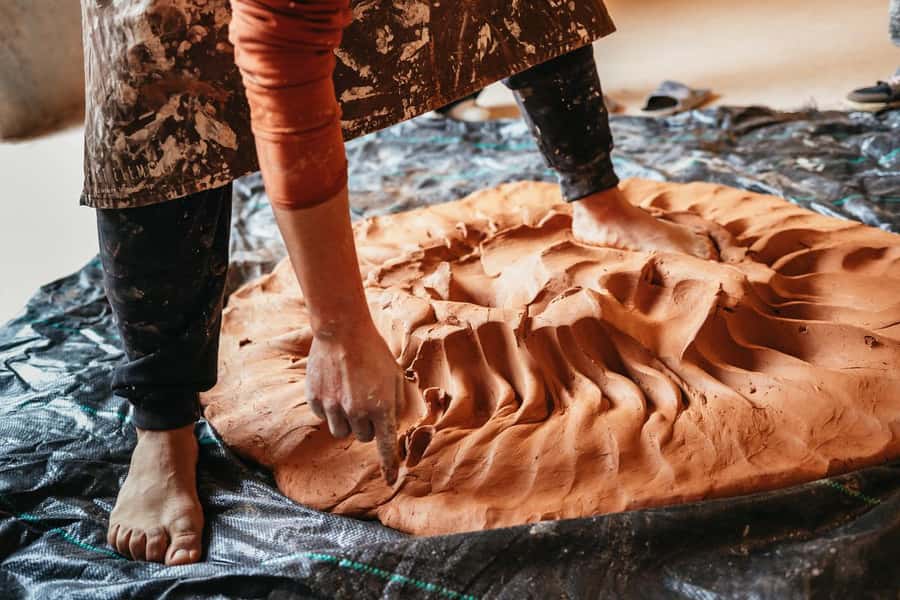
Clay prep matters more than most people expect. If the clay isn’t prepared right, everything after it gets harder—your piece warps, cracks, or won’t hold shape. Since you observe the prep stage, you learn that pottery success starts before you touch the final form.
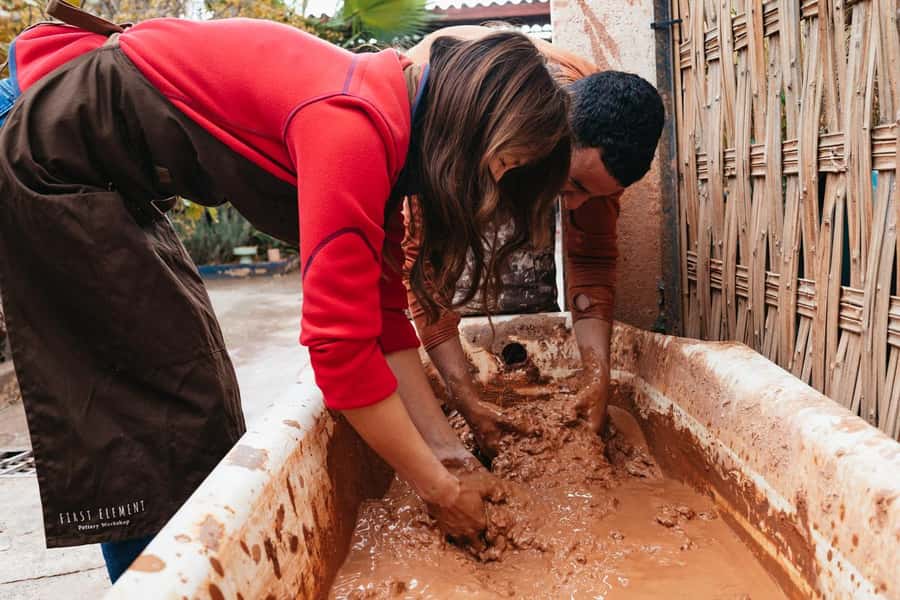
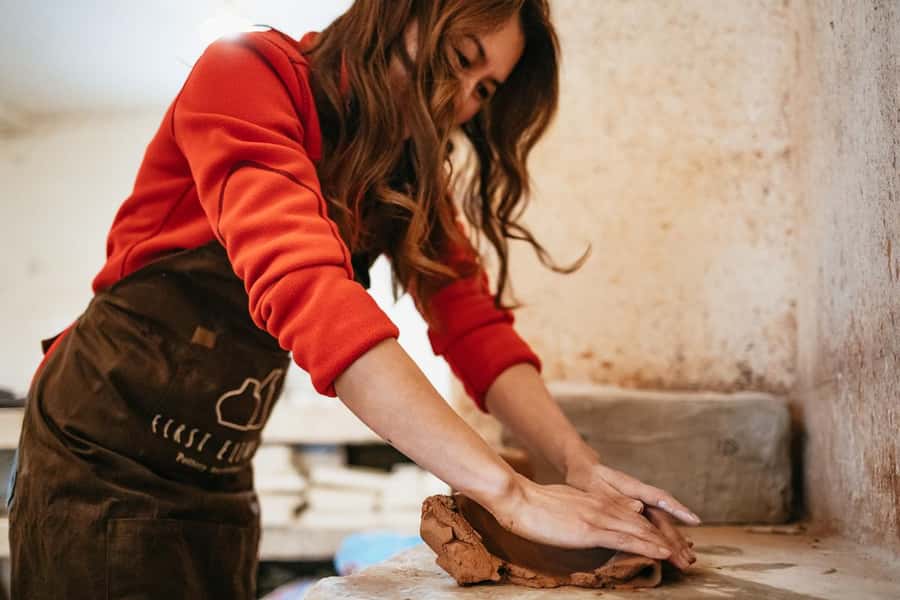
During the shaping portion, you’re not just watching someone else do the work. You’re crafting your own pottery object, with help from an experienced craftsman. That “watch-and-try” rhythm is the difference between leaving with photos and leaving with real understanding.
Then you also see the firing and glazing steps. That’s valuable because it changes how you think about what you made in the moment. You realize your object isn’t finished just because the form is shaped. Firing transforms it, and glazing changes appearance and function. In other words, the workshop teaches you the full craft logic, not just the fun part.
The tea break and Moroccan pastries: when you catch your breath
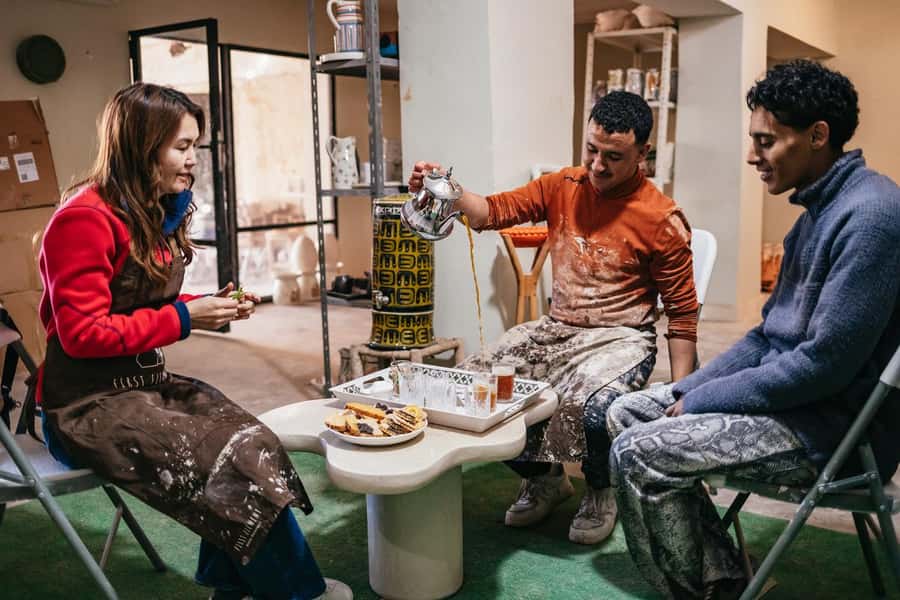
About halfway through, there’s a tea break featuring local herbal tea and Moroccan cakes. This matters more than it sounds. Clay work is tiring in the wrists and hands, and a scheduled pause keeps the session enjoyable instead of sloppy.
It also gives you time to chat with your guide-instructor and the craftsman. In reviews, I noticed strong praise for the friendly, patient teaching style—so the tea break is often when that personality really comes through.
Think of it as part of the class format: you regroup, reset your grip and posture, and come back ready for the next shaping step. You’ll also have water included, so you can stay comfortable without constantly breaking the flow.
Your instructor and the private group advantage
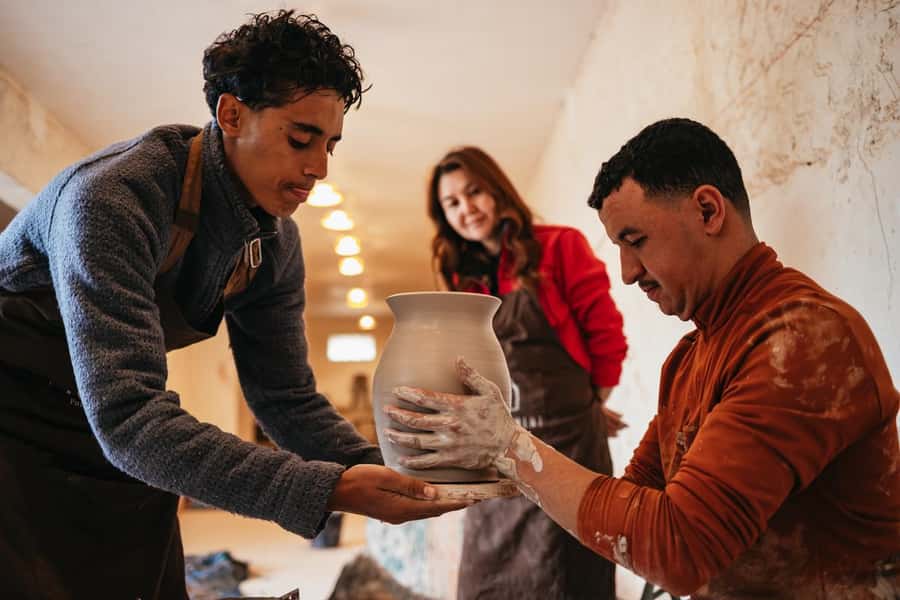
This is a private group experience. That usually means you get more direct attention, fewer long waits, and better chances to fix mistakes immediately. For pottery, that’s a big deal—small changes in pressure or hand placement can make a difference quickly.
The instruction is available in English, French, or Arabic, which helps if you’re not fluent in the local workshop language. Reviews repeatedly point to instructors who manage the session with patience and humor, and names like Tariq and Wiam come up in positive ways. One person even noted Wiam’s smooth English translation for a guided experience, which is exactly what you want when you’re learning by doing.
One practical perk: photographing is included. You’re meant to capture the process and your finished effort, and a private setting typically keeps the experience calmer for taking pictures without feeling rushed.





Price and value: is $93 fair for a 4-hour class?
At $93 per person for 4 hours, you’re paying for more than a quick demo. You’re paying for guided instruction, a full pottery workflow overview (clay prep through firing and glazing), and real hands-on time shaping your own piece.
That said, one review comment pointed out the price can feel a tad high for what you get. I think that’s a fair way to frame it: this class is worth it when you want to learn the craft, not just create something once.
Here’s the value math that works in your favor:
- You get two shaping techniques in one session, so you’re not paying for a single “one-style” activity.
- You get a guided understanding of the whole process, not only the fun hands-on part.
- You receive a tea break, pastries, and water, which keeps the experience comfortable and well-paced.
- It’s private and instructor-led, which generally means you benefit more per hour.
So if you’re the type who learns best by making and being corrected in real time, $93 feels more reasonable. If you’re only chasing a souvenir and already know you won’t care about technique, you might feel the cost more.
What to wear and bring so the experience stays fun
The main rule: wear comfortable clothes and shoes. You’ll get messy. Clay can be stubborn, and you don’t want to worry about ruining the outfit you wore to dinner the night before.
Shoes matter because workshops can be uneven and you’ll likely stand for extended stretches while shaping. Choose closed-toe footwear you don’t mind getting dusty.
Also plan to bring your camera or phone if you want to keep those teaching moments. Since photographing is included, you’re set—but having your own device makes it easy to capture the hands-on stages, tools, and your progress.
Who this pottery workshop suits best
This experience is ideal if you:
- want a hands-on craft with real instruction, not just a sightseeing stop
- enjoy learning technique and understanding why materials behave the way they do
- like cultural activities where you see how everyday artisan skills work
- value a private group feel with language support
If you’re traveling with limited patience for structured classes, or you only want a short photo-op, pottery may feel too “process-heavy” for your style. But if you like doing, experimenting, and leaving with something you made through guidance, you’ll likely feel satisfied.
Should you book the Marrakech pottery workshop?
I’d book it if you want a proper craft session that teaches you both wheel turning and molding, with a clear path through clay prep, firing, and glazing. It’s also a strong pick for couples or small groups who prefer a private, instructor-led experience and don’t want the chaos of a big tour.
I wouldn’t book it if your main goal is a super cheap activity or a quick souvenir with minimal effort. At $93, you’re paying for instruction and the full workshop experience—so you should go ready to learn and get a little messy.
FAQ
FAQ
What is the duration of the Marrakech pottery workshop?
The course lasts 4 hours.
Where do I meet for the workshop?
Meet in front of the post office in Medina Jamaa el Fna Square.
What techniques will I learn?
You’ll learn the two shaping techniques most practiced in Morocco: turning on the potter’s wheel and molding.
Is there a break during the class?
Yes. There’s a tea break midway through the training.
What’s included in the price?
Included are tea break, Moroccan pastry, water, and photographing.
What languages is the instruction available in?
The instructor can support you in English, French, and Arabic.
Is the group private?
Yes. It’s listed as a private group experience.
Can I cancel and can I reserve without paying right away?
You can cancel up to 24 hours in advance for a full refund, and the option to reserve now & pay later is available.