REVIEW · FES
Fes To Marrakech: 3-Day Desert Tour
Book on GetYourGuide →Operated by Ando Travel Ltd · Bookable on GetYourGuide
A long drive turns into a desert story. This Fes to Marrakech tour mixes cedar-forest mountains, Berber villages, and the big final payoff: riding into the Erg Chebbi dunes for sunset and sleeping under the stars in a desert camp. I love the way it gives you real contrast—cool Atlas cedar country by day, then orange dunes by night—and I especially like the camel ride moment you can’t replicate with photos. One drawback to factor in: the first night’s camp uses private tents but shared bathrooms, and conditions can feel very basic compared with a hotel.
The route is also packed with Morocco’s “this is why people come” stops—Rissani, Todgha Gorge, Ouarzazate, and the UNESCO-listed Ait Ben Haddou—without turning the trip into a rushed parade. I think the overall value hinges on one thing: you’ll want an attentive, careful driver who knows how to time stops on long days.
In This Review
- Key Highlights You’ll Actually Feel
- What This 3-Day Fes to Marrakech Tour Really Delivers
- Day 1: Fes to Merzouga—cedar mountains, Ziz palms, then dunes on camelback
- Day 2: Sunrise, Rissani roots, Azrou Berber village, and Todgha Gorge to Dades
- Day 3: Rose Valley, Ouarzazate Door of the Sahara, and UNESCO Ait Ben Haddou to Marrakech
- Desert Camp Life: What You Get When the Hotel Lights Go Out
- The Driver Makes or Breaks It (And You Can Ask Yourself This)
- Food and Comfort: Where the Experience Can Vary
- Price and Value: Is $589 Fair for Fes to Marrakech?
- Who This Tour Fits Best (And Who Should Think Twice)
- Practical Tips Before You Go
- Should You Book This Fes to Marrakech Desert Tour?
- FAQ
- How long is the Fes to Marrakech desert tour?
- How much does it cost per person?
- What’s included in the transportation?
- Is the camel ride included?
- Where do you sleep on the tour?
- Are there bathroom facilities at the desert camp?
- Are meals included?
- What language is the driver/guide?
- Is the tour suitable for young children or pregnancy?
- Can I cancel for a full refund?
Key Highlights You’ll Actually Feel
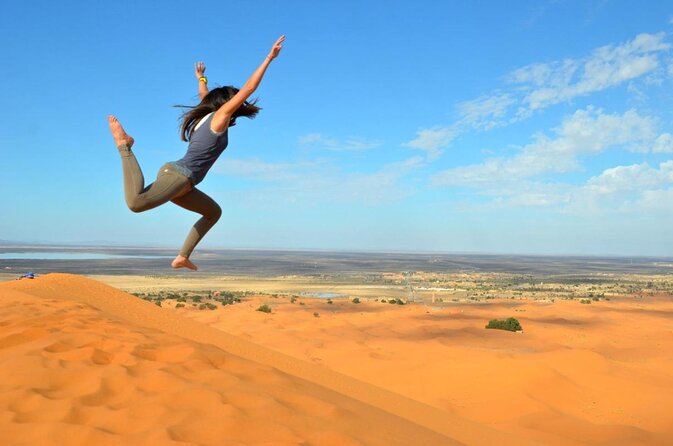
- Camelback sunset in Erg Chebbi: you get the dunes at the exact time they look best.
- A night in a Berber desert camp: stars, quiet, and a night rhythm that feels different from normal hotels.
- Atlas cedar forests on the way: the trip doesn’t start in the desert—it builds toward it.
- Todgha Gorge + Tinghir stops: dramatic canyons and oases break up the long driving days.
- Berber culture stop in Azrou: you see everyday life rather than only monuments.
- Ait Ben Haddou with a guide: UNESCO earthen architecture that’s easier to appreciate with someone explaining it.
What This 3-Day Fes to Marrakech Tour Really Delivers
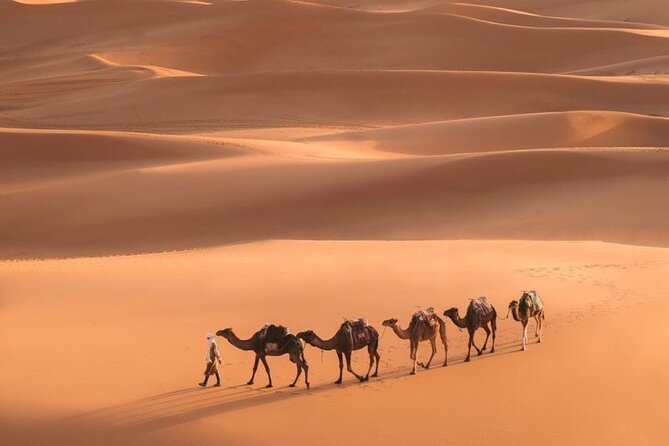
This is a guided “crossing” more than a sightseeing loop. You’re traveling from one imperial city to another, but the real purpose is the middle piece: the Sahara stretch between Morocco’s mountain world and desert edge.
What I like is how the tour refuses the classic shortcut. Instead of only driving to the dunes, you pass through the Ziz River region with palms and fortified kasbahs, cross high country with cedars and long roads, and stop in places that explain how people actually live in different zones—oasis towns, canyon valleys, and rose-growing areas.
And yes, the desert is the headline. But the best parts are the in-between moments: seeing how the Alaouite roots connect to Rissani, walking Todgha’s canyon walls with your guide, and getting a guided look at Ait Ben Haddou’s earthen design rather than just standing in front of a fortified pile.
A few more Fes tours and experiences worth a look
Day 1: Fes to Merzouga—cedar mountains, Ziz palms, then dunes on camelback
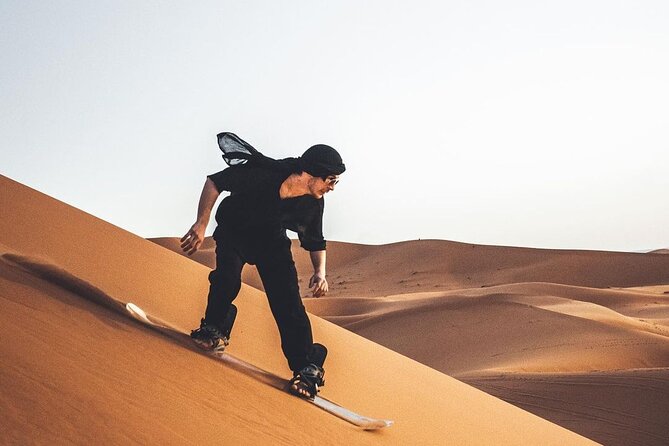
Your day starts with pickup from your accommodation in Fes and heads toward the plains of Sais before climbing into the Middle Atlas Mountains. Cedar forests change the air and the mood. You’ll also have a lunch stop in Midelt, then continue toward the Ziz River area, where palms show up beside fortified kasbahs.
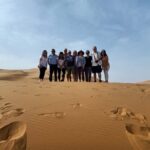
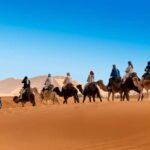
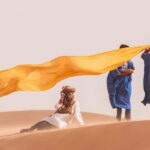
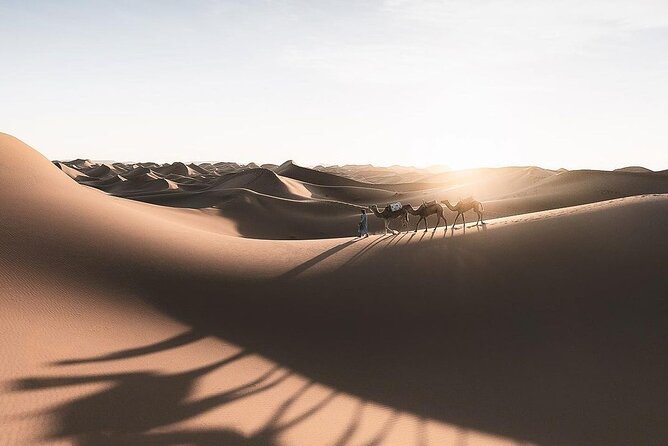
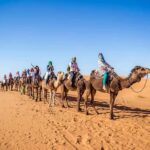
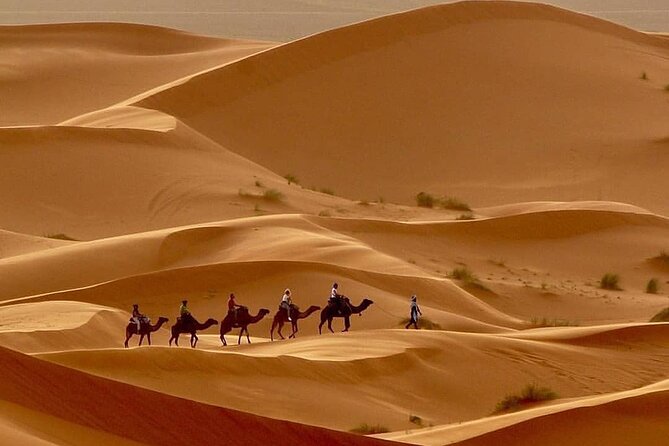
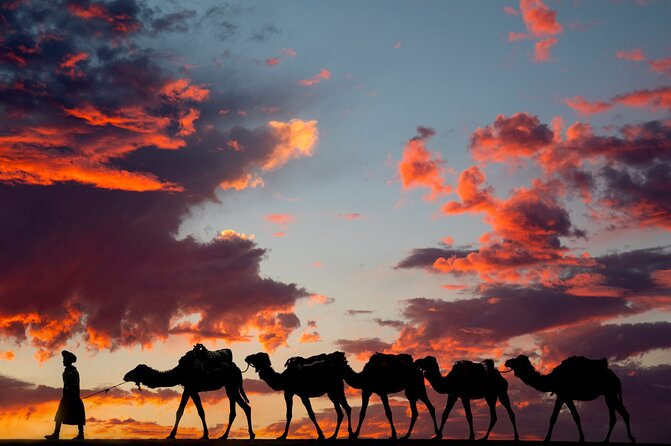
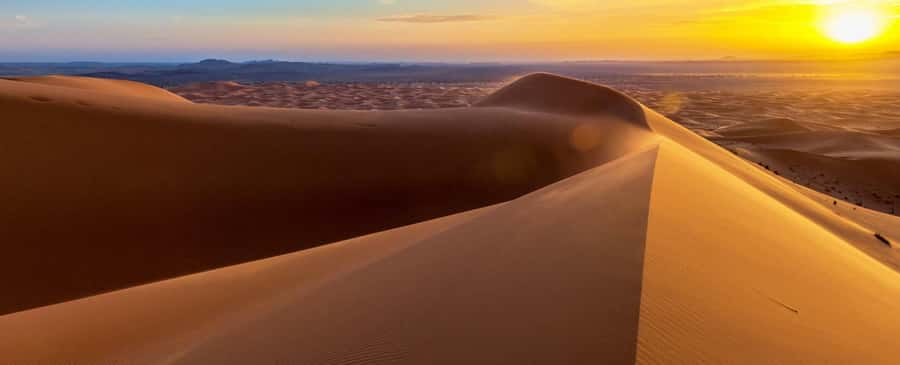
From there, the driving shifts into oasis territory: you pass through Erg Chebbi’s broader region en route to Merzouga. Then comes the turn you’ve been waiting for. In Merzouga, you climb onto a camel and follow your guide out among the orange dunes. The sunset payoff here is practical, not just scenic—you’re positioned for that last light when shadows stretch across the sand.
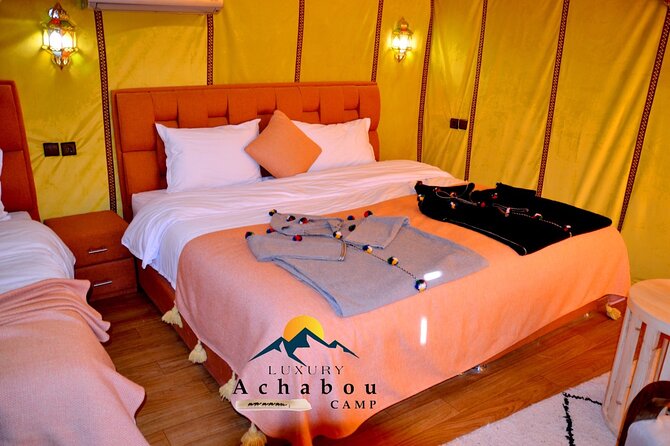
After the camel ride, you sleep in a desert camp. If you choose the upgrade, you’ll move into a more comfortable setup with an en suite tent. Either way, the point is the same: you’re not just visiting the Sahara; you’re spending the night inside it.
Small reality check: camel rides and night camps are memorable, but they’re also physical. Plan for a bumpy ride and pack accordingly (more on that later).
Day 2: Sunrise, Rissani roots, Azrou Berber village, and Todgha Gorge to Dades
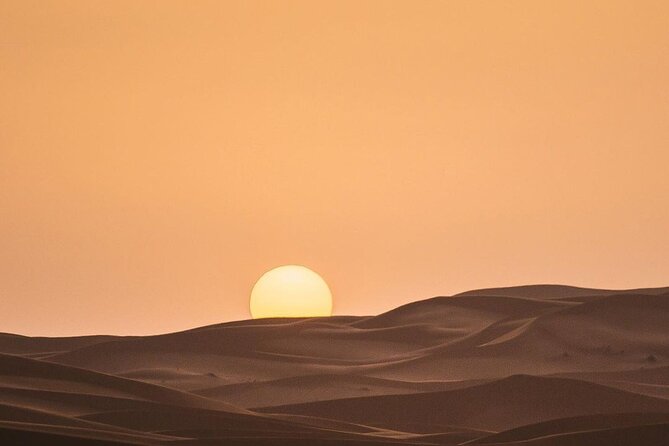
Day two starts with an early wake-up for sunrise over the desert. If you’ve ever seen sunrise from a city rooftop, you already know it’s pretty. This is different because the dunes are the horizon. You watch light creep across the sand before breakfast.
Then you head toward Rissani, known for the mausoleum of the founder of Morocco’s Alaouite Dynasty. It’s one of those stops that adds “why this region matters” to the journey, not just “where we’re driving.”
Next you move toward Tinghir and the High Atlas route often called the road of 1000 kasbahs. This is where you get oases and smaller kasbah clusters tucked into mountain pockets. You’ll spend time around Todgha River and see the canyon views firsthand. Todgha is famous for a reason: the rock walls make the valley feel carved, not just scenic.
Before lunch, you’ll visit the Berber village of Azrou with your guide. This is a cultural stop with a useful purpose. You’re not just buying souvenirs; you’re learning how people live day-to-day and what traditions look like outside of a stage setting.
After that, you drive to the Dades Valley area and visit one of the oldest kasbahs in the region. The day ends with drop-off at your guest house or hotel in Dades, where you’ll have dinner and breakfast included with your overnight.
One important comfort note: some people have had issues with the Dades kasbah experience being cold or food quality not meeting expectations. If you’re sensitive to temperature or picky about dinners, I’d pack like you might be sleeping somewhere cooler than you’re used to.
Day 3: Rose Valley, Ouarzazate Door of the Sahara, and UNESCO Ait Ben Haddou to Marrakech
After breakfast, you head to Kelaa Mgouna in the Rose Valley. Even if you’re not a rose-enthusiast, this stop adds texture because it shows how Morocco’s economy connects to everyday labor. You’ll visit a rose grower cooperative and see how workers mix distilled rose water for scents.
Then you keep moving toward Ouarzazate, often called the Door of the Sahara. The practical value of this stop is simple: it’s a recognizable landmark city in the middle of the journey, a place that helps the crossing feel like it’s making progress toward Marrakech.
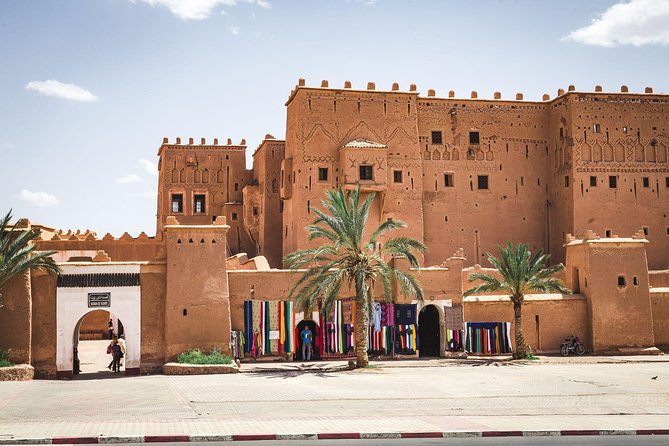
Next up is Ait Ben Haddou, a UNESCO-listed fortified village. You’ll explore it with your guide and learn about the earthen clay architecture that makes it look the way it does—almost like the buildings are part of the hillside. This is one of those sites where guidance helps. Without context, you might just see walls and shapes. With explanation, you notice construction logic and how communities defended and organized daily life.
Finally, you cross the mountains via the Tizi-n-Tichka pass, returning toward Marrakech. You arrive late afternoon, which means you can actually still enjoy an evening in the city instead of crashing immediately.
Desert Camp Life: What You Get When the Hotel Lights Go Out
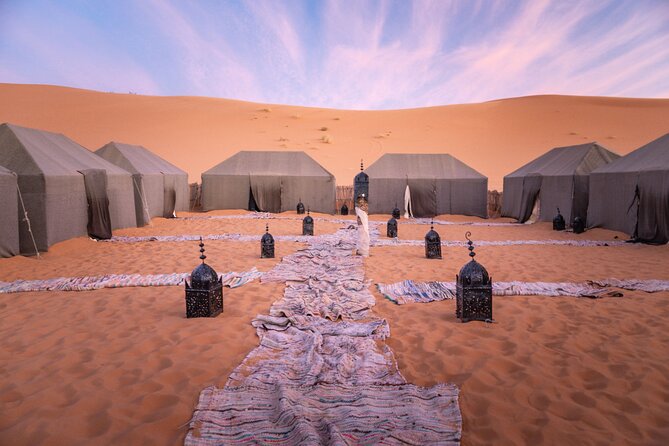
The desert camp is the emotional anchor of the whole trip. You’ll spend the night in private tents, but the first-night setup includes shared bathrooms. If you upgrade, you get a luxury en suite tent.
From the experience side, what matters most is the atmosphere:
- Night sky visibility and quiet
- Bonfire time and that “everyone slows down” feeling
- A different pace of conversation (less phone, more stars)
The best part? This is where good guiding becomes visible. In multiple experiences, the driver/guide made the evening feel special—one person even described Berber chants after dinner around the fire, which is exactly the kind of memory you’ll carry home.
If you’re deciding between the standard and en suite upgrade, be honest with yourself. If you’re the type who hates shared bathrooms or gets cold easily, the upgrade can be worth it for the peace of mind. If you can handle basic comfort for one night, you’ll likely be happy either way—because the desert itself is the main event.
The Driver Makes or Breaks It (And You Can Ask Yourself This)
You’re on a long road itinerary—some days are packed, and Morocco driving requires confidence. The tour’s included English-speaking driver/guide is a big deal, not a small detail.
In the positive experiences, drivers named Hussein / Hossein stood out for:
- careful, safe driving
- staying on time
- a clean, comfortable private vehicle
- adding information along the way (and even joining in with songs in the car)
There’s also a caution to keep in mind. One experience described a driver with limited English. That doesn’t ruin the trip if you don’t need constant commentary, but it changes the vibe. If you’re the kind of traveler who wants explanations at every stop, confirm your expectations around language.
Food and Comfort: Where the Experience Can Vary
The tour includes transportation and covers overnight lodging. Meals are more uneven.
- Lunches and beverages are not included.
- Dinner and breakfast are included at the Dades kasbah/hotel overnight.
- The desert camp night is included, but the included comfort level depends on whether you choose the en suite upgrade.
One negative experience focused on the Dades overnight: the room felt very cold, and dinner and breakfast quality were disappointing (including mention of a tajine that was almost inedible and sides that weren’t to expectations). That kind of mismatch is not common enough to scare you off, but it’s worth planning around.
My practical approach: treat meals as a bonus, not the main reason you’re booking. If you’re picky, budget for snacks during driving breaks. And if you get cold easily, pack for nighttime.
Price and Value: Is $589 Fair for Fes to Marrakech?
At $589 per person for 3 days, you’re paying for a lot that would be expensive to DIY:
- air-conditioned private transport (minivan or 4×4)
- a professional driver/guide (English/French)
- camel ride in the Erg Chebbi area
- two overnight stays (desert camp + kasbah/hotel in Dades)
- drop-off in Marrakech
The value question isn’t the cost by itself. It’s the mix of experiences: desert overnight plus guided cultural stops plus a real trans-Atlas crossing. The camel sunset alone would be a paid day trip in many places. Add Ait Ben Haddou with guidance, Todgha Gorge time, and the Dades overnight, and the price starts to make sense.
Where the price can feel less “worth it” is if you expect hotel-level consistency at every stop. One downside mentioned cold conditions and food quality at Dades. If you’re booking for comfort-first travel, you might feel disappointed. If you’re booking for the crossing and the desert night, $589 is a reasonable deal for how much you cover.
Who This Tour Fits Best (And Who Should Think Twice)
This is a strong match for you if:
- You want a guided way to cross from Fes to Marrakech without coordinating buses or drivers.
- You’re excited for a real desert night and a camel ride, not just a quick photo stop.
- You enjoy cultural stops like Azrou and Ait Ben Haddou with interpretation.
It’s less ideal if:
- You strongly prioritize consistent hotel comfort for every overnight. The desert night is basic by nature, and Dades conditions can vary.
- You dislike early starts. Sunrise in the desert means early morning.
Also note the stated limitations: it’s not suitable for children under 3 and not suitable for pregnant women.
Practical Tips Before You Go
Here’s what I’d do to make the trip smoother, based on the kind of days this tour creates:
- Pack for temperature swings. Mountain nights can feel cold, and desert nights can be cooler than you expect.
- Plan for shared-bathroom reality if you skip the en suite upgrade. One night like that is fine for many people; it’s less fun if you hate it.
- Bring water and small snacks between meal stops, since lunches and beverages aren’t included.
- Dress for sun and sand. Head covering and sunglasses help on dune time.
- Take advantage of the guide for context. Stops like Ait Ben Haddou and Azrou are more enjoyable when you ask questions and listen.
Should You Book This Fes to Marrakech Desert Tour?
If you want the classic Morocco-to-desert story—cedar mountains, oasis towns, camel sunrise/sunset, a Berber camp night, Todgha Gorge, and Ait Ben Haddou—this tour is a very practical way to do it. The route is built to reach the Sahara with momentum, not just as a detour.
I’d book it if desert night and guided stops matter more than hotel comfort perfection. I’d hesitate only if you’re highly sensitive to cold rooms or you need consistently great included meals. In that case, consider the en suite upgrade for the desert night and pack extra comfort items for the Dades overnight.
FAQ
How long is the Fes to Marrakech desert tour?
It lasts 3 days.
How much does it cost per person?
The price is $589 per person.
What’s included in the transportation?
You get transportation in an air-conditioned minivan or 4×4, plus pickup from your accommodation in Fes and drop-off at your Marrakech hotel (or the closest accessible location).
Is the camel ride included?
Yes, the camel ride is included.
Where do you sleep on the tour?
You sleep one night in a Sahara desert camp and one night in a Kasbah in the Dades area (with dinner and breakfast included at that overnight).
Are there bathroom facilities at the desert camp?
The first night is in private tents with shared bathrooms. There is an upgrade option for an en suite luxury camping setup.
Are meals included?
Lunches and beverages are not included. Dinner and breakfast are included with the Dades overnight.
What language is the driver/guide?
The driver/guide is available in English and French.
Is the tour suitable for young children or pregnancy?
It is not suitable for children under 3 years and not suitable for pregnant women.
Can I cancel for a full refund?
Yes. Free cancellation is available up to 24 hours in advance for a full refund.