REVIEW · FES
FEZ Medina Walking tour byLocal Guide & Fes Ramparts by car
Book on GetYourGuide →Operated by bekben Travel · Bookable on GetYourGuide
Fes can feel like a maze at first glance. This full-day tour is built to help you get your bearings fast, with a morning drive around the ramparts followed by a guided walk inside Fes el-Bali. I love that you get city context before you start weaving through alleyways, and I love the hands-on focus—tanneries, craft stops, and big-name madrasas, not just photo stops. One thing to consider: guide energy can vary, so you’ll get the best day if you set your expectations for lots of questions and clear explanations.
The format is also practical. You start with panoramic viewpoints and historic landmarks from outside the medina, then shift into smaller streets with your guide steering the route. It’s a private-group setup, so you’re not stuck following strangers while you try to ask one simple question like where the university is or which gate you’re exiting from.
In This Review
- Key things I’d prioritize before you go
- Six-and-a-half hours that actually makes Fes easier
- Morning by vehicle: ramparts, royal power, and the “why” behind the walls
- Bab Boujloud to the medina: what a good guide fixes immediately
- Big medina anchors: Al Quaraouiyine and Bou Inania Madrasa
- Al Quaraouiyine University: the long timeline in one place
- Bou Inania Madrasa: architecture you can recognize
- Chouara Tannerie and the Nejjarine Museum: craft with context
- Chouara Tannerie: see the traditional process up close
- Nejjarine Museum of Wooden Arts & Crafts: craftsmanship in a calmer setting
- Souks and artisan workshops: the day’s “how everyday life works” part
- Price and pacing: does $51 make sense for what you get?
- Comfort, logistics, and the one real drawback to plan for
- Who this tour suits best
- If you’re choosing a day of the week
- Should you book this Fes Medina and Ramparts tour?
- FAQ
- How long is the tour?
- How much does it cost?
- What’s included in the price?
- Is lunch included?
- What sights are covered?
- What languages is the guide available in?
- Is this a private group tour?
- Is hotel pickup and drop-off included?
- Is there wheelchair accessibility?
Key things I’d prioritize before you go
- Ramparts by car first: you’ll see key landmarks before you enter the maze, which makes the walking part feel way less stressful.
- Guides who actively manage the medina: people have specifically praised how they helped avoid getting lost and explained how the souks work.
- Craft stops that are visual and memorable: Chouara Tannerie and the Nejjarine Museum of Wooden Arts & Crafts are built for real-world observation.
- Big architectural anchors: Bou Inania Madrasa and Al Quaraouiyine University give you a framework for what you’re seeing.
- Lunch is on your own: plan for a budget so you don’t end up cutting time in the afternoon.
Six-and-a-half hours that actually makes Fes easier
This is listed as 390 minutes, which is about 6.5 hours. In practice, that’s enough time to cover the outer viewpoints, hit the major medina landmarks, and still have a paced walking block with a guide. The value here is the sequencing: you don’t jump straight into Fes el-Bali without a map in your head.
I also like the private-group angle. Even when you’re in the densest lanes, you have a guide who can adjust speed, reroute around problems, and help with questions about what you’re looking at. One guide-led experience highlighted that a comfortable pace made the day work even with a lower English comfort level.
You can also read our reviews of more walking tours in Fes
Morning by vehicle: ramparts, royal power, and the “why” behind the walls
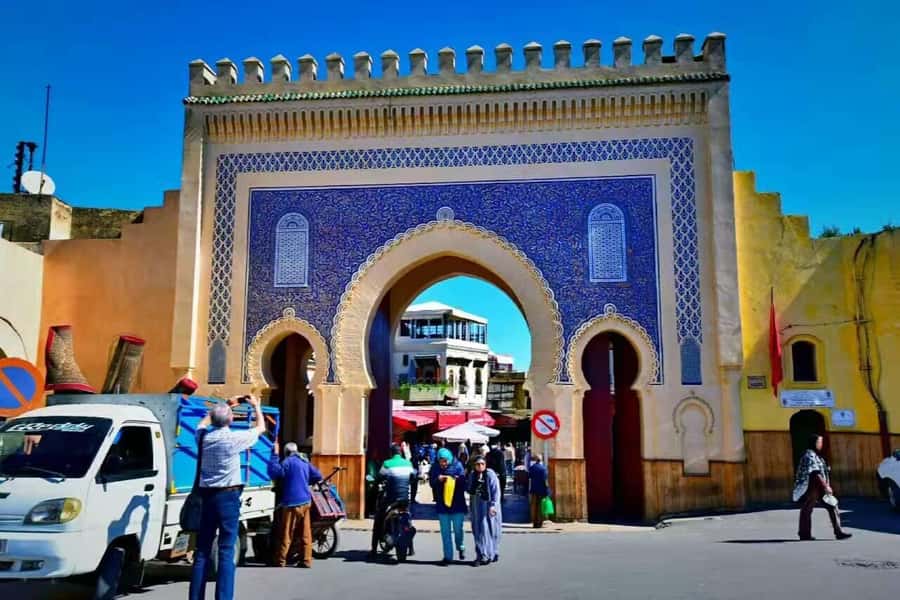
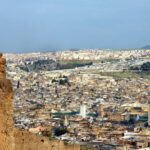
The day starts with transportation by private vehicle and a loop around Fes’ outer walls and historic sites. This matters more than it sounds. From the ramparts and viewpoints you can see how the medina sits like a compact city inside protective boundaries—and you start to understand why certain streets and gates feel important.
Here’s what you can expect to see during the morning drive:
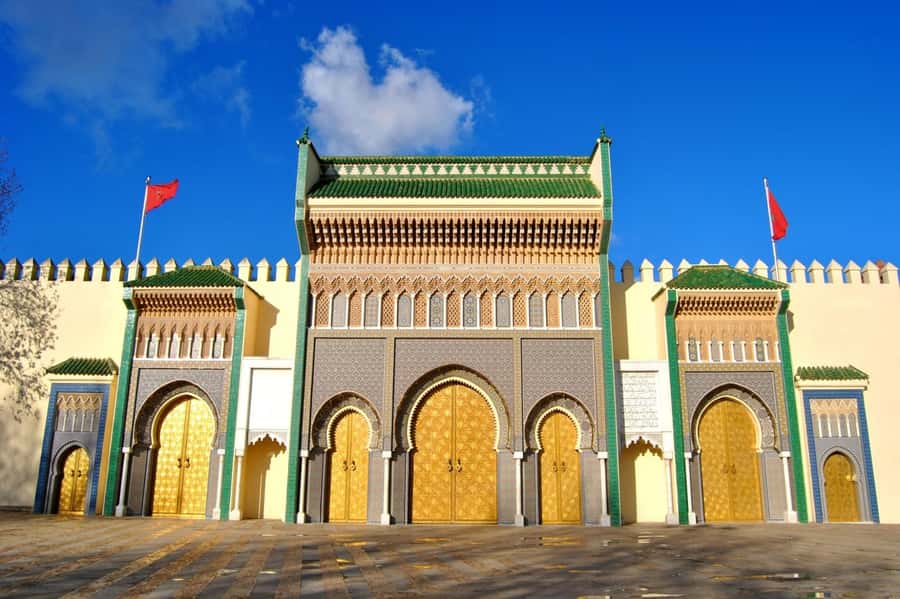
- Dar el-Makhzen (Royal Palace): you’ll admire the dramatic, golden-toned entrance gates tied to Morocco’s royal presence. Even from outside, it’s a strong visual cue for how power is staged in Fes.
- Mellah (Jewish Quarter): your guide can explain the district’s history and architecture so you don’t treat it like just another neighborhood you pass through.
- Borj Nord: a defensive fortress with panoramic views. If you like “I get the layout now” moments, this one usually delivers.
- Marinid Tombs: another high vantage point where you can see the scale of the city stretching below. Views like this are the fastest way to reduce that medina claustrophobia feeling.
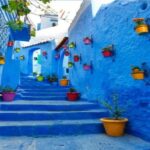
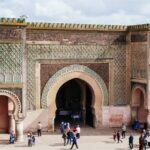
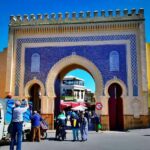
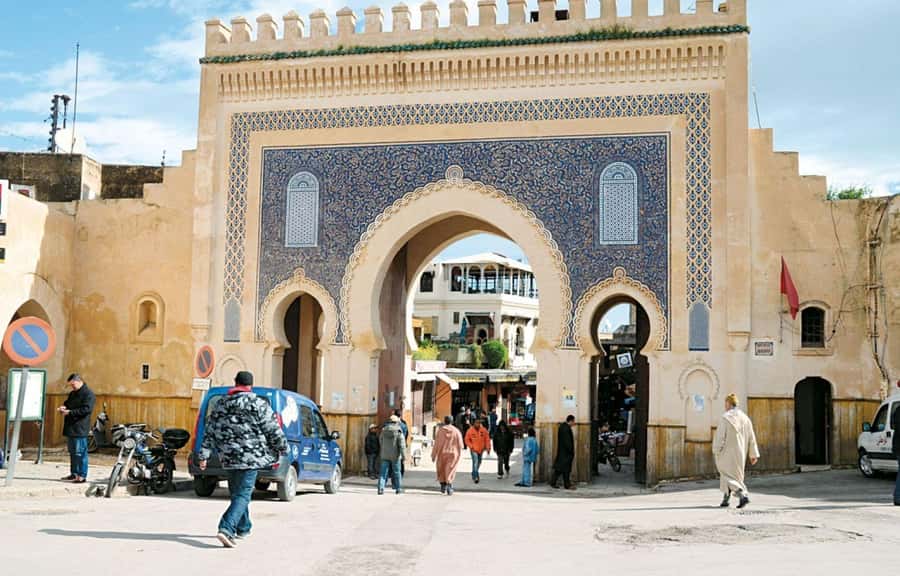
- Bab Boujloud (Blue Gate): the iconic entry to the old medina. This is where the day pivots from the broad view to the walking reality.
The best part of this morning loop is that it creates orientation. Later, when the alleyways start narrowing and the signs get confusing, you’re not totally guessing.
Bab Boujloud to the medina: what a good guide fixes immediately
Once you reach Bab Boujloud, the tour shifts into the old medina, Fes el-Bali. This is the point where many visitors feel lost, slow down, or waste time turning in circles. The whole setup is designed to prevent that.
What to look for in a strong guide here:
- They explain where you are in the bigger city story.
- They keep you moving without rushing you into fatigue.
- They handle social pressure around shops so you can focus on seeing.
Different guide styles show up in real-world feedback. One experience with Amin (and a Spanish version of his name, mentioned as pedro) emphasized how reassuring it was for people who were worried about getting lost. Another highlighted Karim leading through the small lanes and talking about local life and the souks in clear German. There’s also an experience where Yassin adjusted the tempo for an English level that wasn’t advanced and made sure key points were understood.
So your practical takeaway: if you’re the type who freezes when asked to choose between ten directions, this tour’s guide support is the feature. Ask right away what to do if you feel overwhelmed, and ask them to point out landmarks so you can track progress.
Big medina anchors: Al Quaraouiyine and Bou Inania Madrasa
In the afternoon walking block, the tour includes two major institutions that help you read the city like more than scenery.
Al Quaraouiyine University: the long timeline in one place
You’ll visit Al Quaraouiyine University, described as the oldest university in the world, founded in 859 AD. Even if you’re not a history buff, this stop works because it forces the idea that Fes isn’t only about crafts and markets. Education and religious scholarship helped shape the city’s reputation for centuries.
What I like about including it in a guided day is that you can connect the dots. When your guide explains why certain buildings are positioned and what architectural details mean, the medina stops feel intentional instead of random.
You can also read our reviews of more guided tours in Fes


Bou Inania Madrasa: architecture you can recognize
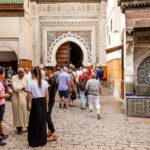
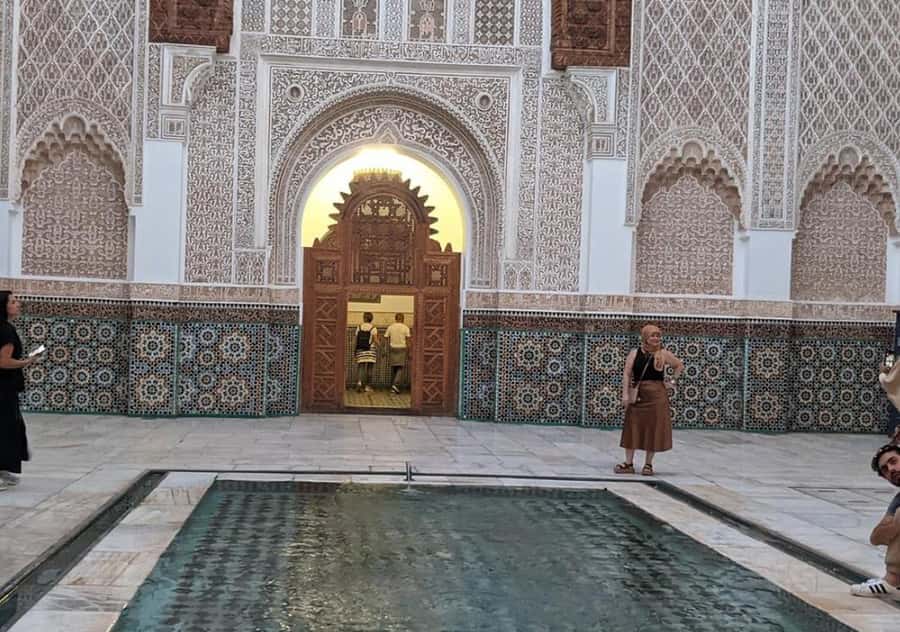
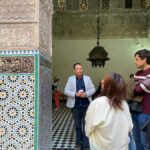
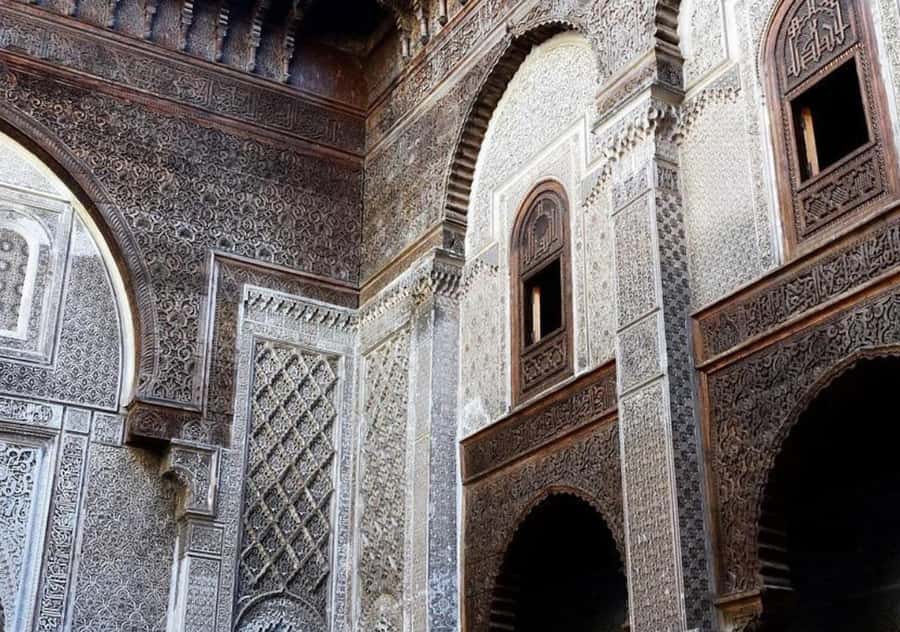
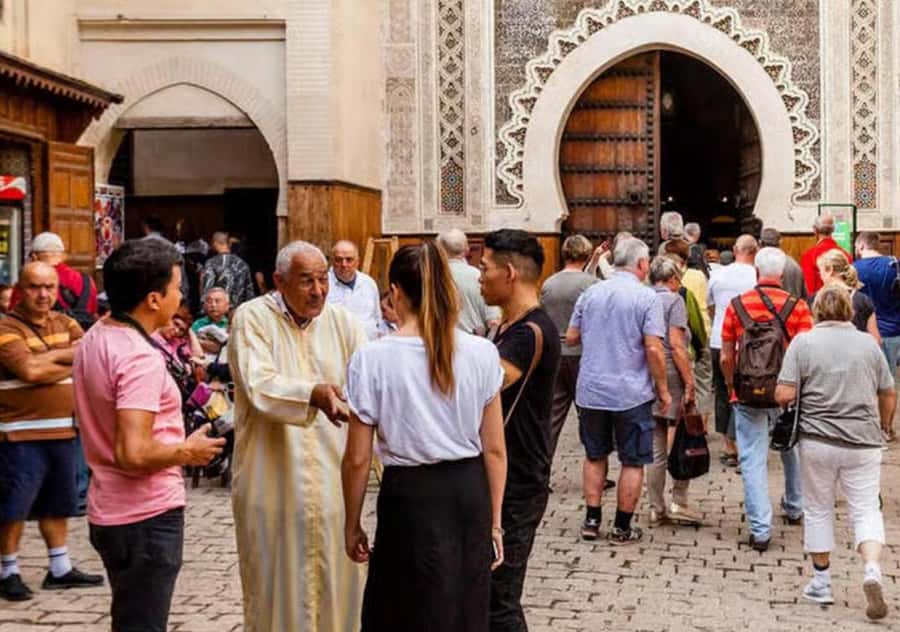
Next, you’ll see Bou Inania Madrasa, a well-known Islamic architecture site. If you’re the type who takes photos but wants meaning, this is one of the best uses of time. A guide can point out what to notice so you aren’t left staring at walls and hoping you understand the design.
The practical side: madrasas are also a break from pure street-level hopping. They offer a more structured viewing experience and an easy moment to reset your legs.
Chouara Tannerie and the Nejjarine Museum: craft with context

Two of the most distinctive stops are tied to Fes’ reputation for traditional work: leather tanning and crafts.
Chouara Tannerie: see the traditional process up close
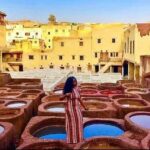
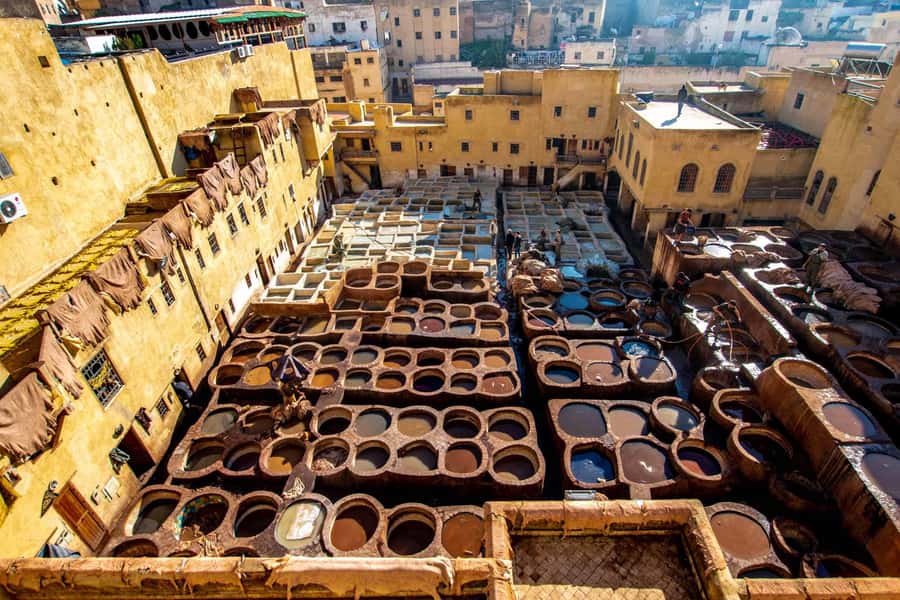
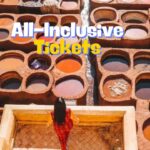
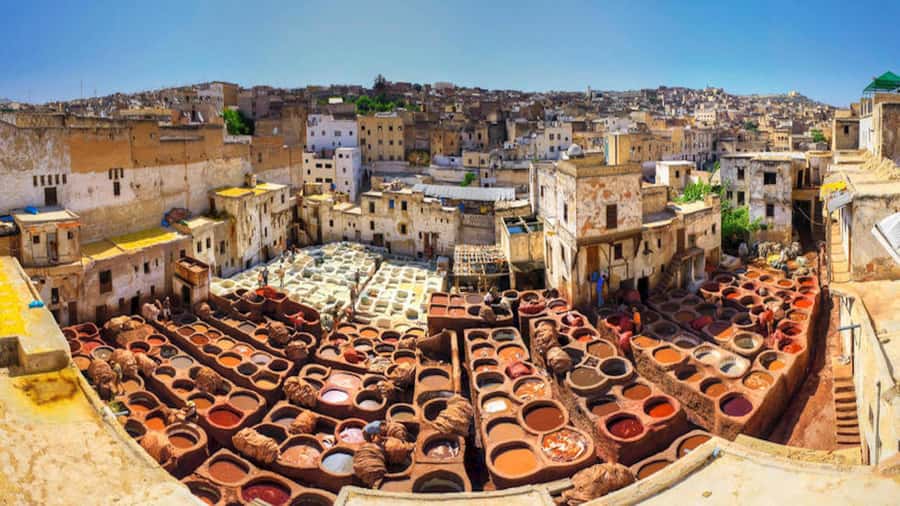
You’ll visit Chouara Tannerie to observe traditional leather-making. This is one of those places where the experience is as much about observation as it is about pictures. Your guide’s role matters here because the process can look confusing if you don’t know what each step is meant to accomplish.
Also, it’s worth going in with expectations. This is a working craft space. You’ll see layers of activity and materials associated with tanning, and the experience may feel intense depending on your comfort level with smells and close-up views. The tour is designed for observation, not for soft-pedaling reality.
Nejjarine Museum of Wooden Arts & Crafts: craftsmanship in a calmer setting
You’ll also visit Nejjarine Museum of Wooden Arts & Crafts, described as a beautifully restored caravanserai showcasing traditional Moroccan craftsmanship. This stop gives you a counterbalance: you see leather in action, then switch to a craft museum setting where you can take your time.
The museum format is useful on a walking day because it gives you a chance to slow down without losing the thread of the tour. It also helps you understand how objects move through artisan life—who makes what, and how styles are preserved.
Souks and artisan workshops: the day’s “how everyday life works” part
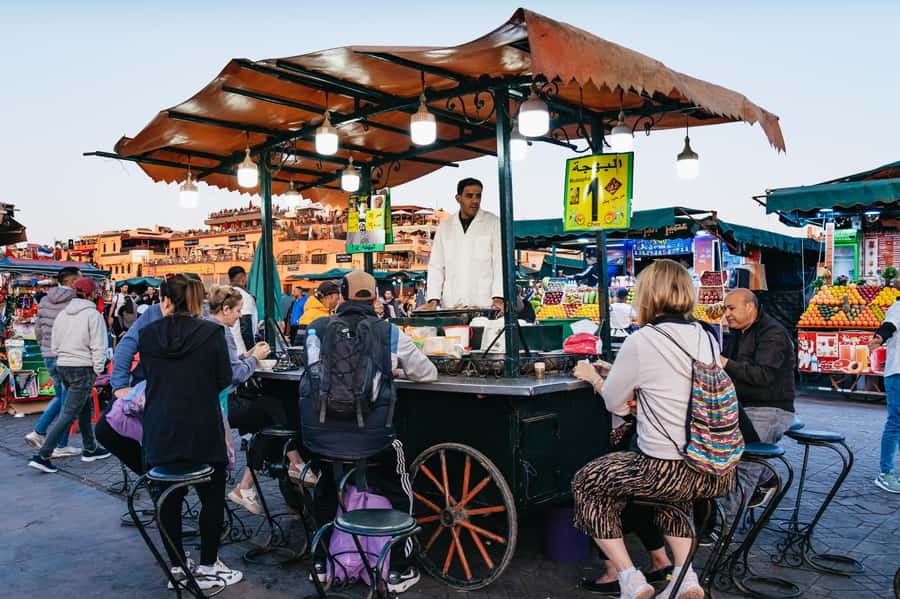
Fes’ souks aren’t just for shopping. They’re a living map of skills: who sells what, who works where, and how people move goods through the city. Your guide is key here.
One experience praised the way the guide took the group into a weaving workshop and pottery area, plus the famous leather quarter. Another praised how the guide handled interactions with sellers respectfully and helped find good places to eat without pushing. These details matter because Fes shopping can include persistent offers. With an engaged guide, you can keep the day focused on learning rather than getting stuck in negotiations.
A simple way to use this part of the tour: decide in advance what you want from the souk. If you want textiles, focus on fabrics and dye-related questions. If you want woodwork, pay attention to joinery styles and how pieces are made. When you arrive with a goal, the maze becomes informative.
Price and pacing: does $51 make sense for what you get?
At $51 per person for a 390-minute day, the value depends on what you want from the day:
- If you want orientation and guided meaning, you’re paying for transport, a guide, and a full structured route.
- If you just want to roam freely, you could do it on your own—but you’ll spend more time figuring out what you’re looking at.
What’s included is fairly straightforward:
- Private vehicle transport for the rampart portion
- An experienced English-speaking tour guide (languages listed: English, French, Arabic)
- Hotel pickup and drop-off
- 1 bottle of water per person per day
What’s not included:
- Lunch and other meals
- Personal items
Because lunch isn’t included, I’d budget separately for it so you don’t feel rushed during the afternoon. Also, bring small cash for any drinks or snacks you may want during breaks inside the medina.
One more value note: a private guide helps you avoid wasted time. Even a small amount of saved confusion can be worth more than the guide fee, especially if you’d otherwise need several taxi rides or long detours.
Comfort, logistics, and the one real drawback to plan for
Most of the operational side sounds smooth. There are accounts of drivers being on time and helpful, and guides leading with clear knowledge and respect. One person even mentioned they felt comfortable dealing with sellers because the guide managed the situation well.
That said, one negative experience flagged a guide who seemed distracted—spending time chatting with people in the street—and felt dismissive since the group was on a private tour. Another feedback noted a guide was slightly too fast for personal preference.
So here’s the honest planning advice: on a private tour, you should get active engagement. If you notice your guide is moving ahead without answering your questions, speak up early. Say what you want: more explanation, more time to stop, or slower pacing through the lanes.
Also, the tour is listed as wheelchair accessible. That’s good news, but the medina portion can include uneven surfaces and narrow points. If wheelchair access is important for you, ask what portion is truly manageable on foot versus what can be handled by vehicle within the tour flow.
Who this tour suits best
This is a good fit if you:
- Want a structured introduction to Fes without learning the city from trial and error
- Like history and architecture, but also want tactile experiences like tanning and crafts
- Prefer a guide to manage souk interactions and route complexity
- Appreciate panoramic viewpoints early in the day to reduce confusion later
It may be less ideal if you hate guided walking, want lots of free time to wander alone, or are very sensitive to pace. Also, if you’re the type who expects constant storytelling without needing to ask questions, pick your day thoughtfully and communicate your preferences early.
If you’re choosing a day of the week
One piece of real-world feedback mentioned that choosing Friday helped make movement easier due to fewer crowds and a more manageable medina experience. That doesn’t guarantee anything, but it’s a sensible strategy: pick days that you expect to be calmer if you’re sensitive to crowd energy.
Should you book this Fes Medina and Ramparts tour?
Book it if you want the quickest way to learn Fes while still seeing the main sights. The pairing of a rampart drive (orientation) with a medina walk (real details) is exactly how you keep a day from turning into confusion.
I’d lean toward booking particularly if:
- You’re worried about getting lost in the medina
- You want help with souks and seller pressure
- You care about seeing Chouara and Nejjarine with proper context
- You like private-group attention and pickup from your riad or hotel
Skip or reassess if:
- You dislike guided pacing or suspect you might need lots of detailed explanation on demand
- You want lunch fully handled by the tour (meals aren’t included)
- You need guaranteed step-free access in the medina and can’t confirm the practical route
If you do book, go in with two goals: ask questions early and use the morning viewpoints to track where you are during the walk. That’s the difference between visiting Fes and truly understanding what you’re seeing.
FAQ
How long is the tour?
The tour runs for about 390 minutes, which is a full-day outing.
How much does it cost?
It’s priced at $51 per person.
What’s included in the price?
Transportation by private vehicle, an English-speaking tour guide, hotel pickup and drop-off, and 1 bottle of water per person per day.
Is lunch included?
No. Lunch and other meals are not included.
What sights are covered?
You’ll see ramparts landmarks by car and then explore Fes el-Bali with stops including Al Quaraouiyine University, Bou Inania Madrasa, Chouara Tannerie, and the Nejjarine Museum of Wooden Arts & Crafts, among others.
What languages is the guide available in?
The guide is listed as available in English, French, and Arabic.
Is this a private group tour?
Yes, it’s a private group.
Is hotel pickup and drop-off included?
Yes. Your driver comes to pick you up from your accommodation in Fes and drops you back after the tour.
Is there wheelchair accessibility?
The activity is listed as wheelchair accessible.