REVIEW · FEZ
Luxury 3 Days From Fez to Marrakech via Merzouga & Ait Ben Hadou
Book on Viator →Operated by Morocco Unique Tours · Bookable on Viator
Camel sunset hits fast.
This 3-day route turns Fez into Merzouga dunes, then works its way back toward Marrakech with kasbah stops and stargazing in a Berber camp. You’ll cross the Middle Atlas, pass through cedar forests, pause in palm-studded views near Rissani, and end with time at Ait Ben Haddou before heading over the Tizi n Tichka pass.
I really like the way the schedule breaks up the long drive with real stops, not just windshield time. I also like the human touch: guides and drivers named Mohammed are repeatedly praised for keeping the trip fun, sharing explanations, and driving with confidence on Morocco’s busy roads.
One thing to consider is that this is a road trip first. You’ll spend big chunks in the car (including a long Day 1), and lunch isn’t included—so plan to pay for meals on your own when they pop up in the day.
In This Review
- Key points worth your attention
- Fez to Merzouga: the Middle Atlas-to-Sahara switch
- Ifrane first stop: a surprising palate cleanser
- Azrou cedar forest: a chance to slow down
- Midelt lunch break: fossils and rock talk
- Palm oasis views near Rissani: a great visual lead-in
- Merzouga: camel trek, Berber camp, and a sky worth waiting for
- The ride is about two hours, timed for sunset
- Desert camp basics: private tent, dinner, mint tea
- Stargazing: plan for real cold
- Day 2: Todra Gorge and the kasbah road to Dades or Ouarzazate
- Tinghir: a short stop with big views potential
- Todgha Gorge: the one you’ll want to walk
- Road of a Thousand Kasbahs: drive-through drama
- Hotel night: Dades Valley or Ouarzazate (availability-driven)
- Day 3: Roses, Ait Ben Haddou UNESCO, and Tizi n Tichka into Marrakech
- Valley of Roses: rose water and perfume know-how
- Ait Ben Haddou UNESCO: the film-set kasbah you can actually walk
- Tizi n Tichka pass: mountain views plus Berber village context
- Arriving Marrakech late afternoon
- The value question: what you’re paying for in real terms
- Who this tour suits best (and who should think twice)
- Safety, comfort, and the human factor
- Should you book this Fez-to-Marrakech Sahara route?
- FAQ
- What time is pickup in Fez?
- How long is the tour?
- What is included with the Sahara experience in Merzouga?
- Where do you sleep on the other nights?
- Are meals included?
- How big is the group?
- Can I cancel for a full refund?
Key points worth your attention
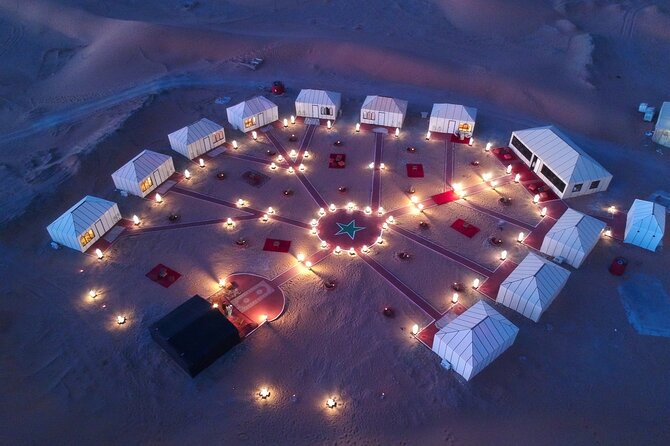
- Merzouga camel trek at sunset: about two hours on the dunes before sleeping in a Berber-style camp.
- Berber camp night under the stars: mint tea, dinner, and time to watch the sky after your trek.
- Road of a Thousand Kasbahs timing: you’ll get short, useful breaks at Tinghir and Todra Gorge before Dades Valley/Ouarzazate.
- Ait Ben Haddou UNESCO visit: lunch at the kasbah area, then time to explore the preserved film-set village.
- Tizi n Tichka pass photography stop: a mountain break on the way into Marrakech late afternoon.
Fez to Merzouga: the Middle Atlas-to-Sahara switch
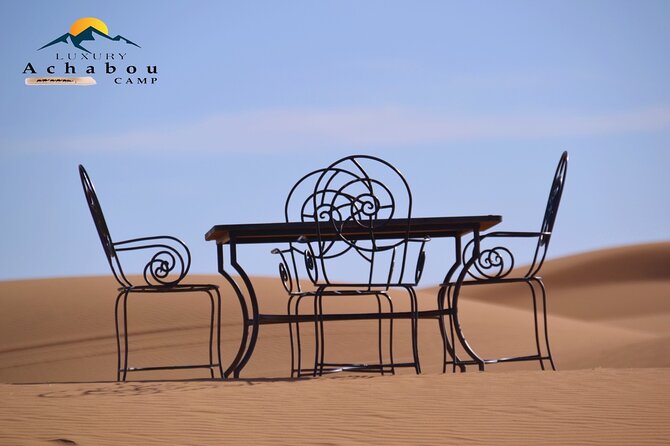
This tour is built around one big goal: get you from the refined streets of Fez to the edge of the Sahara, without wasting the days. Pickup starts at 7:30 am from your riad-hotel, which helps you get moving while the morning is still calm. The first day is long, but the plan gives you several meaningful pauses along the way.
A few more Fez tours and experiences worth a look


Ifrane first stop: a surprising palate cleanser
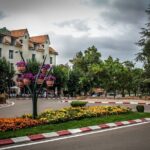
Your first stop is Ifrane, often described as Switzerland of Morocco. You get around 20 minutes here—just enough to take photos, stretch your legs, and reset before the driving picks up. It’s a quick break, not a full visit, so think of it as a scenic waypoint rather than a destination.
Azrou cedar forest: a chance to slow down
Next comes Azrou Cedar Forest. You’ll have about 20 minutes, which is short, but the idea makes sense: break the day with a different-looking terrain and some shade. If you like nature moments during road trips, this stop helps keep the drive from feeling nonstop.
Midelt lunch break: fossils and rock talk
Around midday you stop in Midelt for about 1 hour. The area is known for fossils and rocks, and the stop works well as your lunch window—even though lunch isn’t included in the tour price, it’s still the most likely moment to grab something reliable before you head deeper toward the desert.
Palm oasis views near Rissani: a great visual lead-in
As you approach Merzouga, you’ll stop for a panoramic view of a huge palm oasis near Rissani. This is one of those moments that makes the Sahara feel real, because you can see how the desert connects to life and agriculture at its edges. It’s also a smart timing choice: you get the view before the camels and camp logistics take over.
A few more Fez tours and experiences worth a look

Merzouga: camel trek, Berber camp, and a sky worth waiting for
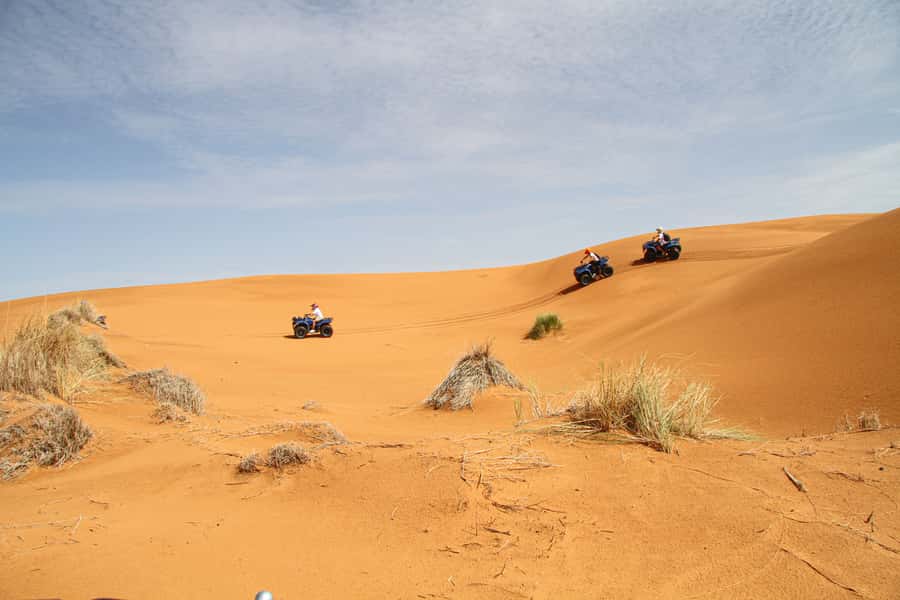
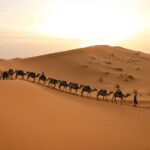
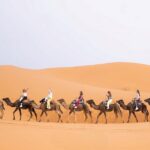
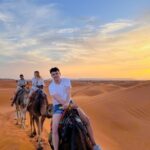
Merzouga is reached in the afternoon, around 5:00 pm. Your guide and camels are set up after a rest, and then you do the signature part: a camel trek across the dunes of Erg Chebbi.
The ride is about two hours, timed for sunset
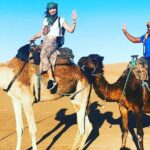
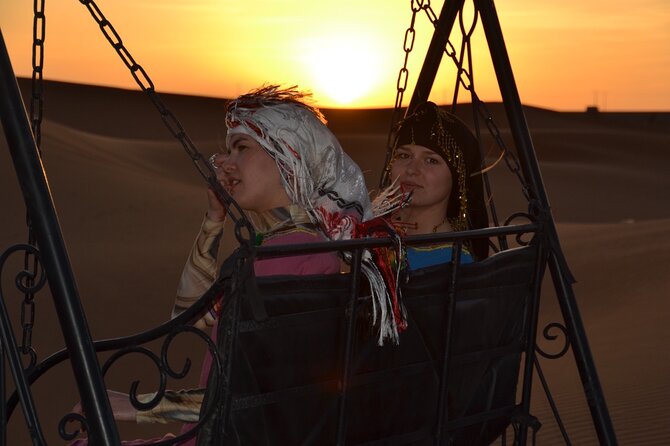
The trek is about 2 hours, and the goal is clear: arrive at camp with the light turning warm. Riding a camel isn’t like sitting on a tour bus. You’ll feel the rhythm of the animal and the sand shifting under you, and it’s the kind of activity where time seems to stretch in a good way.
Desert camp basics: private tent, dinner, mint tea
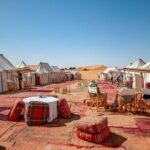
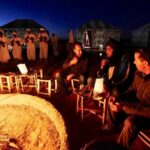
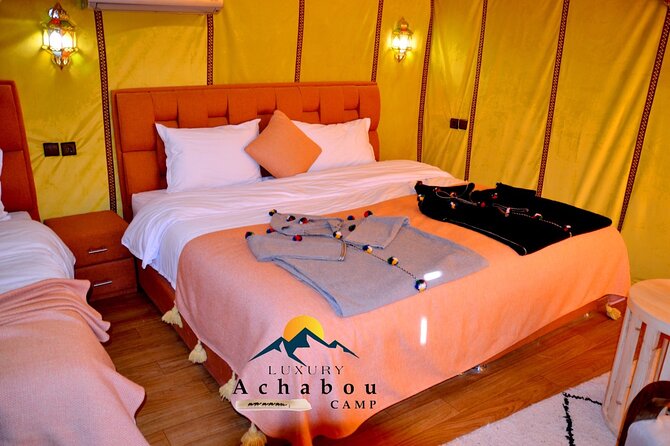
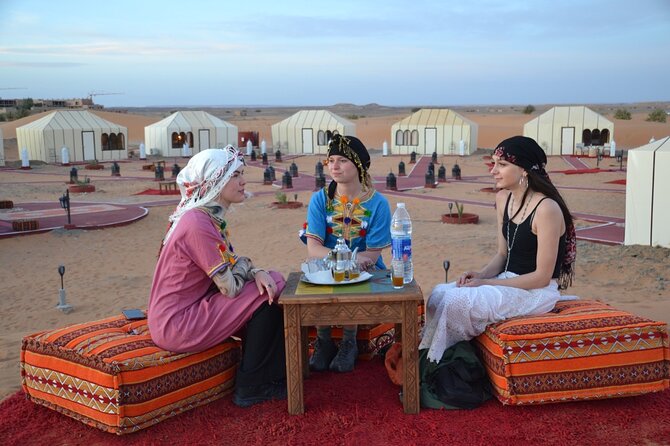
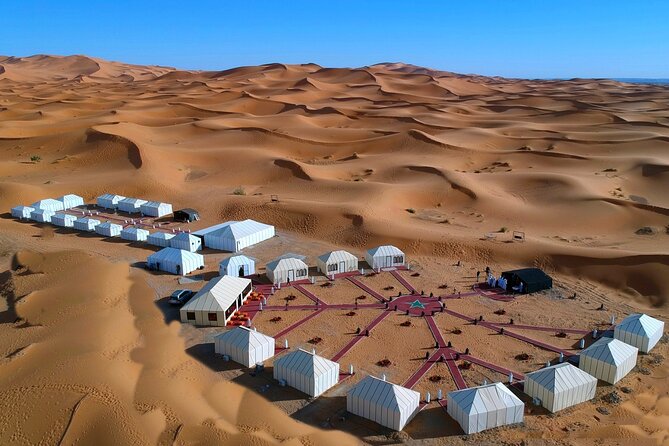
Overnight is in a private tent at a Berber camp. The schedule includes mint tea after your camels are hobbled, plus dinner back at the camp. This is the part that many people remember most because it’s not about checking another site—it’s about slowing down after a full day and letting the desert night take over.
Stargazing: plan for real cold
The itinerary specifically calls out watching the stars. That’s not a vague suggestion; in the desert, nights can get chilly once the sun drops. Bring layers you can actually wear comfortably, even if the daytime was warm. If you’ve only packed light for Morocco, you’ll want a rethink.
Day 2: Todra Gorge and the kasbah road to Dades or Ouarzazate
After breakfast, Day 2 becomes the “between the Sahara and the Atlas” day. It’s still driving-heavy, but it’s also where Morocco’s caravan-castle vibe really shows up.
Tinghir: a short stop with big views potential
You’ll pass through Tinghir with around 10 minutes of stop time. This is one of those stops designed for a quick perspective change—enough to stretch, take a few photos, and keep moving. If you’re hoping for a long walk, this isn’t that day.
Todgha Gorge: the one you’ll want to walk
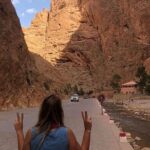
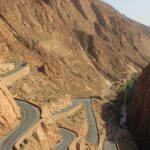
Next is Todgha Gorge with about 30 minutes of free time. The time you get here is useful because gorges feel different up close than they do from a vehicle. You can get photos, walk a bit near the gorge area, and reset your legs before the second half of the drive.
Road of a Thousand Kasbahs: drive-through drama
Between Tinghir, the gorge, and the way toward Ouarzazate / Dades Valley, you’ll be on the route known for kasbahs—tower-like buildings along the road. The tour doesn’t market it as a single long photo stop, but the driving time is the point: you see these structures repeatedly instead of only at one location.
Hotel night: Dades Valley or Ouarzazate (availability-driven)
Dinner and overnight are in either Dades Valley or Ouarzazate, depending on availability. The itinerary mentions a hotel called La Rose du Valley as a possibility. Either way, you’re getting a real night of rest after two demanding days, with breakfast included again for the next morning.
Day 3: Roses, Ait Ben Haddou UNESCO, and Tizi n Tichka into Marrakech
Day 3 shifts from nature and desert to culture and scenery. It’s also the day with the most “walk around” time, even if you still spend plenty of hours on the road.
Valley of Roses: rose water and perfume know-how
You get a stop at Vallee Des Roses for about 30 minutes. You might be able to visit a rosewater cooperative and learn how locals use distilled rose water to make rose-scented perfumes. Even with only half an hour, this kind of stop adds texture—small local skills, not just famous scenery.
Ait Ben Haddou UNESCO: the film-set kasbah you can actually walk
Then you head to Kasbah Ait Ben Haddou, a UNESCO World Heritage Site. You’ll have lunch at the kasbah area, then spend around 1 hour 30 minutes visiting the kasbah complex.
This is one of the best value parts of the itinerary because Ait Ben Haddou is compact but dramatic. The buildings are preserved, and it’s made from multiple kasbah areas packed together, so the whole place reads as one strong unit. If you like walking through old walls and imagining caravans and storytellers, this is where the trip starts to feel like Morocco’s living past.
Tizi n Tichka pass: mountain views plus Berber village context
In the afternoon, you drive into the Atlas Mountains via Tizi n Tichka Pass, with a photo stop and then views of Berber villages. The houses you’ll pass are described as built with stones and mud, so you’re not just looking at scenery—you’re seeing how people built for the climate and the land.
Arriving Marrakech late afternoon
You reach Marrakech late afternoon, and your driver takes you to your riad or hotel. The day’s pacing is designed so you still get a full arrival day rather than being stuck on the road until nightfall.
The value question: what you’re paying for in real terms
At $211.44 per person for about three days, this tour is priced like a practical route package—transport plus the big-ticket desert night. What makes it feel like decent value is that the included pieces match the hardest parts of this journey:
- Camel trek + private desert tent (the Sahara core)
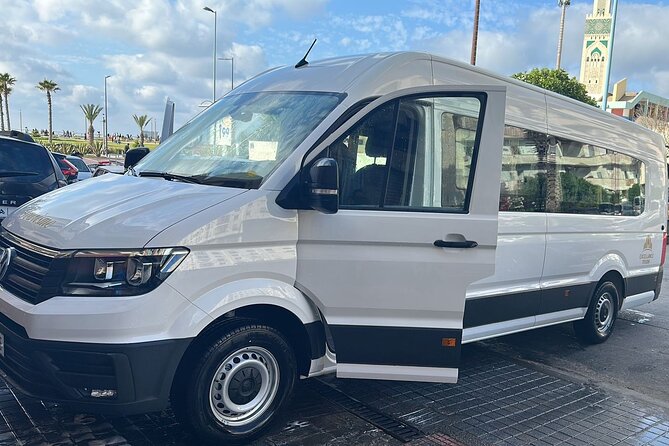
- All transportation with a professional driver
- Breakfasts (3) and dinners (2) so you’re not hunting meals every day
- A manageable group size with a maximum of 14 travelers
What’s not included is lunch, and it’s wise to treat lunch as a planned expense in your budget. Also, the tour lists that guiding isn’t included, though your driver may handle explanations and guidance along the way. That’s usually fine—just know you may not have a separate specialist guide inside every site.
Who this tour suits best (and who should think twice)
This is a great fit if you want a structured Fez-to-Marrakech route that includes the Sahara night without complicated planning. It’s also a strong choice if you like short, purposeful stops: Ifrane for the feel, cedar forest for a break, Todgha Gorge for a stretch, and Ait Ben Haddou for the walk.
It may be less ideal if you hate long car days or you want lots of free time in every stop. The itinerary is built for movement, not lingering. If you want a slower travel rhythm, you’ll probably feel rushed in the short 20–30 minute windows.
Also, the tour is described as suitable for most travelers, including people as old as 95, which suggests the pace and setup can be workable. Still, you should expect some uneven ground during gorge and kasbah walking, plus desert weather changes at night.
Safety, comfort, and the human factor
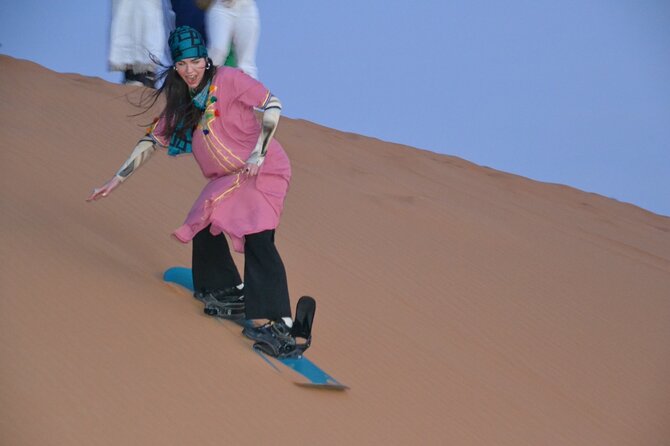
One of the clearest patterns from the experience is confidence in the driver. Mohammed is repeatedly praised for being positive, communicative, and for making the ride feel safe on Morocco’s busy roads. That matters on a route like this, because the quality of driving and decision-making can make a long day feel easier.
On top of that, the trip timing feels respectful. In practical terms, when time is followed and stops stay on schedule, you don’t end up missing your desert trek slot or arriving to the next hotel too late.
Should you book this Fez-to-Marrakech Sahara route?
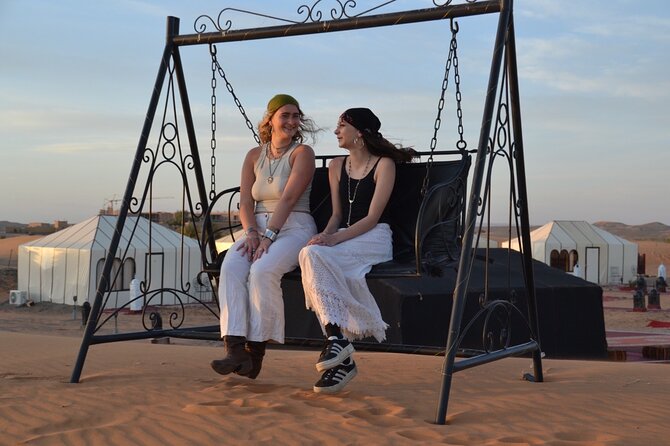
Book it if you want the essentials done right: Merzouga dunes with a sunset camel trek, a real overnight in a private desert tent, and cultural stops that actually matter like Ait Ben Haddou. The included transport and meals reduce decision fatigue, and the max group size keeps it from feeling like a cattle-call.
Skip it—or pair it with a different plan—if you hate long driving days or if you want more free time at each attraction. This itinerary gives you variety through short stops, not deep time.
If your travel style is road-trip smart, history-plus-scenery, and you’re excited about sleeping under stars in the Sahara, then this one is a very solid way to connect Fez to Marrakech in only three days.
FAQ
What time is pickup in Fez?
Pickup is scheduled to start at 7:30 am from your riad-hotel.
How long is the tour?
The duration is listed as approximately 3 days.
What is included with the Sahara experience in Merzouga?
The tour includes the camel trek and an overnight in a private tent at the Berber camp.
Where do you sleep on the other nights?
You have a private room at the hotel after the desert night, in Dades Valley or Ouarzazate depending on availability.
Are meals included?
Breakfast is included for 3 days, and dinner is included for 2 nights. Lunch is not included.
How big is the group?
The maximum group size is 14 travelers.
Can I cancel for a full refund?
Yes. You can cancel up to 24 hours in advance of the experience start time for a full refund.