REVIEW · FES
From Fes: 3-Day 2-Night Desert Tour to Marrakech
Book on GetYourGuide →Operated by Sami trip · Bookable on GetYourGuide
A trip like this makes the bus ride worth it. You’ll move from Fes through the Atlas and desert edges, sleep under stars in a luxury-style tent camp, then finish in Marrakech with big cultural stops along the way.
I love how the itinerary stitches together Morocco’s moods in just 3 days: the snow-dusted feel of Ifrane and the macaques at Azrou, followed by the jaw-drop moment of camel time on the Erg Chebbi dunes. I also really like that the desert evening isn’t just a photo op—you’re fed with authentic Moroccan meals, you get music around the campfire, and you have sandboarding gear included.
One thing to consider: it’s a long road trip, and comfort depends on the vehicle and driver. A verified guest noted the van didn’t have A/C as advertised on day 1, so bring water plans and keep expectations realistic about travel time.
In This Review
- Key things that make this tour work
- Morocco in three days: Fes to Marrakech with real variety
- Day 1: Fez → Merzouga via Ifrane, Azrou macaques, and the Ziz Valley palms
- Camel trek at Erg Chebbi: sunset, dunes, and a stargazing camp night
- Day 2: desert sunrise and the return to Merzouga before Ouarzazate
- Day 3: Ouarzazate studios, UNESCO Ait Ben Haddou, and Tizi n’Tichka into Marrakech
- Price and value: is $238 per person a fair deal?
- Comfort and safety: drivers matter more than you think
- What to pack for a desert-to-city swing (without overpacking)
- Who this tour suits best
- Should you book this Fes to Marrakech desert tour?
- FAQ
- How much does the tour cost?
- How long is the tour?
- What’s the route from and to?
- Where do you spend the nights?
- Is camel riding included?
- Is sandboarding included?
- Are meals included?
- Is there a local guide included at Ait Ben Haddou?
- What languages do you get?
- Is the tour wheelchair accessible?
Key things that make this tour work
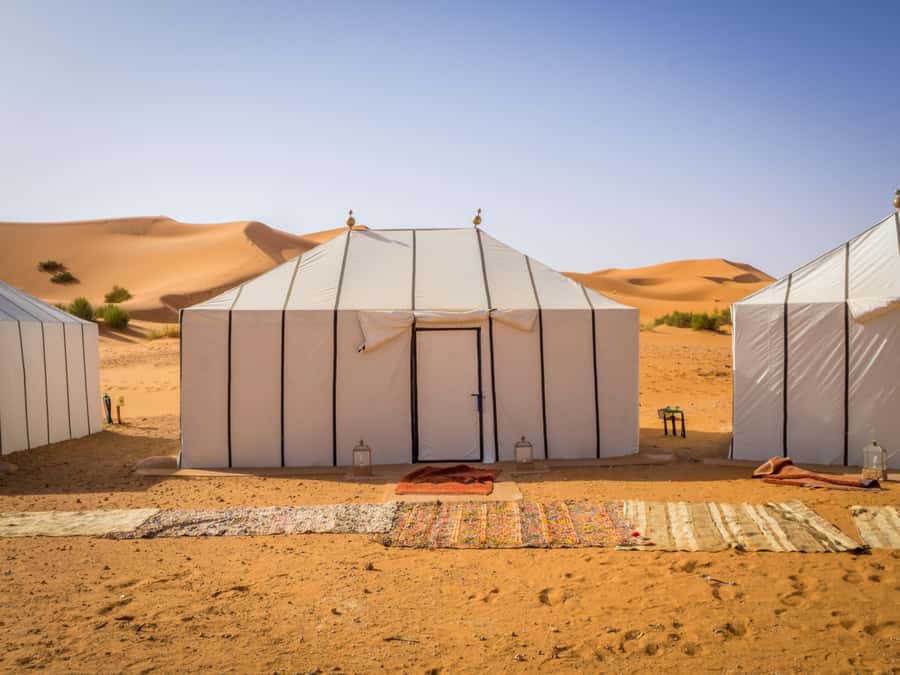
- Erg Chebbi camel trek at sunset with a camp night under a sky full of stars
- Ifrane and Azrou stops that break up the drive with mountain air and Barbary macaques
- Sandboarding included (equipment provided) so you can do more than just sit on dunes
- Ouarzazate hotel night plus a change of pace with canyon and gorge scenery
- Ait Ben Haddou with a local guide to help you understand what you’re looking at
Morocco in three days: Fes to Marrakech with real variety
This isn’t just a desert tour. It’s a fast sampler platter of Morocco’s geography and character, from forested mountain towns to palm valleys to the Sahara’s sand sea. You start in Fes, then work your way toward the desert gateway of Merzouga, and you end in Marrakech, where you’ll feel the pace shift again.
The big win for you is rhythm. Each day has a purpose: Day 1 is about the journey into the Atlas-to-Sahara transition. Day 2 turns that into a full desert experience (sunrise plus camp). Day 3 brings you back up through famous film locations and the high pass route into Marrakech.
And you’ll notice something practical from how it’s set up: most of the “value” comes from the stops. The long drives are real, but they’re punctuated by meaningful places rather than just roadside fatigue.
You can also read our reviews of more evening experiences in Fes
Day 1: Fez → Merzouga via Ifrane, Azrou macaques, and the Ziz Valley palms
You’ll leave Fes in the morning and spend your first day traveling through the Middle Atlas Mountains. The tour’s strength is the built-in variety of scenery and quick wins for sightseeing.
Ifrane (Little Switzerland) is your first atmosphere shift. It feels like the kind of mountain town that cools your brain after the city. It’s a great stop because it breaks the day into “city to mountains” before the desert heat starts creeping in.
Then comes Azrou, known for Barbary macaque interactions. This is one of those stops that can make the whole trip feel less like logistics and more like discovery—just remember you’re dealing with wild animals, so you’ll want to keep distance and follow your guide’s lead.
Next is the Ziz Valley, with palm groves and impressive gorges. This part matters because it’s a visual clue that you’re heading toward the Sahara. The valley makes the desert feel like the next chapter, not a random destination jump.
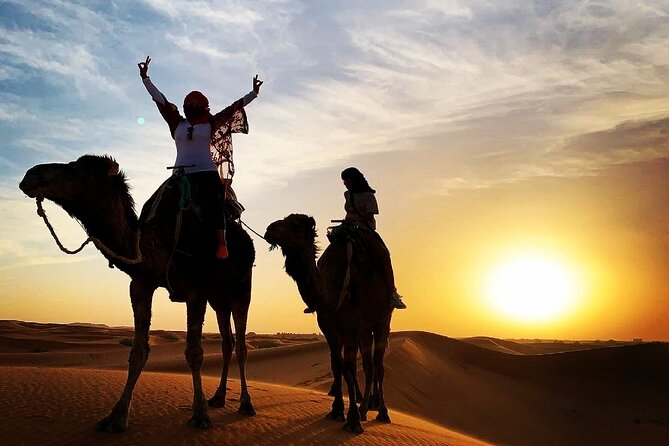
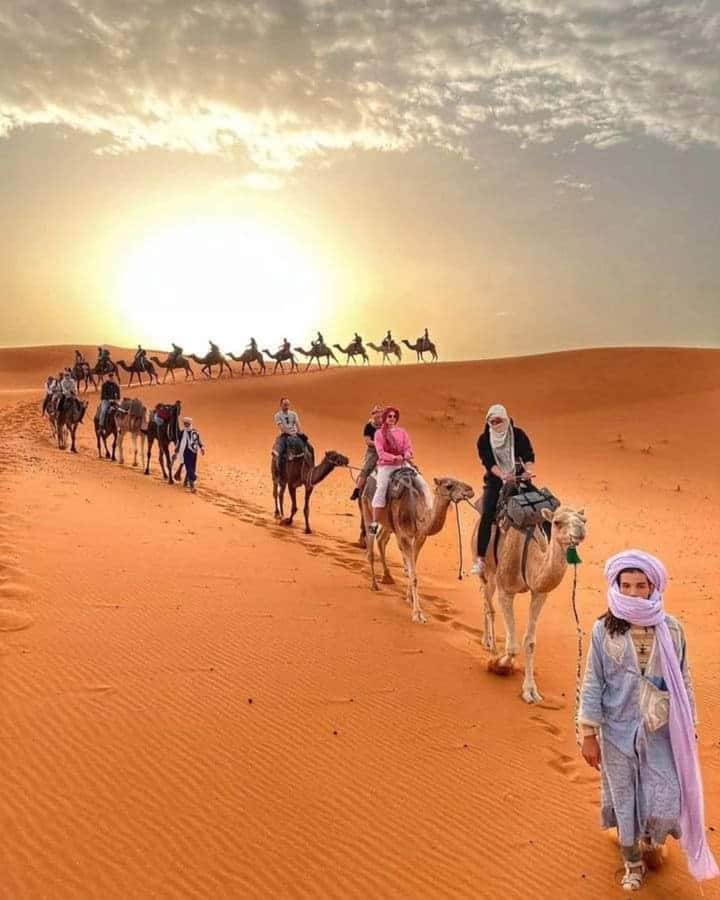
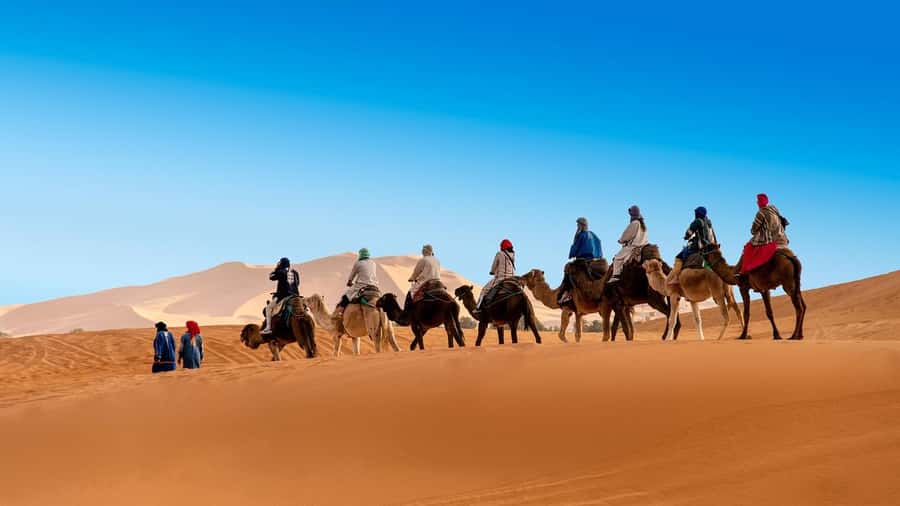
By afternoon, you reach Merzouga, the starting point for the dunes. This is when the tour changes from “drive and see” to “do.” You’ll meet your camel caravan and head into the Erg Chebbi sand dunes for sunset.
Potential drawback on Day 1: the included transportation is listed as A/C, but one verified guest reported the van didn’t have A/C as advertised on the first leg. If you’re sensitive to heat or timing, plan for it: light layers, a hat, and don’t count on cold air to save you during stops and driving.
Camel trek at Erg Chebbi: sunset, dunes, and a stargazing camp night
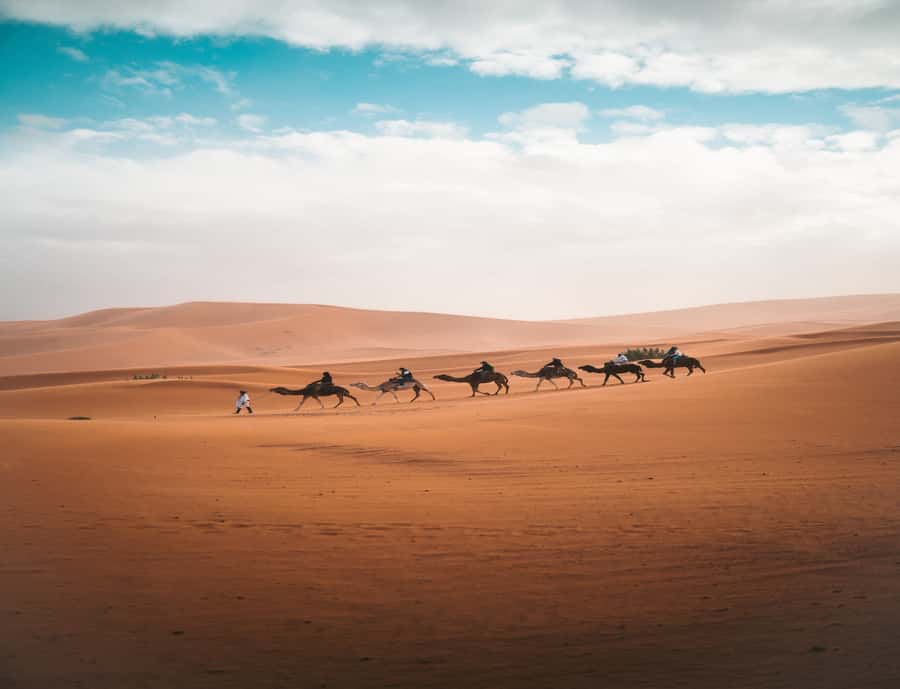
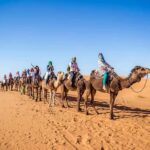
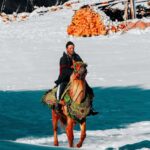
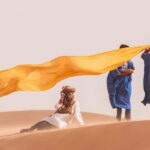
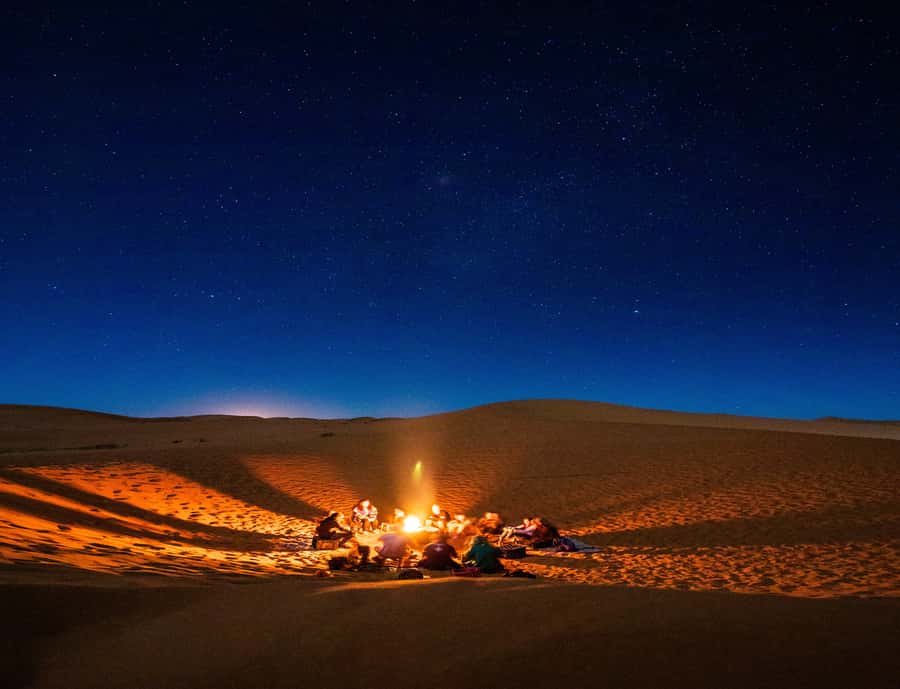
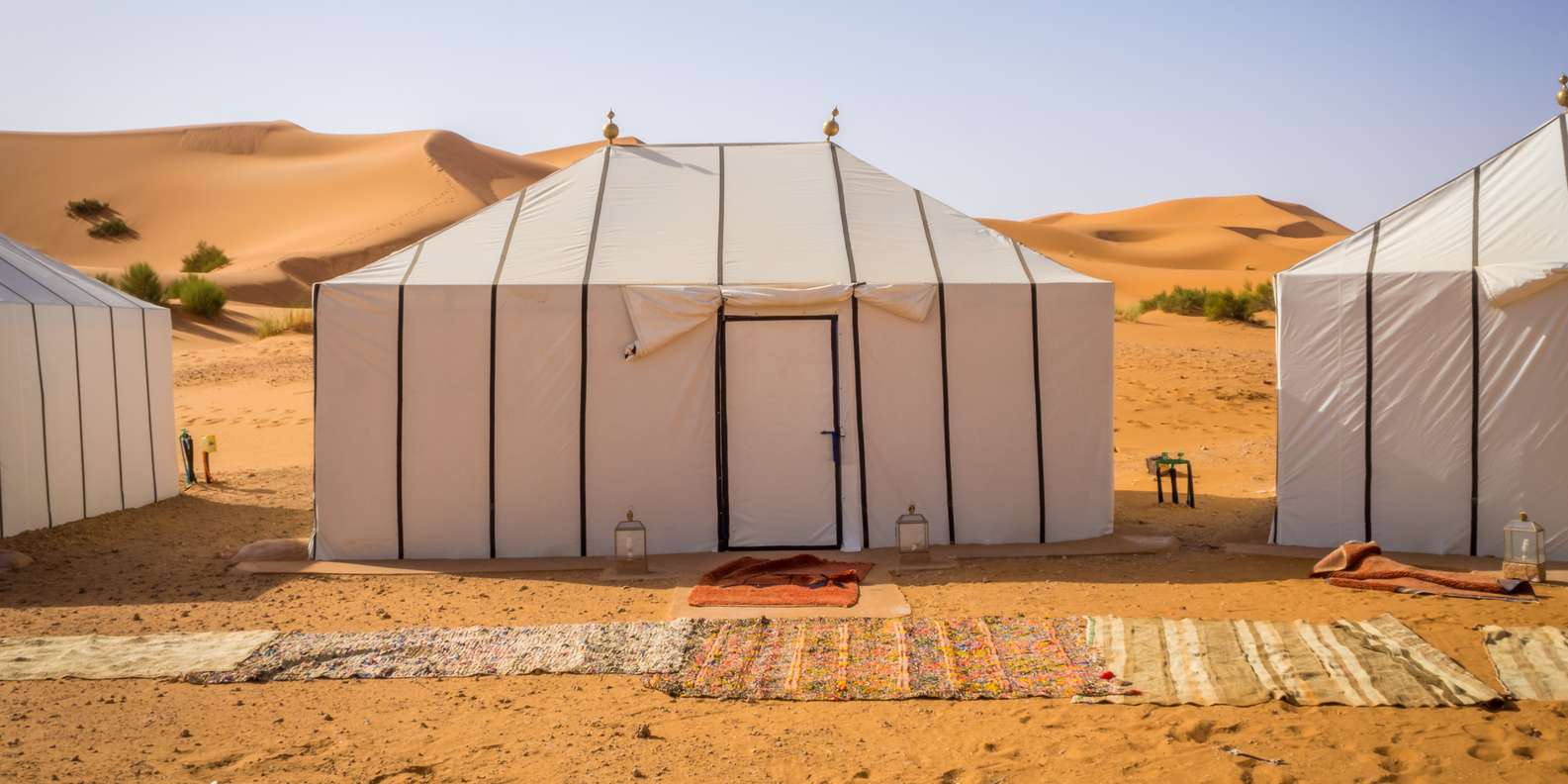
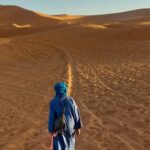
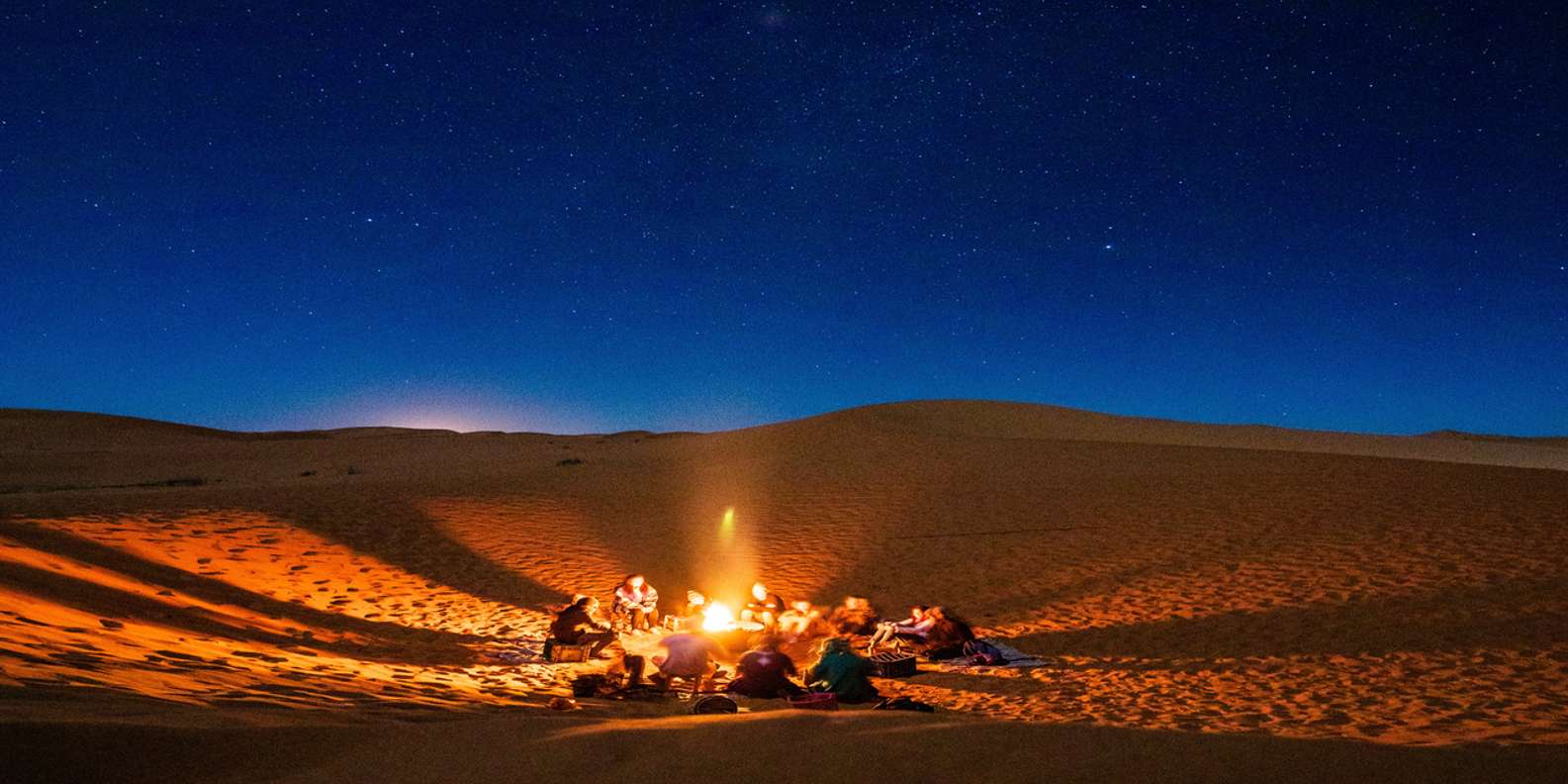
The desert moment is the headline. You’ll ride camels into the dunes as the light turns gold, then you’ll arrive at your luxury tent desert camp for dinner and the night under the stars.
Here’s what you should expect in practice:
- The camel ride is part of the “transition ritual” from road travel to desert time. Even if you’re short on stamina, you’ll feel the shift when the dunes open up around you.
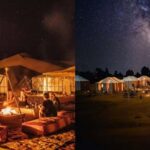
- Your evening includes traditional Moroccan cuisine (dinner is included) and music performances around the campfire, which helps the camp feel like more than basic shelter.
- You’ll have the kind of night where silence shows up. The camp is the setting for stargazing, not just sleeping.
One small reality check I like to offer: the camel ride duration can feel short to some people. A verified guest noted their camel ride was around 20 minutes. That doesn’t mean it’s always like that, but it does mean you shouldn’t assume you’ll be on a camel for hours. If “maximum saddle time” is your top priority, ask your operator what the pace typically feels like.
Sandboarding is included, and that’s a big upgrade for most people. It turns the desert from a viewing experience into an activity day. If you’ve never done it, don’t overthink it—use the equipment you’re given and focus on safety and balance.
Day 2: desert sunrise and the return to Merzouga before Ouarzazate
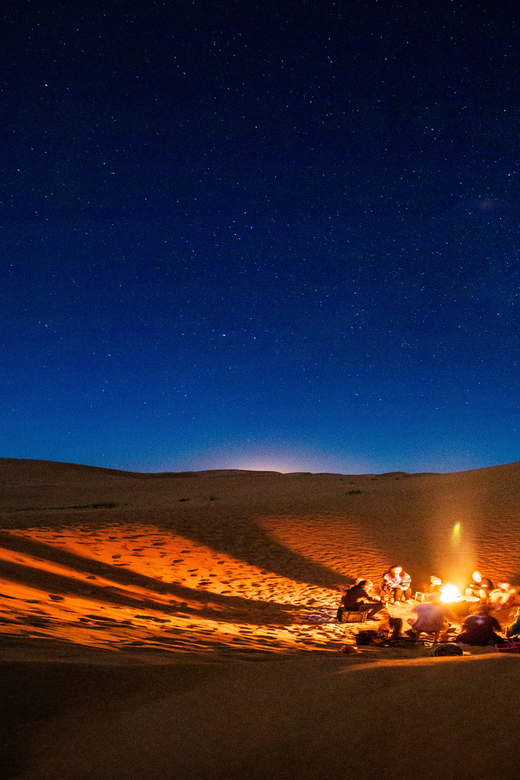
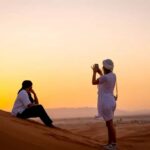
Day 2 starts early for sunrise. Waking up in the desert for first light changes how you see sand. The dunes look different when the sun isn’t blasting yet, and the cold-to-warm color shift is part of why people do this in the first place.
After sunrise, you return toward Merzouga on camels. Then breakfast happens and you pivot from dunes back into the wider route.
From there you’re heading to Ouarzazate, with a set of stops that do more than stretch your legs:
- Rissani (city of spices) is your quick cultural pause.
- Todra Gorge offers dramatic canyon views. You’ll have time for a leisurely walk—this is where you can get off the road and stretch your body without losing the day’s momentum.
- Kalaa M’Gouna (spelled in the tour text as kalaa megouna) is tied to roses and unusual rock formations. If you like photo stops that don’t feel generic, this is one to appreciate.
Once you reach Ouarzazate, you check into your charming hotel for the night. Dinner is included, and this hotel night is your comfort anchor before the final drive into Marrakech.
Day 3: Ouarzazate studios, UNESCO Ait Ben Haddou, and Tizi n’Tichka into Marrakech
Your final day is about two big things: film-location Morocco and the high Atlas pass into the city.
First up you go past Ouarzazate’s studio area (the itinerary mentions the Big Studio in Africa, also referenced as Oscar Studio). This stop matters because it explains why Ouarzazate shows up so often on movie maps. Even if you don’t love film trivia, it helps you read the region differently.
Then you hit Kasbah Ait Ben Haddou, a UNESCO World Heritage site and a popular filming location. You’ll also have a local guide with you here, which is important. Ait Ben Haddou can look like “just another old building” if you walk through without context. With a local guide, you get the story behind the forms and why it’s preserved.
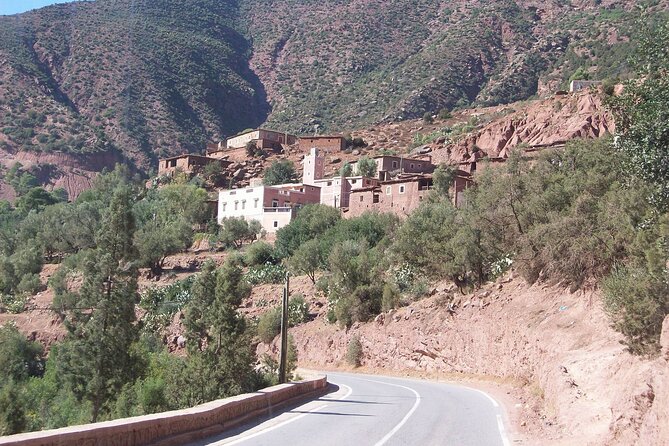
After that, you continue through the Atlas Mountains, crossing Tizi n’Tichka Pass at about 2,260 meters (7,410 feet). This is one of those routes where the altitude makes the air feel sharper and the views feel bigger. You’ll pass Berber villages and viewpoints on the descent, with photo stops along the way.
Finally, you arrive in Marrakech in the afternoon and you’re dropped off at your preferred location. You’ve gone from sand to souks, with a stack of stops in between that explain how those worlds connect.
A few more Fes tours and experiences worth a look
Price and value: is $238 per person a fair deal?
At $238 per person for 3 days, this price sits in the “budget-friendly for this routing” category, mostly because it bundles the big-ticket components:
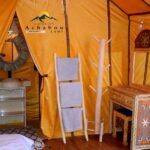
- 2 nights total (a luxury tent desert camp plus a hotel in Ouarzazate)
- camel ride into the dunes
- sandboarding equipment
- meals: 2 breakfasts and 2 dinners
- a local guide at Ait Ben Haddou
- transportation with pickup/drop-off
Your biggest extra costs to plan for are simple: lunch and water are not included, and there’s a museum ticket listed at €7 (not included). If you’re trying to budget tightly, you’ll want to pack snacks or plan lunch stops that fit your pace.
The other value factor is group size. It’s a small group limited to 8 participants, which usually means less chaos in seats, quicker re-grouping at stops, and a better chance your driver can keep an eye on the group.
So yes, the price is usually fair if you want a guided multi-stop route with sleeping and desert activities handled. If you only care about the desert and want maximum freedom afterward, independent travel can sometimes be cheaper—but you’ll trade off the “everything organized” convenience.
Comfort and safety: drivers matter more than you think
This kind of route is only as good as your driver. In the real world, you’ll spend hours together, then you’ll hand off to camels and camp staff, then you’ll all switch back to the road again.
One reason the overall rating stays high is that many groups report their driver being both professional and cheerful. Names that showed up in verified bookings include Aziz, Kwiskita, Tarik, Otman, Momo, Mohammed Couscous, and Imad14. Multiple guests praised drivers for making the long ride feel smooth and for giving helpful explanations at stops.
That said, comfort isn’t guaranteed the same way every day. The one clear concern I’d flag is the possible A/C mismatch mentioned earlier. If you’re traveling in hot months or you’re prone to heat stress, plan for it mentally and pack for it physically.
What to pack for a desert-to-city swing (without overpacking)
Based on what this tour includes and what you’ll do, you’ll want to pack for both desert nights and mountain-day driving.
Bring:
- light layers for daytime heat changes
- a hat and sunscreen for the dunes and high pass views
- a warm layer for the camp night (the desert can cool off fast once the sun drops)
- comfortable shoes you can walk in at Todra Gorge and during stops
- a small day bag for water and lunch (since lunch and water aren’t included)
For the desert portion, you’ll have sandboarding equipment, which is great. Still, bring what you need for comfort around it: closed-toe shoes or secure footwear and something for sun protection.
Who this tour suits best
This is a strong match if you want:
- a 3-day structure from Fes to Marrakech that covers mountains, desert, and Ait Ben Haddou without planning
- a guided desert experience with camel time, dinner, music, and stargazing
- enough time at major stops to take photos and actually walk a bit (not just stop, rush, and go)
It may not be ideal if you want slow travel or lots of deep museum-style time. One guest felt the stops were more about getting through quickly than about deep culture. If you’re a “one place at a time” person, you might feel the schedule is a bit compressed.
Should you book this Fes to Marrakech desert tour?
I’d book it if you want the desert highlight plus Atlas culture stops, and you like the idea of sleeping in a camp and waking up to desert sunrise—without doing the logistics math yourself. The mix of Erg Chebbi, Todra Gorge, Kalaa M’Gouna, Ait Ben Haddou, and the Tizi n’Tichka Pass route is exactly the kind of Morocco variety you can’t easily stitch together in 3 days alone.
I’d hesitate only if you’re extremely sensitive to long driving days or you need guaranteed in-vehicle A/C performance. If that’s you, ask the operator ahead of time what the vehicle setup usually looks like on the first day.
Bottom line: if you’re chasing one unforgettable Morocco memory, this has the right ingredients—and you’ll end the trip with Marrakech energy, not just desert photos.
FAQ
How much does the tour cost?
The price is $238 per person.
How long is the tour?
It runs for 3 days and 2 nights.
What’s the route from and to?
It’s a desert tour from Fes to Marrakech.
Where do you spend the nights?
You’ll sleep one night in a luxury tent desert camp and another night in a hotel in Ouarzazate.
Is camel riding included?
Yes. You get a camel ride into the Sahara Desert.
Is sandboarding included?
Yes. Participants receive complimentary sandboarding equipment.
Are meals included?
Yes—2 breakfasts and 2 dinners are included. Lunch and water are not included.
Is there a local guide included at Ait Ben Haddou?
Yes. A local guide is included in Kasbah Ait Ben Haddou.
What languages do you get?
The host or greeter is available in English, French, Italian, and Spanish.
Is the tour wheelchair accessible?
Yes, it’s listed as wheelchair accessible.