REVIEW · FES
From Fes To Marrakech: 3-Day Sahara Desert Tour & Camel Trek
Book on GetYourGuide →Operated by Marrakech City Life SARL · Bookable on GetYourGuide
Camel sunset and star nights make this trip work. In three days you roll from Fes over mountain roads toward Merzouga, then back to Marrakech, with real stops like Ifrane and Azrou. I love the Erg Chebbi camel sunset plus sandboarding, and I love the Todra Gorge canyon walk along the river. The only real drawback: it’s a lot of time in the van, even with frequent breaks.
What makes this one different is the mix. You get Morocco’s cool Atlas towns, cedar-forest wildlife, desert dunes, and UNESCO Ait Ben Haddou, all wrapped into one simple plan with an English-speaking guide and air-conditioned transport. If you care about the camel portion, one traveler noted that walking instead can be an option, so I’d ask before you ride.
In This Review
- Key reasons this tour feels like a full Morocco story
- The route that makes sense: Fes to Marrakech, not a single-note trip
- Day 1: Ifrane, Azrou cedar forest, Midelt lunch, then down to Merzouga
- A practical expectation for Day 1
- Erg Chebbi sunset camel ride, sandboarding, and a desert camp night
- Camel reality check (so you can choose what fits you)
- How comfortable is the desert camp?
- Day 2: Road of a Thousand Kasbahs to Todra Gorge, then Dades Valley
- Day 3: Ait Ben Haddou UNESCO stop and the High Atlas ride into Marrakech
- A note about Atlas Studios
- Price and logistics: why $182 can be fair (and when it may feel tight)
- Packing tips that actually matter for the desert days
- Who this tour fits best
- Book it or skip it: my honest take
- FAQ
- What does the tour include?
- Where does the tour start and where does it end?
- How long is the tour?
- What activities are included in the Merzouga desert portion?
- Is lunch included?
- Is Atlas Studios included?
- What should I pack for this trip?
- Can I cancel for a full refund?
Key reasons this tour feels like a full Morocco story
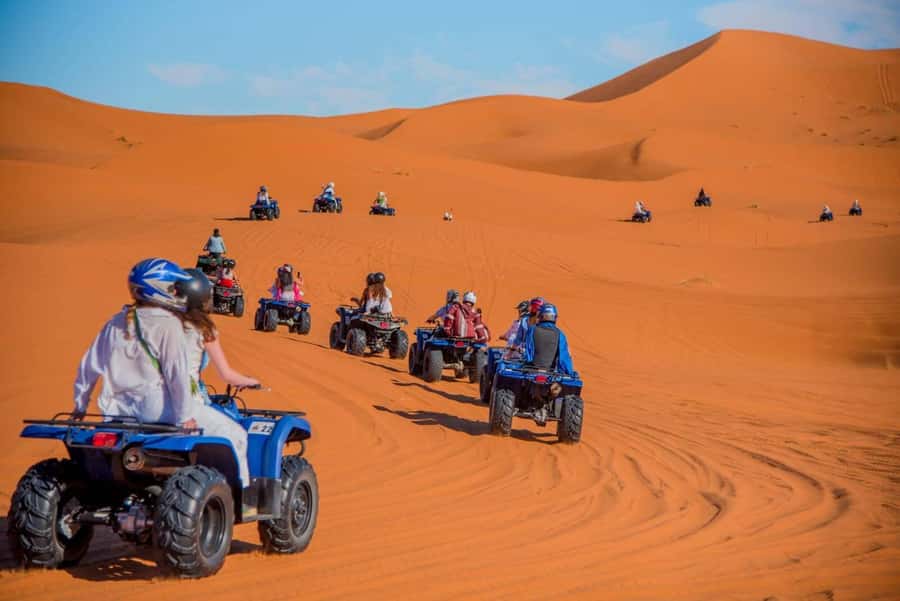
- Erg Chebbi at sunset: the dunes turn gold, then you sleep under the stars at a desert camp.
- Todra Gorge walk: tall canyon walls and an easy stroll by the stream, not just a quick photo stop.
- Atlas Mountains crossings: Ifrane, Azrou cedar forest, and the dramatic High Atlas pass into Marrakech.
- Berber music at camp: dinner plus a live performance, so the night feels like an event.
- Strong guide energy: multiple guides get called out by name, including Omar Faiz, Hesham, Simo, Douzi, and Mehdi.
- Onboard WiFi on the drive: small comfort, but it helps on long days.
The route that makes sense: Fes to Marrakech, not a single-note trip
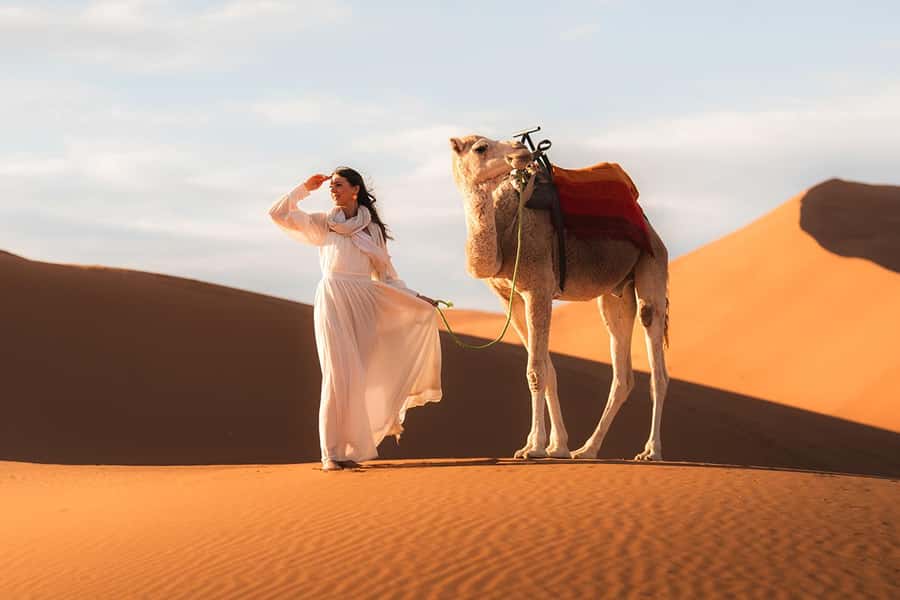
A Fes-to-Marrakech desert tour can be either a highlight-fest or a long bus ride that dumps you into the dunes for one hour. This one leans hard into the better version. You’re not just “getting somewhere.” You’re passing through the Middle Atlas, then stepping down toward the Sahara, and finally climbing back over the High Atlas toward Marrakech.
For me, the value is in how many different Morocco textures you sample without needing to plan every day. You’ll see cedar forest and Barbary monkeys near Azrou, oases and viewpoints on the way into Merzouga, dramatic gorge scenery around Todra, and the mud-brick grandeur of Ait Ben Haddou. That means even if you’re tired from the drive, your eyes keep getting fresh material.
You can also read our reviews of more hiking tours in Fes
Day 1: Ifrane, Azrou cedar forest, Midelt lunch, then down to Merzouga
Your day starts with pickup from your selected Fes-area location (and if you’re staying in a riad, you’ll likely meet at the nearest accessible drop-off point). Then you’re heading into the Middle Atlas with breaks built in, including time in Ifrane for photos and a stretch.
Ifrane is the kind of place that’s easy to underestimate until you see it: alpine-style architecture in a region you probably imagined only as rugged mountain roads. After that, you’ll go to Azrou and the cedar forest zone. This is where Barbary monkeys live, and the best part is that it’s a nature stop, not a sales stop. It’s also a great moment for quick group photos before the day turns more desert-focused.
Next comes Midelt, where lunch is served. Midelt is often treated as a transit stop, but it matters because it’s where the scenery starts changing. You leave more forest-and-rock country behind and gradually feel the trip “tilt” toward the Sahara.
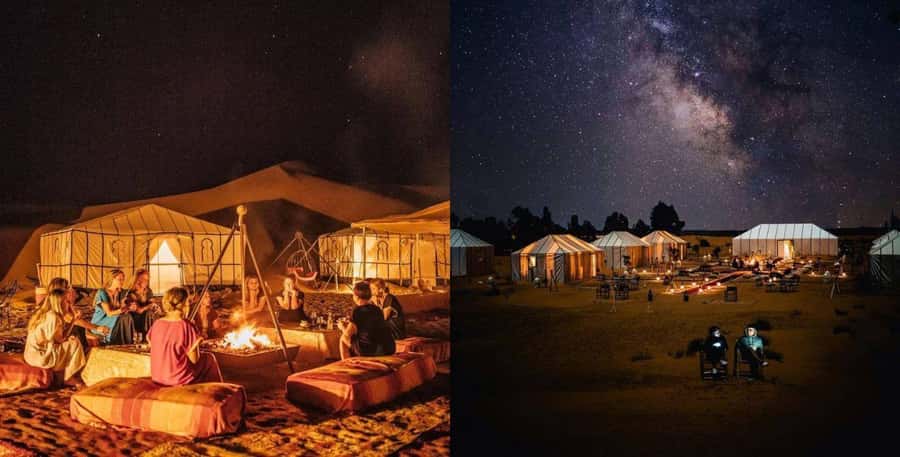
By late day you’ll reach Merzouga’s dune area, and there’s usually time for a first taste of the desert vibe. Some tours include a mint tea moment near a kasbah close to the dunes of Erg Chebbi. Even if tea won’t feel like a life-changing event, it helps you reset your expectations: this is when the day shifts from driving to living outdoors.
A practical expectation for Day 1
This day can feel long, but it’s structured. You’re not stuck for hours with no stops. Still, pack patience and water, and use those breaks. One traveler specifically recommended bringing snacks because the gaps between meals can stretch.
Erg Chebbi sunset camel ride, sandboarding, and a desert camp night
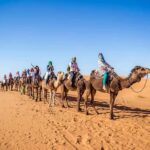
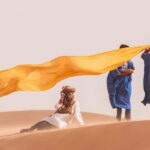
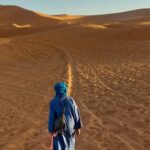
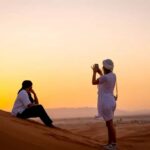
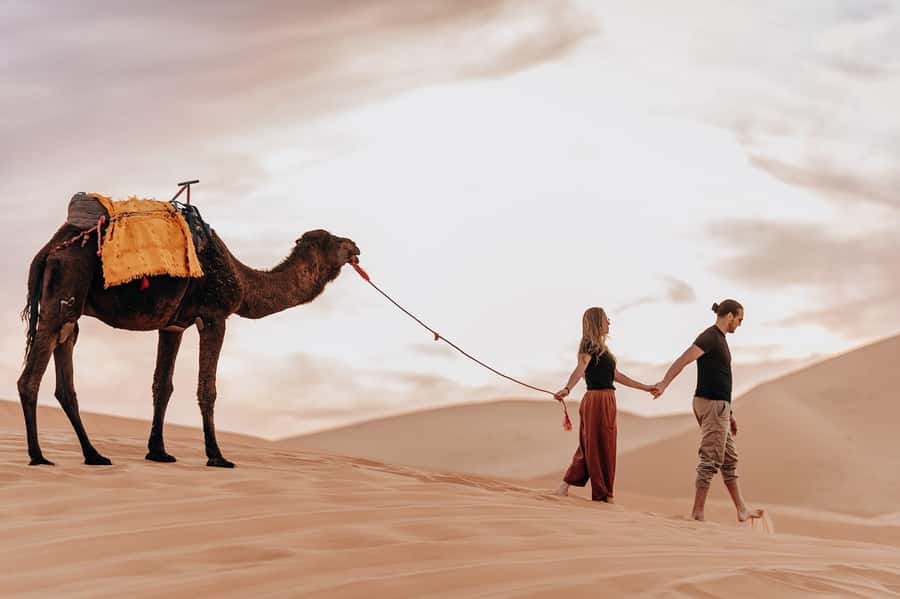
Merzouga’s Erg Chebbi dunes are the headline, and sunset is when they become something else. The tour offers a camel ride into the dunes for sunset (and camp time afterward). The point isn’t speed. It’s the slow, golden light and that moment when the sky starts looking bigger than your phone screen.
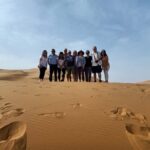
Then you’ll have a chance to do sandboarding on the dunes. I like sandboarding in this context because it’s active, it’s short, and it gives you that physical connection to the dunes without needing any experience.
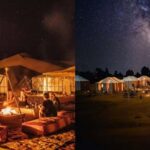
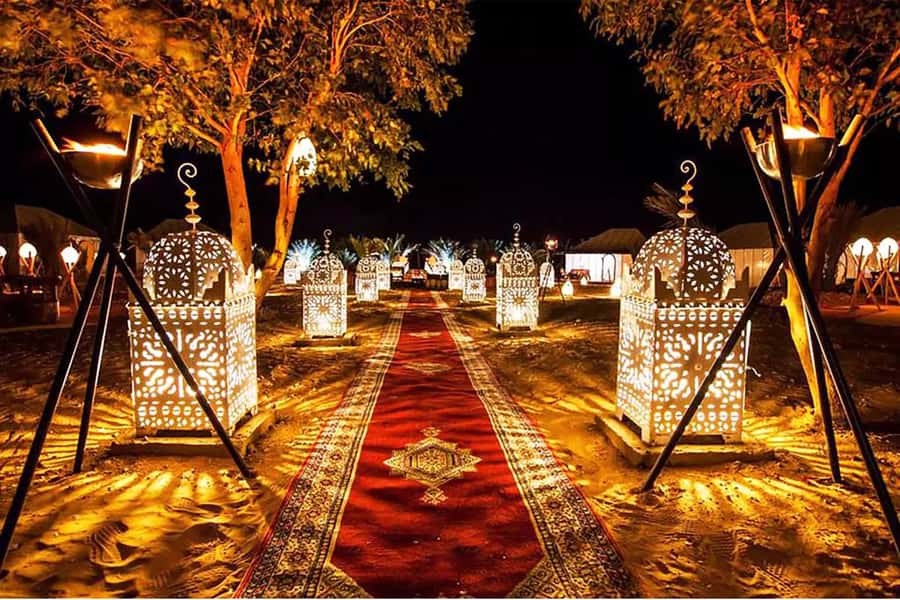
At camp, the night is built around dinner, camp activities, and a live Berber music performance. This is the part that tends to make the trip feel memorable later, because it’s not just scenery. It’s people, music, and the desert’s quiet underneath everything.
Camel reality check (so you can choose what fits you)
One review notes the camel ride can be optional and that walking instead may be possible (around 30–45 minutes). If you’d rather not ride, ask your guide at the dunes meeting point. Also, one traveler raised concerns about camel handling (tied together and the way mouths are secured). I can’t confirm details about every camp, but if animal treatment matters to you, it’s worth asking how their handling works and whether walking is available.
A few more Fes tours and experiences worth a look
How comfortable is the desert camp?
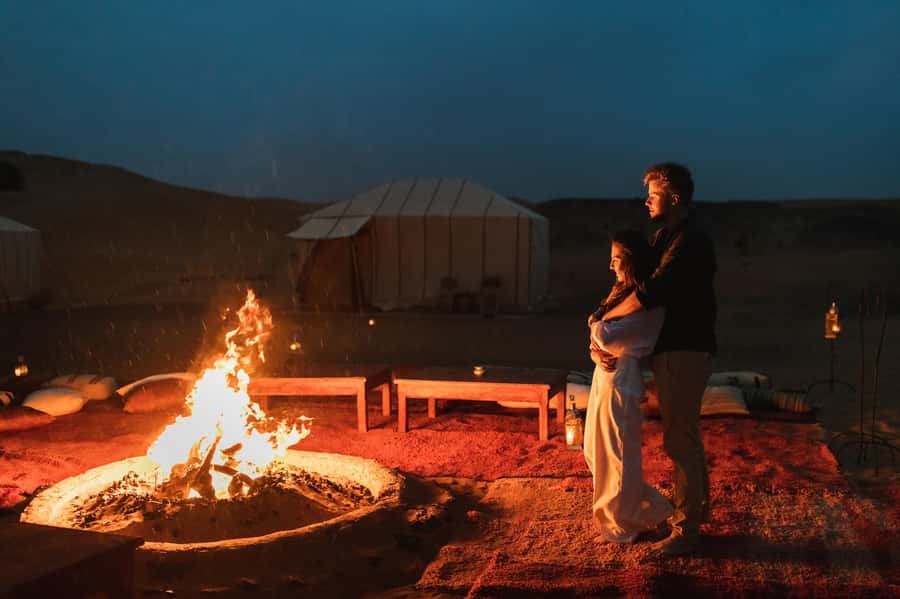
Comfort varies by camp setup, but one traveler described a more “upscale” setup: private bathroom with hot water and a heater in the tent, plus electrical sockets. Even if your camp isn’t that fancy, plan for cold nights. A desert tent can feel cozy in the day and chilly after dark, so bring warm layers.
Day 2: Road of a Thousand Kasbahs to Todra Gorge, then Dades Valley
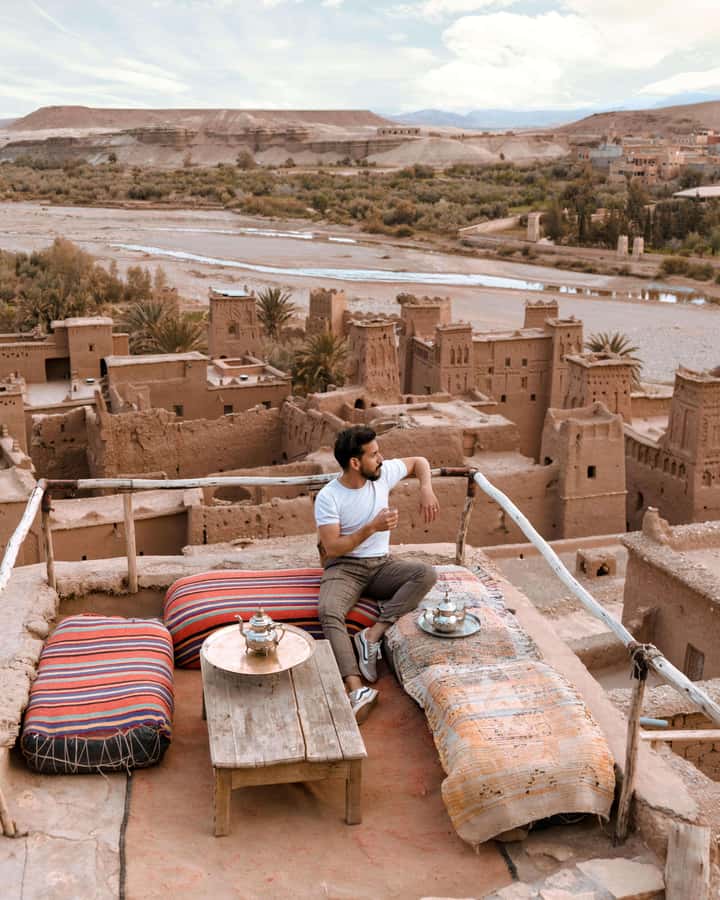
Breakfast comes at the camp, and then you’re back on the road. A big chunk of Day 2 is dedicated to the Road of a Thousand Kasbahs—a historic caravan-style route lined with mud-brick fortresses and villages. Even from the van, it’s interesting because the scenery changes in small bursts: a kasbah appears, then another, then a stretch that feels empty until you round a curve.
Then you stop at Todra Gorge. This is not a “stand in a parking lot” moment. You’ll have free time for a short walk and photos, with the canyon walls rising dramatically above the riverbed. The practical win here is the gentle rhythm: you can stroll along the oasis/stream area without needing hiking gear.
After Todra, you continue toward the Dades Valley region (often with a stop around Boumalne Dades). This is another landscape phase shift: rock formations, dramatic bends in the road, and the sense of being in Morocco’s “in-between” territory—where you can’t decide if you’re still in the mountains or already entering the desert’s orbit.
You’ll arrive at your hotel for dinner and an overnight stay. Reviews often mention that the hotel night is a welcome reset after long driving. I agree with that logic. The desert is impressive, but a solid night’s sleep makes Day 3 much easier to enjoy.
Day 3: Ait Ben Haddou UNESCO stop and the High Atlas ride into Marrakech
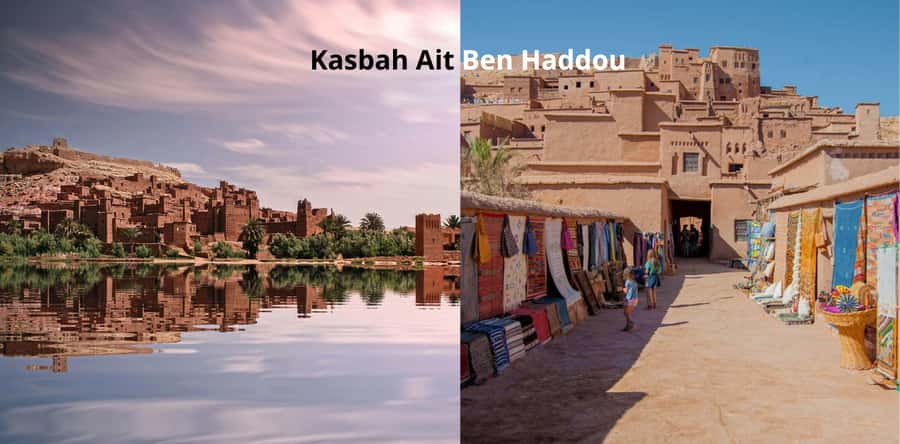
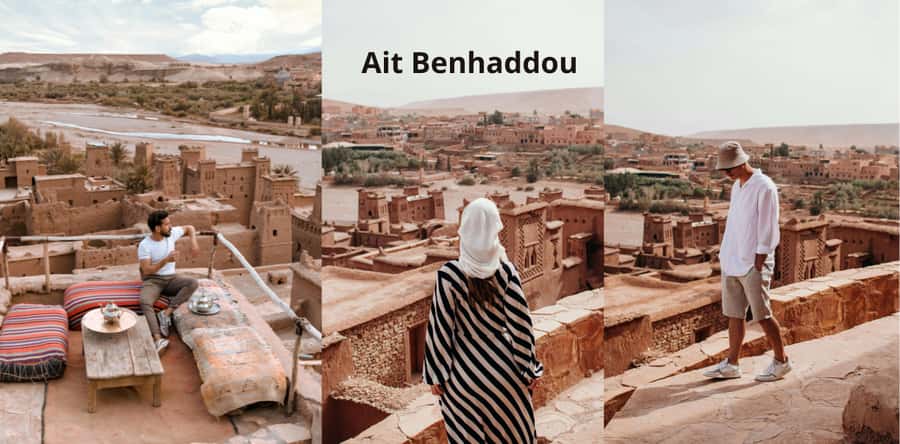
Day 3 starts with another breakfast, then your day’s first major stop is Ait Ben Haddou, a UNESCO World Heritage site. This ksar (fortified village) is the kind of place where you immediately understand why it shows up in films. You’ll explore its ancient lanes and viewpoints, and you might notice film-related references around the area.
There’s an option mentioned for a local guide in Ait Ben Haddou (available for a small extra fee). If you’re even slightly curious about what you’re looking at, I’d consider it. When you’re walking alone, you’ll see the structures; with a guide, you’ll understand how they worked and why they were built this way.
After Ait Ben Haddou, you continue into the High Atlas and cross Tizi n’Tichka Pass. This is one of the classic Moroccan road moments: high elevation, sweeping views, and chances to spot Berber villages along the way. It’s also the emotional payoff of the whole tour. You went down toward dunes, and now you climb back up—like the country is showing you its range.
Then you head into Marrakech in the evening and get dropped at your hotel or riad.
A note about Atlas Studios
Atlas Studios is listed as not included, even though some versions of the day include a guided visit. If this stop matters to you, check how your tour operator handles it when you book, so you aren’t surprised later.
Price and logistics: why $182 can be fair (and when it may feel tight)
At $182 per person for a 3-day Sahara desert tour from Fes to Marrakech, the math usually comes down to what’s included vs. what’s extra. Here’s the practical picture:
Included:
- Air-conditioned transport and a professional driver
- An English-speaking local guide
- Onboard WiFi
- One night in a hotel/riad and one night in a desert camp
- Two breakfasts
- Dinner on one hotel/riad night and dinner in the desert camp (with live Berber music)
- Sunset camel ride
- Sandboarding
- Opportunity to try on and wear traditional Berber clothing
- Marrakech drop-off (and some versions note a last-day transfer option to Agadir)
Not included:
- Lunch
- ATV quad/buggy (available to rent)
- Atlas Studios visit (not included)
- A local guide in Ait Ben Haddou is available for a small extra fee
So, is it good value? For most people, yes—because the big costs on this route are the long-distance transport, the desert camp night, and the guided stops. If you tried to piece it together yourself, you’d still pay for transport and you’d need to line up the desert camp and safe logistics around it.
The “tight” part is that lunch isn’t included and you’ll have long driving blocks. If you’re sensitive to meal timing, bring snacks and plan to pay for lunch separately.
Also, quad biking is popular, and some people call it a must-do. But since it’s an extra rental, decide before you arrive in Merzouga so it doesn’t feel like an emotional upsell. Same goes for any optional adds.
Packing tips that actually matter for the desert days
This tour is mostly about weather swings. Desert nights can turn cold fast, while daytime can still be warm. Bring:
- Comfortable shoes for gorge walks and kasbah exploring
- Warm clothing for cool desert evenings
- Sunglasses and sun hat for strong daylight
- Sunscreen and a jacket (evenings can get breezy)
- A small camera plan (this route gives you lots of photo angles)
If you’re thinking about the camel sunset part, also decide ahead of time whether you want the ride or you’d rather walk. One review said walking is possible, which is useful if you want to minimize animal contact or just keep your feet moving.
Who this tour fits best
This is a strong choice if you want:
- One simple plan from Fes to Marrakech
- A real taste of the Sahara without multiple transfers on your own
- Iconic stops like Todra Gorge and Ait Ben Haddou
- An active desert add-on like sandboarding
It’s less perfect if you hate long road days or if you want lots of free time in each stop with no schedule at all. This is built around movement. You’ll be busy, even if the pace is broken up with breaks.
Book it or skip it: my honest take
I’d book this tour if your priority is getting the desert in a clean, guided way, with Erg Chebbi sunset and a desert camp night, plus the gorge and UNESCO stops on the way back. The guide quality seems consistently high in real life, and names like Omar Faiz, Hesham, Simo, Douzi, and Mehdi show up often—usually a sign the company invests in people who can manage the day.
I’d hesitate if you’re not comfortable with cold desert nights, if you need lunch included, or if you have strong concerns about camel handling and want to avoid riding entirely. In that case, ask early whether walking is available for the sunset dunes portion, and plan your expectations around what you’re comfortable doing.
FAQ
What does the tour include?
It includes pickup from select hotels and riads in Fez (with options), air-conditioned transportation, a professional driver, onboard WiFi, an English-speaking local guide, 1 overnight stay in a hotel or traditional riad, and 1 overnight stay in a fully-equipped desert camp under the stars. It also includes 2 breakfasts, 1 dinner in your hotel or riad, and 1 authentic dinner in the desert camp with live Berber music.
Where does the tour start and where does it end?
It starts with pickup from select locations in and near Fez (options listed include Fes, Ifran, Midelt, and Merzouga) and ends with drop-off at your accommodation in Marrakech.
How long is the tour?
The duration is 3 days.
What activities are included in the Merzouga desert portion?
The tour includes a sunset camel ride and a sandboarding adventure. There’s also an opportunity to try on and wear traditional Berber clothing. ATV quad and buggy rides are available to rent as extras.
Is lunch included?
No. Lunch is not included.
Is Atlas Studios included?
Visit to Atlas Studios is not included.
What should I pack for this trip?
Bring comfortable shoes, warm clothing, sunglasses, a sun hat, sandals, a camera, sunscreen, a jacket, and comfortable clothes. Desert temperatures can vary a lot between day and night.
Can I cancel for a full refund?
Yes. Free cancellation is available up to 24 hours in advance for a full refund.