REVIEW · FES
Shopping Full-Day Guided Tour in Fes
Book on GetYourGuide →Operated by bekben Travel · Bookable on GetYourGuide
Your shopping day in Fes gets a plan.
I like how this full-day route turns the medina into a real craft tour, starting at the famous Chouara Tannery and moving through wood, ceramics, spices, carpets, and metalwork. I also like the human part: guides such as Yahya and Amine have a knack for making the maze feel manageable and for helping you buy with confidence, not confusion.
One thing to consider: it’s a shopping-focused day in a dense old-city setting. If you prefer wandering solo with zero structure, you may feel pulled along at times—even though the guides aim to match your interests.
In This Review
- Key highlights that matter
- Why this guided shopping day makes sense in Fes
- Morning pickup and Chouara Tannery: the day’s strongest start
- Nejjarine Square woodcraft: looking at technique, not just objects
- Seffarine ceramics workshop and blue-and-white shopping
- El Attarine spice and perfume souk: choices with real explanations
- Lunch break in the medina: optional but worth the timing
- Carpet cooperative and Berber weaving: how the pattern story helps you choose
- Seffarine metalworkers and boutique fashion: brass, copper, and the fun upgrades
- Rooftop tea and panoramic views: where the day cools off
- Price and value: is $29 a good deal?
- Who should book this tour (and who should skip it)
- Should you book? My take
- FAQ
- How long is the tour?
- Where does the tour start and end?
- What craft stops are included?
- Is lunch included?
- Is tea included at the end?
- What’s included in the price?
- What languages are available?
- Do you get help with shipping purchases?
- Can I reserve without paying right away?
- What’s the cancellation window?
Key highlights that matter
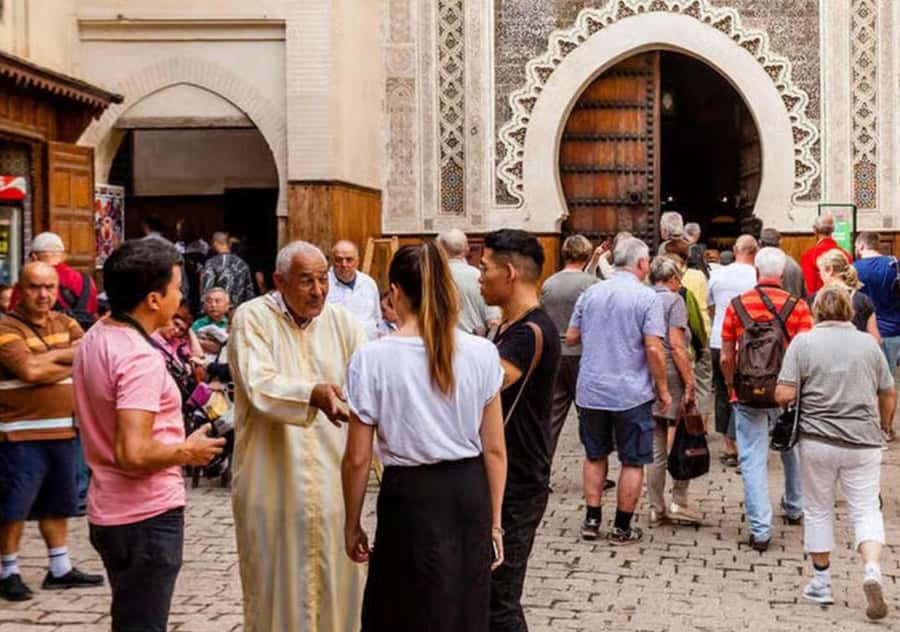
- Leather tanneries at the start: see the centuries-old dyeing process and shop from artisans
- Nejjarine Square woodcraft stop: watch skilled carpenters at work on traditional pieces
- Seffarine ceramics workshop: focus on blue-and-white pottery while you learn how it’s made
- El Attarine spice and perfume souk: get help choosing spices, essential oils, and perfumes
- Carpet cooperative weaving: learn what the patterns mean while you look for a rug
- Rooftop tea finish: get panoramic views and a calmer end to the day
Why this guided shopping day makes sense in Fes
Fes’s medina is gorgeous, and it can also feel like you stepped into a living map problem. That’s where a guided day earns its keep. This tour is built around a simple idea: you’re not just buying souvenirs—you’re seeing where the crafts come from, meeting the makers, and learning what to look for while you shop.
I like that the tour is explicitly personalized. You’re not stuck with a rigid “see everything, buy nothing” script. Guides help adjust the pace and the kinds of items you focus on, which matters when you’re trying to find quality in a place packed with shops and decisions.
The second reason it works: the stops are spread across multiple craft zones. You start with leather at Chouara, then shift to wood at Nejjarine Square, then ceramics in the Seffarine Quarter, then spices in El Attarine, and so on. That ordering helps you compare materials and craftsmanship as you go, instead of hopping randomly and forgetting what you saw five minutes ago.
You can also read our reviews of more guided tours in Fes
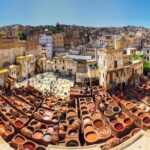


Morning pickup and Chouara Tannery: the day’s strongest start
Most mornings in Fes feel like a sprint, but this one starts with a practical touch: hotel or riad pickup so you don’t waste time navigating on your own. From there, you head straight into the iconic leather scene at Chouara Tannery.
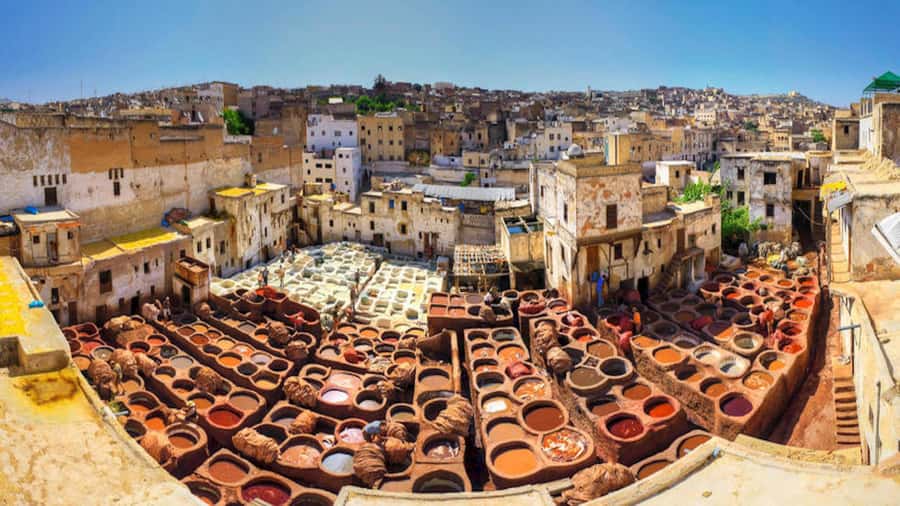
This is the big show. You get to witness the leather dyeing process that’s been done for centuries, and you can shop for handmade items right in the ecosystem of the tannery world—bags, jackets, belts, and related leather goods. The value here isn’t only the shopping. It’s the context. When you see the process, you start asking smarter questions in the shops that come after.
Two practical tips for the tannery stop:
- Go in expecting strong sensory details. Leather work is not a museum smell; it’s real production.
- Watch how the guide frames quality. A good guide helps you separate “pretty color” from what will hold up and feel right for your needs.
If you want your trip to include something distinctly Fes—and not just generic shopping—this first stop does that job.
Nejjarine Square woodcraft: looking at technique, not just objects
Next you move to the artisan quarter around Nejjarine Square, home to traditional carpenters and woodworkers. This stop is different from the tannery because it’s about craft design and long practice, not dyeing and processing.
You’ll see intricate wooden crafts, from furniture-style pieces to decorative items. You also learn about the techniques passed down through generations. That matters because wood is one of those materials where “nice” can mean everything from lightweight decoration to serious workmanship.
What I’d pay attention to here:
- Details at joints and edges, since that’s often where quality shows up.
- How the guide explains what you’re looking at, because wood can be hard to judge fast if you don’t know what to notice.
This is also a helpful transition. After the intensity of Chouara, Nejjarine feels like the tour is slowing down just enough for you to actually look and decide.
Seffarine ceramics workshop and blue-and-white shopping

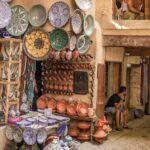
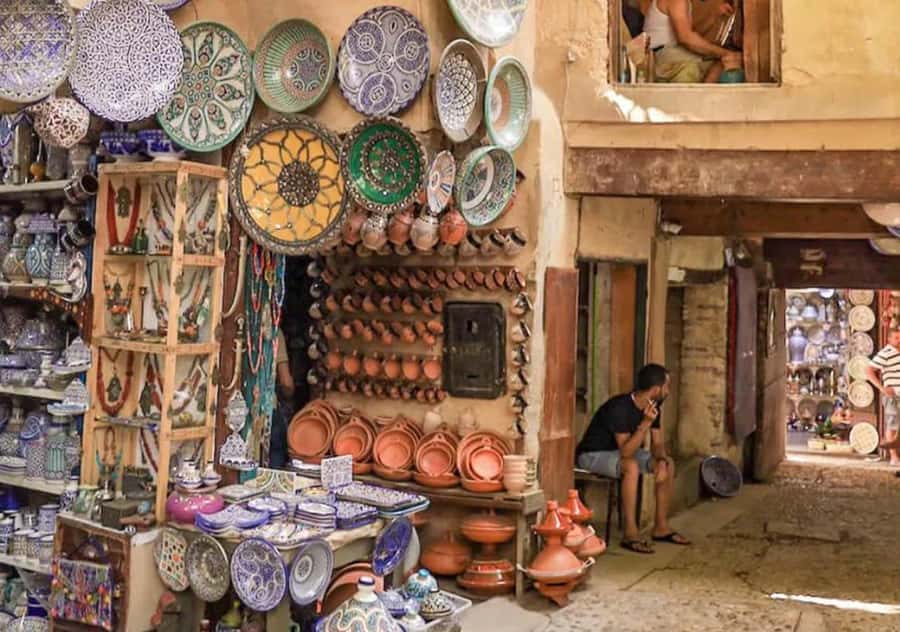
In the afternoon earlier half (midday-to-afternoon flow), you visit a pottery workshop in the Seffarine Quarter, known for blue-and-white ceramics.
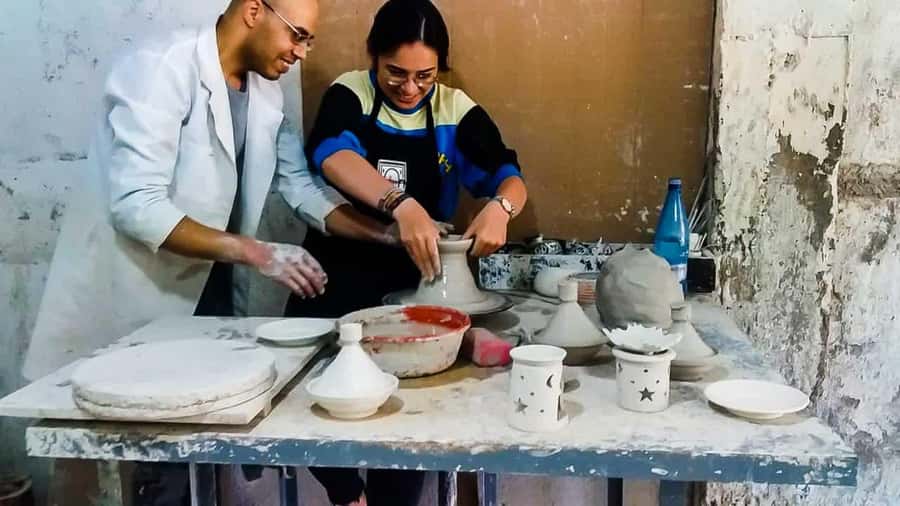
You watch the pottery-making process and then browse items like plates, bowls, and vases you can buy. The key benefit here is the small reality check: you see the work happening, not just a finished product behind glass.
Ceramics shopping in Morocco can be a lot of fun, but it can also be confusing if you can’t tell what’s decorative and what’s made for everyday use. A good guide helps you interpret what you’re buying in a way that matches your expectations—souvenir, gift, or something you’ll actually use.
Also, this workshop stop tends to be where people slow down and get specific. It’s easier to pick out a set when you’ve already watched the steps and understand how the pieces are formed.
El Attarine spice and perfume souk: choices with real explanations
Then you shift gears to the El Attarine Souk, where spices, essential oils, and perfumes are the focus. This stop has a learning component built in: your guide explains the uses and benefits of traditional Moroccan spices such as saffron, cumin, and ras el hanout.
Even if you don’t plan to become a spice merchant, you’ll get something useful: a way to talk about what you want. Instead of buying blindly, you can ask about what each product is used for, and how it fits into Moroccan cooking and scent culture.
For perfume and oils, the biggest value is guidance in selection. You’ll be surrounded by options, but your guide can help you narrow choices based on what you like and what you’re hoping to bring home.
Practical note: this is a market area, so expect a lively, decision-heavy environment. If you want to keep your purchases manageable, set a rough goal before you arrive—like choosing one spice blend you’ll actually use, or one scent product you’ll commit to.
You can also read our reviews of more shopping tours in Fes

Lunch break in the medina: optional but worth the timing
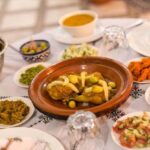
Food is not included as part of the base price. The tour includes a lunch break, and it’s described as an optional add-on. If you do it, you’ll eat in the medina at a local restaurant, with typical Moroccan dishes like tagine, couscous, or pastilla.
Why timing matters here: lunch is the reset point. After leather and workshops, you’ve walked and looked for hours. A real meal gives you energy and also helps you keep shopping without turning into a zombie with a shopping bag.
If you skip lunch, you can still continue the day, but you’ll likely feel the afternoon more.
Carpet cooperative and Berber weaving: how the pattern story helps you choose
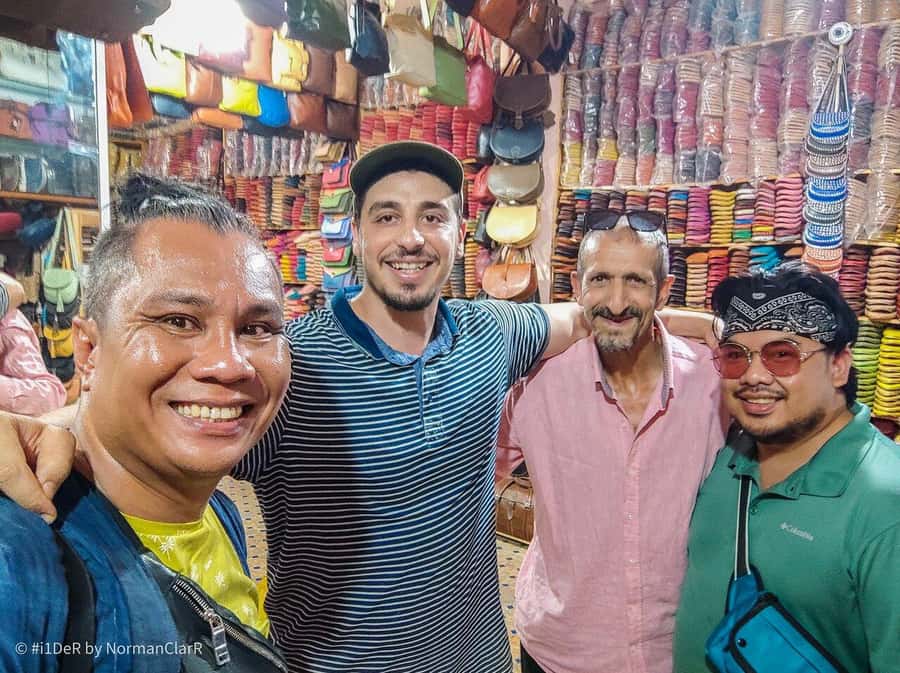
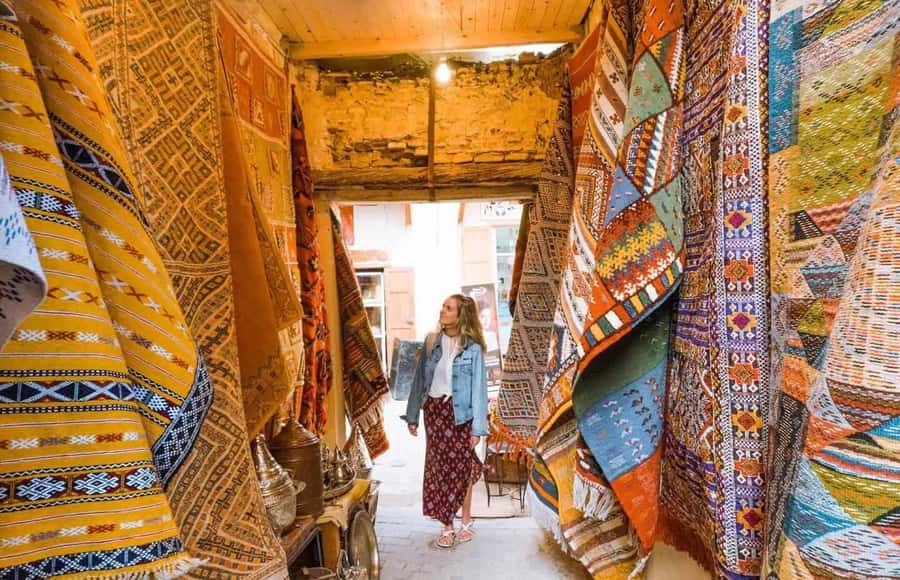
One of the more interesting craft stops is the carpet cooperative visit, where you observe the weaving process and learn about the symbolism behind the patterns.
Rugs are the classic “big purchase” in Fes, and they can be intimidating because the options are huge. The advantage here is that the visit explains the meaning behind the designs, so you’re not only shopping by color. You can start thinking about what the pattern communicates and whether it matches what you want to live with—or gift.
You’ll have plenty of viewing time at the cooperative, and they offer options for international shipping. That’s important if you don’t want to worry about packing a large rug for the rest of your trip.
A quick advice angle: if you’re trying to decide between several rugs, focus on what the guide helps you interpret—pattern symbolism and weaving details—rather than getting pulled into the most dramatic display piece.
Seffarine metalworkers and boutique fashion: brass, copper, and the fun upgrades
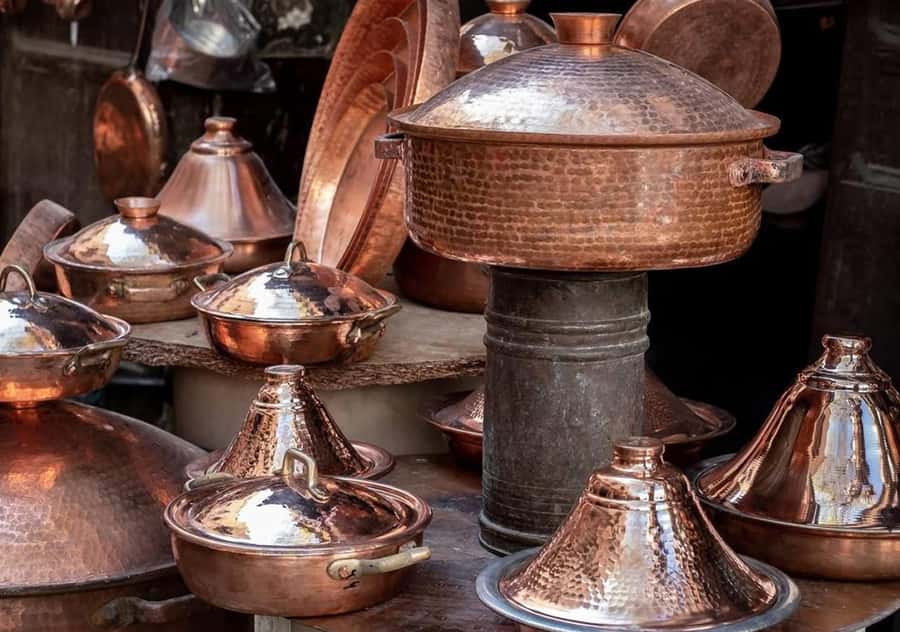
After carpets, the day continues at Seffarine Square for brass and copper craftsmanship. You browse master metalworkers’ work, including lanterns, trays, and tea sets.
This stop is where shopping can get delightfully practical. Metal objects are often easier to pack than large textiles, and tea sets make excellent gifts because they fit the Moroccan tea culture.
Then you’ll move into jewelry and fashion boutiques, including traditional items like Moroccan jewelry and kaftans. Your guide helps you navigate shops for higher-quality picks. This part is a little more discretionary, but it’s a great chance to find something that feels personal rather than generic.
From what I’ve learned from guides who’ve led solo visitors with confidence, this is also where having someone “on your side” helps. A good guide keeps you from feeling rushed, and helps you ask the right questions when you’re comparing similar-looking items.
Rooftop tea and panoramic views: where the day cools off
Toward the end, the tour includes a tea break at a rooftop café, with panoramic views of the medina. This is not just a nice pause; it’s a smart way to reorient yourself after hours in alleys.
You get a calmer moment to assess what you bought and how you’re feeling about the day. And if you’re planning shipping or carrying items, you’re in the right mindset for final decisions before the finish.
Your guide also assists with final purchases and helps with shipping arrangements, so you’re not scrambling at the last minute.
Price and value: is $29 a good deal?
At $29 per person, this tour sits in the “good value” zone for a full-day guided craft route. You’re paying for more than walking around. You’re paying for:
- Pickup and drop-off from your accommodation
- A professional and licensed guide
- Entry to multiple craft stops and workshop-style experiences
- Practical help shopping and selecting
The biggest value question isn’t the price—it’s whether you’ll use what the guide offers. If you want help comparing quality in leather, interpreting pattern meaning in carpets, and understanding spice and perfume selection, the guide is doing work you’d otherwise struggle to do alone.
The main cost you should expect beyond the base price is food and drinks, since those aren’t included (lunch is optional). Even with that in mind, the craft lineup makes the day feel full for the money.
Who should book this tour (and who should skip it)
This tour is a great fit if you want:
- A guided path through the medina that cuts down decision stress
- Artisan workshops where you can learn and then shop from what you saw
- Help navigating purchases so you can look for fair, quality items
- A day that covers leather, wood, ceramics, spices, carpets, and metalwork—not just one category
I’d skip it—or at least consider a lighter option—if you:
- Hate shopping and prefer pure sightseeing with no market focus
- Want total freedom to wander without structure
- Plan to do no buying at all and just want photos
Also, if you’re a solo traveler, it can feel especially reassuring. Several guides are praised for taking care of people who were nervous arriving in Fes, and for helping them feel at ease with shop owners.
Should you book? My take
Book this tour if you want your time in Fes to be practical and cultural, not random. The craft sequence is strong, and the guide’s role—especially in shopping for quality—turns it from a “buy things” day into a day where you understand what you’re buying.
Don’t book it if you want a quiet, slow, no-pressure city stroll. This is a day with stops, choices, and hands-on craft viewing. If that’s your kind of travel, you’ll likely leave with better souvenirs and a clearer picture of how Moroccan crafts are made.
If you do book, come with a few priorities: one category you really want (leather, rugs, ceramics, spices, metal), one gift goal, and one budget boundary. That way the guide can tailor the day to your interests instead of guessing.
FAQ
How long is the tour?
It’s a full-day guided shopping tour, with morning pickup, multiple craft and market stops, a tea break near the end, and drop-off back to your accommodation.
Where does the tour start and end?
The tour includes hotel or riad pickup in Fes and ends with a drop-off at your hotel (with help for any final purchases or shipping arrangements).
What craft stops are included?
You visit Chouara Tannery, an artisan area around Nejjarine Square (woodworkers), a ceramics workshop in the Seffarine Quarter, the El Attarine Souk (spices and perfume), a carpet cooperative, and brass and copper craft shops in the Seffarine Square area.
Is lunch included?
Lunch and drinks are not included in the tour price. A traditional lunch break is offered as an optional add-on.
Is tea included at the end?
Yes. The tour includes a tea break at a rooftop café with panoramic views.
What’s included in the price?
Included are pickup and drop-off, a professional and licensed tour guide, and a bottle of water for each traveler.
What languages are available?
The tour offers guides in French, English, Italian, and Spanish.
Do you get help with shipping purchases?
Yes. The carpet cooperative offers international shipping options, and the guide helps with shipping arrangements for final purchases.
Can I reserve without paying right away?
Yes. It offers Reserve & Pay Later, so you can book your spot and pay nothing today.
What’s the cancellation window?
You can cancel up to 24 hours in advance for a full refund.