REVIEW · FES
Majestic Desert: 3-Day Luxury Journey from Marrakech to Fes
Book on GetYourGuide →Operated by Discover Sahara Tours LLC · Bookable on GetYourGuide
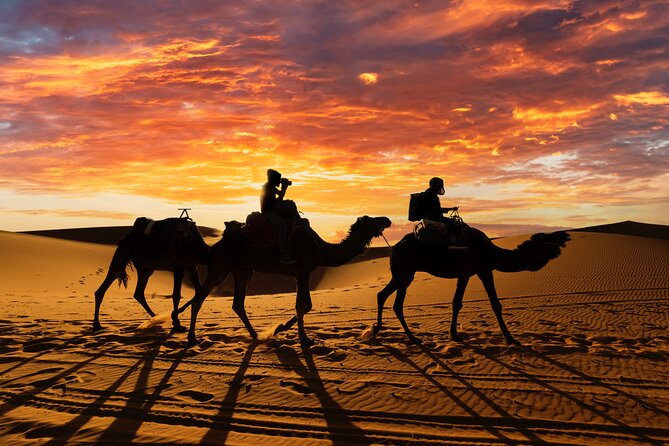
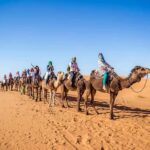
Two camel rides, one starry desert night. Sunrise and sunset camel rides over Erg Chebbi dunes make this trip feel like a full story, not just a long transfer. I especially like how the route strings together big-name Morocco sights with smaller pauses where you can actually look around and take it in.
My second big win: the stop at Aït Benhaddou, a UNESCO kasbah that still looks like it belongs on old adventure posters. One thing to plan for, though: in winter the desert camp can be seriously cold, and there’s no heater, so you’ll want warm layers.
In This Review
- Key Things That Make This Marrakech to Fes Desert Route Worth It
- Why This Route Works: Marrakech to Fes, Not Just a Transfer
- Road Trip Reality: Pickup Time, Driving Hours, and How Comfortable It Feels
- Day 1: High Atlas Pass Views, Aït Benhaddou, and the Skoura to Dades Shift
- Day 2: Todra Gorge Up Close, Berber Villages, and Erg Chebbi Camel Time
- Overnight in a Berber Desert Camp: Food, Starlight, and Cold Weather Planning
- Day 3: Sunrise Dunes, Desert Activities, and the Middle Atlas Return to Fes
- Price and Value: What You’re Really Paying For at About $138
- Who Should Book This Majestic Desert Journey (and Who Might Not)
- Should You Book This 3-Day Marrakech to Fes Desert Trip?
- FAQ
- What does the tour include for the desert experience?
- Is camel riding included, and when do I do it?
- Are meals included, and do I need to plan for lunch?
- Do I need to pay for a guide at Aït Benhaddou?
- What languages is the live tour guide available in?
- How does pickup and drop-off work between Marrakech and Fes?
Key Things That Make This Marrakech to Fes Desert Route Worth It
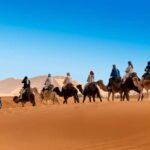
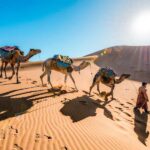
- Sunset plus sunrise camel rides in Merzouga’s Erg Chebbi dunes
- Sandboarding time on the dunes (included)
- Aït Benhaddou UNESCO kasbah stop, with optional local guide at your cost
- Todra Gorge walk with a local guide, including a stop tied to handmade carpets
- Berber camp culture, with chances to try on clothes and do henna
- Long driving days that still feel managed, thanks to scheduled breaks and viewpoints
Why This Route Works: Marrakech to Fes, Not Just a Transfer
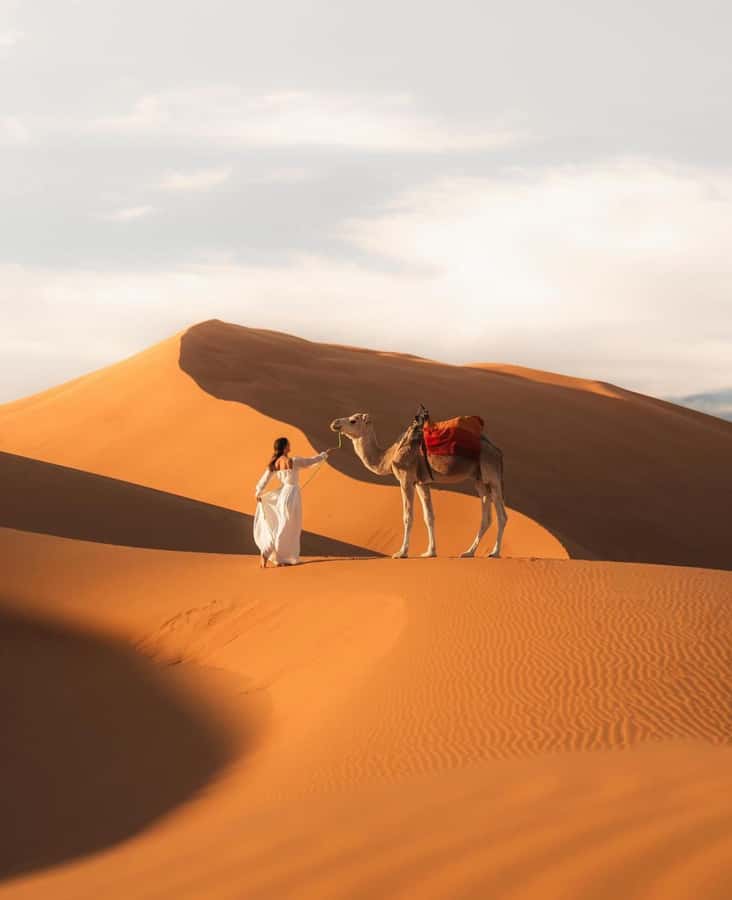
This is the kind of Morocco trip that helps you see the country as a system, not a checklist. In three days you move through mountain passes, river valleys, kasbah country, and then into the Sahara. By the time you’re heading into Fes, you understand why Moroccans pack so much meaning into geography.
I also like the pacing logic. You’re not expected to rush every stop. Even when you have hours in the vehicle, the day is broken up by viewpoints, iconic sights, and short guided moments. That matters because the route would be exhausting if it were nothing but driving.
The trip is set up as a luxury-style overland journey with air-conditioned transportation, a hotel night with a bathroom, and a proper desert camp night. For many people, the real value is that you get the Sahara experience without the stress of planning the pieces yourself.
A few more Fes tours and experiences worth a look
Road Trip Reality: Pickup Time, Driving Hours, and How Comfortable It Feels
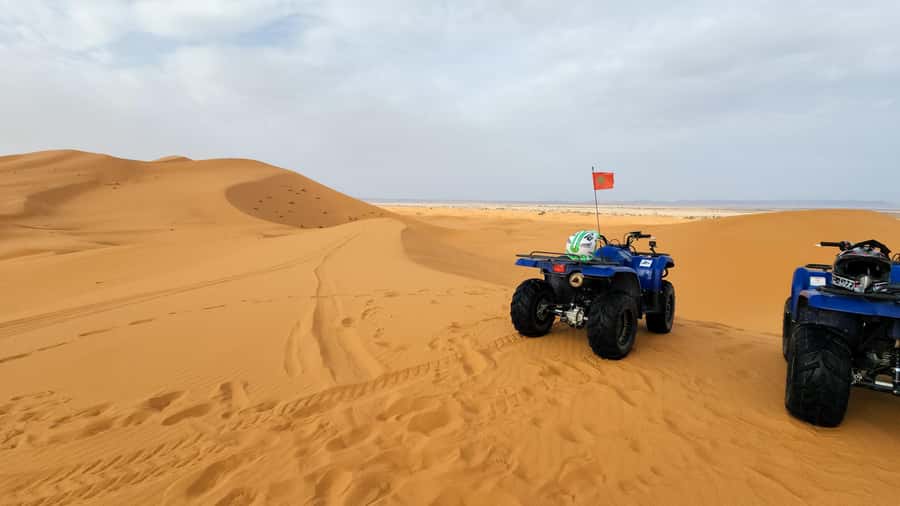
Pickup runs around 7:30 am from your Marrakech hotel or riad. If your place is inside the Medina (or where vehicles can’t reach), you’ll meet at the nearest possible pickup point. Drop-off works similarly on the other end: you get dropped near your Fes accommodation.
You’ll be in 4×4 or a minibus with air-conditioning. Driving time isn’t short on this route—about 5 hours 35 minutes on Day 1, 4 hours 45 minutes on Day 2, and 7 hours 15 minutes on Day 3—but the itinerary is built to break the monotony. Stops for bathrooms, stretching, coffee, and photo breaks are part of the rhythm.
In the winter months, one practical note: cold in the desert area can be intense at sunrise and late night. If you run cold easily, plan your clothing strategy early (more on that later).
Day 1: High Atlas Pass Views, Aït Benhaddou, and the Skoura to Dades Shift
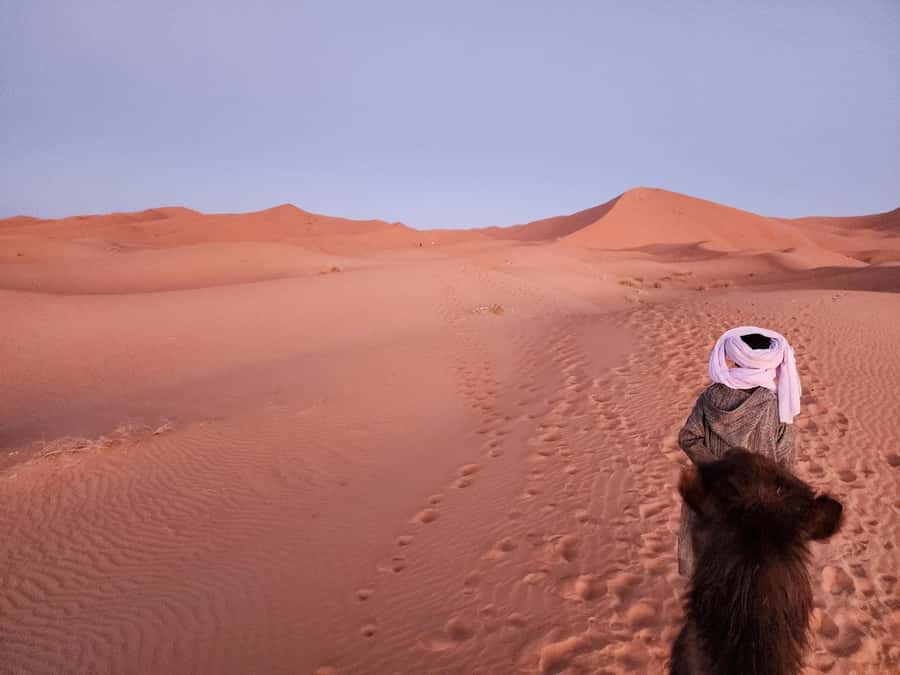
You start in Marrakech, then head toward the High Atlas Mountains via the Tizi n’Tichka pass. This is one of those drives where you realize Morocco’s mountains aren’t a backdrop—they’re the show. You get big, changing views as the altitude and terrain shift.
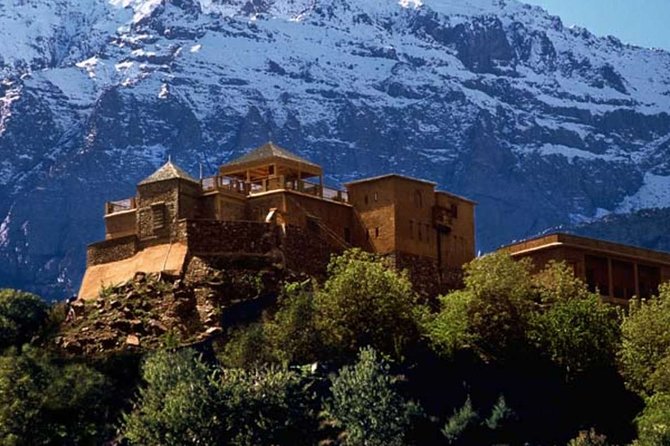
Next comes Aït Benhaddou, the UNESCO kasbah stop. This place is famous for a reason: it’s compact, photogenic, and it feels like you could step into a movie set. One smart tip is that the tour visit doesn’t include a guide inside Aït Benhaddou. A local guide there costs about €2 per person, and it can be worth it if you like to understand what you’re seeing rather than just taking pictures.
From there you pass through Ouarzazate, often described as the Hollywood of Africa. Even if you don’t care about film history, it’s a useful waypoint because you’re transitioning from high mountains into kasbah-and-valley Morocco.
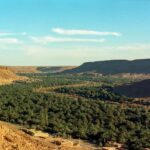
Then you reach Skoura Oasis, where palm groves create a contrast against the surrounding arid terrain. Historic kasbahs line parts of the route, and the Skoura break helps you reset before the next driving stretch.
By evening, you arrive in the Dades Valley, known for dramatic red cliff scenery. You’ll sleep in a local guesthouse for the night with the comforts you need after a travel-heavy day.
What to watch for on Day 1: the mix of viewpoints and monuments is great, but it’s also a long first day. If you want a softer start, you’ll still want to manage expectations: this trip is doing a lot in a short time.
Day 2: Todra Gorge Up Close, Berber Villages, and Erg Chebbi Camel Time
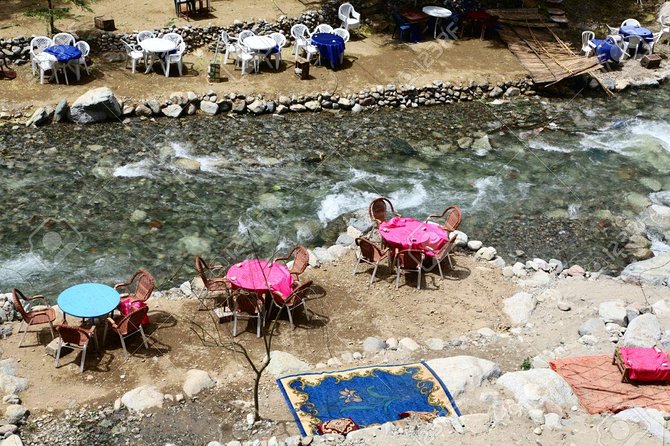
Day 2 begins with a calmer start in the Dades Valley, then you head toward Todra Gorge. The gorge stop is more than a photo stop. You get a walk through the Todra valley with a local guide for about 40 minutes to 1 hour. It’s a hands-on way to experience the scale of the canyon and get context rather than just standing at the edge.
A nice bonus here: the Todra segment can include a stop tied to traditional handmade carpets. This kind of stop is where you can ask questions and see how people make a living from craft, not just souvenirs.
After Todra, the route shifts into Berber villages and changing scenery as you approach Merzouga and the Sahara dunes. This is where the trip starts turning from “sights” into “environment.”
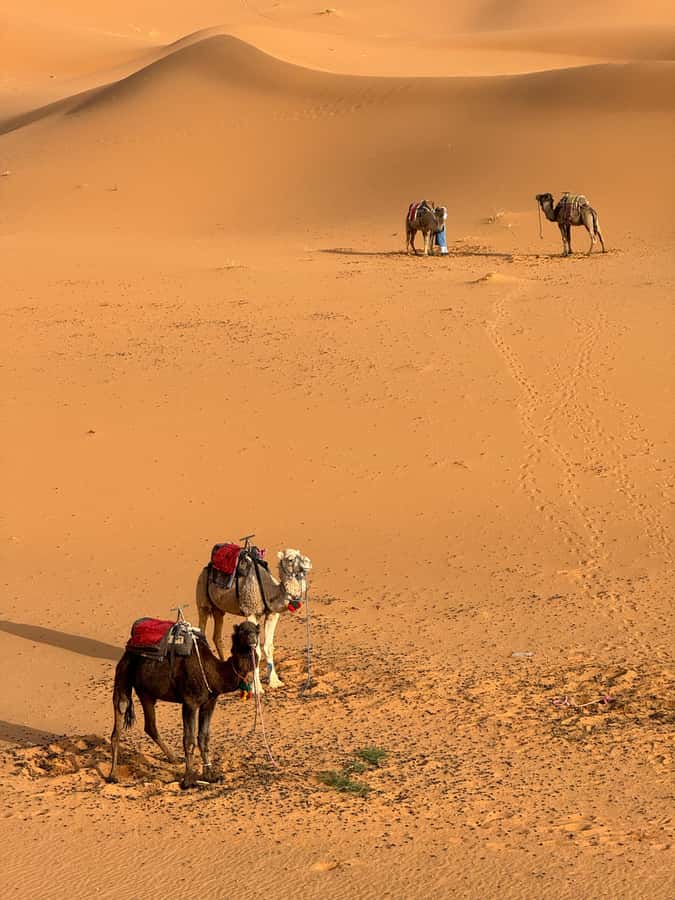
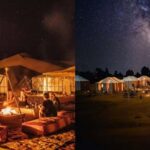
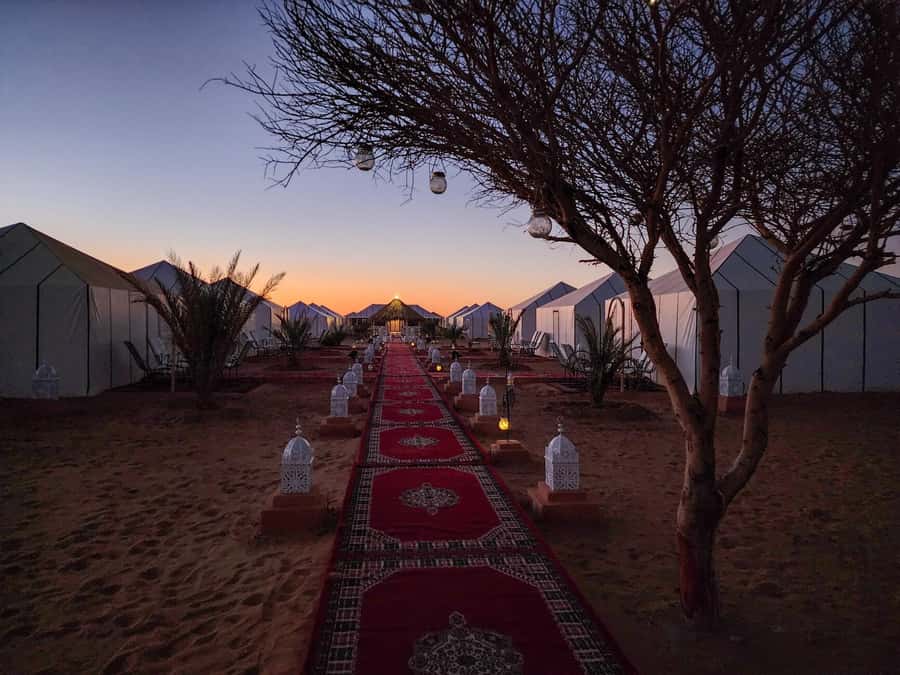
Then comes the highlight sequence: you travel into the dunes and do a camel ride at sunset, ending at the desert camp area. The camp experience includes Moroccan dinner and local music around the fire. You also get a chance to try on traditional Berber clothes and do henna—small activities, but they make the camp feel lived-in instead of staged.
A practical note: Day 2 is often the day people remember most because it’s the transition day. You’re changing from mountain-valley Morocco into the Sahara, so everything feels more intense once the dunes start appearing.
Overnight in a Berber Desert Camp: Food, Starlight, and Cold Weather Planning
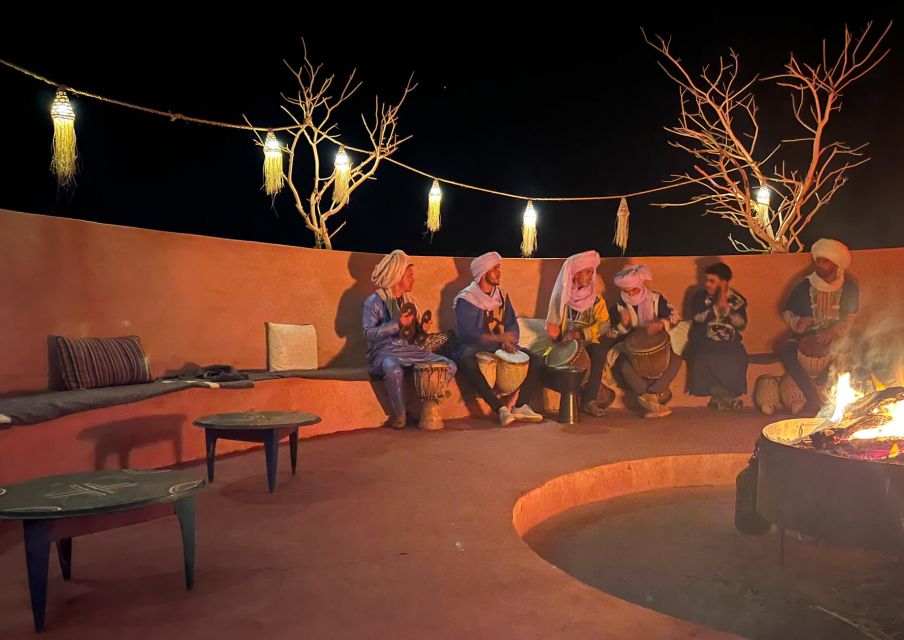
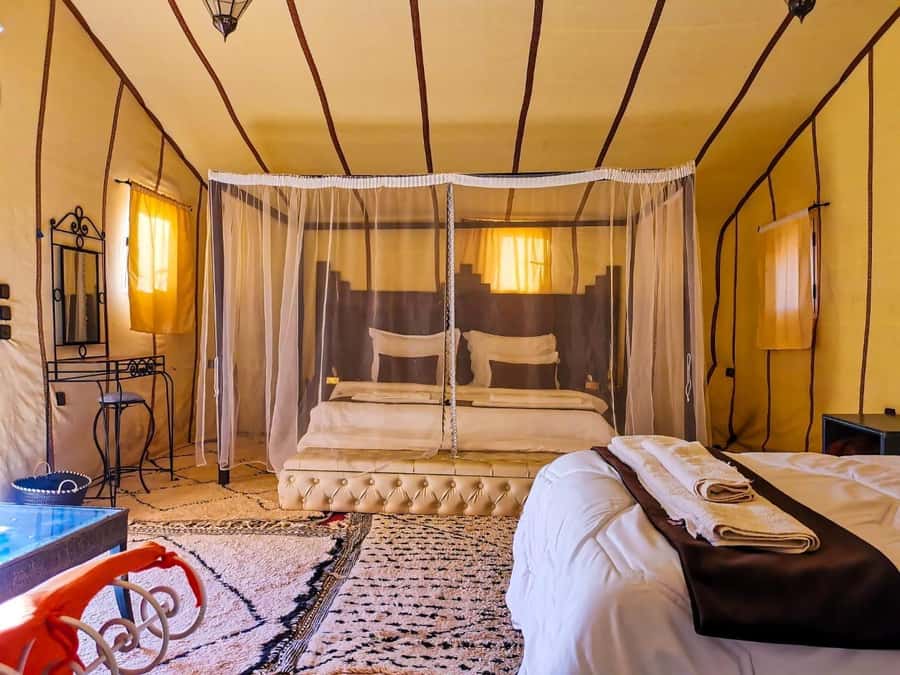
The big promise of this trip is one full night in a fully equipped desert camp. In the luxury-style setups, you can get extra comfort compared with basic camps—some travelers have reported private bathroom and shower arrangements in the luxury option. Even if your camp is more basic, the core elements are the same: dinner, camp atmosphere, and stargazing time.
Now the honesty part: winter nights in the desert can be brutal. Multiple experiences describe it as very cold in late fall and winter, with comments like no heater and the need for lots of blankets. The good news is that blankets are plentiful. The better news is you can fix the comfort issue by dressing for it.
Here’s how I’d prep if you’re traveling in cooler months:
- Bring layers you can actually move in, not just a single thick jacket.
- Add a hat and something for your neck. Wind at night changes everything.
- Don’t assume your sunrise bravery will be enough—dawn temperatures can surprise you.
If you’re traveling in warmer months, you’ll probably enjoy the same camp night with less emphasis on staying warm, but the starry sky moment remains the emotional peak.
A few more Fes tours and experiences worth a look
Day 3: Sunrise Dunes, Desert Activities, and the Middle Atlas Return to Fes
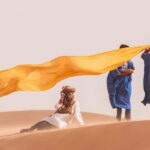
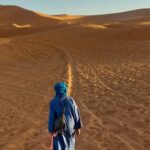
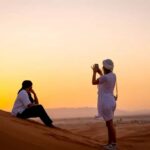
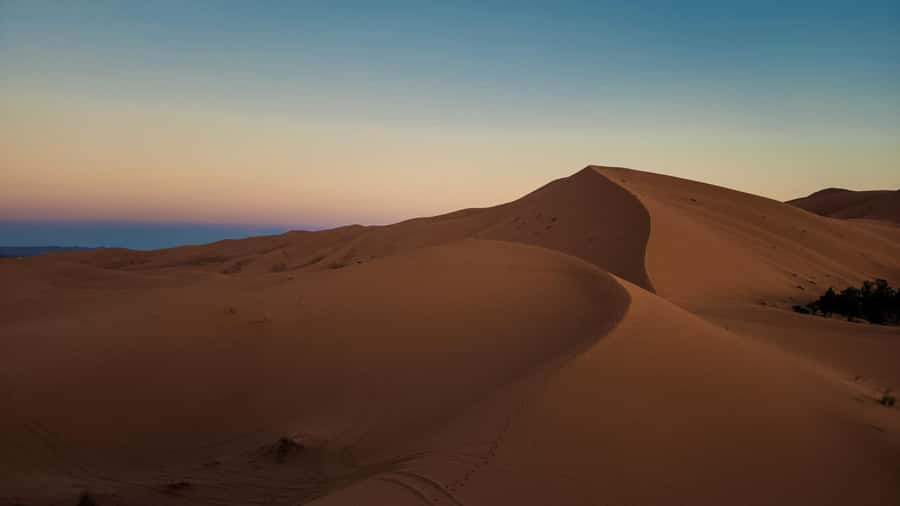
Day 3 starts with an early rise for sunrise over the dunes. Then you do the second camel ride, bringing the Sahara experience full circle: sunset on Day 2, sunrise on Day 3. It’s also the best time for dramatic dune color, when the shadows are long and the air feels cleaner.
Back in the morning routine, the trip also includes sandboarding. If you’ve never tried it, it’s one of those activities where your first few attempts teach you the rules fast.
From Merzouga, the route heads toward Erfoud, known for fossils, and then through the Ziz Valley, lined with palm groves that make the valley feel like an oasis ribbon in the middle of tougher terrain.
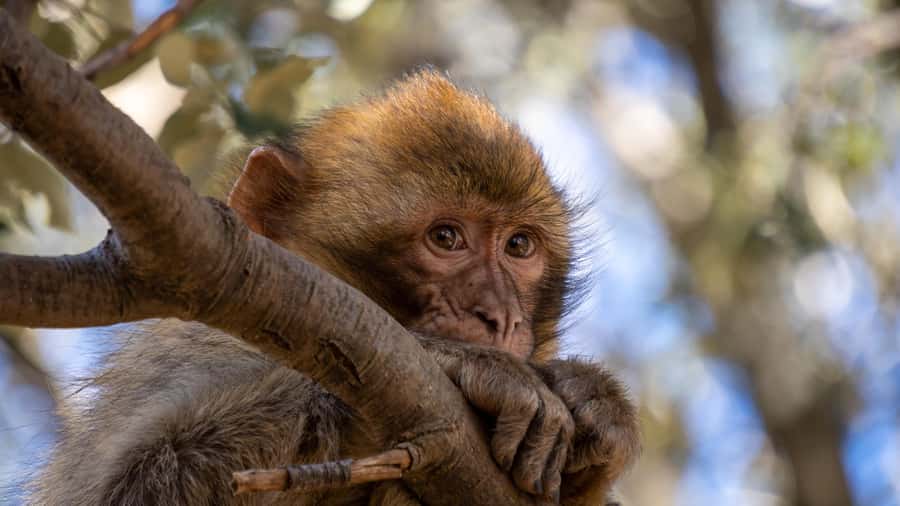
You’ll then ascend toward the Middle Atlas Mountains, with a stop in Azrou. Azrou is known for cedar forests and Barbary macaques. You may see them in the area, and you should keep your distance and follow your guide’s lead.
There’s also an included possibility for a monkey photo stop near Michlifen. That can be a fun add-on if you want an easier chance to spot them without a long hike.
Next is Ifrane, often nicknamed Little Switzerland because of its European-style look. It’s a useful palate cleanser after the harsher tones of desert and mountain roads.
Finally you arrive in Fes, where the trip ends and you can shift gears into artisan culture—markets, crafts, and the city’s older neighborhoods.
What to watch for on Day 3: it’s the longest driving day. If you get motion sick, plan for it (seat choice can help, and the vehicle stops are part of the plan).
Price and Value: What You’re Really Paying For at About $138
At $138 per person, this trip can be a solid value because the cost isn’t just for transport between two cities. You’re paying for a package that includes:
- Air-conditioned overland transport
- A full day with multiple guided stops
- Hotel night with AC room/suite and bathroom
- Breakfasts and dinners (lunches aren’t included)
- One night in the desert camp
- Camel rides at sunset and sunrise
- Sandboarding
- Activities like henna and trying on Berber clothes
- A drop-off near your Fes accommodation
When you price things piece by piece (especially desert camp + camel transfer logistics), packaged tours often stop feeling like a deal and start feeling like an efficient way to avoid hassle. The key question for you is whether you want this “route as a story” style. If you like structured days with planned stops and you don’t want to arrange anything yourself, this is a good fit for the money.
Who Should Book This Majestic Desert Journey (and Who Might Not)
This tour makes the most sense if you:
- Want the Sahara experience without planning transport, timing, and transfers yourself
- Like variety: mountains, valleys, UNESCO kasbah, gorge walk, then dunes
- Prefer a guided structure, especially for the camel-and-camp sequence
- Are okay with long drives in exchange for fewer days needed
You might consider a different style if you:
- Strongly dislike early mornings. Day 3 begins at dawn.
- Travel with very low tolerance for cold at night (especially in winter, when there’s no heater).
- Want a relaxed, slow travel pace. This trip is active, but it’s also built on getting to the next highlight.
Should You Book This 3-Day Marrakech to Fes Desert Trip?
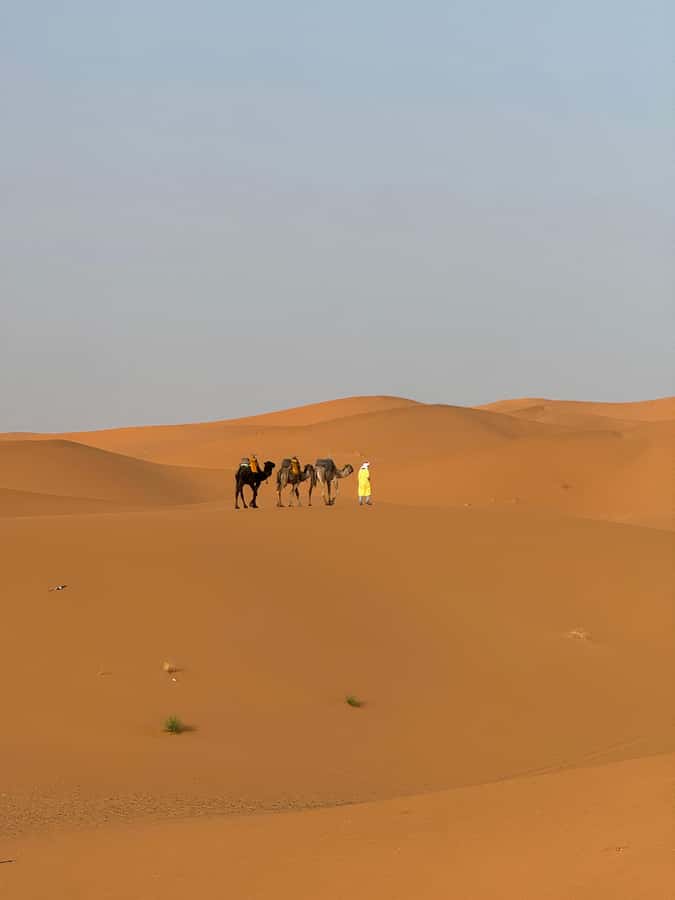
If your Morocco wish list includes the High Atlas, Aït Benhaddou, Todra Gorge, and two separate dune moments in Merzouga, I think this is an easy yes. The itinerary is designed so you don’t just “reach the desert”—you experience it at the times of day that matter most.
Book it if you’re planning to go in cooler months only if you’re willing to pack for cold nights. If you show up dressed in layers, this becomes one of those trips where the long drives feel worth it when the desert sky opens up.
Just remember: it’s a 3-day journey with a lot of ground covered. If you can handle that trade-off, you’ll likely love how Morocco changes under your feet—from kasbahs to cedar forests to Sahara dunes.
FAQ
What does the tour include for the desert experience?
You get one night in a fully equipped desert camp, plus camel rides at sunset and sunrise through the golden dunes. Sandboarding is included, and you also have opportunities for Berber clothes and henna. Dinner is included, too.
Is camel riding included, and when do I do it?
Yes. You’ll ride camels at sunset and again at sunrise in Merzouga’s Erg Chebbi dunes.
Are meals included, and do I need to plan for lunch?
Breakfasts and dinners are included. Lunches and drinks or beverages are not included.
Do I need to pay for a guide at Aït Benhaddou?
A guide in Aït Benhaddou is not included. It’s about €2 per person if you want one.
What languages is the live tour guide available in?
The live tour guide is available in Spanish, English, and French.
How does pickup and drop-off work between Marrakech and Fes?
Pickup is included from centrally located Marrakech areas around 7:30 am. If your riad or hotel is inside the Medina or vehicles can’t reach it, you’ll be assigned the nearest meeting point. You’re dropped off at the nearest point to your Fes hotel or riad.