REVIEW · FES
From Fes: 3 Days and 2 Nights Desert Trip to Marrakech
Book on GetYourGuide →Operated by 3t Travel · Bookable on GetYourGuide
Desert dunes and Atlas cliffs in one fast route. I love the combo of Erg Chebbi camel sunset and a night in a Berber camp under a real sky. The one catch is that this is a long, packed drive—if you want slow travel, you may feel rushed.
What makes this trip work so well is the mix of scenes. You go from cedar forests and palace-like kasbahs to gorges and film sets, without needing to plan transfers on your own. And if you get a solid driver and guide—names like Said, Hassan, Moha, Hamza, or Mahfud come up again and again—you’ll get the history context along the way, not just transportation.
In This Review
- Key highlights in plain terms
- The Route From Fès to Marrakech: why this works
- Cedar Forest and Azrou monkeys: your first nature hit
- The mountain-to-desert transition: what you’re really buying
- Erg Chebbi camel sunset: the moment the trip feels magical
- The Berber camp night: stars, dinner, and desert-style hospitality
- Road of a Thousand Kasbahs: caravan-route energy, UNESCO patience
- Todgha Gorges and Dadès Valley: where the views get physical
- Ouarzazate and Atlas Studios: Morocco’s film side, done right
- Marrakech drop-off near Jemaa el-Fnaa: how to land the plane
- Price and logistics: is $188 worth it?
- Who should book this trip
- Guides and drivers: what to look for
- Should you book this Fès to Marrakech desert trip?
- FAQ
- How long is the trip from Fès to Marrakech?
- What price should I expect to pay?
- Where do they pick you up in Fès?
- Where do they drop you off in Marrakech?
- Is the camel ride included?
- What is included with the desert camp night?
- Do I get breakfast during the trip?
- Are lunches and drinks included?
- Can I add a quad ride or sandboarding?
- What languages are the drivers/guides?
Key highlights in plain terms
- Cedar forest monkeys at Azrou: an easy first taste of Morocco’s wild side
- Camel sunset across Erg Chebbi: the dunes look unreal as the light drops
- A Berber tent night: dinner, stargazing, and often live music around the fire
- Aït Ben Haddou UNESCO stop: kasbah views that feel like movie sets already
- Todgha Gorges and Dadès Valley: dramatic canyon walks and cliffside roads
- Ouarzazate film culture: Taourirt Kasbah and Atlas Studios
The Route From Fès to Marrakech: why this works
This is one of those Morocco journeys that feels like it’s covering the big ideas of the country in a short time. You’re traveling through Drâa-Tafilalet, and the scenery changes fast: cedar forest, mountains, desert dunes, then back into canyon country before ending in Marrakech.
At $188 per person for 3 days, the value is in what’s bundled. You get air-conditioned transport for the long stretches, a camel ride, dinner at the desert camp night, and at least one breakfast included. You also get a hotel night in Ouarzazate or the Dadès area, so you’re not just living in tents.
The trade-off is simple: you’ll spend a lot of time in the car. Even with careful driving and regular breaks, you’re moving day to day, not lingering. If you’re the type who counts hours, pack patience.
A few more Fes tours and experiences worth a look
Cedar Forest and Azrou monkeys: your first nature hit
Your trip starts with pickup from your place in Fès and then heads out toward the desert. Early on, you’ll pass through the cedar forest area where you can see the resident monkeys. It’s one of those stops that’s quick enough to enjoy, but different enough that it breaks up the road.
Why this matters: cedar forests here are not just scenery. They’re part of the Morocco rhythm—cooler air, different birds, and a distinct smell under the trees compared with the later heat of the desert. And yes, seeing the monkeys is fun, but it’s also a reminder that the route is real Morocco, not just “tour stops on a schedule.”
Practical note: keep your expectations simple. It’s a stop with wildlife sightings, not a safari. Also, don’t get too close to animals. Morocco’s wildlife rules are mostly basic common sense.
The mountain-to-desert transition: what you’re really buying
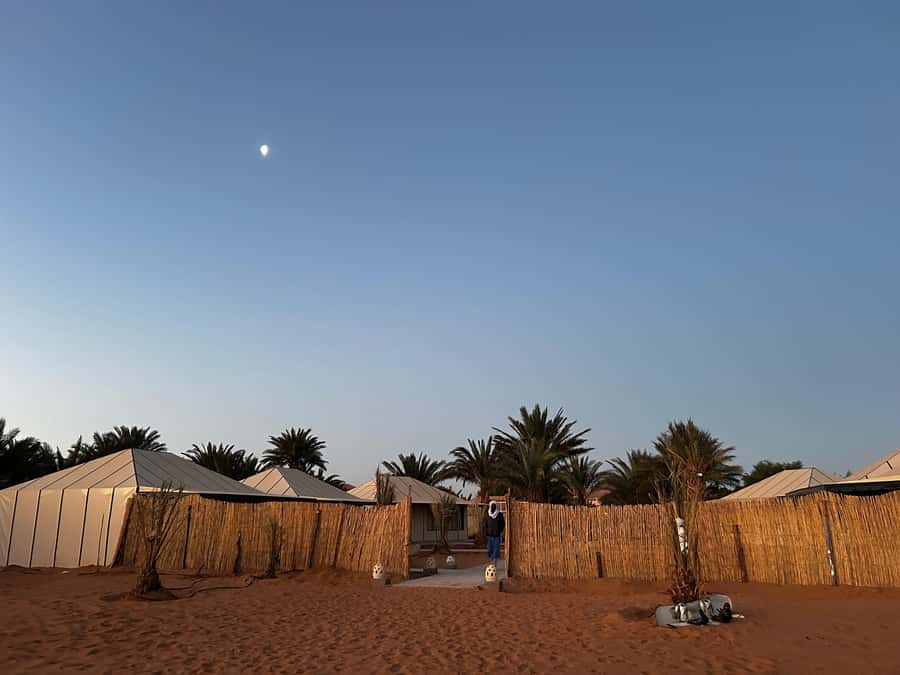
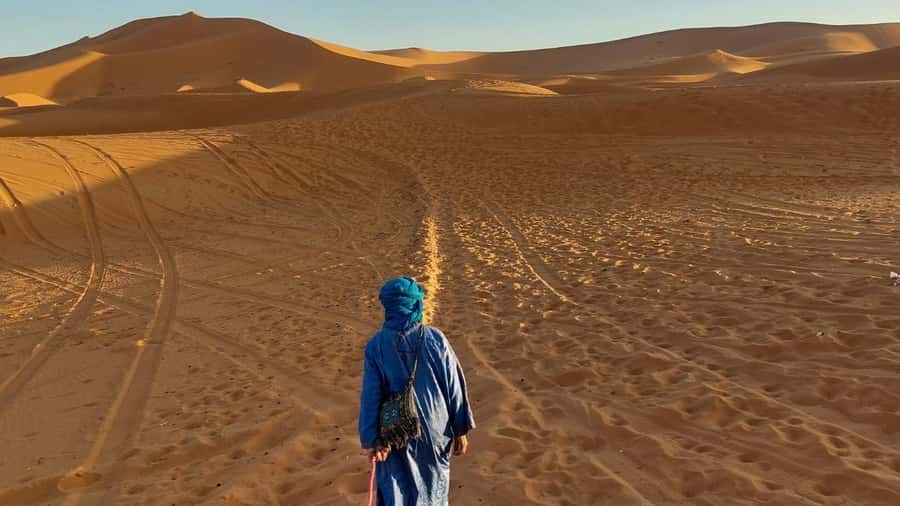
The drive isn’t only about getting to Merzouga dunes. You’re going through the Atlas region and then into the pre-Sahara landscape, with changes in vegetation and color as elevation drops.
You may also pass towns like Ifrane (often described as Swiss-style), plus areas known for palm groves and the broader Ziz Valley region. These stops help you “read” the country as you travel, especially if your driver shares the usual road-side context—what the landscape means, how people live here, and why kasbahs show up when they do.
This is where having an experienced driver becomes more than a comfort issue. In feedback, drivers like Hassan and Said are praised for smooth, safe driving on winding stretches—so you don’t just endure the journey. You can actually watch the scenery change and stay relaxed.
Erg Chebbi camel sunset: the moment the trip feels magical
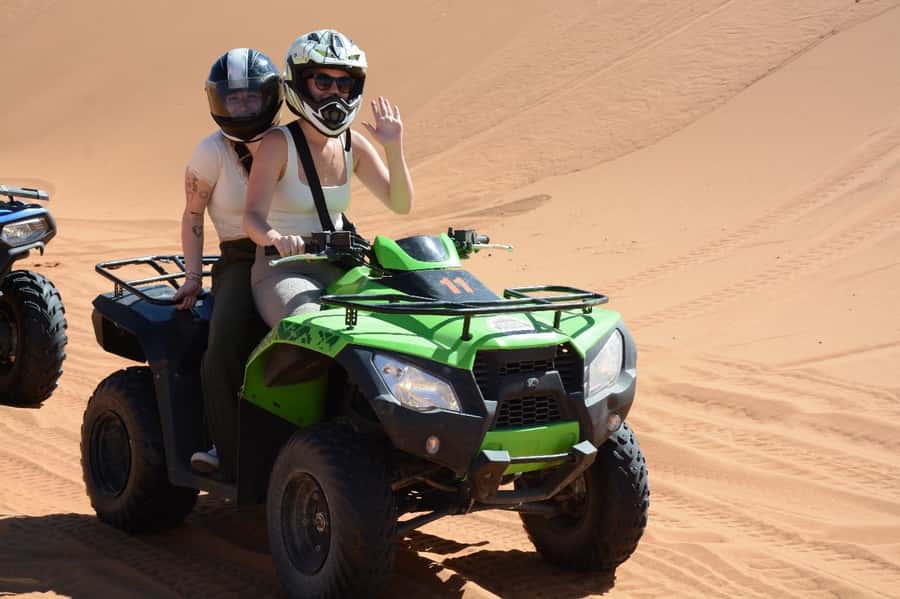
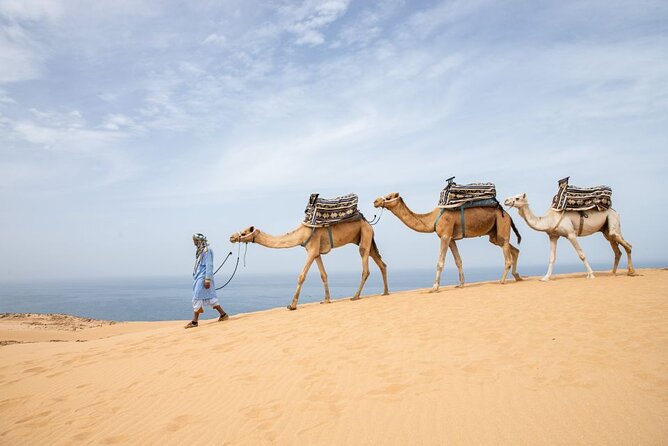
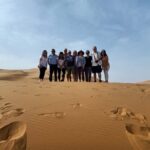
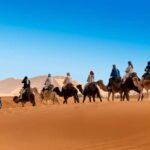
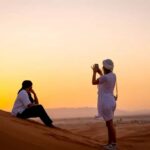
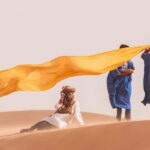
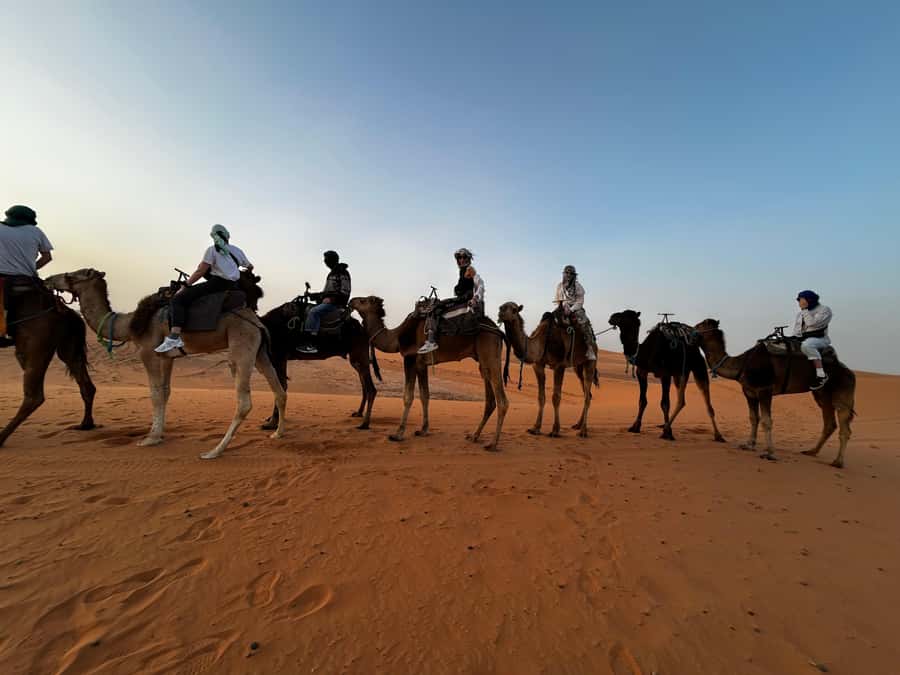
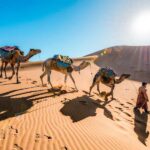
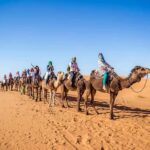
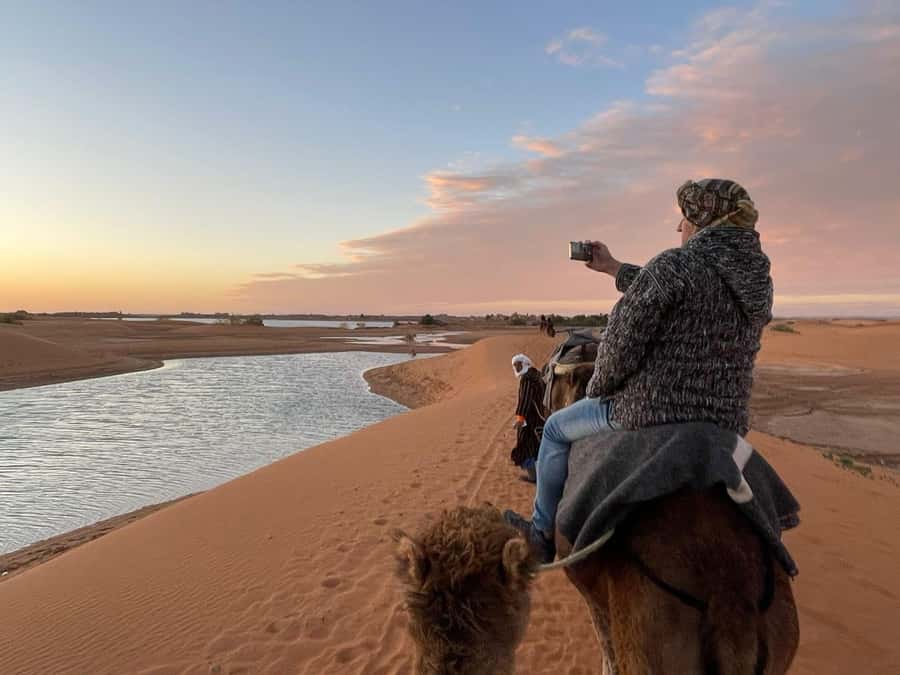
When you reach the dune region around Erg Chebbi, the day shifts from “driving through” to “experiencing.” The camel ride is timed for sunset, so you see the dunes in that soft, gold light when shadows stretch and the sand texture looks crisp.
Here’s what I’d plan for mentally: a camel ride isn’t a theme-park ride. It’s slower, with some swaying and a real sense of height as the dune rises around you. You’ll likely feel the temperature change too—the desert cools after the sun drops.
What makes this stop a standout is that it’s not just a photo moment. It’s the first time in the trip where the landscape becomes the main character. The dunes keep moving under different angles, and suddenly the whole journey makes sense.
The Berber camp night: stars, dinner, and desert-style hospitality
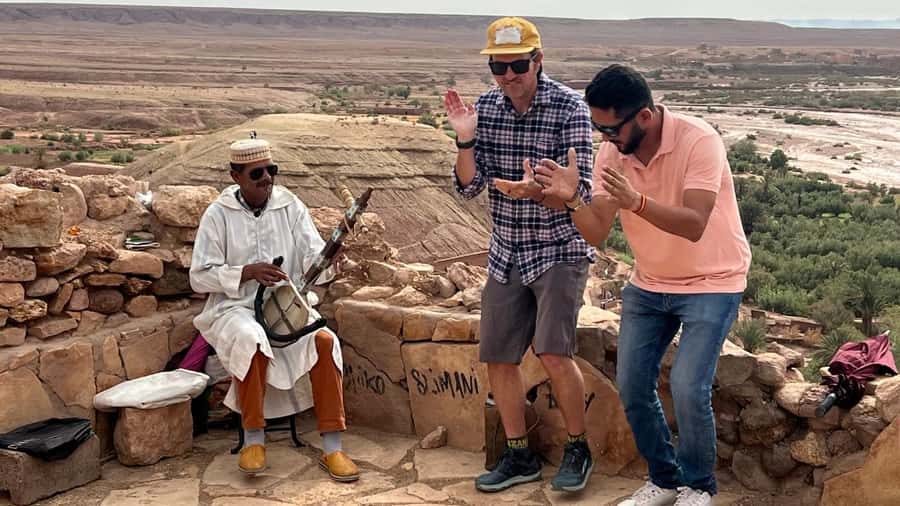
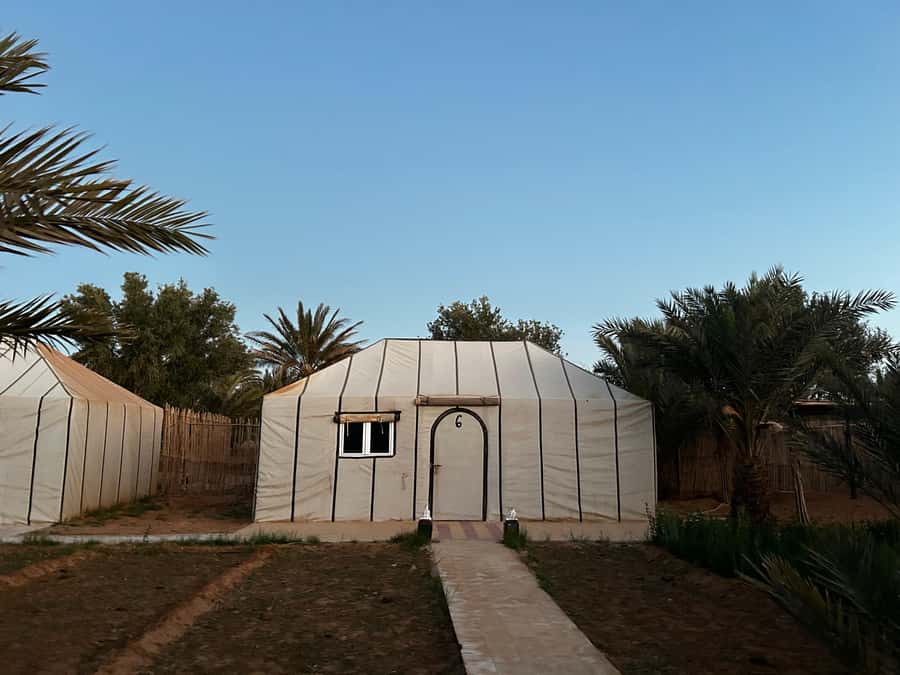
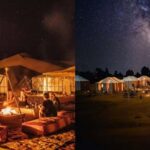
The overnight is where you earn the “Sahara” part of the promise. You’ll arrive at a desert camp and settle into a tent for dinner and the night. Depending on your option, the camp can range from standard to upgraded (often described as standard/deluxe/luxury).
In the camp, the vibe is usually built around a shared evening. You eat a typical camp dinner—tagine comes up often—then spend time under the stars. Some guides and hosts also bring live music and rhythm around the fire, with instruments like drums and qraqeb mentioned in feedback.
Two practical tips:
- Bring something for warmth. Nights can cool down quickly in desert areas.
- After dinner, take the stars seriously. It’s the kind of sky that makes you forget your phone for a minute.
You’ll also want to remember this camp night is part cultural, part landscape, part comfort. It’s not the same as a luxury riad in Marrakech, but many visitors are happy with the cleanliness and hot shower setups mentioned in the experience.
Road of a Thousand Kasbahs: caravan-route energy, UNESCO patience
Next, you’ll move along the Road of a Thousand Kasbahs, a historic caravan route area known for its rugged stretches and dramatic architecture. This is where you stop seeing kasbahs as background decoration and start seeing them as survival tools: fortified buildings that protected families and travelers across long distances.
A big highlight here is Aït Ben Haddou, a UNESCO-listed kasbah that’s famous for its cinematic look. People travel here because the architecture holds your attention, even if you’re not a film fan. The layers of stone, the hill setting, and the scale of the walls make the place feel bigger than photos.
One consideration: this stop is popular for a reason, so it can feel busy. Go in expecting photos, walking, and a bit of time inside the scene. If you want total quiet, you’ll have to balance that with the reality of a set-time tour day.
Todgha Gorges and Dadès Valley: where the views get physical
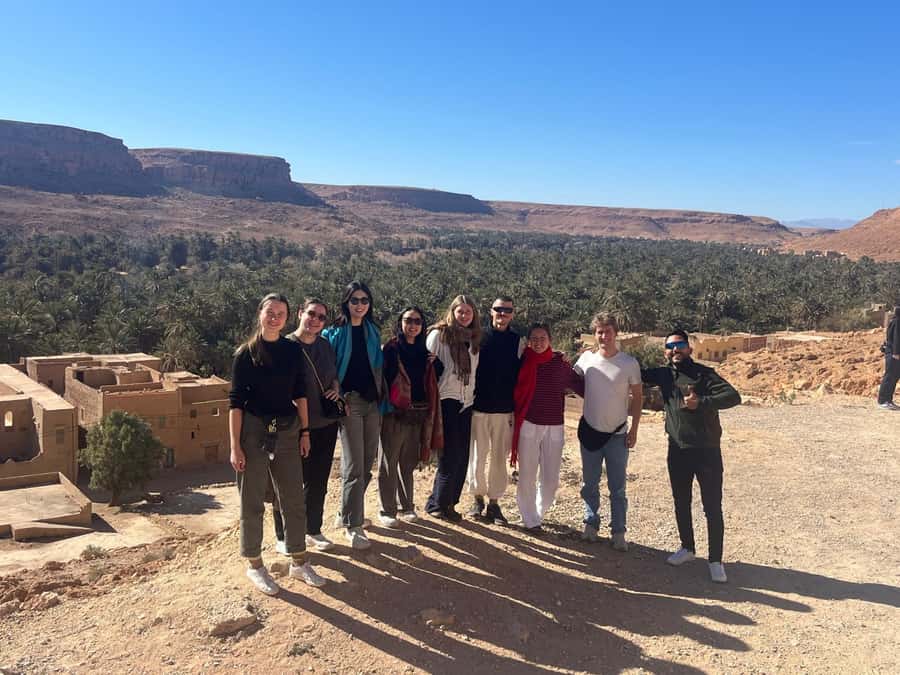
After kasbah country, the trip leans back into nature. You’ll stop for lunch (not included, so plan on it), then head to the Todgha Gorges for a walk and viewpoints. The gorge walls here are steep and dramatic, and the walk is a chance to stretch your legs after long drive hours.
Then you travel through the Dadès Valley, which is known for dramatic escarpments and road panoramas. This part of the route is one of the reasons the tour feels more like a real journey than a simple “desert-only” day. You get canyon energy, then you roll into hillside landscapes where villages cling to rocky slopes.
How to get the most out of this day:
- Wear shoes you trust for uneven ground.
- Bring water (drinks aren’t included).
- Expect it to be scenic but not slow. This day is about movement and quick stops.
Your final night of this segment is typically in a hotel in Ouarzazate or the Dadès area, so you get a roof, a bed, and a reset before heading to movie sites.
Ouarzazate and Atlas Studios: Morocco’s film side, done right
On day three, you’ll focus on Ouarzazate, a town that has become a magnet for film crews because it offers so many landscapes in one region.
Two places commonly included:
- Kasbah of Taourirt, a striking example of traditional architecture and fort-like layout.
- Atlas Studios, described as the largest and most famous movie studios in Africa.
This is a fun add-on because it connects Morocco’s real geography to how the world imagines it on screen. Even if you don’t care about behind-the-scenes trivia, you’ll appreciate seeing how sets and landscapes are staged here.
Practical reality: film-studio visits can vary in how long you’ll spend inside different areas. If you love photography, you’ll want to keep an eye on timing so you don’t feel rushed toward the end.
Marrakech drop-off near Jemaa el-Fnaa: how to land the plane
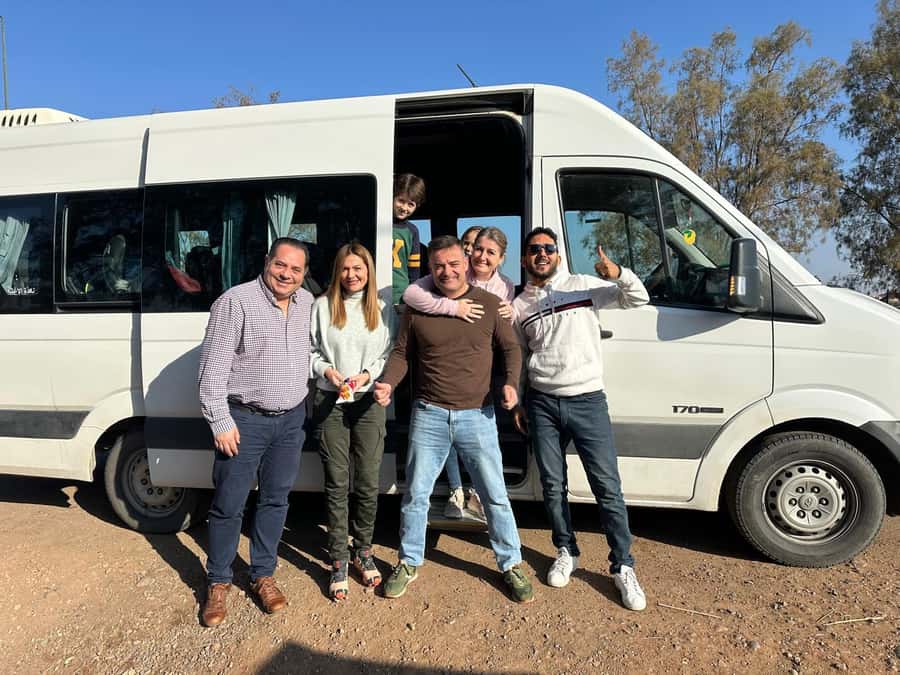
At the end of the journey, you’ll travel into Marrakech and get dropped off near Jemaa el-Fnaa. This is a convenient way to end, because you’re placed right in the thick of things where taxis, food, and riad bookings are easy to manage.
One small planning detail: drop-offs can be tight on the edge of pedestrian areas. In some cases, people are dropped at a point that may require a short walk to reach their exact hotel or riad. So if you’re booking close to Jemaa el-Fnaa, it’s usually smooth. If your place is deep in a quieter neighborhood, double-check the easiest access point.
Price and logistics: is $188 worth it?
For $188 per person and 3 days, the value is about coverage. You’re buying:
- air-conditioned transport across big distances
- pickup and drop-off in Fès and near Jemaa el-Fnaa
- a camel ride
- dinner at the desert camp night
- breakfast
- an overnight stay at a desert camp (option depends)
- another overnight at a hotel in Ouarzazate or the Dadès area
The big items not included are also clear: entrance fees, lunches, and drinks. That’s normal for tours like this, but it matters for budgeting. Plan for lunch on canyon/desert-adjacent days and bring extra cash or a card so you’re not stuck.
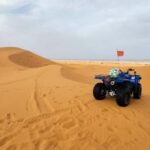
Also, remember there are optional add-ons like quad rides (extra cost) and sandboarding (upon request). If those are must-dos, ask early so expectations match what’s available that day.
Finally, consider comfort trade-offs. You’re traveling far in a short time. Even in a comfortable car, you’ll have long stretches of road. If you’re sensitive to travel time, bring neck support, water, and a “let the scenery roll by” mindset.
Who should book this trip
You’ll likely enjoy this tour if:
- You want a first taste of the Sahara without building a multi-day independent itinerary.
- You like the idea of seeing several regions in one go: cedars, kasbahs, dunes, gorges, and Ouarzazate.
- You’re okay with fast pacing and long days of driving for big visual payoff.
It might not be the best fit if:
- You hate sitting for hours in a vehicle.
- You’re hoping for a super slow, no-rush style experience with lots of unplanned hanging out time.
- You want maximum luxury throughout. The desert camp is clean and comfortable by most accounts, but it’s still camping-level comfort.
Guides and drivers: what to look for
A huge part of how this feels comes down to your driver and guide. In the experience, many people highlight strong personalities and safe, smooth driving. Names that show up in feedback include Hassan, Said, Moha, Mahfud, Hamza, and others.
What I’d watch for before you settle in:
- Does your driver explain what you’re seeing as you go?
- Do you feel comfortable on winding roads?
- Do you get clear guidance for each stop timing-wise?
Even if the scenery is doing most of the work, good guiding turns a “route” into a story you can follow.
Should you book this Fès to Marrakech desert trip?
Yes, if you want an efficient, high-impact Morocco route that hits desert dunes, kasbah culture, and canyon drama in 3 days. The core value is the bundled desert night and camel sunset, plus strong secondary stops like Todgha Gorges and Aït Ben Haddou.
Before booking, be honest with yourself about two things: the driving time and the pacing. You’re covering a lot of ground, so you’ll trade downtime for variety. If that sounds like your kind of trip, this is an easy one to recommend.
If you tell me your travel month and what you care about most (desert night, hiking, photography, or film sites), I can help you pick the best camp option and plan what to prioritize on the ground.
FAQ
How long is the trip from Fès to Marrakech?
It runs for 3 days.
What price should I expect to pay?
The price listed is $188 per person.
Where do they pick you up in Fès?
Pickup is included from your accommodation in Fès, or from a nearby meeting point if needed.
Where do they drop you off in Marrakech?
You are dropped off near Jemaa el-Fnaa.
Is the camel ride included?
Yes. A camel ride is included.
What is included with the desert camp night?
You get 1 night in a desert camp and an included dinner (camp level depends on the option booked).
Do I get breakfast during the trip?
Yes, breakfast is included.
Are lunches and drinks included?
No. Lunches and drinks are not included.
Can I add a quad ride or sandboarding?
A quad ride is available for an extra cost. Sandboarding is available upon request.
What languages are the drivers/guides?
The driver is listed as speaking English, French, Arabic, and Spanish.