REVIEW · FES
Explore Fes: Unforgettable Guided Walking Tour of the Medina
Book on GetYourGuide →Operated by CASACADO VOYAGEURS · Bookable on GetYourGuide
Fez’s Medina can swallow your plans fast. This 3-hour guided walk through the UNESCO-listed maze helps you read the streets, spot the important sights, and understand what you’re looking at, with guides like Mohammed or Majid often bringing the story to life. I love how quickly it gets you oriented so you can keep exploring on your own right after.
For me, the biggest win is the mix: madrasas and major landmarks like Bou Inania Madrasa paired with hands-on stops such as the tanneries and artisan workshops, plus tea and street-food time. One thing to plan for, though: some sites have separate entrance fees (about 20 to 40 dirhams each), so you’ll want cash ready.
In This Review
- Key highlights you’ll feel on the ground
- Why this 3-hour Medina walk is the smartest first move in Fes
- Meeting at Oued Zhoune and getting your bearings quickly
- Inside the Medina: souks, street signs, and not getting lost
- Bou Inania Madrasa and madrasas: what you’ll notice once explained
- Tanneries and Nejjarine stops: the senses meet real craft
- Artisan shops and workshop stops without the hard sell
- Tea break, street food, and a smart snack plan
- Price and what to budget beyond the $15
- Who should book this tour, and who should consider another plan
- Should you book Explore Fes for your trip to Fes
- FAQ
- How long is the walking tour?
- Where is the meeting point?
- What languages are available?
- What is included in the price?
- Are entrance fees included for the sites?
- Will there be tea or food during the tour?
- Do I have to buy anything in the artisan shops?
- What should I bring and wear?
- Is the tour wheelchair accessible?
- Can I cancel and get a refund?
Key highlights you’ll feel on the ground
- A guided “map” for the Medina: you learn how to move through the lanes without constant backtracking
- Big-name landmarks with optional entry: Bou Inania Madrasa and others are explained at the entrance so you choose what to go in
- Tanneries and Nejjarine sights: you see craft and function, not just photos
- Artisan shops with no pressure: you can watch demonstrations and still decide to buy nothing
- Practical negotiation and navigation tips: guides share real-world tactics for souks and dead ends
- Tea and street snacks built into the rhythm: you get breaks instead of a nonstop slog
Why this 3-hour Medina walk is the smartest first move in Fes
If it’s your first time in Fes, the Medina can feel like a giant puzzle box. Streets twist, signs are easy to miss, and Google Maps doesn’t always match what you’re seeing. This tour is designed for that exact problem: you get a guided route through the heart of the Medina, then you leave with a mental framework for where things are and why they matter.
At $15 per person, the price is hard to beat for what you get: a local guide, a structured walking route, and help turning a confusing maze into an easy plan. It also gives you an efficient way to hit major sights without spending your whole day stuck trying to find them.
One more value point: the tour includes flexibility. If you want slower time for photos, or you want to spend more minutes at a stop, your guide can adjust the pace. That matters in a city where every turn can change the whole scene.
You can also read our reviews of more walking tours in Fes
Meeting at Oued Zhoune and getting your bearings quickly
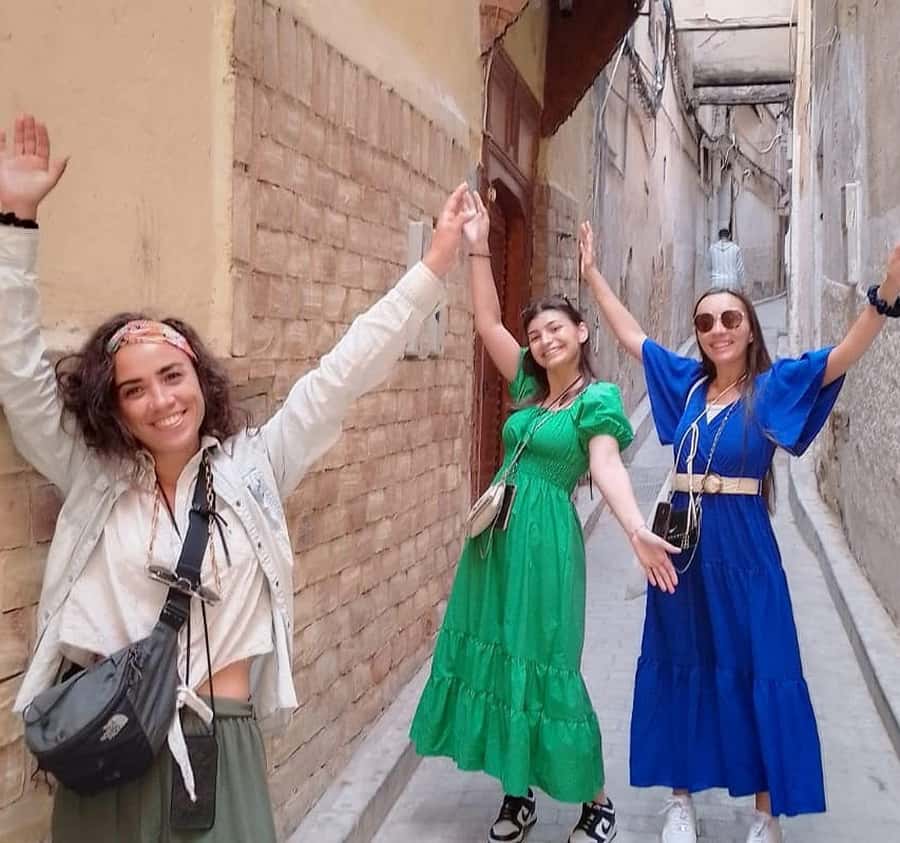
You meet in the Oued Zhoune area, and your guide will contact you via WhatsApp with details. The tour starts with an easy handoff: the guide meets you about 15 minutes early in front of the Bab Al Madina Hotel entrance, so you’re not wandering around waiting in the heat.
This is the kind of logistics that saves vacation time. Instead of asking strangers for directions (and hoping you get the right answer), you start walking with someone who already knows the flow of the Medina.
Before you go, prepare for the walk like a Medina walk: comfortable shoes are non-negotiable, and you’ll want sunglasses and sunscreen. Also dress modestly. You’ll be visiting historical and religious spaces, so shoulders and knees need to be covered.
Inside the Medina: souks, street signs, and not getting lost
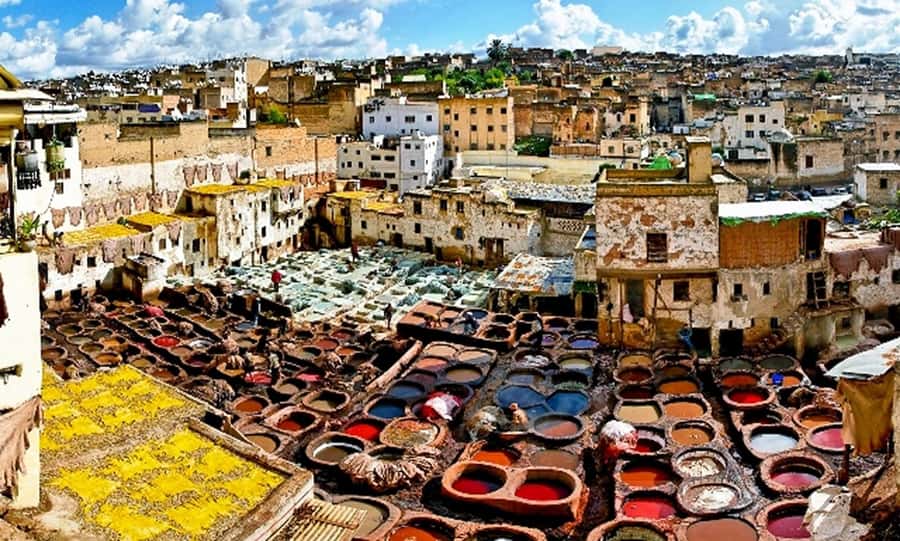
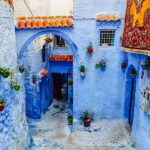
This is where the tour really earns its keep. The Medina is a patchwork of lanes, doors, courtyards, and small markets. Without guidance, you tend to wander in loops. With guidance, you learn what to look for and how to plan your next few turns.
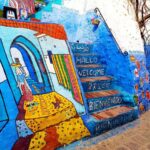
A very practical kind of tip you’ll hear on this walk: how to interpret street signage cues so you don’t get tricked by a dead end. Some guides even explain differences you can spot on the street—like how certain shapes can hint at whether you’re going toward open routes or into a blocked pocket. It’s the sort of information that turns a stressful scramble into calm confidence.
You’ll also get advice for the souks. That includes simple negotiation mindset—what to expect, when to be polite but firm, and how to avoid getting pulled into long conversations you didn’t intend to have. The goal isn’t to make you a hard negotiator. The goal is to help you keep moving and keep control of your time.
And yes, you’ll see plenty of shopping. But the tour framing helps: instead of you feeling pressured, you’re walking with context. If you want to look, you look. If you don’t, you can continue.
Bou Inania Madrasa and madrasas: what you’ll notice once explained
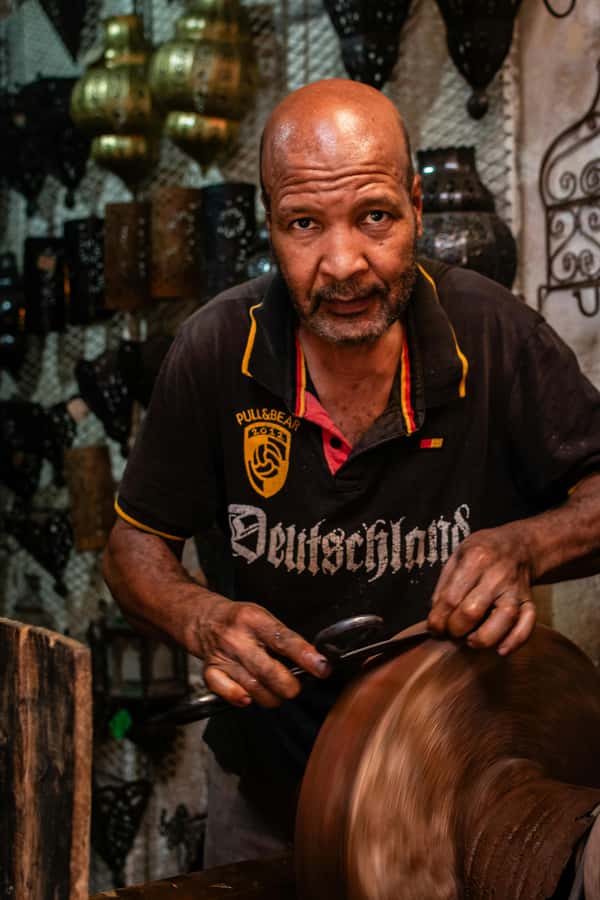
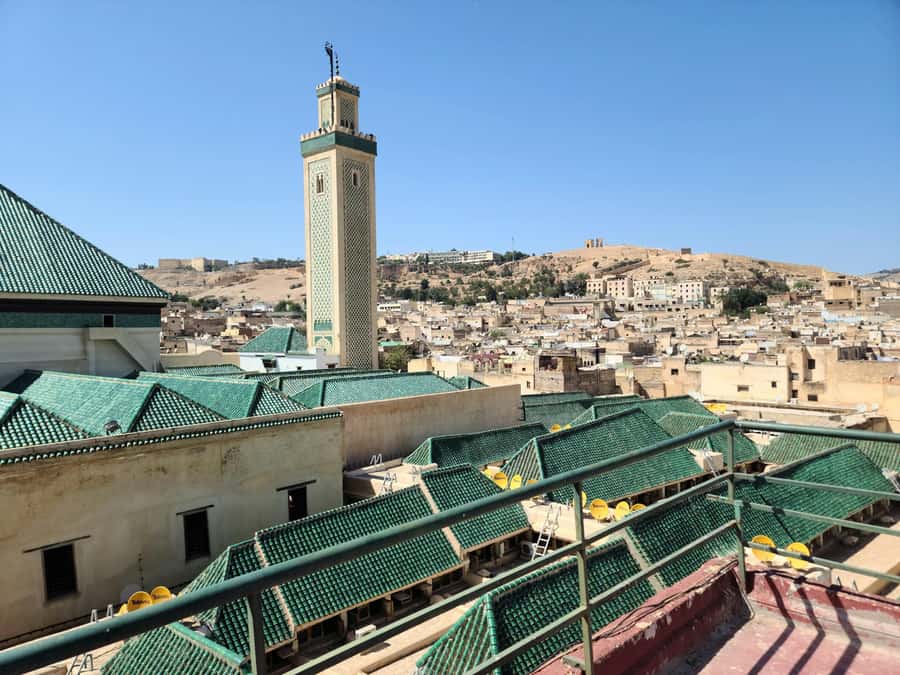
Madrasas are one of Fes’s signature features, and this tour includes stops that are closely tied to education and religious life. One highlight is Bou Inania Madrasa, along with other options such as Al-Qarawiyyin Library and Al-Saffarin Madrasa.
Here’s what makes these stops valuable: you’re not just looking at pretty buildings. Your guide explains the significance at the entrance first, then you decide whether to go in for a closer visit. That choice is important because not every traveler wants the same level of time inside.
You should expect more than quick facts. The guide’s explanations help you connect details—like design choices and the role these institutions played—so the architecture becomes easier to read. Instead of thinking, I’ve seen a courtyard, you start thinking, this layout reflects how people learned and lived.
One practical note: entrance fees are separate, usually 20 to 40 dirhams per site. It’s not a mystery fee. You’re told before you go in, and you stay in control of how many paid entries you make.
Tanneries and Nejjarine stops: the senses meet real craft
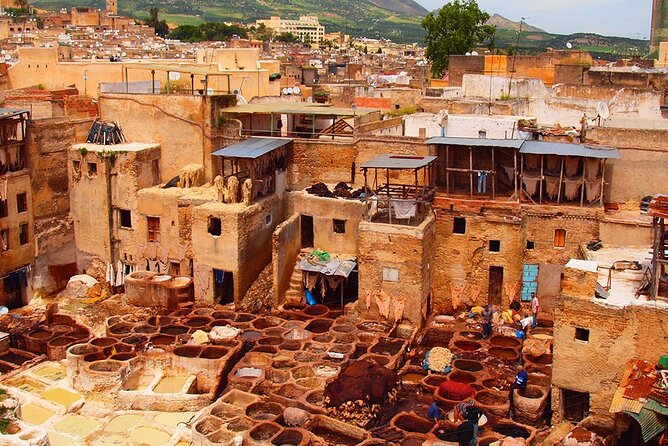
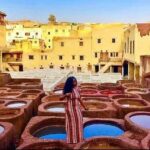
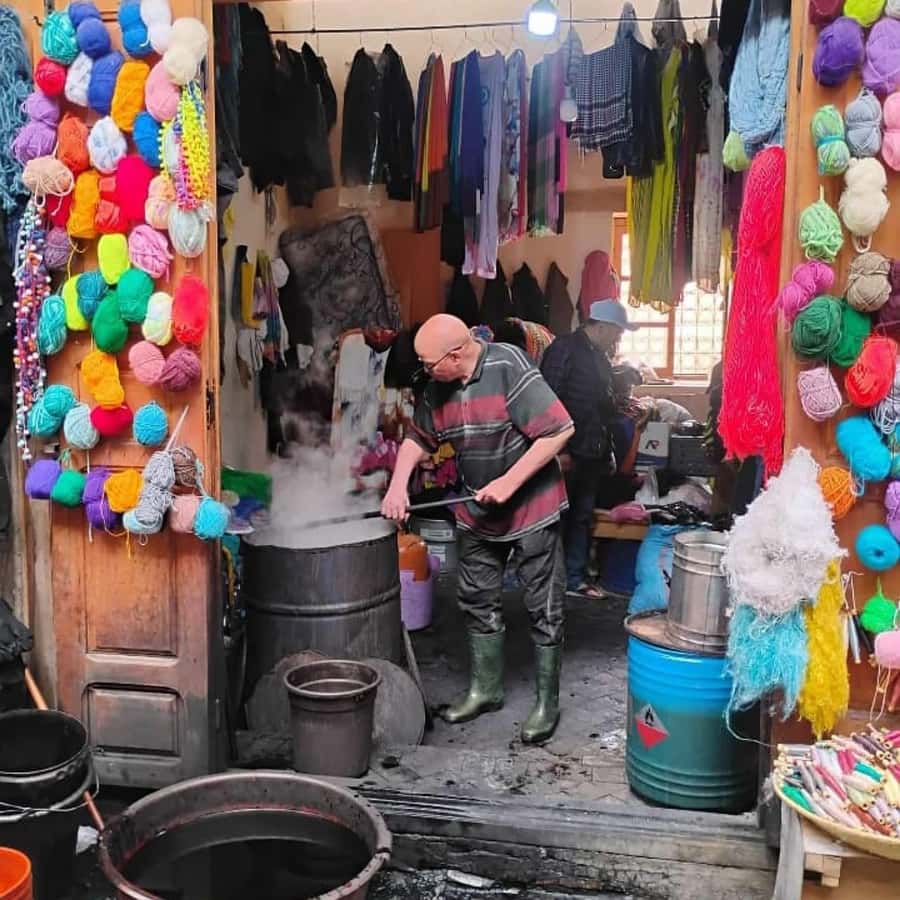
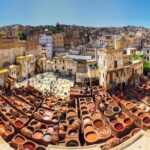
Fes isn’t only about monuments. It’s also about work—old work, repeated for generations. That’s why the tour includes visits near the tanneries and landmarks connected to the leather-making process. Even if you’ve seen photos before, being there changes the scale and the reality. You’ll understand how the craft fits into daily life rather than sitting in a museum bubble.
The tour also includes Nejjarine-related sights, such as the Nejjarine Fountain and the Nejjarine Museum. These stops help connect the craft side of the Medina to the broader artistic and cultural identity of the city.
One thing to keep your expectations honest: tanneries are sensory places. You’ll notice the smells and the activity. If you’re sensitive to strong odors, bring a calm attitude and decide in advance how long you want to linger.
Still, for most people, this is one of the most memorable parts because it answers the real question you might have while walking the Medina: How does all of this function day to day?
You can also read our reviews of more guided tours in Fes


Artisan shops and workshop stops without the hard sell
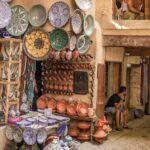
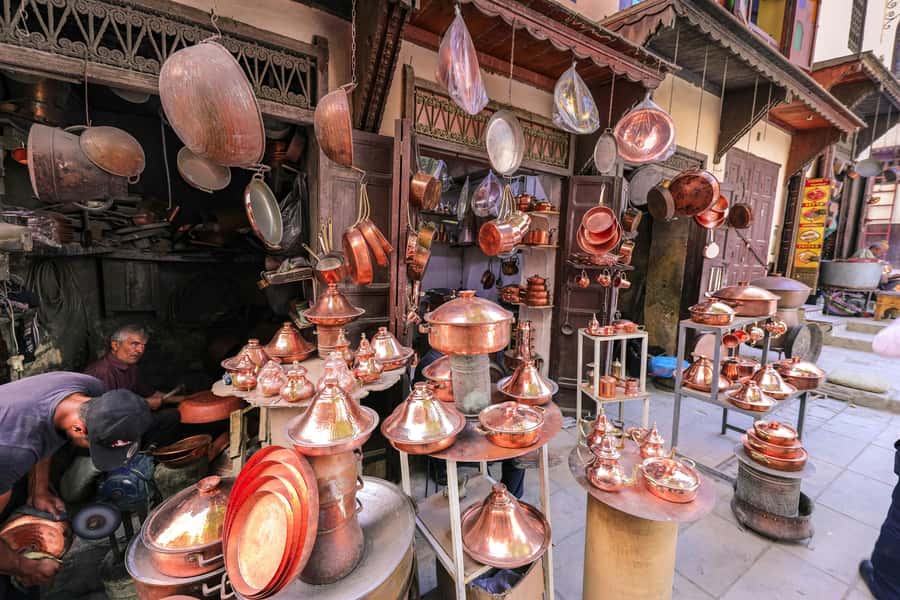
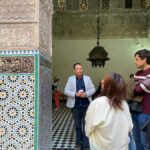
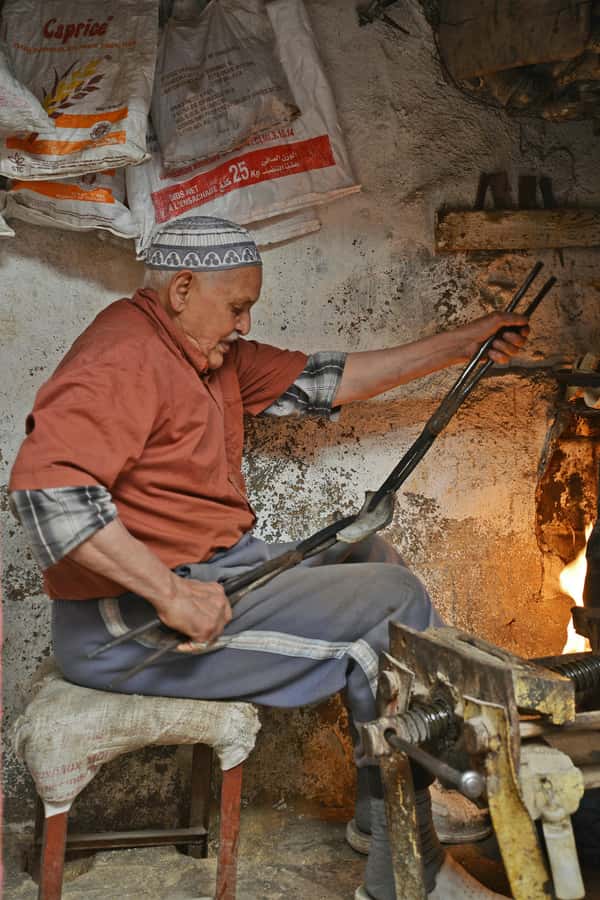
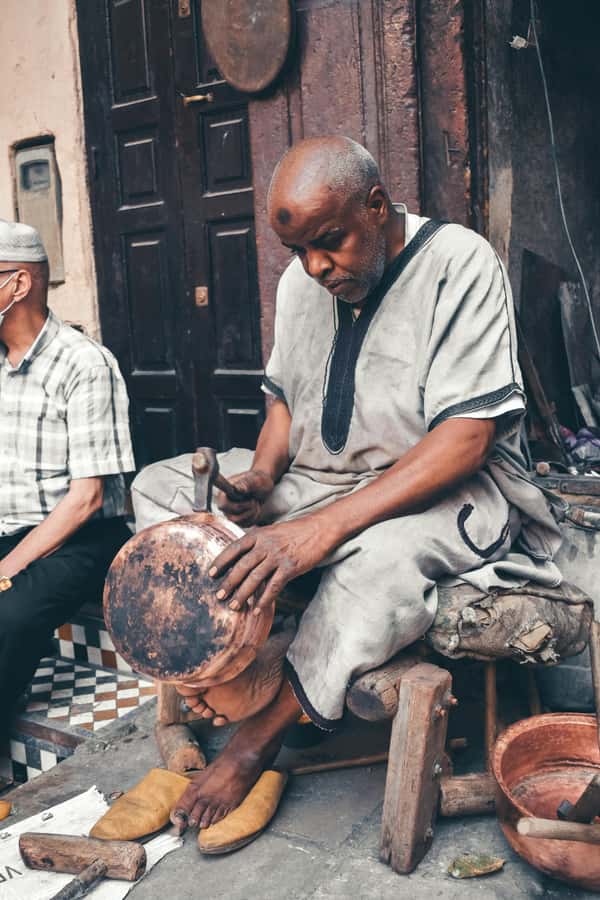
A big part of this tour is seeing Moroccan craftsmanship up close. You’ll visit local artisan shops as part of the experience, with the key detail that there’s no obligation to buy. You can watch demonstrations and ask questions, and if you decide not to purchase, the tour is designed to keep moving.
You may also get opportunities beyond the basic shop stops. For example, some guides offer related workshop experiences like a ceramic cooperative after the walking portion. That’s a bonus if you want to go a step deeper into how products are made, not just sold.
What I like about this approach is that it’s educational, not just commercial. When the guide helps translate what you’re seeing—materials, process, and why certain styles matter—you’re not wasting time in a showroom. You’re collecting context.
On the practical side, if you want help with shipping items home, some guides can assist with logistics as part of the shopping experience. That’s a very handy service if you’re tempted by souvenirs but don’t want the hassle of carrying fragile goods all day.
Tea break, street food, and a smart snack plan

Mid-tour, you’ll have a break and a tea moment. You’ll also get some time around market areas, with options that can include street food. This keeps the tour from turning into a single long grind through hot lanes.
There’s one planning tip worth taking seriously: eat before you go if you want your stomach to stay happy. Meals and drinks aren’t included as part of the base price, and while there may be street-food moments, it isn’t the kind of tour that guarantees a full lunch sit-down.
If you do snack early, you’ll enjoy the tea and market stops more because you won’t be deciding on the fly while hungry.
Also, bring a small amount of cash. You might want to spend on a snack, a mint tea, or an optional entry. In a Medina, the best time to pay is when you’re ready, not when you’re hunting for an ATM.
Price and what to budget beyond the $15
The headline price is $15 per person for a 3-hour guided tour. That’s great value for first-timers who want structure, interpretation, and confidence in navigation.
But let’s be realistic about the extra costs you may choose:
- Site entrance fees for places like madrasas, museums, and libraries typically run 20 to 40 dirhams each
- Meals and drinks cost extra (even if tea and street-food stops are part of the rhythm)
What does that mean for your real budget? You don’t have to pay for everything. Because the guide explains options at each entrance, you can pick the sites you most care about. If you focus on one or two paid entries, your overall cost stays very reasonable. If you want to enter every stop, you should plan for higher spending.
Think of the base fee as paying for orientation and interpretation, and then treat the entrances as optional add-ons based on your interests.
Who should book this tour, and who should consider another plan
This tour fits best if you:
- Are in Fes for only a day or two and want to see the key parts efficiently
- Want a guide to translate what you’re seeing, especially in madrasas and heritage sites
- Like markets and artisan workshops, but you prefer them explained rather than wandered blindly
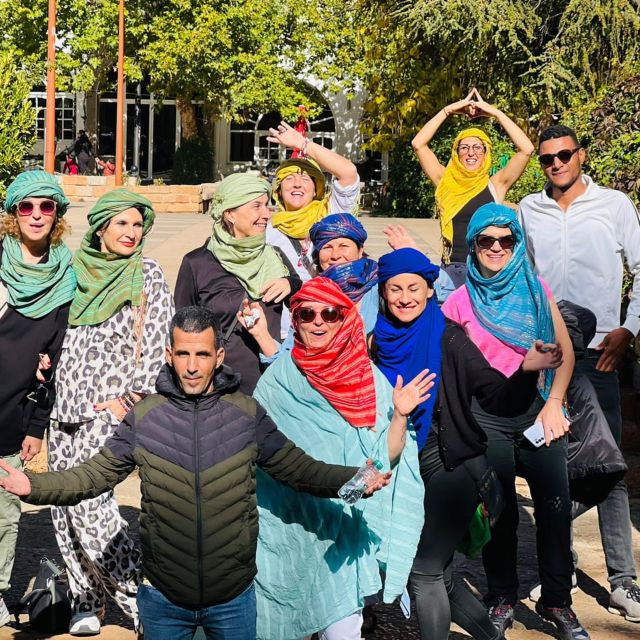
It’s also a good choice if you want to meet other people. Some sessions feel like a small group, so you get easier movement through tight lanes than you’d get on a huge bus-style tour.
Consider skipping or choosing a different style of tour if:
- You have mobility limitations. This is not suitable for wheelchair users or people with mobility impairments.
- You hate walking on uneven ground and climbing minor steps and ramps.
- You want a pure, monument-only day with zero shop stops. This tour includes artisan shops by design, even though buying is optional.
If you’re worried about the shop portions, set your own rule: you’ll look and ask questions, but you’ll only buy if something truly fits your life back home.
Should you book Explore Fes for your trip to Fes
I think you should book this if you want Fes to feel less like a blur and more like a story you can follow. For the price, it gives you a strong starting map, smart explanations at the landmark entrances, and the practical tips that help you enjoy the Medina after the tour ends.
If your goal is to spend the day in Fes with minimal stress and maximum direction, this is one of the best ways to get there. Just go in with the right mindset: bring cash for optional entrances, wear good shoes, and treat artisan shop stops as a chance to learn, not a test you must pass.
FAQ
How long is the walking tour?
The tour lasts about 3 hours.
Where is the meeting point?
You meet in the Oued Zhoune area. The guide will be in front of the Bab Al Madina Hotel entrance about 15 minutes before the start and will also message you on WhatsApp.
What languages are available?
The live guide is available in Italian, Spanish, and English.
What is included in the price?
The price includes the guided walking tour, a guide, visits to local artisan shops without obligation to purchase, and help with local recommendations. You can also customize the pace and itinerary.
Are entrance fees included for the sites?
No. Entrance fees for sites such as Bou Inania Madrasa, Nejjarine Museum, and Al-Qarawiyyin Library are not included, and they can cost about 20 to 40 dirhams each.
Will there be tea or food during the tour?
There is a break time and tea during the tour, and street-food and market visits may be part of the experience. Meals and drinks are not included as a set.
Do I have to buy anything in the artisan shops?
No. You can visit local artisan shops and workshops, but there is no obligation to purchase.
What should I bring and wear?
Bring your passport or ID card, comfortable shoes, sunglasses, and sunscreen. Dress modestly, covering shoulders and knees.
Is the tour wheelchair accessible?
No. It is not suitable for wheelchair users or people with mobility impairments.
Can I cancel and get a refund?
Yes. You can cancel up to 24 hours in advance for a full refund. You can also reserve now and pay later.