REVIEW · FES
Historical and Cultural Stroll in the Fes Medina
Book on GetYourGuide →Operated by said tangier tours · Bookable on GetYourGuide
Fes Medina feels like a maze until you have a guide. This 3-hour private stroll helps you read the city fast, starting at Bab Boujloud and weaving through UNESCO sites, craft squares, and classic souks with a local who knows where to turn and what to notice. You’ll see the places people chase, like Medersa Bou Inania and the Quaraouine Mosque, without wasting time guessing your way through tight lanes. I love how the route is designed for walking comprehension, not just photo stops.
I also love the pace of the highlights: you get a real sequence of sights (blue gate, school, squares, artisan areas), plus break time and photo opportunities in the right spots. One consideration: the experience can include shopping detours, and if you want zero buying pressure, you’ll need to state that clearly early and stick to your decision. There’s also the practical reality that language matching matters—if you book a specific language, confirm it.
In This Review
- Key things to know before you go
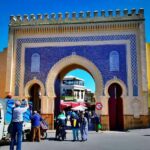
- Bab Boujloud: the Blue Gate that gets your bearings
- Bou Inania and the 14th-century school you’ll want to slow down for
- Nejjarine Square and Fondouk of Wood: henna color and craft energy
- Attarine Souk spices to Quaraouyine Mosque: scholarship with a name you should remember
- Seffarine Square and the Tanneries: where craft becomes real
- How the guide route shapes your day (shopping pressure and language)
- 3 hours, tight lanes: timing and comfort that actually help
- Price and value: does $56 make sense for Fes Medina?
- Should you book this Fes Medina Stroll?
- FAQ
- Where does the tour start and where do I get dropped off?
- How long is the walking tour in the medina?
- What languages are available for the guide?
- Is this tour wheelchair accessible?
- What’s included in the price?
- What is the cancellation policy?
Key things to know before you go
- Bab Boujloud sets the visual theme with an easy first photo stop at the Blue Gate.
- Medersa Bou Inania gives you a memorable look at a 14th-century Quranic school and how Fes teaches.
- Nejjarine Square and the Fondouk of Wood are great for people-watching and henna-soaked color in the air.
- Attarine Souk to Quaraouine Mosque is a strong combo for spices, then scholarship tied to Fatima al Fihria.
- Seffarine Square and the Tanneries connect you to metalwork and the everyday craft of leather.
- Shopping stops are part of the flow, so you should manage expectations if you don’t plan to buy.
Bab Boujloud: the Blue Gate that gets your bearings
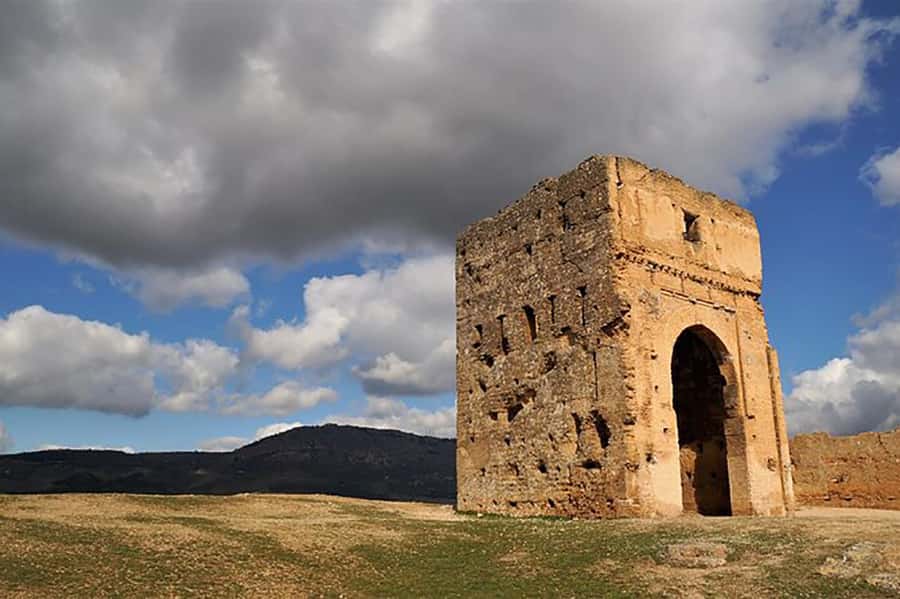
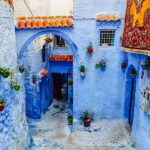
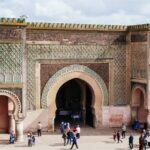
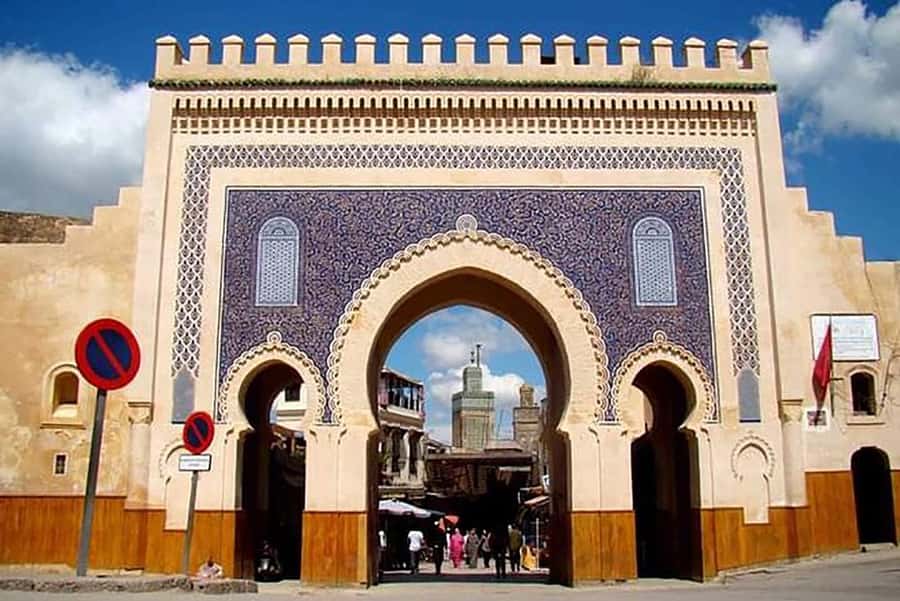
You start at Bab Boujloud, the Blue Gate, and that’s a smart choice. It’s a landmark you can find again later, and it helps you understand the medina as a set of directions radiating from major entrances and squares. There’s break time built in, plus a guided visit and photo stops, so you’re not burning your legs in the first 10 minutes.
If you’ve ever tried to navigate Fes on your own, you know the problem: you can see interesting things, but you can’t always connect them. A starting point like this helps you map the city mentally, and your guide’s pacing makes the crowds and the narrow lanes feel manageable rather than stressful.
What I’d watch for: wear comfortable shoes. Even though this is a 3-hour experience, parts of the walk are on uneven, compacted surfaces where rushing feels bad.
You can also read our reviews of more historical tours in Fes
Bou Inania and the 14th-century school you’ll want to slow down for
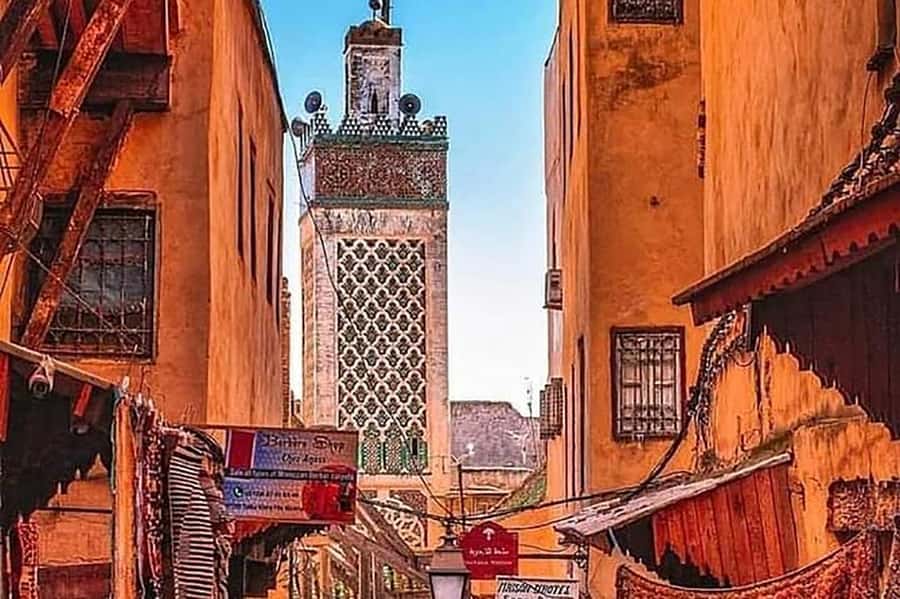
From Bab Boujloud, the tour moves into Medersa Bou Inania, a 14th-century Quranic school. This isn’t just an attractive building. It’s a window into how education and learning were structured in Fes, and why these religious learning centers were central to daily life—not separate from it.
When a guide points out what to look for, you start noticing details you’d miss on a quick pass: the medersa’s role as a learning place, and the way architecture supports ritual, study, and movement. It’s the kind of stop that makes the rest of the tour click, because it gives you context for the mosques and religious spaces you’ll see next.
Possible drawback: if you’re the type who wants everything explained slowly, keep your questions ready. The total experience is short, so you’ll get more value by asking for meaning on the key stops, not asking for everything.
Nejjarine Square and Fondouk of Wood: henna color and craft energy
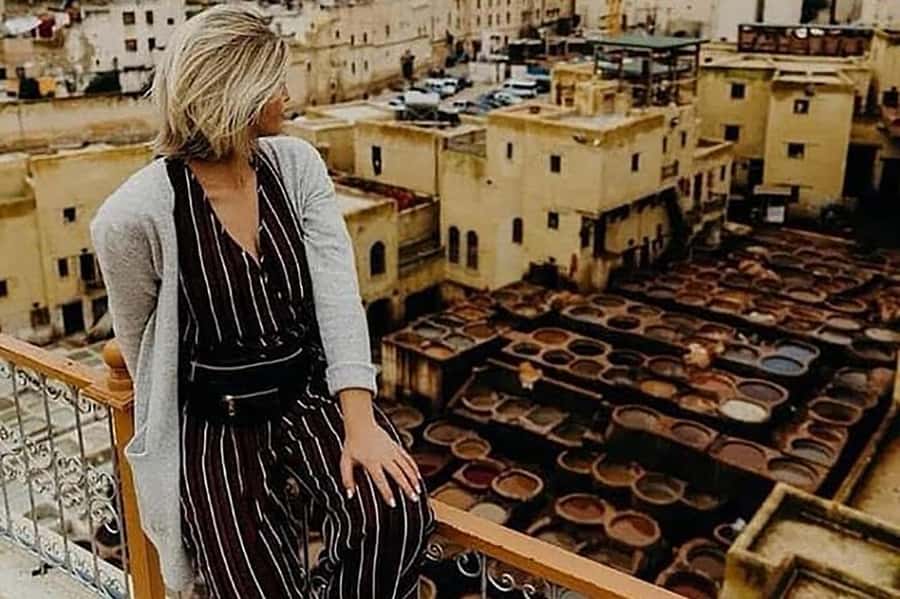
Next you head through Talaa Saghira street to Nejjarine Square and the Fondouk of Wood. This is one of those parts of the medina where the city feels practical—wooden workshop life, merchants, and a constant flow of people moving between stops.
The Fondouk of Wood is especially fun if you like textures and small visual moments. You can visit the henna souk area and take photos here, which matters because henna shops tend to be visually rich but easy to miss unless you’re guided into the right pockets of the market.
Tip for your photos: plan for crowds. This is a working square with people coming and going, so take shots in short bursts, then let space open up.
Attarine Souk spices to Quaraouyine Mosque: scholarship with a name you should remember
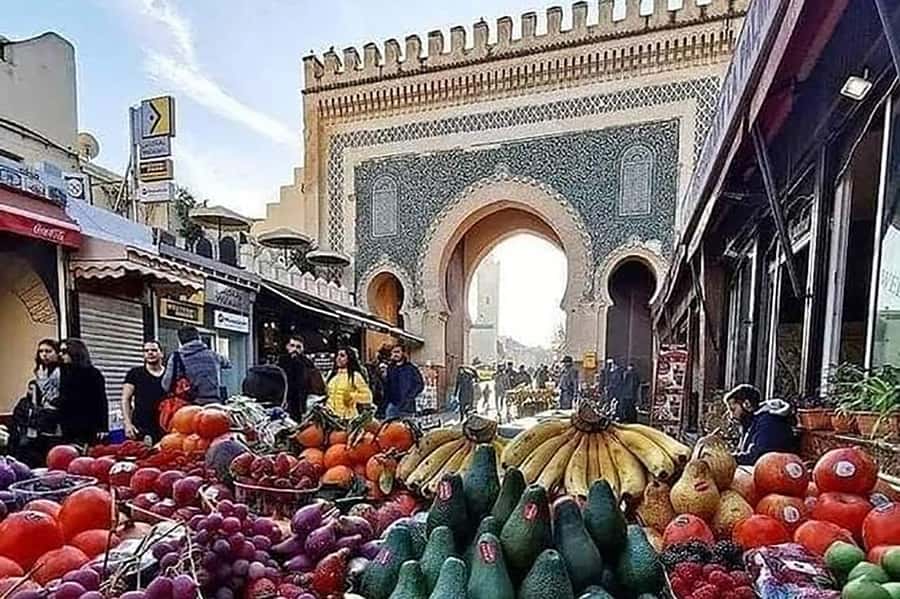
Then you pass through Attarine Souk, known for spices. This isn’t only about smell; it’s about seeing how the market system works. Spices in Fes are part of the city’s commerce story, and your guide can help you understand what you’re looking at—where the spices are sold and how market streets connect to major religious landmarks.
From there, you reach the Quaraouyine Mosque, tied to the Quaraouyine University story. The tour frames it as the world’s first university founded in 859 by Tunisian women, named Fatima al Fihria. Even if you only remember the name, it’s a powerful anchor: it turns the mosque from a standalone monument into a living reference point for learning.
Why this matters for value: in only 3 hours, you need at least one stop that gives you an intellectual takeaway. This is that stop. If you care about how civilizations organized knowledge, you’ll leave with something more than photos.
Seffarine Square and the Tanneries: where craft becomes real
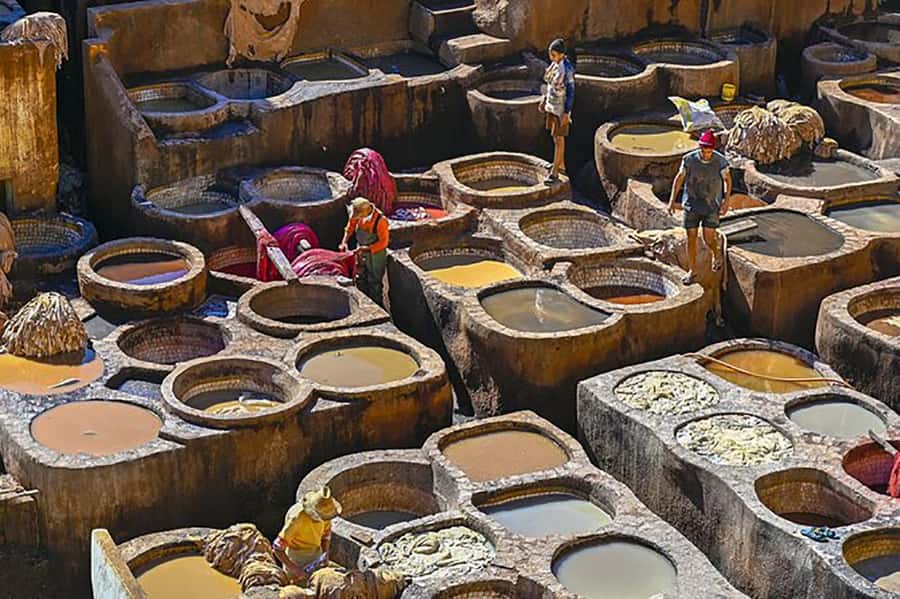
After Quaraouyine, the tour heads toward Seffarine Square, known for metalworkers, including coppersmiths and pewterers. This is where the medina stops feeling abstract. You see craft at work, and you start understanding why guides matter here: these areas aren’t laid out for easy self-navigation.
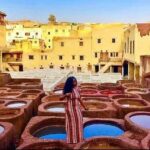
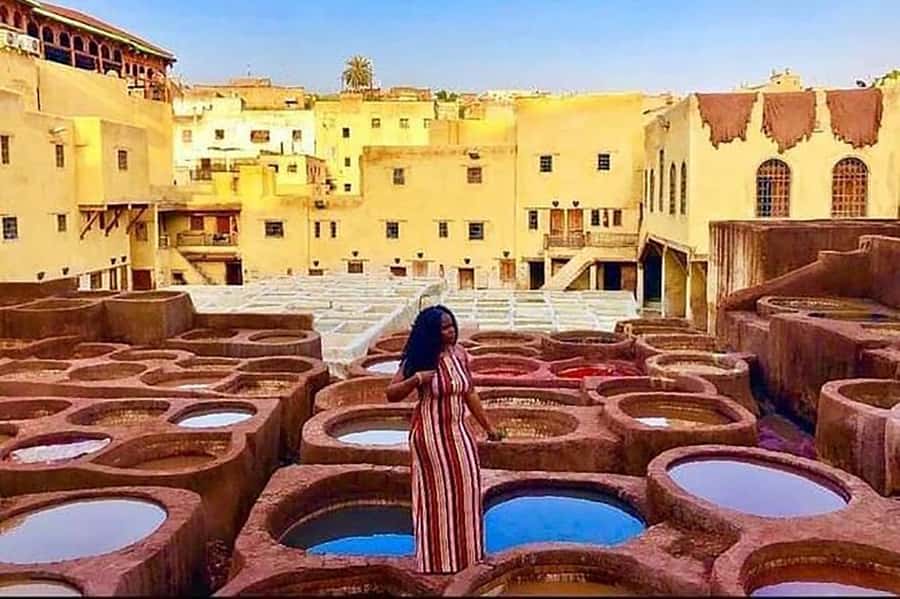
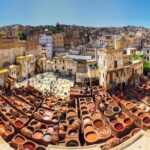
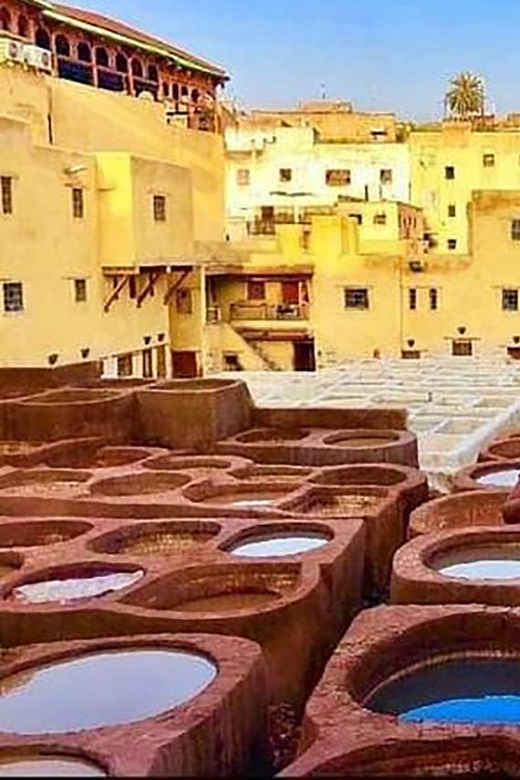
And then comes the Chouara Tanneries. This is famous for a reason, but it can also be frustrating if you’re trying to find the best views alone. With a guide, you get oriented faster and reach the right spots to observe how the leather craft fits into the medina’s broader economy.
You’ll also pass other key sights along the way, including the Moulay Idriss Mausoleum and fountains, plus a panoramic view of the Fes Medina near the end. That mix is deliberate. You get tight craft and market energy earlier, then you finish with a wider look that helps you understand what you’ve been walking through.
What to expect here: the tanneries area can be sensory and busy. If you’re sensitive to smells, be prepared. A quick pause with your guide can help you decide where to stand for the view without lingering too long.
How the guide route shapes your day (shopping pressure and language)
A private guide is the main value lever in this experience. In a maze like the medina, a guide helps you get from one major landmark to the next without losing your bearings. It also helps you avoid dead ends and find the working areas that make Fes feel like a real city, not just a museum.
That said, you should manage two real-world issues.
First: shopping stops can be part of the journey. One guide example I saw in past feedback includes taking people through multiple shops, sometimes with strong sales pressure. In one case, the focus shifted toward rug and argan oil dealers even after a clear request to avoid shopping. If you’re here for architecture, markets, and craft viewing only, say it early and repeat it firmly once you notice the detour starting.
Second: language match is crucial. In at least one reported experience, a German booking was met with an English guide without prior notice. To avoid that disappointment, confirm the language in writing when you book, then check again on the day of your tour. If you need German or another specific language, make that requirement explicit.
As for the guide’s personality and competence, the experience seems strongest when the guide is engaged and personable. Mohammed was mentioned as a knowledgeable, personable guide in one account, and he was also credited with getting the group to key sights like the Tanneries. That combination—good routing plus a human touch—is what makes this tour feel worth it.
3 hours, tight lanes: timing and comfort that actually help
This is a half-day walk, listed at 3 hours. For Fes, that’s a good target. Longer tours can start to feel like endurance; shorter ones can cut off the deeper stops. Three hours is enough time to connect the medersa to the mosque story, then land in the craft squares like Seffarine and the tanneries.
You’ll get bottled water included, and you’re picked up in an air-conditioned vehicle (so you’re not dealing with peak heat stress the whole time). The plan also includes a return to your hotel or riad at the end, which is a big practical win. In the medina, getting back on your own can become a mini-adventure you didn’t ask for.
Quick comfort advice:
- Wear shoes you can stand in for a while.
- Bring a hat or sunscreen if your morning start is sunny.
- If you care most about architecture and food-market style streets, tell your guide up front so they can prioritize those lanes.
Price and value: does $56 make sense for Fes Medina?
At $56 per person for a 3-hour private guided tour, the value depends on what you want from Fes.
If you’re paying for navigation help and context, it can be a fair deal. You’re getting: an experienced multilingual local guide, bottled water, and vehicle support for pickup and return. In a city where wandering can cost time, that guidance is a real asset. It’s also not just a generic route—key stops are packed into the half-day window: Bab Boujloud, Medersa Bou Inania, Attarine Souk, Quaraouyine Mosque (with the Fatima al Fihria story), Seffarine Square, and the Chouara Tanneries, plus the Moulay Idriss Mausoleum and panoramic view.
If you’re paying and expecting zero shopping influence, you must be clear about that before the tour starts. The only reason the price might feel weak is if the time gets hijacked by shops you don’t want to visit. Your best move: set your priorities early—then you can enjoy the guide without losing control of your day.
One more practical point: the tour notes wheelchair accessibility. That’s a meaningful detail if you need step-aware planning, though the medina itself can be uneven in general terms. You’ll want to communicate your needs clearly before you go.
Should you book this Fes Medina Stroll?
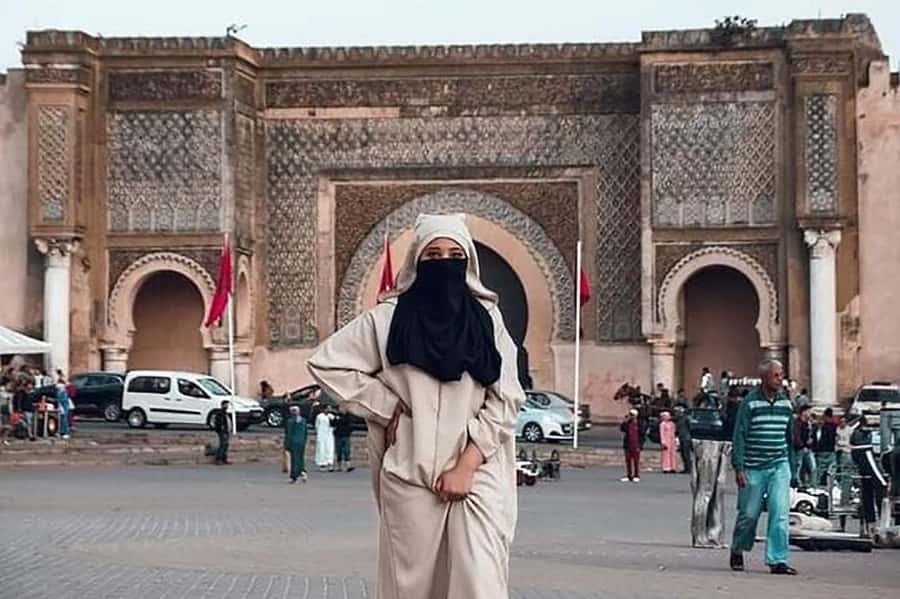
I’d recommend booking if you want a guided, organized way to see major Fes landmarks in a short time—especially if the Tanneries and the learning sites matter to you. This kind of tour works best when you like structured wandering: markets, craft areas, and religious architecture all in a connected sequence.
I would think twice or book with extra clarity if:
- you need a specific guide language (confirm it twice), or
- you want to avoid shopping stops entirely (say so early and clearly), or
- you’re the type who gets frustrated when a tour moves faster than your personal pace.
If you hit those two points—language alignment and shopping boundaries—this can be an efficient, high-value way to experience Fes Medina without turning your day into a navigation headache.
FAQ
Where does the tour start and where do I get dropped off?
The tour starts with pickup in Fes and returns you back to your hotel or riad at the end.
How long is the walking tour in the medina?
The duration is 3 hours.
What languages are available for the guide?
The tour offers multilingual guiding in Arabic, English, French, Spanish, Italian, Portuguese, German, and Japanese.
Is this tour wheelchair accessible?
Yes, the tour is listed as wheelchair accessible.
What’s included in the price?
Included are bottled water, an air-conditioned vehicle, and an experienced multilingual local guide.
What is the cancellation policy?
Free cancellation is available up to 24 hours in advance for a full refund.