REVIEW · MARRAKECH
Cooking course with genuine Berber Family at Atlas Mt
Book on Viator →Operated by Morkosh Tours · Bookable on Viator
One day, three generations of Berber food. I like the way this private experience connects Marrakech pickup, a Berber market, and a real family kitchen in the High Atlas. I love choosing ingredients for tajine or couscous at a local market, then cooking a full 3-course lunch with Malika, a grandmother and practiced cook. One thing to plan for: the formal dress rule (shoulders and knees covered for everyone).
I also appreciate the Ourika Valley stop with a women’s cooperative making Moroccan oil and herbs. Your driver-guide stays with you through the day for translation help, so you can ask questions without feeling like you’re guessing.
Finally, you’ll work with traditional tools—earthenware tajine pots over a majmar (charcoal brazier)—and you’ll spend the afternoon hearing how a Berber household runs day to day. If you’re coming only for recipes and not for context, you might find the home-life portion a bit extra, but it’s exactly where the meaning lives.
In This Review
- Key points I’d circle before you go
- Marrakech to the High Atlas: pickup, air-conditioned comfort, and market choices
- Ourika Valley women’s cooperative: Moroccan oil and herb-making you can taste
- Malika’s family home: how the private cooking class really works
- Cooking tajine or couscous over charcoal: your 3-course lunch step by step
- More than recipes: mint tea, bread ovens, and everyday Berber household life
- What to wear, what to eat, and how to time your day in Marrakech
- Price and value: is $209.14 per person fair?
- Who this Berber cooking class suits best (and who might want a different day)
- Should you book this Berber cooking class in the Atlas?
- FAQ
- What is the duration of the cooking course?
- Is pickup from my Marrakech accommodation included?
- Is this experience private?
- Do they offer vegetarian options?
- What will I cook during the class?
- What meals are included?
- What is the dress code?
- What day of the week does it run?
- Is tipping included in the price?
- Can I cancel for a full refund?
Key points I’d circle before you go
- Market shopping for your own tajine or couscous ingredients
- Ourika Valley women’s cooperative for Moroccan oil and herb-making
- Cooking with Malika in her home kitchen using earthenware tajines
- Lunch built from family recipes served as a real 3-course meal
- Hands-on cultural time: mint tea, bread baking, and daily household routines
Marrakech to the High Atlas: pickup, air-conditioned comfort, and market choices
This is built as a full day that starts right at your place in Marrakech. You’ll get morning pickup and head out in an air-conditioned minivan, which is a nice buffer against heat and dust as you leave the city behind.
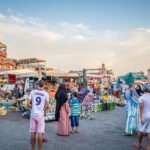
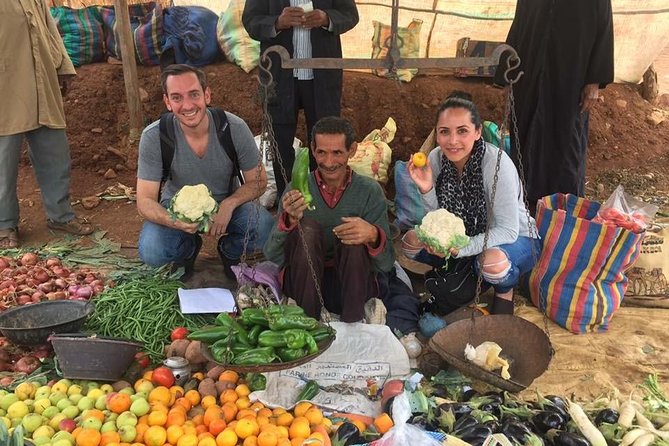
The first stop that matters most for food lovers comes early: a Berber produce market where you pick ingredients for what you’ll cook. This is one of the best parts of the day because you’re not just watching someone else buy food. You’re learning what people choose for flavor and texture, and you’re seeing the ingredients as they’re meant to be used locally.
You’ll have a choice between tajine or couscous, with a vegetarian option available if you ask ahead. That choice affects what you buy and how the day feels, so it’s worth thinking about what you actually want to taste on your plate at the end—slow-simmered spices in a tajine, or a couscous-focused meal built around that classic Moroccan feel.
A practical note: this class runs on specific weekdays—Monday, Tuesday, Thursday, and Friday—to match the market schedule. If your dates are flexible, picking one of those days makes the whole experience run more smoothly.
You can also read our reviews of more cooking classes in Marrakech
Ourika Valley women’s cooperative: Moroccan oil and herb-making you can taste
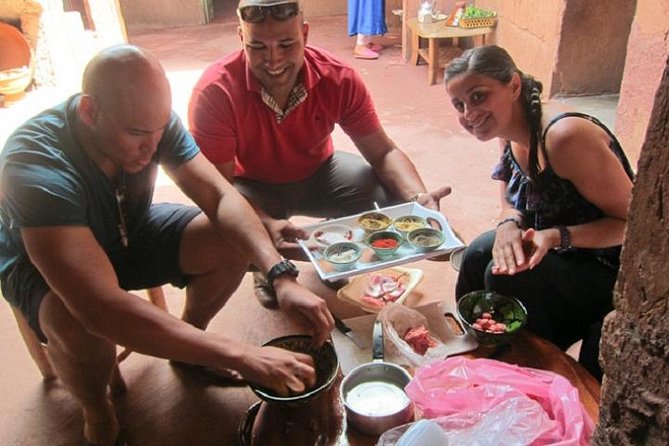
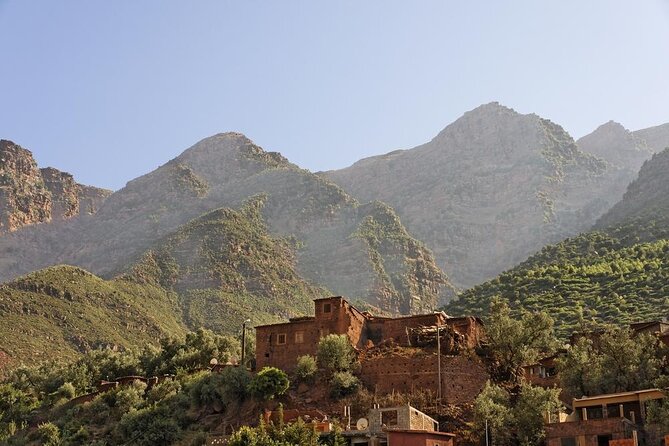
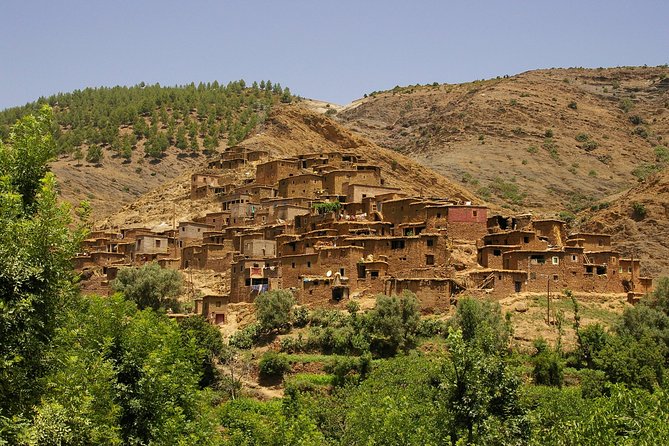
After the market, you head toward the foothills of the High Atlas Mountains and into the Ourika Valley area. Here you meet members of a local women’s cooperative connected to Moroccan oil and herbs.
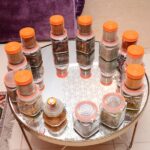
Even if you don’t speak the local language, you’ll pick up the story fast because it’s explained in a way that matches what you can see and smell. Oil and herbs matter in Moroccan cooking in a very physical way: they’re not abstract flavors. They’re the smell on your hands after chopping, the finish on sauce, the way bread tastes different when oil is part of the ritual.
And because this day isn’t rushed, you can ask about how herbs and oil get used in everyday meals, not just in restaurant dishes. That turns the cooking class from a performance into something closer to a working tradition.
Malika’s family home: how the private cooking class really works
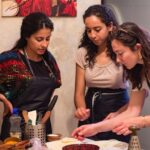
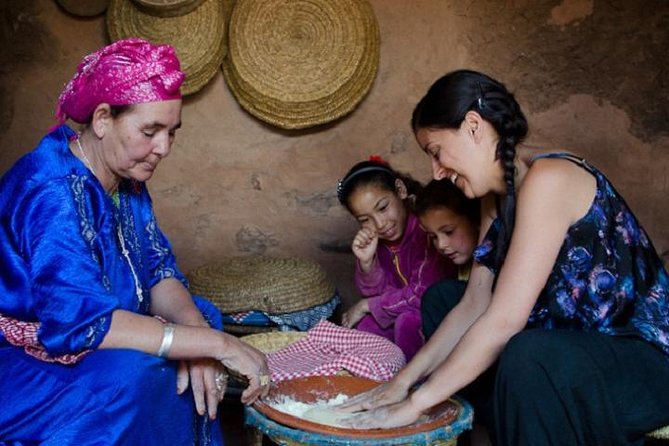
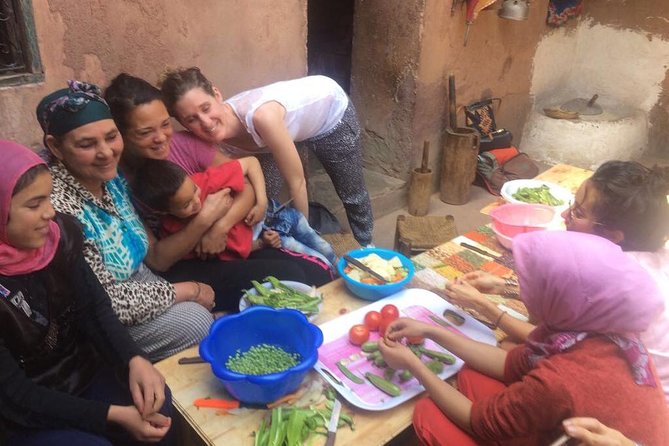
You’ll meet Malika, the grandmother host and the cook guiding your meal. This is the heart of the day: a private class in her home where you learn by doing, not by watching from a distance.
A big reason this feels special is the translation support. Your driver-guide stays with you throughout the day to help communicate. That means you can ask practical questions while you cook—what’s added first, what to look for as things heat up, and how Malika thinks about balance between spice, salt, and freshness.
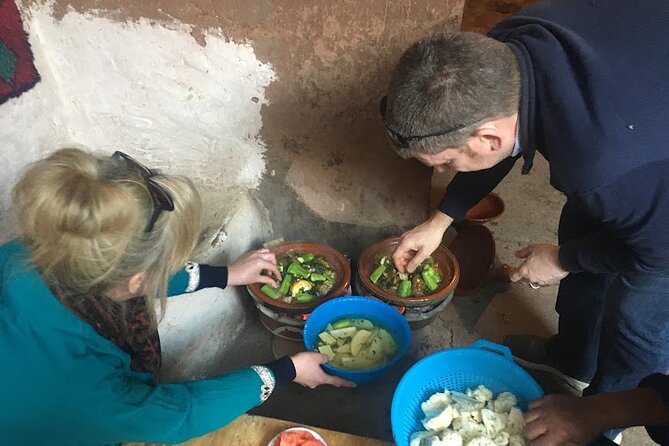
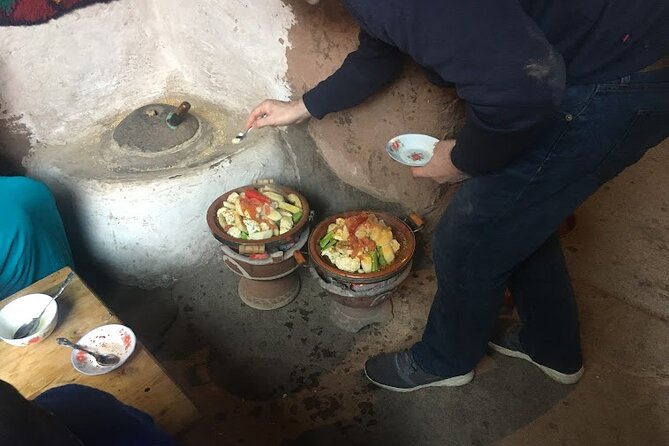
The kitchen setup is also part of the lesson. You cook in traditional earthenware tajines over a majmar, a charcoal-burning brazier. The heat is different from an electric stove: it’s slower, steadier, and it changes how sauces behave as they simmer. You’re not just copying a recipe; you’re learning how a Moroccan meal depends on the heat source.
Cooking tajine or couscous over charcoal: your 3-course lunch step by step
Your main work centers on preparing a hearty 3-course lunch with family-style recipes passed down through generations. The exact dishes can vary day to day based on ingredients and what Malika is making available, but you can expect a clear structure: build flavors, cook slowly, then plate and eat what you created.
Here’s what stands out about the technique you’ll use:
- Earthenware tajines help concentrate aromas while keeping moisture in the cooking system.
- Charcoal heat means you’re cooking with a steady source rather than a quick boil-and-go style.
- Spices and local produce aren’t added as an afterthought. They’re used as the foundation of the meal.
And yes, it’s not just cooking in theory. You’ll sit down to the meal you made. A real 3-course lunch is a lot of food, so come hungry and pace yourself. The upside is you get immediate feedback: if something tastes off, Malika’s household knows how it should taste, and you can adjust your understanding right there at the table.
Vegetarian options are available if you tell the organizers when you book, so you’re not stuck building a meal around compromises.
More than recipes: mint tea, bread ovens, and everyday Berber household life
After lunch, you’ll spend time learning about daily life in a Berber household. This isn’t a scripted show; it’s the kind of conversation that happens when you’re in a home and people explain how they do things.
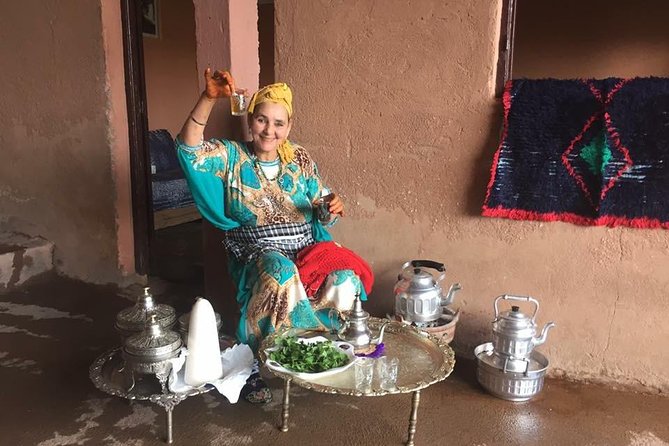
You’ll hear how the family prepares sweetened mint tea, bakes bread using a traditional oven, and even milks their cows. Those details may sound like side notes, but they explain why food in Morocco feels tied to routine. Bread, tea, and dairy aren’t just ingredients—they’re part of how a day moves.
This is also where you’ll get the cultural context that makes the cooking class feel grounded. You’ll understand what the meal supports and what it reflects: hospitality, preparation, and family rhythm. It’s a helpful reminder that food traditions aren’t only for tourists; they’re for living.




What to wear, what to eat, and how to time your day in Marrakech
Plan this as a full-day commitment—about 8 hours total. You’ll have morning pickup in Marrakech, time in the mountains and valley areas, cooking time, a sit-down lunch, and then the return trip back to Marrakech with evening drop-off at your hotel.
A few practical points that matter:
- Dress code: shoulders and knees covered for both women and men. I’d treat this like a real rule, not a suggestion.
- Weather: the experience operates in all weather conditions, so dress appropriately even if the forecast looks mild in the city.
- Meals included: breakfast and your 3-course lunch are part of the package.
- Tipping: tipping isn’t included, so plan for it if you feel the service deserves it.
If you’re the type who likes asking questions, bring that energy. The translation support helps a lot, and the best moments often come when you stop thinking of this as a class and start thinking of it as a day in someone’s world.
Price and value: is $209.14 per person fair?
At $209.14 per person, this isn’t a cheap half-day cooking show. The value comes from what’s included and what you’re actually getting access to: a private home setting, market shopping, a women’s cooperative introduction, and a real meal you helped cook.
Here’s how I’d judge the price:
- Transportation: pickup from your accommodation and door-to-door transport are included, and you’re covering travel time into the High Atlas foothills and Ourika Valley.
- Food value: breakfast plus a full 3-course lunch means you’re not paying restaurant prices for the biggest part of the day.
- Private experience: you’re not sharing the cooking moment with a busload. That matters when you’re learning techniques over charcoal and working with the household kitchen.
- Cultural learning: you’re getting market context and home-life context, not only recipe instructions.
Also, check whether group discounts apply when you’re booking with friends. If you’re traveling with two or more people, the math can get friendlier.
Who this Berber cooking class suits best (and who might want a different day)
I’d point you toward this if you want more than a recipe. If you enjoy slow cooking, learning how ingredients are chosen, and understanding how people live around food, this day fits well.
It’s also a strong choice if you like structured support. Your driver-guide stays with you for translation help, and the private setup keeps questions and attention from getting lost.
You might consider another option if you’re short on time in Marrakech, dislike dress-code rules, or only want quick city-to-restaurant experiences. This is a real countryside day, with travel and a home setting at the center.
Should you book this Berber cooking class in the Atlas?
Yes, if your idea of a great Marrakech day includes leaving the city for the High Atlas, shopping for ingredients with guidance, and learning to cook in a household kitchen with Malika. The combination of market choice, charcoal tajine technique, and a true 3-course lunch makes it feel practical and memorable, not touristy.
If you do book, I’d recommend two things: pick one of the weekday dates that align with the market (Mon/Tue/Thu/Fri), and plan your outfit early so the dress code doesn’t become a last-minute hassle.
FAQ
What is the duration of the cooking course?
It runs for about 8 hours.
Is pickup from my Marrakech accommodation included?
Yes, pickup is offered, and the experience includes door-to-door transport with evening drop-off.
Is this experience private?
Yes. It’s a private tour/activity, so only your group participates.
Do they offer vegetarian options?
Yes. Vegetarian options are available—tell the provider at booking.
What will I cook during the class?
You’ll cook a traditional meal, choosing between tajine or couscous.
What meals are included?
Breakfast is included, and you’ll also enjoy a 3-course lunch.
What is the dress code?
Formal dress is required, with shoulders and knees covered for both women and men.
What day of the week does it run?
It’s available on Monday, Tuesday, Thursday, and Friday.
Is tipping included in the price?
No. Tipping is not included.
Can I cancel for a full refund?
Yes. You can cancel up to 24 hours in advance for a full refund. If you cancel less than 24 hours before the start time, the amount paid isn’t refunded.