REVIEW · MARRAKECH
cooking classe
Book on Viator →Operated by Menara Trip - Day Trip · Bookable on Viator
Cooking in Marrakech beats eating out every time. I love the chance to make one of the classic dishes like tagine, with clear coaching, and I also love that you leave with an easy recipe card you can actually use at home. One thing to consider: you cook only one main dish, so if you’re hoping for a hands-off tasting menu of everything, this is more class than food tour.
This experience happens in a local home with a small group (up to 10), and pickup is offered if you want to keep logistics simple. Classes run in multiple languages, including Arabic, French, English, and Spanish, which matters because good cooking instruction depends on understanding the why, not just the what.
It starts at 10:00 am and lasts about 4 hours, with you finishing by eating what you cooked as a group. The vibe is friendly and practical, and one guide named Mehdi has been praised for being professional and even offering water and tea when asked.
In This Review
- Key highlights to know before you go
- Cooking in a local Marrakech home (not a showroom)
- The main event: choose tagine, couscous, or pastilla
- If you choose tagine
- If you choose couscous
- If you choose pastilla
- Learning through instruction that you can follow
- How the 4-hour flow usually feels
- Start: get oriented and begin cooking
- Main-dish production: your tagine, couscous, or pastilla
- Dessert component: the sweet finish
- Eat together: your food becomes the lesson’s reward
- Pickup, mobile ticket, and small-group logistics that make life easier
- Price and value: what $40.65 buys you in real terms
- Languages and comfort: you won’t have to guess what’s happening
- Who this cooking class fits best
- When you might want to choose something else
- Practical tips to get more out of your class
- Should you book this Marrakech cooking class?
- FAQ
- FAQ
- What is the duration of the cooking class in Marrakech?
- What time does the experience start?
- How much does it cost per person?
- Where does the cooking class take place?
- Does pickup get offered?
- What dishes can I choose to cook?
- Will I eat the food during the class?
- What languages are available for the class?
- How big is the group?
- Is there free cancellation?
Key highlights to know before you go
- Pick your main dish: tagine, couscous, or pastilla so you get a meaningful skill, not just a sample.
- Hands-on in a real home: you cook in a local setting, not a demo kitchen.
- Eat together after cooking: your meal is part of the class experience, not an add-on.
- Small group size (max 10): more time for questions and feedback.
- Multiple languages available: Arabic, French, English, and Spanish help you follow the steps.
- Take-home recipe card: a simple way to recreate the dish later.
Cooking in a local Marrakech home (not a showroom)
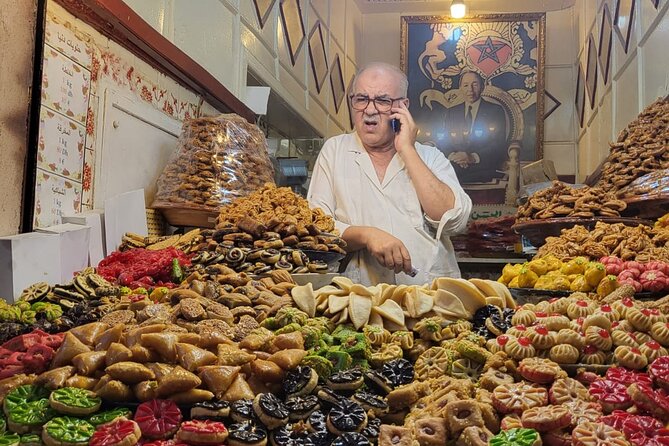
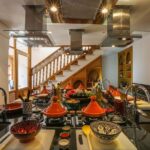
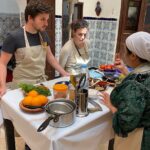
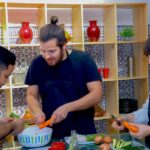
In Marrakech, it’s easy to get stuck in the pattern of eating and moving on. This class slows things down in a good way. You’re not just watching from the sidelines. You’re in a home kitchen where people take food seriously, and where the rhythm feels more like learning from locals than following a script.
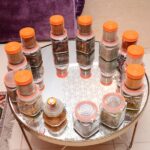
I like that the setting helps you notice details. Moroccan cooking has a logic to it: spice balance, texture, and timing. When you cook along with an instructor, you start to understand how those choices show up on the plate.
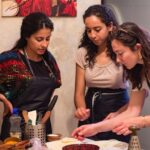
You should also expect a warm, low-pressure atmosphere. The group stays small, and the pace is designed so you can participate without feeling rushed.
You can also read our reviews of more cooking classes in Marrakech
The main event: choose tagine, couscous, or pastilla
The core of the experience is your main dish choice. You’ll select one of these: tagine, couscous, or pastilla. That’s a big deal for value because you’re not paying to taste. You’re paying to learn one complete Moroccan dish method that you can repeat later.
Here’s how to think about each option before you decide:
If you choose tagine
Tagine is all about slow-building flavor and the way ingredients cook together. In a hands-on setting, you’ll get a clearer sense of how the base and seasoning develop, and how the texture should feel when it’s ready.
If you choose couscous
Couscous cooking is about consistency. The goal isn’t just flavor, it’s the right grain texture and a well-balanced sauce relationship. You’ll learn the practical technique behind it, which is what most home cooks struggle to replicate.
If you choose pastilla
Pastilla is a step up in finesse. It often has layers and a mix of sweet-salty flavor in a way that’s hard to fake without guidance. If you love impressive dishes and want a challenge you can share with friends later, this is the one.
No matter which main you pick, the class is structured so you can actually finish what you start. You’re guided step-by-step, and then you sit down and eat what you cooked with the group.




Learning through instruction that you can follow
Good cooking classes don’t just tell you what to do. They explain enough that you don’t feel lost. This one offers instruction in several languages: Arabic, French, English, and Spanish. That matters because Moroccan recipes rely on small decisions. If you miss one word, you can miss the method.
The instruction also comes with an emphasis on doing things the way you’d see in Moroccan kitchens. You’re learning authentic Moroccan cuisine, from main meals through dessert. That full-course approach is useful because dessert isn’t tacked on randomly. It helps you see how the meal is built as a whole.
And the guides bring a professional, organized energy. One guide named Mehdi has been singled out for explaining everything clearly, and for being generous with water and tea when people ask.
How the 4-hour flow usually feels
You can picture the timing as a steady sequence rather than a frantic sprint. You start at 10:00 am, then you move through cooking, then eating together by the end.
Here’s what this looks like in practical terms:
Start: get oriented and begin cooking
At the beginning, you’ll be set up to work with your group and instructor. Because it runs in a local home, you’ll likely see the workspace and ingredients clearly from where you’re standing. You’re not stuck looking through a glass wall.
Main-dish production: your tagine, couscous, or pastilla
This is the main chunk of time. You’ll work on the dish you selected and follow the guide’s steps. This is the part you’ll remember, because it’s hands-on and skill-based.
The benefit of making one full dish is that you learn what happens at each stage. You also get a clearer sense of what “done” looks like, which is what you want if you plan to cook it again.
Dessert component: the sweet finish
The experience includes dessert, so your class doesn’t end when the main is plated. Dessert is where you round out the meal and learn the broader idea of Moroccan home cooking as something that goes beyond savory.
Even if you don’t become a dessert expert overnight, you’ll leave knowing how the dessert fits into the meal’s rhythm and flavor style.
Eat together: your food becomes the lesson’s reward
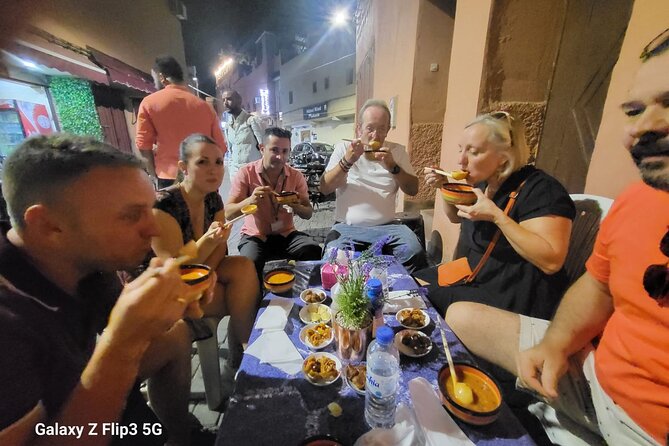
Once you’re done, you eat what you made with the rest of the group. This is one of those simple parts that adds a lot. It turns the class into a shared meal, and you’ll likely get to taste others’ dishes too, even if you only cooked one main.
Pickup, mobile ticket, and small-group logistics that make life easier
This class isn’t trying to be complicated, and that’s a plus on a Marrakech day.
You can expect:
- Pickup offered (if you want it)
- a mobile ticket
- the tour/activity is near public transportation
- group size capped at 10 travelers
Why you should care: small groups mean your instructor can help with corrections. It also means the timing feels smoother. You won’t spend half your class waiting your turn.
The “near public transportation” note matters too. If you’re staying somewhere not covered by pickup, you’re still not stuck. You can plan a straightforward route without building your whole day around taxis.
Price and value: what $40.65 buys you in real terms
At $40.65 per person for about 4 hours, this is priced like a focused, high-participation activity. You’re not paying for a long excursion with many stops. You’re paying for time in a kitchen with instruction, ingredients, and a full meal that you eat together.
Where the value really shows:
- You cook a complete Moroccan main (not a snack)
- You get dessert included
- You leave with a recipe card you can use later
- Small group size supports better teaching and less waiting
- Pickup is offered, which reduces your day’s friction
If you’re the type of traveler who likes skills you can reuse, the recipe card pushes this into “worth it” territory. A lot of food experiences stop at eating. This one aims to leave you with the ability to cook, too.
Languages and comfort: you won’t have to guess what’s happening
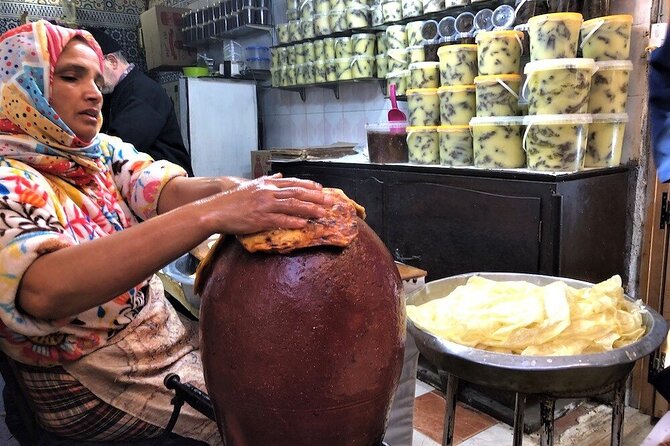
One of the sneakiest barriers in cooking classes is language. If you can’t follow instructions, you end up doing the motions and hoping for the best.
Here, languages include Arabic, French, English, and Spanish. That means you should be able to pick a class that matches your comfort level. The practical upside is confidence: you’ll understand when to adjust seasoning, what the goal texture is, and why you’re doing each step.
Also, the experience notes that most travelers can participate, and service animals are allowed. If you want a class that doesn’t feel overly exclusive, that inclusive approach is a good sign.
Who this cooking class fits best
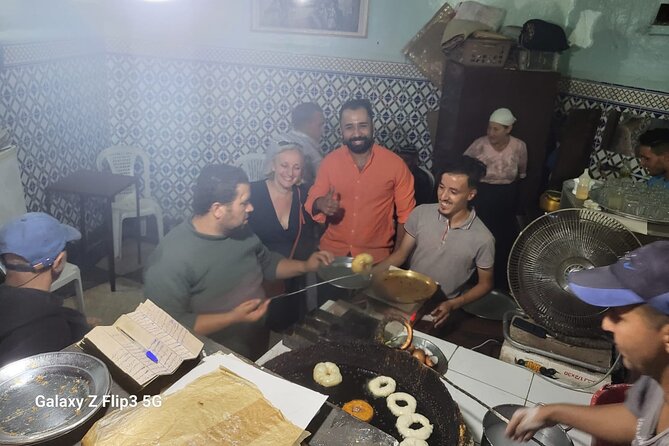
This is a smart pick for:
- First-time visitors who want Morocco through food
- People who like hands-on experiences over just watching
- Anyone who wants a skill they can share at home
- Travelers who appreciate small groups and real instruction
It’s also a good option if you’re traveling with friends and want something everyone can do together. The class ends by sharing a meal, so you’re not just checking a box and leaving.
When you might want to choose something else
Consider skipping or pairing it with another food activity if:
- You’re only interested in tasting many different dishes without cooking
- You want a long, multi-location itinerary (this is mainly one kitchen experience)
- You’re expecting a different main dish than the one you choose (tagine, couscous, or pastilla are the offered options)
Remember: the promise here is skill plus a meal. It’s not trying to be a full restaurant crawl.
Practical tips to get more out of your class
A cooking class goes better when you arrive ready to work, not just watch. I suggest:
- Wear comfortable clothes you don’t mind getting a little messy.
- Plan for the full 4 hours so you don’t feel rushed at the start.
- If you’re sensitive to timing, aim to get there calm and early. Starting at 10:00 am means you’ll want a relaxed arrival.
- If you want to cook something specific at home later, pay attention during the recipe moments and don’t be shy about questions—small group size helps.
And yes, if you’re thirsty, ask. Water and tea come up in the feedback, including with guide Mehdi, who has been noted as being generous when guests request it.
Should you book this Marrakech cooking class?
If you want an authentic Moroccan cooking experience in a small group, with real instruction in your language, and you care about bringing something practical home, I’d say book it. The $40.65 price makes sense because you’re getting hands-on time, dessert, and a meal you eat together, plus a recipe card to repeat the dish later.
The only real “watch out” is the one-main focus. You’ll cook one dish (tagine, couscous, or pastilla). If that fits your taste and you’re excited to learn a method, this class is a strong choice. If you want endless tasting without cooking, look for a different style of food tour.
FAQ
FAQ
What is the duration of the cooking class in Marrakech?
The class lasts about 4 hours.
What time does the experience start?
The start time is 10:00 am.
How much does it cost per person?
The price is $40.65 per person.
Where does the cooking class take place?
It’s held in a local home in Marrakech.
Does pickup get offered?
Pickup is offered.
What dishes can I choose to cook?
You can choose to make a main dish of tagine, couscous, or pastilla.
Will I eat the food during the class?
Yes. After you finish cooking, you’ll eat your creations with the rest of your group.
What languages are available for the class?
The class is available in Arabic, French, English, and Spanish.
How big is the group?
There is a maximum of 10 travelers.
Is there free cancellation?
Yes. You can cancel up to 24 hours in advance for a full refund. If you cancel less than 24 hours before the start time, the amount paid won’t be refunded.