REVIEW · MARRAKECH
4 Days Marrakech to Fes
Book on Viator →Operated by Marrakech Guided tour · Bookable on Viator
That long drive becomes the whole point of this trip. You get a straight-shot route through Morocco’s dramatic highlights, plus a personal guide who keeps the days organized and the stops worth it. I especially like the mix of UNESCO mud-brick architecture, river gorges, and real Sahara time, not just a quick photo stop. One thing to consider: it’s a lot of time on the road, so if you want slow travel and lots of free afternoons, this may feel like too much.
The best part is how the scenery changes day by day. You start with Morocco’s fortified earthen past at Ait Ben Haddou, then work your way through high-mountain valleys and desert edges, before ending in Fes with cedar forests and a chance to spot Barbary apes.
For the price, you’re paying for logistics done for you: transfers, overnight stays in a riad/hotel, a guide, and meals. Lunch is not included, so plan on handling that part yourself.
In This Review
- Key highlights that make this route work
- Why this Marrakech to Fes desert route feels like a smart four-day plan
- Day 1: Ait Benhaddou and the caravan-road feeling that sets the tone
- Day 2: Dadès Gorges, Skoura oasis, and the road through mountain valleys
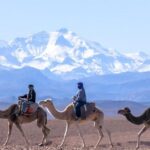
- Day 3: Merzouga, Erg Chebbi dunes, and the sunset camel trek with Bedouins
- Day 4: Cedar forests near Azrou, possible Barbary apes, then into Fes
- What you’re really paying for: price, included stays, and meal value
- The guide experience: where Mohamed and Omar come into the story
- Comfort, timing, and what to pack so the days feel easier
- Who this Marrakech to Fes tour suits best
- Should you book this Marrakech to Fes desert tour?
- FAQ
- How long is the Marrakech to Fes desert tour?
- Where does the tour start?
- Is pickup included?
- What meals are included?
- Is lunch included?
- Is this a private tour?
- What’s the cancellation window?
Key highlights that make this route work
- High Atlas-to-Sahara road trip with major scenery shifts instead of repeat views
- Ait Benhaddou UNESCO stop tied to the old caravan route between Sahara and Marrakech
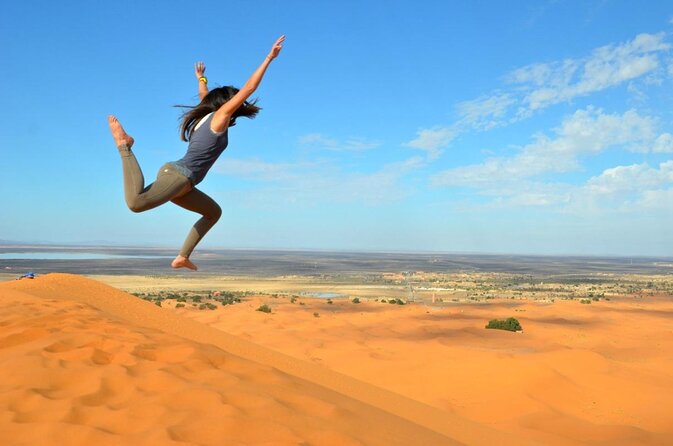
- Erg Chebbi camel sunset trek plus a night at a Bedouin-style Sahara camp
- Valleys and canyons via Dadès Gorges, and the Todra Canyon area through Tinghir
- Middle Atlas cedar forests near Azrou where you might spot Barbary apes on the way into Fes
- Private format so it’s your group, your pace, and your guide handling the navigation
Why this Marrakech to Fes desert route feels like a smart four-day plan
A desert tour can go two ways: either it’s mostly driving with a quick desert stop, or it’s a real slice of Morocco with enough time in each place. This one leans toward the second option. You’re moving across Morocco’s major zones—High Atlas mountains, river gorges, the desert edge, then back into cedar forests—so the trip feels like a full journey, not a single long detour.
I like that the itinerary is built around places you can understand in context. Ait Ben Haddou isn’t just pretty clay walls—it connects to the old caravan route. Dadès and the canyon areas aren’t just scenic stops—they explain how rivers cut through rock and how settlements grew around passing routes. Then, once you reach Erg Chebbi, the camel trek and night at the camp make the desert feel like a destination, not a checkbox.
The only caution I’d give is simple: it’s active travel. You’ll be leaving early on days you’re visiting multiple stops, and you’ll spend substantial time in the car between highlights. If you’re the kind of person who loves big scenery changes, you’ll likely find it thrilling. If you’re craving long unplanned breaks, you may want to choose a slower itinerary instead.
A few more Marrakech tours and experiences worth a look
Day 1: Ait Benhaddou and the caravan-road feeling that sets the tone
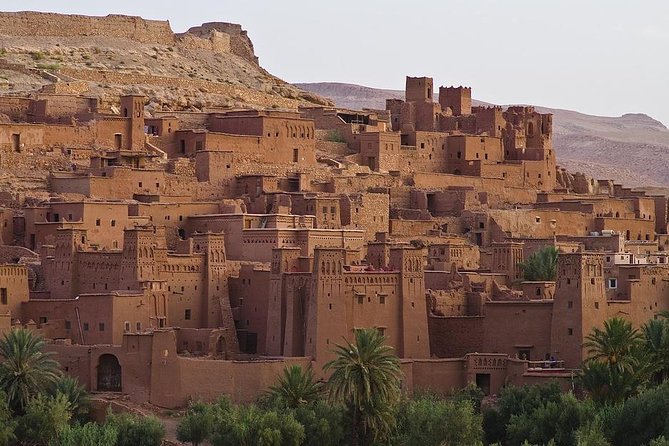
You start with Ksar Ait Benhaddou (often spelled Ait Ben Haddou). This is an ighrem, a fortified village along the old caravan route connecting the Sahara with Marrakech. Inside its walls, you’ll find several kasbah-like merchant houses. Even today, only a handful of families live in the ancient village, while many residents shifted to newer homes across the river.
The UNESCO angle matters here because the site is an example of Moroccan earthen clay architecture—not a modern “theme” construction. You get a focused visit (about an hour), which is enough time to walk the lanes, notice how the walls protect the village, and see why this place shows up in so many films and travel histories.
Practical value: a guided walk early in the trip gives you instant context. When your guide points out what you’re looking at—fortified layout, old trading logic, the way structures relate to the landscape—it changes the visit from sightseeing into understanding.
Tip: bring a light layer. Even if Marrakech feels warm, these mountain-adjacent areas can be cooler, especially if you’re walking in the shade of the kasbah walls.
Day 2: Dadès Gorges, Skoura oasis, and the road through mountain valleys
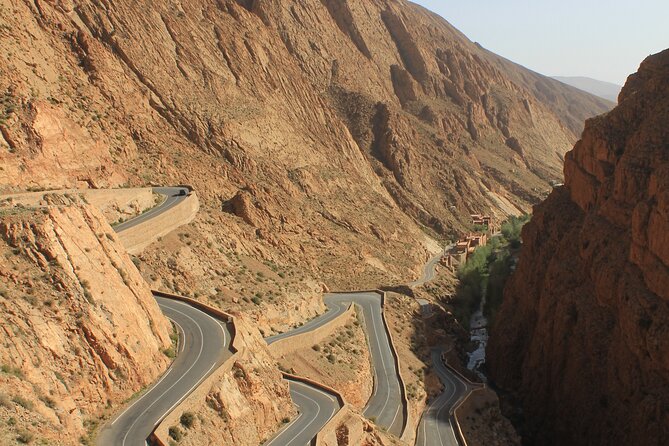
Day 2 is where the trip shifts from “historic village” to “river-carved drama.” You’ll spend time around Dadès Gorges, a series of rugged wadi gorges carved by the Dadès River. Walls can range roughly from 200 to 500 meters in height, and the colors of the cliffs give you that natural “painted” look.
This kind of stop is great for a few reasons:
- You can pause and just watch water-worn rock forms.
- It’s a chance to appreciate how geography shapes where people can live and travel.
- The drive itself becomes part of the experience—turns, viewpoints, and changing canyon walls.
From there, the route typically threads through the Skoura oasis area, which helps break up the day. An oasis stop makes the desert story feel less like a sudden jump and more like a gradual transition.
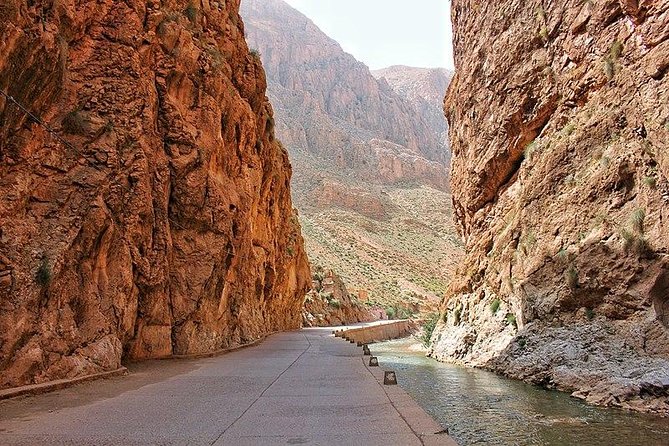
And as you continue through the valleys toward Tinghir and Todra Canyon, the tone gets even more dramatic. Todra is known for its towering rock walls, the kind that make you feel small in the best way. If you like places where the geography feels physical—not just scenic—you’ll likely love this segment.
Small caution: canyon and gorge days often mean uneven footing. You don’t need hiking shoes for everything, but comfortable walking shoes are worth it.
Day 3: Merzouga, Erg Chebbi dunes, and the sunset camel trek with Bedouins
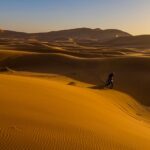
This is the day that people remember for years. Merzouga is the village used as a base for access to Erg Chebbi, one of Morocco’s major dune fields. Merzouga sits about 35 km southeast of Rissani and roughly 55 km from Erfoud, and it’s not far from the Algerian border.
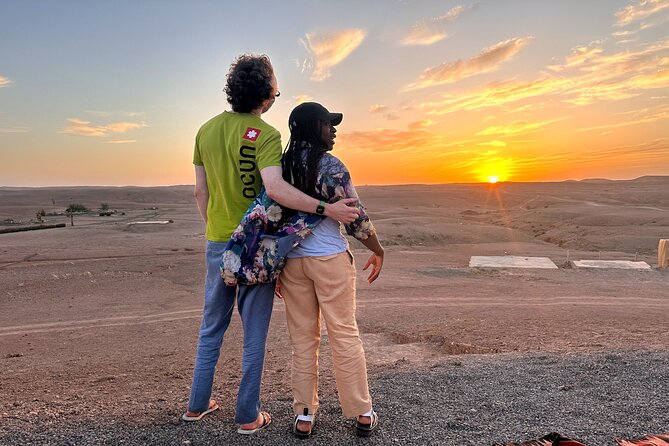
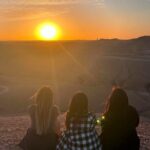
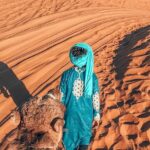
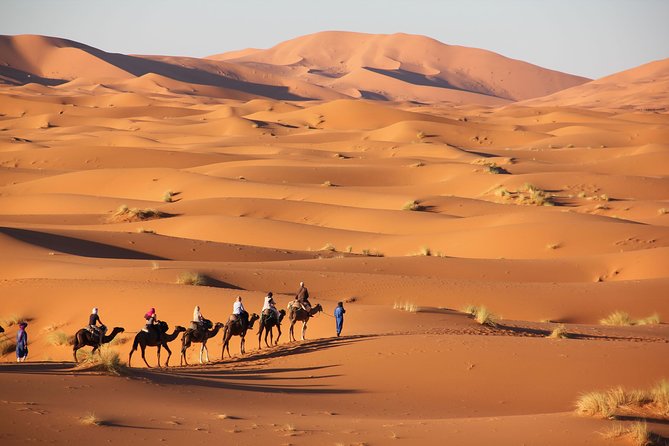
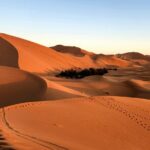
Here’s the thing: many deserts feel like a backdrop. Erg Chebbi feels like a real environment. The dunes aren’t a flat stage—they change shape with light and wind. And that’s exactly why the plan includes a sunset camel trek. Watching the dunes glow as the sun drops is the kind of moment where your brain quietly stops trying to schedule everything.
After the trek, you spend the night at a Sahara desert camp with Bedouins. That overnight matters. Even if you’re not a “camping person,” an outpost night in the dunes helps you feel the desert as a place with its own rhythm—dark skies, nighttime calm, and the slow return of daylight.
One practical note: this is a desert evening, which usually means temperature drops fast once the sun goes. Bring warm layers even if your daytime clothing feels fine.
Day 4: Cedar forests near Azrou, possible Barbary apes, then into Fes
The final day turns away from dunes and back toward forests and cities. You’ll head through the Middle Atlas region, where cedar forests create a totally different feel from desert air. This is also where you might spot Barbary apes—not guaranteed every trip, but it’s a known possibility along the drive.
Before you reach Fes, there’s a stop around Azrou, a town about 89 km south of Fez in Ifrane Province. The key value of stopping here is to give your body a reset: a breath of cooler forest air, a quick break from long stretches of road, and one more change in scenery before Fes.
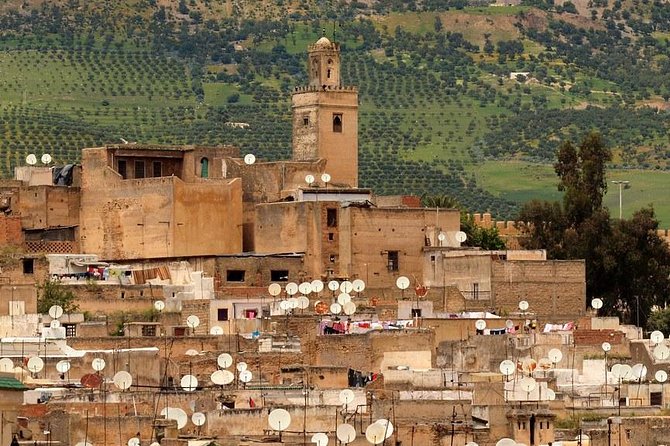
Then you finish in Fes, one of Morocco’s most famous historic cities. I’d plan for a bit of “arrival fog” in the medina once you get there—Fes is busy and maze-like—so the guide’s role is important. When you’ve had hours of driving, a knowledgeable person helping you orient to neighborhoods and practical routes makes the city feel far less stressful.



What you’re really paying for: price, included stays, and meal value
At $1,096.26 per person for about four days, you’re not just paying for sightseeing—you’re paying for the machine behind it. The included items are where the value sits:
- Airport transfer
- Luxurious riad/hotel accommodation
- Personal guide
- Breakfast
- Dinner (3 dinners)
That meals package is meaningful. In Morocco, you can spend more than you expect when you’re hunting for food between drives. Having breakfast and three dinners handled gives you energy for the next day and keeps the trip from turning into constant decision-making.
What’s not included matters too:
- Lunch
- Gallery tickets (a reminder that some museum or gallery admissions may pop up depending on the day’s options)
Also note the itinerary includes several stops listed with admission as free (like Ait Benhaddou and the Dadès Gorge and Merzouga segments). Still, I’d treat any add-ons—galleries, special viewpoints, or short activities—as possible extra costs.
The guide experience: where Mohamed and Omar come into the story
This tour is set up for a private group, meaning it’s only your party. That changes how the trip feels. You can move through viewpoints when they’re best, stop for photos without racing the crowd, and ask questions without waiting for a big group to catch up.
In accounts of the experience, the guide names Mohamed and Omar show up again and again. The pattern is clear: the guides aren’t just driving; they help with the rhythm of the days—what to see, where to eat, and where it’s worth spending time versus skipping.
One practical upside: having a person who knows the route helps you avoid the common “we’re lost but trying to look confident” problem. That’s a huge deal when you’re crossing mountains, small towns, and desert roads.
Comfort, timing, and what to pack so the days feel easier
Even with a good guide, long-distance travel has a rhythm. Here’s what you should plan for based on the way the route is structured:
- Long road days: Expect significant sitting time, especially between major regions.
- Photo stops can mean short walks: You’ll get viewpoints and walking moments, even if it’s not hiking.
- Desert night needs warm layers: Desert temperatures can drop quickly after sunset.
What to pack (practical, not fancy):
- Comfortable walking shoes
- A light jacket or sweater for evenings (especially for the dunes)
- Sunscreen and a hat (high sun during desert days)
- Refillable water bottle
If you’re sensitive to car motion, it’s worth taking that seriously. The drive is the backbone of the tour, so plan accordingly.
Who this Marrakech to Fes tour suits best
This is a strong fit if you want:
- A major highlights route in a short time
- A mix of history, mountain scenery, and desert night experience
- Fewer planning decisions because your guide handles the flow
- A private format that feels less rushed than big group buses
It might be less ideal if:
- You hate long driving days
- You’re looking for lots of free time and slow browsing in each town
- You prefer to stay in one region and go deep rather than cross Morocco quickly
But if you’re the kind of traveler who likes seeing Morocco change in big swings—mud-brick forts to canyon rock to Sahara sand—this kind of route is exactly your lane.
Should you book this Marrakech to Fes desert tour?
I think this is a good booking when you want the “classic Morocco” arc without the stress of building it yourself. The included riads/hotels, personal guide support, and built-in desert overnight take it beyond a simple day tour.
Book it if:
- You want Merzouga + Erg Chebbi with a real sunset camel trek and a Bedouin camp night
- You like the idea of mixing gorge scenery and canyons (Dadès and Todra area) with desert time
- You value a route that ends in Fes with city access and guidance
Hold off if:
- You’re set on spending most of your time in one city or one landscape
- You’d rather travel slower and add flexibility on the fly
If you like structured adventure with authentic stops—and you don’t mind that Morocco can mean hours in the car—this is a solid way to connect Marrakech to Fes with desert at the center.
FAQ
How long is the Marrakech to Fes desert tour?
It’s listed as approximately 4 days.
Where does the tour start?
The start point is Menara Airport in Marrakech, Morocco.
Is pickup included?
Yes. Airport transfer is included.
What meals are included?
You get breakfast, plus dinner for 3 nights/dinners.
Is lunch included?
No. Lunch is not included.
Is this a private tour?
Yes. Only your group participates.
What’s the cancellation window?
Free cancellation is available. You can cancel up to 24 hours in advance for a full refund.