REVIEW · SETTI FADMA
Ourika Valley, Atlas Mountain, Waterfalls
Book on GetYourGuide →Operated by karmadirtravel · Bookable on GetYourGuide
Hiking into waterfalls outside Marrakech is a real reset. This day trip takes you from the city to the Atlas Mountains for big valley views, a Berber culture stop, and a guided walk to Setti Fatma.
What I like most: the mix of nature plus human-scale culture. I especially enjoy the Setti Fatma hike with a local guide and the hands-on-feeling visit to an argan oil cooperative.
One drawback to watch for: on at least one past booking, the guide at the key hiking portion didn’t appear as expected, and the traveler had to arrange/pay for help on-site. It’s still a great outing, but it’s worth confirming what’s included for your specific pickup and timing.
In This Review
- Key highlights worth your attention
- Why Ourika Valley and Setti Fatma Beat a Basic Marrakech Day Trip
- Getting There: Marrakech Pickup, Atlas Mountains Road Time, and Photo Stops
- Argan Oil in a Cooperative: More Than a Souvenir Stop
- Berber House Visit: Daily Life, Hillside Work, and Traditions You Can Picture
- Ourika Valley Time and Market Options: When Monday Changes the Day
- Setti Fatma Waterfalls Hike: What to Expect and How to Prepare
- Ourika River Lunch Break: Timing, Food Reality, and Photo Time
- Cost and Value: Is $39 Actually a Good Deal?
- The People Factor: Guides and Drivers Make or Break the Day
- Who Should Book This (and Who Should Skip It)
- Practical Tips: Pack Smart, Pace Yourself, and Beat the Heat
- Should You Book This Ourika Valley and Setti Fatma Day Trip?
- FAQ
- How long is the Ourika Valley and Setti Fatma trip?
- What’s included in the price?
- What language options are available for the driver and guides?
- Is lunch included, and do I need money for food and drinks?
- Do you visit a market on Monday?
- What should I bring for the hike?
Key highlights worth your attention
- Setti Fatma waterfall hike with a local guide that helps you pace the walk and find the best viewpoints
- Argan oil cooperative visit where you learn why this local product matters and how it’s made
- Berber house visit for a plain-language look at daily life, traditions, and building on hillside terrain
- Weekly traditional market option on Monday when the timing lines up
- Ourika River break time for a breather and photos before heading back
Why Ourika Valley and Setti Fatma Beat a Basic Marrakech Day Trip
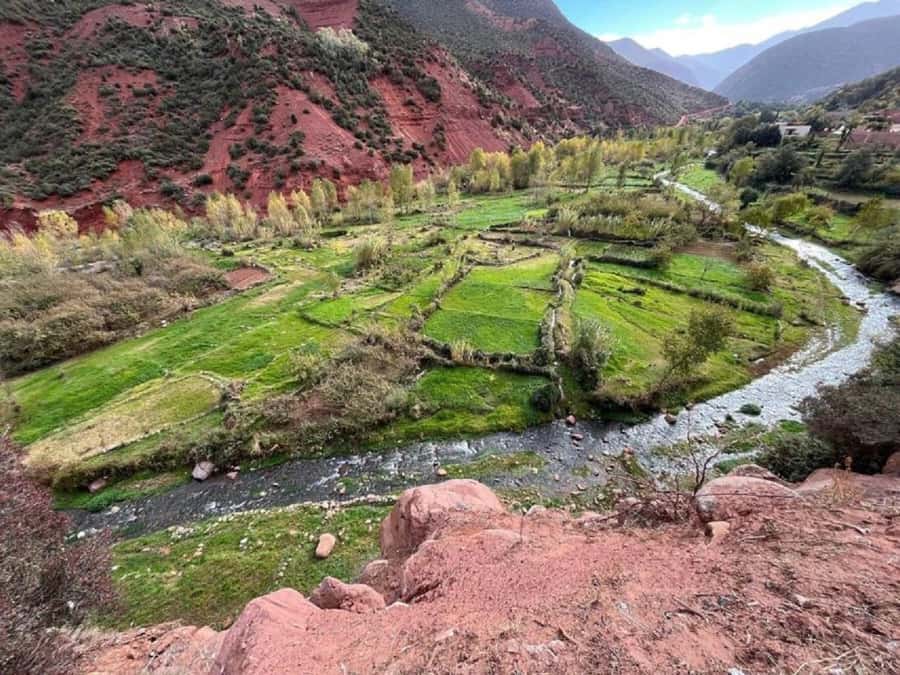
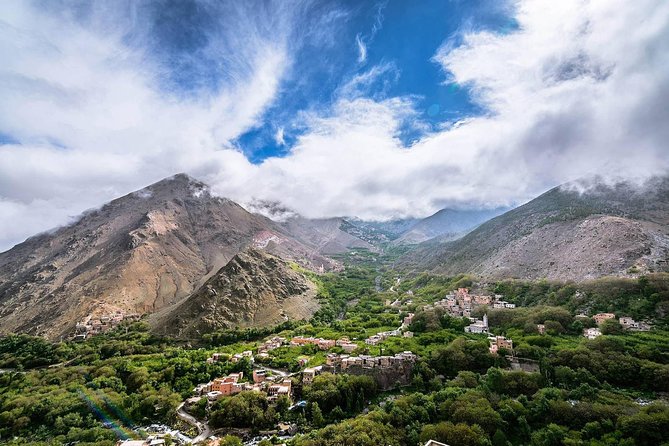
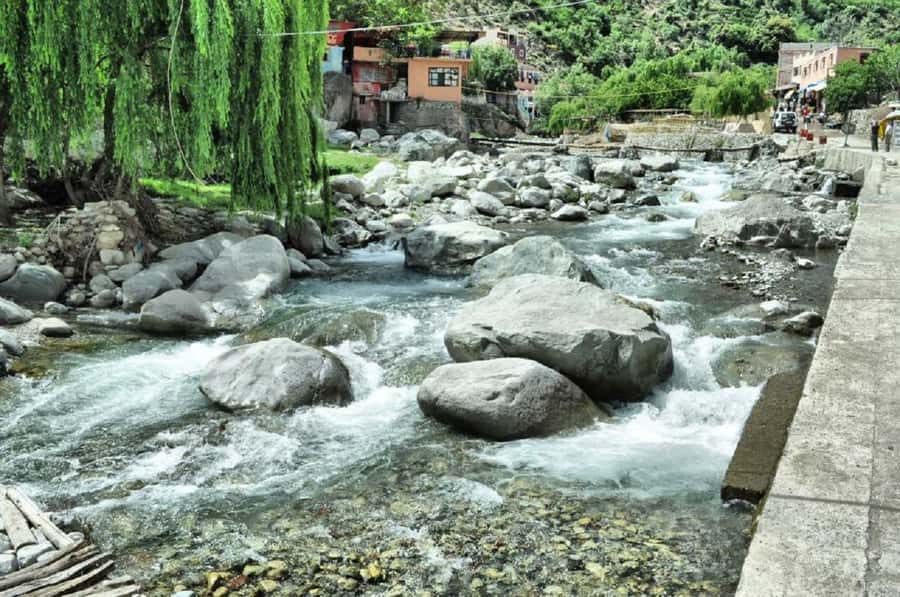
Ourika Valley is close enough to feel easy, but far enough from Marrakech to change your mood fast. You trade city noise for mountain air and that steady rhythm of small villages along the route.
The best part is that the day isn’t only about scenery. You also get cultural context: you’ll learn about Berber traditions and visit a Berber house, plus stop at an argan oil cooperative and hear why people still treat argan like more than a product. For many people, that combination is what turns a quick day trip into something you remember.
The walking portion at Setti Fatma also helps you see the valley in a grounded way. You’re not just taking photos from a road pull-off; you’re actually moving through it with local guidance.
You can also read our reviews of more tours and experiences in Setti Fadma.
Getting There: Marrakech Pickup, Atlas Mountains Road Time, and Photo Stops
Your trip starts with pickup from your accommodation (the meeting point is listed at your hotel), then you head out toward the Atlas Mountains. Expect a comfortable ride with plenty of opportunities to stop for photos and stretch your legs as the scenery changes.
This matters more than it sounds. The route climbs gradually, so you’ll notice the “feel” of the day shift: the air cools, the colors change, and you start seeing how many villages cling to steep terrain. If you like taking photos, you’ll have multiple chances to do it without racing the clock.
Your driver is listed as speaking Arabic, French, English, and Spanish, which is a big deal in a place where not everyone speaks the same language. In real-world terms, it usually means fewer misunderstandings and better explanations about what you’re seeing.
Argan Oil in a Cooperative: More Than a Souvenir Stop
The argan oil stop is one of those activities that can feel like a sales pitch on the wrong day. Here, the goal is learning. You’ll visit an argan oil cooperative and hear about the benefits of argan oil from your guide/driver along the way, then see the cooperative stop as part of the experience.
Why I think it’s worth it: argan oil isn’t just a bottle you buy to bring home. It’s a local resource tied to livelihoods. At cooperatives, you often get a clearer sense of the process and why people organize production in structured ways.
A bonus from past trips: at least one booking highlighted that paying directly to the product source and seeing people at work felt both culturally meaningful and financially helpful. That’s the kind of detail that can make a short stop feel real, not forced.
If you’re sensitive to shopping pressure, you can still treat this as a learning stop first. Buy only if you truly want it. This tour is still valuable even if you skip purchases.
Berber House Visit: Daily Life, Hillside Work, and Traditions You Can Picture
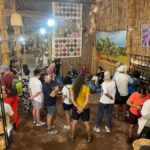
Then comes the Berber house visit. This isn’t presented as a museum-style performance; it’s more about understanding daily life and how people make housing and farms work on challenging ground.
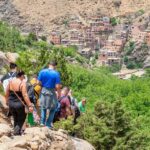
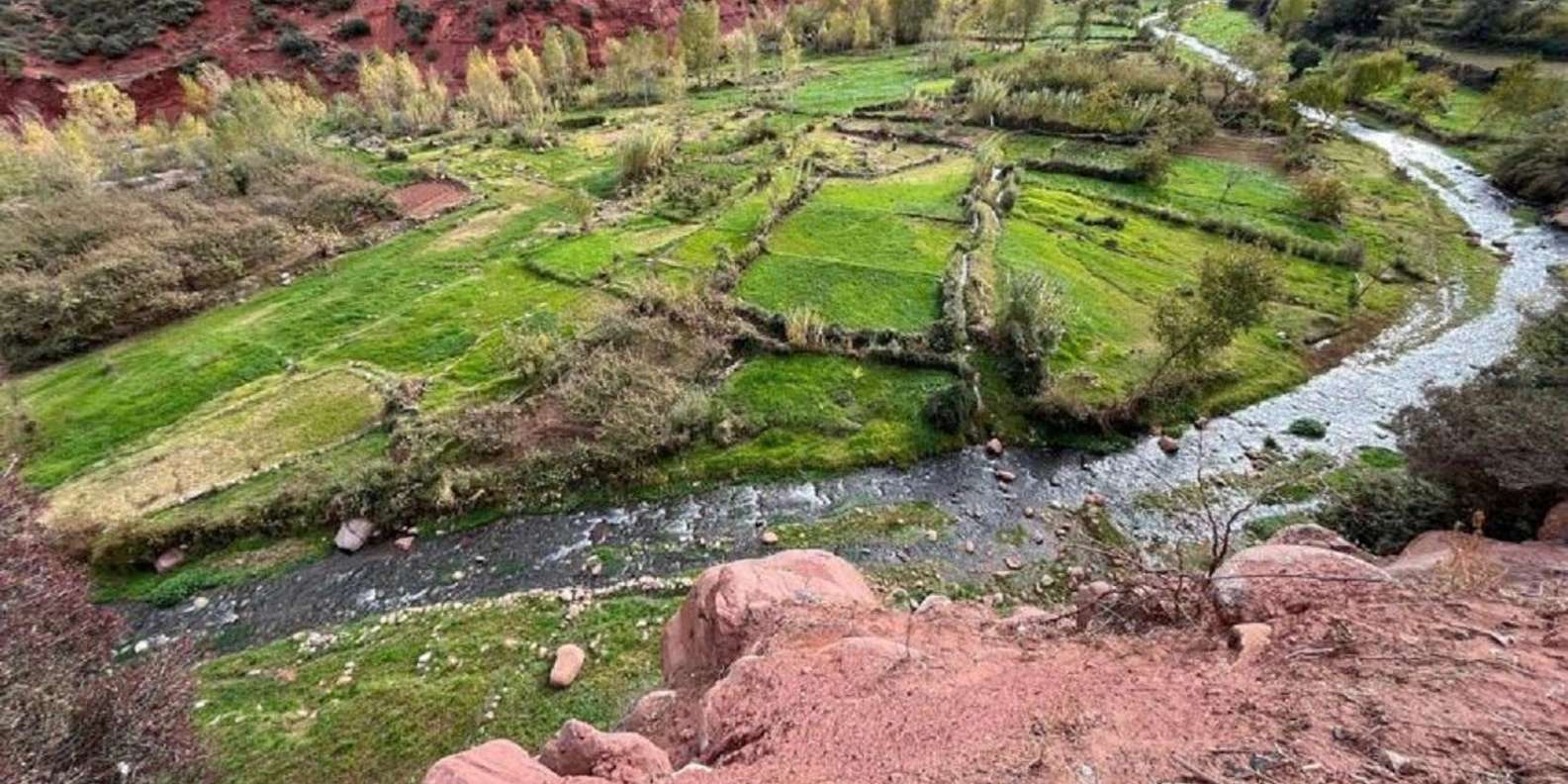
You’ll hear about hard labor and the practical reality of building on hillsides and working terraces for agriculture in a tough environment. That kind of context changes how you look at the valley while you drive. After you hear how terraces and hillside construction work, you start seeing the landscape as infrastructure—effort turned into survival.
One smart thing about including a Berber house visit in the same day as the waterfall hike: it gives you two kinds of understanding. Waterfalls show the natural side; the house visit shows the human side.
Ourika Valley Time and Market Options: When Monday Changes the Day
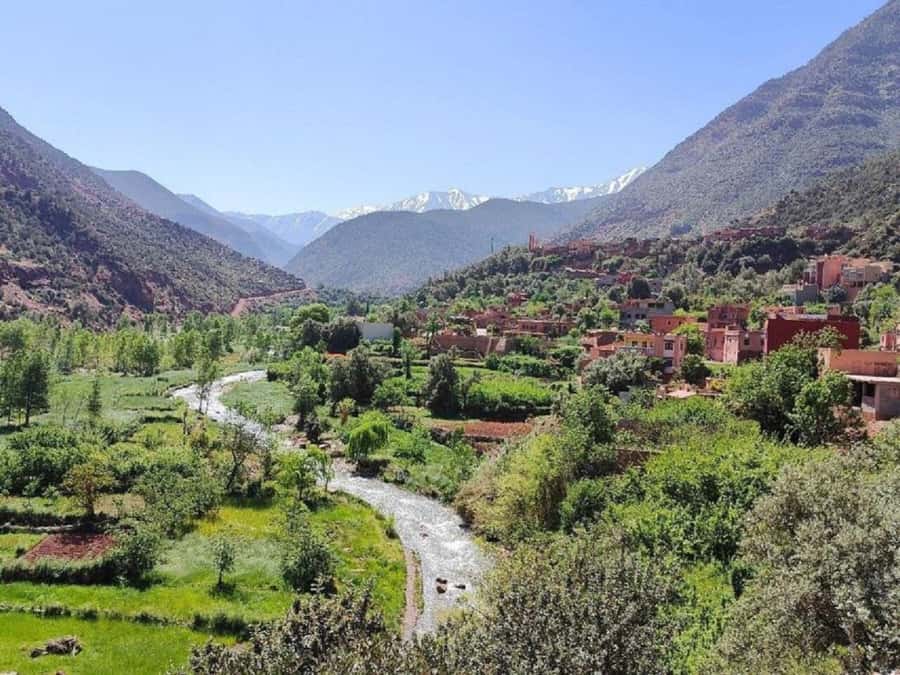
After the early driving and cooperative/cultural stops, you’ll spend time in the Ourika Valley area for a break, photos, guided touring, and some shopping time.
If your date falls on a Monday, there’s an extra cultural angle: you’ll have the option of visiting a weekly traditional Berber market. That’s where you can catch a glimpse of simple village life—everyday goods, movement, and conversation that feels more like daily rhythm than tourism.
Even if you don’t shop, markets are useful for observation. You’ll see how locals talk with their hands, how items are displayed, and how people move through the space. Just keep your expectations practical: bring small cash if you plan to buy anything, and keep it relaxed.

Setti Fatma Waterfalls Hike: What to Expect and How to Prepare
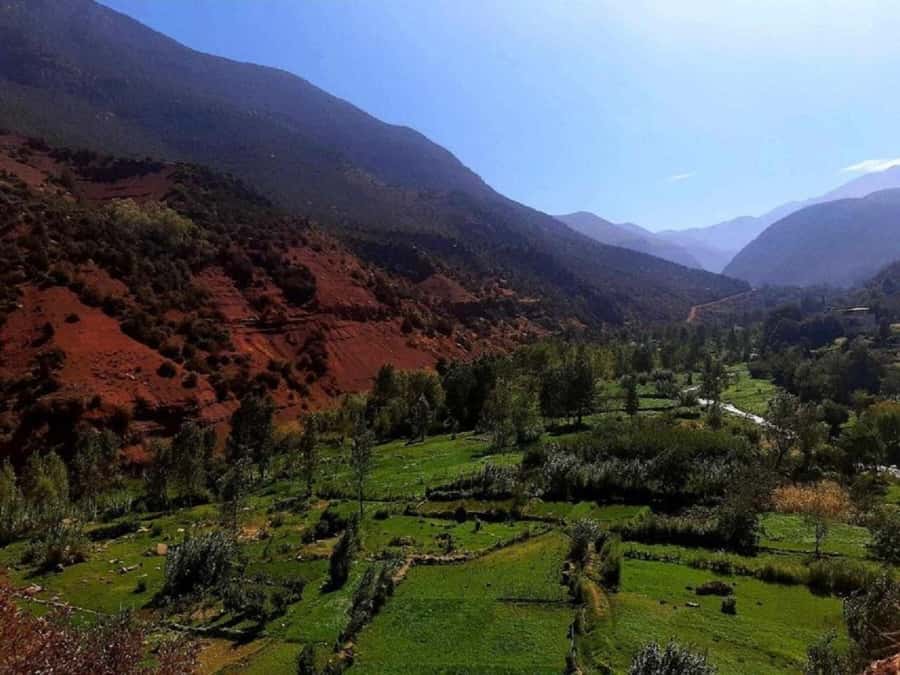
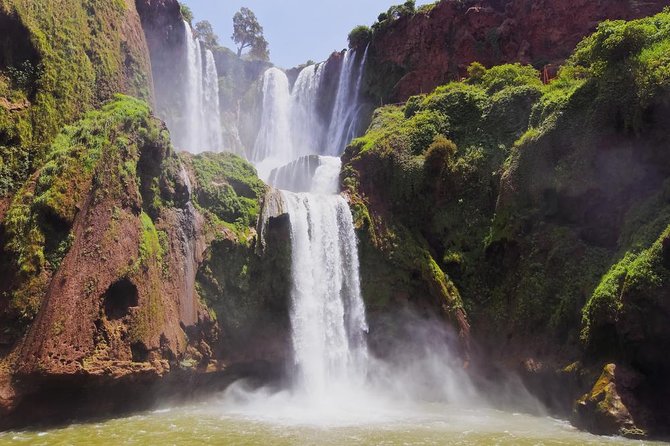
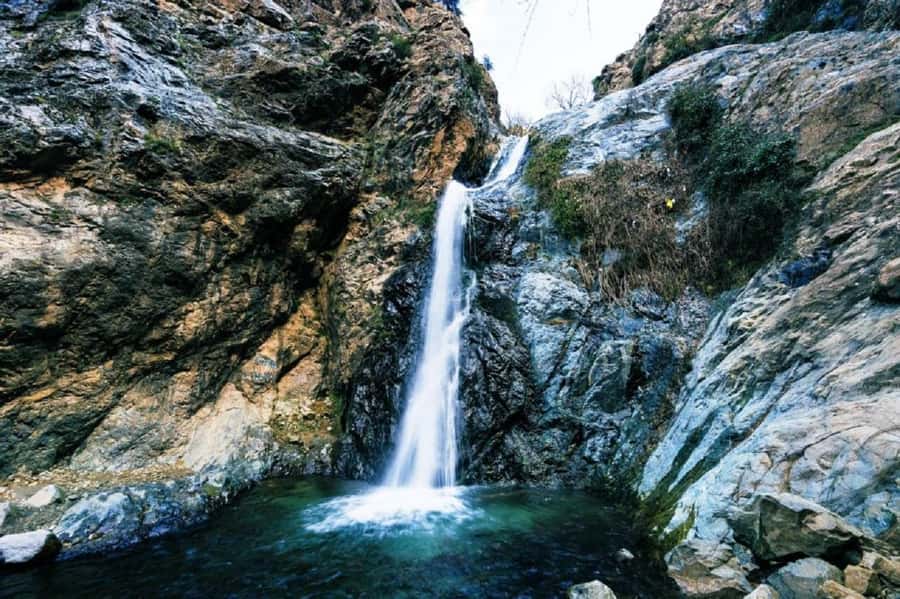
This is the heart of the day. From Setti Fatma, you’ll take a hike toward the waterfalls with a local guide, and there’s time built in for sightseeing and the visit area itself.
Plan for walking that’s more than casual strolling. Wear comfortable shoes, and bring water and sun protection. The tour guidance explicitly asks for a hat and sunscreen, and that’s not overkill. This area can feel sunny and bright, especially when you’re moving.
Also, be realistic about crowds. One past review noted that the waterfall area is very busy, and that’s often true with easy-to-reach waterfall spots. The best tactic is to go at a steady pace with your guide and focus on viewpoints along the route rather than assuming you’ll have the waterfall fully to yourself.
One more thing: this part of the day isn’t suitable for everyone. The tour is not meant for wheelchair users and people with back problems. If you have any mobility concerns, treat the hike as the deciding factor.
Ourika River Lunch Break: Timing, Food Reality, and Photo Time
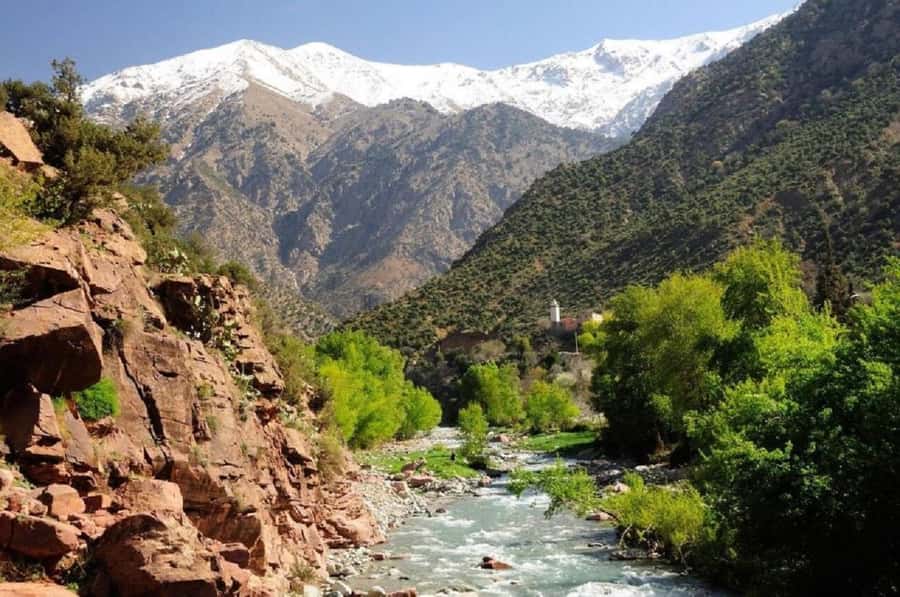
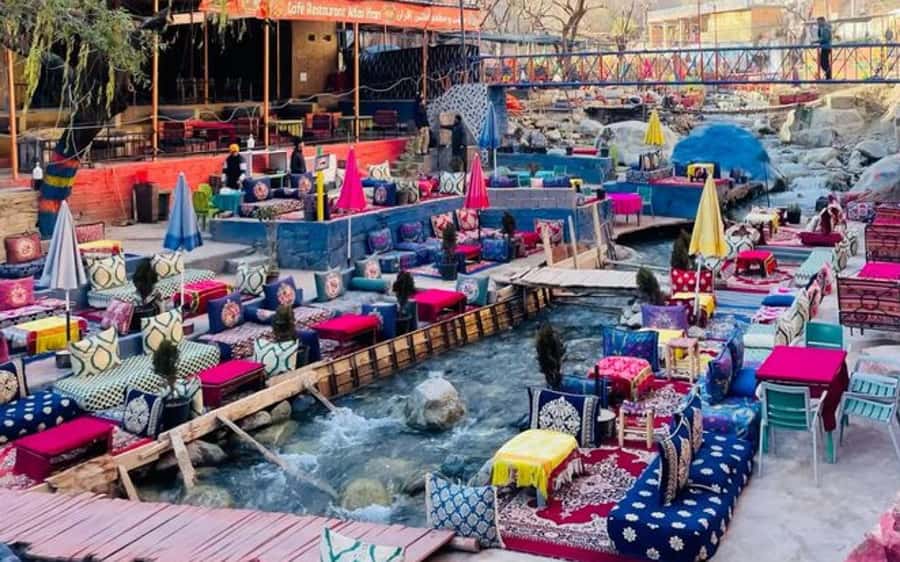
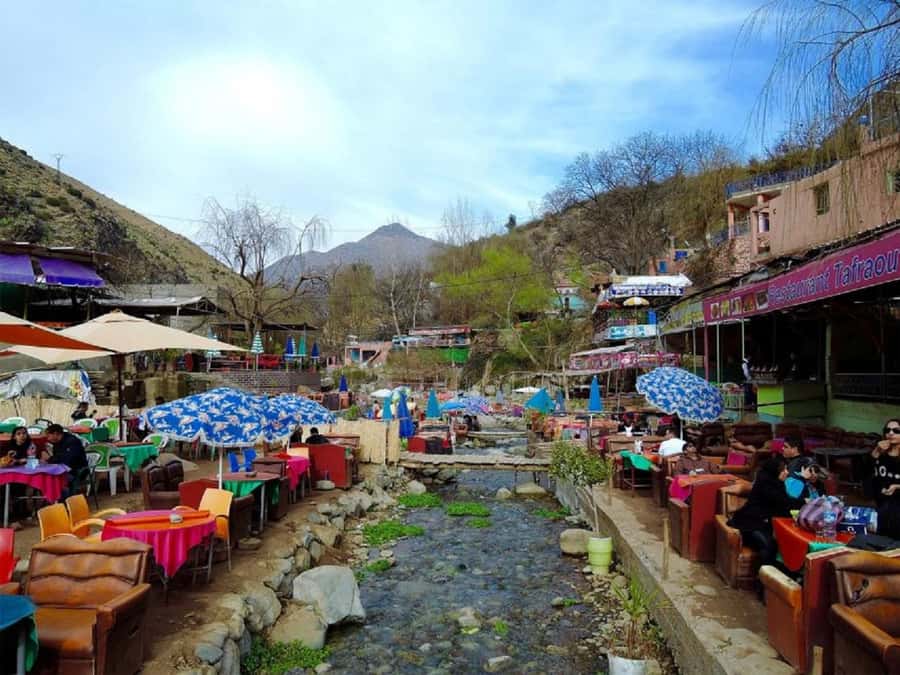
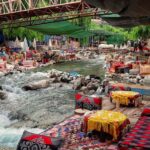
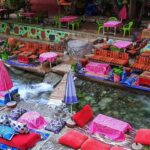
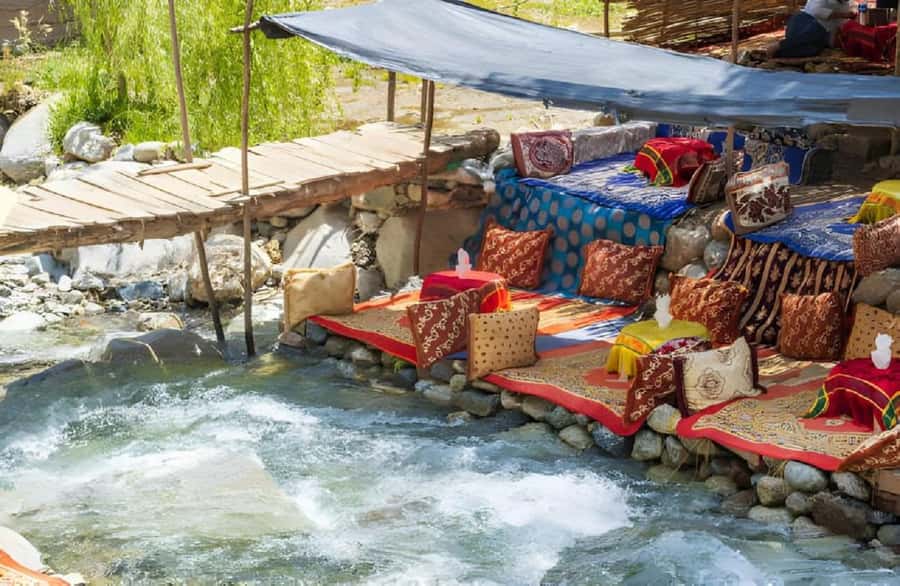
After the hike and sightseeing, you’ll head to the Ourika River for lunch time and free time. The schedule gives you roughly an hour for this portion.
Two practical notes:
- Lunch is listed as not included, so think of this as your chance to eat on your own.
- One booking specifically mentioned that the restaurant part wasn’t the best experience, so if you’re picky about meals, you might want to scout options quickly rather than committing blindly.
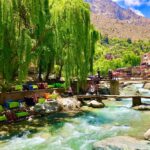
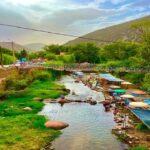
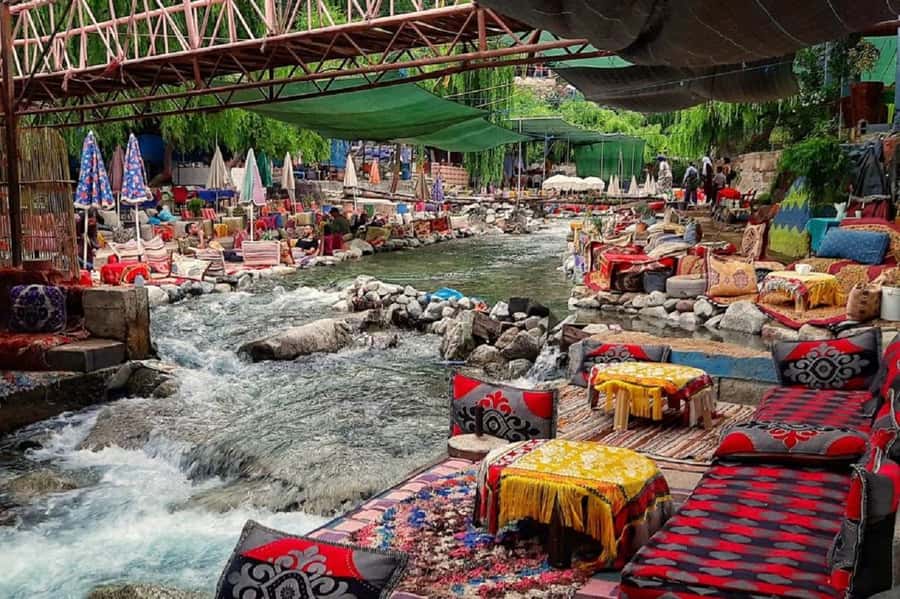
That said, the river area is a good reset spot. Even if the food isn’t your favorite, you’ll have time to sit, recharge, and take photos by the water before the return ride.
Cost and Value: Is $39 Actually a Good Deal?
At about $39 per person for a roughly 7-hour day, you’re paying for transport from Marrakech plus structured stops. Here’s what’s included, which is where the value comes from:
- Pickup and drop-off at your accommodation
- A local guide at Setti Fatma
- A Berber house visit
- Visit to an argan oil cooperative
What’s not included:
- Drinks and lunch
- Tickets and insurance
- Personal spending
So the real question is whether the included cultural stops and the guided hike are worth more to you than a DIY day. For many people, they are. The drive plus organized timing matters in a region where arranging everything on your own can be slower and more confusing.
Also, the group size is described as small, and it even lists a limit of 1 participant. That strongly suggests you could be in a very small group setup. Even if you’re not fully private, the vibe is usually less crowded than the big-group format.
The People Factor: Guides and Drivers Make or Break the Day
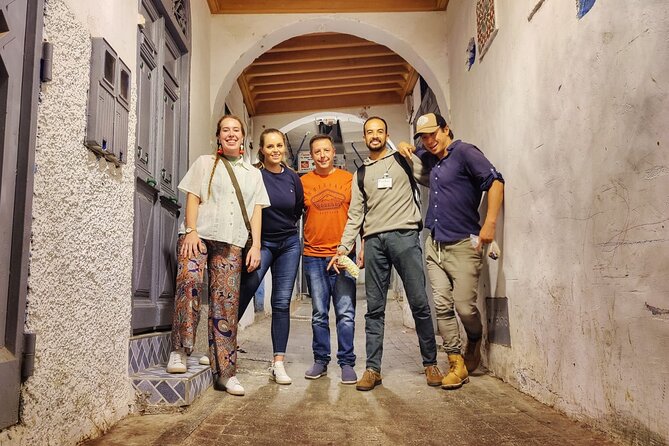
A day trip lives and dies on the guide. In the feedback, you’ll see driver and guide names like Rachid, Karim, and Ismail showing up as helpful and attentive. That aligns with the tour structure: you have multiple stops with learning moments, and you want someone explaining what you’re looking at.
If you’re booking for a language you prefer (Arabic, French, English, or Spanish), you’ll likely get smoother storytelling and fewer wasted minutes.
The one red flag: a verified booking reported a mismatch in guide inclusion and timing, leading them to pay for a guide separately. I can’t promise it’ll happen to you, but it’s enough to justify a quick message before you go. Make sure you understand who is meeting you for the hike and what’s already part of your package.
Who Should Book This (and Who Should Skip It)
This day trip is a strong choice if you want:
- A guided hike toward Setti Fatma waterfalls
- Berber culture context via a Berber house visit
- A practical look at argan oil via a cooperative stop
- A manageable day without planning transport end-to-end
It’s not the best fit if:
- You need wheelchair access (it’s not suitable)
- You have back problems (explicitly not suitable)
- You’re traveling with very young babies (not suitable under 1 year)
If you’re an active traveler who enjoys walking, photo breaks, and short cultural stops, you’ll likely find the pacing satisfying.
Practical Tips: Pack Smart, Pace Yourself, and Beat the Heat
Here’s how to make the day feel smooth:
- Wear comfortable shoes designed for uneven ground
- Bring water and sunscreen, plus a hat
- Expect sun and plan your photos accordingly
- Keep the hike pace steady, especially near the waterfall area
- Use your local guide’s input for where to go next and how to time your stops
One small rule that helps everyone: smoking is not allowed during the tour. It’s a good reminder that this is a guided, shared experience, so keep it respectful and focused.
If you’re sensitive to crowds, go in mentally ready for people around the waterfall. Instead of fighting it, take photos from multiple angles along the walk and enjoy the journey itself.
Should You Book This Ourika Valley and Setti Fatma Day Trip?
I’d book it if you want a balanced day: nature with a guided walk, plus meaningful cultural stops like a Berber house and argan cooperative visit. The value is strongest when you care about learning and you want someone to handle the logistics and timing.
Skip or rethink it if the idea of a hike worries your body, or if you absolutely need a guarantee that guides are included exactly as advertised for your specific segment. Given one past issue around guide availability, I’d message the provider before departure and confirm who your hike guide will be.
If you’re flexible, comfortable walking, and excited by how Morocco’s mountain communities live and work, this is a great way to spend 7 hours outside Marrakech.
FAQ
How long is the Ourika Valley and Setti Fatma trip?
The total duration is listed as 7 hours.
What’s included in the price?
Pickup and drop-off at your accommodation are included, along with a local guide at Setti Fatma, a visit to a Berber house, and a visit to an argan oil cooperative.
What language options are available for the driver and guides?
The driver is listed as speaking Arabic, French, English, and Spanish.
Is lunch included, and do I need money for food and drinks?
Lunch is not listed as included, and drinks are also not included. You’ll have lunch/free time at the Ourika River.
Do you visit a market on Monday?
If your excursion is on Monday, you visit the local weekly traditional Berber market.
What should I bring for the hike?
Bring comfortable shoes, a hat, a camera, sunscreen, and water.