Toubkal is a real mountain challenge. This private 2-day trek from Marrakech takes you through Atlas valleys and Berber villages toward Mount Toubkal’s 4,167-meter summit, then treats you to a sunrise view when you’re close to the clouds. If you like the idea of hiking for a goal—not just sightseeing—this one has that feel.
I love that the trip is built around the basics that matter most on a trek: all meals are included, plus an overnight camping stay at the Toubkal Refuge. I also like the private setup, so the pace and attention feel more direct than on a larger group hike. The main drawback to consider is simply effort and altitude: this is for moderate fitness, and you should expect early starts and a steep summit push.
In This Review
- Key things to know before you go
- Why Mount Toubkal fits a tight 2-day itinerary
- Marrakech to Imlil: trading city time for mountain rhythm
- Day 1: Tahenouet, Asni, Imlil, and the walk to Toubkal Refuge
- Toubkal Refuge overnight: rest, food, and the altitude check
- Day 2: Refuge to the Toubkal summit and back to Imlil
- Private tour details that actually change the experience
- Price and value: what $211.71 really covers
- Gear and fitness tips that match the plan
- Safety and comfort notes for solo travelers and women
- Should you book this 2-day Toubkal summit trek?
- FAQ
- Does this trek start and end in Marrakech?
- How long is the Mount Toubkal trek?
- What is the elevation of Mount Toubkal on this itinerary?
- What’s included besides the hiking?
- Is it a private tour?
- Where do you stay overnight?
- Do you leave early on the second day for the summit?
- Are service animals allowed?
- Do I get a mobile ticket, and what’s the cancellation policy?
Key things to know before you go
- Toubkal’s summit is high: 4,167 meters (13,700 feet), so take the altitude seriously.
- Two days is tight but doable: you hike to the refuge and then go for the summit the next morning.
- Meals and overnight are included: fewer logistics for you, more time focused on the trail.
- Your route passes Imlil and Berber villages: you get more than just mountains—you get village life along the way.
- Private means your group only: pickup and attention are tailored to your party.
- You’ll rise early on day two: plan for a fast start before sunrise conditions.
Why Mount Toubkal fits a tight 2-day itinerary
A summit at 4,167 meters isn’t a casual hike, even when the plan is only two days. What makes this trek work is that it uses the first day to reposition you into the Atlas hiking zone, so your second day is focused on the summit and return.
The big payoff is the sunrise view from near the top. That’s not just a photo moment—it’s the payoff for the hard parts: the steep climb, the thinner air, and the “keep going” mindset that builds during the ascent.
One thing to keep expectations grounded: a two-day summit hike can feel like a lot of work in a short time. If you’re coming straight from Marrakech and you’re not used to hiking, give yourself grace on day one. The goal is to arrive at the refuge in time to rest and be ready for the morning.
You can also read our reviews of more hiking tours in Marrakech

Marrakech to Imlil: trading city time for mountain rhythm
Day one starts in Marrakech and then shifts you quickly toward the trail world. The route goes through Tahenouet and Asni before reaching Imlil, which is where the hiking begins to feel real.
Why I like this kind of staging: you’re not dropping into high elevation without context. The drive segment lets you transition from normal day life into the slower, more rugged pace that mountain treks demand. You also get a buffer for timing, since day two involves an early start for the summit.
Keep in mind that the Atlas is not flat and predictable like a city commute. Even before you step onto the trail, expect a day that’s more “journey” than “transfer.” If you’re sensitive to long drives or motion, bring water and plan for breaks.
Day 1: Tahenouet, Asni, Imlil, and the walk to Toubkal Refuge
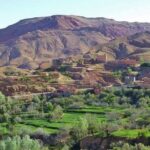
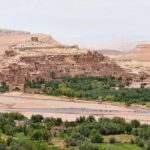
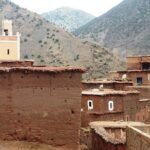
The heart of day one is moving from Imlil toward the Toubkal Refuge. The hike follows the Ait Mizain valley area and passes through small villages along the way. That means you’re not only hiking through rocks—you’re walking past homes and community spaces tied to the mountains.
This is one of those treks where the in-between moments matter. When you pass Berber villages, you get glimpses of how people live in the High Atlas, and it helps break up the mental load of a long climb. It also makes the hike feel more grounded than just heading “straight up” to a summit goal.
What can feel like a drawback on day one is simply the approach fatigue. You’re hiking with the knowledge that you still have the summit ahead. I recommend treating the first day as “steady progress,” not a race. Pace is how you set up a stronger, safer summit morning.
Toubkal Refuge overnight: rest, food, and the altitude check
After day one hiking, you sleep at the Toubkal Refuge. The trip includes meals and an overnight camping stay, which is a big value because it removes a lot of decision-making after you’re already tired.
I like that the plan is organized around food and shelter rather than leaving you to figure out logistics mid-trek. When altitude is involved, the last thing you want is to spend energy hunting for basics. Having meals included also helps you keep your energy up so you don’t start day two under-fueled.
Altitude is your silent factor here. Even if you feel okay in the afternoon, nighttime can remind you that the air is thinner. Bring warm layers even if you think you’ll be fine. And if you tend to feel anxious about sleeping at elevation, treat the refuge night as a “rest and recover” mission, not a comfort vacation.
Day 2: Refuge to the Toubkal summit and back to Imlil
Day two is the real summit day: Refuge → Toubkal Summit → Refuge → Imlil → Marrakech. The itinerary is built around an early rise to ascend, and that matters because summit attempts depend on timing—especially for light, temperature, and trail conditions.
The route back down usually feels different from the climb. Going up is effort and focus; coming down becomes careful foot placement and stamina management. If you’ve ever hiked steep trails, you already know knees can become the story. Don’t wait until the last hour to think about your footing.
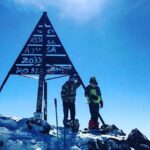
The sunrise from the top is the moment you’ll remember. It’s not just pretty scenery—it’s the proof that the “steady” pacing on day one added up. If you take only one lesson from this trek, let it be this: consistency beats speed on a 4,167-meter goal.
A few more Marrakech tours and experiences worth a look
Private tour details that actually change the experience
This is a private tour/activity, so only your group participates. That can matter more than people think, especially on a summit trek where pace, comfort, and communication affect how the day feels.
A private setup also helps if you have questions in real time—like how you’re handling the altitude, what pace feels sustainable, or how early you need to move. You’re not stuck adjusting to a larger group’s rhythm.
One caution from my perspective: private tours can still feel intense if the tone is strict. If you’re someone who prefers a calmer approach, set the expectations early with your guide before you leave. Decide how you want your pace handled, and speak up if you need to slow down.
Price and value: what $211.71 really covers
At $211.71 per person for an approx two-day trek, the headline price is easy to compare. The better question is what’s bundled into that number.
From the info provided, you’re getting:
- pickup offered (so you’re not solving transport on your own),
- all meals,
- overnight camping at the Toubkal Refuge,
- and a private tour format.
Those items add up fast when you’re planning a trek. Meals and an overnight stay are often the expensive parts of outdoor trips because they include staffing and logistics. Even without seeing every line item, it’s clear the price is structured to keep you from buying everything separately mid-trek.
What you should factor outside the listed price: personal trekking gear, warm layers, daypack essentials, and any costs related to personal comfort. The tour covers the trek core; you still own your personal preparedness.
If you’re choosing between a summit trek with partial support vs. one with meals and a refuge overnight included, I’d lean toward the format that covers more of the “after you’re tired” moments. That’s where value shows up.
Gear and fitness tips that match the plan
This trek is for moderate physical fitness. That’s encouraging—many people can do it—but it doesn’t mean “easy.” Your best move is to train for endurance and steady climbing rather than trying to sprint up the mountain.
Bring:
- layers for cold conditions (especially for day two),
- sturdy hiking shoes with good grip,
- water and a way to keep yourself hydrated,
- and a small personal stash for energy (snacks you like).
Also, consider altitude pacing. Even if you feel strong, take it slow on the early stages of the climb. You want to save effort for the summit push, not spend it in the first stretch because you feel good.
Finally, I’d pack a small trash bag for your own waste. Some trails can be messy, and it’s easier to stay clean and respectful when you have a simple plan.
Safety and comfort notes for solo travelers and women
This is where you should do a little extra thinking before booking. I don’t want to scare you off—Toubkal can be an incredible trek—but I do think you should plan for comfort and boundaries.
If you’re traveling solo, especially as a woman, I’d check in clearly with your guide about how the group will be handled at the refuge and during stops. You should be able to hike without feeling managed like a child or ignored when you speak up. Ask what the overnight routines look like and how your space is handled during rest periods.
Also, bring a passport and some cash. The trek involves mountain areas and refuge-related moments, and I’d rather show up over-prepared than scramble. It’s a small effort that can protect you if something requires basic identification or small payments.
The takeaway: choose the trek confidently, but don’t assume everyone on the ground will read the room. Ask questions early and set your comfort rules before you’re tired on the trail.
Should you book this 2-day Toubkal summit trek?
I’d book it if you want a focused summit experience in a short window. It’s a strong choice when you like the idea of hiking past Berber villages, reaching the Toubkal Refuge overnight, and then going for sunrise on a real North Africa high point.
Don’t book it if you hate early mornings, struggle with altitude, or expect a casual stroll. And if you’re solo and especially if you want extra assurance on how interactions will be handled at the refuge, do your homework and ask direct questions before you commit.
If you match the fitness level and you go in prepared—warm layers, good shoes, patience with pacing—this trek can be one of those trips that recalibrates your sense of what you can handle on a mountain.
FAQ
Does this trek start and end in Marrakech?
Yes. The plan runs from Marrakech on day one and returns to Marrakech at the end of day two.
How long is the Mount Toubkal trek?
The experience is listed as 2 days (approx.).
What is the elevation of Mount Toubkal on this itinerary?
Mount Toubkal’s summit is listed as 13,700 feet (4,167 meters).
What’s included besides the hiking?
All meals and overnight camping are included, plus pickup is offered.
Is it a private tour?
Yes. It’s a private tour/activity, and only your group will participate.
Where do you stay overnight?
You sleep at the Toubkal Refuge on night one.
Do you leave early on the second day for the summit?
Yes. The plan includes an early rise to ascend the summit on day two.
Are service animals allowed?
Yes. Service animals are allowed for this experience.
Do I get a mobile ticket, and what’s the cancellation policy?
You’ll receive a mobile ticket, and confirmation is received at the time of booking. Cancellation is free, and you can cancel up to 24 hours in advance for a full refund.