REVIEW · MARRAKECH
3 Days Sahara Tour from Marrakech to Merzouga Dunes
Book on Viator →Operated by Desert Family Tours · Bookable on Viator
Camel sunrise beats the alarm clock every time. This 3-day run from Marrakech to Merzouga strings together big Moroccan moments: the Tizi-n-Tichka High Atlas crossing, UNESCO Aït Benhaddou, and a real camel trek into Erg Chebbi dunes.
I especially like how the trip balances day-long driving with real stops you can actually see and walk through, like Todra Gorges and Aït Benhaddou. I also like the desert pacing: you get sunset on the dunes, then an early sunrise camel trek that’s timed for those first-thing-in-the-morning desert colors.
One thing to consider: you’re spending a lot of time in the car. Day 1 and Day 3 both list about 9 hours, and Day 2 is longer, and lunch isn’t included—so plan for extra spending and accept that food quality will vary by stop.
In This Review
- Quick Key Points Before You Go
- Marrakech to Merzouga in 3 days: what the route is built to do
- Day 1: Tizi-n-Tichka pass, Aït Benhaddou, and the road toward Dades/Tinghir
- Day 2: Todra Gorges, Erfoud, and your Erg Chebbi camel sunset
- Night in a private desert tent: what you get (and what you might want to adjust)
- Day 3: early sunrise dunes and the long return to Marrakech
- What you see along the way: UNESCO, kasbahs, gorges, and oasis routes
- The guide and driver factor: why this tour feels personal
- Price and logistics: is $110.34 per person good value?
- Who this Sahara tour suits best (and who should rethink it)
- Should you book this 3-day Sahara trip from Marrakech to Merzouga?
- FAQ
- What time is pickup in Marrakech?
- Is hotel pickup included?
- How many nights are included?
- Are meals included?
- Do I need to carry a full suitcase into the desert?
- Is there camel riding, and when?
- Does the tour include UNESCO Aït Benhaddou?
- What group size is this tour?
Quick Key Points Before You Go
- UNESCO stop at Aït Benhaddou plus Ouarzazate’s Kasbah Taourirt and Atlas Studios
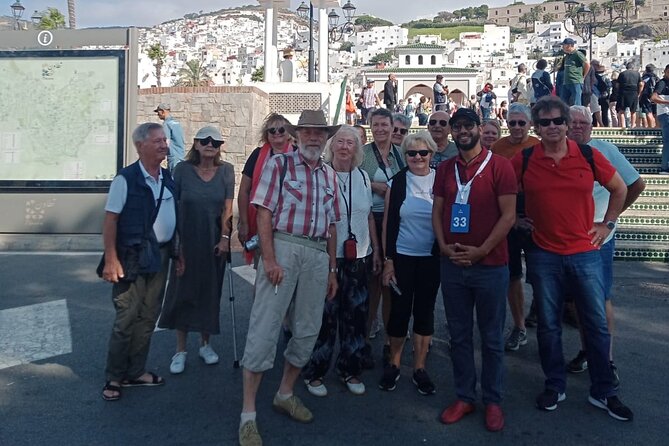
- Small-group feel with a maximum of 15 travelers, not a giant bus crowd
- Two nights included: one private A/C suite room in Tinghir (with dinner & breakfast) and one private desert tent (with dinner & breakfast)
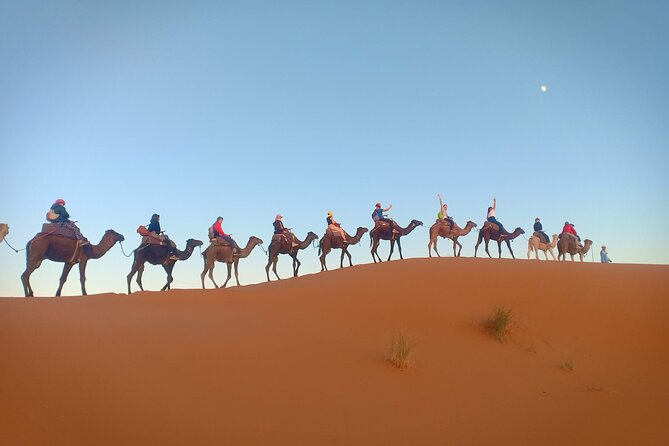
- Camel time in Erg Chebbi at sunset, plus an early sunrise trek and a walk toward the dune’s peak
- A long route with real scenery changes: High Atlas passes, gorges, and the Tafilalet oasis zone via places like Erfoud
Marrakech to Merzouga in 3 days: what the route is built to do
This tour is built for people who want Morocco in motion. You start in Marrakech, then spend three days moving west to east across the High Atlas and into the Sahara zone around Merzouga and Erg Chebbi. The “point” is not just reaching the dunes. The point is the variety of settings along the way: Atlas mountain villages, UNESCO kasbahs, river gorges, then the soft, endless Sahara sand.
You also get an honest rhythm. Day 1 is sightseeing-heavy with a long drive. Day 2 shifts into desert-mode: you go from gorges and oasis areas into the Merzouga area, drop most luggage, then ride camels into the dunes. Day 3 is simpler: early dunes, then the return drive through the High Atlas and back to Marrakech by about 19:00.
At $110.34 per person, it’s priced like a solid budget adventure—especially because it includes two nights and multiple meals. Still, you should expect travel time and plan for what’s not included (lunches and drinks).
A few more Marrakech tours and experiences worth a look
Day 1: Tizi-n-Tichka pass, Aït Benhaddou, and the road toward Dades/Tinghir
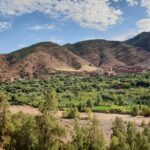
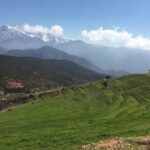
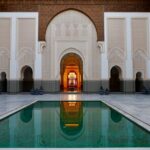
Day 1 starts with pickup from your Marrakech hotel or the closest accessible spot near your riad at around 7:30 AM. Then it’s straight into the High Atlas drive via the Tizi-n-Tichka pass, with far-reaching views over mountain terrain and traditional High Atlas Berber villages along the way.
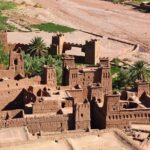
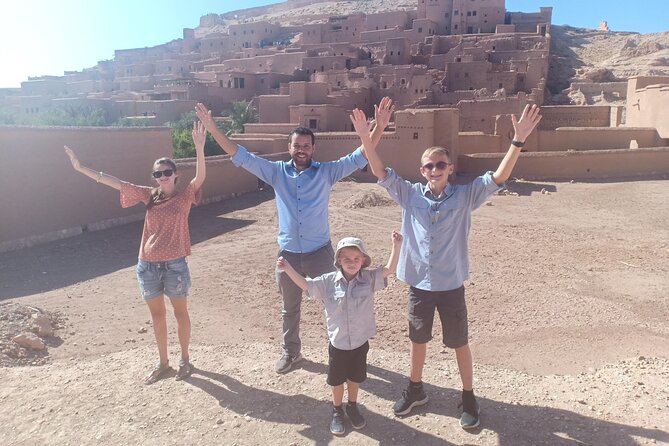
Your main cultural anchor is Aït Benhaddou, a UNESCO World Heritage kasbah. This is one of those places where you can see why filmmakers and travelers keep circling back. After you arrive, you’ll have lunch at Aït Benhaddou or Ouarzazate (lunch isn’t included, so treat it as a separate cost).
From there, you continue through Ouarzazate for Kasbah Taourirt and Atlas Studios. Then the drive pushes on toward the Dades Valley area, where you sleep for the first night. Your included accommodation is listed as a private A/C suite room in Tinghir, so practically you’ll be staying in that broader region for an overnight reset before desert day.
Why Day 1 matters: it sets context. By the time you get to the Sahara, you’re not seeing dunes in a vacuum. You’ve already passed through Berber village life and kasbah architecture.
Day 2: Todra Gorges, Erfoud, and your Erg Chebbi camel sunset
After breakfast, Day 2 is about the shift from green-ish oasis clues into the Sahara’s open rhythm. The route includes Todra Gorges plus stops along the way like Tinjdad, Jorf, and Erfoud—places that signal you’re getting closer to the Tafilalet oasis zone.
Then you reach the Merzouga area. You’ll head to a hotel to relax briefly. This is also when the tour does a smart logistics move: you take a smaller overnight bag with what you need for the desert night, and you leave the rest of your luggage at the hotel. That keeps your camel trek and dune time simpler.
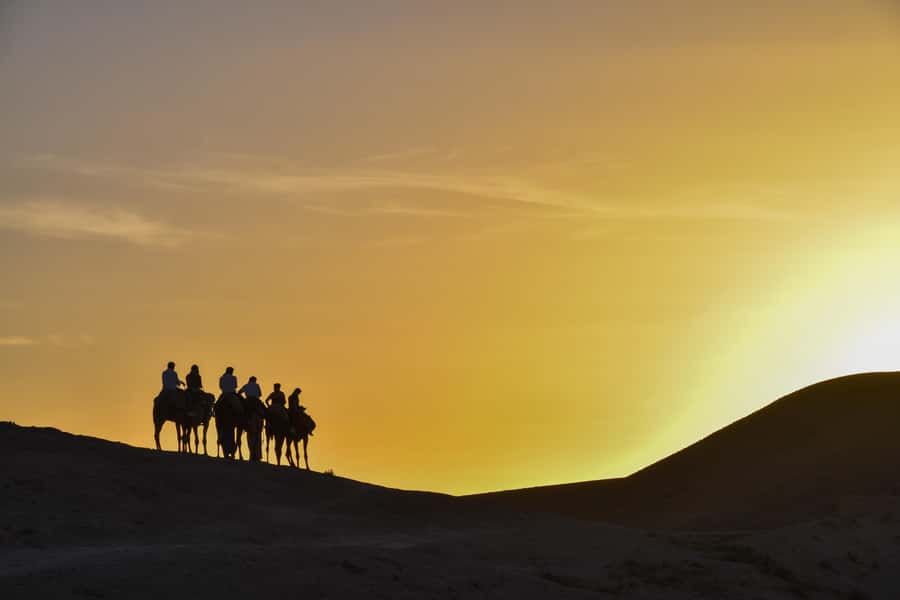
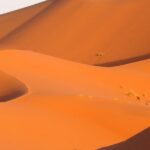
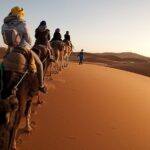
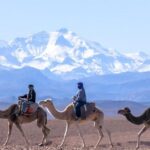
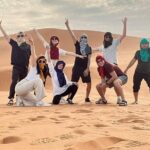
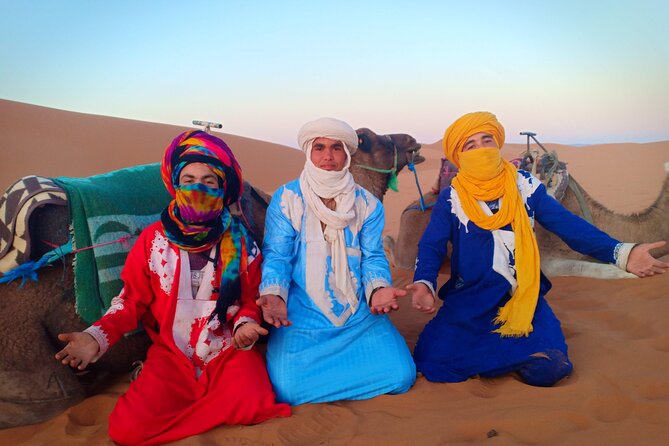
Next comes the highlight phase: you mount camels for an Erg Chebbi dunes crossing. This is your sunset window, with lots of chances for photos while the light changes fast. When you arrive at camp, you leave the camels and walk toward the dune’s peak for views.
A key practical point: this is not a quick “look and go.” It’s a slow, motion-based experience. Camel trekking is part ride, part strolling, and part your brain adjusting to a very different pace.
Also note the timing. Day 2 is listed as about 16 hours total, so even if each stop is interesting, you should mentally budget for a long day.
Night in a private desert tent: what you get (and what you might want to adjust)
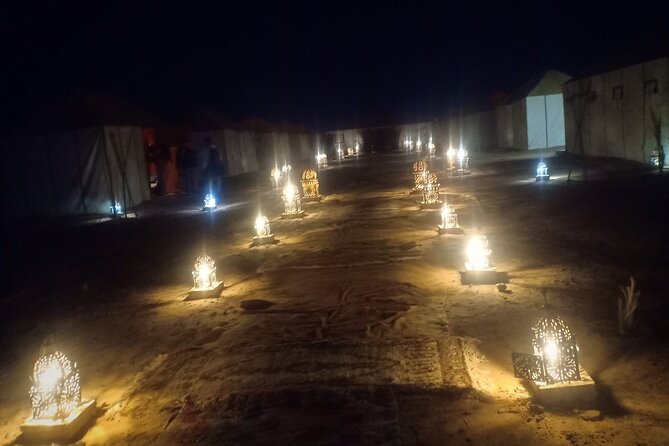
You get a private tent for the second night at the desert camp, and dinner plus breakfast are included. That’s a big value piece, because desert overnights can cost much more on their own.
What you should calibrate: the tour includes dinner, but it’s not positioned as luxury dining. In the feedback shared here, people who loved the experience still advised not to expect gourmet meals. In plain terms, think hearty, filling, and desert-practical.
The good news is that your time is built around the main event: the dunes at sunset and sunrise. That’s what you remember when the day ends. The camp setting is there to make those moments happen, not to replace a restaurant back home.
If you’re the kind of traveler who hates waiting for sunset, this tour may still work—because you’re on the move. You’re not just sitting around. You’re traveling, riding, walking, and timing everything to the light.
Day 3: early sunrise dunes and the long return to Marrakech
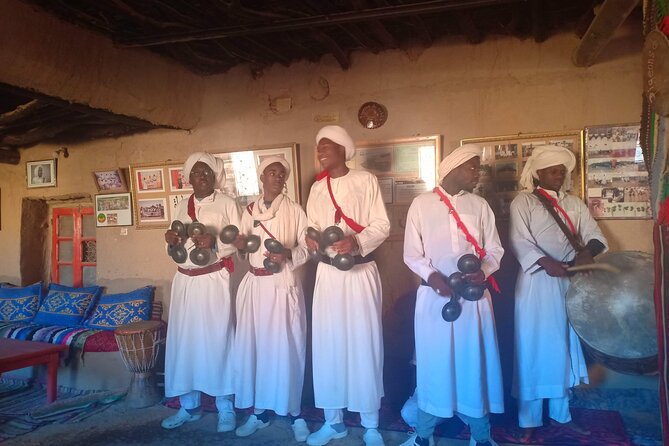
Day 3 starts with an early sunrise camel trek. That means you wake up earlier than you would on most trips, but the payoff is exactly what the highlights promise: dunes under morning light. Sunrise is one of those moments where pictures look good and real life looks even better, because you feel the cool air, the silence, and the way the sand texture changes by the minute.
After that morning trek, you meet your driver and vehicle and begin the return drive. The route takes you back toward Ouarzazate, then continues through the High Atlas Mountains toward Marrakech.
The day includes a period of leisure for lunch (again, lunches aren’t included). The tour is scheduled to finish in Marrakech at about 19:00. So yes, you’re stacking in another big driving block. Plan for a late-day wind-down when you get back.
Why I like the Day 3 design: you get closure. You don’t just leave the desert. You leave it after seeing it at the day’s beginning.
What you see along the way: UNESCO, kasbahs, gorges, and oasis routes
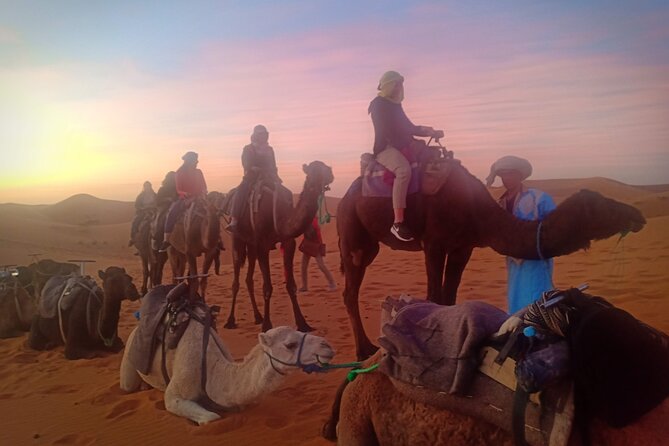
This itinerary leans hard on “place-based” stops, not just road travel with scenic pull-offs. Aït Benhaddou is the UNESCO centerpiece, and the tour adds Kasbah Taourirt and Atlas Studios in Ouarzazate to broaden the cultural angle.
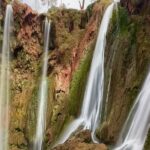
Then you get natural anchors: Todra Gorges on Day 2, plus the route description points toward areas like Rose Valley and Tadgh Gorge and Tadgh oasis. Even when the detailed timing is tight, these names matter because they signal the kind of scenery changes you’ll experience—rocky gorges, valley villages, and oasis-adjacent greenery.
You’ll also pass through multiple towns and kasbah-adjacent communities en route to Merzouga, including Erfoud, which is part of how the route approaches the Tafilalet oasis region. That’s one of the reasons this trip feels like “Morocco,” not only “Sahara.”
The guide and driver factor: why this tour feels personal
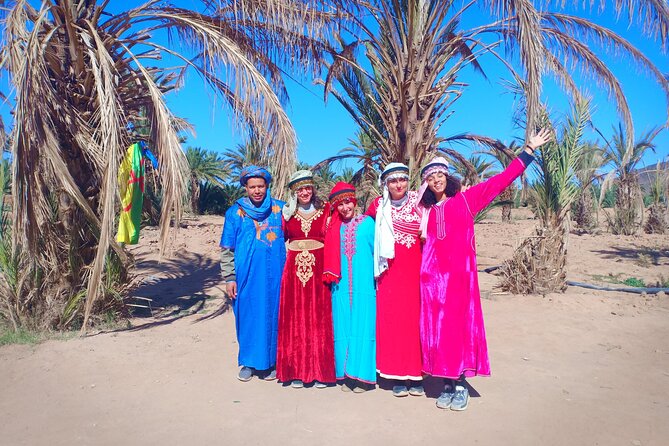
This is a route where good driving and clear communication matter. The High Atlas roads and long days can test patience. In the experience notes here, several driver-guide names come up again and again for making the trip smoother and more comfortable: Omar, Mustafà, Hassan, Ahmed, Rachid, Yasine, Ibrahim, Hachem, Mbarek, and Youssef.
The consistent theme is competence and care. People call out safe driving on winding mountain roads and good English from the guide. That matters on a trip like this because you’re not just riding—you’re also listening, learning, and timing stops (especially for the dunes).
One practical tip that also shows up: when you book a tour like this, don’t treat tipping like a vague idea. If your driver works hard all day, it’s reasonable to tip directly rather than feeling like you must tip extra “commercial guides” you pass along the way.
Price and logistics: is $110.34 per person good value?
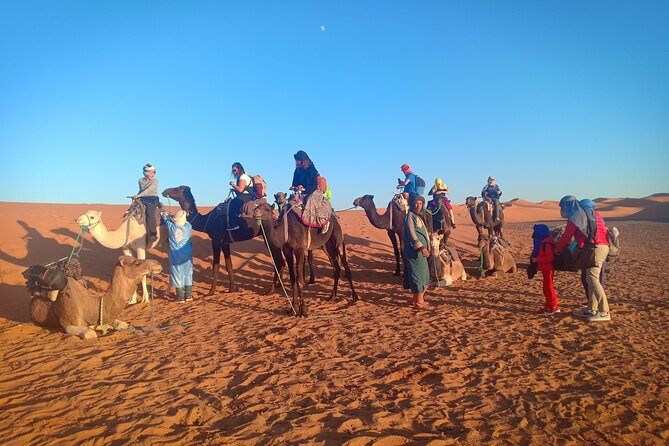
At $110.34 per person, you’re paying for a big distance and a “desert night” that includes more than just a place to sleep. The tour price includes:
- hotel and meals for the first night (private A/C suite room in Tinghir, with dinner and breakfast)
- a private desert tent for the second night (with dinner and breakfast)
- camel trekking into Erg Chebbi dunes, plus walking toward the dune’s peak
- pickup in Marrakech and round-trip driving through the High Atlas
What’s not included: lunches and beverages. On a 3-day trip, that means your “all-in” cost is higher than the headline price. Also, some lunch stops can be set up for tourists, so expect simple meals and price markups.
Still, this is good value if you want:
- a structured route with minimal planning on your end
- real time in the dunes, not just a quick stop
- a small group size (max 15)
It’s less of a fit if you’re ultra budget-tight and want every meal included, or if long car days are a dealbreaker.
Who this Sahara tour suits best (and who should rethink it)
This tour suits you if you want a classic Marrakech-to-Merzouga arc with UNESCO, gorges, and Erg Chebbi in one package. It’s also a good match for solo travelers and couples who want a small-group feel and the safety of an organized schedule.
You might rethink it if:
- you don’t handle long driving days well
- you care a lot about gourmet food and included lunches
- you want lots of downtime built into the schedule
That said, even when the trip is busy, the structure is clear: you get meaningful stops, and you get the desert moments timed for sunrise and sunset.
Should you book this 3-day Sahara trip from Marrakech to Merzouga?
If your dream version of Morocco includes Aït Benhaddou, Todra Gorges, and at least one night in the dunes with camel trekking, this is a strong option. The value stands out because you get two nights and desert camping with meals, plus the big driving route handled for you.
If you’re deciding between “comfort” and “adventure,” this one leans adventure—but in a manageable way. The accommodations are private (not shared dorm-style), and you’re not stuck dragging a huge suitcase onto the dunes because you store most luggage at the hotel.
My rule: book it if you can handle being on the move. Skip it if you want a slow trip with lots of quiet time and fully included lunches.
FAQ
What time is pickup in Marrakech?
Pickup is scheduled around 7:30 AM, and the tour’s starting window lists 7:00 AM to 7:30 AM.
Is hotel pickup included?
Yes. Pickup is included from your Marrakech hotel or from the closest accessible location to your riad.
How many nights are included?
Two nights are included: the first night in the Tinghir/Dades Valley area (private A/C suite room) and the second night in a private tent at the desert camp.
Are meals included?
Yes. Dinner and breakfast are included for both nights. Breakfast is included twice, and dinner is included twice. Lunches and beverages are not included.
Do I need to carry a full suitcase into the desert?
No. On Day 2, you take a small bag with what you need for the night in the desert, and you leave the rest of your luggage at the hotel.
Is there camel riding, and when?
Yes. You’ll ride camels across Erg Chebbi dunes for the sunset experience on Day 2, and you’ll also do an early sunrise camel trek on Day 3.
Does the tour include UNESCO Aït Benhaddou?
Yes. You visit Aït Benhaddou, a UNESCO World Heritage site, on Day 1.
What group size is this tour?
It has a maximum of 15 travelers.