REVIEW · MARRAKECH
Toubkal Ascension 2 Days
Book on Viator →Operated by GUÍAS DE ATLAS · Bookable on Viator
Toubkal has a way of resetting your altitude. This 2-day High Atlas trek uses a straightforward plan: transfer from Marrakech to Imlil, climb to the Neltner refuge at 3,207 m, then go for the summit of Toubkal (4,167 m). I especially love the human side of the route: small mountain villages, local hospitality, and that sense of Moroccan mountain life that feels close, not staged. I also like how the trek is built around practical support—mules for the heavy lifting and guides who keep the climb organized and safe. One consideration: water and drinks are not included, and the whole experience depends on having good weather for the summit push.
You’ll be moving for long stretches, but it’s not a “random hike.” The route is described clearly day by day, with a well-defined path profile and a night at the refuge before you go up again. And if you’re visiting in summer, the timing makes sense: the mountains can feel like a cooler counterpoint to Marrakech heat.
In This Review
- Key things that make this Toubkal trek work
- Why Toubkal in summer feels like the smartest timing
- From Marrakech to Imlil: the ride that sets the tone
- Day 1 to the Neltner Refuge: steady ascent and village life
- Night at 3,207 m: refuge comfort you’ll feel grateful for
- Day 2: the Toubkal summit push (4,167 m) without guesswork
- How guides, mules, and food shape your real experience
- Price and value: what $337.31 covers (and what to check)
- Who should book this (and who should think twice)
- Should you book Toubkal Ascension 2 Days?
- FAQ
- FAQ
- What time does the trek start?
- Where does the trek begin?
- Is pickup from Marrakech included?
- How long is the experience?
- What altitude do we reach?
- How fit do I need to be?
- How many people are in the group?
- What’s included in the price?
- What should I bring if water isn’t included?
- Does the trek run in all weather?
- What is the cancellation rule?
Key things that make this Toubkal trek work
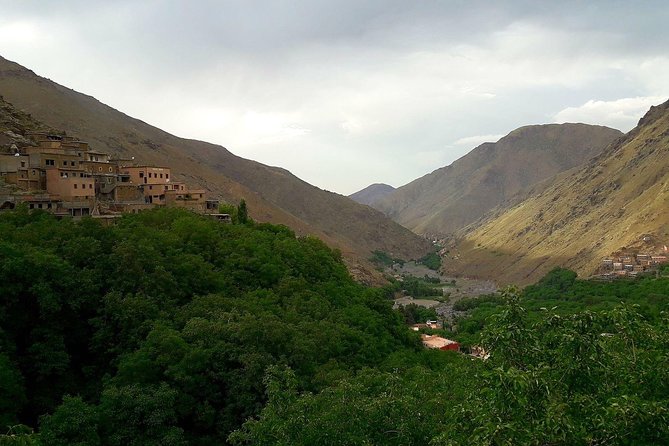
- A real village-to-summit route with passes through small mountain communities linked by narrow roads
- Night at Neltner Refuge (3,207 m) with full-board comfort where the food and shelter get repeatedly praised
- Mule support included, so you’re not fighting your pack as much on the ascent
- A guide-led summit plan with the climb described in stages (slope, softening, then a steep push)
- Small groups (max 15), which usually helps keep the pace calm and the experience personal
- Very strong guide reputation with names like Omar, Ibrahim, Mohamed, Brahim, and Hamil highlighted in recent hikes
Why Toubkal in summer feels like the smartest timing
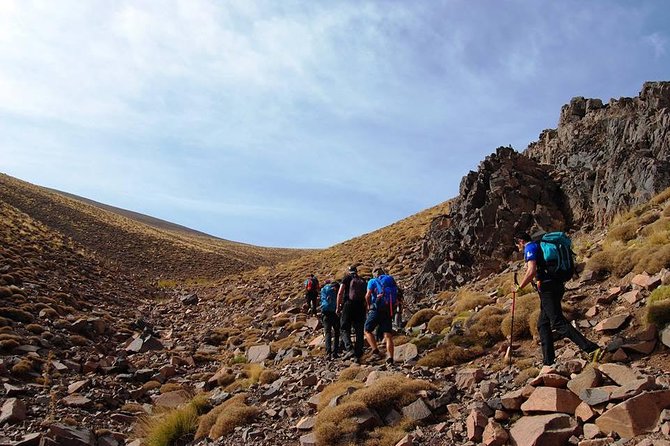
If you’re visiting Marrakech when it’s hot, the High Atlas becomes a lifesaver. This trek is specifically recommended for summer because the mountains bring cooler air and a much more bearable rhythm for walking. That matters, because you’re not doing a quick photo stop; you’re climbing toward a serious altitude goal.
What I like is that the contrast isn’t only about weather. You also get a shift in day-to-day life. Starting from the Marrakech area, you head into a mountain world where the roads are narrow and winding, and villages feel connected by footpaths and mountain tracks. The experience is about being around that rural reality, not just reaching a point on a map.
The altitude numbers alone are a good reality check: you’ll spend the night at 3,207 m and aim for 4,167 m. So yes, plan for a long, effort-based day two.
A few more Marrakech tours and experiences worth a look
From Marrakech to Imlil: the ride that sets the tone
The experience starts at 8:00 am. Transportation is included round-trip, and pickup is offered, which is a big practical win when you don’t want to piece together multiple tickets and taxis on your own.
You’re heading toward Imlil, the mountain gateway people use for Toubkal hikes. The trek is organized around that base, so you’re not wasting precious energy “getting ready to hike.” Instead, the schedule gives you a clean transition: morning travel, then day-one climbing.
One detail I’d call out: the experience is listed as near public transportation. That’s useful if you want to confirm local access or you’re joining from somewhere else in Marrakech. Still, if pickup is offered to your booking, use it. On a summit trip, reducing friction early is underrated.
Day 1 to the Neltner Refuge: steady ascent and village life
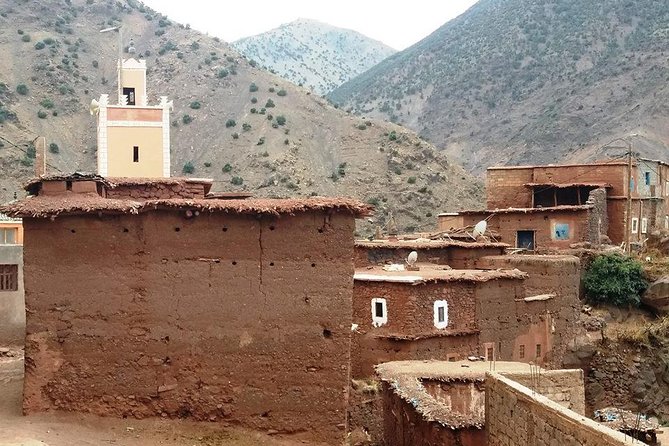
Day 1 follows a classic two-day rhythm. You transfer to Imlil, then begin the hike up to the Neltner shelter (3,207 m). The climb is described as a regular ascent path, and you also pass the marabout of Sidi Chamarouch.
That marabout stop is more than a “checkmark.” Sacred sites like this often act as mental anchors along mountain paths. You’ll feel how locals treat the landscape—as something used, respected, and lived with—not just “scenery.”
The day is paced to get you to shelter at night. You also get dinner and overnight at the refuge as part of the full-board setup. One practical plus: day one includes about 6 hours of climbing time, so you can mentally separate “day hiking effort” from “summit effort” for day two.
Also, the route design includes mules for carrying loads. In plain terms, this makes the trek more about your legs and less about wrestling a heavy pack on uneven stone paths.
What I’d watch for: day one is a warm-up, but it’s still a real climb. If you show up undertrained, you’ll feel it more than you think—because you’re still gaining altitude before the summit day.
Night at 3,207 m: refuge comfort you’ll feel grateful for
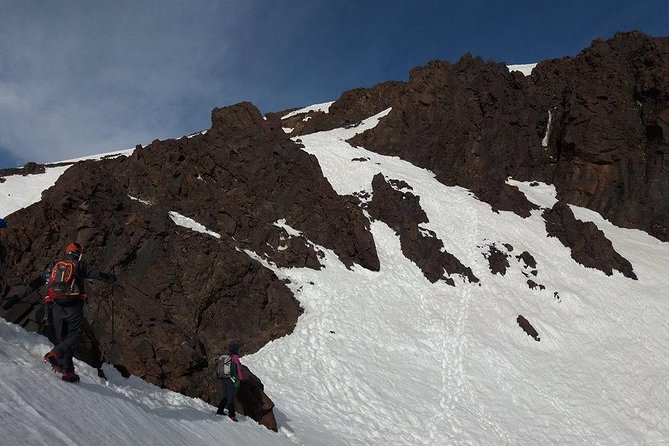
The Neltner refuge stay is one of the most praised parts of the whole experience. People repeatedly describe the shelter as well equipped, with a good meals setup and comfortable sleeping arrangements for a mountain night. You’re not living in luxury up there, but it’s clearly set up to support hikers who plan to move again early.
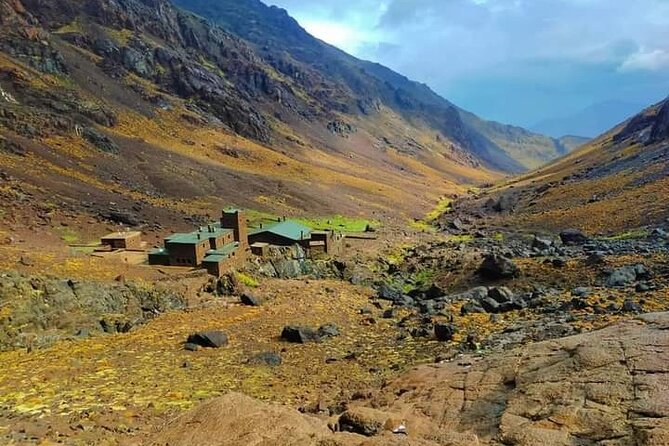
Another thing I appreciate from the feedback: the refuge experience is described as genuine and rooted in the small village around it. One review calls out the refuge’s location in a small area that shows Moroccan mountain reality, not a sanitized tourist bubble. That’s exactly what you want on a two-day trek.
Food gets special attention too. There’s mention that the shelter can accommodate different diets, including vegan-friendly meals, which is a helpful sign that the kitchen staff pay attention instead of improvising last-minute.
What you should bring mindset-wise: you’re sleeping at 3,207 m, and you’ll hike again the next day. Treat the night as part of the training, not as downtime you can ignore.
Day 2: the Toubkal summit push (4,167 m) without guesswork
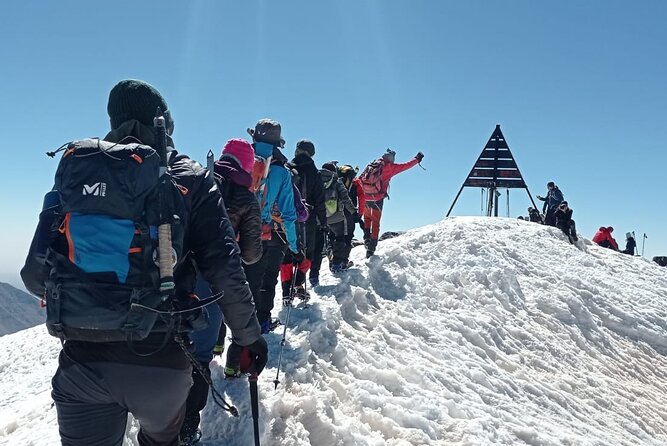
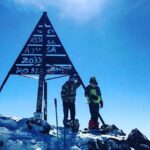
Day two is the main event: climbing to the summit of Toubkal (4,167 m) and then descending back to Imlil and on to Marrakech.
The climb description is specific enough to help you understand how the mountain changes under your feet. The route is said to border the ascent blade, with the first part starting on a slope, then softening a bit, steepening again between 3,700 and 3,850 m, and then reaching a crest and ridge.
Why I like that level of detail: it gives you something to mentally prepare for. You’re not just thinking, “Summit, summit, summit.” You can plan your effort for a steeper middle section rather than getting surprised halfway through.
Once you reach the summit, the program includes going back to the shelter (then continuing down to Imlil). That structure matters. It’s usually easier to manage your energy and pacing when the day has clear “milestones,” not endless uncertainty.
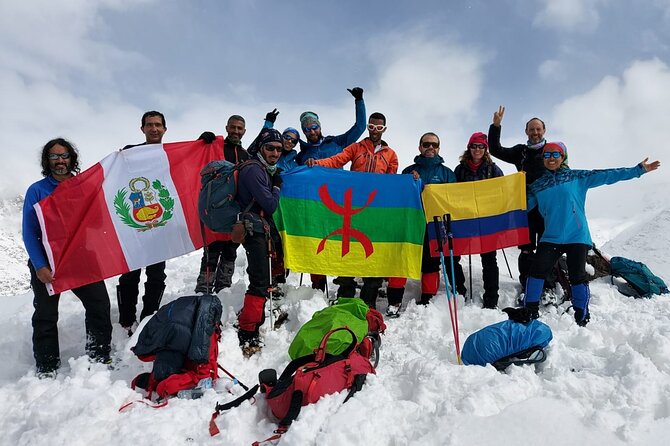
If the weather is cooperative, you’ll get the full payoff: big High Atlas views and the satisfaction of a properly guided ascent. And if weather turns, remember the experience requires good conditions for it to run as planned.
How guides, mules, and food shape your real experience
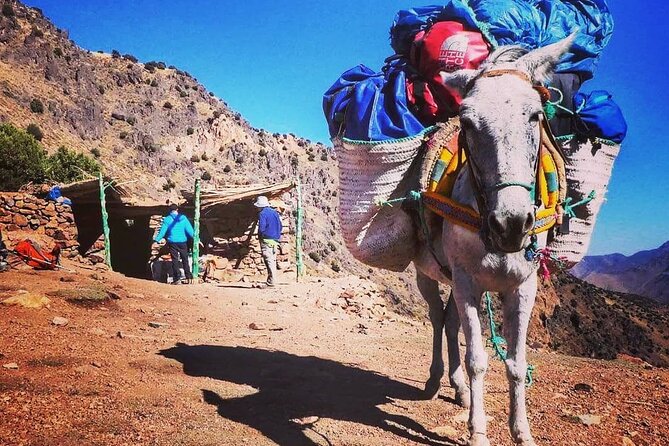
This trek includes guided support, mule assistance, and full-board lodging. That combination is what makes it feel like a managed adventure rather than a “DIY challenge.”
The guide quality shows up again and again in the feedback, and the names matter because they’re specific: Omar and Ibrahim get singled out as outstanding, and Mohamed is repeatedly praised as experienced and attentive in the mountains. Other highlighted guides include Brahim, Hamil, and organizer Hassan. Even if you don’t get these exact people, the pattern is clear: the program invests in people who know how to run a safe, confident climb.
Food and shelter are the other half of the deal. You’re not packing meals, and the refuge setup is repeatedly described as providing satisfying dinners and restorative meals. That’s not just comfort—it’s fueling for the summit day.
Mule support is the quiet hero of these kinds of trips. When you have mules included, you can hike with less distraction, and the day feels smoother, especially if you’re not used to carrying gear in rough terrain.
One more practical note: water and drinks are not included. So bring what you need for the trail and plan for how you’ll refill. If you rely on buying everything on the move, you could end up stressed.
Price and value: what $337.31 covers (and what to check)
At $337.31 per person, this trek isn’t the cheapest way to climb Toubkal. But it does include several cost-heavy items that make the price feel more justified:
- round-trip transportation from Marrakech
- full-board at the refuge (accommodation + meals)
- mules for assistance with loads
- guided support for the climb
For me, the value calculation comes down to friction. If you tried to assemble transport, refuge booking, guide, and mule help yourself, you’d likely spend time and money finding the right pieces. Here, the schedule is packaged, and the group size cap of 15 helps keep it from turning into a factory line.
One factor that can also improve value: group discounts are mentioned, and booking earlier can help you land a better spot. The typical booking window is about 69 days in advance, so don’t wait until the last minute if your dates matter.
Who should book this (and who should think twice)
This trek is designed for people with moderate physical fitness. That’s a good signal: it’s not marketed as a beginner stroll, but it also doesn’t read like a technical mountaineering expedition.
You’ll likely enjoy it if:
- you want a structured two-day climb with mules and refuge support
- you’re interested in Moroccan mountain village life along the way
- you’re visiting Marrakech and want to trade heat for higher-altitude hiking
- you prefer small groups (max 15) and clear plans
You might want to rethink it if:
- you’re hoping for a short, low-effort hike
- you don’t want to deal with a long day two that ends at a 4,167 m summit
- you’re not comfortable managing basic essentials like water, since drinks aren’t included
And remember: the climb depends on good weather. If the mountain can’t offer safe conditions, the operator will need to adjust the plan.
Should you book Toubkal Ascension 2 Days?
If your goal is the Toubkal summit with real mountain life, this is a strong choice. The repeated praise for guides (including Omar, Ibrahim, Mohamed, Brahim, Hamil) plus the focus on refuge quality and good organization makes it feel like a dependable two-day format, not a gamble.
Book it if you want:
- a guided route with mules and full-board refuge support
- a summer-friendly contrast to Marrakech heat
- a small-group trek that prioritizes how the mountains feel, not just the summit photo
Skip it (or ask more questions) if you’re extremely sensitive to weather changes, you hate planning around effort, or you’re expecting water and drinks to be fully covered.
FAQ
FAQ
What time does the trek start?
The start time is listed as 8:00 am.
Where does the trek begin?
The itinerary starts with a transfer to Imlil from Marrakech, and the meeting point is noted as near public transportation.
Is pickup from Marrakech included?
Yes, pickup is offered, and round-trip transportation is included in the price.
How long is the experience?
It’s listed as approximately 1 day 10 hours, even though the program runs over two days (night at the refuge and a summit day).
What altitude do we reach?
You climb to Neltner refuge at 3,207 m overnight, then aim for Toubkal summit at 4,167 m on day two.
How fit do I need to be?
The tour asks for moderate physical fitness.
How many people are in the group?
The group size maximum is 15 travelers.
What’s included in the price?
Included: accommodation with full board, the guide, mules, and round-trip transportation.
What should I bring if water isn’t included?
Water and drinks are not included, so plan to bring what you’ll need for the hike and any refilling strategy you prefer.
Does the trek run in all weather?
It requires good weather. If it’s canceled due to poor weather, you’ll be offered a different date or a full refund.
What is the cancellation rule?
You can cancel for a full refund up to 24 hours in advance of the experience start time. If you cancel less than 24 hours before, the amount paid isn’t refunded.