REVIEW · MARRAKECH
2-Days Sahara desert tour to Erg Lihoudi from Marrakech
Book on Viator →Operated by Toubkal Guide · Bookable on Viator
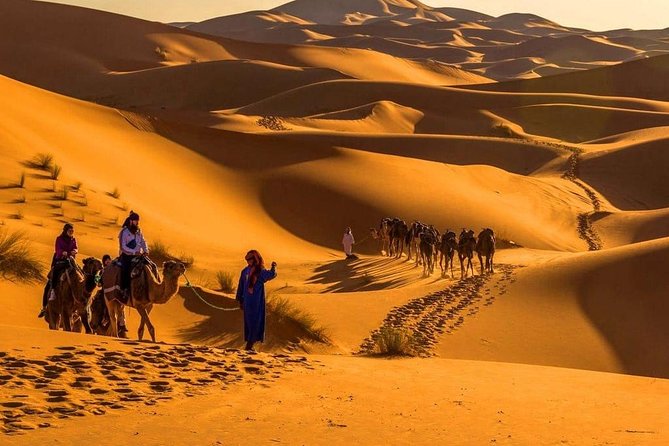
Two days in the Sahara changes your pace. This private run through the less-visited dunes of Erg Lihoudi is built around the classic desert rhythm, and I especially like how the camel ride sets you up for that slow, watch-the-light-change feeling. You’re not just driving to a photo stop; you’re spending real time out where the dunes stretch to the horizon.
What seals it for me is the full evening-to-morning experience. You’ll arrive in time for sunset over the dunes, then sleep in a desert Berber tent, with dinner and breakfast included so you’re not scrambling once the day gets quiet. One more thing I love: it’s built as a private door-to-door plan, so you can move at your group’s pace instead of waiting on other people.
The main thing to consider is the schedule. You’re signing up for a long driving day with an early start, and no lunches included means you’ll want to plan for food timing between stops.
In This Review
- Key moments to know before you go
- Why Erg Lihoudi Makes This 2-Day Sahara Trip Worth It
- The 4×4 Drive: Marrakech to the Desert Without the Chaos
- Ouarzazate’s Kasbah Stops: More Than a Pit Stop
- Tamegroute: The Pottery Village Stop You Actually Remember
- Mhamid and the Desert Camp Night: The Real Core of the Trip
- Sunrise, Breakfast, and Why Waking Up Early Pays Off
- Food Timing, Drinks, and What’s Included vs Not
- Price and Value: Does $348.97 Make Sense for Two Days?
- Who This Tour Is Best For (and Who Should Think Twice)
- Should You Book This 2-Day Sahara Tour to Erg Lihoudi?
- FAQ
- FAQ
- What’s the start time for the tour?
- Where does the pickup happen?
- Is this a private tour?
- What transport is included?
- What’s included for the desert night?
- Is camel riding included?
- Are lunches and drinks included?
- Are entrance fees included?
- How much does the tour cost?
- What’s the cancellation policy?
Key moments to know before you go
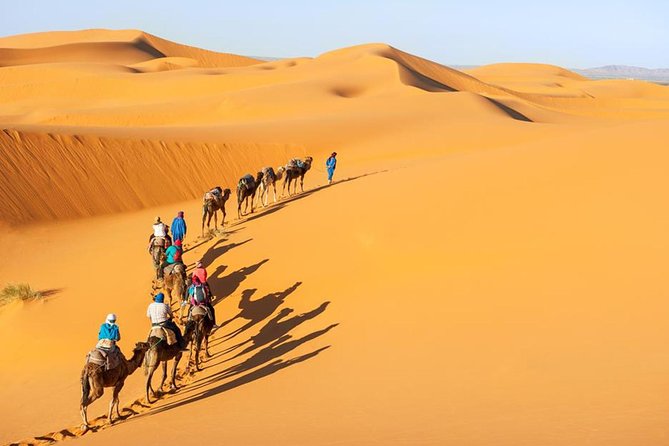
- Erg Lihoudi from Mhamid: classic Saharan dunes with a quieter feel than the best-known tracks
- Camel trek, one camel each: you’re not forced into a tiny shared ride
- Sunset plus sunrise: you get both ends of the light show, not just one
- Desert camp with dinner and breakfast: the night is handled end-to-end in a Berber tent
- Kasbah stops that break the drive: Taourirt Kasbah in Ouarzazate and the Kasbah of Aït Ben Haddou
- Tamegroute village visit: pottery and an ancient library make the cultural stop more than a quick roadside glance
Why Erg Lihoudi Makes This 2-Day Sahara Trip Worth It
If you’re short on time in Morocco, you need a desert tour that feels like more than a rushed transfer. This one targets Erg Lihoudi, reached via Mhamid, which is a smart choice when you want the big Sahara feeling without feeling stuck in the most crowded corridors.
Erg Lihoudi’s dunes are the kind of place where the horizon stops being a line and starts being a reference point. The big payoff is that your trip isn’t only about getting there. It’s about timing—arriving before sunset, then waking up for sunrise. That means you see the desert as a living place with changing color, not just a backdrop.
You’ll also notice the tour is designed for “two days, done right.” Most long Sahara itineraries drag on because you’re trying to cover everything. Here, the focus is tight: desert camp, camel trek, and a handful of meaningful stops on the way. That focus matters if you’re trying to protect your energy and keep your memories connected.
One practical plus: it’s private. The whole experience is built around your group only, which usually means fewer waits and less time lost to logistics. In a 2-day format, small time savings add up fast.
A few more Marrakech tours and experiences worth a look
The 4×4 Drive: Marrakech to the Desert Without the Chaos
Your day begins with pickup from your riad or hotel in Marrakech. You’ll head out in a 4×4 vehicle with air-conditioning, guided by a professional driver/guide. The start time is 7:00 am, so yes, you’ll feel the early push—but the payoff is that you’re already moving while other people are still finishing breakfast downtown.
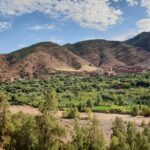
On the way, you cross the High Atlas via the Tizi n’Tichka Pass, one of Morocco’s classic scenic corridors. This is one of those routes where the views keep changing as elevation shifts. Even if you’re not a mountains person, it’s a great way to break up the idea that the entire trip is just “more driving.”
After the Atlas, you follow the anti-Atlas direction through passes like Tiniffift, heading toward the Draa Valley and the town of Zagora. Again, the tour isn’t just racing to the dunes. It’s building a route through places that feel lived-in, not staged.
Then comes the desert approach: before the day is done, you reach the dunes near Mhamid for camel time and sunset. That order is important. If you arrive too late, sunset becomes a scramble. Here, you’re scheduled to be on the dunes when the sky starts working its magic.
Ouarzazate’s Kasbah Stops: More Than a Pit Stop
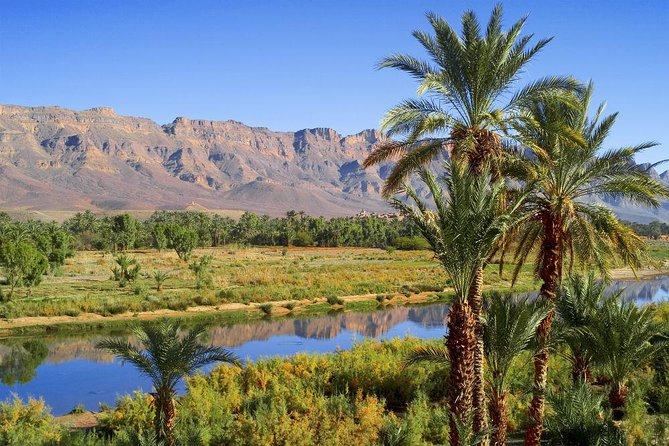
This tour uses sightseeing stops to keep the driving day from feeling monotonous. Two of the biggest cultural “breaks” are in Ouarzazate and on the Aït Ben Haddou route.
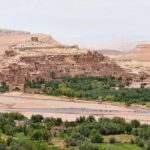
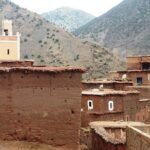
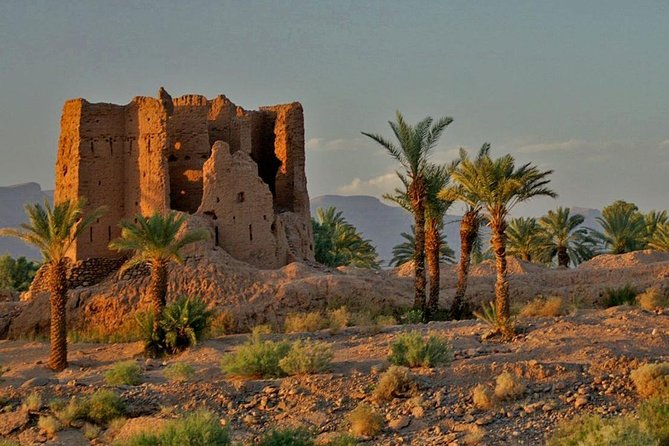
First is the Kasbah of Taourirte in Ouarzazate. It’s the kind of place where you can walk around and understand why kasbahs became so strategic and so powerful. The architecture tells a story about power, storage, protection, and the way families or communities organized life in adobe walls.
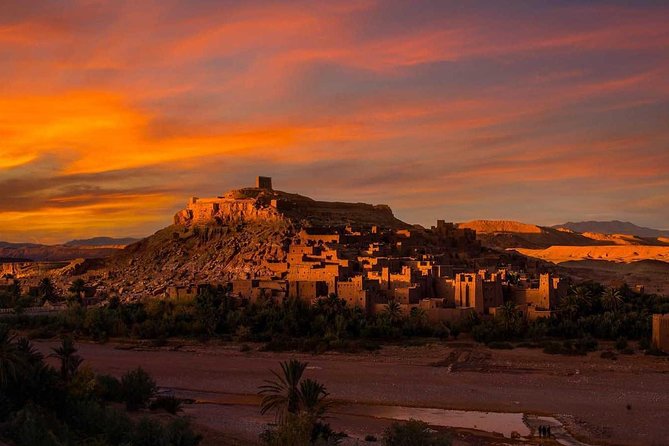
Then you’ll head toward the Kasbah of Aït Ben Haddou. This is one of Morocco’s most well-known fortified kasbah sites, and you’ll have time to see it from the inside-out perspective—how the complex is arranged, how the structures sit in the terrain, and why the area has attracted attention for decades.
Here’s the honest value angle: you don’t want to spend your only desert weekend “only” in the desert. These stops keep your trip anchored to Morocco beyond sand and stars. Also, they offer a chance to stretch, slow your breathing, and reset before the dunes.
Tamegroute: The Pottery Village Stop You Actually Remember
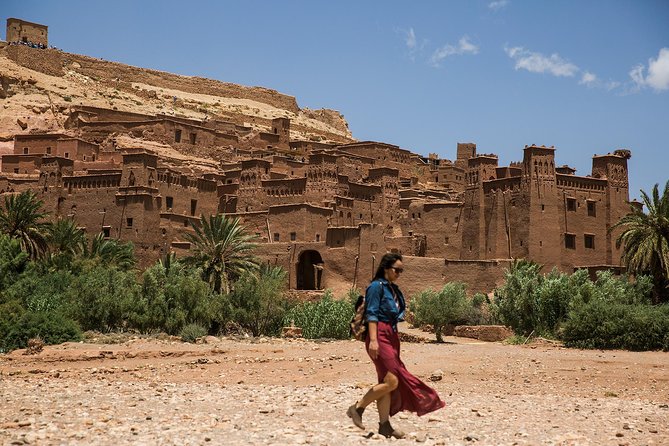
One of the standout parts of this tour is the visit to Tamegroute, known for pottery and an ancient library. This is the sort of stop that makes a desert trip feel connected to real daily life, not just a string of scenery.
Pottery villages are usually best understood by watching the process and talking with locals about materials and tradition. Even if you only catch a slice of it on this schedule, Tamegroute’s focus gives you a tangible contrast to the desert camp. In practical terms, it also helps break the day into chapters—driving, cultural stop, then desert time.
The library angle matters too. It’s a reminder that the people of this region built systems for knowledge, not just survival. It makes the desert feel less “empty” in your head and more like part of a long human timeline.
Mhamid and the Desert Camp Night: The Real Core of the Trip
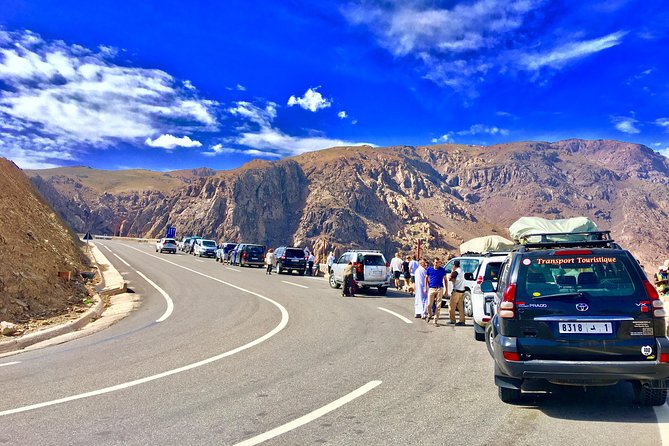
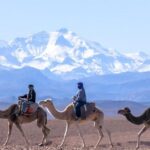
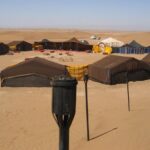
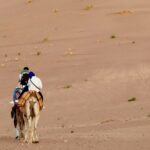
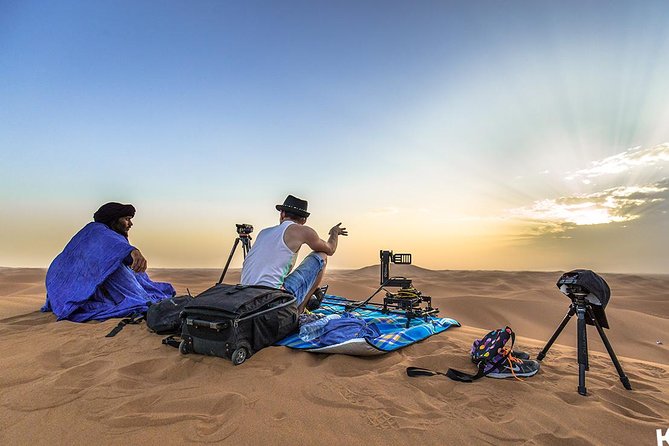
The “center of gravity” is the evening in the dunes. You’ll reach Mhamid area before sunset, ride camels, and then watch the light shift across Erg Lihoudi.
The camel trek is scheduled as one camel each, which is a small detail with big comfort value. When sharing happens, the ride can become awkward—yours or the other person’s pace. Here, you’re less likely to feel cramped into someone else’s rhythm.
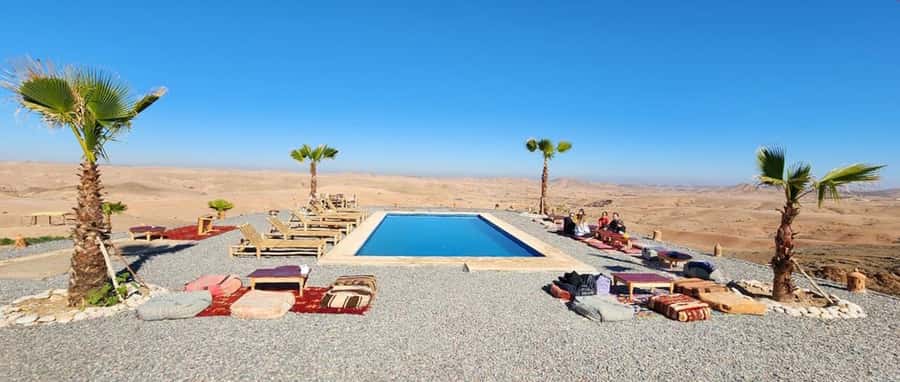
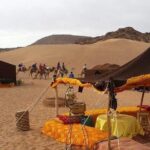
After that, you sleep in a desert Berber tent. Dinner and breakfast are included, so you’re not stuck negotiating meals once you’re far from regular towns. The camp setup also means you can slow down. You’re not racing to squeeze in a second activity the moment you arrive. The night is allowed to be quiet.
This is also where the guide’s role really shows. A desert camp works because people know how to translate a place into something you can feel. In this case, Ait ouaguerd Lahcen comes through as warm and helpful, with serious local knowledge. I liked that the vibe in the group doesn’t feel loud or forced; it’s more like someone quietly manages comfort while you enjoy the desert.
And yes, there’s fun energy too. One account mentioned that Lahcen even brought the mood with music and dancing. That kind of moment doesn’t change the desert, but it can make the night feel more like a shared experience than a scripted activity.



Sunrise, Breakfast, and Why Waking Up Early Pays Off
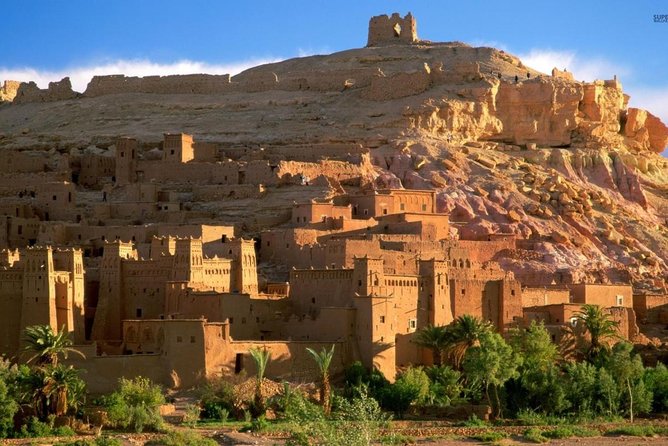
If you do Sahara tours only for sunset, you miss the real shift. This one includes sunrise as part of the desert rhythm, so you’ll wake up in the desert environment and see the change from night colors to morning light.
Breakfast is included, which is practical in a setting where you don’t want to start the day searching for food. It also keeps the morning from turning into a rushed “pack and go” moment.
That sunrise portion is one of the reasons I think this package works for time-poor travelers. You’re not just consuming one photo moment. You’re witnessing two different atmospheres, back-to-back. In a 2-day window, that’s a major advantage.
Food Timing, Drinks, and What’s Included vs Not
Here’s the clean breakdown of meals based on what the tour includes.
Included:
- Dinner at the desert camp
- Breakfast at the desert camp
Not included:
- Lunches and drinks
This matters because your first day is packed with travel, passes, and stops. If you skip lunch entirely until camp dinner, you’ll likely feel the gap. The tour also notes that entrance fees are optional, so if you want museums or extra entry at certain places, budget for that.
My suggestion: treat this like a “two big meals plus travel” schedule. You don’t need to overpack snacks, but it helps to think about when you’ll eat during the long driving day, especially with the 7:00 am start.
Price and Value: Does $348.97 Make Sense for Two Days?
At $348.97 per person, this isn’t the cheapest way to touch the Sahara. But it also isn’t just a bus ride with a camel photo.
You’re paying for:
- Door-to-door pickup and drop-off from your riad or hotel in Marrakech
- Transport in an air-conditioned vehicle
- A professional driver/guide
- Overnight in a desert camp (including dinner and breakfast)
- Camel trek (one camel each)
- A focused set of cultural stops: Taourirte Kasbah, Aït Ben Haddou, plus the Tamegroute visit
When you add up how much “included” time covers, the price starts to feel more reasonable. Many low-cost desert trips cut corners by leaving meals vague or turning the camel part into a short, shared experience. Here, the overnight and meal coverage reduce friction. You arrive, you settle, you eat, you sleep, you wake up, you move on.
Also, private tours usually cost more than group options, but they protect your time. In a 2-day itinerary, that’s not a luxury. It’s the difference between a smooth trip and a constant wait.
There’s also group discounts, and the booking lead time averages around 13 days. If you’re flexible, you might catch better value by booking earlier rather than last minute.
Who This Tour Is Best For (and Who Should Think Twice)
Best fit for you if:
- You only have 2 days and want a real desert night, not a day trip
- You prefer private pacing over joining multiple strangers on the same route
- You care about cultural stops (Taourirt Kasbah, Aït Ben Haddou, Tamegroute), not just dunes
- You want sunrise and sunset handled on the schedule, with dinner and breakfast included
You might think twice if:
- You hate early starts and long driving hours. This is built for motion.
- You want full meals beyond dinner and breakfast. Lunch and drinks aren’t included.
- You’re looking for a very slow, wander-everywhere kind of trip. This one is focused and efficient.
Also, it says most travelers can participate, which is useful. Still, since you’ll be on long roads and riding camels, plan based on your own comfort level.
Should You Book This 2-Day Sahara Tour to Erg Lihoudi?
If you want the classic Sahara experience—camel ride, Berber tent night, sunset and sunrise—while staying grounded with cultural stops, I think this is an easy yes for many Marrakech travelers.
Book it if your priority is:
- A real overnight in the desert, with dinner and breakfast
- Less-visited dunes near Erg Lihoudi and a smoother, private flow
- Meaningful stops like Taourirte Kasbah, Aït Ben Haddou, and Tamegroute
Skip it (or compare alternatives) if you need plenty of free time in towns, want lunch and drinks included, or can’t handle a fast schedule.
FAQ
FAQ
What’s the start time for the tour?
The tour starts at 7:00 am.
Where does the pickup happen?
You’ll be picked up from your riad or hotel in Marrakech.
Is this a private tour?
Yes. It’s a private tour/activity, and only your group participates.
What transport is included?
Transport is provided by an air-conditioned vehicle, and you’ll travel in a 4×4 for the mountain and desert route.
What’s included for the desert night?
You’ll sleep overnight in a desert Berber tent, with dinner and breakfast included.
Is camel riding included?
Yes. A camel trek is included, with one camel each.
Are lunches and drinks included?
No. Lunches and drinks are not included.
Are entrance fees included?
Entrance fees are not included. They may be optional.
How much does the tour cost?
The price is $348.97 per person.
What’s the cancellation policy?
You can cancel for a full refund up to 24 hours before the experience’s start time.