REVIEW · TANGIER
Tangier Food Tour with a foodie guide, Medina & Souks!
Book on Viator →Operated by Tangier Private Tours · Bookable on Viator
Tangier tastes better with a local guide. This walking food tour strings together 6–7 tastings with a guided stroll through Tangier’s medina and souks, plus a traditional lunch and mint tea. The biggest downside to plan for is that it’s 3 hours on foot, so you’ll want comfortable shoes and a bit of patience through busy market lanes.
I like how the tour keeps the city order smart: you get context first, then you eat while you understand what you’re seeing. With guides like Mohammed (and sometimes other local guides such as Anas or Abdel), you’re not just grazing food—you’re learning how daily life and local customs shape what ends up on the table, including the mint tea pause that gives you time to reset.
In This Review
- Key Things I’d Prioritize
- Why This Tangier Food Walk Works for Real Eating
- 11:00 Start and a 3-Hour Pace You Can Handle
- How the Route Blends the New City and the Old Medina
- Medina and Souks: What You’ll Learn While You Taste
- Lunch and the Kind of Meal You’ll Actually Remember
- Mint Tea Breaks: The Pause That Makes the Tour Feel Easy
- Price and Value: Is $95.38 a Fair Deal?
- Guides, Personalization, and the Human Touch
- What I’d Call Out as a Possible Downside
- Who Should Book This Tangier Food Tour
- Practical Tips Before You Go (So You Get the Most)
- Should You Book This Tangier Food Tour?
- FAQ
- What does the Tangier food tour include?
- How long is the tour and what time does it start?
- Where do we meet, and does the tour return to the same place?
- Is the tour private, and how large is the group?
- Can the itinerary be customized?
- Is there hotel pickup or drop-off?
Key Things I’d Prioritize
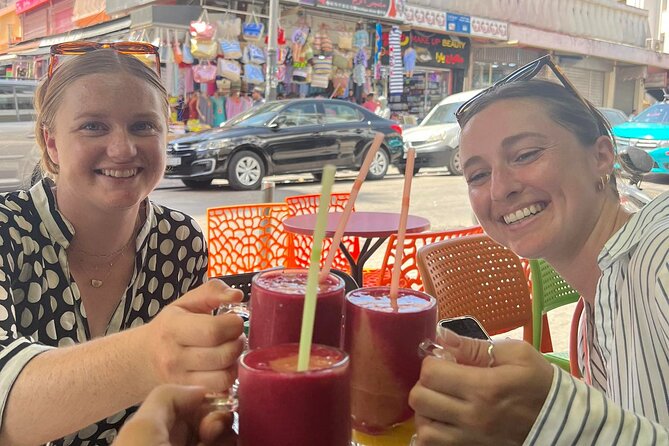
- 6–7 food stops plus lunch: enough variety to feel like you covered Tangier’s flavors, not just one or two bites
- Medina + colourful souks: the eating route doubles as a streetside orientation to the markets
- Local guidance with real neighborhood context: you’ll get explanations for what you’re seeing while you’re standing in it
- A small max group size (up to 20): easier to ask questions and keep the pace manageable in market streets
- 11:00 start with no hotel pickup: you’ll meet at Bd Pasteur and walk from there, which is simple once you’re in the area
- Flexible focus: you can personalize the route around what you care about most
Why This Tangier Food Walk Works for Real Eating
If you want Tangier to make sense fast, food is a good shortcut. This tour links flavors to place, so the medina and souks don’t feel like random alleyways. You’re moving from stop to stop, but you’re also learning the logic behind what locals buy, cook, and serve.
Two things make it especially practical. First, the schedule is short—about 3 hours—so it fits neatly into a day in town or a quick break from ferry travel. Second, you’re not stuck with a single tasting track; you get 6–7 food stops plus a typical lunch, which usually means you’ll leave full enough to skip most dinner plans.
The other nice part is the guide. The experience is run by Mohammed (listed as Moha) or one of his tour guide associates, and the guidance style shows up in the reviews: friendly, chatty, and focused on how Tangier works day to day. That matters because markets can be confusing if you arrive cold.
You can also read our reviews of more food & drink experiences in Tangier
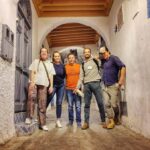
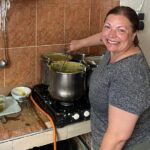
11:00 Start and a 3-Hour Pace You Can Handle
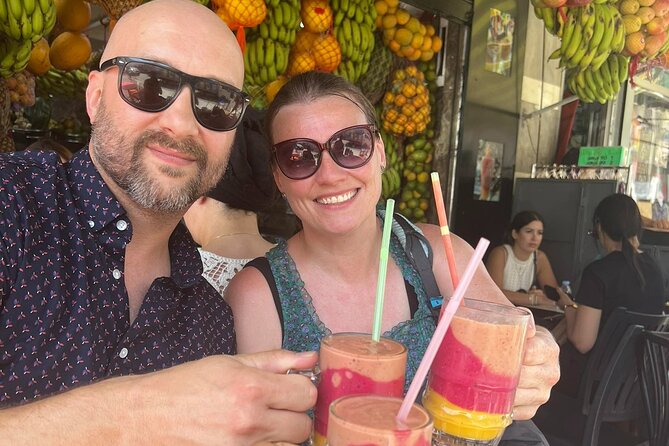
This tour starts at 11:00 am and ends back at the meeting point, so you don’t need to worry about getting stranded across the city. There’s no hotel pickup or drop-off, and the start location is on Bd Pasteur (Place FaroQ5JQ+97P). If you’re used to tours that ferry you around by van, this one is refreshingly straightforward: you show up, meet your guide, and walk.
For the pace: expect continuous movement. You’re doing a walking visit through the medina and the new city, plus visits to the souks. That’s great for energy and for seeing lots in a short time, but it does mean you should wear shoes that can handle uneven sidewalks and quick turns.
Because it’s about half a day in the city (even if the calendar label says half-day), you’ll want to time it so you’re not rushed afterward. I’d plan something relaxed for the rest of your afternoon—especially if you like to linger over food and photos.
How the Route Blends the New City and the Old Medina
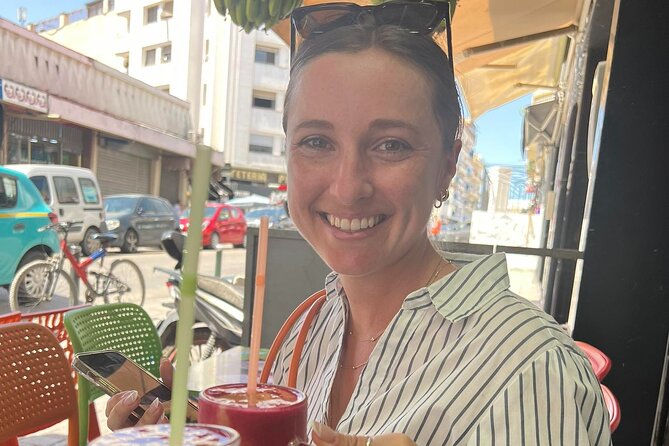
One of the clever choices here is the mix of Tangier areas. The tour includes walking in both the medina and the new city, so you get a sense of how Tangier expanded and how daily life differs by neighborhood.
Starting in the “new” city first helps you get bearings fast. Markets can overwhelm you if you don’t yet understand where you are in the city pattern. When you arrive to the medina with that context, the souk sections feel more organized, and the food stops connect better to what’s around you.
Then the route shifts toward the older quarters. This is where the experience becomes more sensory: tighter lanes, more shopfronts, stronger smells, and a louder public rhythm. The guide’s job is crucial here—helping you navigate without turning it into a chore, and explaining what you’re looking at while you eat.
Medina and Souks: What You’ll Learn While You Taste
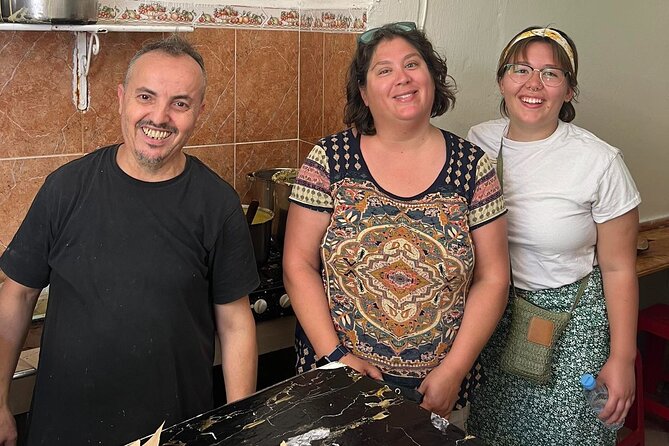
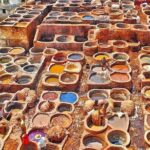
The heart of this tour is a guided walk through the medina and souks. You’ll visit the colourful souks, where browsing is part of the culture and bargaining is part of the theatre. The biggest value isn’t just the shopping vibe—it’s that you’re tasting along the way, so the experience stays food-centered.
Here’s what I’d watch for as you go. In a place like the souks, people sell by neighborhood reputation: some corners are better for spices, others for snacks, others for everyday items. When you stop for tastings with a local guide, it helps you connect the dots between what’s on display and what ends up on plates at home.
The tour also gives you time to see how locals interact in real settings. Market culture isn’t just about buying things; it’s about social life, timing, and habits. When your guide explains why certain foods are common in this environment, the tastings start to feel like part of the city story rather than random snacks.
Lunch and the Kind of Meal You’ll Actually Remember
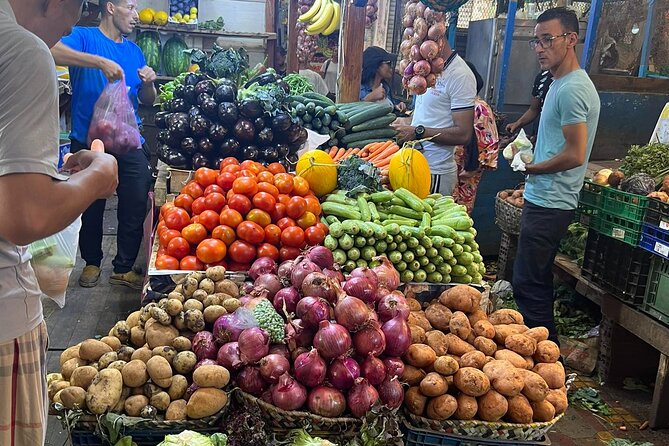
Lunch is included as a typical lunch in a local eat restaurant. That’s a big deal because it anchors the whole tour. A lot of food tours give you small samples and then send you on your way; this one builds in an actual meal that fits Moroccan dining patterns.
What you’ll likely notice is the difference between quick street bites and a sit-down lunch rhythm. The lunch stop tends to slow the pace just enough so you can recover from walking while still keeping the food theme going. It also gives you a clear sense of what a normal meal looks like when you’re not eating in a tourist-focused spot.
If you’re the type who wants more than “two bites of this, two bites of that,” lunch inclusion is one of the main reasons this tour feels worth the price. It’s not just tasting—it’s eating.
A few more Tangier tours and experiences worth a look
Mint Tea Breaks: The Pause That Makes the Tour Feel Easy
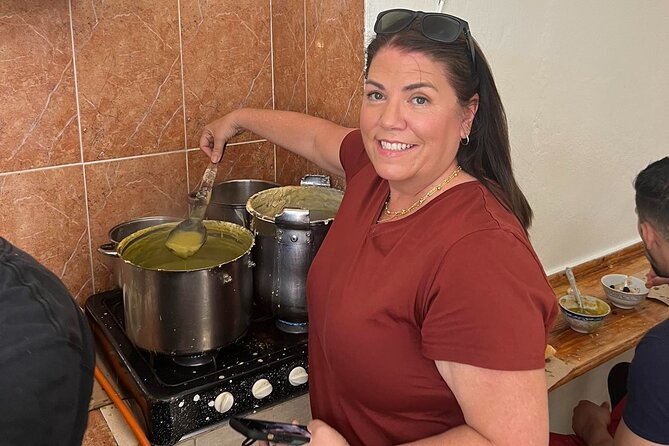
Morocco is famous for mint tea, and this tour includes it as part of the tasting rhythm. You’ll get that moment where you stop, breathe, and let the guide catch you up on what you’re seeing.
Why that matters: without a tea break, food tours can turn into a rushed sprint. With mint tea in the middle of the day’s movement, you get a reset. It’s also one of the easiest things to use for conversation, since you can ask questions and learn as you sip.
In practical terms, tea breaks help you pace your appetite. You’re tasting multiple items across 6 to 7 stops, and mint tea gives you a natural buffer between heavier bites and lighter snacks.
Price and Value: Is $95.38 a Fair Deal?
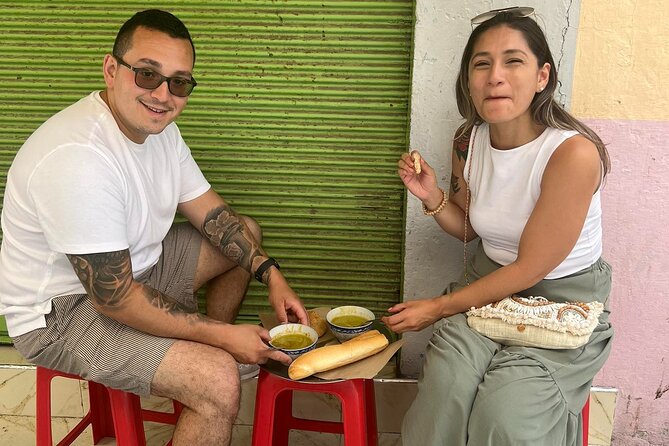
The price is $95.38 per person for a 3-hour experience that includes lunch, multiple food stops, and guided walking through both the medina and souks. That’s not cheap, but it’s also not just paying for food—you’re paying for navigation, context, and someone to help you make sense of a market environment fast.
Here’s the value logic I use. You’re getting:
- a guided route you likely can’t replicate on your own without spending time figuring it out
- several tastings plus lunch (so the meal portion isn’t something you have to pay for separately)
- a local explanation component that makes photos and shopping more meaningful
On top of that, the max group size is 20 travelers, which tends to keep things moving at a human pace. If the group runs small, the experience can feel more personal, which is a big part of why the rating is so high.
If you love food and you also like history-by-way-of-daily-life, this is one of those tours that often pays you back in confidence. You’ll leave knowing where to go next and what to look for.
Guides, Personalization, and the Human Touch
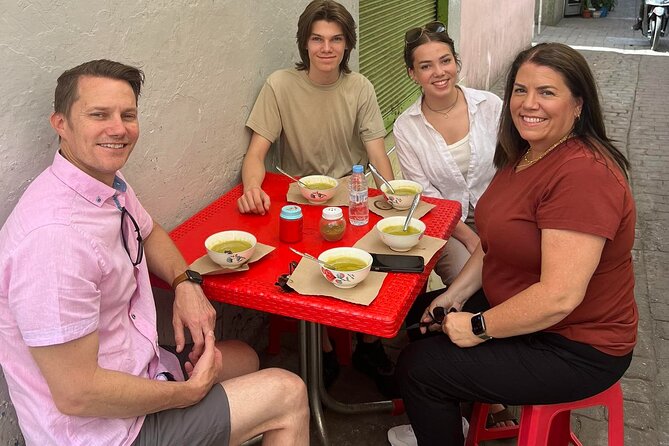
The experience is conducted by Moha (Mohammed) or one of his tour guides associates, and you’ll see names like Anas and Abdel showing up in guidance stories. That variety matters because it usually means the core style is consistent: friendly, informative, and focused on making the walking route feel doable.
Also, the tour can be customized based on your interests. That’s valuable because not everyone wants the same emphasis. If you’re more into street food, you can ask for more snack-focused stops. If you want more market culture and less sampling, you can steer the conversation that way.
Personalization is also how you turn a good tour into a great one. Ask your guide early what the tour will prioritize, then confirm what you want most. With a food tour, small changes in direction can change what you eat.
What I’d Call Out as a Possible Downside
The main consideration is the format: it’s walking, and it’s happening through tight market areas plus medina lanes. Even if it’s manageable for most people (service animals are allowed, and most travelers can participate), you’ll still want to think about comfort.
The second small trade-off: other extras aren’t included. The essentials—food stops and lunch—are covered, but you shouldn’t assume anything beyond that is free. If you like to shop while you eat (souks are hard to resist), build in a little time and a clear expectation that you’re paying for purchases separately.
Finally, because there’s no hotel pickup, you’ll want to arrive at the meeting point on Bd Pasteur and be ready to start at 11:00 am.
Who Should Book This Tangier Food Tour
This tour fits best if you want:
- a food-focused walking tour through the medina and souks
- a short city plan that still includes lunch
- a guide to help you navigate and understand what you’re seeing
I’d also recommend it if you’re visiting Tangier as a day trip and you don’t want to spend your limited time figuring out where to eat. The structure is built for people who want maximum payoff from a few hours.
If you dislike walking or you want a tour with lots of long museum-style stops, this may not match your pace. It’s designed for movement and sampling, not slow sightseeing.
Practical Tips Before You Go (So You Get the Most)
A few practical moves make a big difference on a 3-hour walking food tour.
Wear comfortable shoes. You’ll be walking through the medina and the souks, and you don’t want sore feet cutting your appetite.
Arrive ready to ask questions. The guide’s job isn’t only to lead you; it’s to explain the why behind what you’re tasting. If you’re curious about ingredients, cooking habits, or what locals consider normal food, that’s when you get the most value.
Come hungry, but don’t overstuff before the start. With 6 to 7 stops and lunch included, you’ll likely eat more than you expect. A full morning meal right before the 11:00 start can steal some joy from the tastings.
If you’re shopping afterward, remember you’ll likely learn what to look for during the souk walk. That can help you buy smarter and avoid wandering aimlessly.
Should You Book This Tangier Food Tour?
Book it if you want a guided, food-first way to understand Tangier quickly—especially if the medina and souks feel intimidating on your own. The combination of multiple tastings, lunch, and a guide who connects food to local life is the winning formula here.
Skip it if you need a low-walking experience or you’re mainly looking for a history tour with minimal eating. This tour is about eating as you go, not treating food as a side dish to sightseeing.
If your priority is value for a short window in the city, this is one of the most straightforward ways to spend a half day: you meet at Bd Pasteur, walk through the places that matter, taste what Tangier does best, and head back with a fuller understanding than you started with.
FAQ
What does the Tangier food tour include?
It includes a typical lunch in a local restaurant, 6 to 7 food stops, a walking visit in the medina and the new city, and a visit to the colorful souks.
How long is the tour and what time does it start?
The tour is about 3 hours and starts at 11:00 am.
Where do we meet, and does the tour return to the same place?
You meet at Place FaroQ5JQ+97P, Bd Pasteur, Tanger, Morocco. The tour ends back at the meeting point.
Is the tour private, and how large is the group?
The experience is described as a private food tour, with a maximum of 20 travelers.
Can the itinerary be customized?
Yes. The tour can be customized according to your interests.
Is there hotel pickup or drop-off?
No. Hotel pickup and drop-off are not included. The meeting point is near public transportation, and service animals are allowed.