Blue streets and desert nights in one run. This private 15-day Morocco highlights route strings together imperial cities, UNESCO sights, and real walking time in the Atlas Mountains, with planning that feels built around people, not just checklists. What I like most is the mix of places (from Rabat to Merzouga) and the fact that you’re moving with private transportation, so your days don’t get hijacked by a bus full of strangers.
You also get the best kind of variety: Sahara dunes at Merzouga, then gorge country and kasbah scenery, then down to the Atlantic for a slower Essaouira break. And yes, the Atlas side of the trip is the part that makes it feel different, with guides such as Hamza and Ayoub showing how Berber villages and hikes can be the heart of the trip.
One thing to consider: this is a lot of driving across a huge country. If you’re sensitive to long road days, you’ll want to pack for comfort and keep expectations flexible, especially around the mountain-to-desert transitions.
In This Review
- Key highlights to look for
- A private Best-of-Morocco route that actually feels practical
- Casablanca to Chefchaouen: the trip’s “wow” start in two moods
- Fez, Volubilis, and Meknes: imperial cities plus one Roman reality check
- Middle Atlas to Merzouga: when the air changes and the world gets wide
- Todgha Gorges, Roses Valley, and Ouarzazate: rock formations and movie-country stops
- Ait Ben Haddou UNESCO kasbah and the road to the Atlantic
- Essaouira’s free day: why slowing down is part of the deal
- Marrakech sightseeing and another day to let the city work on you
- Where Atlas hiking fits in, and how to be ready
- Price and logistics: what $2,087.52 buys you
- Who this 15-day private tour suits best (and who should think twice)
- Should you book Atlas Trekking Morocco?
- FAQ
- How long is the Atlas Trekking Morocco Best of Morocco Highlights tour?
- Where does the tour start and end?
- Is this tour private?
- What’s included?
- Are alcoholic beverages included?
- What is the cancellation policy?
Key highlights to look for
- Private transportation for just your group: less waiting, more control of your pacing
- Chefchaouen’s blue town plus Rif Mountain views: one of Morocco’s most photographed settings, without feeling rushed
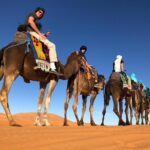
- Merzouga Sand Sea in the Sahara: dramatic dune scenery and the kind of night that sticks with you
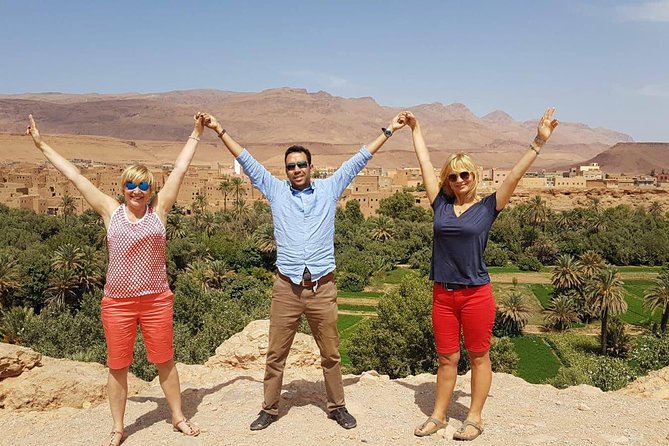
- Todgha Gorges and Roses Valley: big rock formations and calmer, greener stops between desert and cities
- Ait Ben Haddou UNESCO kasbah: cinematic architecture you’ll want time to actually look at
- Essaouira + Marrakech: ocean reset, then a final hit of Marrakech medina energy
A private Best-of-Morocco route that actually feels practical
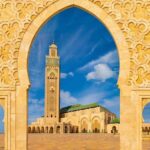
Atlas Trekking Morocco’s “Best of Morocco Highlights” is the sort of trip that makes sense if you want to see a lot of the country without turning every day into logistics homework. Your base structure is pretty clear: start in Casablanca, work through the north and interior, reach the Sahara near Merzouga, then swing back toward the coast and finish in Marrakech.
This matters for value. At about $2,087.52 per person, you’re paying for a lot of long-distance ground movement, transfers, and someone else handling the day-to-day driving plan. You’re not just buying attractions; you’re buying a system that helps you keep momentum while still having time to look up at what you came for—gorges, kasbahs, medinas, and mountain scenery.
Also, the private setup shows up in how people describe their experience with guides. Some guests have worked with guides like Khalid for planning, while others have credited guides such as Hamza, Rashid, and Ayoub for thoughtful guidance during Atlas hiking days. That doesn’t guarantee your guide will be the same person, but it does suggest the company puts real energy into the human side of the trip.
You can also read our reviews of more hiking tours in Casablanca

Casablanca to Chefchaouen: the trip’s “wow” start in two moods
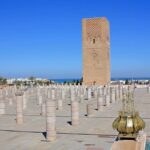
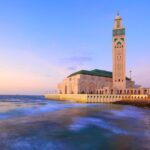
You kick things off in Casablanca, then head to Rabat before arriving in Chefchaouen. Even if you’ve seen photos of Morocco before, Chefchaouen still has a way of changing your eyes. The town’s blue-painted buildings sit under steep mountain slopes, and the colors make the streets feel smaller and more intimate.
What I like about starting here is the rhythm. Casablanca and Rabat are coastal and administrative, with city structure. Chefchaouen feels like a reset—compact streets, mountain air, and that special look that comes from being in the Rif Mountains region.
Practical note: Chefchaouen days can involve walking on uneven paving and climbing between viewpoints. If you’re doing this after a travel day, take it slow for the first hours. Save your biggest energy for the morning and late afternoon when the light hits the slopes and the blue tones look best.
Fez, Volubilis, and Meknes: imperial cities plus one Roman reality check
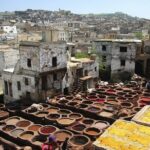
From Chefchaouen, the route continues into Fez, one of Morocco’s big medina names. Fez is the kind of city where you feel history everywhere you turn, but you don’t want to treat it like a museum. You want time for the streets to do their thing—small shops, local crafts, and that daily-life feeling you can miss if your schedule is too tight.
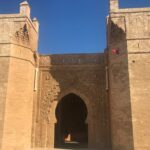
The trip then adds Volubilis and Meknes, which is a smart balance. Volubilis is a change of pace: Roman ruins among Moroccan hills. You don’t need a long lecture to enjoy it. You just need a bit of time to walk the paths, look at the mosaic-like remnants, and notice how the terrain shapes what you can see.
Why this works on a multi-city trip: it breaks up the medieval concentration. You keep moving through “big name Morocco” without the fatigue that comes from seeing the same style of attraction day after day.
Middle Atlas to Merzouga: when the air changes and the world gets wide
After Meknes, you move through the Middle Atlas toward places like Midelt, then head for the Ziz Gorges before reaching Merzouga and the Sahara’s sand sea.
This is one of the most satisfying transitions on the whole tour because it’s not just geography—it’s atmosphere. In the mountains and gorge country, you tend to notice vegetation and rock textures. Then you hit Merzouga, and suddenly the sky feels bigger. That shift is why people remember this segment so strongly.
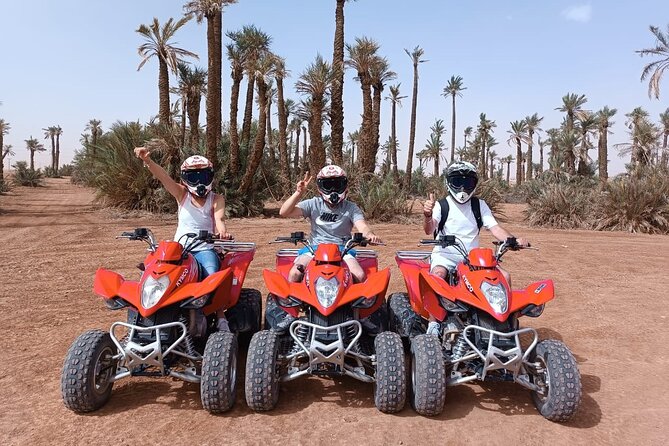
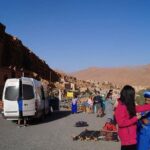
The Merzouga portion is also the part of the trip where the “trek and desert night” vibe comes through. In separate experiences connected to Atlas Trekking Morocco, people have described time spent in Berber villages on Atlas routes and a night in the Sahara area. Even if your exact walking details vary by date, you can plan on a desert experience that’s more than a photo stop.
Tip for your comfort: bring layers. Sahara desert weather can be dramatically different between late day and night, and your guide may plan timing based on what the light and conditions are doing.
Todgha Gorges, Roses Valley, and Ouarzazate: rock formations and movie-country stops
Next you shift from Merzouga toward Todgha gorges, then on through Roses Valley, and eventually land in Ouarzazate.
Todgha Gorges have a very specific visual impact: those tall rock walls make you feel small in a good way. You’re not just watching scenery—you’re seeing scale. And then Roses Valley adds a softer contrast. Even if you’re not thinking about roses every minute, the name signals a different feel than the Sahara. It’s a reminder that Morocco isn’t one environment; it’s a patchwork.
Then there’s Ouarzazate, and the tour includes Atlas Film studios of cinema. This is a fun break from pure sightseeing. If you’ve ever wondered how the big screen creates a sense of place, you’ll appreciate seeing Morocco used as a production backdrop and learning how sets and locations connect.
This segment also helps you pace the trip. After desert-dune drama, you get gorges and valleys that are visually intense, but not as mentally demanding as hopping from medina to medina.
Ait Ben Haddou UNESCO kasbah and the road to the Atlantic
From Ouarzazate, you go toward Ait Ben Haddou, a UNESCO World Heritage kasbah site, then continue through Tazenakht and on to Taroudante.
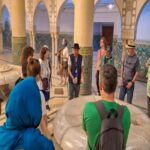
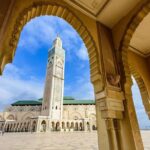
Ait Ben Haddou is one of those places where you’ll understand why film crews love it. The architecture looks designed for stories: tight lanes, fortress-style walls, and that layered view you get from different angles. This is also a good place to slow down. If you speed through, you’ll miss the small details that make it feel real rather than like a set.
After Taroudante, the route continues to Agadir, then Essaouira. That part of the trip is a big sensory change. Inland you’ve had strong stone textures and desert-to-gorge colors. Essaouira brings salt air, wind, and a port-town pace that feels like exhale time.
Essaouira’s free day: why slowing down is part of the deal
You arrive in Essaouira and then get a free day to explore. This is not downtime thrown in to fill a schedule. It’s a chance to stop doing “checkpoints” and start doing wandering.
Essaouira works well because the town is built for walking, and the ocean influence changes how the streets feel. You can spend time near the harbor, move through the medina, and just get your bearings without needing your day broken into monuments every hour.
What I like about including a free day here: it balances the more structured days earlier. You’ll also be more mentally ready for Marrakech after this kind of reset.
Marrakech sightseeing and another day to let the city work on you
You finish the coast segment by going from Essaouira to Marrakech, with Marrakech sightseeing and then a free day in Marrakech.
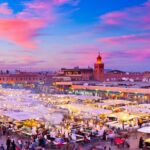
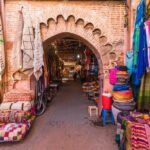
Marrakech is big. It’s noise, color, bargaining, and the feeling of being inside a living market system. That makes having an extra free day useful. You can choose a direction based on what you enjoy most—medina lanes, gardens, viewpoints—without feeling like you’re rushing to match a strict hour-by-hour plan.
If you want the trip to feel memorable instead of exhausting, use the free day strategically. Spend one morning on the must-sees, then use the second half day to follow your curiosity. When you give a city time, it stops feeling like a list and starts feeling like a place.
Where Atlas hiking fits in, and how to be ready
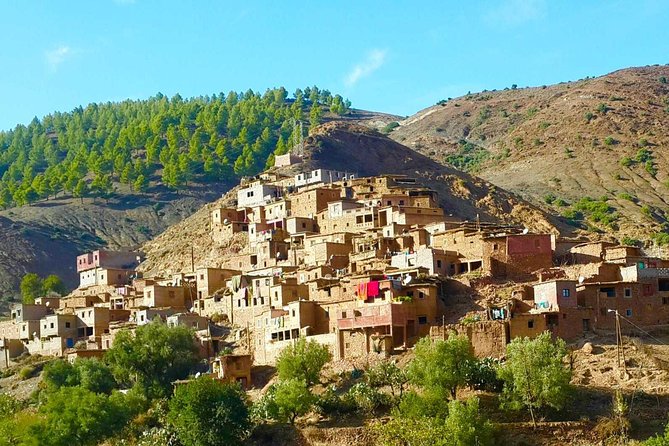
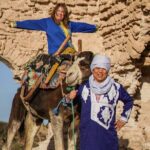
The tour’s highlight includes the Atlas Mountains and meeting Berber people in more remote villages. Even though not every traveler will experience the exact same hike style, Atlas trekking is clearly part of the value package—people have described everything from multi-day Atlas treks to shorter guided climbs with views and waterfall hikes.
In Atlas-related experiences tied to this company, guides like Rashid have led a hike up the Atlas Mountains toward a waterfall with around three hours of ascent and strong views along the way. Others have credited Hamza with multi-day Atlas camping and guest-house trekking through Berber areas. There are also mentions of longer treks like a 2 Peaks itinerary in the Atlas Mountains, plus smaller hikes guided by people like Ayoub with an emphasis on local interaction.
So how do you prepare, practically? Since the trip calls for moderate physical fitness, pack smart:
- Comfortable shoes with grip matter because you’ll be on uneven ground.
- Bring a daypack for water and layers.
- Expect some walking that isn’t always on flat pavement.
The real win here isn’t just exercise. It’s the way hiking time changes how you see Morocco. You notice how villages are built around the mountains, you hear how locals describe their daily life, and you get the kind of perspective you can’t get from a van window.
Price and logistics: what $2,087.52 buys you
Let’s talk value without hand-waving. At $2,087.52 per person, you’re not paying for a single attraction—you’re paying for a 15-day circuit that covers:
- Multiple imperial-city stops
- UNESCO sites like Ait Ben Haddou
- Major scenery shifts from Middle Atlas to the Sahara area
- Gorge country and valley driving
- Essaouira on the Atlantic coast
- Marrakech city time
- Private transportation throughout
That’s the heart of the pricing logic: private ground transport across long distances is expensive, and doing this efficiently without a self-drive setup is part of what you’re buying.
What’s not included: alcoholic beverages. That’s pretty standard for tours like this, but it’s good to know so you don’t get surprised at dinner.
Mobile ticket is included, which helps keep things simple on arrival days.
Who this 15-day private tour suits best (and who should think twice)
This tour is a strong fit if you want a wide sweep of Morocco—cities, UNESCO, desert dunes, gorges, and a coast reset—and you prefer having a private team handling the driving. It’s also a good match if you enjoy guided hiking time and you like learning through the lens of local people and the landscapes around their homes.
It may not be the best choice if you:
- Hate long driving days
- Prefer ultra-slow travel where each region gets multiple nights before moving
- Want a trip with minimal walking
That said, the physical requirement is described as moderate, and the hiking experiences connected to Atlas Trekking tend to be guided with plans that include both views and time for culture. So this is not a boot-camp itinerary. It’s more like a “walk some, see a lot, and let the scenery do the talking” kind of trip.
Should you book Atlas Trekking Morocco?
If your goal is maximum Morocco variety in about two weeks—with private transportation and time for Atlas Mountains hiking—this is the kind of trip I’d seriously consider. The itinerary flow makes sense: start north, push into the interior, hit Merzouga for the dunes, swing through gorges and kasbah country, then cool down on the coast, ending in Marrakech where you can give the city room to land.
Before you book, check two things with yourself: whether you’re okay with long road days, and whether moderate walking fits your comfort level. If yes, you’ll likely come away with Morocco that feels both big and personal—blue streets, Roman ruins, Sahara night, kasbah walls, ocean wind, and the Atlas mountains pulling it all together.
FAQ
How long is the Atlas Trekking Morocco Best of Morocco Highlights tour?
It’s approximately 15 days.
Where does the tour start and end?
It starts in Casablanca, Morocco, and ends back at the meeting point (in Casablanca).
Is this tour private?
Yes. It’s described as a private tour/activity, with only your group participating.
What’s included?
Private transportation is included.
Are alcoholic beverages included?
No, alcoholic beverages are not included.
What is the cancellation policy?
You can cancel for a full refund up to 24 hours in advance of the experience’s start time. If you cancel less than 24 hours before, the amount paid is not refunded.