REVIEW · RABAT
Small Group Cooking Classes with Tour of Rabat old medina
Book on Viator →Operated by HAMID · Bookable on Viator
A class that starts with shopping is a smart move. This small-group Rabat experience pairs a market tour with hands-on Moroccan cooking, then finishes with an Old Medina walk that helps it all make sense. I like that it’s led by Hamid and that you’re not stuck behind a table learning by osmosis.
Two things I really value: you learn practical ways to pick ingredients and handle the social side of bartering, and you get to cook real Moroccan dishes like couscous and tagines instead of just tasting them. Hamid also teaches with a warm, human pace, which makes the whole session feel lighter than most food tours.
One drawback to consider: it’s only about 4 hours, so you’ll move through a lot of stops quickly. If you want a slow, sit-and-watch museum-style tour of the medina, this cooking-first format may feel a bit fast.
In This Review
- Key highlights you’ll feel right away
- The smart pairing: Rabat old medina + cooking, not just cooking
- Getting oriented: meeting at Rabat Ville and keeping it simple
- Market time in Rabat: choosing produce and bartering with confidence
- Hands-on cooking with Hamid: tea, couscous, and Moroccan technique
- Lunch and tasting: where the experience pays off
- The Old Medina walk after cooking: Rabat in context
- Price and value: is $54 fair for 4 hours?
- What I’d pack and plan for (so the class feels easy)
- Who should book this Rabat cooking class?
- Should you book this Rabat cooking class?
- FAQ
- How long is the cooking class and medina tour?
- Where do we meet, and where does it end?
- Is lunch included?
- Do I need to arrange transportation?
- How many people are in the group?
- Is alcohol included?
- Does the experience include visiting the market?
- What is the cancellation policy?
Key highlights you’ll feel right away
- Market shopping with a purpose: you learn what to buy and how to talk to vendors
- Small group size (up to 8): more hands-on time and easier questions
- Hamid’s teaching style: clear steps, plus touches like Moroccan tea
- Lunch and drinks included: you eat what you cook, plus coffee/tea, water, and soda
- Old Medina tour after cooking: you connect the food to the place
- Hands-on Moroccan classics: you’ll work with spices and techniques used in dishes like couscous and pastilla
The smart pairing: Rabat old medina + cooking, not just cooking
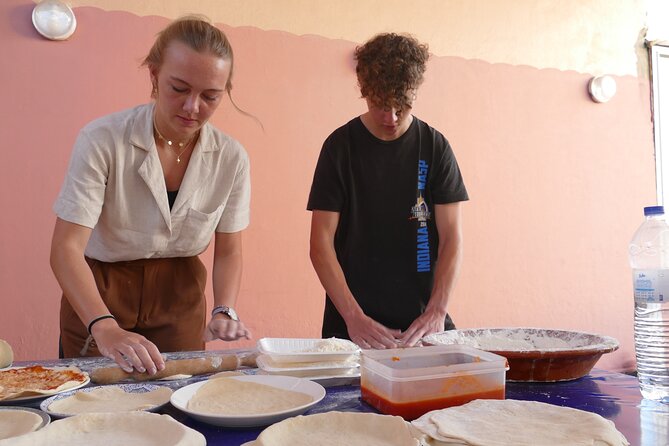
In Rabat, food isn’t an add-on. It’s part of daily life—market stalls, neighborhood rhythms, and family kitchens. What makes this experience work so well is the order. You start by buying ingredients, then you cook, then you walk the Old Medina with that food context in your head.
That flow changes how you look at the place. When you later see the medina streets, you’re thinking about where the spices, herbs, and produce would’ve come from. It’s the difference between seeing a location and understanding how locals actually live there.
And because the group is capped at 8 travelers, you’re more likely to get real participation instead of waiting your turn like a passenger on a crowded bus. The class is built for doing, not watching.
You can also read our reviews of more cooking classes in Rabat
Getting oriented: meeting at Rabat Ville and keeping it simple
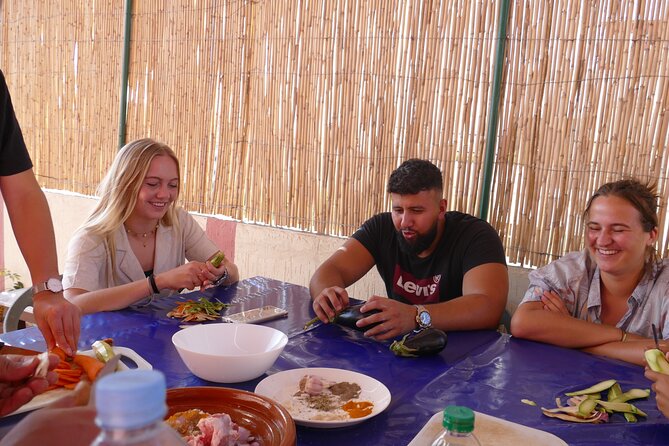
The meeting point is Rabat Ville, Ave Mohammed V in Rabat, and the activity ends back at the same spot. That matters more than it sounds. You’re not trying to figure out your way across town after a meal and a few hours of walking.
Pickup is offered, and it also runs near public transportation, so you’re not forced into private-taxi logistics. You’ll also use a mobile ticket, which is one less thing to manage while you’re juggling market cash and busy streets.
The session runs at scheduled times (during the general daily window), and it’s roughly 4 hours. In practice, that timing is ideal for a first visit to Rabat: long enough to learn and eat, short enough not to eat up your whole day.
Market time in Rabat: choosing produce and bartering with confidence
The market segment is where the experience earns its keep. Instead of just naming ingredients, you learn how to select them. That’s a real skill, because Moroccan cooking depends heavily on freshness—herbs, vegetables, spices, and the way everything smells together.
You’ll also get a crash course in the social rhythm of shopping. You’re not just buying; you’re learning how to barter and how to talk to vendors in a way that feels natural. Even if you’re not trying to win a discount at all costs, you’ll walk away understanding what’s reasonable and how the conversation usually goes.
What to watch for during market time:
- Bring small cash so you can handle prices without awkward moments.
- Pay attention to what smells strong and fresh. Spices and herbs should feel fragrant, not dull.
- Ask about ingredients you recognize from Moroccan menus. A quick question often leads to useful tips.
Also, don’t underestimate how much the market helps your cooking. When you’ve chosen the ingredients yourself, you’re more invested in the steps later—and the tasting afterward feels like a reward, not a lecture.
Hands-on cooking with Hamid: tea, couscous, and Moroccan technique
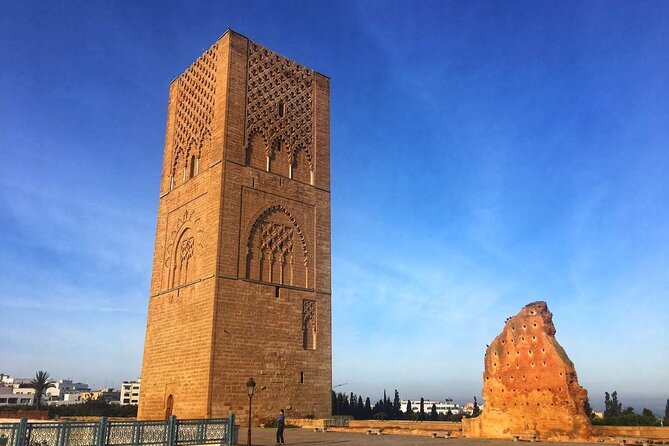
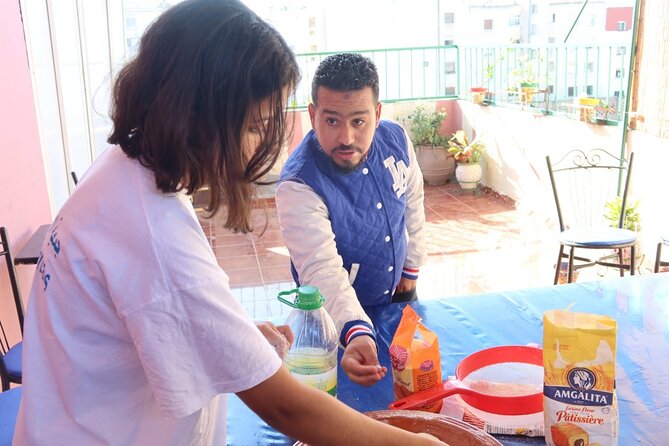
The cooking portion is led by Hamid, and that’s a big deal for how much you get out of the class. The teaching style shows up in how the session flows: you’re guided through each step, with enough direction to feel confident and enough freedom to actually do the work.
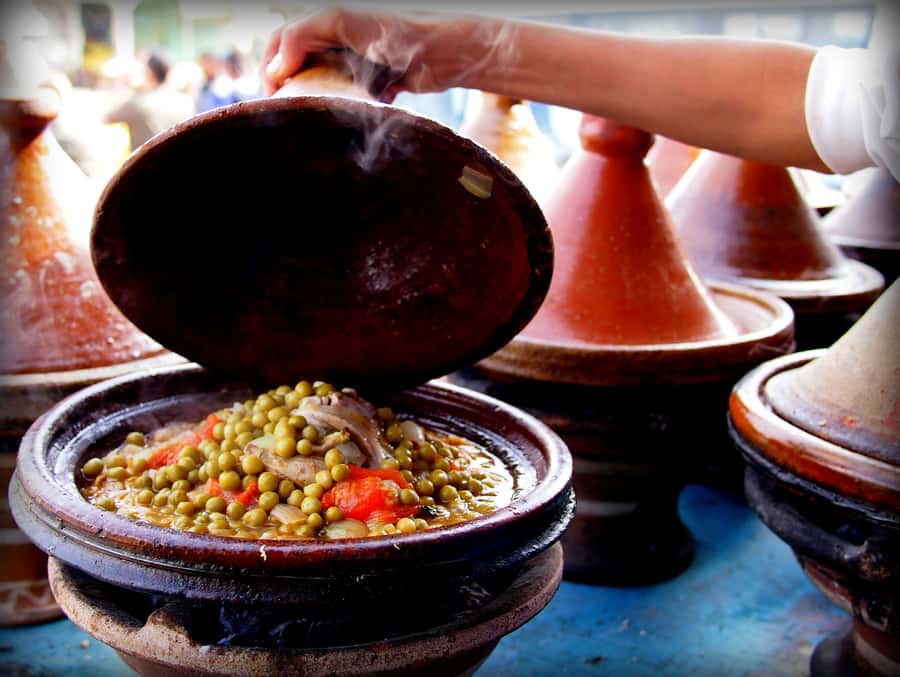
From what I’ve seen in the experience’s teaching highlights, you may learn how to make Moroccan tea and cook a vegetarian version of couscous. That’s a smart choice for a mixed group, because couscous is central to Moroccan cuisine and vegetarian options are often more flexible for different diets.
You’ll also work with classic Moroccan dishes and methods. The cooking overview specifically points to staples like tagines, couscous, and pastillas. Even if your exact menu varies by day, the core skills tend to stay the same:
- How to handle spices so they bloom instead of tasting flat
- How vegetables and herbs come together during prep
- How to follow timing and process so things don’t fall apart at the end
Expect plenty of sensory learning. You’ll likely spend time chopping vegetables and adding herbs and spices, then transitioning into cooking steps. That’s where you pick up the logic behind Moroccan flavors: layering, not just dumping seasoning at the end.
One more practical note: because this is a small group and the focus is on doing, the class can feel lively. There’s laughter in the process, not just concentration. That matters because cooking can be intimidating if you’re worried about doing it wrong.
Lunch and tasting: where the experience pays off
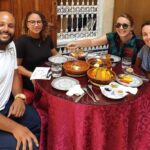
The experience includes lunch, plus coffee and/or tea, bottled water, and soda/pop. That’s not just “included for convenience.” It’s part of the teaching style. You cook, you taste, and then you connect flavor to technique while it’s still fresh in your head.
Tasting right after cooking helps you notice details you might miss if you only ate later. You can ask questions while the food is in front of you: Why this texture? Why this spice balance? What makes it taste Moroccan and not just generic home cooking?
If you’re watching your budget, this is also a value booster. Paying for lunch separately in Rabat can add up, and here it’s already built in.
Alcohol isn’t included. It’s also only available to guests over 18. So plan on a non-alcoholic lunch unless you’re in that eligible age bracket and the provider offers alcohol during the session.
A few more Rabat tours and experiences worth a look
The Old Medina walk after cooking: Rabat in context
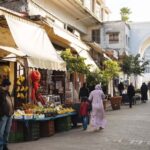
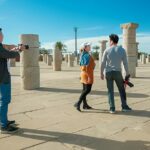
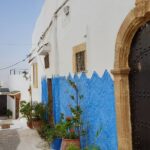
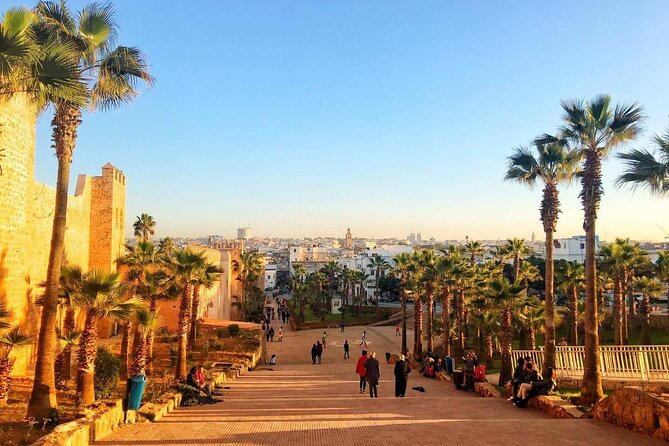
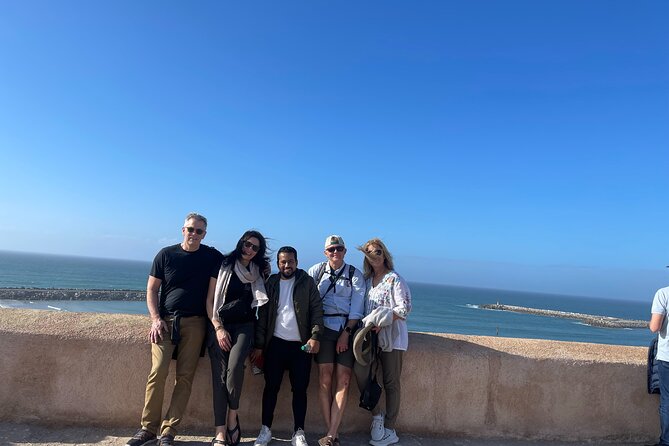
After you cook and eat, you get a tour of Rabat’s Old Medina. This is a great “aha” moment. You’ve spent hours learning about ingredients and techniques, and now you walk through the city where that food culture lives.
The Old Medina segment isn’t just photo time. It helps you get your bearings and understand the setting. You’ll see the texture of Rabat—street life, historic layers, and the everyday environment that makes Moroccan cooking feel practical rather than performative.
This timing is also smart. After cooking, you’re more likely to notice small details you might otherwise skip: herb sellers, spice smells, food stops, and the general layout that supports market life. In other words, the walk turns into a food-cultural map.
Price and value: is $54 fair for 4 hours?
At $54 per person, the value mostly comes from what’s bundled. You’re paying for:
- Market time (ingredient buying and vendor interaction)
- A small-group cooking class (up to 8)
- Lunch plus coffee/tea, bottled water, and soda/pop
- A Rabat Old Medina tour component
- A recipe booklet is described as common in these types of classes, but what’s explicitly included here is the food and drinks—not a guaranteed takeaway
For many people, the market + cooking + lunch combo is exactly what feels worth it. You’re not only learning recipes; you’re learning how to shop and how to talk to vendors. That’s useful far beyond the dish you cook today.
That said, there’s at least one reasonable consideration: some people may feel the price is a touch high compared with other sightseeing options. If you’re only interested in eating and taking a few photos, you might not get enough “new skills” value from the format. But if you want both hands-on cooking and a guided Rabat context, the price lines up better.
What I’d pack and plan for (so the class feels easy)
Even though you’re on a tour, this is still a market-and-kitchen day. I’d plan like this:
- Wear comfortable shoes. You’ll be moving and prepping.
- Bring a light layer if the weather is changeable.
- Keep a small budget for personal purchases in the market area (if you want extra spices or ingredients).
- Have water in mind. Bottled water is included, but markets can still feel hot and active.
Also, if you’re vegetarian, tell the guide ahead of time if your dietary needs matter. The class has an example of vegetarian couscous, and that suggests vegetarian-friendly options are on the table.
Who should book this Rabat cooking class?
This experience is a great fit if you:
- Want a more hands-on Rabat stop than a standard walking tour
- Care about learning ingredient logic, not just following a recipe
- Like small groups and interactive guides
- Are excited to learn Moroccan tea and couscous-style cooking
It may be less ideal if you:
- Hate bartering or don’t want any market interaction at all
- Prefer long, slow sightseeing over a busy 4-hour packed format
- Are only looking for a quick meal with minimal effort
Should you book this Rabat cooking class?
I think it’s worth booking if your day in Rabat needs more than sightseeing. The combination of market shopping, cooking with Hamid, and then an Old Medina walk is the kind of “skills plus place” pairing that makes travel stick. You’ll leave with practical knowledge you can use again—especially how to choose ingredients and how to handle the vendor conversation.
If you’re on the fence because of the price, ask yourself one question: Do you want to learn the process and the culture, or just get a meal? If you want the process and the culture, this class delivers for $54. If you only want one of those pieces, you may find a cheaper food-focused option fits better.
FAQ
How long is the cooking class and medina tour?
It lasts about 4 hours (approx.).
Where do we meet, and where does it end?
The start point is Rabat Ville, Ave Mohammed V, Rabat, Morocco. The activity ends back at the meeting point.
Is lunch included?
Yes. Lunch is included, along with coffee and/or tea, bottled water, and soda/pop.
Do I need to arrange transportation?
Private transportation is not included, but pickup is offered, and the tour is near public transportation.
How many people are in the group?
The group is limited to a maximum of 8 travelers.
Is alcohol included?
No. Alcoholic beverages are not included, and if alcohol is available, it’s only for guests over 18.
Does the experience include visiting the market?
Yes. You’ll visit the local market to purchase fresh ingredients, and you’ll learn how to select produce and barter with vendors.
What is the cancellation policy?
Free cancellation is available. You can cancel up to 24 hours in advance of the experience start time for a full refund.