REVIEW · RABAT
Rabat: Authentic Moroccan Cooking Class with Expert Chefs
Book on GetYourGuide →Operated by OhDelices Culinary Academy · Bookable on GetYourGuide
Spices have a way of sticking with you. This hands-on Rabat class at OhDelices Culinary Academy is built around real cooking—tagines, pastilla, breads, and dessert—with expert guidance and a sit-down meal afterward.
I like two things most: the small group limit (10 people) keeps the teaching personal, and the chefs show you how Moroccan flavors work, not just what to copy.
One thing to consider: if you’re doing this early in your trip, the spices can cling to your clothes for a while. It’s a minor downside, but pack accordingly (and bring something you don’t mind smelling a bit Moroccan).
In This Review
- Key Reasons This Rabat Class Is Worth Your Time
- Morocco Cooking in Rabat, Not Just a Pass-Through Meal
- OhDelices Culinary Academy: Easy to Find, Easy to Settle In
- Spice Skills: The Real Lesson Behind Moroccan Flavor
- Starter to Main: Tagines, Couscous, and Building Flavor Step by Step
- Pastilla and Bread-Making: Where Technique Shows Up Fast
- Sweet Finish: Moroccan Desserts and the Real Reason You’ll Want the Recipes
- Eating What You Cook: Mint Tea, Stories, and a Full Meal
- Price and Value: Why $65 Works Here (When You Compare the Real Cost)
- Languages in Practice: English, French, and Translator Support
- Group Size and Feel: Small, Focused, and Friendly
- Who This Cooking Class Fits Best
- FAQ
- FAQ
- How long is the Moroccan cooking class in Rabat?
- Where do I meet for the class?
- What languages are available during the class?
- What’s included in the price?
- What dishes will I learn to make?
- Do I need to bring anything?
- Is the class wheelchair accessible?
- Should You Book This Rabat Cooking Class?
Key Reasons This Rabat Class Is Worth Your Time
- Fermented butter and pickled lemon show up in dishes like lemon chicken tagine, giving you flavors you may not recreate easily on your own
- Starter, main, and dessert format means you leave with a complete meal you actually cooked
- Chefs like Loubna and Najat bring structure and calm, and translators help you keep up in English or French
- Recipes to take home help you recreate what you learned (instead of just remembering the taste)
- Mint tea and stories at the table turn the meal into part cooking lesson, part cultural exchange
Morocco Cooking in Rabat, Not Just a Pass-Through Meal
If you want Morocco through your hands (and your stomach), this is a strong choice. The class focuses on everyday Moroccan staples—tagines, couscous, msemen, and pastilla-style dishes—so you understand what locals actually cook, not only what looks good for photos.
It’s also a practical way to shortcut the learning curve. Moroccan cooking can seem “mysterious” because of spices, fermentation, and layering flavors. Here, you get the why behind the ingredients, plus a clear path to the final meal.
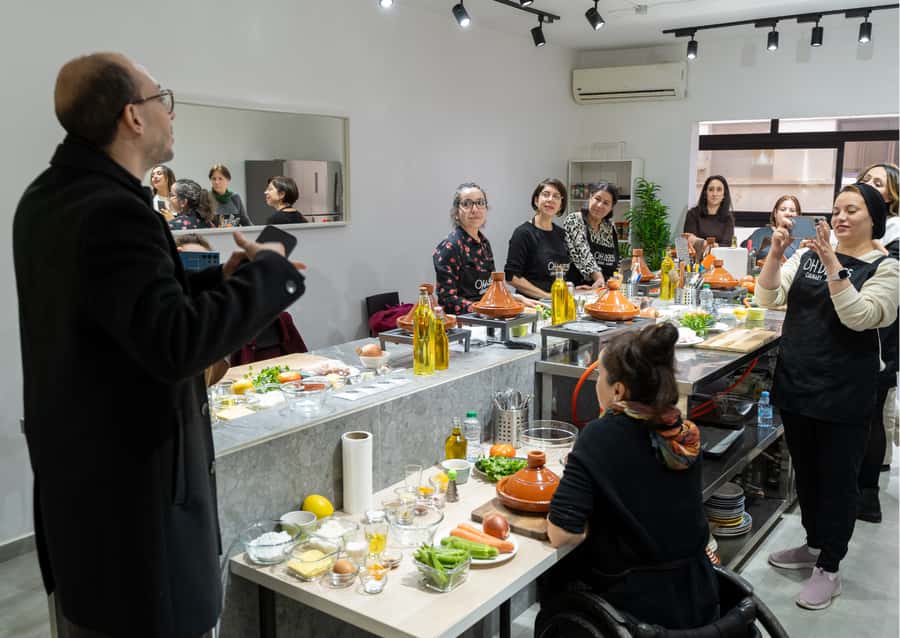
The whole thing runs about 3 hours, and you’ll spend most of that time cooking, tasting, and adjusting with guidance.
You can also read our reviews of more cooking classes in Rabat
OhDelices Culinary Academy: Easy to Find, Easy to Settle In
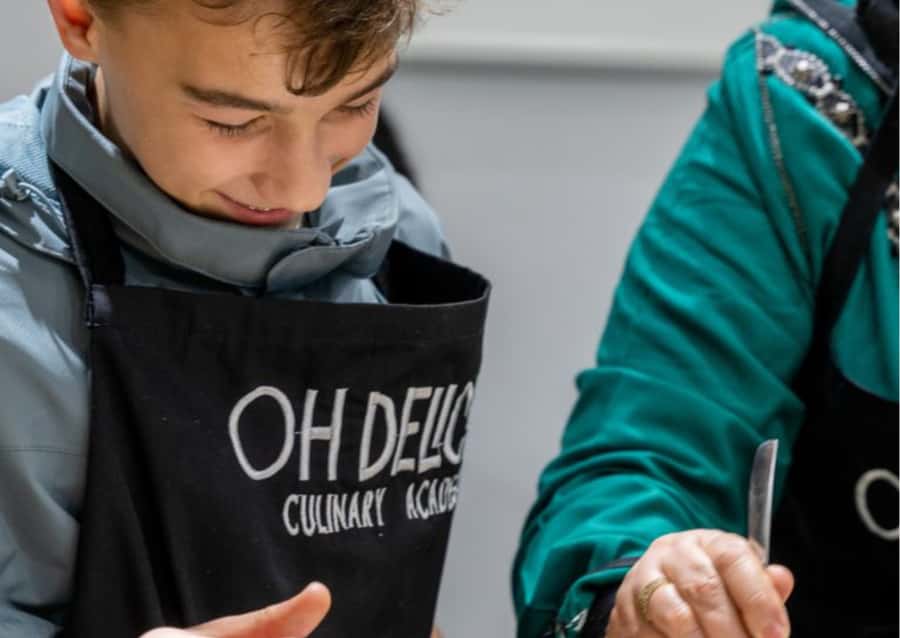
You meet at the studio next to the Goethe Center building in Rabat-Salé-Kénitra. That location matters because you can plan around it without a complicated scavenger hunt.
The atmosphere is set up for real cooking, with all ingredients and equipment included. So you’re not showing up with mystery spices in your bag. You’re showing up to learn.
Bring comfortable shoes and wear clothing you’re okay with getting spice-scented. Also note the rules: no bare feet, no smoking indoors, and no alcohol or drugs. (You’ll still enjoy tea with your meal—very much the point.)
Spice Skills: The Real Lesson Behind Moroccan Flavor
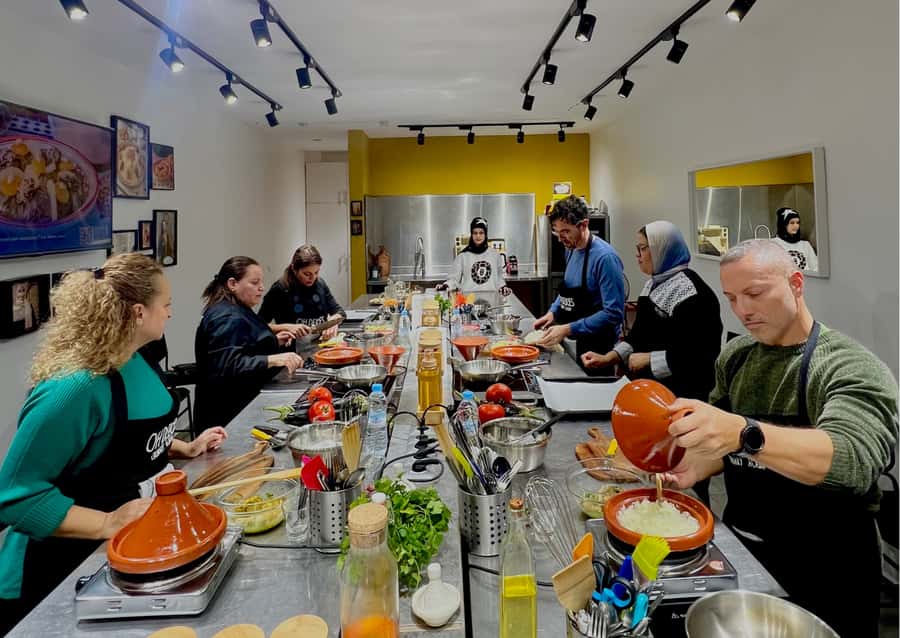
What I’d call the secret sauce here is how the class treats spices. You don’t just dump in a pinch and hope. You learn how spices contribute to flavor balance—sweet, savory, warm, and sometimes tangy—depending on the dish.
This is where fermented and pickled ingredients become more than a “wow.” Dishes like lemon chicken tagine use pickled lemon, and you may also encounter fermented butter. Those ingredients bring a sharp, rounded flavor that’s hard to approximate if you’ve never worked with them before.
The chefs also encourage questions. In past sessions, you can see how much the instructors enjoy explaining choices and techniques—so if you want to understand Moroccan cooking as a system, this fits.
Starter to Main: Tagines, Couscous, and Building Flavor Step by Step
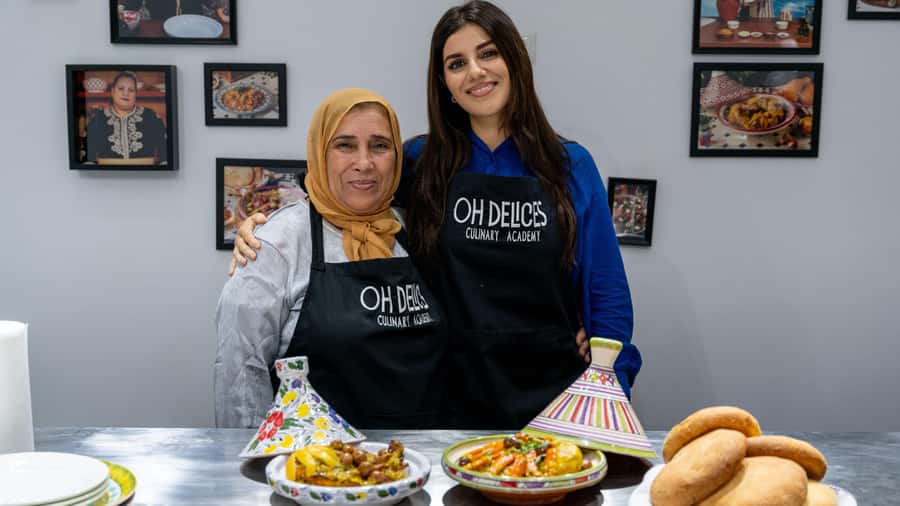
The class is structured in a straightforward way: you cook a starter, main, and dessert. That makes it easy to follow even if you’re a beginner.
For the main course, you’re likely to work on dishes such as:
- Tagine (often featuring a slow-cooked component with Moroccan spice blends)
- Couscous (as a core Moroccan staple)
- Lemon chicken tagine style preparations when the menu includes pickled lemon and fermented butter
A key practical detail: you usually get to choose what you cook. Some sessions may adjust based on the exact group and what the kitchen is set up for—but the experience is designed so you’re not just assigned one dish and left there.
So if tagine is your focus, plan for tagine to be part of the day’s rhythm. If pastilla or bread is your priority, you’ll want to mention it ahead of time so the chef can guide you toward the best fit for the group.
Pastilla and Bread-Making: Where Technique Shows Up Fast
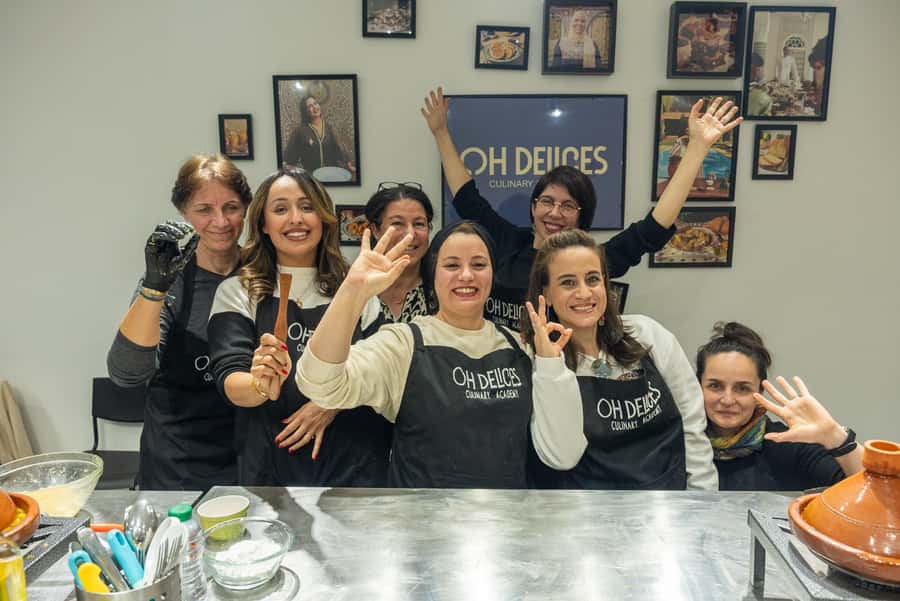
Moroccan breads and pastilla-style pastry aren’t only about flavor. They’re about texture and timing—rolling, shaping, and getting dough to behave.
The class includes hands-on learning for:
- Traditional breads
- Msemen (a layered Moroccan flatbread)
- Pastillas (the kind of dish that feels fancy, but is very learnable with the right steps)
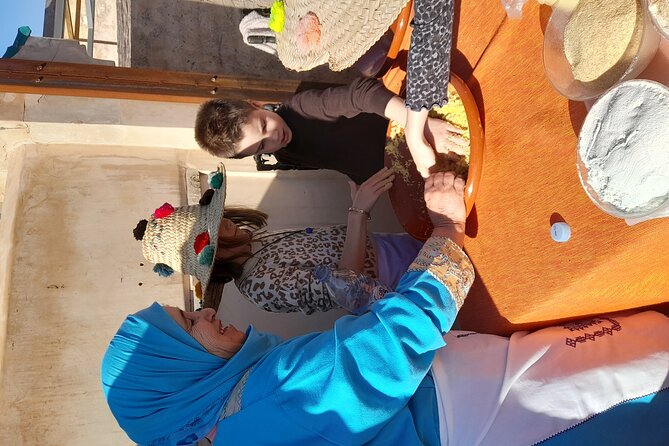
Why this matters: bread and pastilla teach you the “rules” of Moroccan cooking—how dough should feel, how heat changes texture, and how fillings and spices need balance. Even if you never make these dishes at home often, you’ll walk away with technique you can apply to other recipes.
Also, bread work is where having guidance really pays off. Rolling and cooking can be forgiving, but it’s still easy to miss a step if you’re trying to read instructions without a chef watching your hand movements.
A few more Rabat tours and experiences worth a look
Sweet Finish: Moroccan Desserts and the Real Reason You’ll Want the Recipes
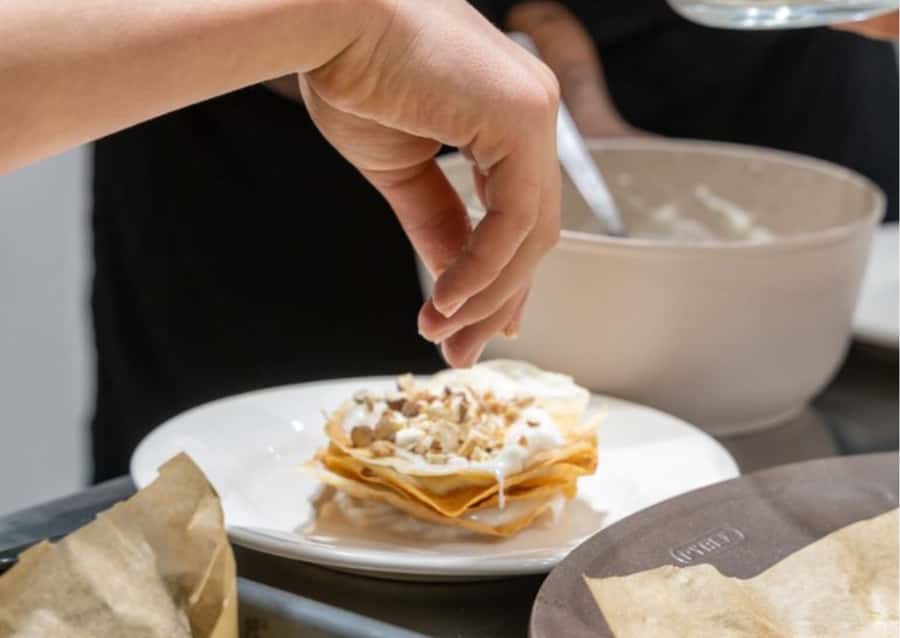
Moroccan dessert is not an afterthought here. You’ll make a sweet Moroccan dessert and then sit down to eat the meal you’ve prepared.
That matters because Moroccan sweets often depend on details—thin layers, syrup or honey components, nut and spice balance, and texture. When you make dessert yourself, it becomes clear why certain steps matter, even if you don’t fully recognize the ingredients at first.
The class also provides recipes to take home. I like this part because it turns the day from a one-time experience into a future cooking plan. Without recipes, you’re left guessing measurements and technique. With them, you can repeat what you learned, at least in a practical home version.
Eating What You Cook: Mint Tea, Stories, and a Full Meal
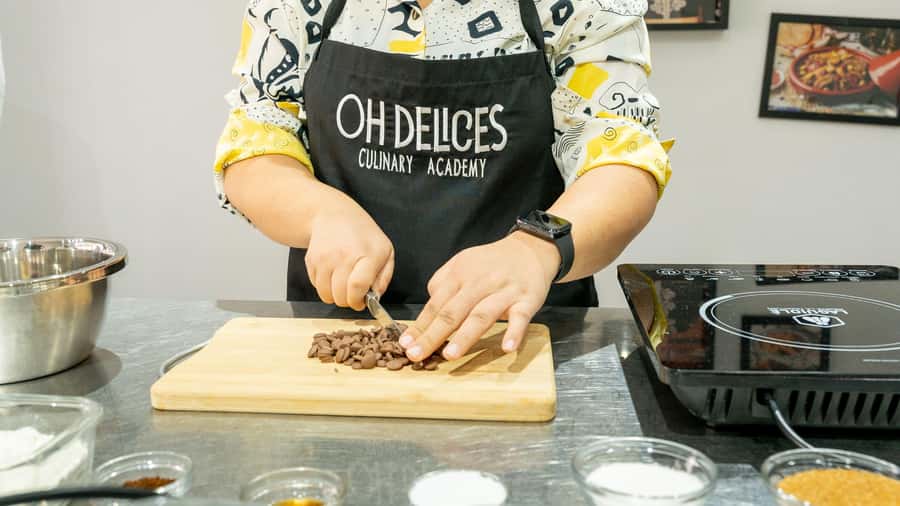
This class doesn’t end when the cooking ends. After you finish, you eat the full meal—starter, main, and dessert—with Moroccan mint tea.
The tea isn’t just a drink. It’s a reset and a moment to slow down. It also gives you a chance to ask the chefs more questions after you’ve tasted the results. That’s when technique clicks, because you can connect what you did in the kitchen to what you’re actually eating.
There’s also a social layer. Small-group cooking can feel like a shared workshop, and the meal becomes the natural wrap-up: you compare what you made, ask about variations, and learn a few stories along the way.
Price and Value: Why $65 Works Here (When You Compare the Real Cost)
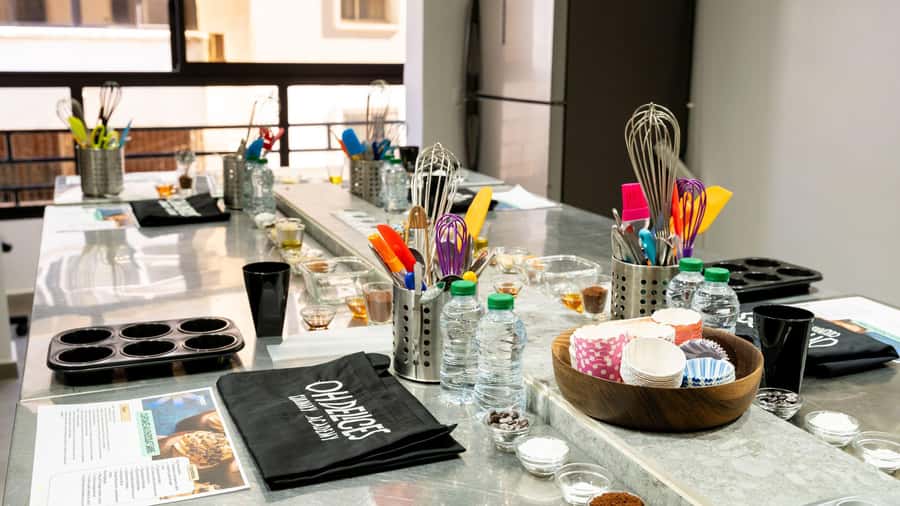
$65 for 3 hours might sound like a lot at first. But here’s what you get that changes the math.
This price includes:
- All ingredients and cooking equipment
- Professional guidance from experienced chef(s)
- A full meal you prepare
- Complimentary tea
- Recipes you take home
If you tried to recreate this day on your own, you’d pay for ingredients (some of them aren’t common at every grocery store), tools, and your own trial-and-error time. You’d also miss the hands-on correction from the chefs—especially in bread and pastry.
So for me, the value comes from the combination: instruction + ingredients + meal + take-home materials. It’s not just watching someone cook.
Languages in Practice: English, French, and Translator Support
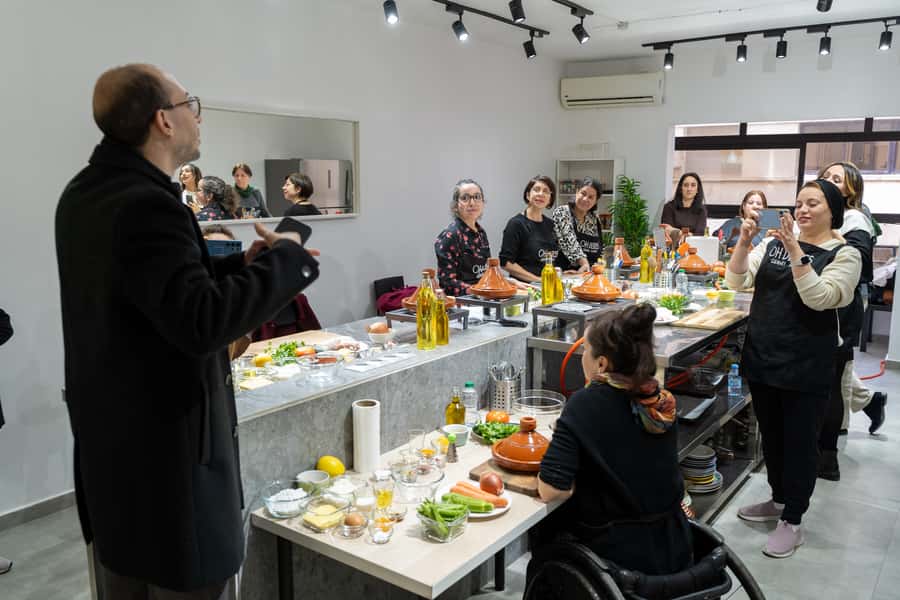
The class runs with instruction in Arabic, English, and French, and there’s translator support when needed. One review highlighted a translator (Malak) who helped make the experience run smoothly, and another session noted French instruction with an assistant translating into English.
In practical terms, this means you won’t be stuck if you don’t speak Moroccan Arabic. You’ll still get the key steps and timing cues, which is the part that matters most in a cooking class.
Tip: if you have dietary needs, tell the team in advance. The class is designed for all skill levels, but the kitchen needs time to adapt ingredients and plan.
Group Size and Feel: Small, Focused, and Friendly
The group is limited to 10 participants, which is exactly the size that makes sense for hands-on teaching. Bigger groups can turn into a watching exercise. Here, you’re more likely to stay engaged and get direct help when something needs adjusting.
Based on how sessions have run, the vibe is relaxed and organized. Chefs like Loubna and Najat are praised for clear guidance, and hosts like Fatimah/Fatima keep the flow smooth—so the day doesn’t feel chaotic.
Who This Cooking Class Fits Best
I’d point you toward this experience if:
- You want a real skill, not just a meal
- You like spice-focused cooking and want to understand it
- You’re traveling with someone and want a shared activity
- You want cultural connection through food—especially in Rabat
It may be less ideal if:
- You’re extremely short on time in the city
- You hate cooking (even guided cooking) as an activity
- You’re sensitive to spice odors and don’t have a way to wash or change clothes afterward
FAQ
FAQ
How long is the Moroccan cooking class in Rabat?
The class runs for 3 hours.
Where do I meet for the class?
You meet next to the Goethe Center building.
What languages are available during the class?
Instruction is available in Arabic, English, and French, and translator support is used when needed.
What’s included in the price?
The experience includes all ingredients and cooking equipment, professional chef guidance, a full meal after the class (with complimentary tea), and recipes to take home.
What dishes will I learn to make?
You can expect hands-on work with iconic Moroccan dishes such as tagines, pastillas, and traditional breads, plus staples like couscous and msemen, and a sweet Moroccan dessert.
Do I need to bring anything?
Wear comfortable shoes and clothing suitable for cooking.
Is the class wheelchair accessible?
Yes, it’s listed as wheelchair accessible.
Should You Book This Rabat Cooking Class?
If you want the most practical souvenir from Rabat, book it. For around $65, you’re not just eating Moroccan food—you’re learning how to make it, including breads and pastry work, and then sitting down to eat your results with mint tea. The small group size and translator support make it realistic even if your cooking skills are basic.
If you’re already the type who reads spice labels and wants to cook at home, this is a confident yes. If you’re the type who hates getting your clothes scented, plan your laundry on purpose—or pack a change of shirt for afterward.