REVIEW · RABAT
Rabat Family Cooking Class
Book on Viator →Operated by Moroccan Food Tour · Bookable on Viator
Cooking with a Rabat family feels like an invitation. You start at the market, learn why ingredients matter, then move into a home kitchen to make lunch together. It is part food lesson, part local life lesson.
I love the market-to-home flow because it teaches the why, not just the what. I also love the hands-on 3-course cooking setup, with time to ask questions and choose your menu preferences upfront. One thing to consider: transportation is not included, and alcohol is not part of the meal.
In This Review
- Key things I’d pencil into your day
- Why a Rabat family cooking class feels different
- Meeting point and timing: how the 3 hours usually run
- The market stop: ingredients and customs you can actually use
- Cooking in a family home: the hands-on part that makes it worth it
- What you’ll eat: choosing your menu and understanding the courses
- Hospitality details: beverages, tea/coffee, snacks, and the meal at the table
- Price and value: is $75.60 a fair deal?
- The small-group size (max 8) and why it matters
- Who should book this, and who should skip it
- Tips to get more from your Rabat market-to-home lunch
- Should you book this Rabat Family Cooking Class?
- FAQ
- How long is the Rabat Family Cooking Class?
- What is the price per person?
- How many people are in the group?
- Where do we meet for the class?
- What is included in the price, and what is not?
- Can I cancel and get a full refund?
Key things I’d pencil into your day
- Market shopping first: you meet ingredients at the source and get the local explanations
- 3-course menu at home: you cook, then you sit down and eat together
- Small group size (max 8): you get real back-and-forth instead of watching from the sidelines
- Family stories with your host: food comes with personal context, not just instructions
- Held in a real home, not a studio: expect a warm, everyday feel to the whole session
- Menu choices at the start: you’ll pick based on preferences before heading to the market
Why a Rabat family cooking class feels different
Rabat has the kind of pace that rewards doing one practical, human thing. This cooking class is built around a simple idea: start where ingredients are chosen, then cook in the home where that food actually belongs.
I like that you’re not stuck with a script. The guide talks about ingredients and local customs while you’re at the market, so you’re learning the logic behind Moroccan flavors. Then you carry that knowledge into the kitchen and prepare a full lunch meal with the family.
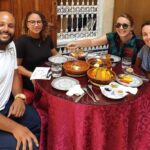
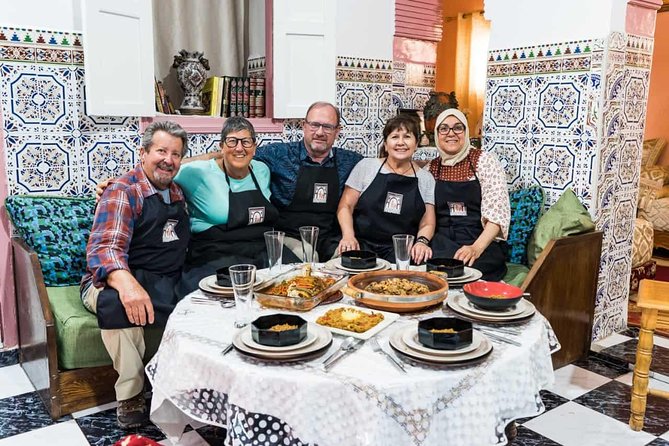
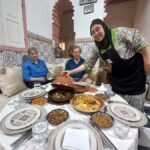
The other big reason this works is the family piece. When you’re welcomed into someone’s home, you catch details that don’t show up in cookbooks. The host shares personal food and family stories, and you can ask questions as you go. In one example from the experience, the session included lamb tagine with Muhammad and Iman, plus the kind of laughing-and-learning vibe that makes the whole day feel easy.
The main drawback is practical: you need to get yourself to the meeting point on time. If you rely on taxis or you’re short on planning bandwidth, build in extra time so you’re not rushing.
You can also read our reviews of more cooking classes in Rabat
Meeting point and timing: how the 3 hours usually run
This runs for about 3 hours, and the activity ends back at the meeting point. That round-trip matters because it keeps the logistics simple once you’re there.
You’ll start at:
- Terminus Tramway Hôpital Moulay Youssef
- Av. Sidi Mohamed Ben Abdellah, Rabat, Morocco
You’ll also get a mobile ticket. If you’re the kind of person who likes to be ready, take a moment before you leave your hotel to ensure your phone battery is solid and the ticket is accessible.
The order of events looks like this:
- A short welcome and overview at the start
- Menu choices, based on your preferences
- Walking/going to the local market to buy ingredients
- Going to the family home
- Cooking a three-course meal
- Eating lunch together
Because the group is capped at 8 travelers, the pace stays flexible enough for questions without turning into a lecture.
The market stop: ingredients and customs you can actually use
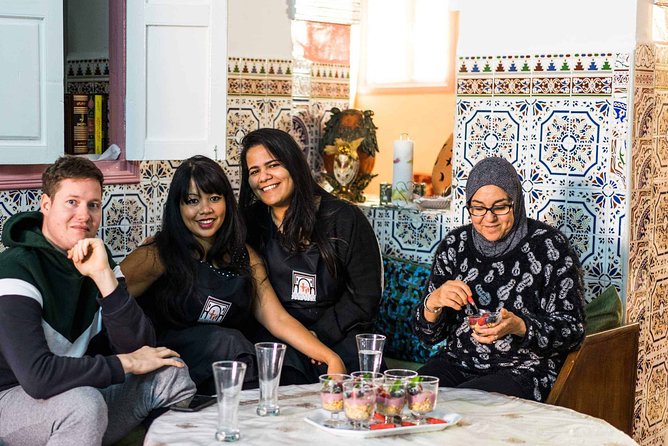
The market isn’t just a photo opportunity here. It’s where the guide connects ingredients to everyday choices.
You’ll go to shop for what you’ll cook, and you’ll get explanations of:
- which ingredients matter for the menu you choose
- how different items show up in Moroccan cooking
- local customs around food shopping and preparation
What you’ll likely find helpful is that the guide doesn’t just name spices or explain technique. The market stop gives you the little context that helps later at home. Even if you don’t memorize every ingredient, you’ll come away knowing what’s essential for the flavor profile and what’s more flexible.
If you like cook-with-confidence travel, this is the sweet spot. You’ll be able to taste the difference between ingredients once they’re in front of you, and then you’ll be holding them while you cook.
Tip for getting more from the market: pay attention to how the guide talks about ingredient combinations. Moroccan food often works because flavors layer over time. If you understand the reason behind a pairing, you’ll reproduce it better later.
Cooking in a family home: the hands-on part that makes it worth it
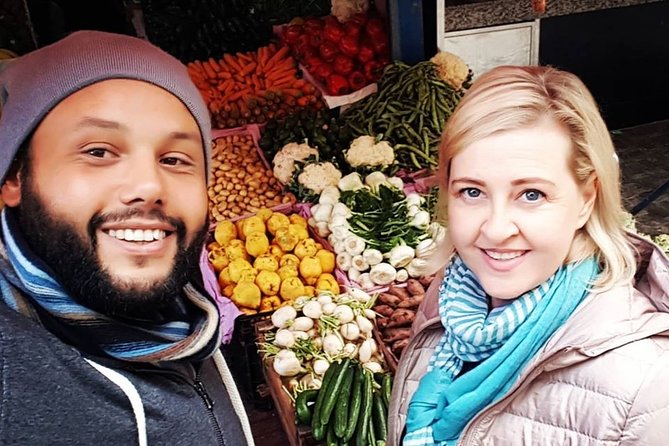
After the market, you go directly to the family home and start cooking together. This is where the experience shifts from sightseeing into something you’ll remember with your hands.
You’ll learn to prepare a three-course menu, and lessons are interactive. That means you’re not just standing there. You’ll do real tasks, ask questions, and get feedback as you cook. In a cooking class, the difference between instructions and learning is whether you can try. This one leans hard toward trying.
The home setting also changes the tone. It’s not a staged kitchen. You’re in a real family space, and you’ll feel that hospitality in the way the host welcomes you and explains what’s normal in their routine.
A few practical notes:
- Bring a willingness to do messy, normal kitchen work. Chopping and mixing are part of the deal.
- Expect the family to guide you through steps while also sharing stories. Those stories are part of why it feels authentic, not extra fluff.
- Since the group is limited to 8, you’re more likely to get individual attention instead of waiting for your turn.
And yes, some sessions include tagine-making. One memorable example involved lamb tagine with Muhammad and Iman, and the whole thing played out like a friendly dinner party that happened to teach real technique.
What you’ll eat: choosing your menu and understanding the courses
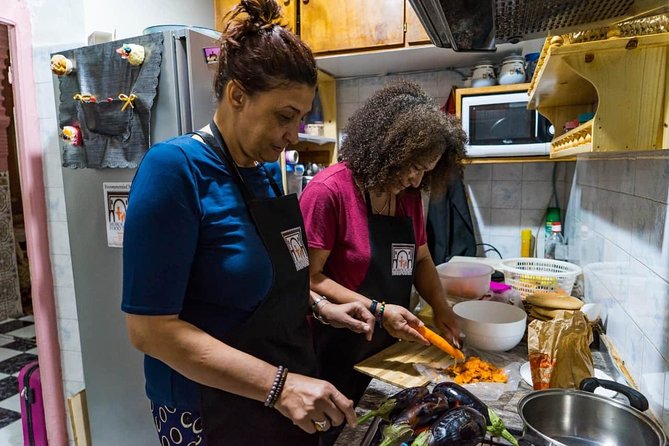
At the start, you’ll get an introduction and see menu options. You select according to your preferences before you head to the market. That’s important because it changes the class from one-size-fits-all to personal.
This experience centers on a three-course lunch. The data doesn’t list the exact course titles every time, so think of it as a menu you’ll build with the family during the session. You’ll likely see familiar Moroccan patterns:
- one hearty main (tagine-style dishes are common in this kind of setup)
- sides that balance the meal
- a finish that wraps up the lunch
One thing I really like about this structure is that you’re not stuck with a preset menu that might not match your tastes. If you’re picky about flavors, or you prefer mild over spicy, the early menu selection step gives you a chance to steer the day.
If you have diet constraints, use the menu selection portion to ask questions and choose what feels right. The experience specifically mentions you’ll select according to your preferences, so take that moment seriously.
A few more Rabat tours and experiences worth a look
Hospitality details: beverages, tea/coffee, snacks, and the meal at the table
This is not a dry cooking class where you learn and then leave hungry. The package includes:
- beverages
- lunch
- coffee and/or tea
- snacks
- bottled water
Alcoholic drinks are not included, so if you want wine or similar, plan for that separately.
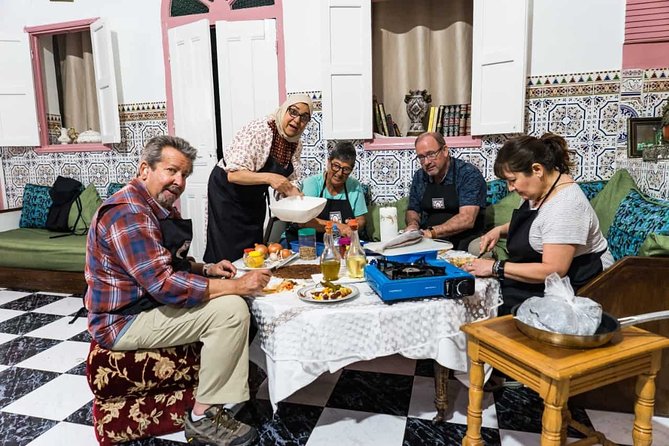
The meal itself is part of the experience. Once the cooking is ready, you sit down and eat with your host. This is where the value becomes obvious: you’re not just learning recipes, you’re learning how the meal fits into family life. That’s the kind of context you can’t fake from a screen.
A small thing that often matters: included tea/coffee and the unhurried sit-down at the end. It gives you time to ask follow-ups and to talk about food traditions beyond the menu you cooked.
Price and value: is $75.60 a fair deal?
At $75.60 per person, this isn’t the cheapest food activity in Morocco. But it is also not a generic tasting. You’re paying for:
- a guided market ingredient walkthrough
- a small-group cooking lesson (max 8)
- cooking in a family home
- a full three-course lunch
- drinks, snacks, and bottled water
If you’ve ever compared classes, the value usually comes down to access. Here, you get access: to the market process, to a real home kitchen, and to a host who can answer questions. That three-part access is hard to replicate on your own in a way that feels comfortable and informative.
The missing piece is transportation. Since transportation is not included, your true cost depends on how you’ll get to the tram stop and back. If you already plan to be near Av. Sidi Mohamed Ben Abdellah, that helps the math.
My take: for people who enjoy hands-on learning and want more than a restaurant meal, this price feels fair for the experience level.
The small-group size (max 8) and why it matters
A class limited to 8 travelers is not just a comfort detail. It affects how much you learn.
In a bigger group, you get rushed. In this kind of cap, the lesson can slow down where you need it. That means:
- more time for questions
- more chances to handle ingredients and cooking steps
- less waiting for a guide to circle back
It also helps the family interaction. Instead of a crowd filing through their kitchen, it feels like a shared meal with focused attention.
If you’re traveling with a group of friends, this cap can be good or bad depending on your style. Good, because you get attention. Bad, if you were hoping to make it a huge social outing. For most people who want learning plus conversation, it hits the sweet spot.
Who should book this, and who should skip it
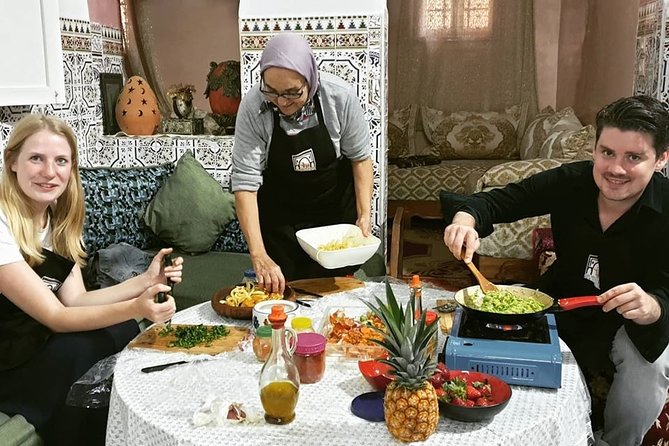
This fits best if you like:
- hands-on cooking classes
- learning ingredient logic from real people
- eating a meal you helped make
- getting local family context around food
It is also a great match if you’re staying in Rabat and want one authentic activity that doesn’t feel like a museum stop.
You might want to think twice if:
- you dislike markets or walking segments
- you need a fully hands-off experience (this one is practical)
- you expect alcohol to be included (it isn’t)
- you don’t want to arrange your own way to the meeting point
If you’re a serious home cook, you’ll likely appreciate the ingredient focus. If you’re new to Moroccan cooking, you’ll still have plenty to learn because the class is interactive and runs through the steps with the family.
Tips to get more from your Rabat market-to-home lunch
Here are the practical things I’d do before you go:
- Arrive early enough to settle in at the Tramway Hôpital Moulay Youssef terminus area.
- Take the menu selection portion seriously. Tell the guide what you like and what you’d rather avoid.
- Ask questions during cooking, not only at the end. The guide will understand what you’re confused about while your hands are still on the work.
- If you love having written recipes for later, ask directly whether there’s an option to share them after the class. One part of the experience mentioned the idea of recipes being emailed, so it’s worth raising if that matters to you.
- Wear clothes you’re okay with getting splashed while you cook. Kitchen work is kitchen work.
One last thought: treat this as a conversation as much as a lesson. The stories are part of the point, and they help you remember flavors better than memorizing steps.
Should you book this Rabat Family Cooking Class?
Yes, if you want a Moroccan food experience that stays human: market ingredients explained, cooking done together, and lunch eaten in a family home with real hospitality. The combination of 3-course lunch, small group size, and the host’s personal stories is exactly the kind of activity that feels hard to recreate on your own.
Skip it only if you’re not interested in hands-on cooking or you can’t handle getting to the tram meeting point. If you’re comfortable planning that one logistics detail, this is a strong choice for a memorable, practical day in Rabat.
FAQ
How long is the Rabat Family Cooking Class?
The class lasts about 3 hours.
What is the price per person?
The price is $75.60 per person.
How many people are in the group?
The experience has a maximum of 8 travelers.
Where do we meet for the class?
You’ll meet at Terminus Tramway Hôpital Moulay Youssef, Av. Sidi Mohamed Ben Abdellah, Rabat, Morocco. The activity ends back at the meeting point.
What is included in the price, and what is not?
Included: beverages, lunch, coffee and/or tea, snacks, and bottled water. Not included: alcoholic drinks and transportation.
Can I cancel and get a full refund?
Yes. Free cancellation is available if you cancel at least 24 hours in advance for a full refund. If you cancel less than 24 hours before the start time, the amount paid is not refunded.