REVIEW · RABAT
Join Best Moroccan Cooking Class with Chef Khadija ( Over 35 years Experience )
Book on Viator →Operated by Marouane Yazane · Bookable on Viator
Moroccan cooking starts with mint tea. This Rabat class happens in Chef Khadija’s traditional home, where you get a tea-and-sweets welcome and then learn by doing, not watching. It’s practical food instruction tied to everyday Moroccan flavors, with a menu you can tailor for vegetarian and vegan diets.
Two things I really like about it. First, the class is small and personal, with a maximum of 6 travelers, which makes it easier to ask questions and get hands-on help. Second, Chef Khadija runs an organized, warm session with humor and clear directions, so even when English is limited, you still get the steps right.
One thing to consider: it’s a real family home kitchen, not a staged cooking studio. The chef may do some of the heavier prep, and timing can stretch a bit beyond the advertised schedule. Still, you’ll leave full, with notes you can actually follow later.
In This Review
- Key Highlights You’ll Feel in Real Time
- A Rabat Villa Kitchen, Not a Classroom
- Tea, Sweets, and Picking Your Menu (Vegetarian Options Included)
- Hands-On Moroccan Cooking: Tajine, Breads, and Side Dishes
- Tajine and the Moroccan Rhythm of Cooking
- Breads That Actually Make the Meal
- Vegetable Sides and Moroccan Flavor Tricks
- What You Take Home: Notes, Pens, and Real Repeats
- Timing and Group Size: A Small Afternoon That Runs a Bit Long
- Price and Value: What $52.34 Buys You in Rabat
- Getting There: Meeting Point Near Agdal
- Who Should Book This Cooking Class?
- Quick Practical Advice Before You Go
- Should You Book Chef Khadija in Rabat?
- FAQ
- What time does Chef Khadija’s cooking class run in Rabat?
- Can the menu be adapted for vegetarians or vegans?
- What dishes will I cook?
- How big is the group?
- Do I get instructions I can use later at home?
- Is free cancellation available?
Key Highlights You’ll Feel in Real Time
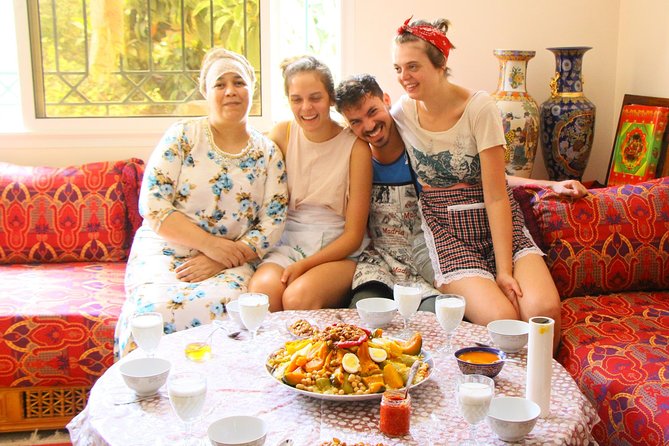
- Welcome Moroccan mint tea + homemade sweets before cooking starts
- Small group setup (up to 6) for real interaction, not a crowd
- Hands-on Moroccan lunch with tajine, breads, and vegetable sides
- Diet flexibility for vegetarian and vegan menus
- Take-home recipe notes plus support materials (paper and pens are provided)
- English support may be available via Chef Khadija’s son or sister, including Marla
A Rabat Villa Kitchen, Not a Classroom
This isn’t one of those impersonal classes where everyone stands at a counter and waits their turn. You’re invited into Chef Khadija’s traditional villa in Rabat, and that changes the feel right away. You’ll start in the welcoming area with traditional Moroccan tea and sweets, then move into the kitchen where the day becomes active.
The home setting matters because Moroccan cooking is tactile. Spices are smelled, onions are handled, herbs get used in the moment. In a real kitchen, you learn what “right” looks like—color, texture, and timing—rather than just copying a list. Reviews also hint at a clean, comfortable house, and that’s a big deal when you’re chopping and cooking right there.
Chef Khadija is described as organized and good-humored. That combo matters. When someone is both structured and relaxed, you get guidance without feeling rushed. You can also take photos and videos, which is handy if you want to remember how the dish should look at each stage.
You can also read our reviews of more cooking classes in Rabat
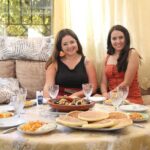
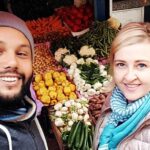
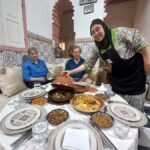
Tea, Sweets, and Picking Your Menu (Vegetarian Options Included)
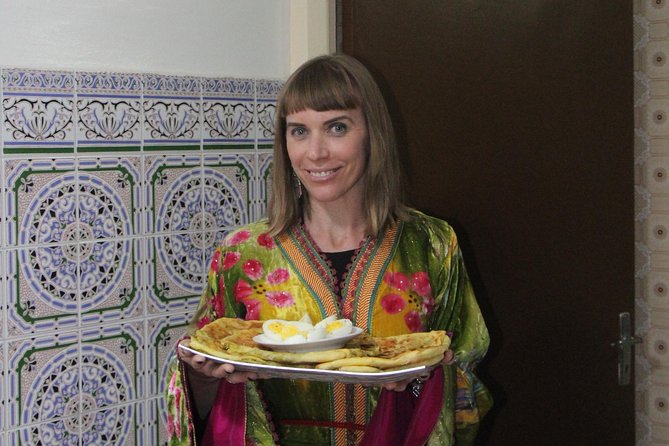
In Rabat, you’ll often find that food experiences start with hospitality, not lectures. Here, you begin with Moroccan mint tea—often described as sweet green tea—and a few sweets. It’s not just a nice touch. It’s a cue for how the day will move: warm, slow enough to learn, and focused on sharing.
Then comes the menu choice. Chef Khadija asks what meal you want to make (and you can adjust for dietary needs). The class can be catered for vegetarians and carnivores, and the menu can be tailored for vegetarian and vegan diets. So if you don’t eat meat, you’re not stuck with a side dish and a prayer.
A practical tip: think about what you want to cook beyond just one main course. Many people get excited about the tajine, but the sides and bread are where Moroccan meals become complete. If you’re curious about a specific dish—like za’alook—you can ask during the menu discussion. One review mentions Chef Khadija accommodating a request for it.
Hands-On Moroccan Cooking: Tajine, Breads, and Side Dishes
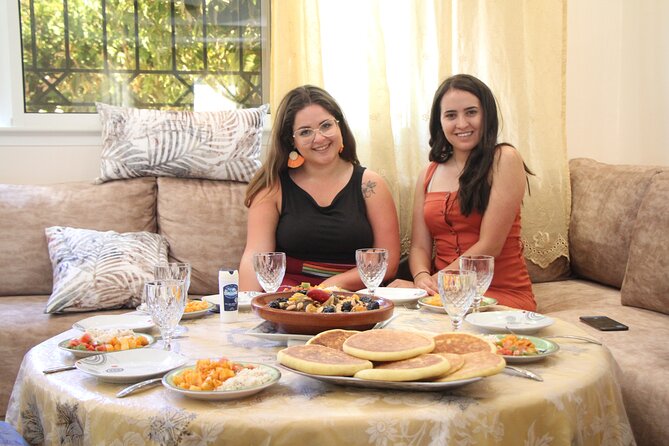
This class revolves around a Moroccan lunch spread—typically a main dish plus sides and bread. The exact menu can vary by day and what you choose, but the dishes mentioned give you a strong sense of what you’re likely to learn.
Tajine and the Moroccan Rhythm of Cooking
Tajine is the centerpiece in many of the classes described. You might cook chicken tagine, and you may also make other variations like couscous with beef plus vegetables, depending on your selection. Tajine cooking teaches the Moroccan approach to layering flavor: onions, spices, aromatics, and then time.
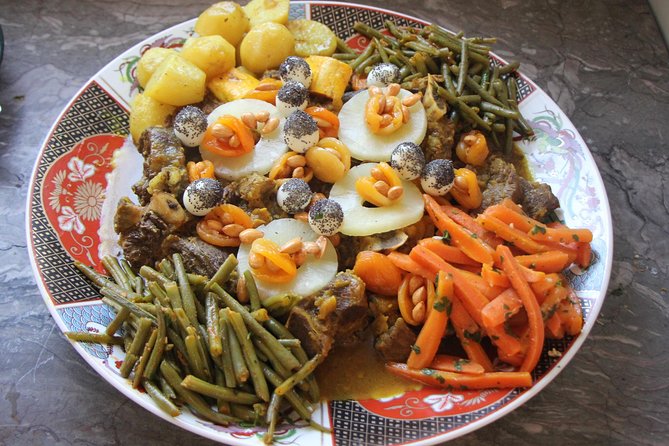
Even if the chef handles parts that require longer attention, you’ll be involved in the process—prepping ingredients, learning spice blends, and understanding when things are ready to move forward. One review points out spice work that made simple vegetables taste extraordinary, like zucchini and green beans. That’s the lesson you want: it’s not just what ingredients you use, it’s how you season and manage the cook.
Breads That Actually Make the Meal
Bread shows up in a big way. Batboute (sometimes spelled batboute/batbouts in different ways) is mentioned, and you may also make or learn other breads depending on the menu. Bread matters because Moroccan meals are built for eating together, tearing, scooping, and sharing sauces.
Bread instruction is also a practical skill you can repeat at home. One review highlights the bread as moist and really enjoyable—exactly the kind of quality that separates a good attempt from a bland one later.
A few more Rabat tours and experiences worth a look
Vegetable Sides and Moroccan Flavor Tricks
Vegetable sides are often where people get surprised in a Moroccan home kitchen. Think seasoned roasted or cooked vegetables paired with spices, plus dishes that combine sweet-salty notes (sometimes with dates or almonds, depending on the menu). A review mentions a couscous version that included almonds and dates—classic Moroccan flavor pairing.
If you love learning flavor mechanics, this is your moment. You’ll get exposed to seasoning choices and basic techniques that you can translate to your own cooking later.
What You Take Home: Notes, Pens, and Real Repeats
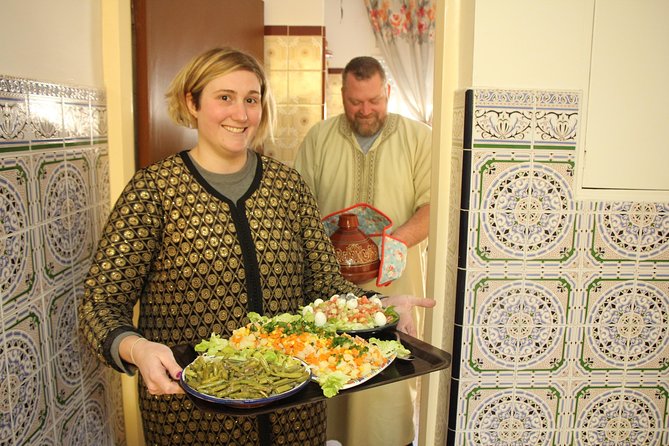
One of the most valuable parts is that you don’t just leave with a full stomach—you leave with steps. Chef Khadija provides paper and pens for notes, with a note sheet that includes the necessary steps to recreate the dish at home.
That sounds basic, but it’s actually huge. Moroccan recipes can feel intimidating when you only remember the final taste. Notes let you rebuild it with confidence. Some reviews also mention takeout containers, which means you might be able to continue the feast later rather than eating it all right away.
The best part is the clarity. Reviews mention Chef Khadija explaining measurements in plain terms (including tea-measure equivalencies). If you’ve ever tried to cook from a recipe that assumes insider knowledge, you’ll understand why that kind of explanation helps.
Timing and Group Size: A Small Afternoon That Runs a Bit Long
The official duration is listed as about 2 hours 30 minutes, starting around 10:30am and finishing around 2pm. There’s also an afternoon option around 3pm. So you can fit it into a Rabat day without wrecking your schedule.
Here’s the real-world consideration: some people report spending around 3.5 to 4 hours at the house. That makes sense. Cooking has pauses—waiting for dough, reducing sauce, or letting flavors settle. When you’re in a home kitchen, those pauses become part of the learning, not wasted time.
Group size is capped. You’re working with a maximum of 6 travelers, and it can be even smaller. That keeps things calm and helps Chef Khadija tailor questions and pace. If you’re someone who likes to talk while you cook, this setup makes it easier.
Price and Value: What $52.34 Buys You in Rabat
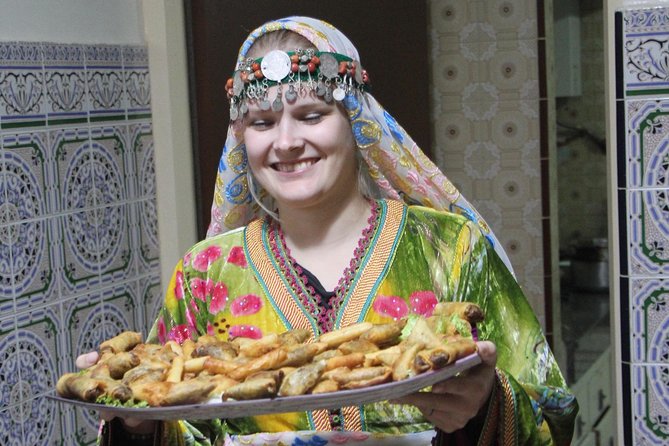
$52.34 per person isn’t a random price tag. For Morocco, it’s in the “do something meaningful” range rather than the “quick snack” range. What you’re paying for is a whole experience, not just a recipe demo.
You’re getting:
- A home-cooked Moroccan lunch you actively help prepare
- A hospitality welcome with mint tea and sweets
- Diet customization (vegetarian and vegan options)
- Recipe notes with steps you can follow later
- Small-group attention
In practice, it can feel like paying for a private meal and cooking lesson in one. And because the class is hosted in a real home, you get a local feel you won’t get from a restaurant cooking show. If you’re already budgeting for a sit-down lunch plus a paid activity, this often makes sense because the meal is part of the learning.
Getting There: Meeting Point Near Agdal
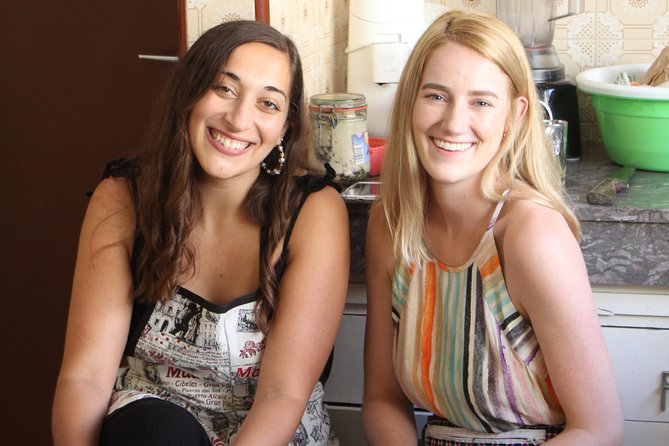
The start point is at Mosquée Sheikh Saif cours cuisine on Avenue As Sanaobar, near the Agdal Riyad area (with a specific map pin listed). It’s also described as near public transportation, which helps if you’re moving around Rabat by bus or tram.
If you’re using a taxi, it’s often the easiest approach for finding the home. One review says the house was relatively easy to find by taxi. So if navigation apps send you to the wrong street, don’t stress—use a taxi and you’ll usually land close enough to the meeting point quickly.
Bring comfortable shoes. You’ll be inside and moving around a kitchen. If you’re offered an apron or even indoor footwear in the moment, accept it. It’s there for a reason: kitchen cleanliness and comfort.
Who Should Book This Cooking Class?
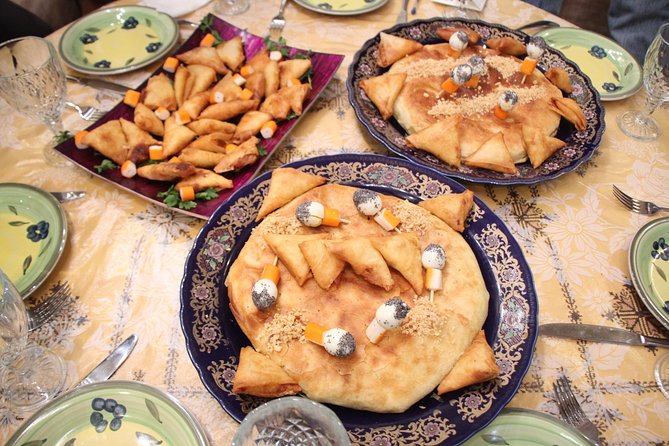
I think this works best for:
- Food lovers who want to understand Moroccan flavor, not just taste it
- People who enjoy hands-on learning (chopping, seasoning, bread work)
- Solo travelers who like a small, friendly group experience
- Couples or small families looking for a warm cultural moment
- Anyone trying to cook Moroccan dishes at home with clearer instructions
It might not be perfect if you want a totally hands-off cooking experience where you watch everything happen. Some prep is likely handled by the kitchen team to keep things smooth. But the deal here is that you get involved, learn the steps, and leave with notes you can use later.
Quick Practical Advice Before You Go
- Tell Chef Khadija your dietary needs clearly when you choose your menu.
- Ask about a specific dish if you have one in mind, like za’alook.
- Plan for a relaxed afternoon. Even if it’s listed at about 2.5 hours, give yourself breathing room.
- Bring a curious mindset. Moroccan cooking instruction is part technique, part taste memory.
Should You Book Chef Khadija in Rabat?
Yes—if you want an authentic, small-group cooking experience in a real Rabat home kitchen, this is a strong choice. Chef Khadija’s warm welcome, the focus on hands-on cooking, and the fact that you take home clear notes make it more than a one-time meal.
Book it if your goal is to come away with skills you can repeat. Consider it a food lesson with real hospitality, not a scripted performance. If you’re flexible about timing and you’re okay with a home-kitchen pace, you’ll likely have exactly the kind of Rabat moment that sticks.
FAQ
What time does Chef Khadija’s cooking class run in Rabat?
The class starts around 10:30am and finishes around 2pm, and there is also an afternoon session around 3pm. It runs about 2 hours 30 minutes on the schedule.
Can the menu be adapted for vegetarians or vegans?
Yes. You can choose a meal that can be customized for vegetarian and vegan diets, and it can also accommodate carnivores.
What dishes will I cook?
You’ll cook a Moroccan lunch with a main dish (often tajine or couscous) plus side dishes and breads. Specific examples mentioned include chicken tagine, pastilla, couscous with beef, batboute bread, zucchini/green bean sides, and options like za’alook if requested.
How big is the group?
This activity has a maximum of 6 travelers, so it’s intimate and interactive.
Do I get instructions I can use later at home?
Yes. Chef Khadija provides paper and pen for notes, with steps you can take home to recreate what you cook.
Is free cancellation available?
Yes. You can cancel up to 24 hours in advance for a full refund, based on local time.
If you want, tell me your dates and whether you eat meat. I can help you pick which session time (10:30am vs 3pm) fits your Rabat day best.