REVIEW · RABAT
Rabat: Night Tour with traditional Moroccan Dinner
Book on GetYourGuide →Operated by Premium Transfers & Tours · Bookable on GetYourGuide
Night scenes in Rabat feel extra intentional. This short tour pairs iconic monuments like the Hassan II Tower and the Mausoleum of Mohammed V with a guided night walk and a sit-down Moroccan dinner. I like that you get easy hotel pickup/drop-off and a real guide who explains what you’re actually looking at, not just where to stand for photos.
My favorite part is how the evening pacing keeps things moving but still gives time to stop, look up, and ask questions. You’ll also get a proper taste of Moroccan hospitality with dinner included, rather than a quick snack-and-go stop. One watch-out: on some evenings, access and the amount of inside touring can vary, so you should be ready for possible changes around opening times or site entry.
For the price, it’s a solid deal when the guide and dinner deliver as advertised. It’s also a good pick if you want a guided overview of Rabat’s key landmarks in just a few hours and don’t want to plan routes in the dark.
In This Review
- Key points to know before you go
- Rabat at night: a 4-hour plan that saves you from getting lost
- Hassan II Tower: the famous minaret that stays unfinished
- Mausoleum of Mohammed V: architecture you can read with the right explanations
- Chellah: the historical stop that can shrink if access is limited
- Old Market Rabat: the souk stop for arts and craft browsing
- Kasbah of the Udayas: sunset viewpoints that reward patience
- The dinner: traditional Moroccan meal included, with drinks usually separate
- Transport comfort and guide quality: where the tour tends to win
- Price and logistics ($116): worth it if dinner and guidance land well
- What to watch for on the day (so you’re not surprised)
- Should you book this Rabat night tour with traditional dinner?
- FAQ
- How long is the Rabat night tour?
- What’s the price per person?
- What does the tour include?
- Are drinks included with dinner?
- Where do I get picked up?
- Which stops are part of the tour?
- What languages is the live guide available in?
- Is there Wi-Fi on board?
- What’s the cancellation policy?
- Can I choose to pay later?
Key points to know before you go
- Hassan II Tower exterior views with context about the Almohad-era mosque project
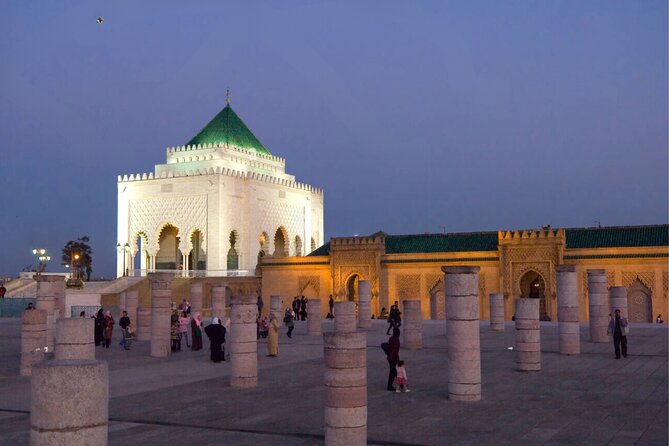
- Mausoleum of Mohammed V guided stop where the story behind the royal family matters
- Chellah timing and walking that can be shorter if entry conditions aren’t ideal
- Old Market souk time for arts and crafts browsing at night
- Kasbah of the Udayas sunset viewpoints for scenic stops and photo breaks
- Dinner included, with drinks not included (so plan for that)
Rabat at night: a 4-hour plan that saves you from getting lost
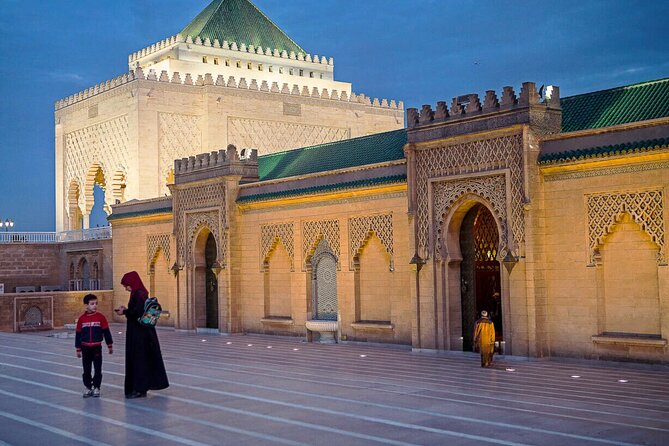
Rabat is a city that works well in the evening. Streets feel calmer, monuments look sharper against the dark sky, and you can take in architecture without the midday heat. This tour is built for exactly that: a compact route with a guide, a comfortable car, and enough stops to feel like you saw something meaningful.
You’re with your driver and guide the whole time, plus you get round-trip hotel pickup and drop-off in Rabat city center. The vehicle is air-conditioned, and there’s Wi-Fi on board, which sounds small until you need your maps to line up the next stop. With a 4-hour duration, it’s also easy to slot in on a travel day when you’ve already done daytime sightseeing.
The big question is whether the tour balances three things well: landmarks, shopping time, and dinner. When it works at its best, you come away knowing what you looked at (and why it matters), not just collecting photos. When it doesn’t, you feel it fastest in the guide’s explanations or the dinner setup—so I’ll point out the places where that can happen.
A few more Rabat tours and experiences worth a look
Hassan II Tower: the famous minaret that stays unfinished
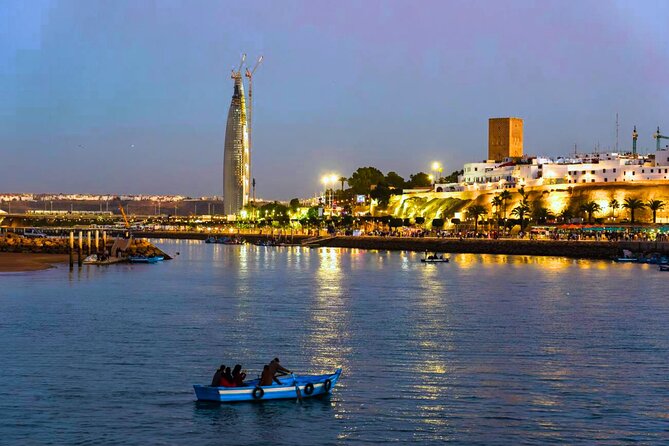
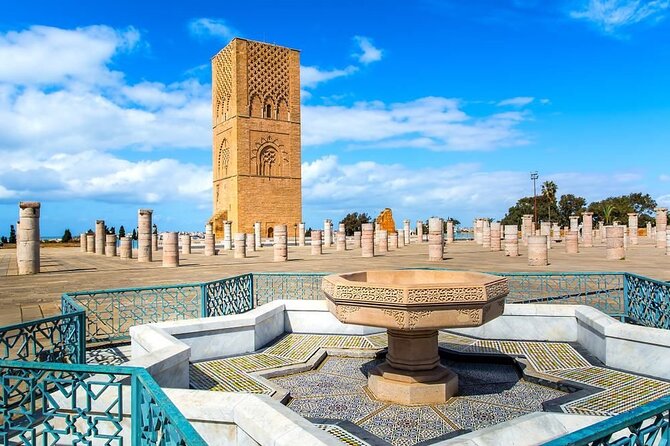
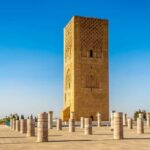
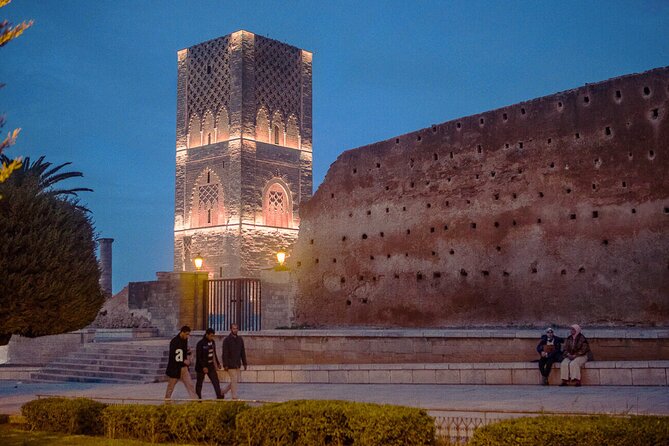
The tour starts with the Hassan II Tower, an iconic minaret from the Almohad period that belongs to an unfinished mosque project. From the outside, it’s a dramatic sight—especially at night when the curves and stone details stand out more than they do in daylight.
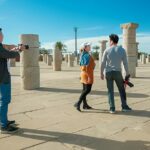
What makes this stop valuable is that your guide connects the tower to the broader story: the Almohad dynasty began building it, but the mosque wasn’t completed as planned. That context turns the monument from a pretty silhouette into a real historical clue. You also get time for a break and photos, plus a short walk—about 20 minutes total at this stop.
A practical tip: wear something with a layer. Even in seasons when Rabat feels mild, evening air cools fast once you’re walking outside.
Mausoleum of Mohammed V: architecture you can read with the right explanations
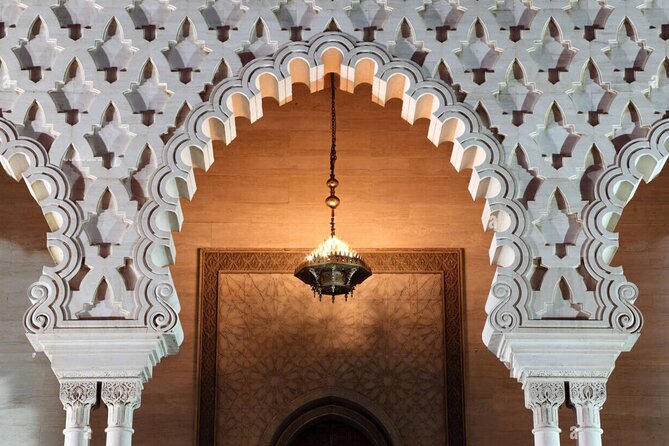
Next comes the Mausoleum of Mohammed V, one of Morocco’s most respected royal monuments. You’ll have a photo stop, then a guided visit with a short walk. The architecture is the headline here, but the guide is what makes it stick: you’ll learn what the mausoleum represents and why it’s treated with such reverence.
This is the kind of stop where good guiding really changes your experience. One part you’ll appreciate is the way the guide helps you focus—what to notice first, how to understand the design choices, and which details reflect Morocco’s royal history. In a few cases, people reported limited timing or access, so it’s worth keeping your expectations flexible if the site is restricted for official reasons on your day.
For photos: night lighting can be tricky. Look for angles that show the whole structure rather than only close-up details, and don’t forget that you may have limited standing time depending on crowd flow.
Chellah: the historical stop that can shrink if access is limited
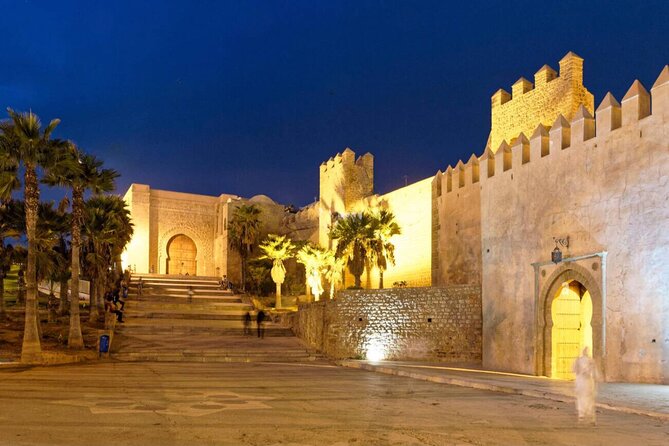
After the mausoleum, the tour moves to Chellah. It’s planned as a break/photo stop plus a guided visit and sightseeing with a short walk (again, around 20 minutes). If everything runs as intended, it’s a great contrast: the mausoleum is ceremonial and formal, while Chellah feels older, atmospheric, and a little more mysterious.
Here’s the practical note: some evenings don’t allow the same level of interior or extended walking. There have been reports of limited Chellah access compared with what the schedule suggests, with visitors getting more of a roadside view than the planned short stroll. If you’re the type who loves walking through sites, it’s smart to go in knowing that timing and entry conditions can shift.
If Chellah ends up being shorter than expected, focus on what you can do in the time you have: look for the layout, take a couple of photos from the allowed areas, and ask your guide what the key features are before you move on.
Old Market Rabat: the souk stop for arts and craft browsing
One of the strongest parts of this tour is the dedicated time in Rabat’s old market area. You get a photo stop, then an about-1-hour block for shopping and an arts-and-crafts market visit. This is the moment to browse slowly instead of treating the trip like a photo checklist.
What you’ll like here is the mix of “see it” and “buy it” flexibility. The guide can help you understand what you’re looking at, and you can decide whether you want a small souvenir or just enjoy the atmosphere and workmanship. Since drinks aren’t listed as included, this is also the part where you can choose if you want to pick up something to sip on your own.
A quick buying reality check: market prices in Morocco vary a lot. If you’re buying textiles, ceramics, or small crafts, it helps to compare two or three stalls before committing.



Kasbah of the Udayas: sunset viewpoints that reward patience
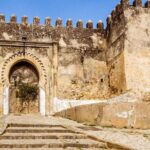
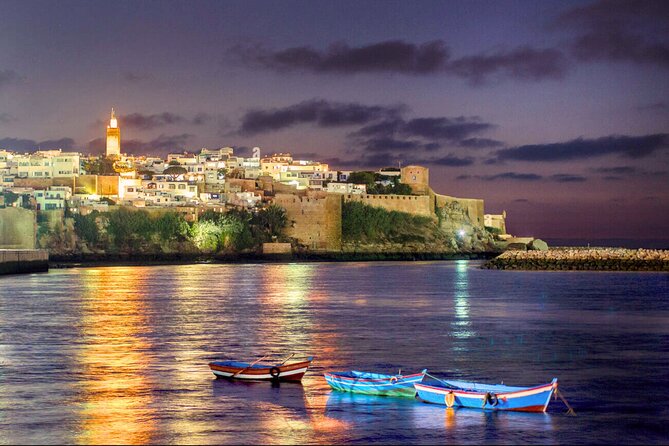
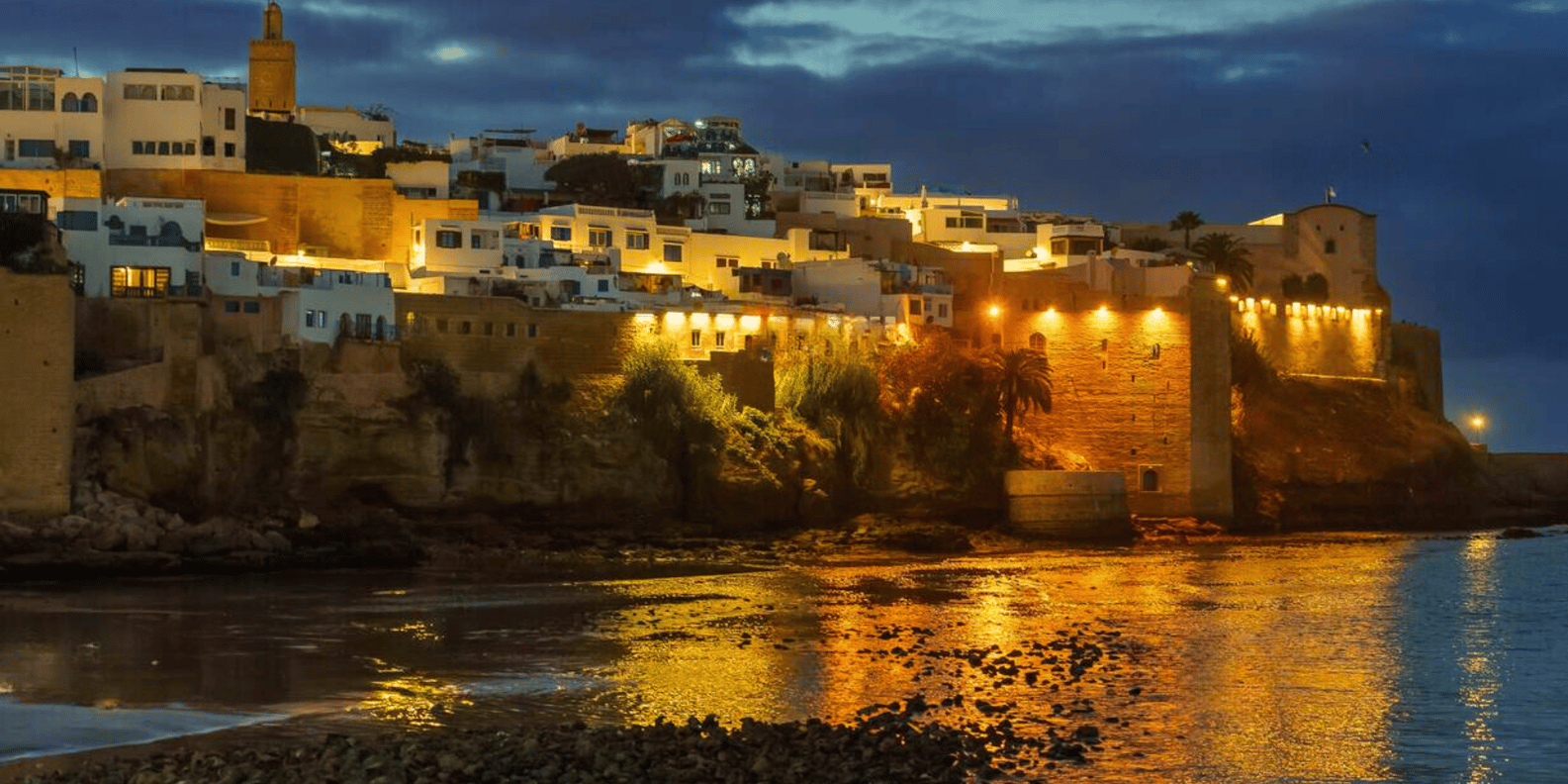
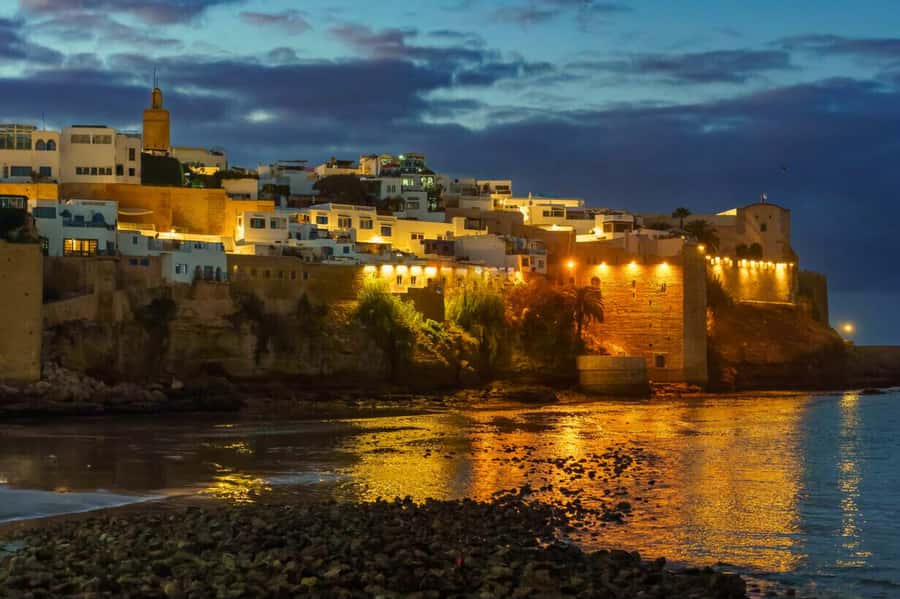
The final sightseeing block is the Kasbah of the Udayas. Expect a photo stop and scenic viewpoints on the way, with a bit of time built in for sunset views (around 30 minutes).
Even if you’re not a die-hard photographer, this stop tends to be satisfying because it gives you a broad view of how Rabat sits—its river connections, its walls, and the way the coast and city areas relate. Sunset also changes the tone of the stone and makes the whole evening feel “worth it” instead of rushed.
If it’s cooler out, keep an eye on how long you’re standing. A scarf or light jacket is a simple upgrade to comfort when you’re waiting for the best light.
The dinner: traditional Moroccan meal included, with drinks usually separate
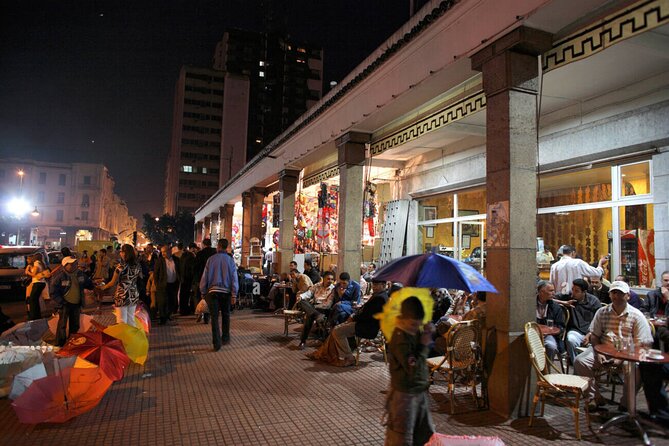
Dinner is included in the tour, and it’s positioned as a traditional Moroccan restaurant experience with a variety of dishes using fresh ingredients and common Moroccan spices. This is one of the main reasons the tour works for many people: you avoid the common evening problem of deciding where to eat after you’ve been sightseeing all day.
That said, the definition of traditional can vary between restaurants and locations. There have been reports of dinner being less traditional than expected—especially if the restaurant ends up closer to a café-style setup than what you imagine as a classic Moroccan dinner. When the dinner matches the pitch, it’s a highlight, with the meal itself and the hospitality making the whole tour feel complete. When it doesn’t, the disappointment shows up quickly because dinner is the “included payoff.”
Here’s what you should plan for based on the facts you’re given: drinks aren’t included. So if you want tea, juice, wine, or anything beyond water, you’ll likely pay extra. Bottled water is included in the tour package, but still keep a little cash handy for anything additional at the table.
Transport comfort and guide quality: where the tour tends to win
The transport is part of the value. You’re in an air-conditioned vehicle, picked up from your hotel lobby (or accommodation in Rabat city center), and dropped back afterward. That matters at night because you don’t have to navigate the city in the dark or worry about getting back to your own street.
Guide quality is the second lever of value. The tour includes a live guide in Arabic, French, and English, and names you might encounter include Muhammad and Amine (with Amine noted as a driver in at least one case). When the guide keeps explanations flowing, you leave with a real understanding of Hassan II Tower, the Mausoleum of Mohammed V, and the meaning behind what you see.
When a guide’s explanations slow down, the tour can feel like walking from stop to stop. There have been reports of information drop-off after the mausoleum, plus shorter-than-expected time with the guide while moving toward dinner. That’s not something you can fully control, but you can increase your odds by choosing the language you’re most comfortable with and being ready with one or two questions during the first major stop.
Price and logistics ($116): worth it if dinner and guidance land well
At $116 per person for a 4-hour evening, the value equation comes down to what’s included: hotel pickup/drop-off, transportation in a comfortable car, bottled water, Wi-Fi on board, a guide, and dinner. That’s a lot rolled into one ticket, and it’s especially helpful if you’re staying near the center and don’t want to coordinate separately.
So when is it worth it?
- If you want guided context at multiple monuments in a short window
- If you prefer having someone handle timing and routing rather than building a plan yourself
- If you like the idea of an included dinner and don’t want to hunt for a restaurant after dark
When might it feel overpriced?
- If you end up with reduced access at a site like Chellah
- If the dinner turns out to feel more like a standard café meal than a Moroccan dinner experience
- If you’re expecting constant guidance at each stop rather than short explanation blocks
My advice is simple: treat the tour as a guided evening plan, not as guaranteed site access for every single inside area. If you’re flexible and you’re there for the big monuments plus a local meal, it usually makes sense.
What to watch for on the day (so you’re not surprised)
There are three common pressure points to know about before you go:
First: site access. The Mausoleum of Mohammed V is part of the scheduled route, but there have been reports of closure due to official reasons on certain days. If that happens, the guide should adjust, but your own best move is to stay adaptable and ask what you can still access.
Second: how much time you get at each stop. Chellah is planned with a short guided walk, but there have been reports of limited interior time. If you really want a walk-through feeling, plan to spend a little extra time later on another day if you can.
Third: the dinner match. Dinner is included, but there have been reports of dinner quality or style not aligning with the traditional expectation. Since drinks aren’t included in the tour package, expect to pay for beverages if you want them.
Should you book this Rabat night tour with traditional dinner?
Book it if you want a compact, guided way to see Rabat’s key monuments in the evening and you like the idea of dinner being handled for you. The tour makes practical sense for a short stay, and when the guide is on point, the landmark stops feel much more meaningful.
Think twice if you’re the type who needs guaranteed inside access every time, or if you’ve got a very specific idea of what a Moroccan dinner should look like. In those cases, consider pairing the tour with extra time on another day for monuments you care about most—or be ready to adjust your expectations and focus on what you can access.
If your priority is guided context plus easy logistics, this tour is a strong option. If your priority is total control over site entry and dinner style, you’ll want to stay flexible.
FAQ
How long is the Rabat night tour?
The tour lasts 4 hours.
What’s the price per person?
The price is $116 per person.
What does the tour include?
It includes a driver/guide, dinner, bottled water, transportation in an air-conditioned vehicle, Wi-Fi on board, and hotel pickup and drop-off.
Are drinks included with dinner?
No. Drinks are not included.
Where do I get picked up?
Your guide will meet you in the lobby of your hotel or any accommodation located within Rabat’s city center.
Which stops are part of the tour?
The tour includes Hassan II Tower, the Mausoleum of Mohammed V, the Old Market in Rabat (including an arts and crafts market visit), Chellah, and the Kasbah of the Udayas.
What languages is the live guide available in?
The guide is available in Arabic, French, and English.
Is there Wi-Fi on board?
Yes, Wi-Fi is included on board the vehicle.
What’s the cancellation policy?
You can cancel up to 24 hours in advance for a full refund.
Can I choose to pay later?
Yes. The offer includes reserve now & pay later, so you can book your spot without paying immediately.