REVIEW · RABAT
4 Day Tour from Marrakech to Chefchaouen, Sahara desert and fes
Book on Viator →Operated by Trek Morocco Desert Tour · Bookable on Viator
Four days, Morocco in full speed.
This Marrakech-to-Chefchaouen circuit packs big scenery and major stops into a tight plan, with air-conditioned driving between regions and local guidance when it matters. You’ll swing from the High Atlas and Rif Mountains to Merzouga Desert, then land in Fes and finish in Chefchaouen—so the “where am I?” moment never really stops.
I especially like that the trip handles the hard parts for you: riad/hotel/desert camp stays plus dinner and breakfast are built in. I also like that you’re not just passing through—there’s guided time at places like Ouzoud (with a local guide) and in Fes (with a local guide), plus desert activities like camel rides and Berber village time.
One thing to plan for: time in the car. Even with comfortable private-style transfers, Morocco is long-distance travel country, and the schedule can feel like a blur unless you pack patience and smart snacks.
In This Review
- Key highlights to expect
- The big idea: a fast, guided sampler of Morocco
- Day 1 at Ouzoud: waterfalls, monkeys, and an easy trek
- UNESCO at Ait-Ben-Haddou: why this kasbah matters
- Crossing from mountains to desert: the long-road rhythm
- Merzouga Desert experience: camel rides and a real camp night
- Day in Fes: guided time in an imperial city
- Chefchaouen: blue streets for photos and slow walking
- Price and value: what $706.81 buys (and what it doesn’t)
- Logistics that really matter: timing, comfort, and planning ahead
- Who should book this Marrakech to Chefchaouen route?
- Should you book it?
- FAQ
- What’s included in the tour price?
- Is pickup offered?
- Are lunch and drinks included?
- Are monument tickets included?
- Can I cancel for a full refund?
- Is this tour suitable for children?
Key highlights to expect
- Ouzoud Waterfalls trek with an actual local guide and time in olive groves
- Merzouga Desert camp with a real desert night (and camel ride time)
- UNESCO stop at the Ksar of Ait-Ben-Haddou as part of the route
- Fes guided visit with a local guide in the imperial city
- Chefchaouen photo time built for streets, blue walls, and viewpoints
The big idea: a fast, guided sampler of Morocco
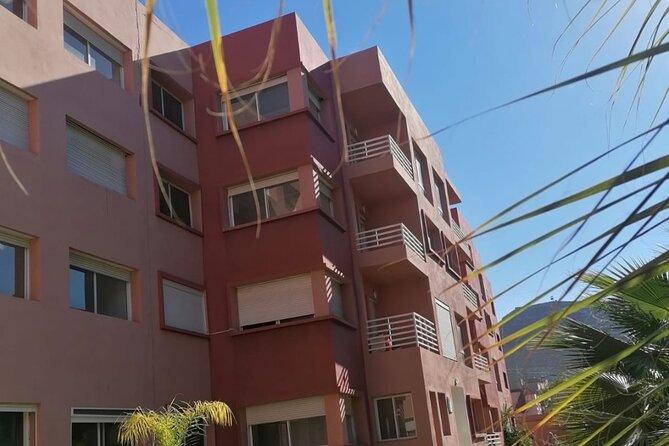
This tour is built for travelers who want Morocco’s variety without living in airports or spending a week just getting from A to B. You start in Marrakech, then the route is designed to hit major “this is Morocco” moments: waterfalls, Atlas mountain scenery, desert nights near Merzouga, the city of Fes, and the blue-hued calm of Chefchaouen.
What makes it appealing isn’t just the list of places. It’s the way the day-to-day pieces are handled: pickup is offered, transit is in an air-conditioned vehicle, and you’re not left guessing how to connect the dots. When the itinerary turns from scenic driving to active sightseeing—like Ouzoud’s walk or Fes with a guide—that’s where the local expertise comes in.
That balance is also why this tour can work well even for first-timers. You get enough structure to feel safe and oriented, but you still get time to wander—especially in places like Fes and Chefchaouen, where walking and looking are the whole point.
You can also read our reviews of more tours and experiences in Rabat.
Day 1 at Ouzoud: waterfalls, monkeys, and an easy trek
Ouzoud Waterfalls are one of those places you understand immediately. You drive out from Marrakech early (the trip takes about three hours), meet a local guide, and then follow them on a walk that’s described as relatively simple—through olive groves and toward the falls.
Once you’re there, the scale is the headline: the falls drop about 360 feet (110 m) into a gorge. Your guide also brings in the local meaning of Ouzoud—linked to grinding grain in the Berber language—so the place lands with context, not just photos.
Practical tips for this stop:
- Start with good shoes. The trek is called simple, but you’ll still be walking on uneven ground.
- Bring sun protection and water. Olive groves help with shade, but you’re still outdoors.
- Keep your eyes open for monkeys. They’re mentioned as native to the area, so it’s smart to expect they may be around the walkways.
A small drawback: if you hate early starts, this itinerary will test you. The upside is that an early start generally helps you beat crowds and enjoy Ouzoud at a calmer pace.
UNESCO at Ait-Ben-Haddou: why this kasbah matters
Even in a short 4-day route, the itinerary includes a major UNESCO World Heritage Site: the Ksar of Ait-Ben-Haddou. This is the kind of stop that can feel like a quick photo moment—until you learn how it functioned.
Ait-Ben-Haddou is a fortified village (a kasbah-type settlement), and it’s famous not only for the look of the stone walls but for what they represent: how communities adapted to desert-edge travel, trade routes, and protection needs. In practical terms, it’s the historical bridge between mountain driving and desert living. It also helps you understand why Morocco’s architecture looks the way it does.
What to watch for:
- Let your guide explain what you’re looking at before you rush into photos.
- Plan to take a slow circuit around viewpoints. Even when you’re short on time, this is a place where standing still beats sprinting.
Because this tour is compact, you’ll get a slice—not a full day. But in a short itinerary, this UNESCO stop is a strong value add because it gives cultural meaning to the scenery you’re already seeing.
Crossing from mountains to desert: the long-road rhythm
Between Ouzoud and the Sahara side of the trip, you’ll be traveling through big geographic swings. The tour description specifically points to the High Atlas Mountains and Rif Mountains, and then down into the Merzouga Desert region.
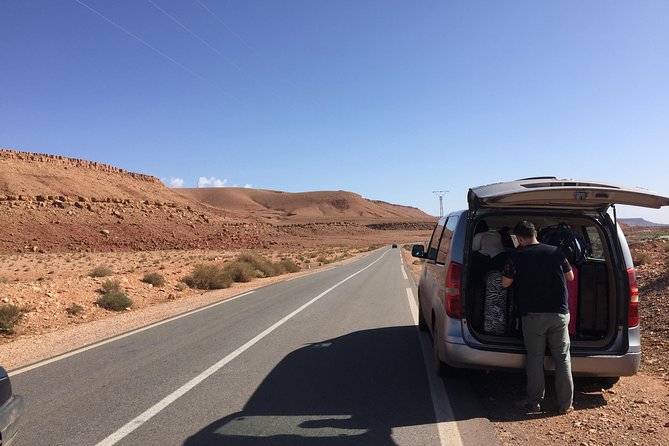
That’s a lot of change in just a few days. Translation: you’ll spend real hours in the vehicle. The pay-off is that you’re not just driving from one city to another—you’re moving between mountain regions and desert terrain, so the trip has a sense of journey, not just logistics.
This is also where the “private tour” experience matters. You have a dedicated driver guide, and the vehicle is air-conditioned. That doesn’t erase long driving days, but it does make them more comfortable—especially if you’re traveling in warm weather.
One note from real-world experience on similar routes: knowing how accommodations and timing work matters. One traveler advice that’s worth your attention—make sure you know where you’re sleeping before you get on the bus. Even when the trip is organized, clarifying hotel or riad names and what night you’re in can save stress later.
Merzouga Desert experience: camel rides and a real camp night
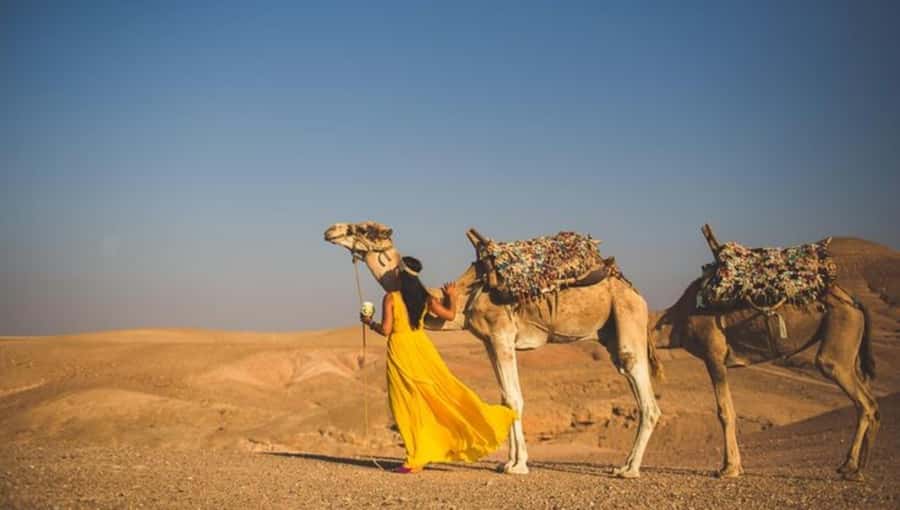
The highlight most people picture when they book a Marrakech-to-Sahara route is the desert itself, and this itinerary includes a Sahara desert experience with camel rides, Berber villages, and an overnight in a desert camp. That’s not a minor add-on. It’s the core reason this kind of tour exists.
Here’s what makes this worth the effort on a 4-day schedule:
- The camel ride adds a slower, more physical way of moving through the desert edge—different from sitting in a car.
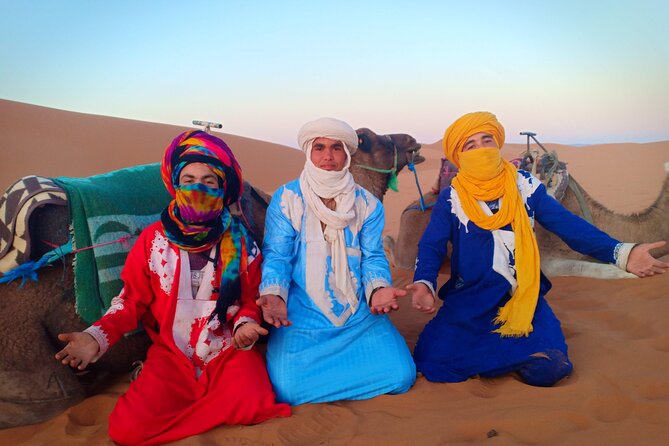
- Berber village time gives you a human scale to the scenery, so the desert isn’t just emptiness on a map.
- Staying overnight in a luxury-style desert camp means you get more than a quick visit. You’re actually there when the light changes.
Desert travel also changes how you pack:
- Think about layers for cooler nighttime air.
- Bring anything you need for dust comfort (and keep sunglasses handy for the ride and viewpoints).
Also, this is where your guide and driver reputation can matter. In past runs, drivers like Rashid were mentioned for teaching history and culture across the trip, not only during the big sight stops. Another driver called out was Mr Khalied, described as helpful and good at making the experience work smoothly. A capable driver is part of the value here because timing in deserts is everything.


Day in Fes: guided time in an imperial city
After the desert night, you’ll shift to a city day: Fes. The itinerary notes a local guide in Fes, and that’s exactly what you want in a place known for tight streets and layered neighborhoods.
A local guide does two jobs well:
- They help you find the right lanes without wasting hours.
- They explain what you’re seeing as you walk, so you don’t just collect random images.
Because Fes is an active city, it’s also a great place for breaks. You’ll want pauses for tea, rest, and absorbing street life. This kind of guided time usually works best when you pace yourself—don’t try to sprint through every corner.
What about drawbacks? The main risk on a fast tour is fatigue. After desert driving and camp time, you’ll want to prioritize what you personally care about most in Fes—whether that’s markets, architecture, or simply wandering with focus. Having a local guide helps you make that choice faster.
Chefchaouen: blue streets for photos and slow walking
You finish in Chefchaouen, which the tour description calls a magical city for pictures and photos. That’s true in the practical sense: the city’s blue tones and hillside layout make it easy to find angles without doing a lot of searching.
This stop is less about big-ticket sights and more about atmosphere:
- Walk streets slowly and stop often.
- Plan for photo time, especially around viewpoints where the city spreads out.
Also, Chefchaouen is ideal for winding down. Compared with desert nights and long drives, it feels like a palate cleanser. If you like places where you can relax with a drink and watch the day change, this is one of the best ways to end the trip.
Price and value: what $706.81 buys (and what it doesn’t)
The listed price is $706.81 per person for a roughly 4-day tour. On paper, that can sound either cheap or steep—so here’s the value math that matters.
Included pieces that raise the value:
- Private tour structure with a driver guide
- Transportation by air-conditioned vehicle
- Riad/hotel/desert camp stays
- Dinner and breakfast included (so you’re not always calculating food costs on the road)
- Guided time at key stops like Ouzoud and Fes
- The Sahara desert experience, including camel rides and Berber village time
- UNESCO coverage including the Ksar of Ait-Ben-Haddou
Not included, which affects your day-to-day budget:
- Lunch
- Drinks
- Monument/ticket costs
- Tips
So the smartest way to think about the price is this: you’re paying to have routes, guides, and sleeping arrangements handled, plus a desert night that usually takes effort to organize yourself. If you’d otherwise piece these parts together—especially the desert camp + camel ride—this package becomes easier to justify.
One more detail: the tour has group discounts listed, which suggests value is influenced by how departures are structured. Since the tour is described as private in the main features, but some related setups may still involve other people depending on the departure, I’d confirm how your group size is handled before you lock it in. It can change the vibe and timing slightly.
Logistics that really matter: timing, comfort, and planning ahead
This itinerary is popular because it moves fast. That’s also the main logistics challenge.
Expect long transit days. Even with air-conditioned comfort, the distance adds up. If you’re someone who gets cranky in vehicles, do yourself a favor:
- Bring snacks you genuinely like.
- Keep water and a light jacket in reach.
- Use rest stops without guilt. Morocco travel works better when you don’t wait too long.
Know your accommodations ahead of time. One traveler note that’s genuinely useful is to confirm where you’ll sleep before boarding the next leg. Getting a clear handle on the riad/hotel/desert camp name and location helps your brain stay calm.
Bring cash for the gaps. Since lunch, drinks, monument tickets, and tips aren’t included, you’ll want easy spending money ready. That way you’re not scrambling when you’d rather be sightseeing.
Who should book this Marrakech to Chefchaouen route?
I think this tour fits best if you:
- Want a structured way to see a lot of Morocco in a short time
- Like guided stops where a local can explain what you’re looking at
- Are excited about the Sahara experience and want it organized end-to-end
- Prefer not to plan every connection between regions
It’s also a reasonable choice if you fall into the category of most travelers who can participate, since the tour is described that way, and it notes children must be accompanied by an adult.
If your top priority is slow travel, you might feel rushed. This is a “see it, do it, move on” plan. But if that’s your style, you’ll likely love the variety—waterfalls, UNESCO fortifications, desert nights, imperial-city walking, and blue-stone photos—without needing a big spreadsheet to make it happen.
Should you book it?
Book it if you want a high-efficiency Morocco route with guides, included meals, and a real desert camp night. It’s a strong value when you consider the sleeping arrangements, the desert logistics, and the guided time at Ouzoud and Fes.
Skip or rethink it if you:
- Hate long driving days
- Need a very precise, low-surprise accommodation plan and strongly dislike early starts
- Are hoping every meal and ticket is included (lunch, drinks, and monument tickets aren’t)
If you do book, the best move is simple: confirm pickup details and how your sleeping arrangements are handled before the trip starts. Then bring patience, a good attitude, and your camera for Chefchaouen and Ait-Ben-Haddou.
FAQ
What’s included in the tour price?
The tour includes a private tour setup, driver guide, air-conditioned transport, the Sahara desert experience (including camel rides and a desert camp stay), riad/hotel/desert camp accommodations, and dinner and breakfast.
Is pickup offered?
Yes, pickup is offered.
Are lunch and drinks included?
No. Lunch and drinks are not included.
Are monument tickets included?
No. Tickets of monuments are not included.
Can I cancel for a full refund?
Yes. You can cancel up to 24 hours in advance for a full refund. If you cancel less than 24 hours before the start time, the amount paid isn’t refunded.
Is this tour suitable for children?
Children can participate, but they must be accompanied by an adult.