REVIEW · MARRAKESH
Marrakech to Fes 3-Day Sahara Desert Tour
Book on GetYourGuide →Operated by Desert Family Tour · Bookable on GetYourGuide
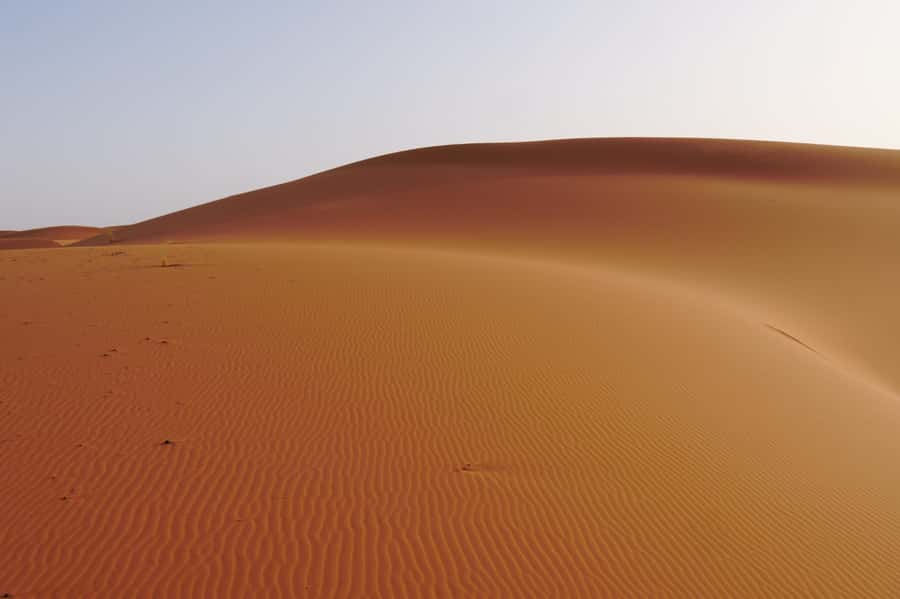
Golden dunes roll in fast. I like the way this route crosses the Tizi n’Tichka Pass and then delivers the real desert feeling at Erg Chebbi with a camel trek plus a camp night. The itinerary also has enough smart stops—like Todra Gorge and photo breaks—that it feels full without rushing. One drawback to plan for: lunches and drinks aren’t included, and you may be steered toward pricey pit stops along the way.
This is a small group tour (up to 17) run in a comfortable minivan, with an English-speaking driver/guide and early pickup from your Marrakech riad or a nearby car-access point in the Medina. Pack a small overnight bag for the desert camp, because larger luggage stays in the vehicle. And note the tour isn’t suitable for pregnant women.
In This Review
- Key things I’d circle before you go
- Marrakech to Fes in 3 days: the pacing that matters
- High Atlas Day 1: Tizi n’Tichka Pass and the road to Aït Ben Haddou
- Aït Ben Haddou UNESCO: how to make the most of a short stop
- Dades or Tinghir night: a well-timed reset before the desert
- Day 2 toward Merzouga: Todra Gorge and the canyon walk feel
- Erg Chebbi dunes: the camel trek and desert camp night
- Sunrise to Fes: getting the dunes twice, then the long road home
- Value and cost: does $118 really make sense here?
- Comfort, guides, and small safety checks that pay off
- Who should book this Marrakech to Fes Sahara tour?
- Should you book? My straight answer
- FAQ
- What’s included in the tour price?
- Are meals like lunch and drinks included?
- How much time do you spend at Aït Ben Haddou?
- What’s the camel trek like?
- Is sandboarding included?
- Can I get a vegetarian meal?
- Is it easy to get pickup in the Medina?
Key things I’d circle before you go
- Tizi n’Tichka Pass crossing: a major High Atlas drive with big road-and-view payoffs
- Aït Ben Haddou at UNESCO: a focused visit to the famous fortified kasbah (optional local guide fee)
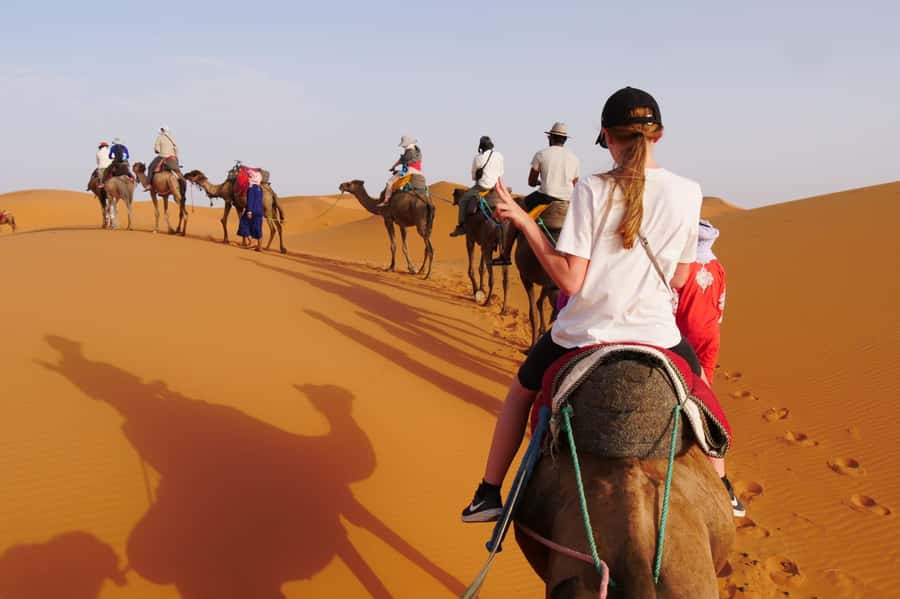
- Erg Chebbi camel night: traditional Berber camp services, dinner, and drum music under starlight
- Todra Gorge + Ziz Valley stops: short walks and viewpoints that keep the trip varied
- Long Day 3 drive: expect about 8–9 hours from Merzouga to Fes depending on stops and roads
Marrakech to Fes in 3 days: the pacing that matters
This tour strings together a lot of Morocco’s “wow” geography fast. You’ll start early in Marrakech, spend Day 1 crossing the High Atlas and reaching a hotel in Dades or Tinghir, then move toward Merzouga on Day 2 for the camel trek and desert camp. Day 3 is the long haul back to Fes, with sunrise first and then a drive of roughly 8–9 hours.
That pacing is great if you want variety: mountains, UNESCO film-famous kasbah scenery, canyon walks, and then Sahara dunes. It’s less ideal if you hate being on the road or if you’re picky about food. Lunches and drinks aren’t included, so you’ll be deciding how strict you want to be about where you eat.
Also keep expectations realistic about comfort levels. The minivan is described as comfortable, but AC performance can be hit or miss on the kind of long drives that include frequent stops. I’d pack like it’s summer heat until proven otherwise.
A few more Marrakesh tours and experiences worth a look
High Atlas Day 1: Tizi n’Tichka Pass and the road to Aït Ben Haddou
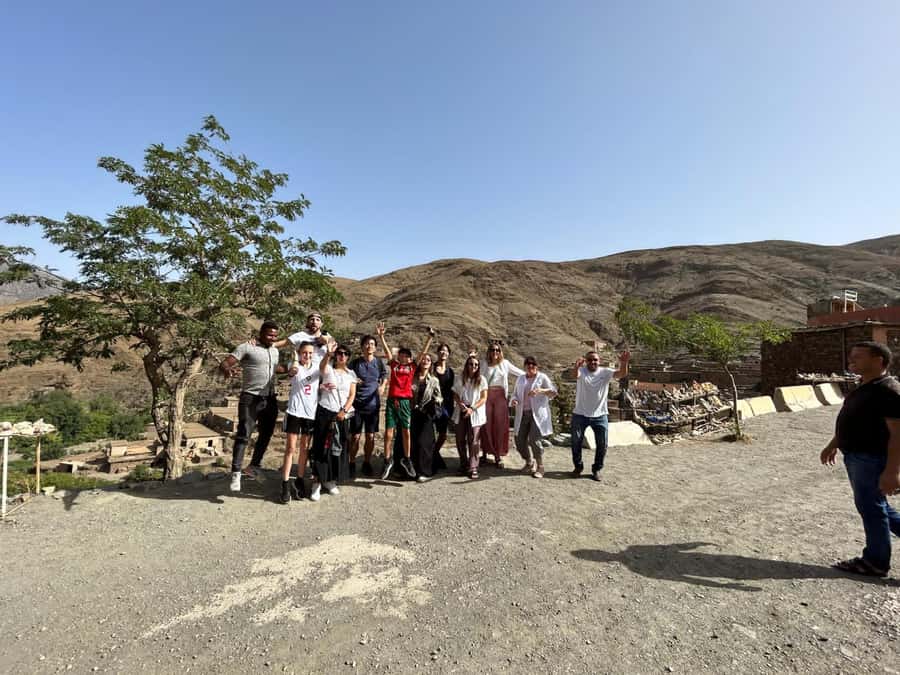
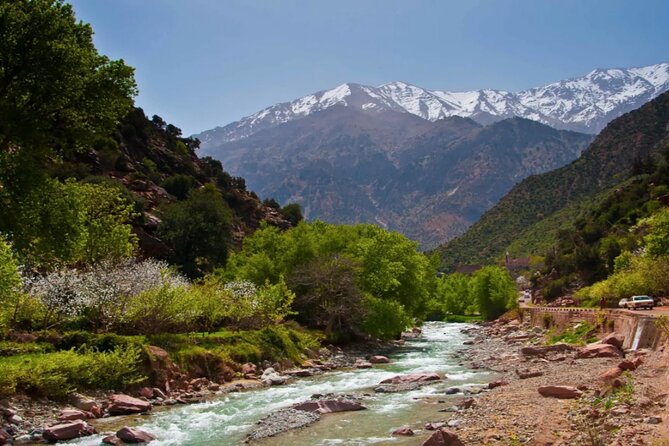
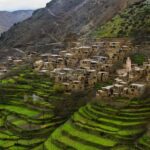
The heart of Day 1 is the eastward journey from Marrakech into the Atlas Mountains. You get repeated chances to stretch, grab a quick coffee break, and take photos as the scenery changes hour by hour. After the lead-in villages and countryside, you cross Tizi n’Tichka Pass—credited as the highest road in North Africa.
What I like about this segment is that it’s not just driving. The stop-and-go rhythm helps you keep your bearings and enjoy the big mountain views without feeling trapped in a bus seat. If you get motion sickness easily, take it seriously: Day 1 starts early and Day 3 is long, so plan for that before you go.
Aït Ben Haddou UNESCO: how to make the most of a short stop
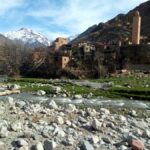
Aït Ben Haddou is one of those places that feels instantly cinematic. You visit as part of the route after crossing the pass, and the time on-site is about 1 hour for an outside visit. The kasbah is recognized by UNESCO as a world cultural site, and it’s been used as a filming location for major movies like Gladiator, Lawrence of Arabia, and Kingdom of Heaven.
A helpful way to experience it: treat the time like a guided orientation. Walk the main views, identify what’s defensive architecture versus residential areas, and then ask the guide pointed questions. The optional local guide fee is 2 € per person, and that extra context can be worth it if your guide is fluent and prepared.
One practical caution: the depth of the on-the-ground local guiding can vary. If you care about details, don’t be shy about asking follow-ups. If answers get thin, you can still have a satisfying visit by focusing on what you can see: earthen walls, layered levels, and the way the kasbah sits in the landscape.
Dades or Tinghir night: a well-timed reset before the desert
After Aït Ben Haddou, you continue through places like Ouarzazate and Klaa Mgouna, then work your way to the Dades Valley area for the evening. You arrive late afternoon and check into your hotel for the night.
This night matters because it splits the journey cleanly. You get real sleep on a normal bed before the camel trek and overnight in the dunes. Dinner is included, and it’s described as dinner in the Rose Valley. Even if you’re tired, I’d still try to eat earlier rather than later so you’re not running on low energy the next day.
From a comfort standpoint, people have described the hotel as fine. The bigger variable is how you feel after hours in transit, so bring your basics: water, sun protection, and something warm for the evening if the temperature drops where you’re staying.
Day 2 toward Merzouga: Todra Gorge and the canyon walk feel
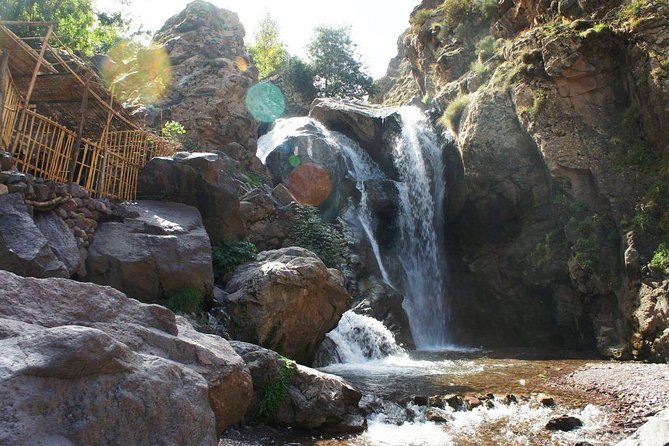
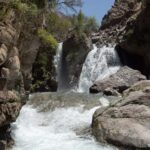
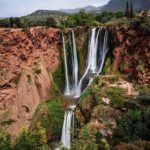
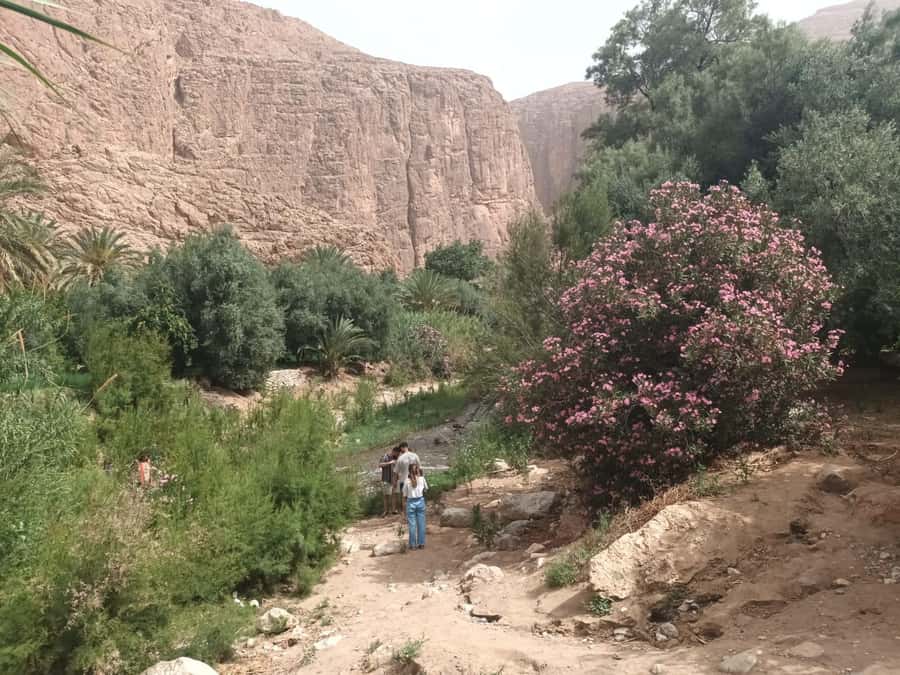
Day 2 begins after breakfast with a drive toward the Merzouga dunes. On the way, you pass through traditional Berber villages and key place names like Tinghir, Tinjdad, and Erfoud. You also get a significant stop at Todra Gorges, where you can take a walk through the canyon with a local guide.
This stop is one of the best “stretch your legs” moments of the trip. The gorges create that classic Morocco contrast: tall rock walls, narrow pathways, and a sense of shade and cool air compared to the brighter road outside. It also helps break up the drive psychologically. Instead of moving directly from kasbah to dunes, you get a different kind of terrain.
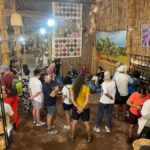
Then you continue toward Merzouga as the scenery becomes more desert-like. Along the route, you’ll also stop at a local cooperative. The goal here is to learn about regional crafts and products—often the kind of thing that takes you beyond souvenir shopping if you pay attention and ask questions.
Erg Chebbi dunes: the camel trek and desert camp night
When you reach Merzouga, you don’t head straight into “fast desert life.” You arrive, relax, and then prepare for the camel trek. The tour asks you to pack a small overnight bag for the camp, while larger bags stay behind in the vehicle.
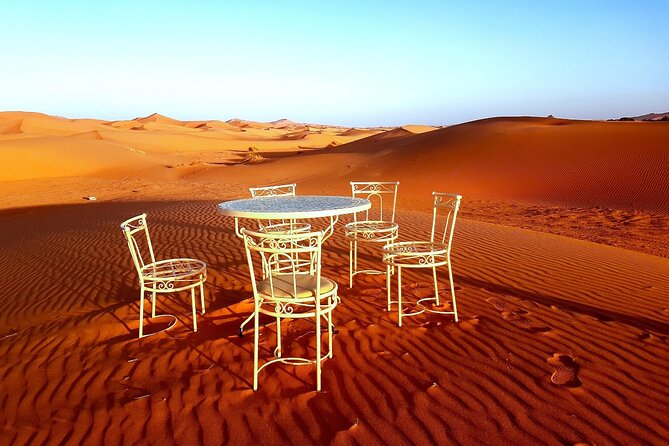
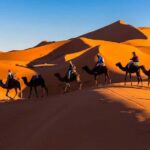
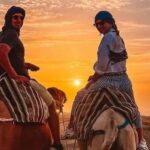
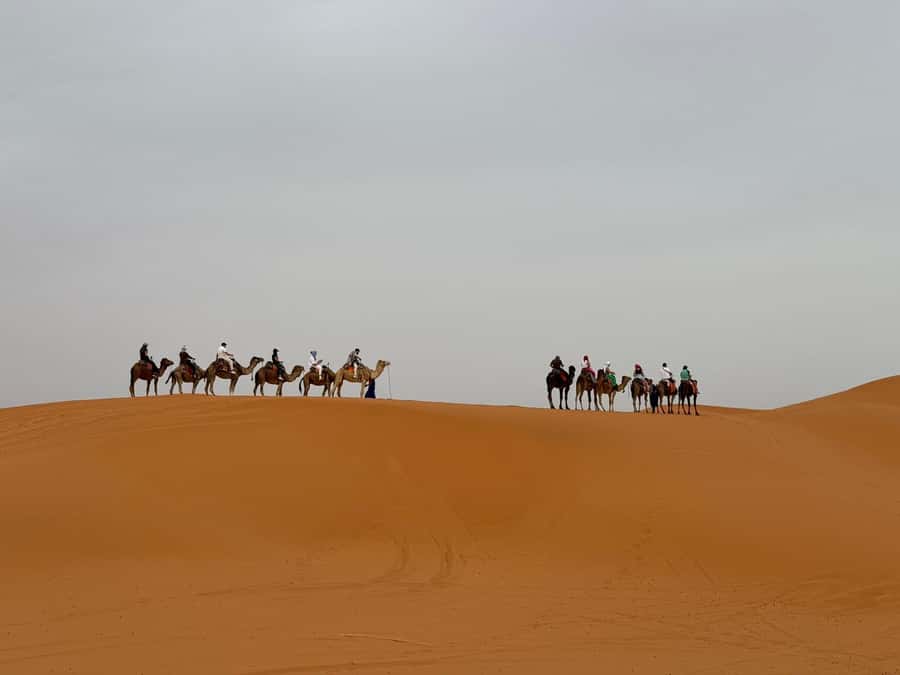
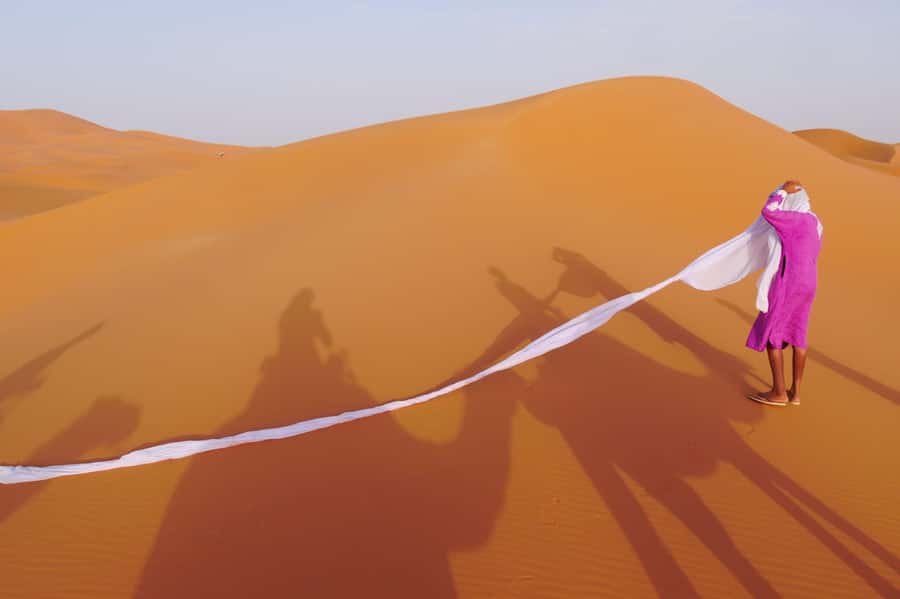
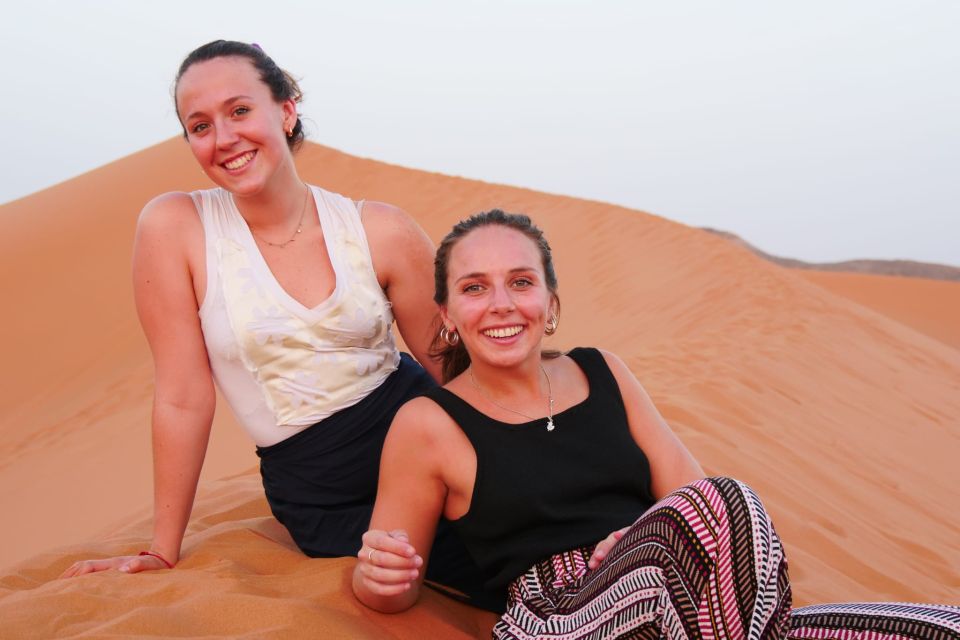
Then comes the main moment: camel trekking across the golden dunes of Erg Chebbi. You’re meant to arrive in time to walk up the dunes, then watch sunset. This is one of those times where doing the simplest version—walking a bit, finding a spot with a view, and watching the light shift—beats trying to do everything at once.
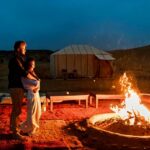
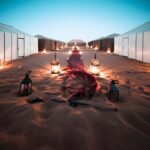
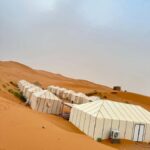
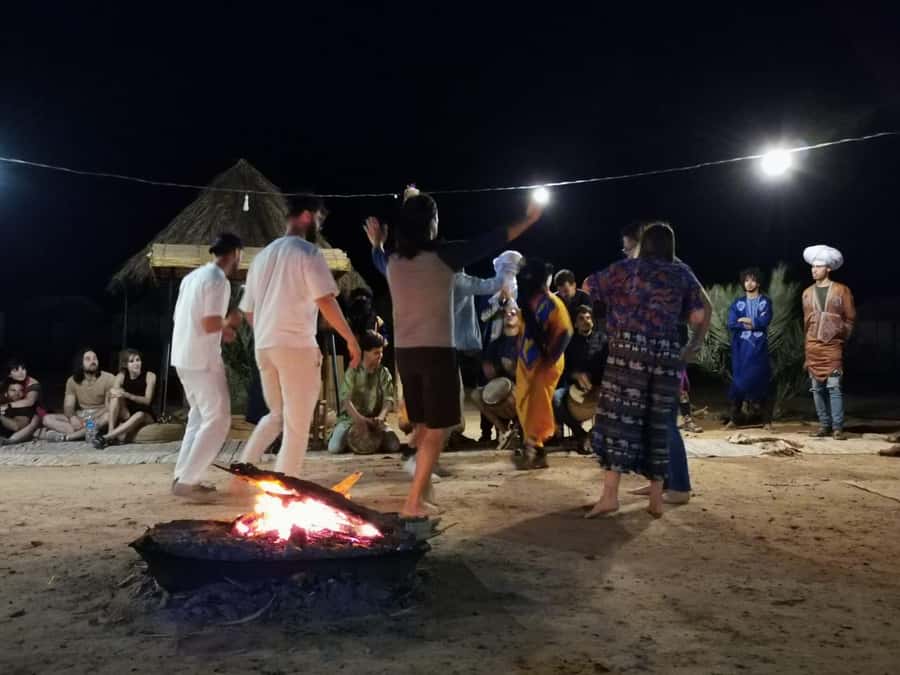
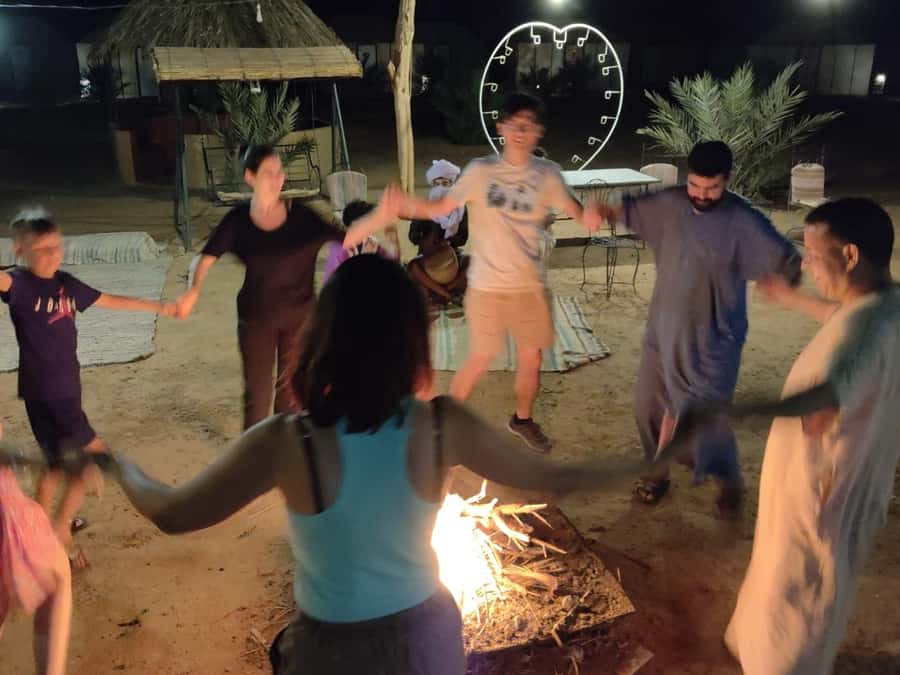
At the desert camp, you sleep in traditional Berber nomad tents. Dinner is included, and there’s traditional drum music around the campfire. The starry sky is the big payoff, and the camp setup is meant to feel like a real desert night rather than just a quick photo stop.
A practical detail: sandboarding may be available if the camp provides the equipment. It’s not guaranteed in every camp setup, so if you care about it, treat it as a maybe.
One more thing I’d keep in mind: camel handling is handled by camp and local staff. That means the level of care can be uneven. If you’re cautious getting on or off, take your time, use steady footing, and make sure whoever is assisting gives you a clear path. Falling is usually more painful than dramatic, and you don’t want that kind of unnecessary risk.
Sunrise to Fes: getting the dunes twice, then the long road home
You’ll wake up early for sunrise over the dunes, then return to Merzouga by camel. This second camel segment keeps the day moving, so it’s less about “another trek” and more about catching that morning light and re-joining the drive.
After breakfast, you set off for Fes. The route crosses the Ziz Valley through Errachidia and the Middle Atlas Mountains. This is the day that can feel long. The drive is listed as about 8–9 hours depending on stops and road conditions, and there aren’t many ways around the fact that you’ll be in transit most of the day.
Still, it’s worth it because you finish in Fes with a drop-off at your accommodation or the closest accessible location. You’ll likely arrive late afternoon, so plan a low-energy evening: shower, eat something easy, and write down what you remember before it all blurs into road-trip mode.
Value and cost: does $118 really make sense here?
At $118 per person, you’re not just paying for a “Sahara photo.” You’re paying for transportation, two included meals per night (breakfast and dinner), one hotel night, one desert camp night, and the camel trek with sunrise and sunset experiences.
Here’s what that means in practical value terms:
- You’re covered for the big logistics. You won’t need to arrange separate transport from Marrakech to the Atlas, then to Merzouga, then to Fes.
- You’re paying for lodging twice. One night in Dades or Tinghir, and one night in desert tents in Merzouga.
- The tour includes desert camp services and staff support, plus a guided element for specific stops like Todra Gorges.
What isn’t included matters because it can add up. Lunches and drinks aren’t included, and water/beverages aren’t included either. There’s also an optional local guide fee of 2 € per person at attractions, listed as possible at sites. And personal travel insurance isn’t included.
From real-world budgeting, I’d expect lunch spending to become a decision point. Some people have described being brought to restaurants they felt were overpriced, with one estimate around 130 dirham per lunch. Even if you don’t end up in that exact situation, treat lunch as your own responsibility: bring snacks if you can, and if you’re not happy with a stop, it’s okay to politely say no when possible.
Food quality can also vary at roadside spots. If you have a sensitive stomach, be selective. Stick with bottled water, avoid risky choices when you’re already traveling all day, and keep your meals simple.
Comfort, guides, and small safety checks that pay off
This is an English-speaking driver/guide operation in a small group. In practice, the driver tends to handle a lot: timing, road decisions, and keeping the group together. That can be a huge help—especially when you’re moving across remote areas.
When it comes to named staff, I’ve seen several drivers praised for care and quick action. Hamza earned compliments, and Youssef was described as attentive and helpful in situations like motion sickness. Hassan also received praise for being amazing. On the camp side and local guide side, names like Oussama and Mohamed Rasta show up as friendly and safety-minded in the experience.
That said, local guides at specific sites can vary in how much detail they share. At Aït Ben Haddou, for example, the guide may stick to a fixed script and not go deep when you ask questions. If history and architecture facts matter to you, ask direct questions early or add your own reading once you’re back in town.
For the desert portion, camel handlers may focus on the basics. If you’re coordinating with getting on and off the camel, take your time and watch how the handler positions you. This is one place where a little extra caution is smart, even if everything looks routine.
And for comfort items, I strongly recommend you pack small basics that keep your evening sane: your own soap and a bit of personal hygiene kit. Some people specifically called out bringing their own soap.
Who should book this Marrakech to Fes Sahara tour?
Book it if you want:
- A timed, guided route that combines High Atlas passes, a UNESCO kasbah stop, and Erg Chebbi dunes.
- The desert night experience without the stress of arranging transport and sleeping logistics yourself.
- Camel trekking with sunrise and sunset.
Consider skipping or adjusting expectations if:
- You can’t handle long driving days. Day 3 is around 8–9 hours.
- You really want full control over meals and spending. Lunches and drinks aren’t included, and you may feel pressure to eat where you’re taken.
- You need consistent high-end comfort. AC may not work at points, and desert tents are rustic by definition.
Health note: the tour is not suitable for pregnant women, and that’s something you should respect.
Should you book? My straight answer
I’d book this tour if you’re excited about the core experiences: crossing Tizi n’Tichka Pass, standing in Aït Ben Haddou, riding camels over the Erg Chebbi dunes, and watching both sunset and sunrise from the desert. The price feels reasonable for what’s included, especially because lodging and desert camp services are part of the deal.
I wouldn’t book it if you’re hoping for a relaxed, no-surprises trip with gourmet meals included. Budget for lunch and drinks, take heat and timing seriously, and be a little proactive about food choices and getting on the camel safely.
If you want, tell me your travel month and whether you get motion sickness or prefer smaller walking times, and I’ll suggest a packing list and a pacing strategy for this exact route.
FAQ
What’s included in the tour price?
Pickup from your Marrakech hotel or nearest meeting point, transport in a comfortable minivan, an English-speaking driver/guide, 1 hotel night in Dades or Tinghir with dinner and breakfast, 1 night in a traditional Berber desert camp in Merzouga with dinner and breakfast, camel trek into the Erg Chebbi dunes, sunrise and sunset in the Sahara, an outside visit to Ait Ben Haddou, stops at Todra Gorge and Ziz Valley for photos, desert camp services and staff support, and drop-off in Fes at your accommodation or the closest accessible location. Sandboarding is included only if the camp provides equipment.
Are meals like lunch and drinks included?
No. Lunches and drinks are not included, and water and beverages are also not included.
How much time do you spend at Aït Ben Haddou?
You’ll visit Ait Ben Haddou Kasbah for about 1 hour as an outside visit. Local guide fees at attractions are not included and are optional (listed as 2 € per person).
What’s the camel trek like?
You’ll do a camel trek across the golden Erg Chebbi dunes to reach the camp in time for sunset, then you’ll ride again by camel from the camp area back to Merzouga for sunrise and the next stage toward Fes.
Is sandboarding included?
Sandboarding is included only if the desert camp provides the equipment.
Can I get a vegetarian meal?
Yes. A vegetarian option is available—just advise at the time of booking.
Is it easy to get pickup in the Medina?
Pickup is included from any hotel or riad in Marrakech, but if your place is inside the Medina, you’ll meet at the closest accessible point by car. Your exact pickup time is confirmed the day before.