REVIEW · MARRAKECH
3-Days from Marrakech to Merzouga Tour with Camel Trek
Book on Viator →Operated by Africa Tours Marrakech · Bookable on Viator
Desert silence starts with city traffic. I love how this 3-day route strings together Ait Ben Haddou and the Erg Chebbi dunes without making you juggle plans. The bonus is the full desert rhythm: camel time at golden hour, then a Bedouin camp night where the sky actually feels huge. One consideration: you’ll cover serious miles across the Atlas, so plan for long stretches sitting in the van and an early start.
You also get a more personal feel than you’d expect for a long transfer, thanks to a small group and a guide who keeps the day moving. In particular, guide Yusuf was praised for staying on top of the schedule and managing different personalities in the group. Price-wise, the $115 is strongest if you value having transport, desert lodging, camel ride, and sandboarding bundled together, while you handle lunch and drinks on your own.
In This Review
- Key things that make this tour worth your attention
- Marrakech to Merzouga in 3 days: the drive plan (and how to enjoy it)
- Ait Ben Haddou Kasbah: UNESCO walking time and movie vibes
- Ouarzazate and the Rose Valley stops: quick breaks with local flavor
- Overnight options: Dades or Tinghir style comfort after Day 1
- Todra Gorges and Erfoud: the route turns wild, then strategic
- Erg Chebbi camel trekking and Bedouin camp nights under the stars
- Day 3 back to Marrakech: roses valley lunch and the Atlas return
- Price and logistics: what $115 covers (and the real cost surprises)
- Group size, guide Yusuf, and comfort tips that matter
- Should you book this Marrakech to Merzouga 3-day camel trek?
- FAQ
- FAQ
- How long is the Marrakech to Merzouga 3-day tour?
- What is the pickup like?
- What does the $115 price include?
- What is not included in the tour price?
- Where do we sleep during the tour?
- How long is the camel ride?
- Which major sights are included?
- Can I cancel for a full refund?
Key things that make this tour worth your attention
- UNESCO stop with real exploring time at Ait Ben Haddou: you cross the river and wander the kasbah village at a relaxed pace
- Atlas Mountains drive with photo-worthy viewpoints: Tizi n’Tichka is a high, dramatic pass stop
- Todra Gorges plus a local-guided feel: you get out, walk, and see the Todgha area with context
- Erfoud on the way to Merzouga: a quick look at the fossil reputation before you hit the big dunes
- Camel ride and overnight in nomad tents: dinner and camp sleep are included for the full desert night experience
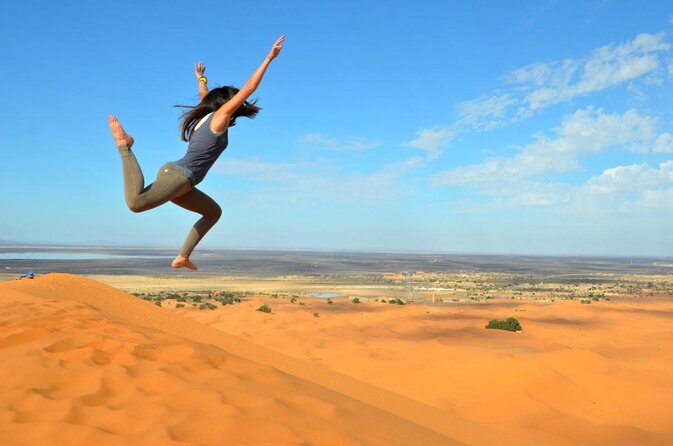
- Sandboarding included: you’re not just watching the dunes, you’re sliding them
Marrakech to Merzouga in 3 days: the drive plan (and how to enjoy it)
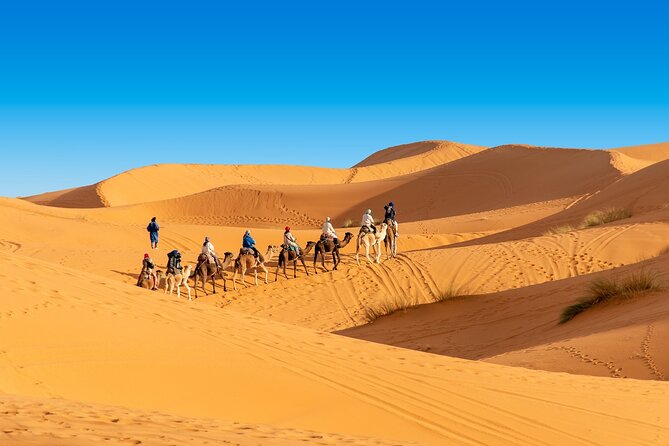
This tour starts with a morning departure from Jemaa el-Fnaa around 8:00. After pickup, you head toward the Atlas Mountains and then down through Morocco’s wide-open desert approach. The transport is an air-conditioned minibus, and fuel is included, which matters because it keeps the trip predictable rather than turning into a patchwork of extra costs.
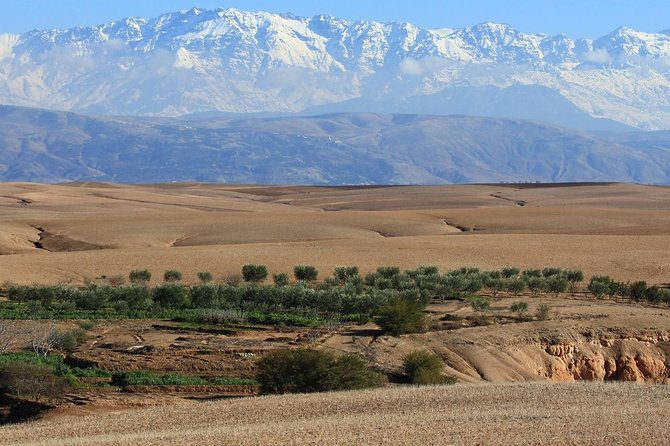
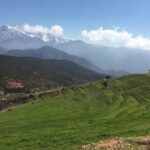
The big “you’ll feel it” moment is the climb to Tizi n’Tichka (listed at about 2260m). Even if you’re not a hardcore mountain road person, the altitude change makes the views and air feel different fast. You also get at least one photography-focused stop at the top, so you’re not stuck rushing everything from the roadside.
Between major stops, you’ll have breaks built in (short ones, but real). That’s important on a route like this because the day is long: you’re moving from city life into kasbah villages, then into gorge country, and finally desert dunes. Bring what you’ll actually use: sunglasses, a hat, and layers. Even when daytime feels warm, mornings and desert nights can flip colder than you expect.
You can also read our reviews of more hiking tours in Marrakech
Ait Ben Haddou Kasbah: UNESCO walking time and movie vibes
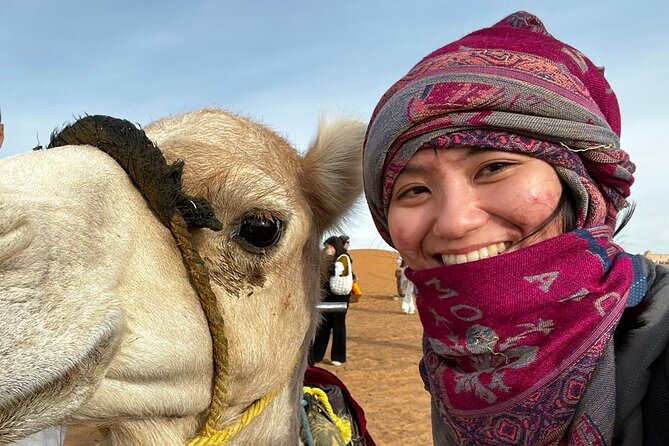
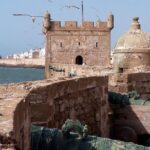
Ait Ben Haddou is the star of Day 1, and you get the right kind of access: time to walk. You’ll cross the river separating the kasbah from the main road and explore the Berber-fortified village at an easy pace (about two hours is planned).
What makes this stop especially valuable is that Ait Ben Haddou isn’t just a “look from a photo spot” moment. It’s active walking time through the village lanes and structures, so you can take in how the kasbah form works. It’s also known as a filming location for big productions, including The Kingdom of Heaven, Lawrence of Arabia, and Gladiator, which can help you picture the place even if you’ve never been here before.
Practical tip: wear shoes you can trust for uneven ground. Ait Ben Haddou is old, so expect stairs and rough surfaces. And if you’re chasing photos, plan to take a few from a distance first, then save your close-up shots for during your walking time.
Ouarzazate and the Rose Valley stops: quick breaks with local flavor
After Ait Ben Haddou, the route passes through Ouarzazate. The stop here is brief (around 15 minutes), but it’s designed for a quick view and photo break, including perspectives connected with Atlas Studios and nearby kasbah areas.
Then you’ll stop at Vallée des Roses for a short photo break. What’s interesting is the seasonal angle: rose picking begins in April, and there’s a 3-day festival in the first week of May. If you travel around those months, you may get a stronger sense of the rose economy and rose-oil products sold through local associations. If you’re outside those dates, it’s still a scenic roadside stop—just less festival energy.
These breaks are the kind that keep your day from feeling like nonstop driving. Don’t expect a full sightseeing program here; think of it as rhythm and variety between the big-ticket stops.
Overnight options: Dades or Tinghir style comfort after Day 1
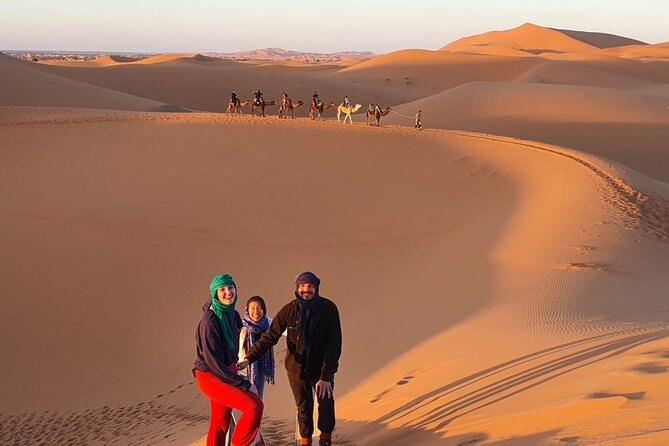
Day 1 ends with an overnight stay in a hotel like Bougafer Tinghir or Luxury Riad Dades, or similar. This matters because you’re not going straight from Marrakech to desert camping. You’re building in recovery time after the Atlas drive and the kasbah exploring.
What you should expect: standard comfort compared with the desert camp. The goal is a real night of rest so Day 2 feels fun rather than exhausting. If you’re the type who hates being cold, aim to pack layers for the evening even in the hotel, since the temperature swing is part of this route’s character.
Todra Gorges and Erfoud: the route turns wild, then strategic
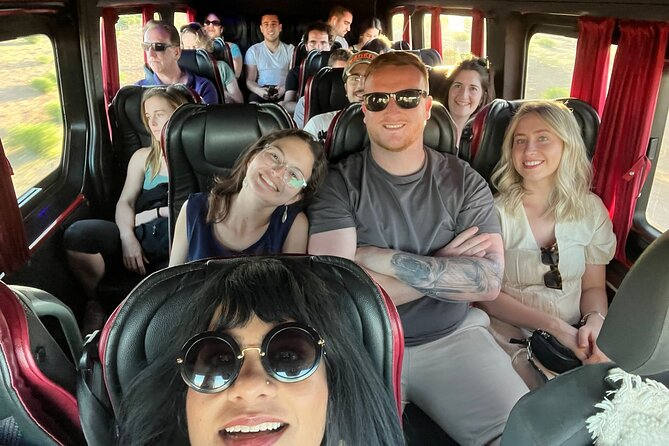
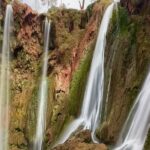
Day 2 begins with the Gargantas del Todra (Todra Gorge) visit. The timing is set up for a morning sightseeing block after breakfast, with about 1.5 hours planned. You’ll visit the gorge and the Todgha area, plus a local guide component that includes gardens and a “kassbah comparative” element (the wording is a bit informal, but the idea is you’re getting explanation, not just walking in silence).
Why this stop is worth it: Todra Gorge is dramatic, but it also functions as a stretch of real life in Morocco’s inland regions. You’ll feel the transition from kasbah scenery into something more rugged and natural.
Then you head toward Erfoud via Tinejdad and Berber villages. Erfoud is known as the capital of fossils, so it’s a quick “what this region is famous for” stop before the dunes take over. You don’t spend all day there; the bigger focus is getting you to Merzouga and the Erg Chebbi dunes.
Even though the Erfoud stop is short, it’s a smart way to break the transfer. You get a sense that this isn’t just a straight line to the sand—it’s a route with culture and local industries along the way.
Erg Chebbi camel trekking and Bedouin camp nights under the stars
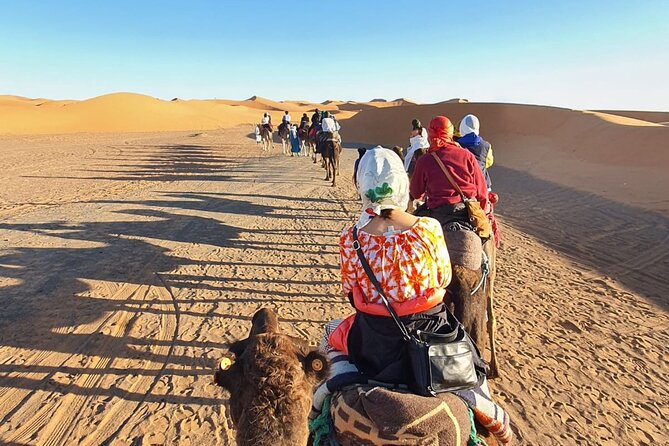
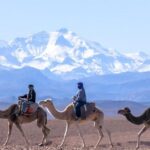
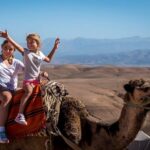
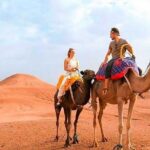
The highlight of Day 2 is the shift from vehicle to animal. After reaching the Merzouga dune area, you leave the minibus for a camel ride. The tour includes camel rides with one camel for each rider, and camel trekking is part of the program.
A useful detail from the experience notes: the camel rides are described as about two hours each way. That’s a meaningful chunk of time on camelback, not a quick photo moment. The “good” part is you get the feel of the dunes, not just a single stop.
What you’re really buying here is the desert rhythm:
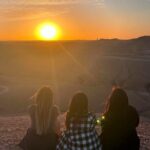
- The dunes at sunset light up fast.
- The night brings silence in a way city life never does.
- Dinner and overnight are included at the nomad tents / bivouac in the big dunes.
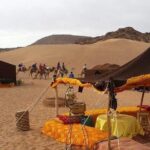
Expect the camp to be more basic than a hotel, because that’s the point. You’re sleeping in nomad tents, and the night sky is the payoff. Bring a headlamp or small flashlight if you have one, because walking around in the dark always helps.
Also, sandboarding is listed as included for the overall tour. If you’re hoping to slide rather than just watch, this is the part to be ready for—wear footwear you don’t mind getting dusty.
Day 3 back to Marrakech: roses valley lunch and the Atlas return
Day 3 starts with an early breakfast in the camp area, then you drive back toward the main road. Before the final return to Marrakech, there’s a lunch stop in Kelaat Mgouna (spelled Kelaat Mgouna / El Kelaa M’gouna depending on the document). This is the roses valley area, a continuation of that rose theme from earlier in the route.
You’re given about an hour for that stop. You’ll likely use it for lunch and a reset before the long ride back.
From there, the route continues via Ouarzazate and the Draa-Tafilalet area, with a break for convenience. Then you pass by the Tichka Atlas mountain again on the way back.
The final payoff is arriving back in Marrakech, where the driver drops you off at your accommodation at the end of the service. After two full days of sightseeing and desert time, that drop-off is more convenient than meeting at a central point.
Price and logistics: what $115 covers (and the real cost surprises)
At $115 per person, this tour is priced in the “value” zone because the key pieces are bundled:
- Transport by air-conditioned minibus (fuel included)
- Camel ride and camel trekking (one camel per person)
- Desert camp accommodation in nomad tents for the night
- Dinner twice, and breakfast twice
- Sandboarding
- Entry/admission connected with the Merzouga Desert
- At least one key sightseeing admission is included on Day 1
What’s not included is straightforward: lunch and drinks. And that’s where you need to stay smart.
There’s also a practical heads-up: the planned food stops that aren’t included can be pricey for tourists. The way to handle this is simple—budget for lunch and drinks, carry some snacks if you’re the type who gets hungry between breaks, and treat paid stops as optional rather than mandatory.
If you want the cleanest value, come ready to spend money where you actually need it (lunch, water, drinks), and don’t expect the tour price to cover every single roadside cost.
Group size, guide Yusuf, and comfort tips that matter
The tour is described as private for your group (not shared with strangers), and the group is small. That usually means better attention from the guide and fewer rushed moments when you want a question answered or a quick pace adjustment.
Guide Yusuf came up in positive feedback for staying organized and keeping things moving, even when the group needed extra handling. The practical takeaway: you’re not just getting transportation. You’re getting someone who works the schedule and knows how to keep the day from falling apart.
Comfort tips that will make or break your experience:
- Pack layers for desert nights and early mornings (tent nights can feel cooler than you expect).
- Bring a headlamp or small flashlight for the camp area.
- Wear shoes you can walk in during Ait Ben Haddou and Todra Gorge.
- Keep a small bag for essentials so you’re not digging for stuff after you transition from car to camel.
If you’re sensitive about long seated time, know that the day is long on purpose. This route is built around road time, then big sensory payoffs: kasbah wandering, gorge walking, and desert nights.
Should you book this Marrakech to Merzouga 3-day camel trek?
Book it if you want a structured, hassle-free way to connect Marrakech, UNESCO Ait Ben Haddou, Todra Gorge, and the Erg Chebbi dunes—plus a real desert overnight, not just a day trip. The value is best when you care about the included essentials: transport, desert lodging, camel trekking, and sandboarding.
Skip it or rethink your fit if you strongly dislike long drives or you know you’ll struggle with cold tent nights. Also consider that lunch and drinks are on you, and some food stops can cost more than you’d like.
If you’re okay trading comfort for authenticity, and you like the idea of riding camels through dunes with a guide keeping the pace reasonable, this tour is a solid pick for the Merzouga experience.
FAQ
FAQ
How long is the Marrakech to Merzouga 3-day tour?
It runs for approximately 3 days, with an itinerary spread across Day 1, Day 2, and Day 3.
What is the pickup like?
Pickup is offered. You’ll meet your driver, and then the tour departs from Marrakech in the morning.
What does the $115 price include?
It includes transport by air-conditioned minibus (fuel included), camel ride/camel trekking, sandboarding, desert camp accommodation in Merzouga, entry connected with the Merzouga Desert, and meals listed as dinner x2 and breakfast x2.
What is not included in the tour price?
Lunch and drinks are not included.
Where do we sleep during the tour?
You’ll have an overnight stay in a hotel in the Tinghir or Dades area (such as Bougafer Tinghir or Luxury Riad Dades, or similar) on Day 1. On Day 2, you’ll sleep in nomad tents in the Merzouga dunes.
How long is the camel ride?
The experience notes describe camel rides of about two hours each way.
Which major sights are included?
You’ll visit Ait Ben Haddou Kasbah, the Todra Gorge area, and you’ll pass through areas including Ouarzazate, Erfoud, and roses valley stops such as Vallée des Roses and Kelaat Mgouna.
Can I cancel for a full refund?
Yes. You can cancel for a full refund if you cancel at least 24 hours before the experience’s start time. Free cancellation is available under that condition.