REVIEW · MARRAKECH
Organic Moroccan Cooking Class At Secret Berber Garden CT
Book on Viator →Operated by ATELIER DE CUISINE CHEF TARIK ORTY-CT · Bookable on Viator
Fresh mint tea beats a medina stroll. This private cooking class sends you to an organic farm outside Marrakech where a chef walks you through Moroccan classics with hands-on guidance. I like the mix of tasting plus doing, and I love that the food connects to ingredients grown right there. One thing to plan for: you’re committing to a countryside drive and a real workshop pace, not a quick demo.
You also get the practical perks that make Marrakech feel less chaotic. Round-trip hotel pickup and drop-off (selected hotels) means you can focus on cooking instead of bargaining for transport, and you’ll eat the meal you make right after. A possible drawback is that alcoholic drinks aren’t included, so if you want wine or beer with lunch, you’ll need to plan ahead.
If you’ve got dietary needs, tell the organizer at booking. There’s a vegetarian option, and you can advise requirements in advance so the menu can be adjusted. Children are welcome with an adult, and the group is private, so you’re not squeezed into someone else’s schedule.
In This Review
- Key highlights that matter
- Why this organic farm setting changes the cooking class
- Getting there smoothly: hotel pickup and the countryside drive
- Tea ritual and garden harvest: the start of the Moroccan flavor story
- What you’ll cook: tagines, breads, couscous, and salads
- Hands-on techniques: getting real help, not just instructions
- Lunch on-site: sit down with what you cooked
- The pace and group feel: private class, certificate, and comfort
- Price and value in Marrakech terms
- Who should book this Moroccan cooking class
- Tips to get the most from your class
- Should you book?
- FAQ
- What does the organic Moroccan cooking class include?
- How long is the experience?
- Is pickup from my hotel included?
- Can the menu be adjusted for dietary needs?
- Are alcoholic drinks included with lunch?
- What if the weather is bad?
Key highlights that matter
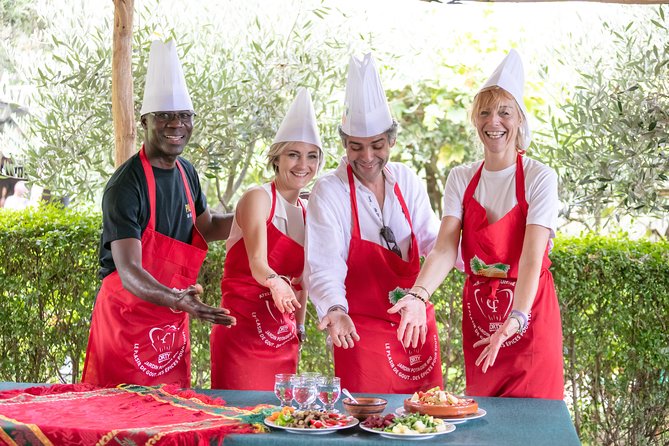
- Chef-led, private class: just your group, with step-by-step help as you cook
- Organic garden produce: you collect ingredients on site before they hit your cutting board
- Mint tea start: you learn the tea ritual and the role it plays in Moroccan hospitality
- Tagines, breads, couscous, salads: a broad set of Moroccan basics, not one dish only
- Real on-site lunch: you sit down and eat what you cooked, with beverages included
- Symbolic certificate: a fun, simple souvenir at the end of the workshop
Why this organic farm setting changes the cooking class
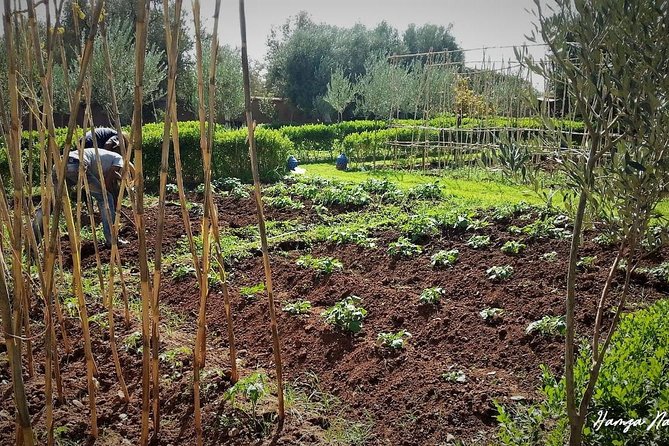
Most Marrakech cooking classes will teach you how Moroccan food works. This one adds a layer that’s hard to fake: you’re working with ingredients tied to the farm. When you collect produce from the garden on site, the whole process feels more “why” than “just follow steps.”
You also get a calmer rhythm than what you might get inside the city. The countryside setting makes it easier to pay attention to smells and textures while you cook. That matters for Moroccan food, where spices are only half the story. The other half is timing, heat control, and how you build flavor in layers.
From the reviews, I keep seeing the same pattern: people leave with more than recipes. They describe understanding kitchen practices, from tea and bread to braise-cooking methods used for tagines and stews. Even if you never cook Moroccan food again, you’ll still “get” how Moroccan cooking thinks.
You can also read our reviews of more cooking classes in Marrakech
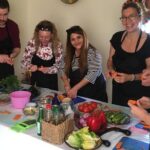
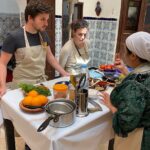
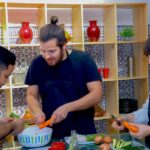
Getting there smoothly: hotel pickup and the countryside drive
This experience includes transportation: a driver/guide plus hotel pickup and drop-off for selected hotels. That’s a real quality-of-life upgrade in Marrakech, where getting from point A to point B can turn into a puzzle.
You should expect the trip to take you outside the city. One review notes about 25 km outside Marrakech, and another mentions around 50 km. Either way, you’re leaving the medina atmosphere and heading into a more rural setting before the class begins.
Practical tip: if you’re staying in the medina edge, double-check that your pickup spot is one the driver can actually reach. The class is designed to be smooth, but narrow lanes can be unpredictable. If your hotel is outside the pickup zone, you may need to get yourself to a meeting point, so confirm what’s included for your specific hotel.
Tea ritual and garden harvest: the start of the Moroccan flavor story
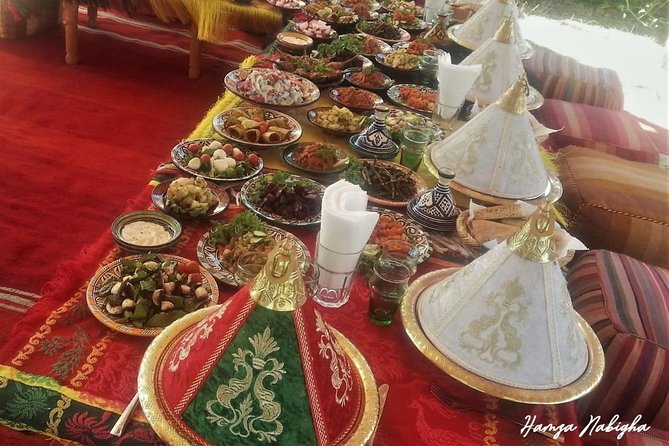
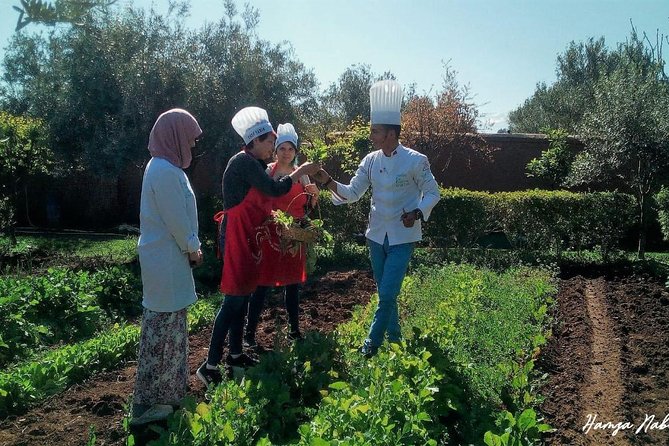
The class typically begins with mint tea, and you’ll learn how it fits into Moroccan hospitality. In one account, the tea moment is led by Hassan (described as part of the village setting). Even if tea sounds small, it’s the perfect warm-up because it teaches you an attitude: Moroccan meals start with welcome, then move into flavor.
After that, you head to the garden. The idea here is simple and smart: you see and select produce, then cook with it soon after. It connects ingredient choice to flavor, which is something you can’t fully learn from a supermarket kitchen.
What I like about this setup is that it makes the rest of the class easier. Once you’ve handled the ingredients, you pay attention. You notice how something changes when it’s chopped, toasted, simmered, or folded into a dish. That attention is where the class becomes more than entertainment.
What you’ll cook: tagines, breads, couscous, and salads
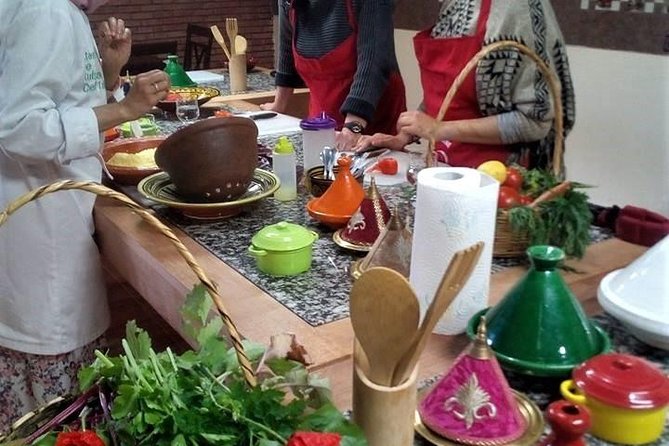
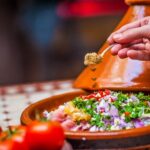
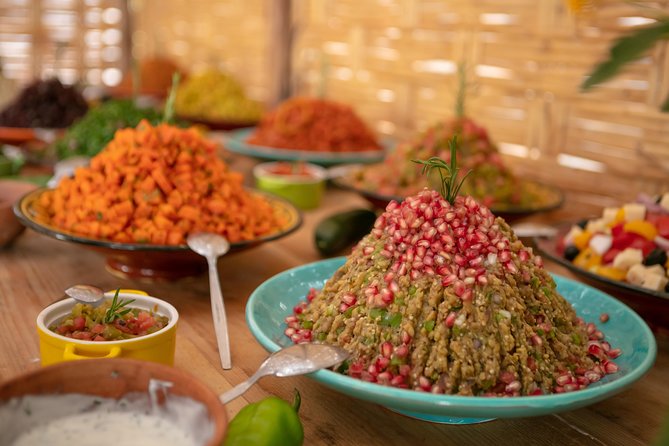
This class is built around Moroccan classics, and the menu spread is a big part of the value. You can expect to make multiple dishes, including breads and tagines, plus other common Moroccan staples.
Here’s what comes up repeatedly:
- Mint tea, at the beginning
- Tagine-style cooking, including chicken and lamb variations mentioned in reviews
- Couscous, a core Moroccan technique and comfort food
- Salads, to balance rich flavors
- Bread, including warm bread described as coming from a traditional earthen oven
One review highlights learning several dishes and mentions a wide range of the menu compared with other options in the area. Another says the chefs support you at every step, so you’re not stuck watching while someone else does the hard part.
A key point for you: Moroccan cooking is technique-heavy. If you’re only half paying attention, you’ll remember the taste and forget the method. This class pushes you to learn the method—especially how sauces and braises build depth over time.
Hands-on techniques: getting real help, not just instructions
A good cooking class has two jobs. First, it teaches you the basics quickly. Second, it prevents your mistakes from ruining the whole batch.
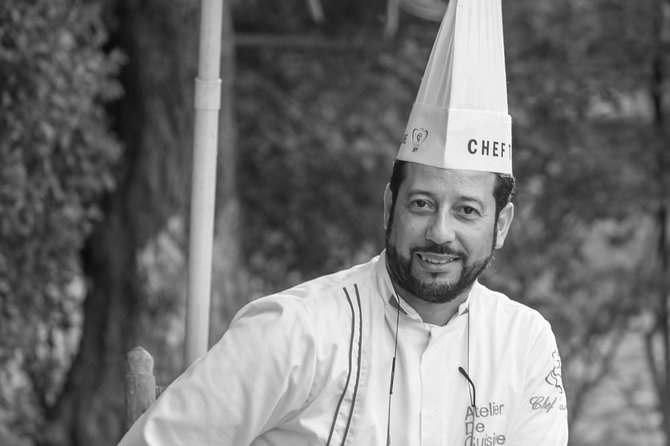
This experience leans hard into the second job. You’re guided stage by stage, with chefs positioned to help as you work. Reviews mention right-there assistance, personalized pointers, and chefs who stay close enough to correct small things like timing or seasoning balance.
The chef names show up across reviews, and that’s a good sign that this isn’t a one-person show:
- Chef Tarik is specifically named as a key leader in the experience provider
- Chef Siham appears in multiple accounts
- Rokaya and Youssef also show up as part of the teaching team
- Hassan is mentioned in connection with the mint tea start
Why that matters to you: different chefs teach in different styles. If one person explains the tagine method differently than another, you still get the technique reinforced from more than one angle. You end up with a clearer mental model of what to do next time.
Also, the class uses ingredients from the garden, which reduces guesswork. You’re more likely to understand why you’re adding something, because you chose it (or at least saw it) moments earlier.
A few more Marrakech tours and experiences worth a look

Lunch on-site: sit down with what you cooked
After cooking, you’ll eat the meal you created. Lunch is included, and so are beverages. Alcohol is not included, so lunch is more likely to be tea, soft drinks, or water unless you arrange something else.
This part is more important than it sounds. You don’t just leave with recipes in your phone. You taste the final results while the process is still fresh in your mind. That makes it easier to remember what worked, what needed more salt, and what you could adjust next time.
One review calls out bread coming fresh from an earthen oven and food prepared and cooked over embers. Even if you don’t memorize every step, you’ll remember the sensory cues: the aroma of spices, the warmth of fresh bread, and the way braised dishes develop complexity.
The pace and group feel: private class, certificate, and comfort
This is a private tour/activity, meaning only your group participates. That’s a big deal in a cooking context. It usually means less waiting around, more personal attention, and fewer awkward moments where you feel like you’re intruding on someone else’s process.
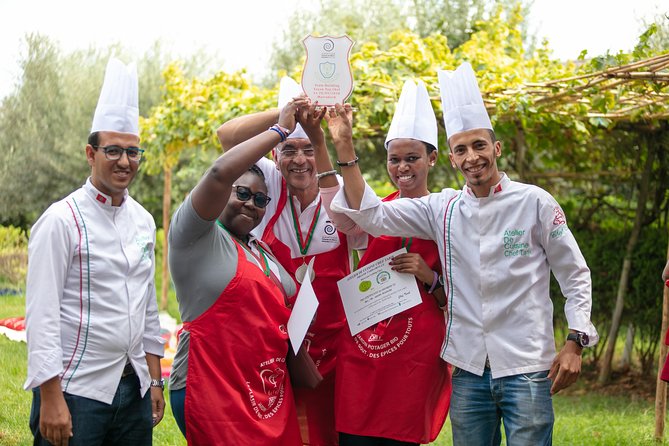
At the end, participants receive a certificate symbolically. It’s not a game-changer, but it adds a satisfying finish line. It also reinforces the idea that this isn’t a casual food show. It’s a real workshop.
How long it takes: plan on about 4 hours. That’s enough time to learn, cook multiple items, and still sit down for lunch without feeling rushed. If your day in Marrakech is packed, this can be a great “anchor activity” that turns your schedule into something easier to plan around.
Price and value in Marrakech terms
The price is listed as $69.79 per person. For Marrakech, that sits in a mid-range zone for cooking experiences, but the value comes from three things:
First, you’re paying for a real workshop format: you cook multiple dishes, not just watch. That’s where the time is spent, and that’s why it feels worth it.
Second, transportation is included for selected hotels. If you’ve ever tried to coordinate a countryside day trip on your own, you know how quickly costs and stress pile up.
Third, lunch and beverages are included. If you’d otherwise pay separately for a meal in the city, this package becomes easier to justify.
Big picture: if your goal is to learn technique and eat well without juggling logistics, this class is a solid value. If your goal is only to take photos and have someone else cook, you might find a more demo-based class better suited.
Who should book this Moroccan cooking class
Book it if you want:
- A hands-on class that covers multiple Moroccan basics like tagines, couscous, and breads
- A rural, calming setting outside Marrakech where you can focus on cooking
- Chef-led guidance with enough support to learn the method, not just the outcome
- A private group experience where attention is easier to get
It may not be ideal if:
- You hate the idea of getting your hands into the cooking process
- You’re tightly time-limited and can’t spare a half-day for the countryside drive and workshop
- You specifically want an alcohol-inclusive meal (alcohol isn’t included)
Tips to get the most from your class
These are simple, but they make the day smoother:
- Arrive ready to cook: comfortable clothes and closed-toe shoes help when you’re moving around a kitchen setup.
- Tell them about dietary needs early: vegetarian is available, and you should advise requirements at booking.
- Ask during the tea and spice steps: that’s where chefs usually explain the “why” behind flavor building.
- Take notes on timing: Moroccan dishes often hinge on how long things simmer or cook over heat.
If you do those, you’ll leave with more than memories. You’ll leave with usable understanding.
Should you book?
Yes, if you want a real Moroccan cooking workshop with strong organization and a focus on technique. The combination of organic farm produce, chef-led step-by-step help (with names like Chef Tarik and Chef Siham mentioned in accounts), and an on-site lunch makes this feel like a complete experience rather than a quick stop.
Skip it only if you’re expecting a city-center activity, a short demo, or an alcohol-included lunch. If that’s not you, this is a day you’ll remember every time you taste mint tea or cook with spices.
FAQ
What does the organic Moroccan cooking class include?
It includes a driver/guide, lunch, beverages, and hotel pickup and drop-off for selected hotels. The class itself is private for your group and you’ll cook and then eat what you prepare.
How long is the experience?
The class lasts about 4 hours.
Is pickup from my hotel included?
Hotel pickup and drop-off are included for selected hotels. Confirmation is received at booking time, so you’ll know if your hotel is covered.
Can the menu be adjusted for dietary needs?
Yes. Vegetarian options are available, and you should advise any dietary requirements at booking.
Are alcoholic drinks included with lunch?
No. Alcoholic drinks are not included.
What if the weather is bad?
The experience requires good weather. If it’s canceled due to poor weather, you’ll be offered a different date or a full refund.