REVIEW · MARRAKESH
Marrakesh: Private Cooking Class & Local Market Shopping
Book on GetYourGuide →Operated by Ateliers d'Ailleurs · Bookable on GetYourGuide
Private tajine cooking starts with a street-level souk. I love the market shopping part because it teaches Arabic spice names, and I love the hands-on tajine cooking with a professional chef. One consideration: even though it’s listed as 4 hours, the experience can run closer to 3–3.5 hours depending on the flow of the day.
You start at a very clear landmark: outside Café France in Djemaa El-Fna, in the 3-storey café on the right side as you enter the square. Then you move from the souk to a riad meal, and you come away with recipes sent after the workshop plus photography included.
This is a private group experience, guided in Arabic, English, or French. If you have dietary preferences, it’s worth mentioning early, since at least one booking reported vegetarian needs being accommodated.
In This Review
- Key highlights to know before you go
- From Café France to the Souk: how your Marrakesh starts
- Souk shopping in Marrakech: spices, herbs, and what you’re actually buying
- A smart move before you go
- The tajine workshop: how the meal comes together
- Why this matters (especially if you cook at home)
- What you might learn beyond tajine
- Eating in a Marrakech riad: your meal, the mood, and the house rules
- Quick tip for comfort
- Languages and private group dynamics: what can make or break the experience
- Value check: is $81 per person fair for Marrakesh tajine and souk time?
- Tips to get the most out of your tajine class
- Who should book this class, and who might skip it
- Should you book this Marrakesh private cooking class?
- FAQ
- Where is the meeting point for the cooking class?
- How long does the cooking class last?
- Is this a private group experience?
- What languages are available with the guide?
- What dish do you learn to cook?
- Do you shop at a local market during the experience?
- Is lunch or dinner included?
- Are recipes provided after the workshop?
- Is photography included?
- Can dietary needs like vegetarian be accommodated?
Key highlights to know before you go
- Arabic ingredient and spice names you can actually use at home
- Chef-led, hands-on tajine cooking, not just a watching session
- Local souk shopping focused on herbs, spices, and fresh produce
- A meal in the heart of Marrakech, in a welcoming riad setting
- Recipes sent after class plus photography included
- Timing can flex, so keep your expectations loosely tied to 4 hours
From Café France to the Souk: how your Marrakesh starts
The first “wow” here is how quickly you’re plugged into real Marrakesh. You meet outside Café France in Djemaa El-Fna, the 3-storey spot on the right when you enter the square through the main entrance. That matters because it reduces the usual stress of Marrakesh meet-ups. You can get your bearings fast, then jump into the food part.
Once you’re with your local guide, the day shifts gears from city sights to ingredient choices. This class doesn’t treat the market as a quick photo stop. It’s built around selecting what you’ll cook, and understanding why those ingredients matter in Moroccan cooking.
A lot of people assume a cooking class is mostly the cooking. Here, the shopping is the backbone. You’ll learn what herbs and spices are doing in the dish, and you’ll also hear the Arabic names for common ingredients and spice components you’ll recognize in other Moroccan meals.
You can also read our reviews of more private tours in Marrakesh



Souk shopping in Marrakech: spices, herbs, and what you’re actually buying
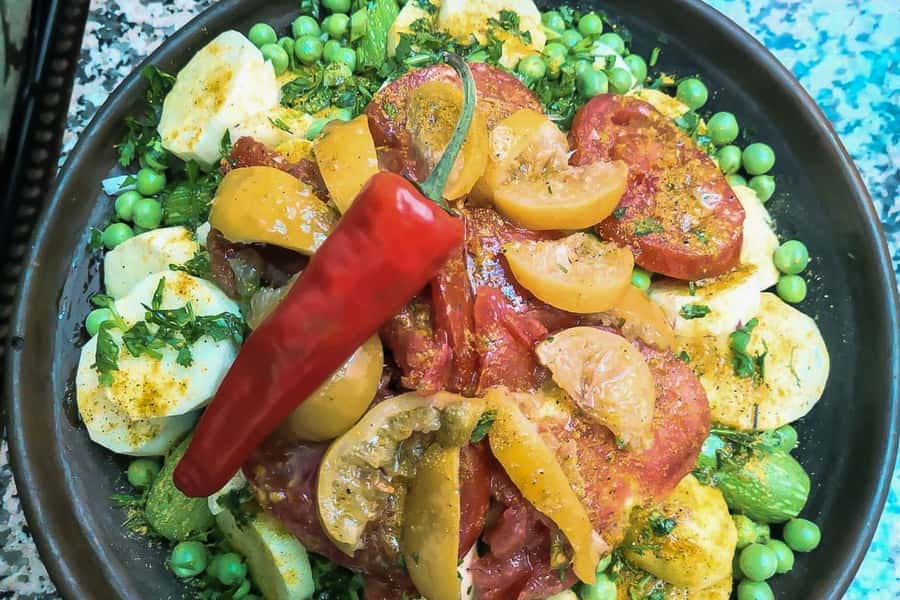
The market segment is the heart of the cultural learning. You’ll be shopping for meats, veggies, herbs, and spices that go into Moroccan cuisine, and you’ll hear about the value of those aromatics. The tour also frames spices as part of a much longer story in Morocco, with imported spices arriving over thousands of years.
You’re not just buying ingredients; you’re learning what to look for. In practice, this means your guide may talk about the quality you want, the types of produce that work well, and how different spice combinations affect the final taste. One thing to keep in mind: a smooth shopping experience depends on clear communication between the chef and the people you’re cooking with. When that communication clicks, you get a very satisfying market lesson. When it doesn’t, the shopping can feel more like selecting items without enough guidance on why certain choices are best.
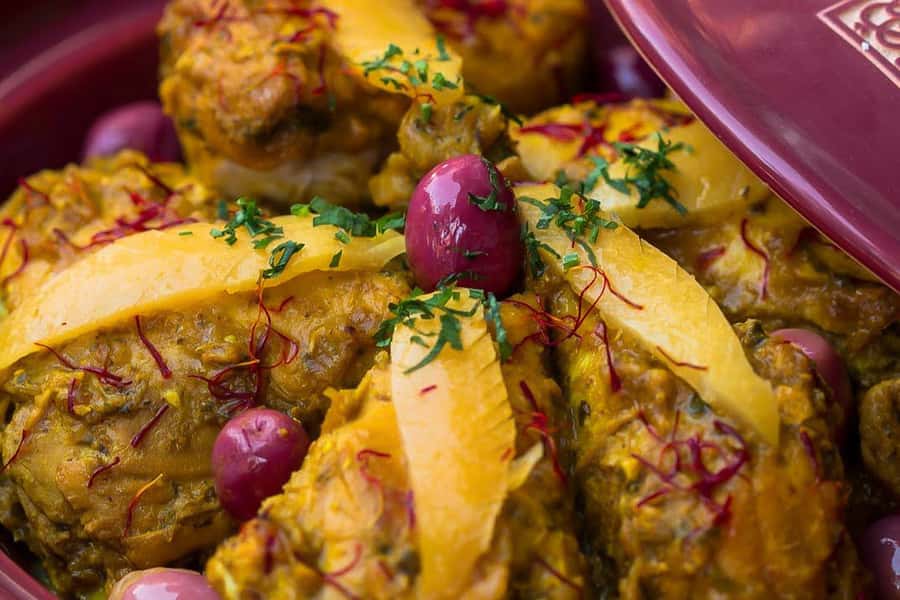
You’ll also come across locally cultivated items highlighted during the experience, like Taliouine saffron, Meknes mint and olives, and Fez oranges and lemons. Those specific examples help you understand that Moroccan cooking isn’t one-size-fits-all. It changes with region, season, and what’s fresh.
A smart move before you go
If there’s anything you want the chef to know—spice level, vegetarian preference, or ingredients you love or avoid—tell your guide early. This is especially important in a private setting where the chef and your group may need to align quickly.
The tajine workshop: how the meal comes together
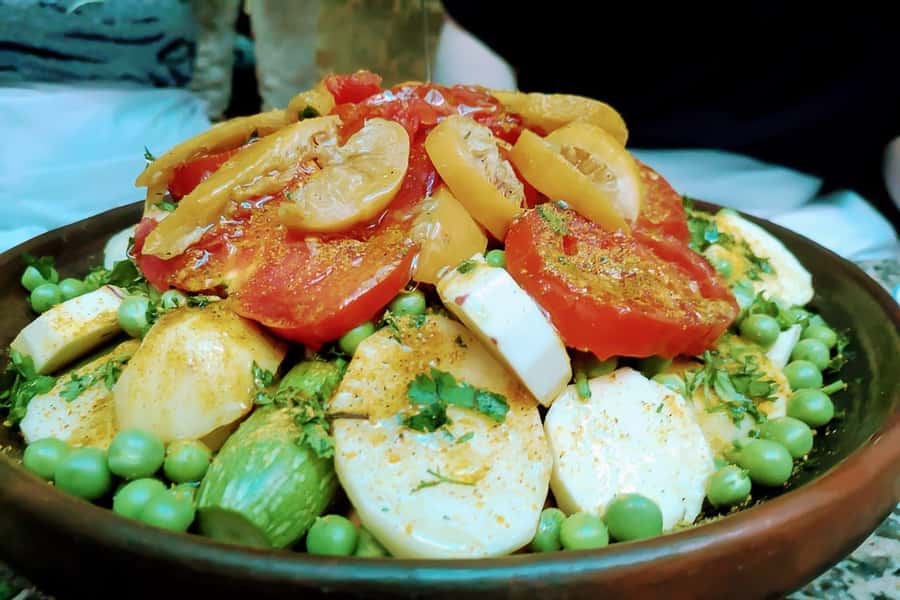
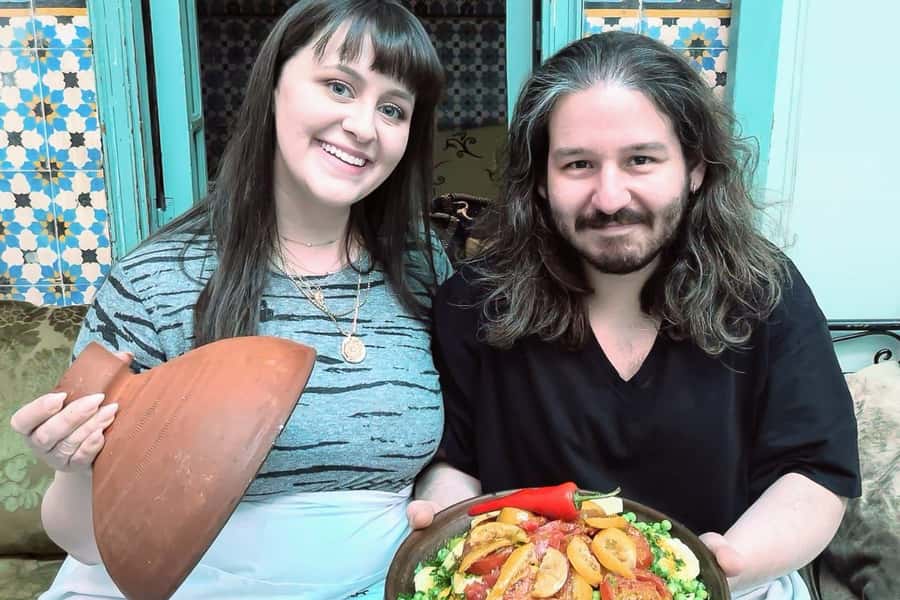
After shopping, you shift into a real cooking rhythm with a professional chef. The focus is a traditional Moroccan tagine, and the class is hands-on, meaning you’re doing the work alongside guidance. That’s where you start learning the practical side: how to handle aromatics, how to balance ingredients, and how to build flavor step by step instead of relying on a single spice.
This workshop also helps you connect the Arabic names you learned in the market to what you’re actually using in the kitchen. It’s one thing to hear a name on the street. It’s another to add it to a pot and understand what it changes.
Why this matters (especially if you cook at home)
If you’ve ever followed a recipe without really understanding why certain spices go together, you’ll appreciate the method here. The tour’s emphasis on herbs and spices isn’t academic. It’s aimed at helping you recreate the taste later, without needing to guess.
The instruction style can also set the tone. Some groups get a very warm, shared feel in the kitchen, with lots of conversation while cooking. Others may find the energy shifts once it’s time to serve and the host takes over. Either way, plan to treat this like a real household meal moment, not a restaurant-style production.
You can also read our reviews of more shopping tours in Marrakesh




What you might learn beyond tajine
The tour is built around tajine, but the experience can extend into other Moroccan kitchen skills depending on the host. For example, at least one booking described learning to bake bread and make a Moroccan salad alongside tajine seasoning and cooking tips.
This is a big reason to consider a private format. You’re more likely to get a flexible lesson shaped around your group. If you’re the type who loves learning practical techniques—how to season, how to prepare sides, how flavors build—this can be more satisfying than a rigid class plan.
That said, keep your expectations anchored to tajine. Other skills are a bonus, not a promise.
Eating in a Marrakech riad: your meal, the mood, and the house rules
The best part is also the simplest: you eat what you cook. After the workshop, you enjoy your prepared meal at a charming riad in the heart of Marrakech. That close connection between cooking and eating is what makes the day feel complete instead of rushed.
The riad setting can bring real warmth. Some hosts welcome you like family, and the whole table feels like a shared moment. You’re not just consuming food; you’re part of a household experience.
At the same time, house culture can influence the atmosphere. One booking described a noticeable shift when the owner joined during the eating phase, with a more controlling vibe and loud audio via phone speaker. That doesn’t mean your day will be like that. It’s simply a reminder that this is still a real home environment. If you’re sensitive to noise or prefer strict “classroom calm,” you may want to set your expectations accordingly.
Quick tip for comfort
Plan to be flexible with timing once cooking is done. When the meal starts, hosts may take charge of the space and the social rhythm.
Languages and private group dynamics: what can make or break the experience
The class runs with a live guide in Arabic, English, or French, and the experience is explicitly set up as a private group. That should translate to more attention on your questions and your needs—especially during ingredient shopping.
Still, communication can affect what you actually get out of the market. One booking noted that an interpreter was present during shopping, but there wasn’t enough back-and-forth communication between the instructor and participants about what the chef wanted in the selected ingredients (like type, quality, and price). That’s the kind of small gap that can make a market lesson feel less “guided” and more like a walk-through.
If you’re the kind of traveler who really wants specifics—how to pick saffron, what “good” mint looks like, what olives taste best for cooking—ask your guide to connect those decisions to the tajine plan early.
On the flip side, several bookings praised guides for clarity and enthusiasm. One described a guide who was super enthusiastic and easy to follow, and another highlighted both the translator’s kindness and the fun energy of a host in the kitchen. Those ingredients—clear guidance and a friendly kitchen—are what turn a cooking class into a story you’ll remember.
Value check: is $81 per person fair for Marrakesh tajine and souk time?
At $81 per person for about 4 hours, this isn’t a casual snack tour. You’re paying for three things that cost money in Morocco: a chef’s time, local guidance during ingredient shopping, and a meal setup inside a riad setting.
Then you add the value extras: recipes are sent after the workshop, and photography is included. Those small add-ons matter if you like to re-create dishes later. Recipes are often the difference between tasting something great once and being able to cook it again at home.
Also, private format matters. You’re not competing for attention with a large group. That typically makes questions easier and adjustments simpler—like when dietary preferences come up. Since one booking reported vegetarian accommodation, it’s reasonable to think the team can work with needs when communicated clearly.
The main value question is time. If your experience clocks closer to 3–3.5 hours, you’ll want to feel good about what’s included during that window. If the guide and chef are aligned, the density of learning can still make it worthwhile. If communication is weaker, the market portion might feel shorter on detail than you hoped.
Tips to get the most out of your tajine class
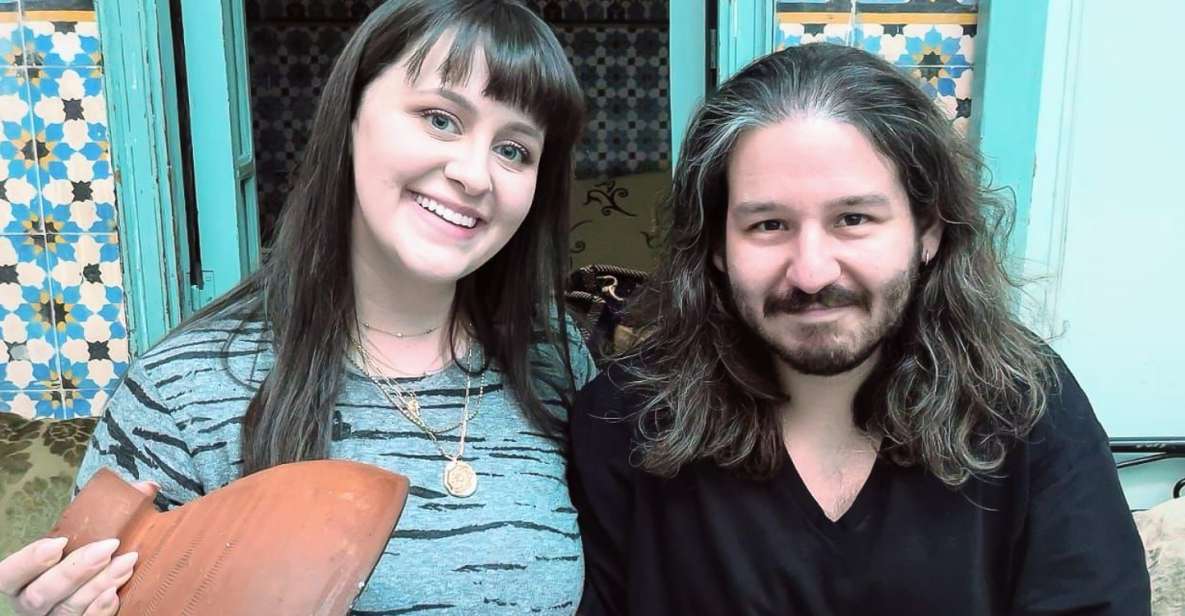
You’ll get better results if you treat this like a learning session, not just a meal.
- Ask for the Arabic names as you go, then repeat them once you’re back in the kitchen so they stick.
- Pay attention during shopping to what your guide says about herbs and spices. That’s usually where the “how to cook it later” lesson lives.
- If you have ingredient preferences or dietary needs, tell your guide at the start rather than mid-class.
- Wear comfortable shoes. The souk is a walking environment, and you’ll want your legs to be happy.
- Be ready for the household atmosphere. A riad meal can feel less like a scheduled show and more like dinner in someone’s home.
Who should book this class, and who might skip it
This experience is a strong fit if you want a Marrakesh food day that feels practical and rooted in real ingredients. It’s especially good for people who:
- want to cook a traditional tajine with guidance
- enjoy markets and want the ingredient learning, not just photos
- like the idea of recipes and reminders after the trip
It might be less ideal if:
- you expect a strict, clockwork 4- or 5-hour schedule
- you want the shopping to be highly technical (ingredient grading, price-quality comparisons) in a very structured way
- you get easily thrown off by changes in household energy once the meal starts
Should you book this Marrakesh private cooking class?
If you like the idea of market shopping plus a chef-led tajine you can eat right away, then yes, it’s a very reasonable choice. The strongest reason to book is the combination: you learn why ingredients matter, you cook them, and you get a meal in a riad setting that makes the day feel complete.
I’d book it with one expectation adjustment: keep your schedule flexible. Even though it’s listed as 4 hours, some days run shorter, and that can shift the amount of detail you get in shopping and cooking. If you’re okay with that and you ask clear questions early—especially about what you want your dish to taste like—this can be one of your most memorable food experiences in Marrakesh.
If you need a safety net, free cancellation is available up to 24 hours in advance, so you can reserve and adjust if your plans change.
FAQ
Where is the meeting point for the cooking class?
You meet outside Café France in Djemaa El-Fna. It’s the 3-storey café on the right side of the square as you enter through the main entrance.
How long does the cooking class last?
The duration is listed as 4 hours. Starting times depend on availability.
Is this a private group experience?
Yes, it’s a private group experience.
What languages are available with the guide?
The live tour guide is available in Arabic, English, and French.
What dish do you learn to cook?
You learn to prepare a traditional Moroccan tagine.
Do you shop at a local market during the experience?
Yes. You’ll shop at a local souk for fresh produce and ingredients to use in your cooking.
Is lunch or dinner included?
Lunch or dinner is included.
Are recipes provided after the workshop?
Yes. Recipes are sent after the workshop.
Is photography included?
Yes. Photography is included.
Can dietary needs like vegetarian be accommodated?
The information provided includes an example where vegetarian was accommodated for the cooking group, so it’s worth telling your guide early so the chef can plan.
—
If you want, tell me your travel dates and whether you prefer more hands-on cooking time or a more detailed market lesson, and I’ll help you decide if this one matches your style.