REVIEW · MARRAKESH
From Marrakesh: 4-Day Private Atlas Mountains & Desert Tour
Book on GetYourGuide →Operated by Tours From Marrakech · Bookable on GetYourGuide
Sahara sunsets start with a long, scenic drive. This private 4-day run threads Marrakech over the High Atlas, past Ouarzazate’s film-world sights, and into the Sahara for an overnight camel ride at Erg Chebbi moment. I also love the chance to slow down at UNESCO Ait Ben Haddou, where kasbah details make more sense when you’re standing right in front of them.
One real consideration: it’s a lot of hours on the road. If you hate long drive days, this can feel like a trade—though you’re also crossing serious terrain and seeing places you’d never hit on your own.
The upside is strong. You get an English-speaking local guide, meals, bottled water, 3 nights of accommodation, and the kind of route that mixes big-name stops with quieter valleys and kasbah towns.
In This Review
- Key highlights at a glance
- Price and Logistics: What You’re Paying For (and What You’re Not)
- Day 1: Marrakech to Ouarzazate via Tizi n’Tichka Pass
- Day 1 into Night: Dadès Valley, Skoura Palms, and the Kasbah Rhythm
- Day 2: Todra Gorge Climb and the “1000 Kasbahs” Road to Merzouga
- Erg Chebbi at Sunset: Camel Ride, Desert Camp Night, and Fire-Time Culture
- Day 3: Sunrise Over the Dunes, Shower Stop, and the Rissani Fossil Stop
- Day 4: Ouarzazate Studios and the Ait Ben Haddou UNESCO Kasbah Walk
- Meals and Accommodation: Comfortable Stops That Keep the Pace Real
- Guide Quality and Safety: Why Names Matter on This Route
- Who This Tour Is Best For (and Who Should Think Twice)
- Should You Book This 4-Day Atlas Mountains and Desert Tour?
- FAQ
- How long is the tour?
- Where does the tour start and end?
- What does the tour include for lodging?
- Do you ride a camel and sleep in the desert?
- Which UNESCO site is visited?
- Are meals included?
- Is there hiking included?
- What languages will the guide speak?
- What should I bring?
- Is free cancellation available?
- Who is the tour not suitable for?
Key highlights at a glance
- UNESCO Ait Ben Haddou: a hands-on walk through classic kasbah architecture
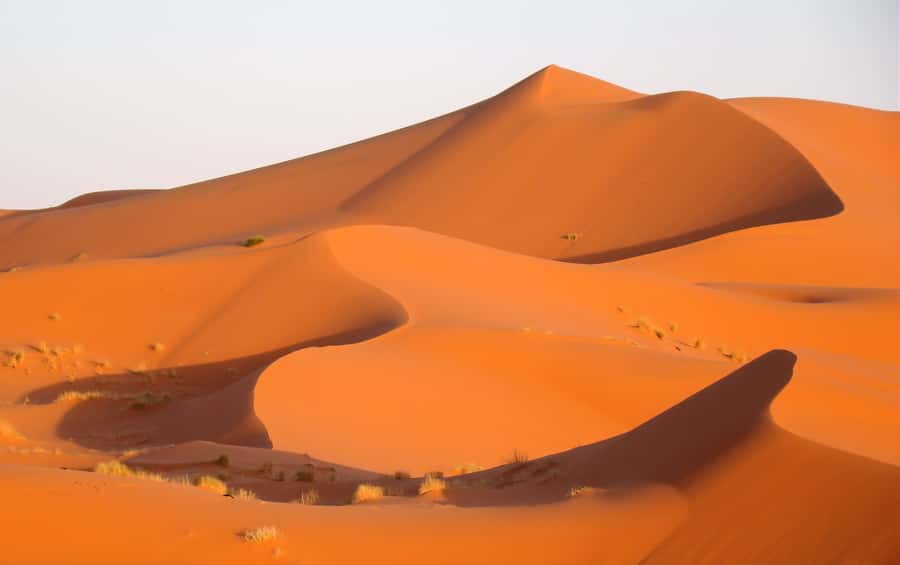
- Erg Chebbi at sunset and sunrise: camel ride timing that makes the dunes look different every hour
- Todra Gorges hike: a canyon walk with dramatic height and views
- Ouarzazate movie sets: tour of the film studios and the Hollywood of Africa feel
- Kasbah valleys and palm oases: Dadès, Skoura, Tinghir, and the road of 1000 kasbahs
- Overnight desert camp: fire-time music and stargazing style evenings
Price and Logistics: What You’re Paying For (and What You’re Not)
This tour runs about $452 per person for 4 days, and that price mostly covers time, transport, and logistics you’d struggle to piece together yourself. You’re not just “going to the Sahara.” You’re doing a long cross-Morocco route with a local guide, 3 nights of lodging, and meals during the tour plus bottled water.
What it doesn’t cover is also worth noting. Drinks and any extra food beyond what’s listed aren’t included. Some entrances or small add-ons can come up depending on what you choose to do on the day, so I’d keep some cash or card ready for optional tickets.
The practical reality: expect long car days. In return, you get the upside of not having to plan each transfer, and you also get frequent photo stops and viewpoint breaks along the way—especially useful for first-timers who want photos without spending the whole day solving navigation.
You can also read our reviews of more private tours in Marrakesh


Day 1: Marrakech to Ouarzazate via Tizi n’Tichka Pass
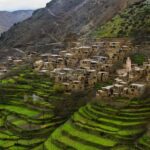
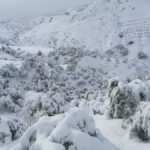
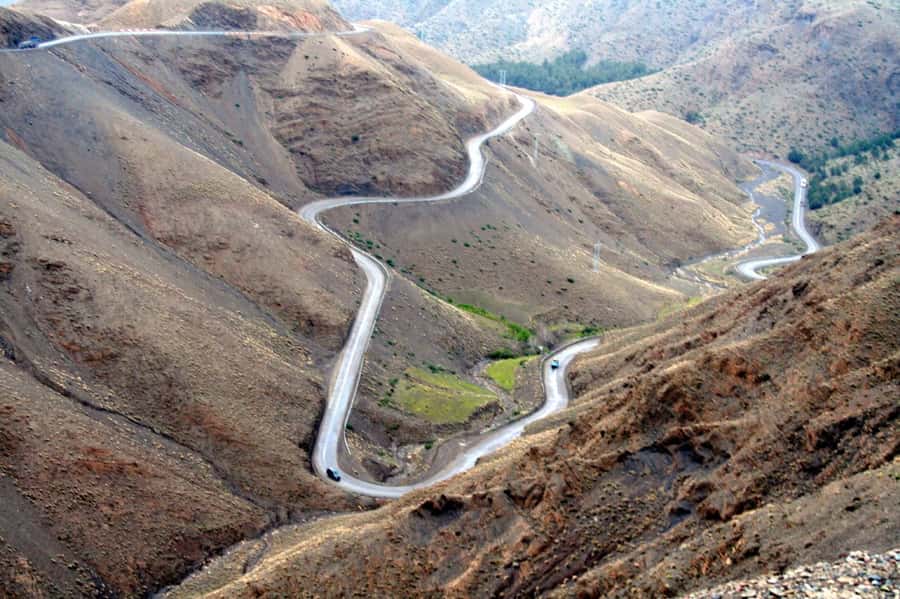
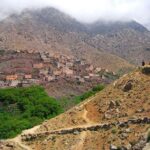
Day 1 is about getting your “wow” early, without rushing. You’ll get picked up from your Marrakech accommodation and start climbing through the High Atlas via Tizi n’Tichka. The road winds through changing colors and terrain, with Berber villages along the way.
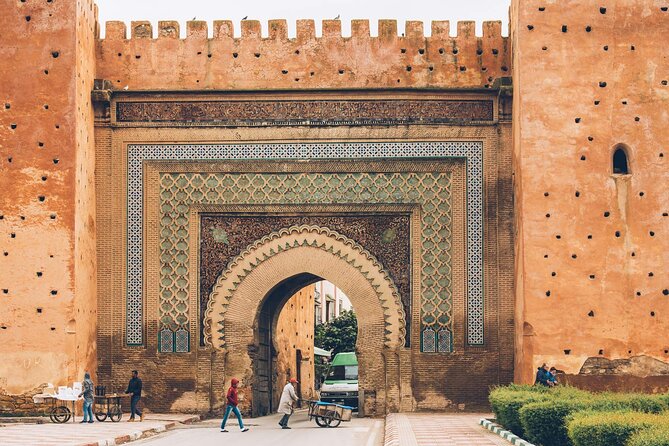
Once you reach Ouarzazate, you’ll have free time and a chance to visit the Taourirt Kasbah. Even if you’re not a history buff, kasbahs hit differently when you see their layered architecture in person, not in photos.
This is also a good day to ask your guide questions while you still have energy. People rave about guides like Mahmoud and Moha for making the drive feel like part of the story, not just a commute.
Day 1 into Night: Dadès Valley, Skoura Palms, and the Kasbah Rhythm
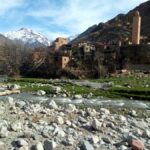
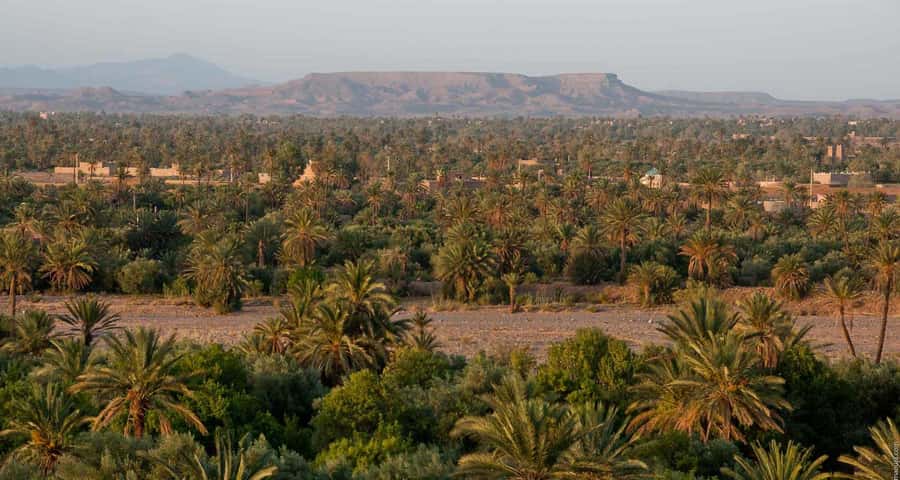
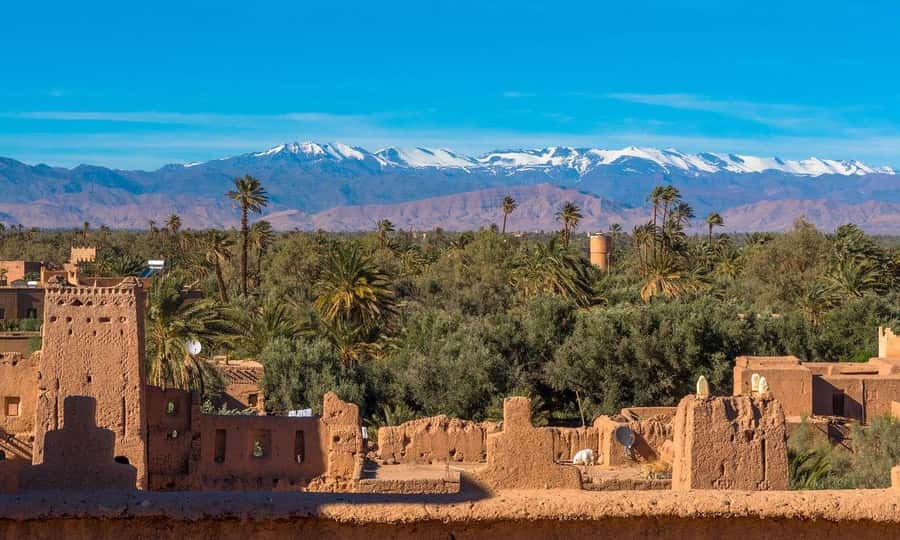
After Ouarzazate, the route shifts toward valleys and softer scenery. You’ll travel through the Dadès Valley, then continue toward the Skoura area and its palm groves—often described as part oasis, part slow-down.
This portion matters because it breaks the trip into chapters. The Atlas gives you height and drama; the valley section gives you texture: palms, villages, and the kind of slow travel that makes the Sahara feel like the next step, not an abrupt jump.
Your day ends at a charming guest house in the valley, with dinner and overnight included. Many travelers remember this stop as a comfort reset after the mountain climb.
Day 2: Todra Gorge Climb and the “1000 Kasbahs” Road to Merzouga
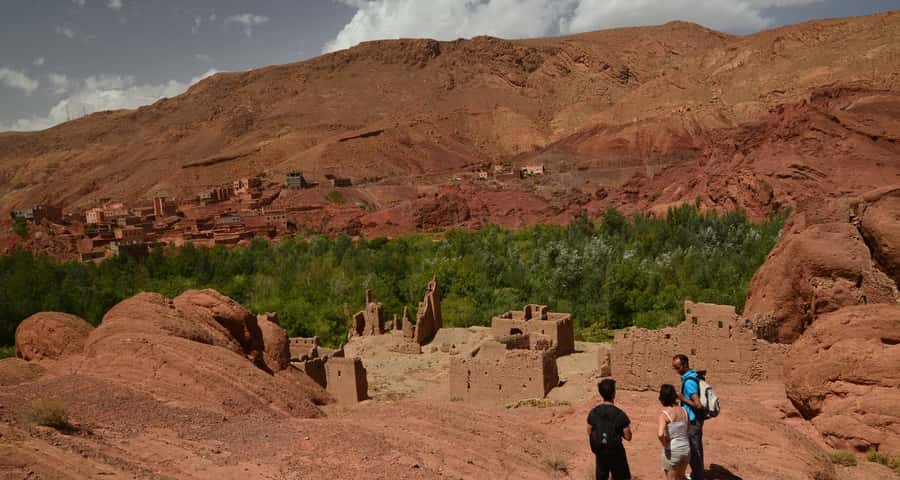
Day 2 is where adventure turns into steps. After breakfast, you head toward the route often called the road of 1000 kasbahs, then stop around Tinghir, known for its palm groves.
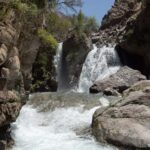
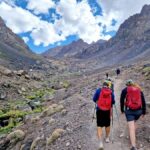
Next up is Todra Gorge, where you can hike along the canyon. The key detail here is the height—up to around 300 meters above the ground—so it’s the kind of walk that feels real, not just scenic.
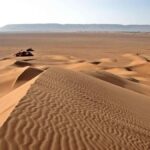
Then you continue to Merzouga and the Erg Chebbi dunes. This is the part of the trip you came for: the Sahara feels huge, and the colors shift fast once the sun moves.
Erg Chebbi at Sunset: Camel Ride, Desert Camp Night, and Fire-Time Culture
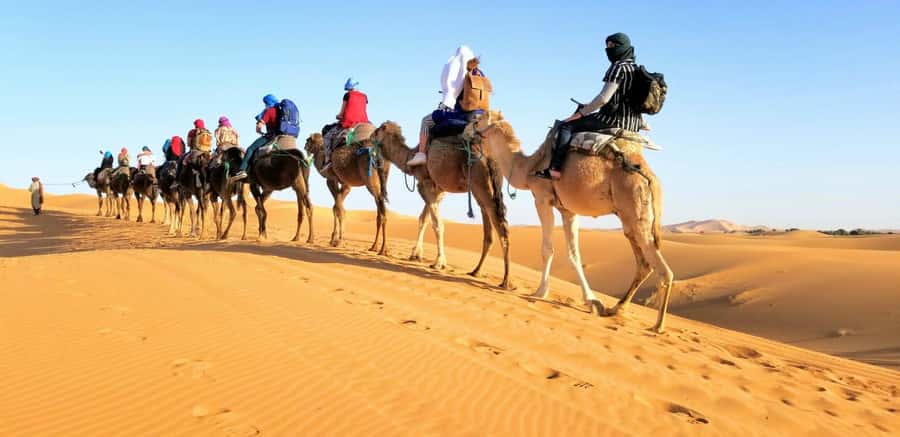
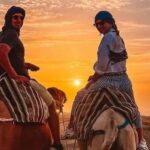
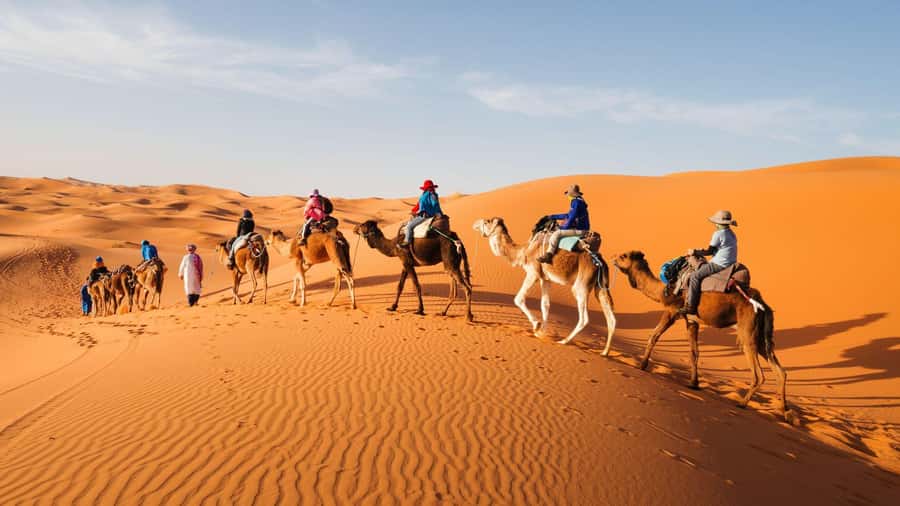
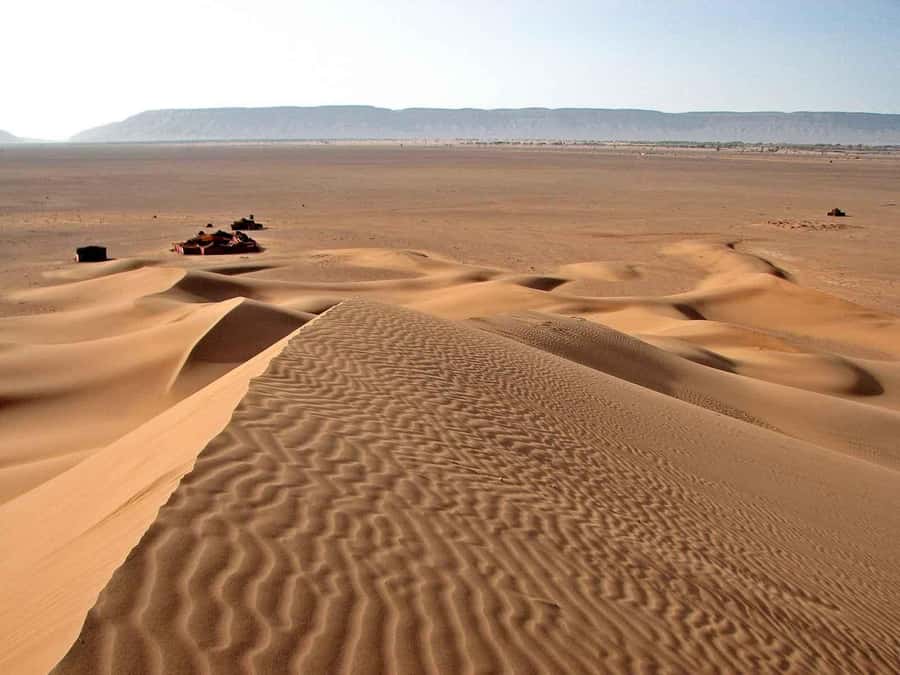
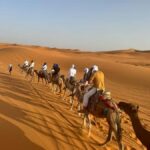
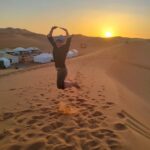
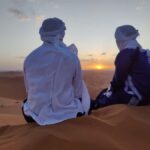
The classic moment is the camel ride at sunset. You’ll ride from the dunes toward the oasis area where the camp is set, and that timing is the whole point: the light turns the dunes into something you can’t fully capture with a camera.
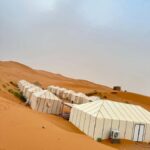
You’ll then spend the night either in nomadic-style tents or under stars, depending on how the camp is set up. It’s not just sleeping—it’s the evening rhythm: time to eat, then music and singing around the camp vibe, with locals joining in.
One detail worth keeping in mind: desert camp logistics can be different from hotel norms. Luggage is typically handled by locals, so you’re not carrying everything yourself, but you should still plan for basic comfort rather than luxury expectations.
A few more Marrakesh tours and experiences worth a look
Day 3: Sunrise Over the Dunes, Shower Stop, and the Rissani Fossil Stop
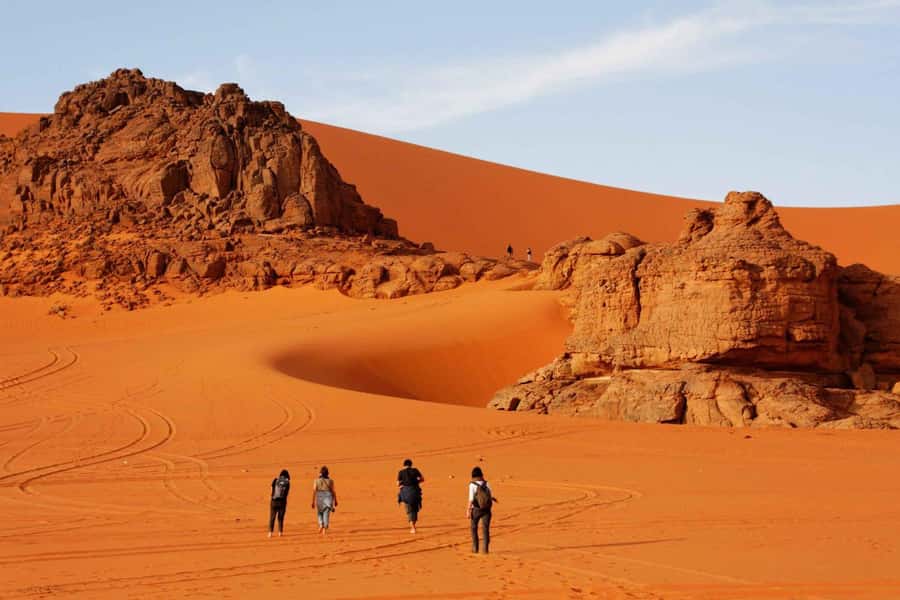
Early morning is another “don’t-miss” window. You’ll watch sunrise over Erg Chebbi, then have breakfast at the camp. Sunrise over dunes changes everything—shadows stretch, colors soften, and the Sahara looks even larger than it did the night before.
After that, you’ll return to a hostel via a camel trek for a quick shower before continuing. Then comes a smaller, fun detour: Rissani, where you can stop to visit a fossil workshop.
This kind of stop is surprisingly good value. It’s a chance to learn something concrete about the region’s geology and local crafts without adding a long hike. Then you’ll head toward the junction of the Drâa and Agdz valley, with dinner and overnight in Ouarzazate.
Day 4: Ouarzazate Studios and the Ait Ben Haddou UNESCO Kasbah Walk
The last day is for culture and cinematic atmosphere. You’ll tour Ouarzazate movie sets and studios, often called the Hollywood of Africa, and you’ll see how the region has been used for major film backdrops.
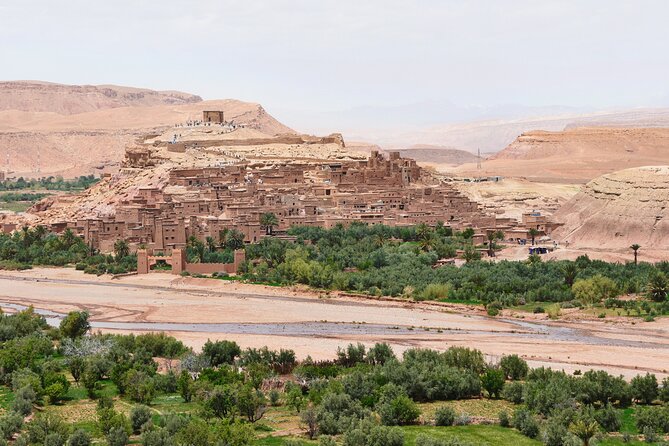
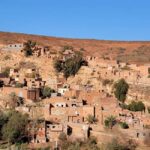
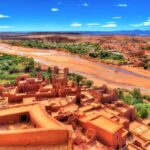
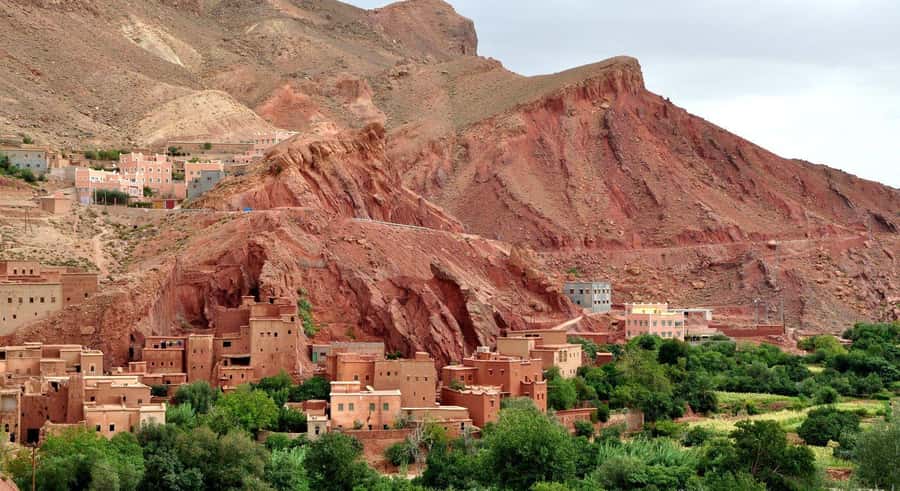
Then you visit Aït Ben Haddou, a UNESCO world heritage site. This is where the kasbah story becomes clear: you can see the defensive structure logic, the earthen building style, and the way the whole settlement works as a unit.
Some people also like adding time for viewpoint stops along the route through the mountains on the drive back toward Marrakech. It’s long travel, but it’s not dead time. The last stretch helps you close the trip with one more set of Atlas views before you’re back in the city.
Meals and Accommodation: Comfortable Stops That Keep the Pace Real
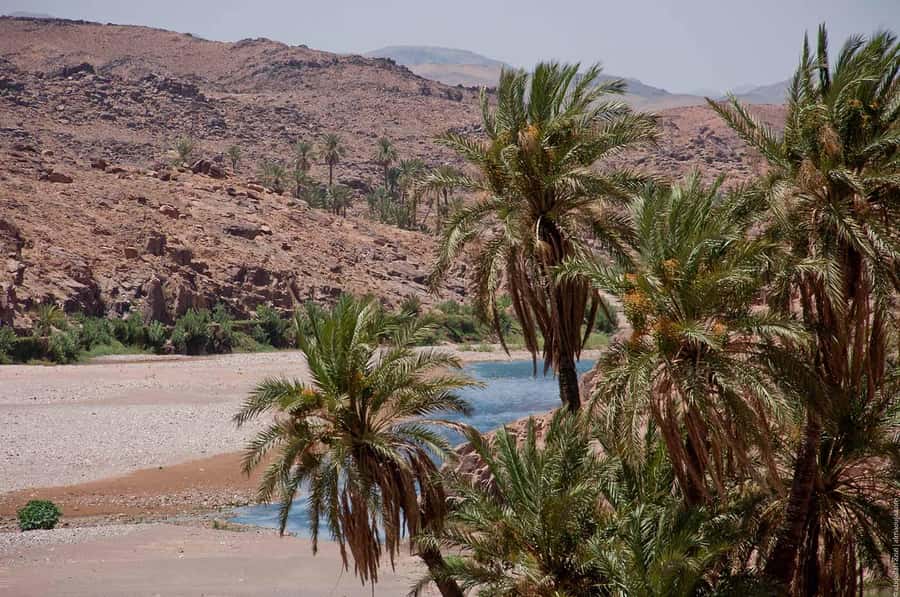
A big part of the tour’s appeal is that it’s built around meals and lodging, not just driving. You get meals during the tour and stay for 3 nights across the journey, including the desert camp night plus guesthouse/hotel nights in the valleys and Ouarzazate.
Food is generally well reviewed. Tajines often come up as a standout, especially toward the end of the trip, and some meals feel genuinely local rather than tourist-menu simple.
Accommodation quality can vary by stop. Most people report good comfort, and some remember specific stays like Riad Gabsi du Dades or Hotel Babylon. Still, this is Morocco travel, not a chain-hotel road trip—so go in expecting “charming” and functional, not uniform luxury.
Guide Quality and Safety: Why Names Matter on This Route
On a 4-day route like this, the guide affects the whole experience: pacing, stops, explanation, and how smoothly the day flows.
Many travelers specifically praise guides such as Mahmoud, Moha, Reda, Aziz Talaoul, and others for being attentive, safe on the road, and good at sharing context. You’ll also hear how guides sometimes arrange extra viewpoint stops for photos, and keep the schedule on track.
There are a couple of notes to keep you grounded. One traveler mentioned vehicle comfort issues (like old or dirty transport, or missing AC), and another wanted more depth from the guide rather than just being an accompanying person. So if comfort is a must for you, I’d ask what kind of vehicle you’ll have and confirm the guide will spend time explaining sites—not just driving between them.
Who This Tour Is Best For (and Who Should Think Twice)
This is a great fit if you:
- want a first-time Morocco experience beyond Marrakech
- love UNESCO sites, kasbah towns, and desert scenery
- want a guided plan that handles transfers and timing
- like early mornings for sunrise moments and the slow pace of valleys
It’s also a solid option for families, but with one caution: there’s a lot of driving. If you’re traveling with kids, you’ll want snacks, water, and a plan for breaks (and you’ll appreciate a guide who keeps the ride smooth, like the ones praised for professional driving).
Think twice if you:
- hate long car days
- expect luxury hotel consistency at every night
- have strict dietary needs and want meals tailored perfectly without communicating ahead
Should You Book This 4-Day Atlas Mountains and Desert Tour?
If you want Morocco’s “big three” in one trip—Atlas mountains, kasbah culture, and the Sahara—this is a strong choice. The best reason to book is the structure: it’s paced to include sunset and sunrise in Erg Chebbi, plus hiking and UNESCO time, without you juggling logistics.
If you’re more of a minimalist who wants to spend less time in transit, you might feel the drive hours more than the average person. In that case, you can still get value from the route, but you should go in with realistic expectations about time on the road.
My simple recommendation: book it if you want the experience to be planned, paced, and guided—and you’re okay trading a lot of driving for places that feel far away from “normal travel.”
FAQ
How long is the tour?
It’s a 4-day private tour.
Where does the tour start and end?
The tour starts with pickup from your hotel in Marrakech and returns you back to Marrakech at the end.
What does the tour include for lodging?
It includes 3 nights of accommodation during the itinerary.
Do you ride a camel and sleep in the desert?
Yes. You’ll ride a camel in Merzouga at sunset and enjoy an overnight stay in the desert camp area.
Which UNESCO site is visited?
You’ll visit Aït Ben Haddou, which is listed as a UNESCO world heritage site.
Are meals included?
Yes. Meals during the tour are included, and bottled water is also included.
Is there hiking included?
Yes. You’ll have time for a hike in the Todra Gorges area.
What languages will the guide speak?
The live tour guide can speak French, English, Spanish, and Arabic.
What should I bring?
Bring your passport, a towel, and a camera.
Is free cancellation available?
Yes. You can cancel up to 24 hours in advance for a full refund.
Who is the tour not suitable for?
It’s not suitable for people over 95 years.