REVIEW · MARRAKECH
3 Days Tour from Marrakech to Merzouga Desert with Luxury Camp
Book on Viator →Operated by Marrakech Excursao Deserto · Bookable on Viator
Three days is short, so Morocco has to move fast. You’ll cross the Atlas Mountains and drop into the Sahara with stops at famous sights like Ait Benhaddou, plus the big moment: a camel ride into Erg Chebbi for sunset, dinner, and sleep in a furnished tent. Many guides—people like Brahim and Yousseff come up again and again—are praised for keeping the drive interesting and making sure you feel looked after.
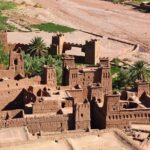
I love two parts most. First, the guided visit to Ait Benhaddou—this UNESCO kasbah is more than a photo stop, and the local guide helps you understand what you’re seeing. Second, the desert overnight: a luxury camp setup with a private bathroom, dinner, and typical live entertainment, followed by sandboarding in the dunes. It’s the kind of comfort that lets you enjoy the wild scenery without roughing it too hard.
One drawback to plan for: it’s a lot of road time and early starts (you’re set to begin around 7:30am). If you’re the type who gets antsy in the car, or you prefer to slow down and linger, this format can feel like a whistle-stop tour—especially since lunches and drinks aren’t included.
In This Review
- Key highlights to look forward to
- From Marrakech to the Atlas Mountains: that 7:30am departure feeling
- Tizi n Tichka viewpoints and the Rose Valley argan stop
- Marrakech to desert via Ouarzazate vibes and the mountain road rhythm
- Todra Gorge to Merzouga: the slow change that makes Erg Chebbi hit harder
- Camel ride into the dunes: how the caravan moment works
- Luxury desert camp with private bathroom: comfort that doesn’t kill the vibe
- Sandboarding and sunset/sunrise timing on Erg Chebbi
- The return to Marrakech: Draa Valley and crossing back through Anti Atlas
- Price and value: why $174.47 can make sense (and where it can fall short)
- Who this tour suits best—and who should think twice
- Should you book this Marrakech to Merzouga luxury camp tour?
- FAQ
- What time does the tour start in Marrakech?
- Where does the tour start and end?
- Is the camel ride included, and can I choose not to ride?
- What desert activities are included at Merzouga?
- What meals are included, and what about lunch?
- Are there bathroom facilities in the desert camp?
Key highlights to look forward to
- Ait Benhaddou with a local guide: learn the why behind the UNESCO kasbah, not just the where.
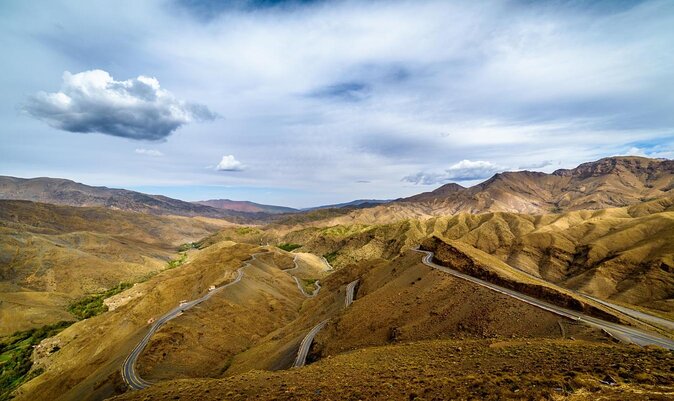
- Atlas-to-desert scenery: quick photo stops at major viewpoints like Tizi n Tichka.
- Argan oil cooperative stop: see how cooperatives produce and share traditional oil work.
- Erg Chebbi at sunset and sunrise: camel caravan timing for golden-hour dunes.
- Luxury camp with private bathroom: comfort matters when the desert is your big payoff.
- Sandboarding in the dunes: included fun that makes the desert feel less like a museum.
From Marrakech to the Atlas Mountains: that 7:30am departure feeling
This tour kicks off from a central Marrakech pickup point (Ali—Rue Moulay Ismail area), and the start time is listed as 7:30am. That early push is a big deal, because it buys you daylight for the drive across changing terrain. You’re not just getting from point A to point B—you’re watching Morocco shift under you.
Right away, you’ll head toward the Atlas Mountains. The plan includes a straightforward early-morning travel flow (with a stop at the Atlas area), and then you’re working your way toward the famous Tizi n Tichka pass. If you’re the kind of traveler who likes window seats and loves noticing road geography, this section is actually a “destination” in its own right.
One practical thing: bring layers. Even if Marrakech feels warm, mountain air can feel cooler, and you’ll want something for comfort in both the car and the higher viewpoints.
A few more Marrakech tours and experiences worth a look
Tizi n Tichka viewpoints and the Rose Valley argan stop
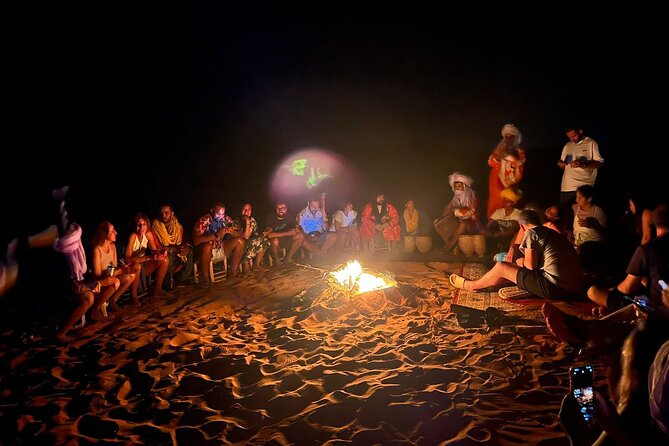
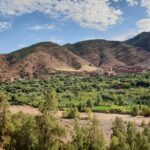
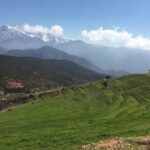
Tizi n Tichka is the headline for many people, and here you get photo stops designed around the best moments. The pass is known for dramatic mountain views, and the short time you get on-site is usually enough to grab photos, stretch your legs, and soak in the scale—without turning the day into a slow crawl.
Next comes a stop at the Vallee Des Roses, tied to an argan oil producers’ cooperative. This is one of those stops that can either feel touristy or feel meaningful, depending on how you approach it. The setup here is clearly educational: you’re visiting the producers’ cooperative and discovering the work behind argan oil. If you like learning how local products move from hands to markets, you’ll likely enjoy this break more than you expect.
Timing matters too. These stops are short (30 minutes each is listed), so don’t expect a long workshop style visit. Instead, think of it as a compact “understand the basics” stop before the route turns more desert-like.
Marrakech to desert via Ouarzazate vibes and the mountain road rhythm
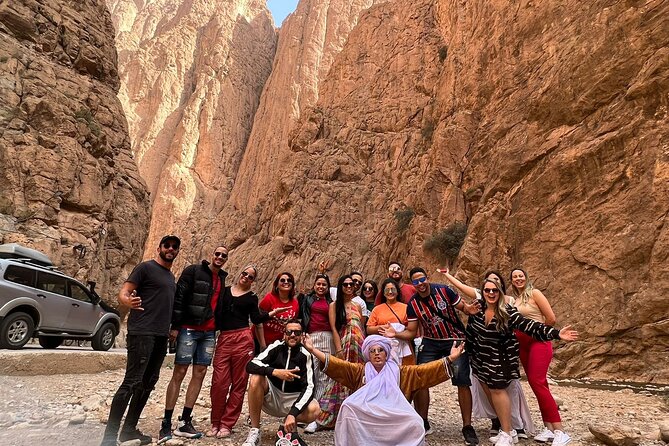
After the first day’s Atlas crossing and cultural/product stop, the tour continues into the classic southern Morocco corridor. You’ll be driving through mountainous areas and mountain valleys, and you’ll feel the pace turn more scenic and less urban. This is the part of the trip where Morocco goes from “city country” to “road movie.”
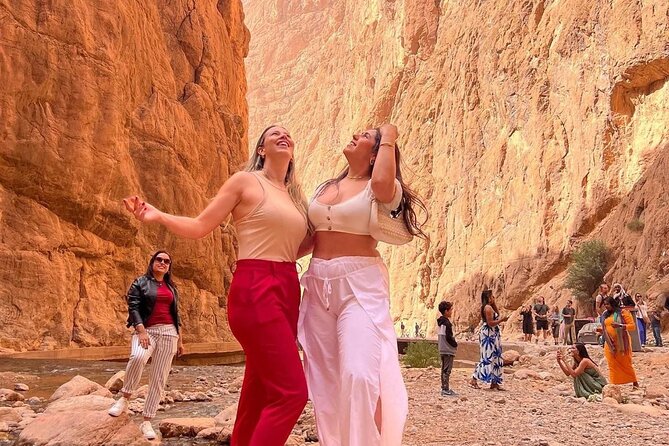
By the time you’re reaching the second day, the route focuses on gorge country. The plan includes Todra Gorge (Gargantas del Todra), with a listed stop after breakfast. Todra is often dramatic for its rock walls and narrow passage feel, and for many people it’s one of those places where the landscape makes the rest of the day make sense. It’s easier to appreciate the desert when the mountains feel this physical first.
Then you continue toward Merzouga. There’s a lunch break stop at Goulmima (listed as a stop with lunch on the way, but not included in what’s paid). What you’ll learn from this kind of routing is simple: the desert is never “sudden.” It grows on you as the road heads deeper into arid zones.
Todra Gorge to Merzouga: the slow change that makes Erg Chebbi hit harder
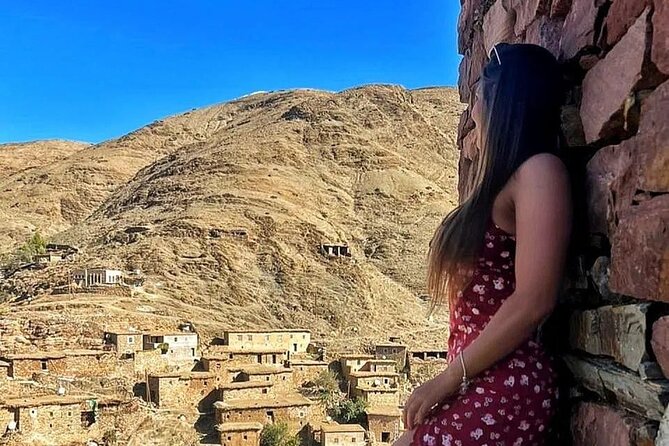
The drive from Todra-area scenery toward Merzouga is where you’ll really notice the landscape shift. You leave the lush-leaning mountain mood behind and start traveling through arid stretches that feel bigger and barer with every hour.
Once you near Merzouga, you’re approaching Erg Chebbi—the famous dune area around this part of Morocco. The tour’s structure is built to make that arrival feel special. You don’t just get dropped at a camp and told to wander. You arrive with a welcome tea, and you get a chance to settle before moving into the dune experience.
A helpful detail: the plan says you leave luggage in a shelter and only take what you need for the desert part. That’s practical because it keeps the camel trek lighter and reduces the stress of hauling bags across sand. If you’re used to carrying camera gear, still keep it minimal—small is good here.
Camel ride into the dunes: how the caravan moment works
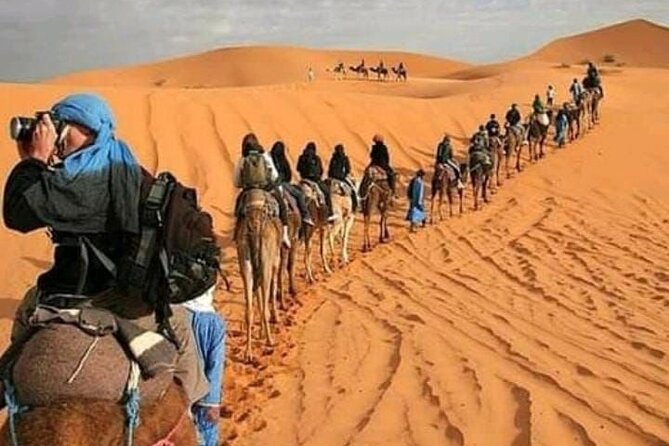
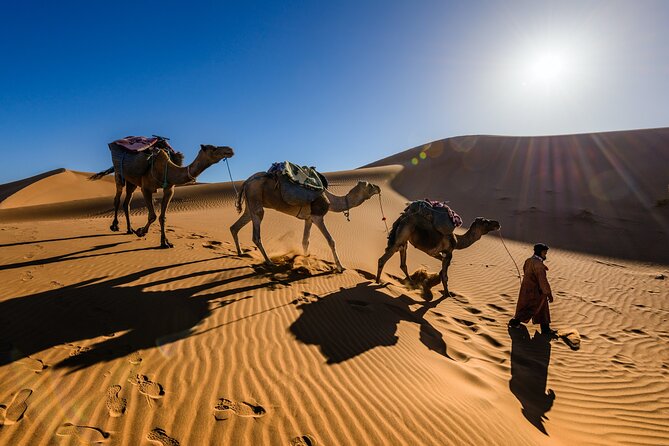
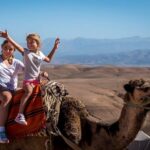
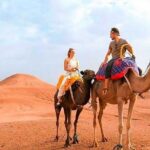
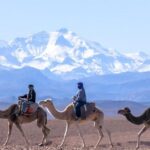
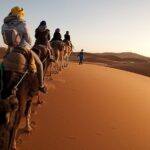
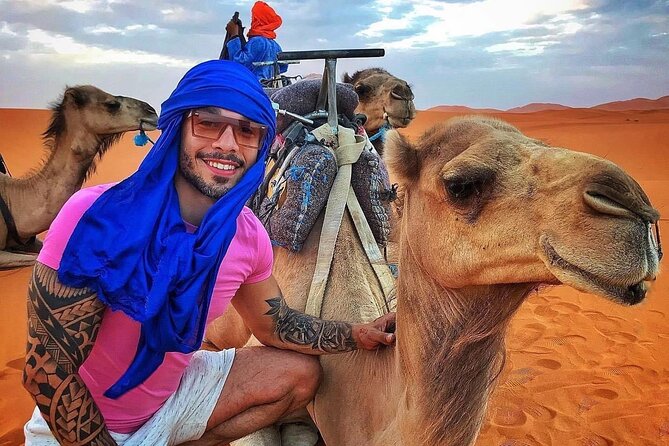
This is the big “Sahara moment,” and the tour gives it a clear shape. After arrival at the dunes of Erg Chebbi, you’ll have welcome tea, then the camel caravan begins. The listing says the camel ride takes about an hour with local guides, and there’s also an optional 4×4 transfer to the camp if you’d rather not ride the camels.
Two things I like about this setup. One: timing. You’ll head out immediately after arrival, so the dunes are your first full impression rather than something you only see after dark. Two: the stop halfway to see the sunset (listed). That’s smart planning because dunes are best when the light softens and shadows stretch across the sand.
If you’re worried about the camel ride, the fact that there’s an option for a 4×4 transfer is a real plus. You still get the camp and the desert atmosphere either way—you’re just trading the time on the animals for quicker access.
A few more Marrakech tours and experiences worth a look
Luxury desert camp with private bathroom: comfort that doesn’t kill the vibe
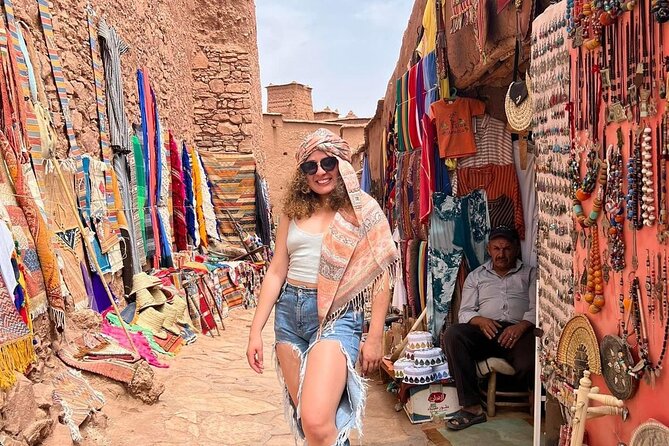
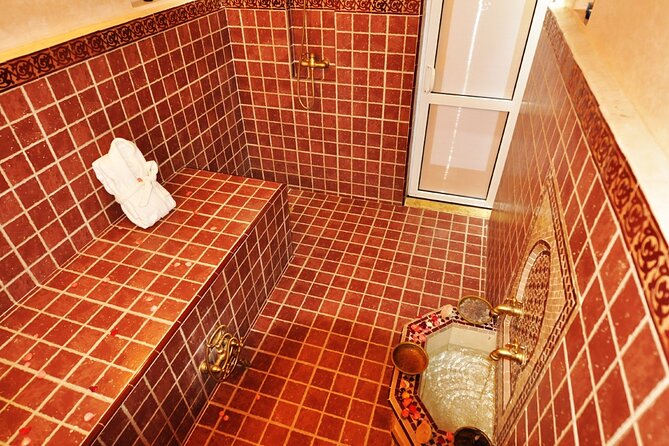
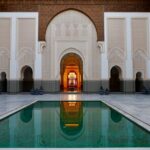
Sleep in the desert is one thing. Sleep in the desert with a private bathroom is another level. The tour includes one night in a luxury desert camp with private bathroom, plus a traditional dinner and typical music.
Here’s what that means for your real trip experience: it’s easier to enjoy the evening without the usual “desert logistics fatigue.” When you’re fresh after a camel trek, you can focus on the camp dinner and the music instead of counting the hours until you can wash up.
Dinner is included (listed as two dinners across the tour). There’s also live entertainment described as typical music. The goal isn’t Broadway—it’s cultural atmosphere that matches the desert evening. If you’re curious about local customs, this is usually the part where you end up chatting with staff or guides in a relaxed way, not like an “activity” with a rigid script.
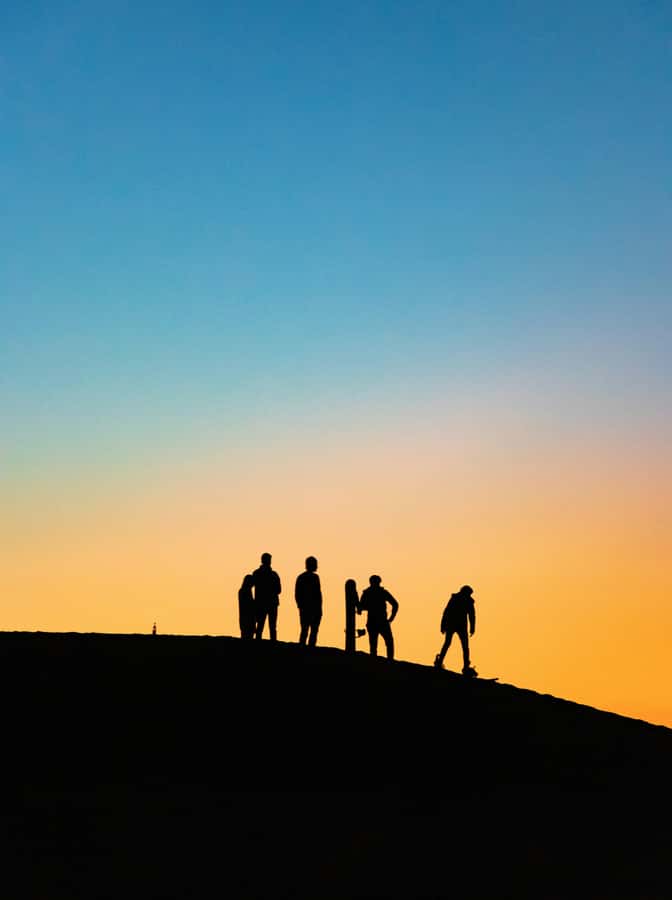
Also, sandboarding is included. That gives you an actual physical interaction with the dunes—not just walking around in silence. It’s one of the highest “fun per minute” activities you’ll do on this route.
Sandboarding and sunset/sunrise timing on Erg Chebbi
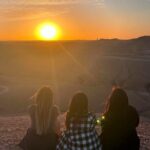
You’ll get both golden-hour moments. On the night in the dunes, there’s a planned stop halfway to watch sunset. Then on the next morning, you wake before dawn to watch sunrise over the dunes. That pre-dawn start matters more than it sounds. Early light makes Erg Chebbi look bigger and more textured, and it feels calmer—like the dunes belong to you for a minute.
Sandboarding is listed as included, and that’s a great pairing with sunrise because the dunes’ surface is easier to enjoy when the temperature is cooler. You’ll likely want to bring sunscreen anyway, because desert sun can surprise you even when the air feels cool.
A practical tip for your own comfort: after the camel trek and dinner, expect to bundle up for temperature drops. The desert can cool down fast at night, and you’ll feel it in the tent.
The return to Marrakech: Draa Valley and crossing back through Anti Atlas
When you wake for sunrise and wrap up the desert portion, the tour turns toward Marrakech. This is where the route adds variety rather than repeating the same scenery. The plan includes crossing arid desert landscapes until reaching the Valley of the Draa area, along with time with a local guide to learn more about people and customs.
Then you continue onward, crossing the Anti Atlas to reach Ouarzazate. A lunch stop is mentioned on-site, and afterward you cross the High Atlas. The tour is set to arrive back in Marrakech around 20:00.
What’s valuable here is the contrast. You’ve just had a day centered on dunes and stars, and then you’re back on roads cutting through mountain systems again. If you like “seeing the whole system,” not just one postcard, this return route gives you that.
Also, remember: by the end of day three, you’re tired. You’ve had an early morning wake-up in the dunes and then a long drive. Keep your energy simple: water, snacks if you like, and comfortable clothes for the ride.
Price and value: why $174.47 can make sense (and where it can fall short)
At about $174.47 per person, this tour isn’t priced like a barebones desert day. What you get is a bundled package that includes major costs most independent trips charge you separately for.
Here’s what’s included:
- Transport by air-conditioned minibus (fuel included)
- 1 night in a hotel (during the route days)
- 1 night in a luxury desert camp with private bathroom
- Camel ride (one camel per person), or an optional 4×4 transfer to the camp
- Sandboarding
- Kasbah Ait Benhaddou visits with local guides
- Breakfasts (2) and dinners (2)
What’s not included:
- Lunches and drinks
- Tips/gratuities
So where can it fall short? The only big “gotcha” is that lunches and drinks are on you. If you’re the type who buys bottled drinks or eats a more expensive lunch, that can add up. Also, “luxury camp” is usually good news—but a review you’ll see in the wild notes that some people thought the camp/hotel might not match their exact idea of luxury. The private bathroom is listed as included, which is a strong comfort baseline, but if your standards are very specific, ask what comes with the tent setup.
Overall, the value is strongest for you if you want guided cultural stops plus a real overnight in the desert without having to coordinate transport, guides, and sand activities on your own.
Who this tour suits best—and who should think twice
This tour fits best if you want:
- A structured, time-efficient way to cover Marrakech to Merzouga
- Cultural stops that include local guides (especially Ait Benhaddou)
- A comfortable desert night rather than basic camping
- Clear desert moments: camel ride, sunset, sunrise, sandboarding
It might not fit you as well if:
- You hate early mornings (start is around 7:30am, plus a pre-dawn sunrise wake-up)
- You prefer slow travel with lots of unplanned time in each place
- You don’t like long drives—because this route is a lot of road for three days
If you’re traveling solo, couples, or a small group and you like meeting local guides like Brahim, this format tends to feel smooth. The repeated praise for guide attention and warmth suggests the human side is a big part of the experience here.
Should you book this Marrakech to Merzouga luxury camp tour?
Book it if you want a classic Morocco cross-country experience with a real desert overnight and comfort upgrades that matter—like private bathroom. It’s a good pick for first-timers to the Sahara because you get the key sights, plus the timing that makes Erg Chebbi unforgettable.
Skip it or consider carefully if you’re sensitive to long driving days or you really prefer to linger at fewer stops. Also budget for lunches and drinks, and keep your expectations honest about what three days can cover.
If your dream is Atlas mountains in daylight, Ait Benhaddou explained by a local guide, and dunes lit by sunrise—with someone else doing the driving—this tour is built for you.
FAQ
What time does the tour start in Marrakech?
The meeting point start time is listed as 7:30am, and the first day departure is described as leaving toward the desert in the morning (8am is mentioned in the schedule).
Where does the tour start and end?
It starts at the Ali—Rue Moulay Ismail hotel area in Marrakech (Marrakech 40000, Morocco) and ends back at the same meeting point.
Is the camel ride included, and can I choose not to ride?
A camel ride is included (one camel per person). There is also an optional 4×4 transfer to the camp if you prefer not to ride the camels.
What desert activities are included at Merzouga?
Sandboarding is included, and the schedule also includes camel caravan time into the dunes, plus a sunset stop and a pre-dawn sunrise experience.
What meals are included, and what about lunch?
Breakfast (2) and dinner (2) are included. Lunches and drinks are not included.
Are there bathroom facilities in the desert camp?
Yes. The luxury desert camp is listed as having a private bathroom for the overnight stay.